The Ground-Level Oregon Plants That Prevent Weeds Around Fruit Trees Without Competing
Bare soil around a fruit tree rarely stays bare for long. Weeds spot that open space, settle in fast, and start stealing attention before the tree gets a chance to enjoy the season.
Bold move. Low-growing plants can offer a smarter solution. The right choices form a living layer that helps block weed growth without crowding the tree or demanding a share of everything below the surface.
That balance matters in Oregon yards, where moisture levels can shift and fruit trees already face enough pressure during summer.
A groundcover that spreads too aggressively may create a new problem instead of fixing the old one.
The best options stay low, behave well, and support the space around the trunk without taking over.
With the right plants in place, the area can look finished while weeds lose their favorite opening. Even better, the fruit tree remains the clear star of the show.
1. Self-Heal Fills Gaps Around Fruit Trees Gently
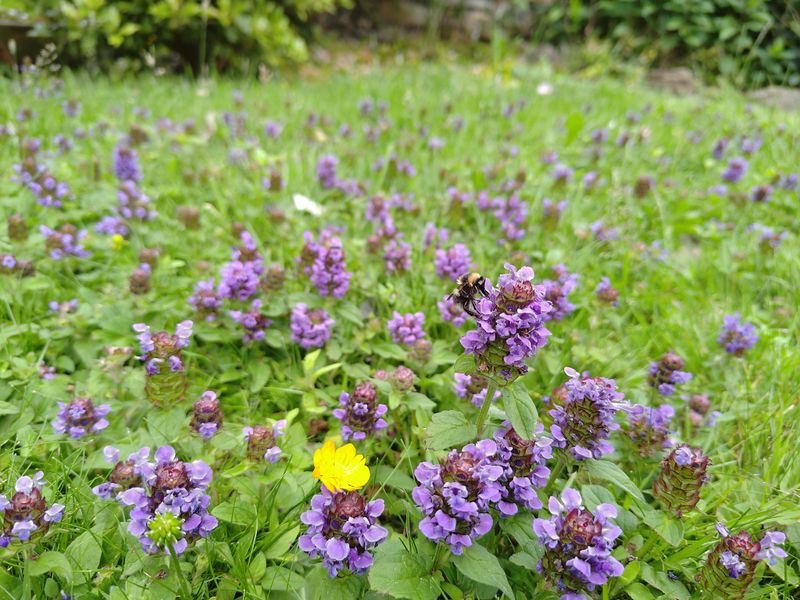
Native to many parts of the Pacific Northwest, self-heal has a quiet confidence about it. This low-growing herb spreads slowly and steadily, filling in bare patches of soil without ever getting pushy.
It rarely grows taller than six inches, which means it never shades out the base of your tree.
Gardeners in Oregon have used self-heal for generations, both as a medicinal herb and as a simple groundcover. It tolerates compacted soil surprisingly well, which makes it useful in older orchards where the ground has been walked on for years.
The small purple flower spikes are charming and attract native bees throughout the summer months.
One of the best things about self-heal is how it handles partial shade. Many groundcovers struggle under the canopy of a mature fruit tree, but self-heal actually prefers that kind of filtered light.
It stays green and full even when the sun does not reach it directly for most of the day.
Plant it from seed or small starts in spring, and water it in well for the first few weeks. After that, it is largely self-sufficient.
It spreads by runners and by seed, so it gradually fills in gaps without you having to replant. Weeds have a hard time breaking through once self-heal gets going.
It is one of the most low-effort groundcovers you can choose for a shaded tree circle.
2. Creeping Thyme Works Beyond The Root Flare
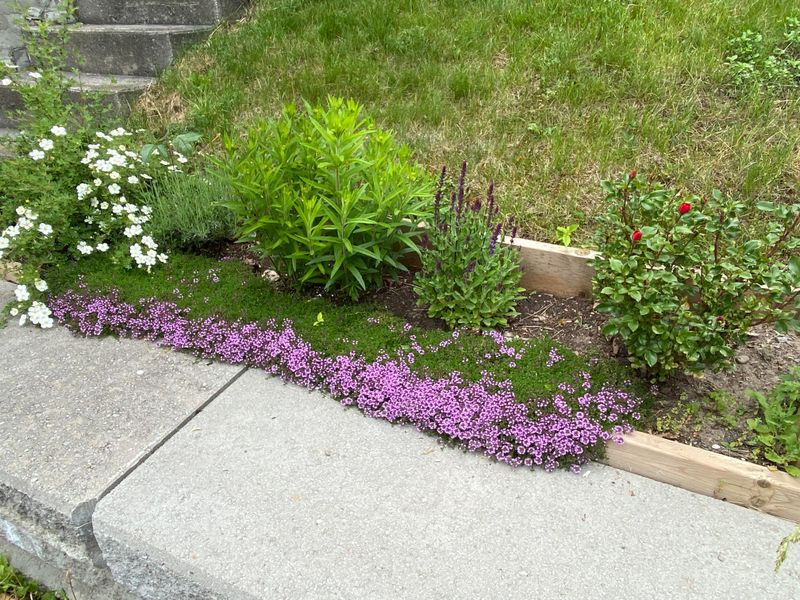
Right at the edge of where most gardeners stop paying attention, creeping thyme quietly gets to work.
It spreads out beyond the root flare of a fruit tree and covers the ground in a fragrant, dense carpet that weeds simply cannot push through. That outer ring of soil is often the most neglected part of any tree circle.
Creeping thyme stays incredibly flat, usually no more than two to three inches tall. It is tough enough to handle light foot traffic, drought, and the kind of lean, dry soil that shows up at the outer edges of many home orchards.
In fact, it actually prefers soil that is not too rich or too wet. The tiny flowers bloom in shades of pink and purple during late spring and early summer.
Your Oregon Garden Changes Every Week. Your Plan Should Too.
Gardening in Oregon changes quickly throughout the season. Every Friday you’ll receive a simple weekly plan showing exactly what to plant, prune, fertilize, harvest, and protect so you never miss the right timing.
Bees flock to them, which is a welcome bonus in any fruit-growing space.
The aromatic oils in the leaves may also help deter certain soil pests, though the main benefit is simply how well it smothers weed growth.
It grows well across most of Oregon, especially in sunnier spots with good drainage. Plant starts or seeds in early spring and give them a few weeks to settle in.
Once established, creeping thyme spreads steadily on its own. You can divide clumps every few years to fill in new areas.
It is a reliable, beautiful, and genuinely useful plant for any orchard edge.
3. Dutch White Clover Covers Soil Without Getting Tall
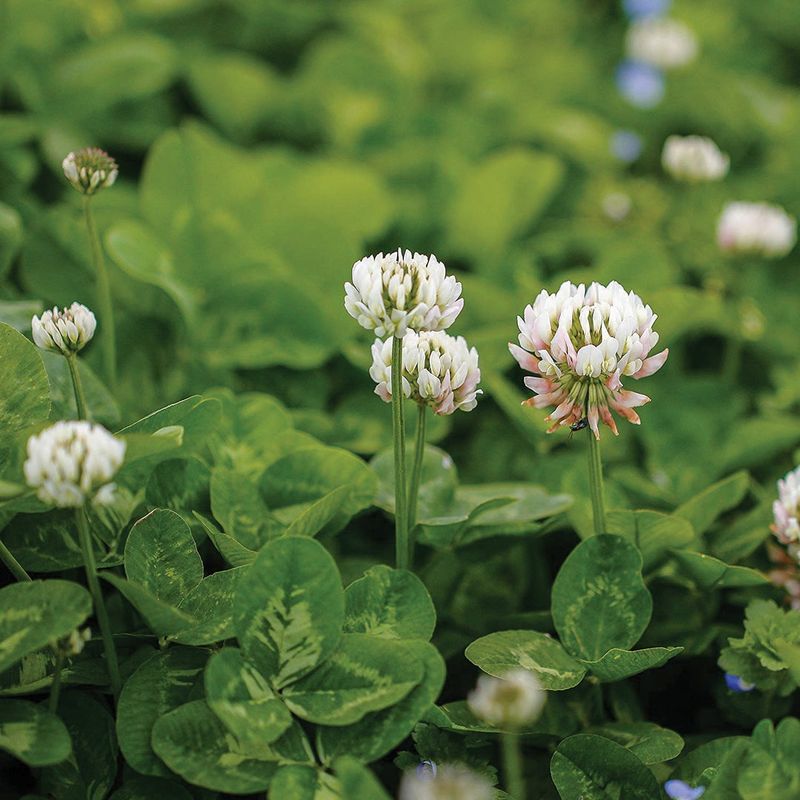
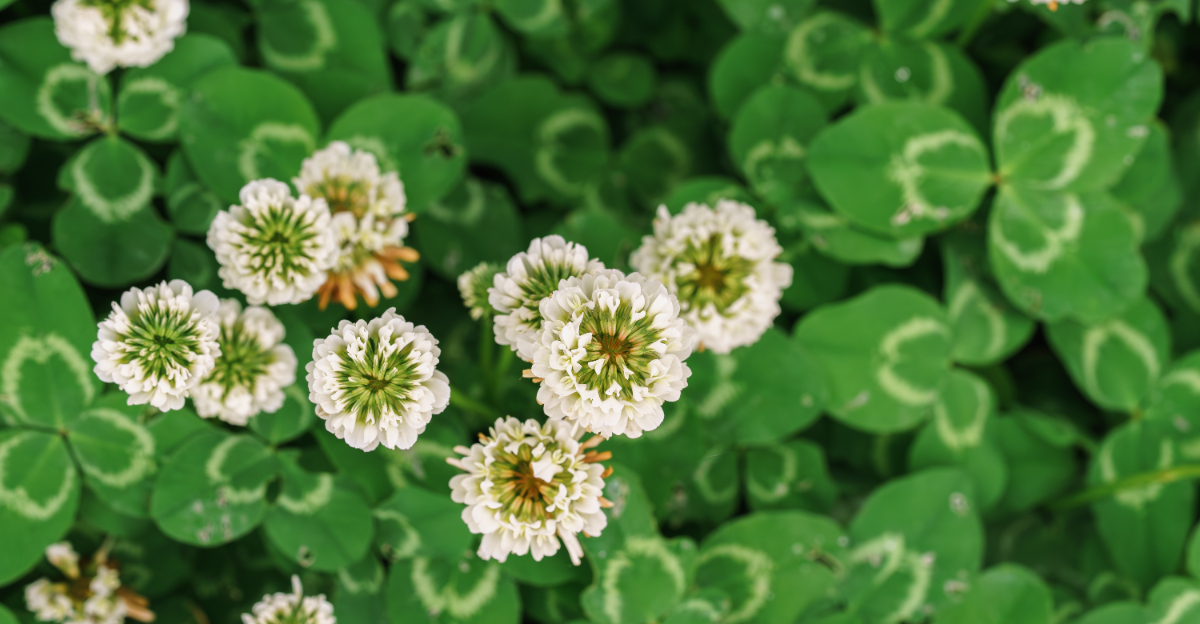
Few plants earn their spot in an orchard as quietly and consistently as Dutch white clover. It stays low, spreads sideways, and forms a thick mat that leaves almost no room for weeds to push through.
That dense coverage is exactly what the soil around a fruit tree needs.
Clover fixes nitrogen right in the soil through tiny root nodules. That means it is actually feeding the ground beneath your tree while it grows.
You get a living mulch and a natural fertilizer all in one plant, with almost no extra effort on your part.
It handles foot traffic better than most groundcovers, which makes it a smart pick if you walk through your orchard regularly. The roots stay shallow enough that they do not bother fruit tree roots at all.
Bees absolutely love the small white flowers, and more pollinators means better fruit production for your whole yard.
Clover thrives in Oregon, from the wet western valleys to the drier eastern areas. It grows well in full sun and tolerates partial shade.
Plant it from seed in early spring or fall, and it will fill in quickly. Once established, it needs very little water and almost no maintenance.
Mow it once or twice a year if you want to keep it tidy, or let it bloom freely for the pollinators. Either way, it handles the job beautifully.
4. Woodland Strawberry Softens Part-Shade Tree Circles
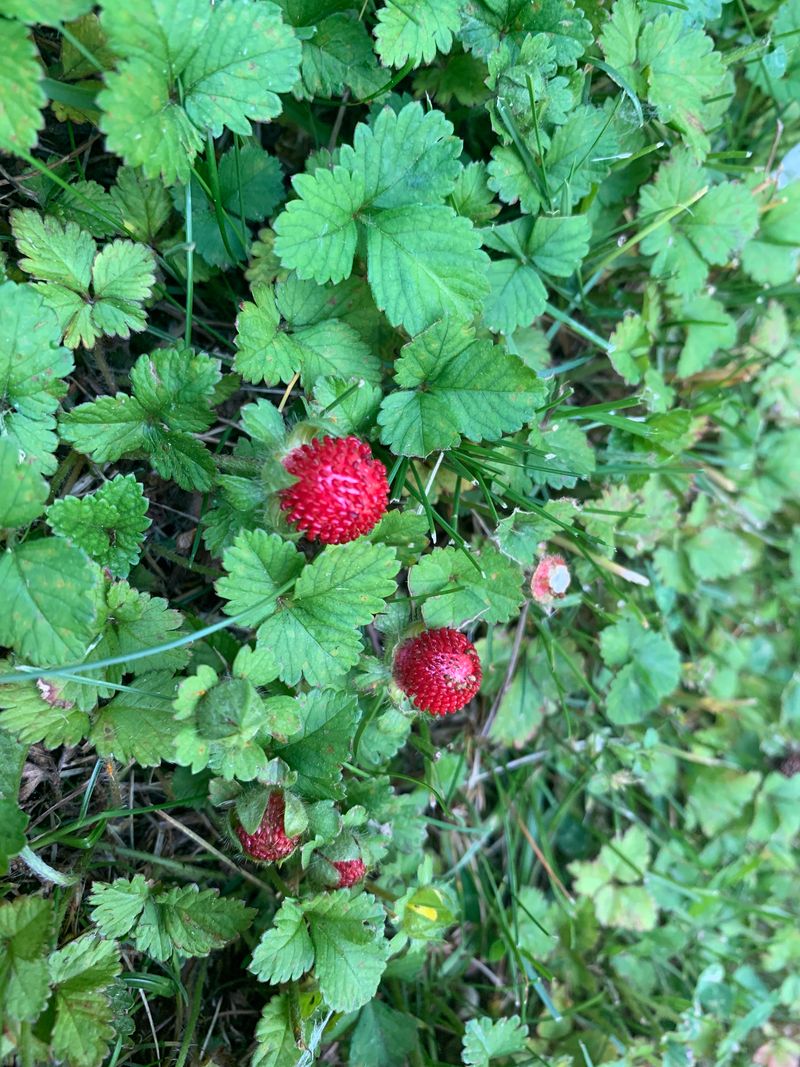
There is something almost magical about finding small red berries tucked beneath the canopy of a fruit tree.
Woodland strawberries do exactly that, spreading gently through part-shade areas where other groundcovers often struggle to stay full and green.
They are native to many forested areas across our state and feel right at home under a tree canopy.
Unlike garden strawberries, the woodland variety spreads by runners rather than putting all its energy into large fruit. That spreading habit is what makes it so useful as a groundcover.
It fills in bare soil steadily, forming a leafy mat that blocks weed seeds from ever reaching the ground.
The small white flowers appear in spring and attract early pollinators when many other plants are just waking up.
The tiny fruits that follow are sweet and fully edible, which means you get a bonus snack while the plant does its groundcover job.
Birds enjoy them too, which brings more life into your garden space.
Woodland strawberries prefer moist, well-drained soil and do best with some protection from harsh afternoon sun. They work especially well on the north or east side of a tree where shade is most consistent.
Plant starts in early spring and water regularly until they are established. After that, they spread on their own and need very little care.
Trim back any runners that venture too far, and the rest will take care of itself beautifully.
5. Yarrow Handles Sunny Orchard Edges
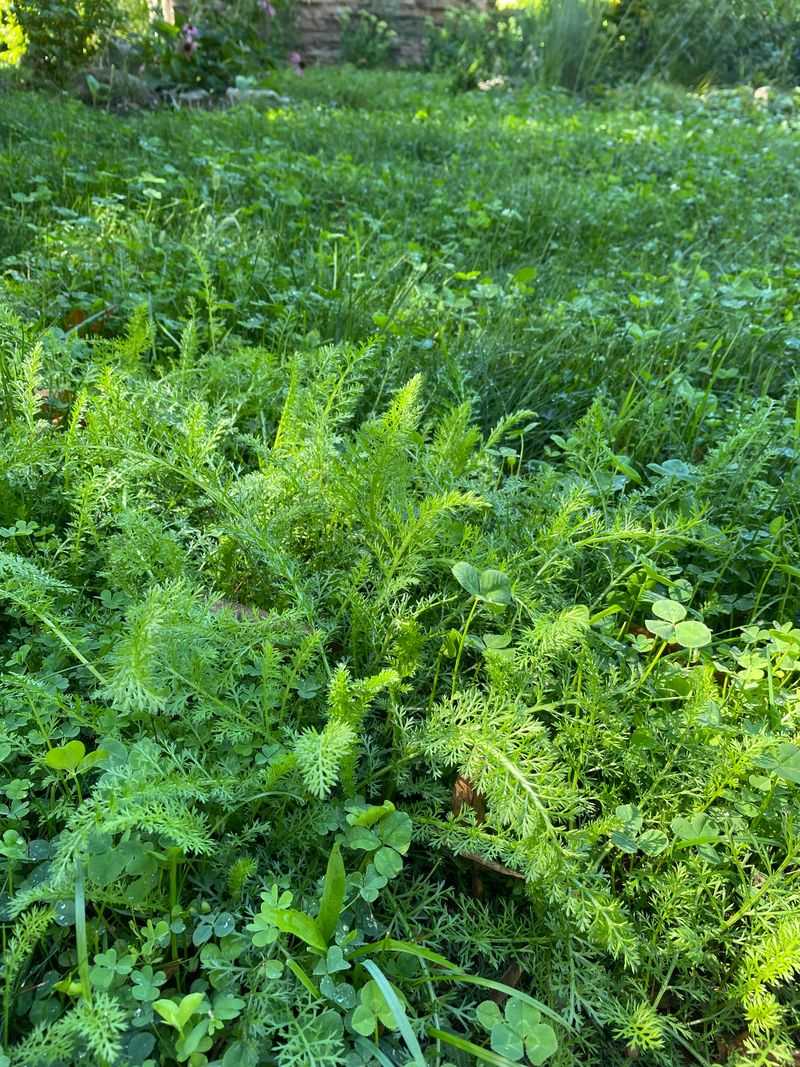
Bold, feathery, and almost impossible to discourage, yarrow has been a fixture in Pacific Northwest gardens for a very long time.
At the sunny outer edges of an orchard, where the soil tends to be drier and the sun hits hardest, yarrow holds its ground with ease.
It spreads without getting aggressive and stays low enough to avoid shading tree roots.
The flat-topped flower clusters are a magnet for beneficial insects, including predatory wasps and hoverflies that feed on common orchard pests.
Planting yarrow at the edge of your fruit trees is essentially setting up a natural pest management system.
The flowers bloom from late spring through summer, giving helpful insects a long season of support.
Yarrow tolerates poor soil, dry conditions, and full sun without complaint. It actually performs better in leaner soil than in rich, heavily amended ground.
That makes it a natural fit for the outer ring of a tree circle, where soil quality often drops off and few other plants want to grow.
Native varieties in shades of white and pale yellow blend naturally into a garden setting without looking too wild or unkempt.
Plant from seed or starts in spring, and give it a full season to establish before expecting it to spread.
Once it is settled in, yarrow needs almost no watering and very little attention. Cut it back after flowering to keep it looking tidy and encourage fresh growth the following season.
6. Sweet Alyssum Brings Pollinators Without Bulk
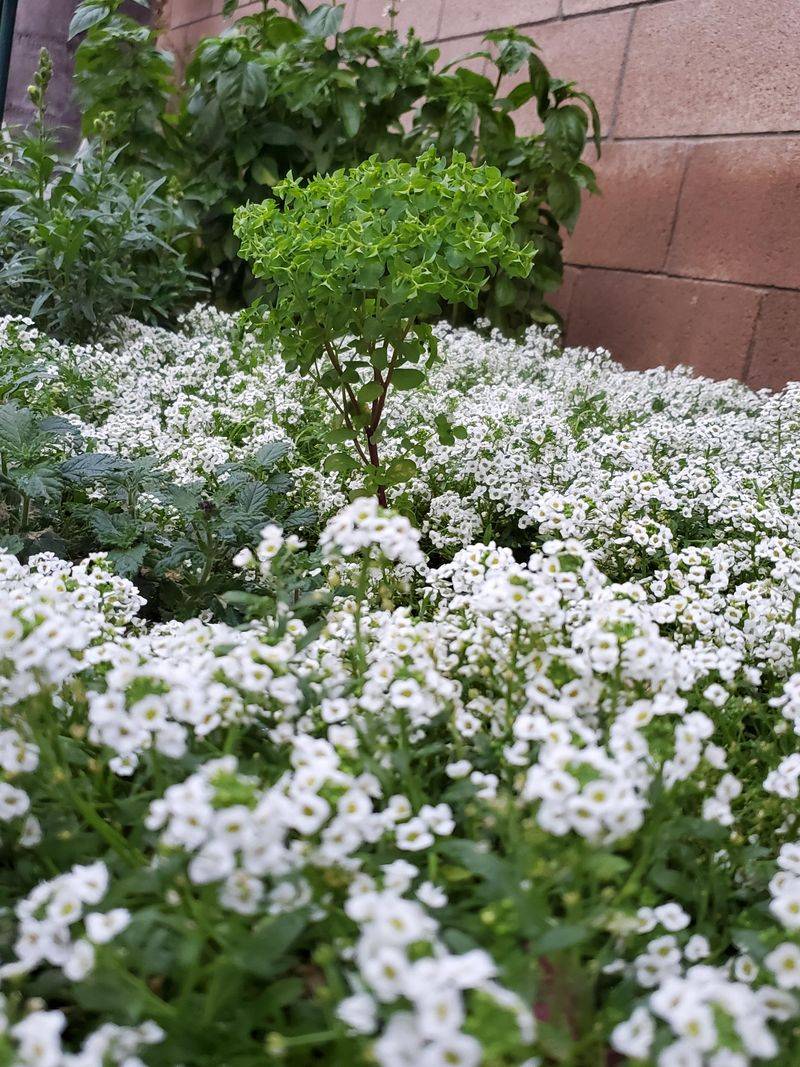
Honey-scented and barely ankle-high, sweet alyssum is one of those plants that punches way above its weight in a garden setting.
The small clusters of white or lavender flowers release a sweet fragrance that draws in beneficial insects from surprising distances.
Under a fruit tree, that kind of pollinator activity can make a real difference in your harvest.
What makes sweet alyssum so useful as a groundcover is how low and spreading it grows. It never gets tall enough to compete with your tree, and it fills in soil gaps quickly with a soft, mounded form.
Weed seeds have a hard time germinating in the dense mat of fine stems and leaves that alyssum creates.
It reseeds itself readily in mild climates, which means once you plant it, it tends to come back on its own year after year.
In many parts of Oregon, it behaves almost like a perennial because winters are mild enough to let some plants survive.
That self-seeding habit saves you time and money over the long run.
Sweet alyssum grows best in full sun to light shade and prefers well-drained soil. Direct seed it in early spring or fall around the base of your trees, and it will germinate quickly when temperatures are cool.
Shear it back lightly in midsummer if it starts to look tired, and it will rebloom fresh within a few weeks. It is an easy, cheerful, and genuinely productive addition to any orchard floor.
7. Chamomile Makes A Soft Living Mulch
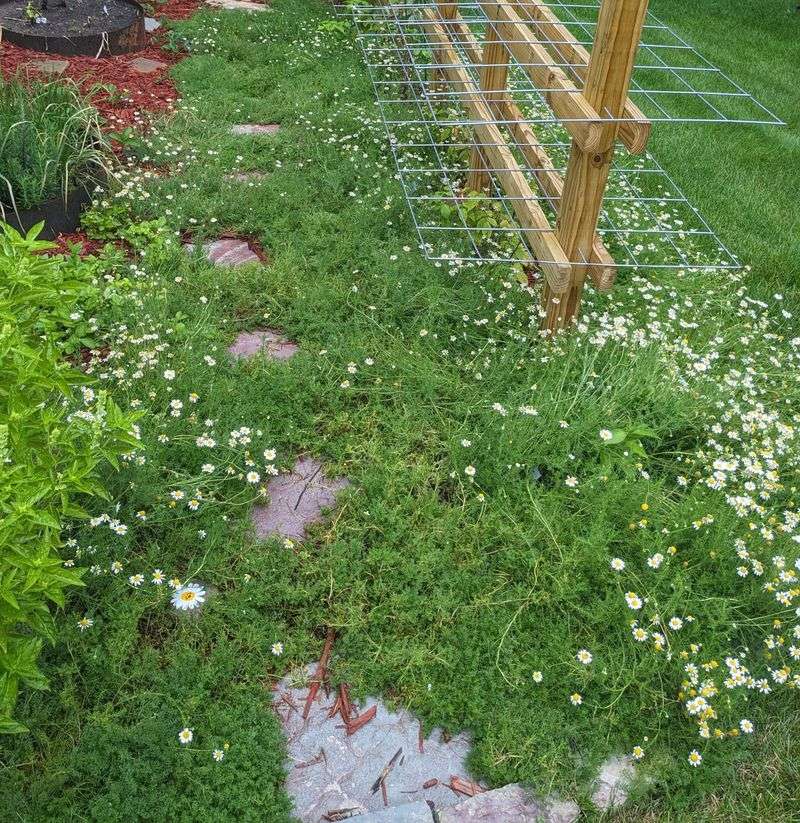
Walking past a patch of chamomile on a warm afternoon, you catch a faint apple-like scent rising from the feathery leaves.
That aroma is one of chamomile’s most charming qualities, but in an orchard setting, its real value is how well it covers bare soil and holds moisture in. As a living mulch, it is surprisingly effective.
Roman chamomile, the low-growing perennial type, spreads slowly across the ground and stays under six inches tall.
It does not send up aggressive roots, and it does not compete with the deeper root system of a fruit tree.
The fine, lacy foliage creates a dense mat that blocks light from reaching weed seeds below.
The cheerful white and yellow flowers attract hoverflies, lacewings, and small native bees. Those insects are valuable allies in any garden because they help with pollination and feed on common pests.
Chamomile earns its place not just as a weed blocker but as an active contributor to garden health.
It grows well in full sun and tolerates the light, slightly acidic soil that often surrounds established fruit trees. Plant starts or seed in early spring and water consistently for the first few weeks.
After that, chamomile is fairly drought-tolerant once it roots in. Mow or trim it lightly after the main bloom period to keep it compact and tidy.
It will fill back in quickly and keep working all season long without much help from you.
8. Native Violets Fill Cooler Tree Edges
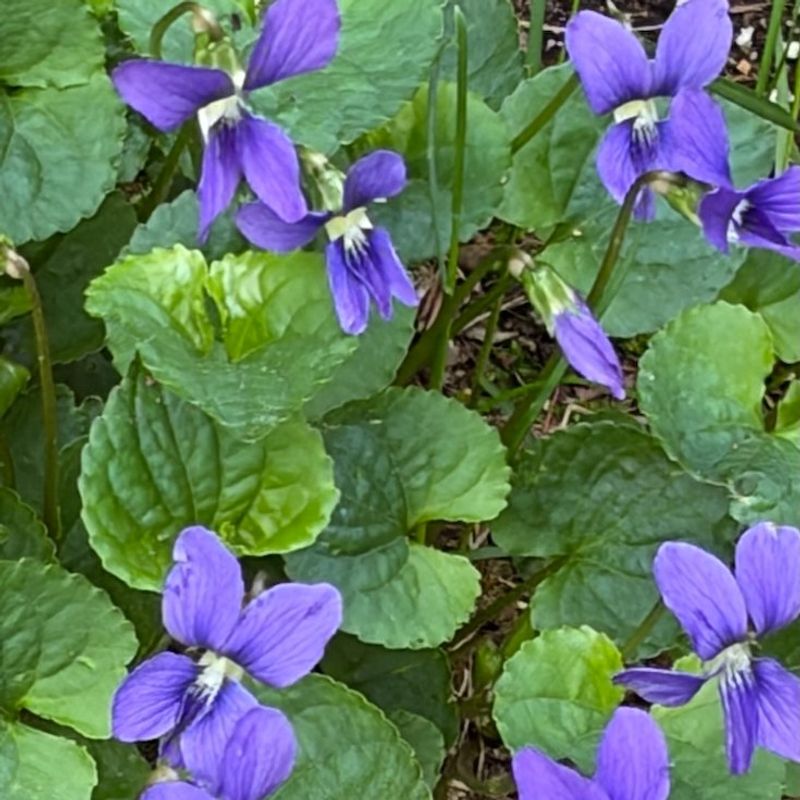
Cool, shaded, and slightly damp soil is not the easiest environment for most groundcovers, but native violets are completely at home there.
They tuck in along the shadier edges of a fruit tree circle and form a lush, low carpet that keeps weeds from getting any foothold.
Their heart-shaped leaves are pretty enough to make the space look intentional and well-tended.
Several violet species are native to Oregon and naturally grow under the canopy of deciduous trees.
That background makes them well-suited to the conditions found beneath a mature apple, pear, or plum tree.
They know how to make the most of filtered light and cool, moist soil without any extra coaxing.
The small purple or blue flowers appear in early spring, often before many other plants have even woken up.
That early bloom is a valuable food source for queen bumblebees that are just emerging from winter and searching for nectar.
Planting natives in your orchard supports the broader ecosystem in a way that exotic plants simply cannot match.
Native violets spread slowly by seed and by short rhizomes, gradually filling in bare areas without becoming invasive. They prefer consistently moist soil and do not do well in very dry or sunny spots.
Plant them in fall or early spring on the north or shaded side of your trees. Give them one good season to establish, and they will quietly hold their ground and keep weeds at bay for years to come.
9. Oregon Stonecrop Works On Dry Outer Rings
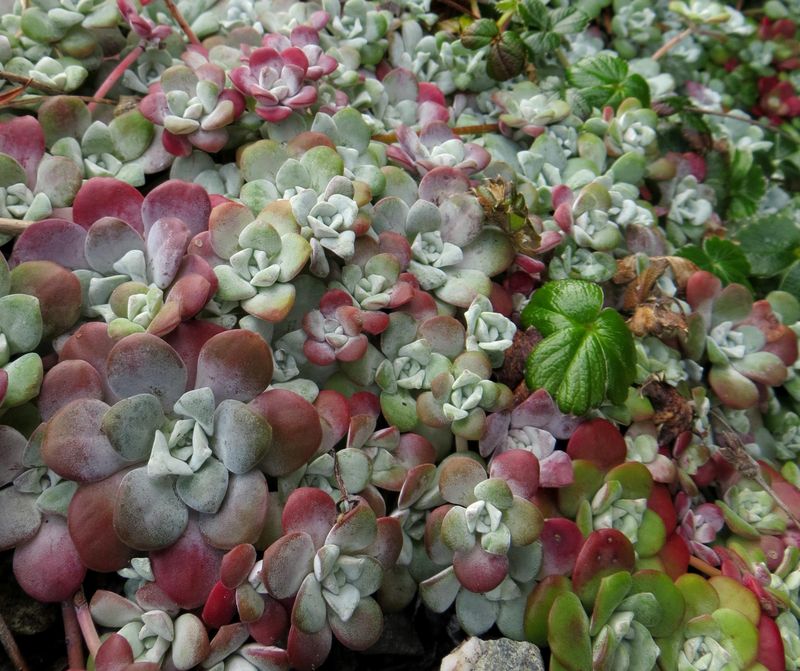
At the far outer edge of a fruit tree circle, where irrigation rarely reaches and the soil bakes dry in summer, most plants simply give up. Oregon stonecrop does not.
This native succulent stores water in its thick, fleshy leaves and keeps spreading across dry, rocky ground where almost nothing else will grow. It is the toughest plant on this list by a wide margin.
Stonecrop stays very low, usually no more than three to four inches tall, and spreads in a slow, steady mat across the soil surface. That mat smothers weed seeds effectively by blocking the light they need to sprout.
Once it covers an area, it holds that space reliably through hot, dry summers without any help.
The small yellow flowers that appear in late spring are cheerful and attract early-season pollinators.
The foliage often takes on reddish or bronze tones in full sun and dry conditions, giving it a decorative quality that makes it look intentional rather than accidental.
It is genuinely attractive in a naturalistic garden design.
This stonecrop is native to rocky slopes and open woodlands across our state, so it is already adapted to the climate and soil conditions here.
Plant starts in spring or fall in a well-drained spot, and water once or twice to help them settle in.
After that, they need almost no supplemental water. Divide clumps every few years to fill in new areas or share with neighbors who have the same dry-edge problem.