Florida Porch Plants That Look Expensive But Need Little Water This Summer
A Florida porch in summer is a design challenge that water bills make worse. The plants that look the most impressive in containers tend to be the thirstiest.
Keeping them alive through July and August in full or partial sun becomes a daily negotiation between appearance and effort. Some plants sidestep that negotiation entirely.
They look polished, hold their color and structure through Florida’s hardest months, and do not punish a missed watering the way most high-impact container plants do. These are not cactus-and-gravel arrangements or utilitarian choices made in the name of practicality.
They are genuinely attractive plants built for heat and intermittent moisture. They make a Florida summer feel like a reasonable condition rather than a constant threat.
A porch that looks considered and costs almost nothing to keep watered through summer is achievable. It just requires knowing which plants make that possible.
1. Agave Gives Porch Pots A Designer Look
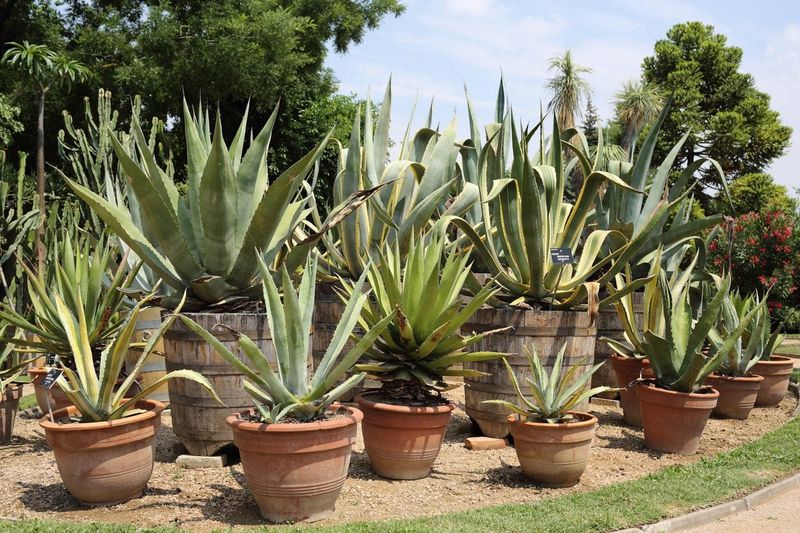
Bold, graphic, and almost impossible to ignore, agave earns its place on a designer porch without asking for much in return.
The thick, pointed leaves radiate outward in a symmetrical rosette that looks like it belongs in a high-end Florida landscape showroom.
Paired with a sleek concrete or ceramic pot, a single agave can anchor an entire entryway with almost no other decoration needed.
Agaves generally prefer strong, direct light and excellent drainage. Sandy or cactus-blend potting mix works well in containers.
Most varieties handle dry spells gracefully once established, but during the first few weeks in a new pot, consistent watering helps roots settle in. After that, you can water deeply and allow the soil to dry out between sessions.
One important caution: agave leaf tips are extremely sharp. Placing a large agave near a narrow walkway, front steps, or a busy seating area where children and pets move around can create a hazard.
Choose a spot where the plant has room to spread without blocking traffic. Some gardeners cap the tips with cork stoppers as a safety measure.
Pick a species that fits your pot size long-term, since some agaves grow quite large. Smaller varieties like Agave desmettiana work well in containers and stay more manageable on a residential porch.
2. Coontie Adds Native Structure With Low Water Needs
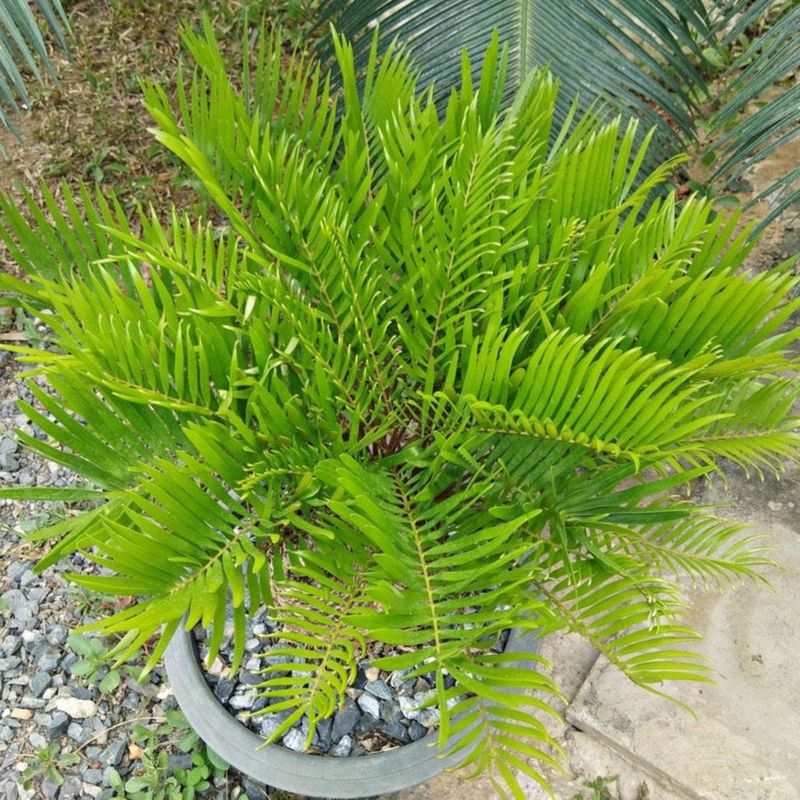
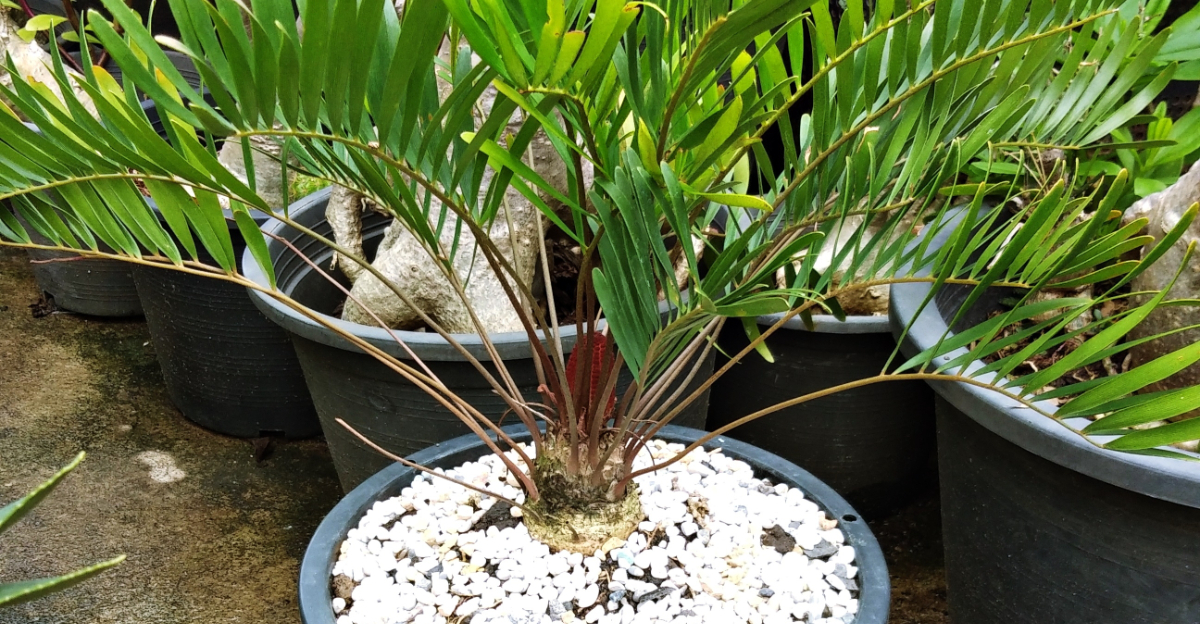
Symmetrical, dark green, and quietly elegant, coontie brings a refined texture to porch containers that most tropical showstoppers cannot match. Its palm-like fronds arch outward in a tidy, compact form that looks polished without any fussing.
Because it is a Florida native cycad, it has adapted to the heat, humidity, and occasional dry spells that challenge other plants on summer porches.
Coontie grows slowly, which actually works in its favor for container gardening. It will not outgrow a pot quickly, and its shape stays naturally neat.
It handles filtered light and bright indirect conditions well. That makes it a solid choice for covered porches, screened lanais, or shaded entryways.
Established coontie can handle dry periods better than many container plants, but you should still check soil moisture regularly during summer heat.
Your Florida Garden Changes Every Week. Your Plan Should Too.
Gardening in Florida changes quickly throughout the season. Every Friday you’ll receive a simple weekly plan showing exactly what to plant, prune, fertilize, harvest, and protect so you never miss the right timing.
One safety note that every household should know: all parts of the coontie plant, including seeds and roots, can be toxic if eaten by people or pets. Keep it out of reach of young children and animals that chew on plants.
Use a well-drained potting mix and a container with good drainage holes to prevent soggy roots, which coontie does not tolerate well.
It may not be the flashiest plant on this list, but its calm, structured look brings a sophisticated, native character to any porch arrangement.
3. Crown Of Thorns Blooms Without Constant Babying
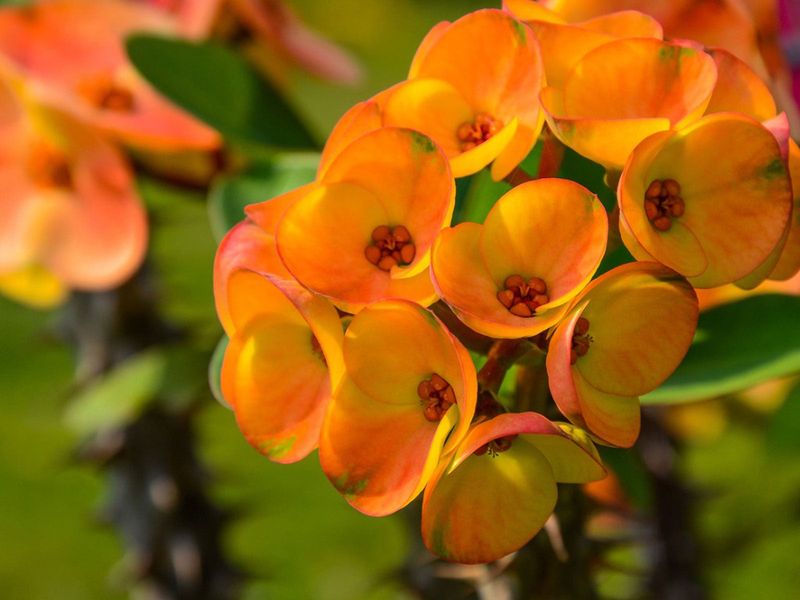
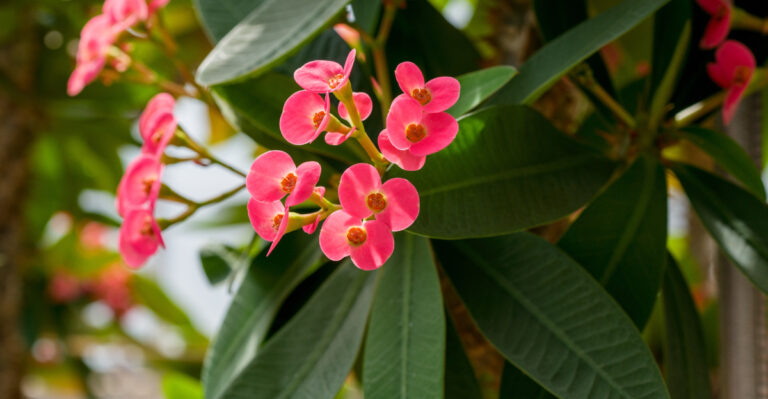
Few porch plants deliver as much color for as little effort as crown of thorns. The thick, thorny stems look almost architectural.
Cheerful clusters of small blooms in red, pink, yellow, or white keep appearing through the hottest months. On a sunny porch, a well-placed crown of thorns in a terracotta or glazed ceramic pot looks like something out of a curated outdoor shop.
This plant thrives in full sun and demands sharp drainage above everything else. A cactus or succulent potting mix works better than standard potting soil, which can hold too much moisture.
Water when the top inch or two of soil feels dry, then water thoroughly and let it drain completely. Crown of thorns does not tolerate soggy roots, and overwatering is the most common mistake people make with this plant in containers.
Two important cautions apply here. First, the thorns are real and can cause injury.
Think carefully before placing it near seating areas, busy doorways, or spots where children and pets play. Second, the milky sap that appears when stems are cut or broken is an irritant and can cause skin and eye discomfort.
Handle with gloves when trimming or repotting. Despite these cautions, crown of thorns rewards careful placement with long-lasting, low-water color that few other porch plants can match through a Florida summer.
4. Yucca Brings Sharp Shape To Sunny Entries
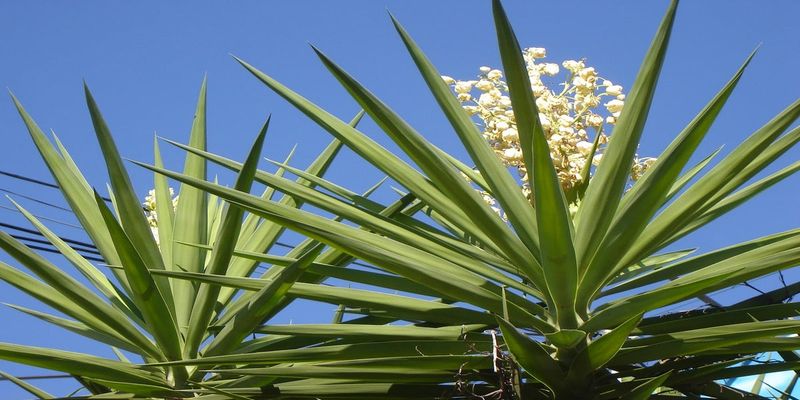
Standing at the front door like a natural sculpture, a well-chosen yucca in the right container makes an immediate statement. The upright, sword-like leaves create a vertical accent that draws the eye and gives a porch or entryway a strong, finished look.
Unlike leafy tropical plants that wilt and droop in Florida heat, yucca holds its shape through summer with minimal complaint.
Yucca needs strong, direct light to perform well. A shaded porch or covered entryway with little sun is not the right fit.
Give it a spot with at least six hours of sun and a well-drained potting mix, and it will reward you by staying upright and structured through the hottest weeks. After the establishment period, it can handle dry spells much better than most container plants.
Still, check soil moisture during extreme heat, since pots can dry out faster than expected on a reflective concrete surface.
The sharpness of yucca leaves is not just a design feature; it is a real safety concern. Leaves can puncture skin easily.
Avoid placing yucca near narrow doorways, low railings, busy steps, or spots where pets and small children move freely. Species and size matter for containers.
Yucca gloriosa and some compact varieties work better in pots than larger species that eventually need ground space. Choose a heavy, stable container to prevent tipping as the plant grows taller and top-heavy over time.
5. Ponytail Palm Looks Sculptural In A Porch Container
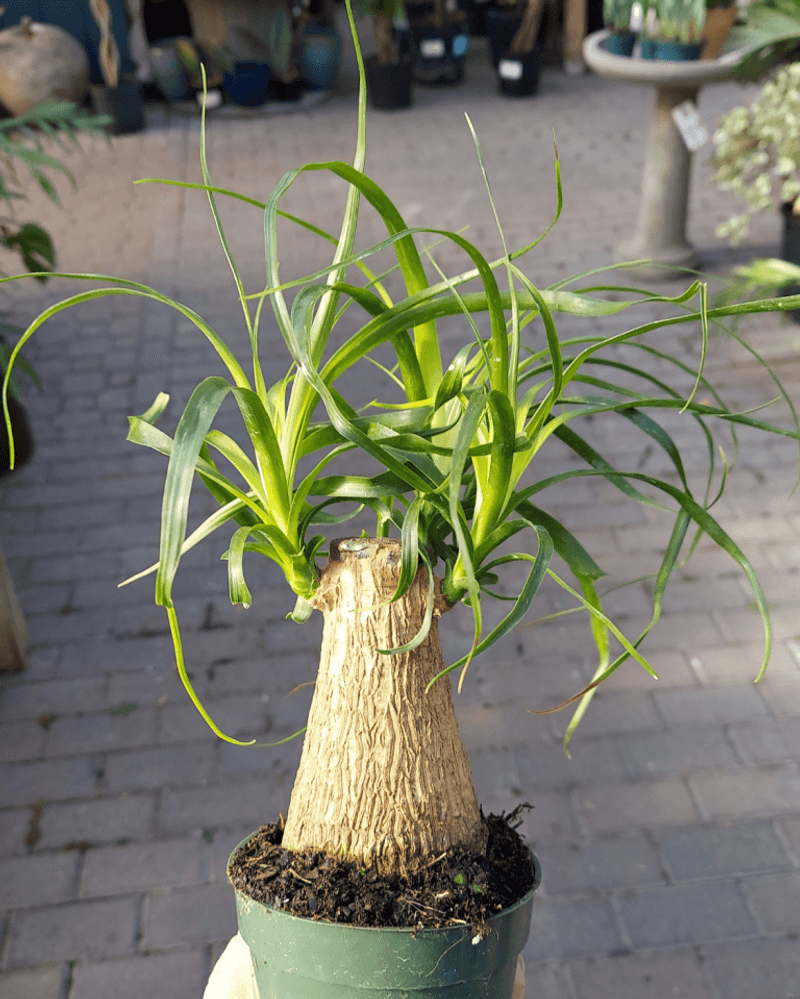
Something about the swollen, rounded base and the wild cascade of narrow leaves makes the ponytail palm look like a living piece of art. It does not resemble anything else on a porch, and that visual uniqueness is exactly what gives it a high-end, curated feel.
Guests tend to stop and look, which is precisely what a well-designed container garden should do.
Despite the name, ponytail palm is not a true palm. It is actually a member of the Asparagaceae family, more closely related to agave than to palms.
It stores water in its swollen trunk base, which helps it handle dry periods better than many other container plants. That said, container-grown ponytail palms still need proper watering.
Let the soil dry out between waterings, then soak it thoroughly and let it drain. Bright light is essential; a dim porch will cause slow, weak growth over time.
Choose a container that is stable and wide enough to support the base without tipping. Heavy ceramic or concrete pots work well and add to the sculptural effect.
Avoid pots without drainage holes, since soggy soil will damage the roots and the water-storing base. Ponytail palms grow slowly, which is a benefit for container gardeners who do not want to repot often.
Protect the plant from prolonged heavy rain pooling in the pot, and it will hold its unusual, artistic shape through the entire summer season.
6. Aloe Keeps Small Pots Polished And Practical
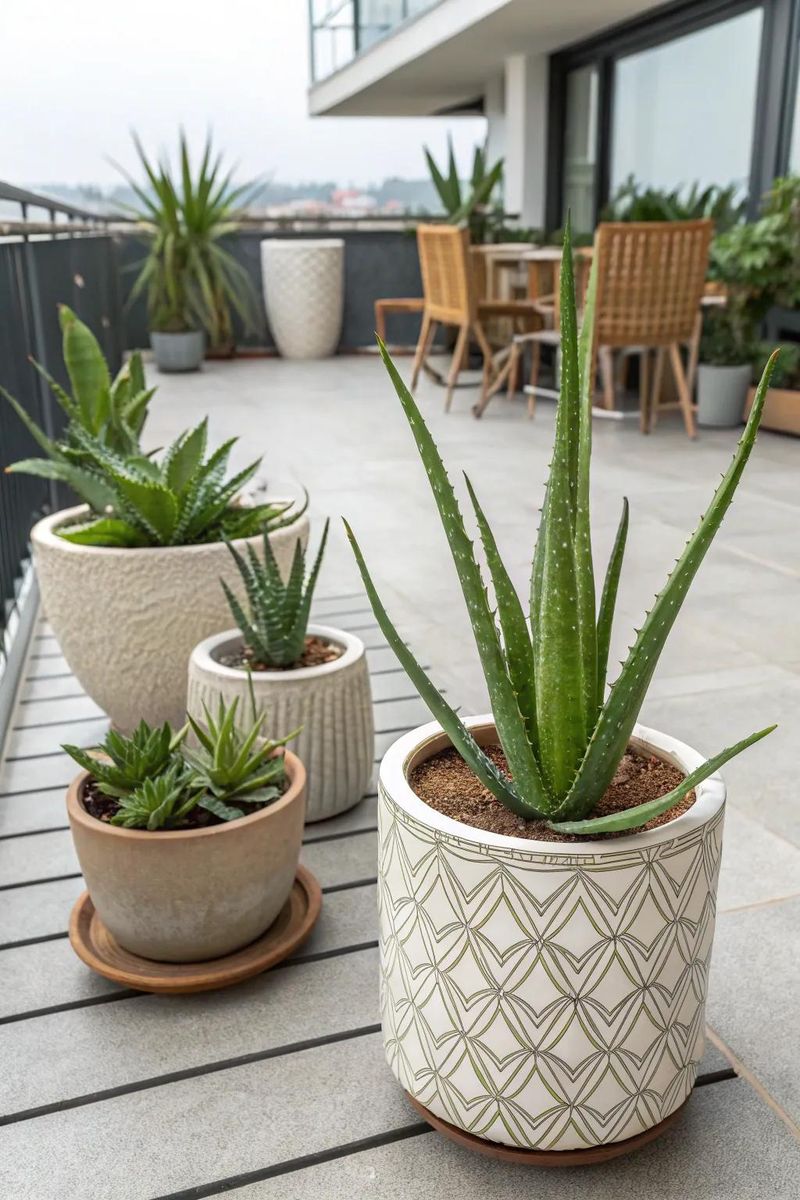
Clean lines, thick fleshy leaves, and a rosette shape that photographs beautifully: aloe is one of the most visually satisfying plants you can put in a small porch pot. It looks modern without trying too hard.
A single aloe in a simple terracotta or matte ceramic container can make a front step or porch railing feel intentional and styled.
Most aloes prefer bright light and perform best on sunny porches and south-facing entries. However, moving an aloe from a low-light indoor spot directly into intense summer sun can cause leaf scorch.
Transition it gradually over one to two weeks if it has been growing in lower light. Well-drained potting mix is non-negotiable; standard moisture-retaining mixes hold too much water for aloe roots.
Water when the soil is dry an inch or two below the surface, then let it drain fully. Overwatering is the fastest way to damage an aloe in a container.
Aloe sap is used in many home products, but applying it directly to skin requires reliable guidance. The same is true when using it around pets.
Some animals are sensitive to aloe if ingested, so placement matters in households with curious pets. Skip saucers that collect standing water beneath the pot.
A small, well-drained container with a single healthy aloe can look just as striking as a large, expensive tropical arrangement.
7. Purple Heart Spills Over Edges With Bold Color
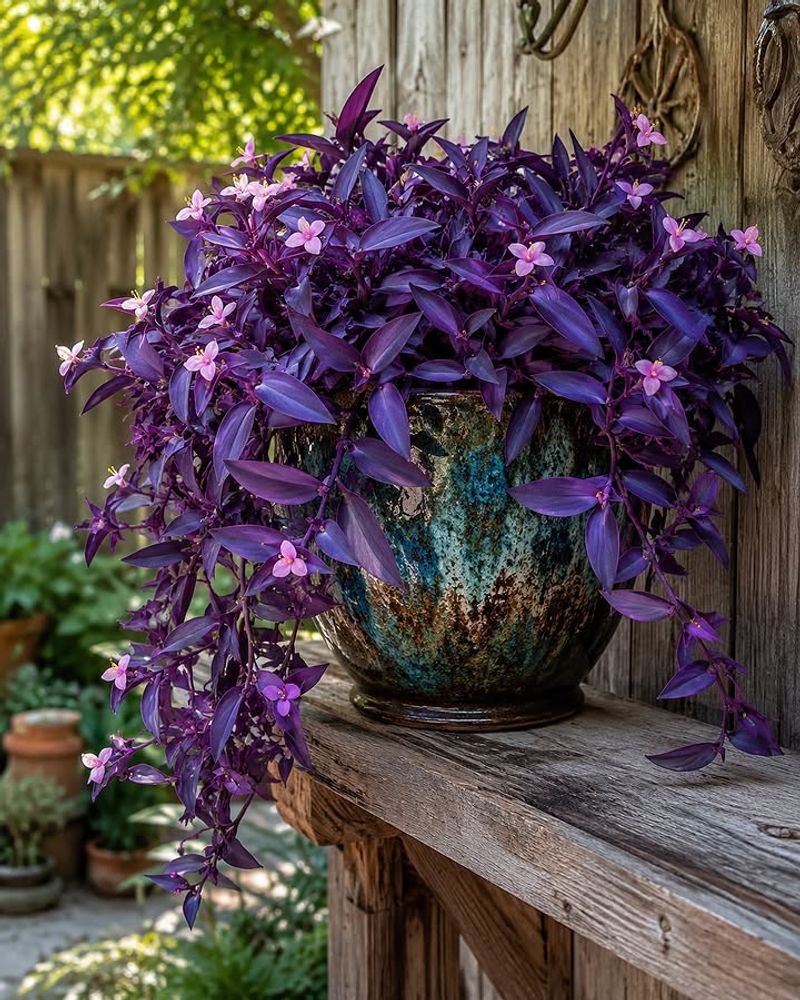
Rich, saturated, and almost jewel-like in direct sun, purple heart earns its spot on this list through sheer visual impact. The deep purple foliage cascades over the edges of a container and looks intentional.
It looks especially expensive in a clean white, black, or terracotta pot. It creates color contrast without needing flowers, which makes it a reliable design tool through the entire growing season.
Purple heart tolerates dry conditions better than many trailing plants once it settles in. Still, container plants need regular moisture checks during peak summer heat.
Soil in small pots on exposed porches can dry out quickly, so check every few days rather than following a fixed schedule.
Bright light intensifies the purple color; plants grown in too much shade tend to fade toward green and lose the dramatic look that makes them worth growing.
Trimming purple heart regularly keeps it full and lush rather than leggy and sparse. A light cutback encourages fresh, colorful growth from the base.
One thing to be aware of in warm landscapes: purple heart can spread aggressively if stems root where they touch soil. Growing it in containers is actually a practical way to enjoy the color without it spreading into garden beds or neighboring areas.
The sap can also cause mild skin irritation in some people, so wearing gloves while trimming is a sensible habit.
8. Dwarf Yaupon Holly Makes Containers Look Finished
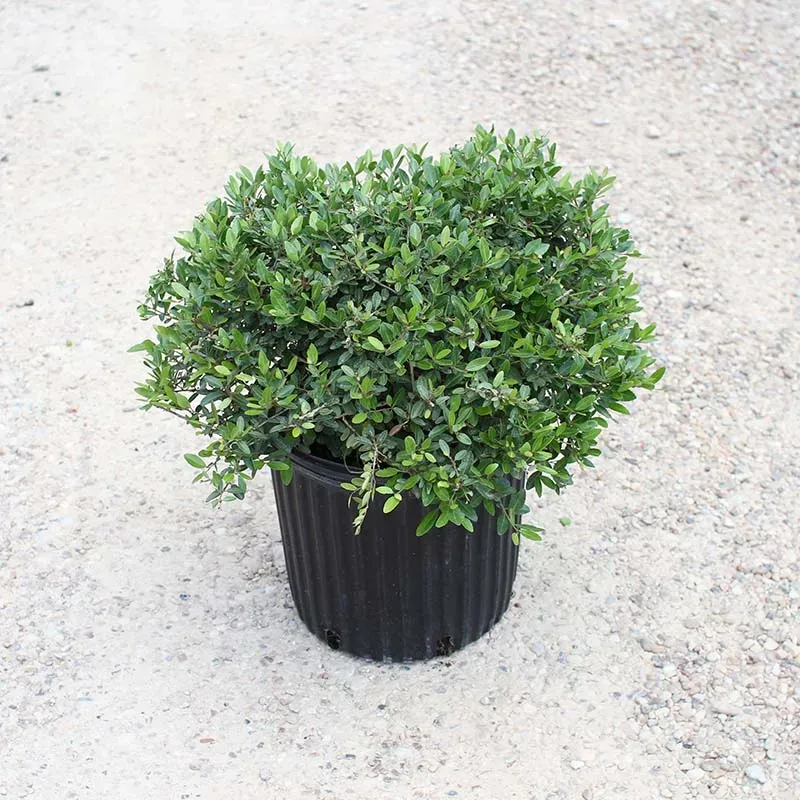
If there is one plant that makes a porch container look professionally designed, it is a neatly shaped dwarf yaupon holly.
The small, glossy evergreen leaves hold their color through summer heat, and the naturally compact form gives it a manicured look without constant pruning.
Placed beside a front door or at the corner of a porch, it signals that someone put real thought into the space.
Yaupon holly (Ilex vomitoria) is a native shrub that handles heat, humidity, and occasional dry spells well once established. Dwarf varieties like Ilex vomitoria ‘Nana’ stay compact and work nicely in large containers.
Established plants are relatively drought tolerant when properly sited, but container-grown specimens dry out faster than in-ground plants, especially during summer.
Check soil moisture regularly and water deeply when the top inch feels dry, then allow it to drain fully before the next watering.
Pruning once or twice during the growing season keeps the rounded shape tidy and encourages dense, even growth. Choose a container that gives roots enough room to expand; a pot that is too small will stress the plant and make it harder to maintain.
Good drainage is essential, so skip decorative containers without holes unless you are using a liner with drainage built in. The closing thought is simple: structure, drainage, and smart watering after establishment matter most.
Those habits keep low-water porch containers polished all summer.