Why September Is The Month To Start Watching Florida Zoysia For Large Patch
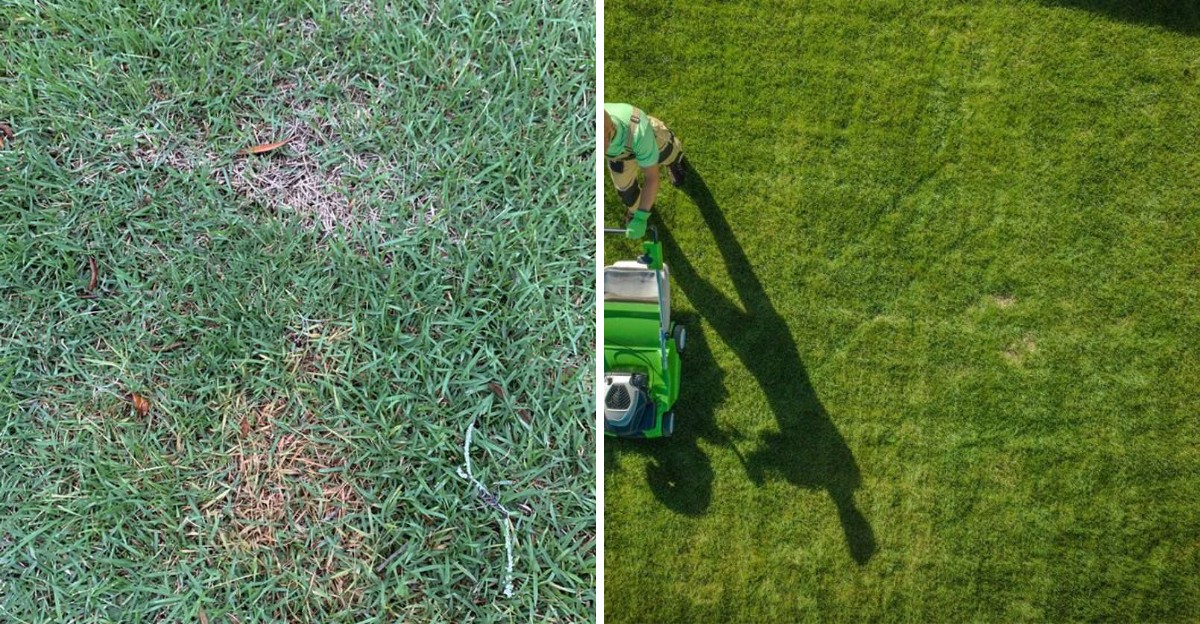
Conditions for large patch start building in Florida zoysia this month, and most homeowners miss the shift completely.
Large patch disease loves what September brings. Cooler nights, lingering humidity, conditions people read as healthy growth instead of trouble brewing underneath.
That mix gives the fungus room to spread quietly before any obvious symptoms show up.
One early sign gives it away weeks before the classic yellow-brown rings show up. Catch it now, and treatment gets a lot easier.
Walk your zoysia up close this week instead of glancing at it from the porch. What you catch now could save you a much bigger fight later.
1. Watch Cool Nights Wake Up Large Patch
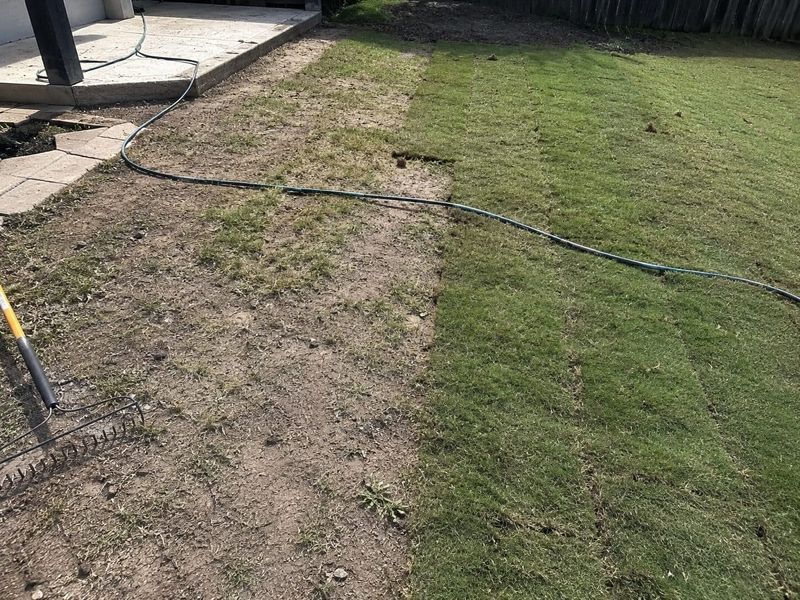
Think of the fungus behind large patch as a houseguest who sleeps through the summer heat. Once September nights start to cool, it rolls out of bed and gets to work.
The culprit is Rhizoctonia solani, and it lives in your soil and thatch all year long. Summer highs keep it quiet, but milder weather flips the switch.
Nights between 60 and 75 degrees are a real wake-up call. Pair those nights with days that stay under about 80 degrees, and conditions get ripe for infection.
Soil temperature matters too. The fungus is most active when soil and thatch sit between 50 and 70 degrees, especially after a couple of wet days.
Here is the tricky part for zoysia owners. Zoysia slows its growth earlier than many warm-season grasses, so it struggles to bounce back from damage in fall.
A cheap soil thermometer from the garden store can help you keep score. Push it a few inches into the ground each morning and jot down the reading.
When the numbers slide toward the 70s, circle that date on your calendar. That is your signal to start walking the lawn more often and looking closely.
In Florida, the fungus can stay busy from fall straight through spring. Starting your watch in September gives you a big head start on the whole season.
2. Spot Yellow Rings Before They Turn Brown
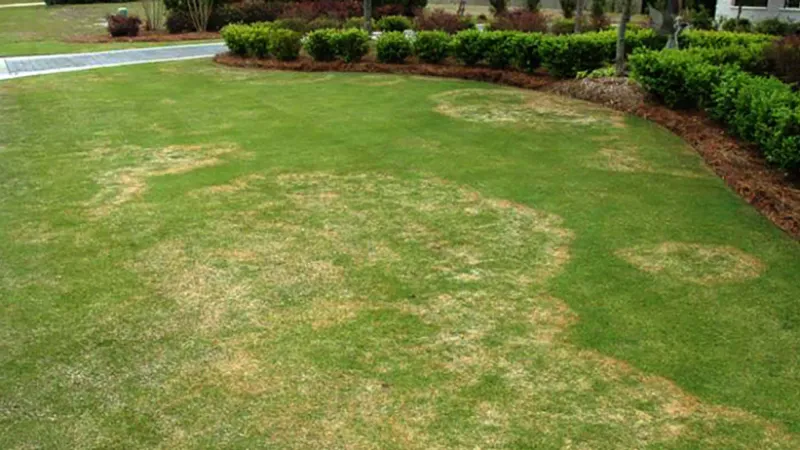
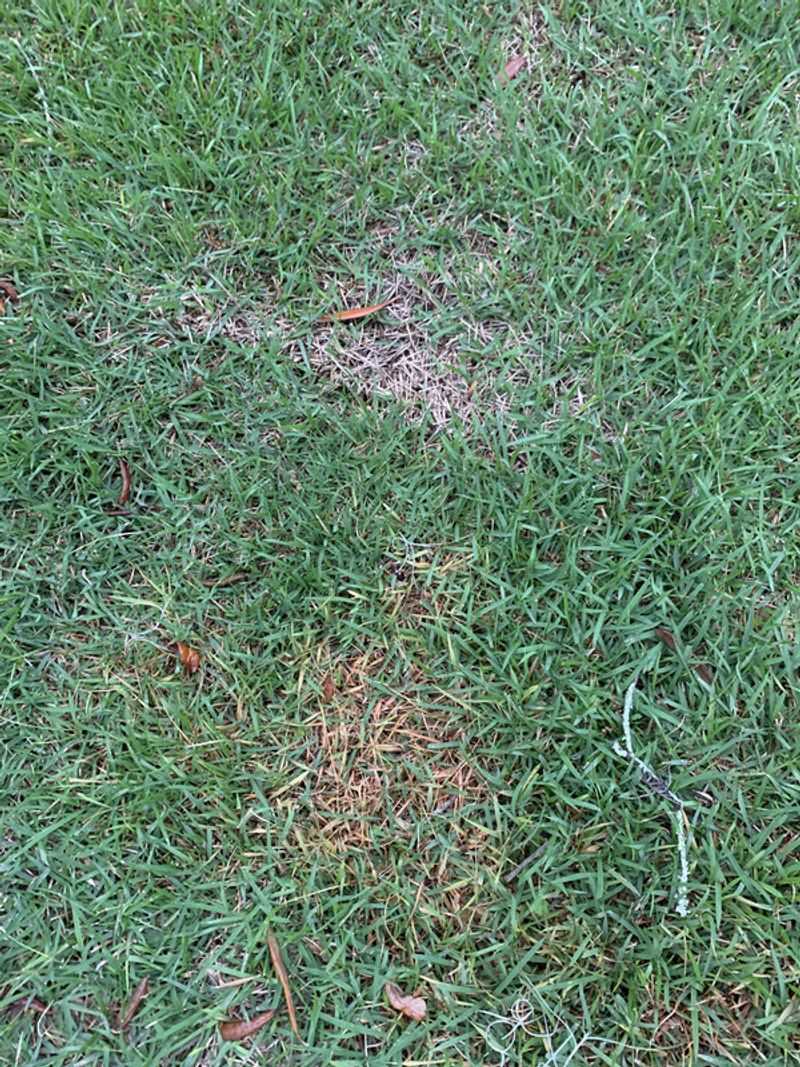
Picture a giant crop circle, only smaller and much less mysterious. Large patch often shows up as a round area that can stretch several feet across your yard.
The edge tells the real story. Look for a yellow, orange, or reddish-brown halo along the outer ring, where the fungus is spreading.
Oddly enough, the center of the patch may stay somewhat green. Meanwhile, the colorful ring keeps creeping outward like ripples in a pond.
Want a simple test that feels a little like detective work? Grab a few blades at the discolored edge and give them a gentle tug.
If they slip right out of the stem, you have a strong clue. Check the base of those blades for dark, soggy, or slimy rot.
That rot happens because the fungus attacks leaf sheaths and crowns near the soil line. Leaf tips and roots usually are not the main target.
Catching the yellow stage matters for a practical reason. Patches hurt in fall may be slow to green up when spring rolls around.
Your Florida Garden Changes Every Week. Your Plan Should Too.
Gardening in Florida changes quickly throughout the season. Every Friday you’ll receive a simple weekly plan showing exactly what to plant, prune, fertilize, harvest, and protect so you never miss the right timing.
Snap a phone photo of any suspicious ring and note the date. Comparing pictures a week later shows whether the circle is growing.
Early spotting turns a frustrating guessing game into a clear, calm plan of action. Your future self will thank you next April.
3. Check Low Spots Where Moisture Lingers
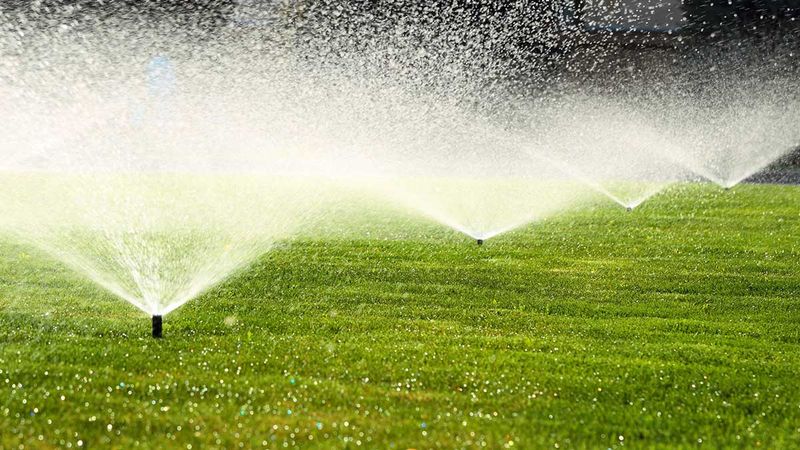
Every yard has that one corner where puddles hang around after a storm. If you guessed that spot is a favorite hangout for large patch, you guessed right.
Water is the fungus’s best friend. Leaves that stay wet for long stretches, especially 48 hours or more, give the disease a huge opening.
Low areas collect runoff from rain and sprinklers. Poor drainage keeps that moisture sitting near the grass crowns long after the rest of the lawn dries.
Florida makes it extra challenging. Afternoon storms, heavy dew, and sticky humidity can keep blades damp for much of the day.
Try a quick walk after the next big rain. Notice where water pools, where your shoes squish, and where the grass looks darker than usual.
Those places deserve a mental star on your lawn map. Many homeowners find that large patch returns to the same trouble spots year after year.
Thatch adds to the problem. A thick, spongy layer holds moisture right against the crowns, which is exactly where the fungus likes to attack.
Small fixes can make a big difference. Redirecting a downspout, filling a shallow dip with topsoil, or aerating packed soil helps water drain away faster.
Keep checking those soggy zones each week this fall. A few minutes of attention there beats weeks of repair later.
4. Ease Off Irrigation As Growth Slows
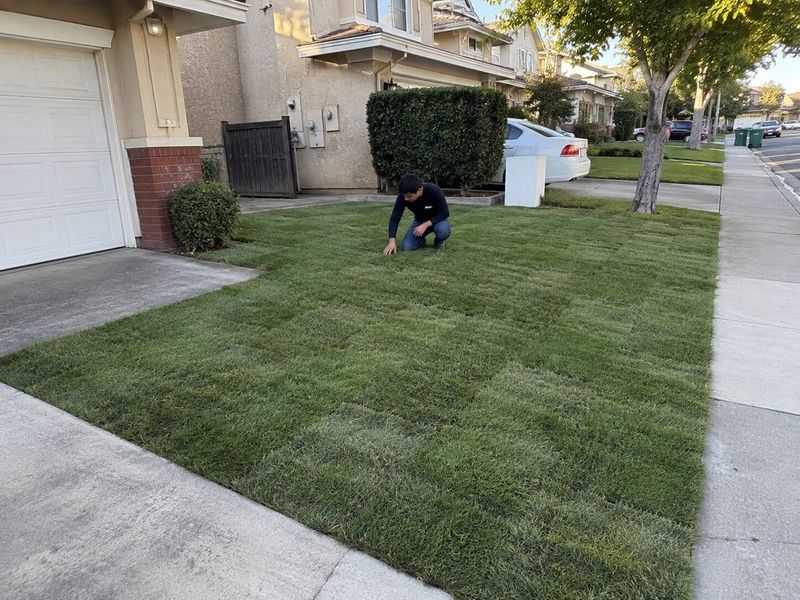
Summer trained many of us to run the sprinklers like clockwork. September is the perfect time to break that habit and give your timer a fresh look.
As days shorten and temperatures dip, zoysia simply drinks less. Extra water does not help the grass, but it certainly helps the fungus.
The goal is to shrink the hours when blades stay wet. Less wet time means fewer chances for large patch to settle in.
Timing matters more than most people realize. Water in the early morning, ideally before sunrise, so the sun and breeze can dry the leaves quickly.
Evening watering is the sneaky mistake that trips up plenty of homeowners. Blades that stay damp all night create a cozy setting for fungal growth.
Watch the grass for clues before you water. Folded blades, a bluish-gray tint, or footprints that linger are signs the lawn is actually thirsty.
Check your rain sensor too, since fall storms can still roll through. A working sensor keeps sprinklers from running during or right after a downpour.
Here is a fun trick. Set a few empty tuna cans on the lawn during a cycle to see how much water each zone really delivers.
Adjusting your system now saves water and money. Better yet, it takes away one of the fungus’s favorite advantages.
5. Keep Fall Nitrogen Under Control
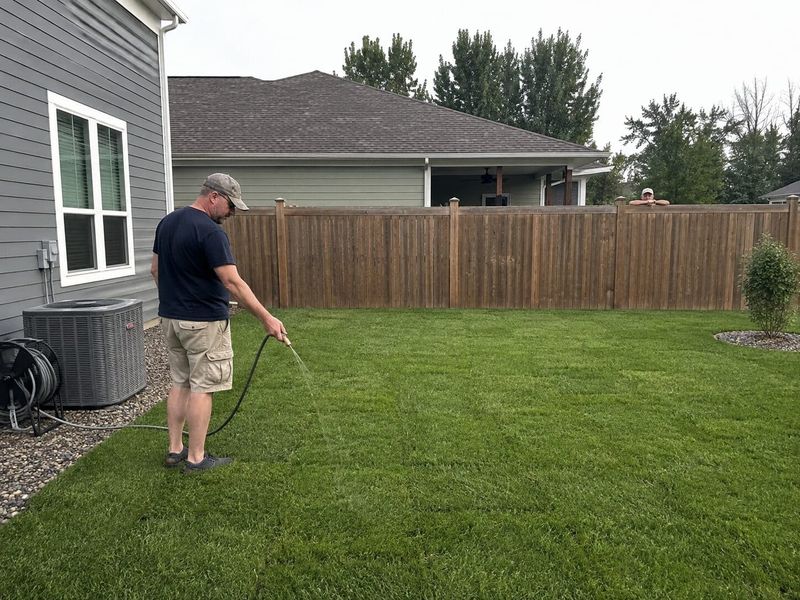
Fertilizer can feel like a vitamin boost for your lawn, but fall is a different story. Too much nitrogen right now is like handing the fungus a dinner invitation.
Nitrogen pushes soft, lush growth. That tender new tissue is easy for large patch to invade when the fungus is waking up.
Experts point to late nitrogen as a major reason for severe outbreaks. Feeding zoysia after mid-August can also make it harder for the grass to toughen up for winter.
So what should you do instead? Skip the nitrogen this fall and let the grass slow down naturally.
If you do fertilize during the growing season, choose slow-release products. Use them sparingly and follow University of Florida IFAS guidelines for your area.
Potassium is a different nutrient with a different job. A potassium-only feeding four to six weeks before your first expected frost may help support cold hardiness.
Read the bag before you buy. The three numbers show nitrogen, phosphorus, and potassium, so look for a first number of zero in fall.
Talk with your lawn service if you use one. Some companies apply the same blend all year, which may not fit your zoysia.
A little restraint now pays off in spring. Your grass stays sturdier, and the fungus finds far fewer soft spots to exploit.
6. Look Beneath Dense Zoysia For Early Damage
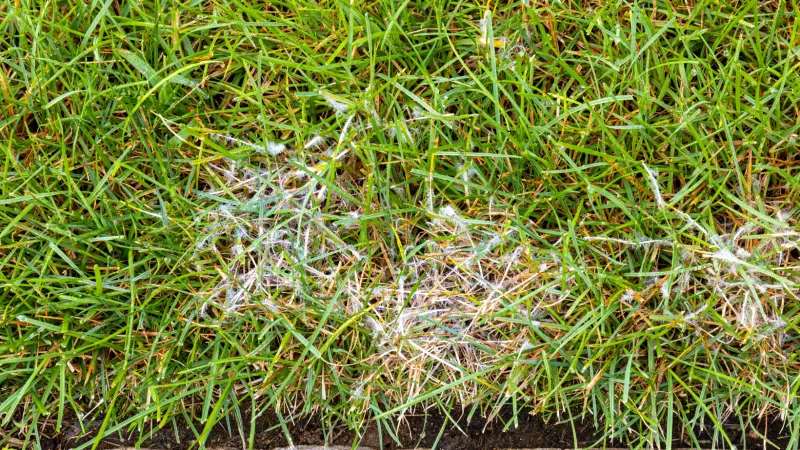
Zoysia’s thick, carpet-like growth is the reason many people love it. That same density can also hide trouble like a blanket over a messy bed.
Tightly packed blades trap moisture near the ground. That damp, shaded zone is exactly where patch fungi thrive.
Remember, large patch goes after the leaf sheaths and crowns at soil level. From a standing view, early damage can blend right in with healthy grass.
Get down on your knees for a closer look. Part the blades with your fingers and peek at the base of the plants.
Healthy crowns look firm and green or pale tan. Trouble shows up as darkened, water-soaked tissue that feels mushy.
A small flashlight helps on cloudy mornings. Some people even use a kitchen fork to gently lift the canopy without tearing it.
Check several spots, not just the areas that look off. Start near shaded beds, low areas, and anywhere that stays damp.
Core aeration is a helpful follow-up step. Pulling small plugs of soil eases compaction, trims thatch, and lets air and water move more freely.
Better drainage and airflow make life harder for the fungus. Plan aeration during active growth so zoysia can recover quickly afterward.
Think of these crawl-around checks as a quick health exam. Five minutes on your knees can reveal what a whole afternoon of staring from the porch might miss.
7. Improve Airflow Where Grass Stays Damp
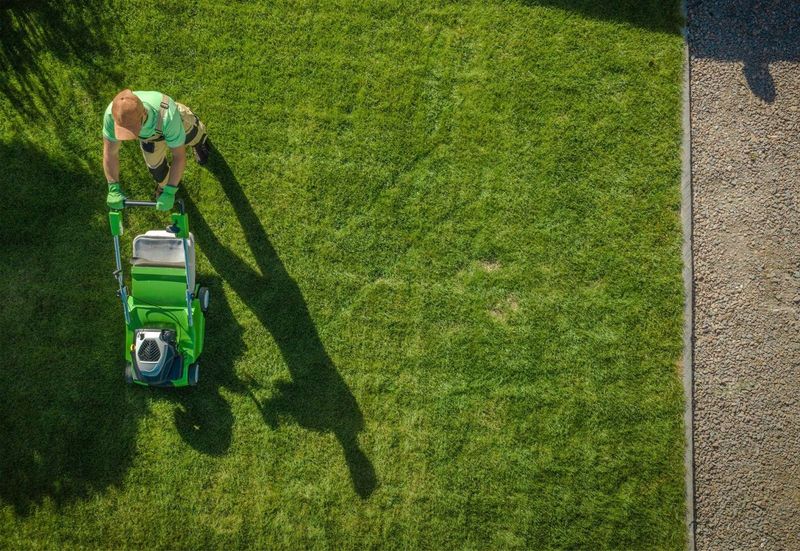
Stand in a stuffy room long enough and you start craving an open window. Your lawn feels much the same way in damp, still corners.
Moving air dries grass blades much faster after rain or dew. Faster drying means fewer hours for large patch to take hold.
Take a look at shrubs, hedges, and flower beds that hug the edge of the lawn. Overgrown plants block breezes and cast shade that keeps grass wet.
Trimming them back can open things up nicely. Even raising the lower branches on a nearby tree lets more light and wind reach the turf.
Mowing height plays a role too. A slightly taller canopy often holds up better against disease when warm-season grass is under fall stress.
Scalping the lawn is a common mistake. Cutting too short weakens zoysia and leaves it with fewer resources to fight back.
Check your mower settings before September gets busy. Raising the deck a notch is one of the easiest changes you can make.
Look for other air blockers as well. Tall fences, piled patio furniture, or stacked yard supplies can create pockets of stale, humid air.
A fun fact for trivia night: breezes help pull moisture off leaves, much like wind dries laundry on a clothesline. Your lawn is basically asking for a breezy day.
8. Know When Large Patch Needs Treatment
Timing a fungicide is a lot like bringing an umbrella. It works best before the rain starts, not after you are already soaked.
Large patch infects grass before you can see symptoms. That is why preventive treatments are often recommended, especially for lawns with a history of trouble.
For zoysia, start preventive treatment when soil temperatures reach about 70 degrees. In North Florida, the end of September is usually the target time.
South Florida lawns get a little more breathing room. The end of October is generally suggested there.
Two fall applications spaced 21 to 28 days apart are often enough for prevention. Products with azoxystrobin or propiconazole have shown good results.
Rotating products with different active ingredients is a smart move. It helps prevent the fungus from building resistance over time.
Already seeing yellow rings? Treatment can still help stop fungal growth, though repeat applications through winter may be needed.
Read and follow every label carefully, since the label is the law. Wear gloves, keep kids and pets off treated areas, and measure precisely.
Not sure whether you need a fungicide at all? Your local UF IFAS Extension office can help identify the problem and suggest next steps.
Keep a simple notebook of dates, products, and weather. Next year, those notes will make your treatment schedule far easier to plan.
9. Protect Healthy Zoysia Before Winter Arrives
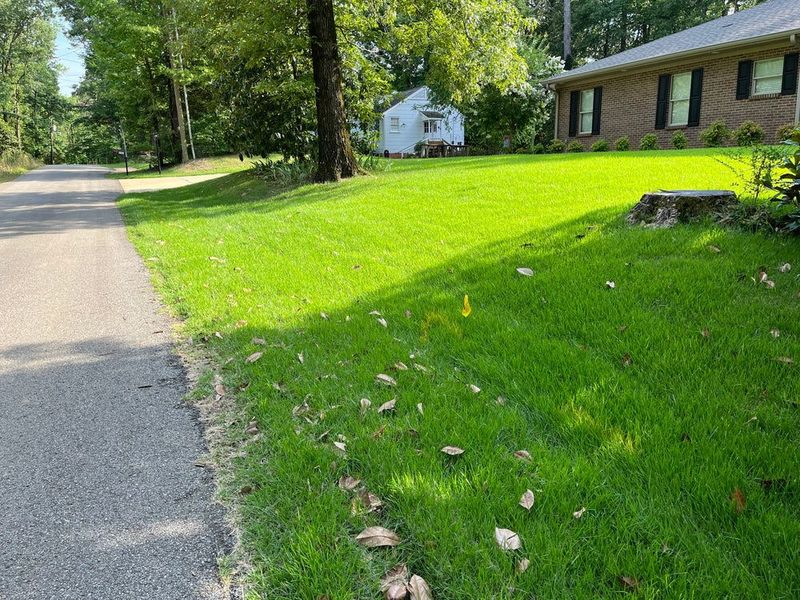
A strong lawn going into winter is like a well-packed suitcase before a trip. Good habits now mean fewer surprises when spring arrives.
Start with the basics you already know. Smart watering, proper mowing height, and careful fertilizer timing form the backbone of disease prevention.
Keep thatch under one inch thick. Push a finger into the turf, and if the spongy layer feels deep, plan to address it during active growth.
Mowing a wet lawn is a quick way to spread the fungus. Wait until the grass dries, and rinse mower blades after cutting through affected areas.
Fallen leaves deserve attention as well. They create shady, moist mats that the fungus loves, so rake or mulch them regularly.
Here is some encouraging news. Large patch usually spares the roots, which lets zoysia recover and regrow once warmer weather returns.
Patience helps in spring. Areas hit in fall may green up later than the rest of the yard, so try not to panic.
Create a fall checklist and tape it inside the garage. Include watering changes, mower height, leaf cleanup, and weekly patch checks.
Share what you learn with neighbors. Fungus can hitch rides on shared mowers and shoes, so a whole block of healthy lawns benefits everyone.
With steady care, your zoysia can head into winter strong. Come spring, that thick green carpet will be ready to shine again.