8 Arizona Desert Plants You Can Still Plant In July Heat
Arizona July does not ask gardeners for permission.
By breakfast, the sun already feels personal. By afternoon, the soil radiates heat like a pizza stone, and every empty planting bed looks like it should come with a warning label.
Then monsoon season changes the whole conversation.
Clouds stack up. Humidity rises. Sudden rain hits hot ground. For desert gardeners, that strange mix of heat, moisture, and warm nights can open a narrow planting window that many people miss.
July planting still takes care, though. New roots need deep watering, light mulch, temporary shade in brutal spots, and a daily check while they settle in. This is not the season for lazy planting.
So which Arizona plants can still handle the ground when summer is at its loudest?
Start with desert-adapted annuals, natives, and heat-loving bloomers that understand hot soil, sudden storms, and sun that refuses to blink. Plant smart now, and July can still surprise you.
1. Arizona Poppy Fits Monsoon Timing
A packet of Arizona poppy seed makes perfect sense when monsoon clouds start building.
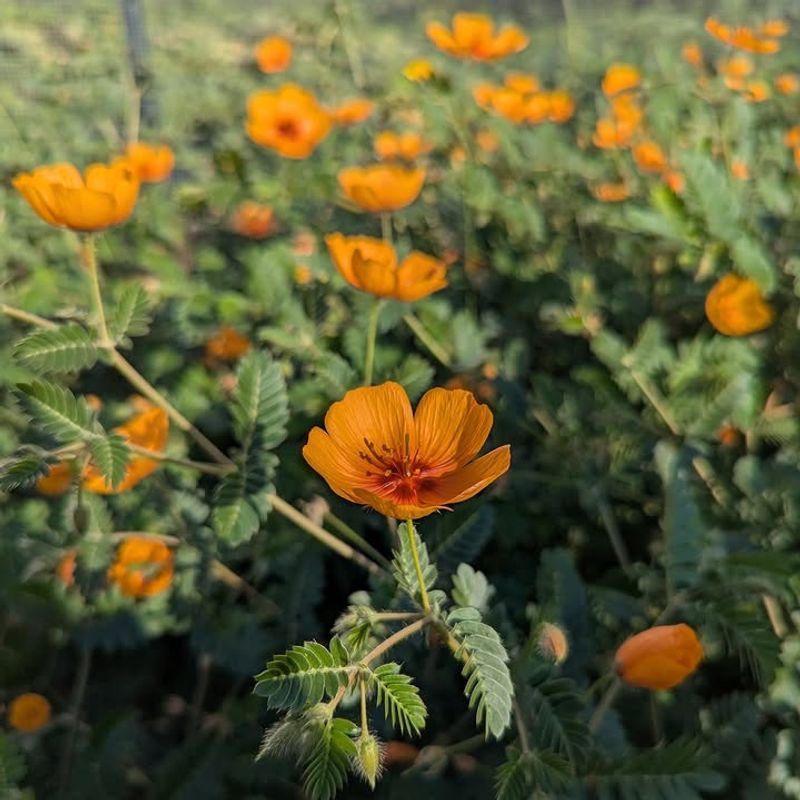
This native wildflower, Kallstroemia grandiflora, does not wait for crisp fall air or soft spring weather. It is wired for hot soil, summer rain, and the wild mood swing of the desert monsoon.
That makes July less like a problem and more like the plant’s personal invitation.
Sow seeds directly into cleared, well-drained soil. Do not bother with transplants, because Arizona poppy grows quickly from seed and prefers its roots left alone.
Rake the surface lightly, press the seed into place, and water with a gentle hand so nothing washes into the next zip code.
Keep the bed lightly moist during germination.
Once regular monsoon showers arrive, the plant can ride along with the season. Sandy, gravelly, lean soil suits it best. Heavy wet soil can turn this bright little showoff into a sulky mess.
The flowers glow orange with yellow centers, opening wide in the morning sun. Each bloom may be brief, but the plant keeps sending up more through the summer rain window.
Bees and butterflies find it fast.
Arizona poppy is cheap, tough, cheerful, and perfectly timed. It is proof that July planting can work when the plant is already fluent in desert summer.
2. Zinnias Bring Fast Heat Color
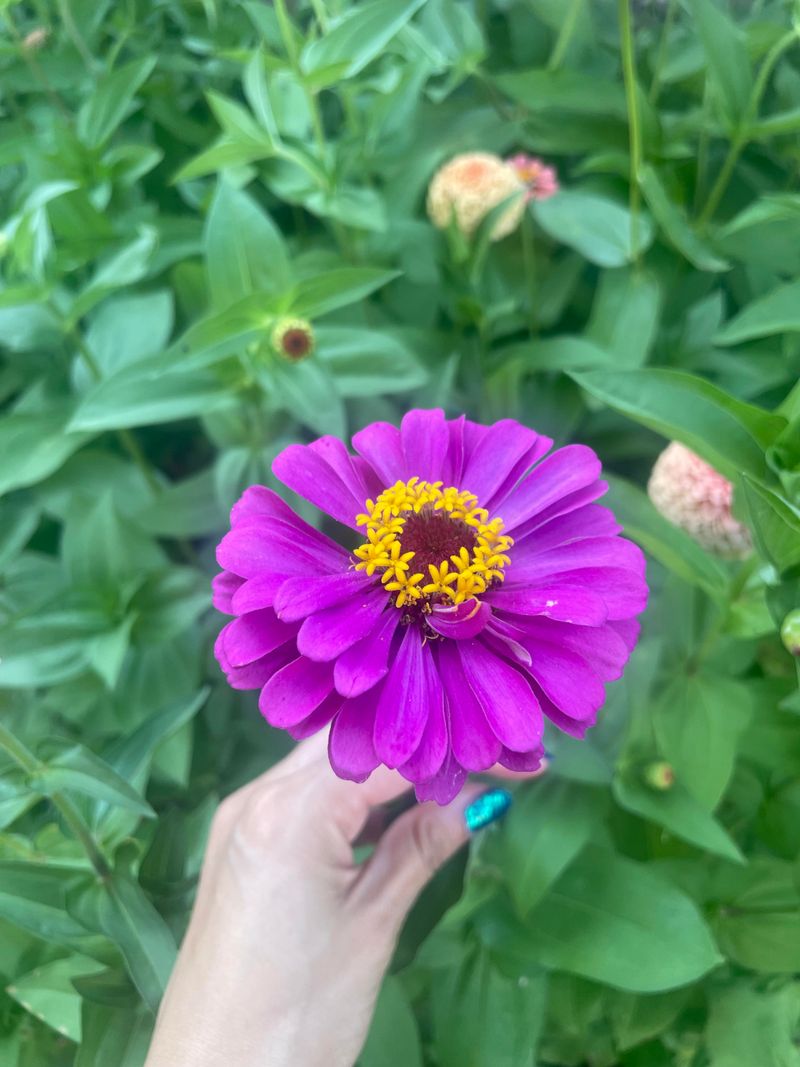
Zinnias do not whisper in a summer garden.
They show up bold, bright, and completely unbothered by Arizona sunshine when their roots get a fair start. For gardeners craving fast color in July, few annuals respond with more enthusiasm.
Sow seeds directly or set out small transplants in full sun. Garden beds work well, and containers can shine too, especially on patios where heat pushes quick growth.
Just make sure pots drain freely. Hot, soggy soil is a fast road to root trouble, and zinnias have no interest in swamp life.
Water deeply at the base while young plants settle in.
The first two to three weeks matter most. Steady root-zone moisture helps them push past transplant stress and begin strong growth.
Your Arizona Garden Changes Every Week. Your Plan Should Too.
Gardening in Arizona changes quickly throughout the season. Every Friday you’ll receive a simple weekly plan showing exactly what to plant, prune, fertilize, harvest, and protect so you never miss the right timing.
Avoid overhead watering, especially during humid monsoon stretches, because wet leaves can invite mildew.
Once established, zinnias handle heat with impressive nerve.
Deadhead old blooms every few days to keep flowers coming. That small task turns one round of color into a long summer parade. A light layer of mulch helps keep roots cooler and moisture steadier during punishing afternoon heat.
Choose compact varieties for pots and larger types for open beds.
Zinnias bring red, orange, coral, yellow, pink, and plenty of garden confidence. They are the floral equivalent of sunglasses and a cold drink, except they keep smiling right through the heat.
3. Sunflowers Power Through Big Sun
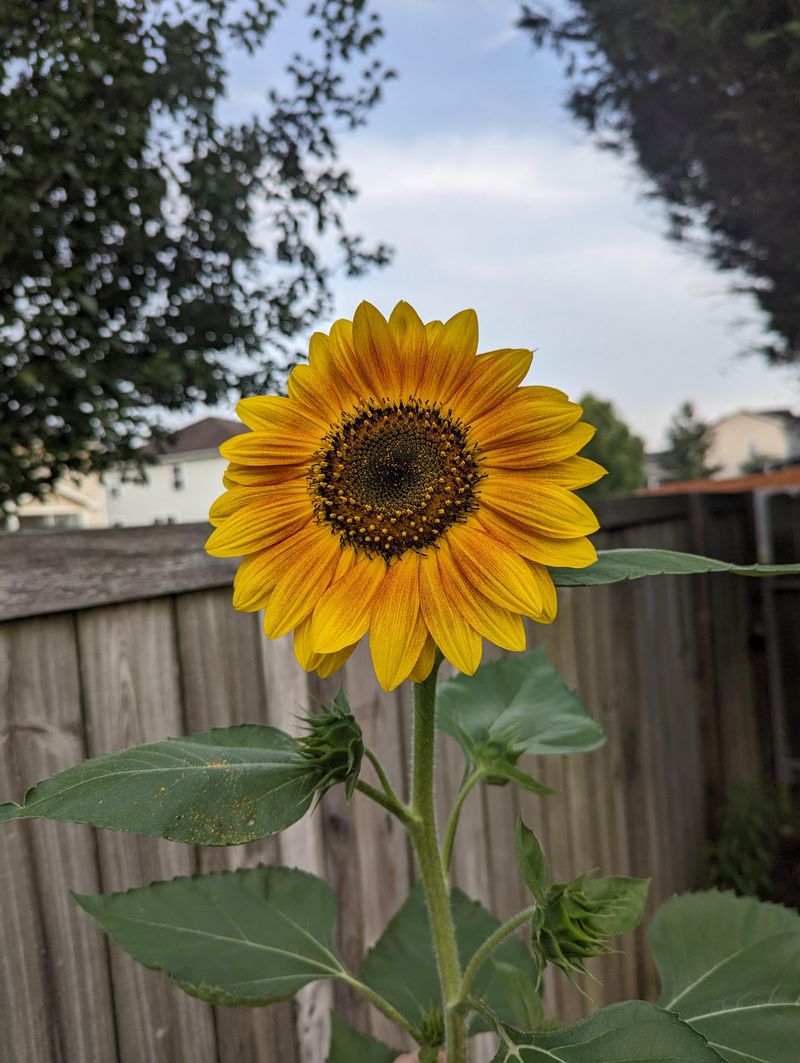
Sunflowers look at an Arizona July sky and see opportunity.
That sounds dramatic, but it fits. These fast-growing annuals love full sun, warm soil, and long bright days. Plant seed in early to mid-July, and blooms can arrive before the monsoon season has fully packed up.
Direct seeding works best.
Sunflowers build a strong taproot, and that root wants to head straight down without pot drama. Choose a sunny bed with good drainage, loosen the soil, and plant seeds where the plants can stay.
Water deeply every few days during establishment.
Shallow watering creates shallow roots, and shallow roots struggle when the afternoon heat turns harsh. Deep watering encourages the plant to chase moisture downward, which helps it handle hot spells with more backbone.
Small varieties like Teddy Bear or Sunspot fit containers and tight spaces. Giant types need open ground, extra room, and some wind protection. Monsoon gusts can bully tall stalks, so a fence or wall nearby can help.
Skip heavy fertilizer in decent soil.
Too much nitrogen can push leaves instead of flowers, and sunflowers did not come here to be leafy furniture.
Once the blooms open, bees and butterflies arrive quickly. Later, seed heads feed birds and add a little wild energy to the yard.
Sunflowers are not subtle, and that is the fun. In July, the garden can use a plant with big-sun confidence and a face that follows the light.
4. Desert Marigold Loves Lean Soil
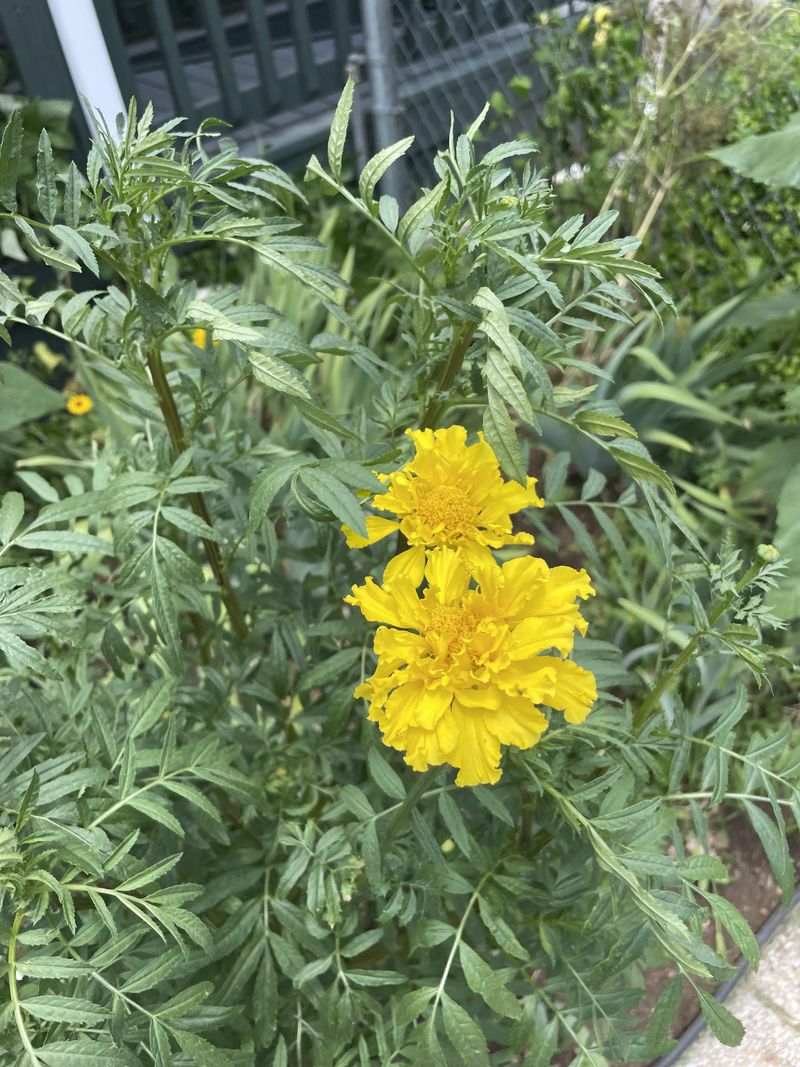
Desert marigold is the plant that makes fussier flowers look overdressed.
Baileya multiradiata thrives in places that feel too hot, too gravelly, and too plain for ordinary garden dreams.
Roadsides, dry washes, rocky slopes, and lean desert soil suit it beautifully, which makes July planting feel less reckless than it sounds.
Start from seed or small nursery transplants.
The site matters more than the method. Give desert marigold full sun and sharp drainage. Soil that holds water after a storm needs help before planting, because wet feet are this plant’s biggest complaint.
Use gravelly, sandy, or decomposed-granite soil where possible.
Rich amendments and heavy feeding are not the goal. Desert marigold blooms best when life stays a little lean. Too much kindness can make it soft, and soft is not the desert strategy.
The flowers are bright yellow and cheerful, floating above silvery-gray foliage that looks cool even when the air is not. Butterflies visit the blooms, and the foliage stays attractive between flower flushes.
Water new plants every few days for the first few weeks.
After roots settle, back off. Overwatering causes more trouble than neglect with this one.
Desert marigold brings color without drama, which is rare in midsummer. It is the tough little gold coin of the desert garden, and it spends July better than most plants spend April.
5. Globe Amaranth Holds Its Shape
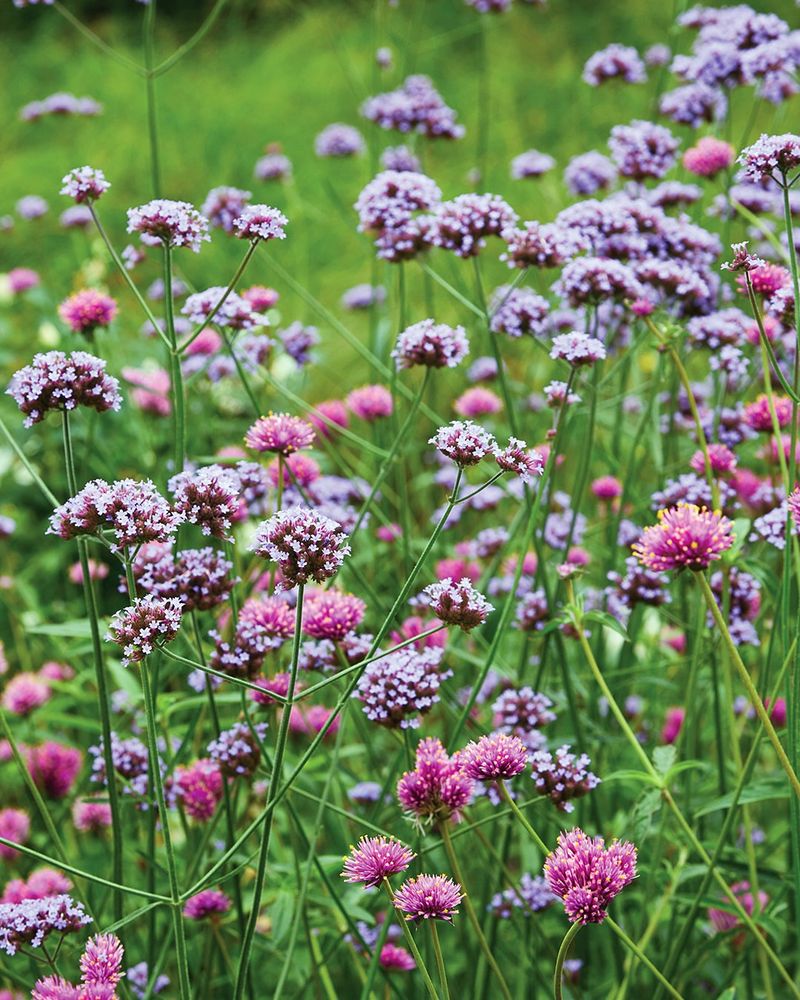
Globe amaranth has a useful talent for Arizona gardeners.
It looks cheerful in brutal heat, then keeps looking good after the blooms dry. Those papery round flowers hold their color and shape so well that the plant feels half garden flower, half craft supply.
Set out transplants in full sun, or give them a touch of afternoon protection during the fiercest stretches.
Globe amaranth works in beds, borders, and containers, which makes it especially handy for patios where other flowers wilt like they received bad news.
Water the nursery pot before planting.
Then water the planting hole, place the root ball gently, backfill, and water again. That extra care helps reduce shock during July heat. A thin mulch layer around the base keeps moisture steadier without smothering the crown.
Drainage matters.
Globe amaranth can handle heat, but hot wet soil around the stem can invite rot during humid monsoon weather. Water at the base and let the top layer breathe between soakings.
Once established, it blooms steadily with very little complaint.
Magenta, purple, pink, orange, and white varieties all bring strong color to a summer bed. Deadheading is optional because the older blooms dry attractively on the plant, but trimming can encourage a tidier look.
Globe amaranth is a small plant with serious stamina. In July, that kind of tidy toughness deserves applause, or at least a better spot near the patio.
6. Desert Zinnia Stays Compact
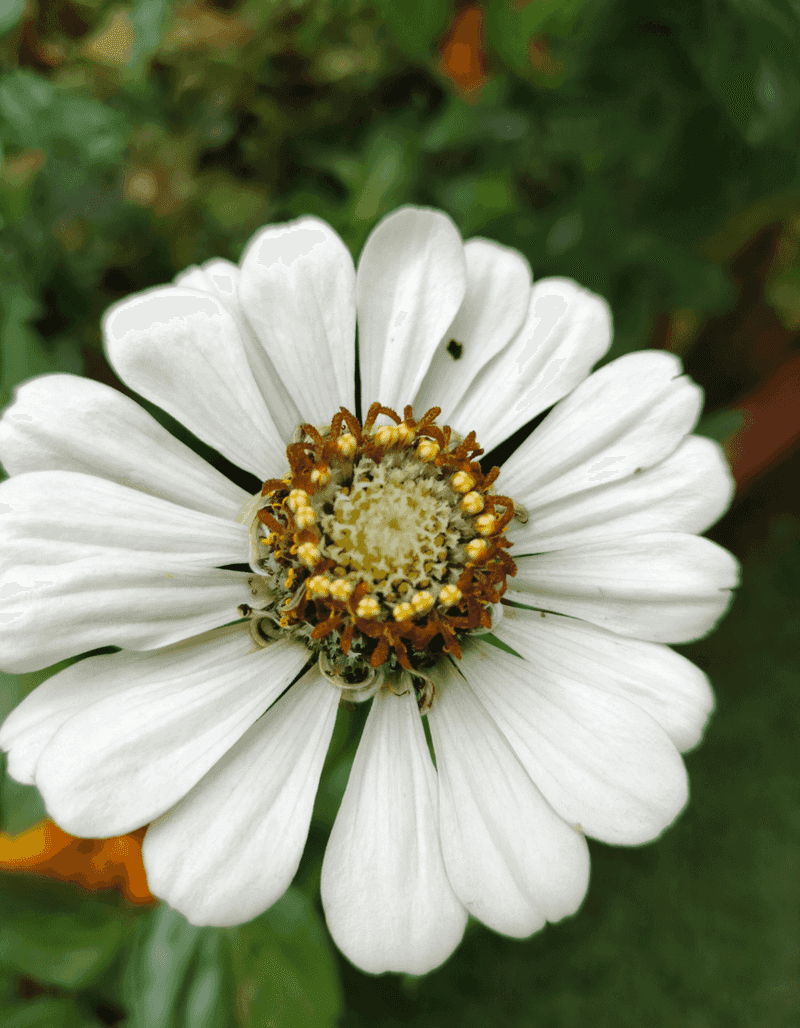
Desert zinnia may be small, but it is not delicate.
Zinnia acerosa stays low, tidy, and tough in the kind of hot gravelly spaces that punish ordinary edging plants.
Along walkways, driveways, rock gardens, and south-facing borders, this native perennial can handle reflected heat with impressive calm.
Plant small nursery transplants in full sun and fast-draining soil.
Skip rich, heavily amended beds. Desert zinnia prefers lean, rocky ground that mimics the dry places where it naturally belongs. That awkward strip near gravel or pavement may be prime real estate, not a lost cause.
The plant usually stays under a foot tall, often much shorter.
Small white flowers with yellow centers appear through warm weather, and monsoon moisture can encourage a fresh bloom cycle.
The look is simple, clean, and quietly charming, especially in low borders where you do not want plants flopping into paths.
Water every few days during establishment.
After a few weeks, reduce irrigation and let rainfall help. Too much water creates the wrong kind of drama, so resist the urge to treat it like a thirsty bedding annual.
No fertilizer is needed.
Desert zinnia earns its place by staying compact, clean, and persistent where heat bounces from every surface. It is the little border plant with desert boots on, quietly doing the hard job without demanding center stage.
7. Red Bird Of Paradise Brings Fire
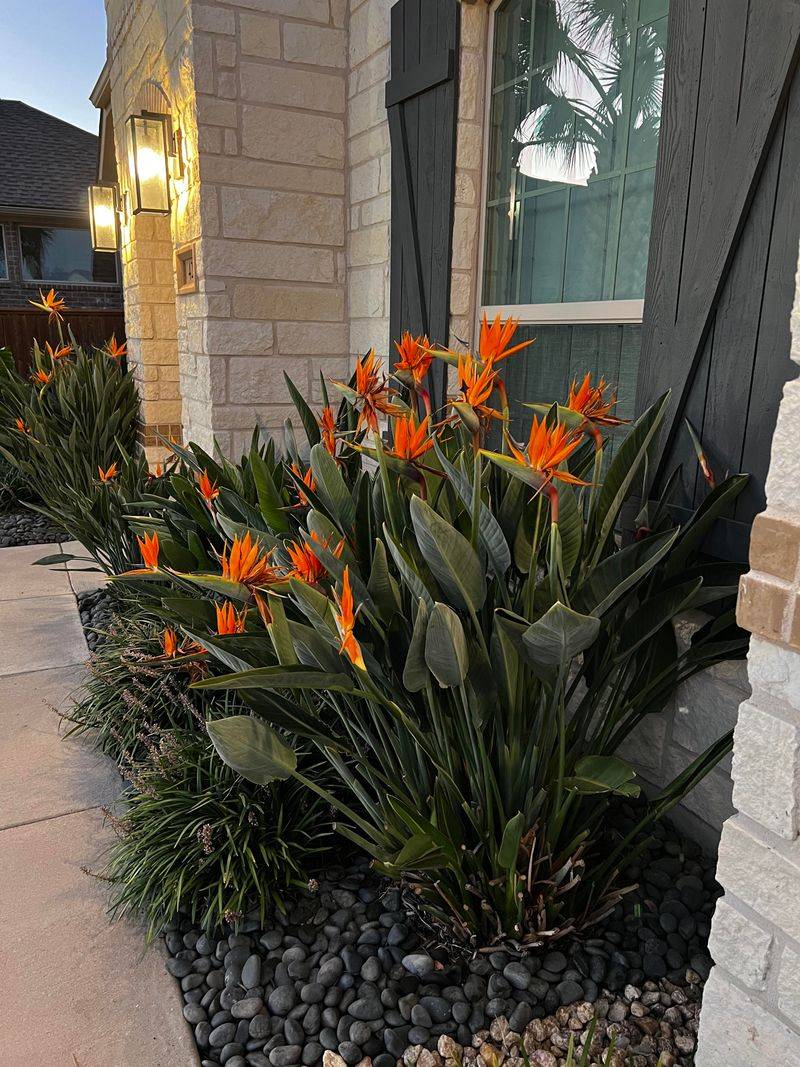
Red bird of paradise does not merely bloom.
It throws sparks.
Caesalpinia pulcherrima brings flaming orange and red flowers to Arizona yards during the kind of weather that makes many plants look personally offended.
Hummingbirds notice, neighbors notice, and the patio suddenly feels like it got upgraded.
Plant container-grown shrubs in full sun with room to spread.
This is not a tiny accent plant. In warm Arizona landscapes, mature plants can become broad, arching shrubs with a strong presence. Give it space now, or prepare for pruning negotiations later.
July planting can work because warm soil encourages root growth and monsoon moisture helps ease establishment.
That does not mean you can plant and disappear. Water deeply every few days for the first month, then gradually reduce as roots push outward. Deep watering matters because shallow roots struggle during heat spikes.
Mulch around the base to stabilize soil moisture, but keep mulch away from the main stems.
Good drainage is important, especially when monsoon storms arrive hard and fast. Red bird of paradise likes summer moisture, not a bathtub.
In colder Arizona zones, choose a protected spot near a warm wall.
The payoff is huge: months of tropical-looking color, hummingbird visits, and a shrub that treats July like performance season.
Red bird of paradise is not subtle. It is garden fireworks with roots, and summer is exactly when it wants the spotlight.
8. Desert Lavender Keeps Native Charm
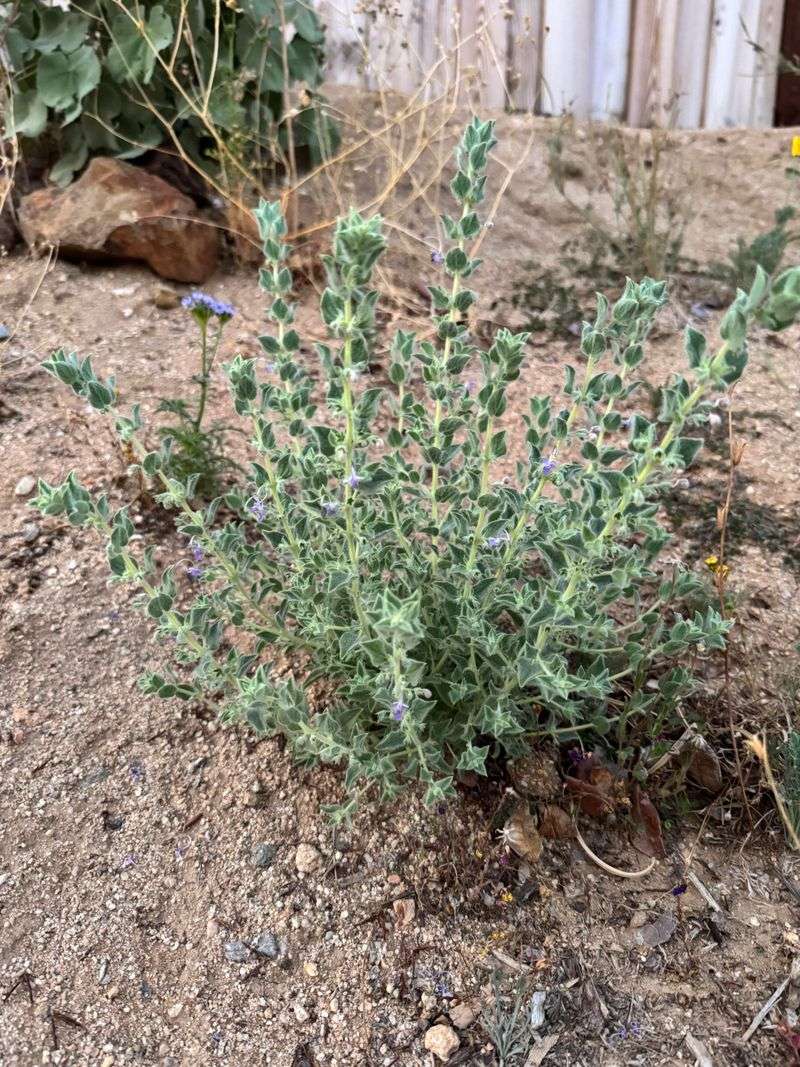
Desert lavender can stop you before the flowers do.
Brush past Hyptis emoryi on a warm morning, and the gray-green leaves release a clean herbal fragrance that feels made for the Sonoran Desert.
It is not true lavender, but the scent and purple flower spikes make the nickname easy to forgive.
Plant a container-grown shrub in full sun and excellent drainage.
Rocky or sandy native soil works beautifully. Rich garden beds can push softer growth, which is not always a gift in extreme heat.
This shrub performs best when its roots sit in lean desert conditions and water moves through the soil quickly.
Give new plants deep water every few days during the first month.
After that, stretch the time between soakings. Once established, desert lavender handles dry periods well and can lean on monsoon rain when storms arrive regularly.
Keep water at the root zone.
Overhead spray wastes moisture and can leave the plant looking less crisp. A light mulch ring helps young roots without making the crown too damp.
Bees, butterflies, and hummingbirds visit the flower spikes, adding movement around the shrub for much of the warm season. Over time, desert lavender can grow into a soft, billowy screen or informal hedge.
Prune lightly after a bloom flush to shape it.
This native shrub brings fragrance, wildlife value, and easy desert elegance. July may be harsh, but desert lavender has the calm confidence of a plant that already knows the rules.