The Most Dangerous Venomous Creatures Arizona Residents Should Watch For As Nights Cool
Cooler fall nights feel like a reward after a long Arizona summer, but they also change how desert critters behave. Some venomous animals start hunting at night, while others go looking for a warm hiding spot, sometimes inside your home.
Knowing who is out there helps you stay calm, careful, and ready. Here are ten creatures worth watching for as the temperature drops.
1. Arizona Bark Scorpion
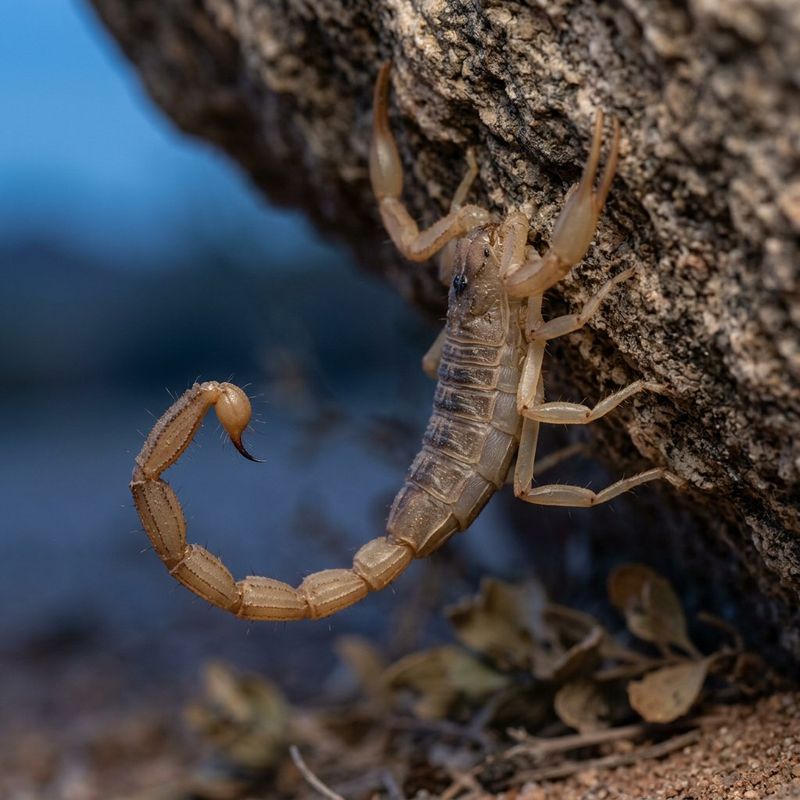
Ask any longtime Phoenix resident about their worst houseguest, and the bark scorpion usually wins. It is the most venomous scorpion in North America, and fall is when many people find it indoors.
Slim, pale tan, and about three inches long, it can squeeze through a gap the width of a credit card.
As nights dip below 70 degrees, these scorpions tend to gather in sheltered spots. Hollow block walls, foundation cracks, and gaps around pipes are favorite hideouts.
November and December are common months to spot them inside as they look for warmth and moisture.
A sting causes sharp pain, tingling, and numbness. Young children, older adults, and pets face the greatest risk, so medical help should be called quickly if symptoms spread or breathing changes.
Simple habits make a real difference. Replace worn door sweeps, seal utility openings, and keep shoes off the garage floor.
Shake out towels, gloves, and clothing that have been sitting outside.
Fun fact: bark scorpions glow a bright blue-green under ultraviolet light. A cheap blacklight flashlight turns an evening yard walk into a surprisingly useful scorpion check.
Many homeowners make it a weekly fall routine.
2. Western Diamondback Rattlesnake
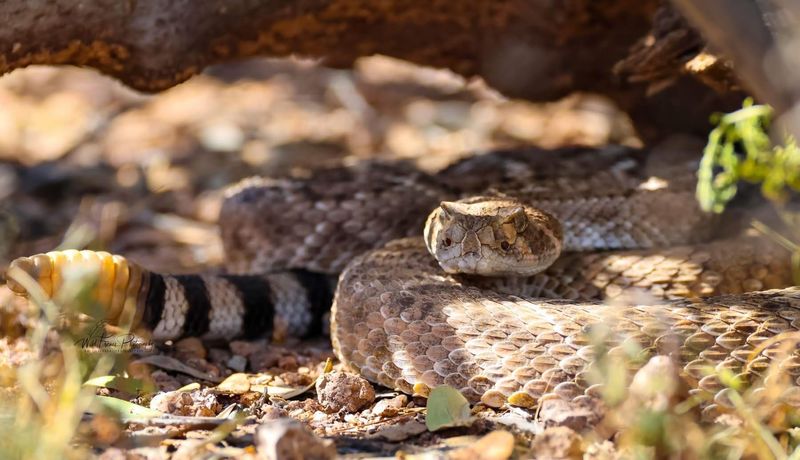
Picture a warm October evening, the sun barely gone, and a thick brown snake stretched across your driveway soaking up leftover heat. That scene plays out across the Valley every fall.
The western diamondback is the rattlesnake Arizonans meet most often, and it is responsible for many of the state’s serious snakebites.
You can recognize it by the bold diamond pattern down its back and the black and white bands near the rattle, often called a raccoon tail. Adults can reach five feet long.
When daytime heat eases, these snakes often shift to hunting in the cooler hours after sunset.
Warm pavement and rock walls hold heat well into the night, which draws snakes close to homes. A flashlight is your best friend on evening walks.
Long pants and closed shoes also add a layer of protection.
If you hear that famous buzzing rattle, stop, find the sound, and slowly back away. Most bites happen when people try to move or handle a snake.
Keep wood piles and brush trimmed back from patios, since these spots shelter the rodents snakes love to hunt. A bite always calls for emergency care right away.
3. Mojave Rattlesnake
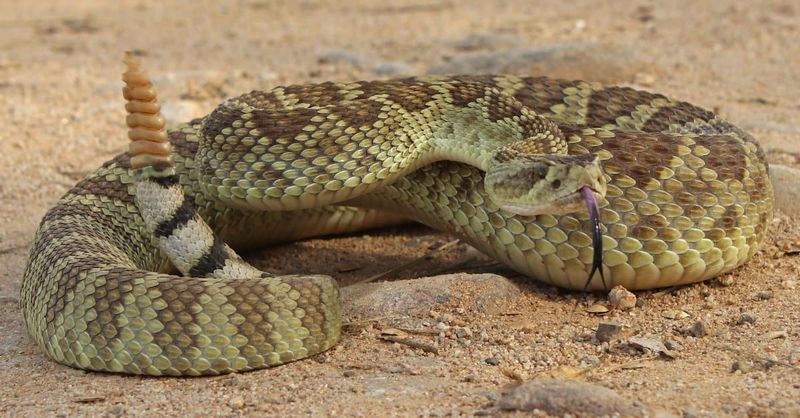
Don’t let its plain, greenish look fool you. The Mojave rattlesnake carries some of the most potent venom of any rattlesnake in the United States.
Many experts consider it one of the snakes residents should respect most.
Your Arizona Garden Changes Every Week. Your Plan Should Too.
Gardening in Arizona changes quickly throughout the season. Every Friday you’ll receive a simple weekly plan showing exactly what to plant, prune, fertilize, harvest, and protect so you never miss the right timing.
Sometimes nicknamed the Mojave green, it often looks a lot like a diamondback, which makes it tricky to tell apart. One clue is the tail, where the white bands are usually wider than the black ones.
Its venom in some areas can affect the nervous system, so early symptoms may seem mild before getting worse.
These snakes prefer open desert flats with creosote and low brush rather than rocky hills. Homes on the edges of open desert, especially around Tucson and western Phoenix suburbs, may see them on fall evenings.
They tend to hunt after dark when the ground still feels warm.
Treat every rattlesnake as dangerous and never try to guess the species up close. Because symptoms can be delayed, anyone bitten should get to a hospital even if they feel fine at first.
Keeping yards tidy and free of rodent hideouts can make your property less inviting. Fewer mice usually means fewer hungry snakes passing through.
4. Western Black Widow Spider
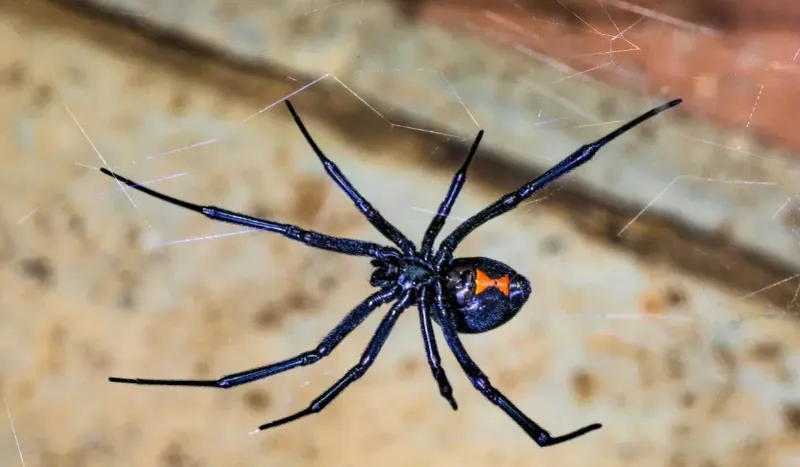
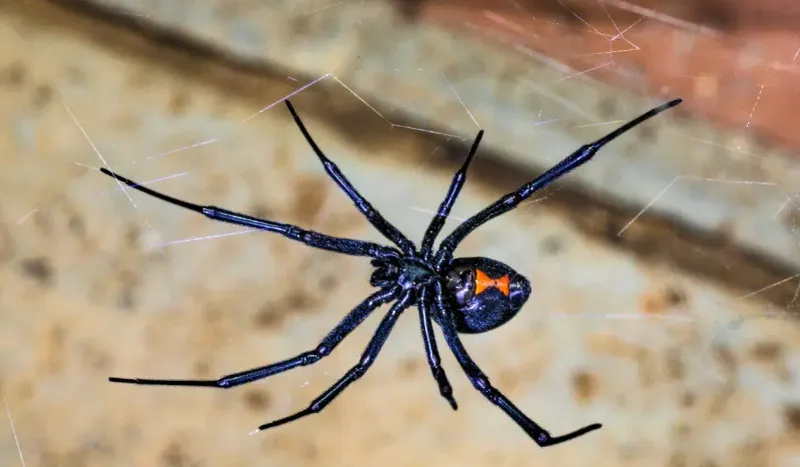
Glossy black with a bright red hourglass on its belly, the female black widow looks like it was designed to deliver a warning. And honestly, the warning is fair.
Her venom is about fifteen times stronger than a rattlesnake’s, drop for drop, although she injects only a tiny amount.
Black widows are a year-round concern in Arizona, but fall nudges them toward sheltered places. Garages, sheds, attics, and boxes of holiday decorations are prime real estate.
Their webs look messy and tangled, and they are often built low to the ground.
Bites can cause muscle cramps, stomach pain, and sweating within an hour or so. Healthy adults usually recover, but kids and older folks may need medical treatment.
Calling poison control is a smart first step.
Wearing gloves when pulling out stored items is the easiest way to stay safe. Sweep away webs from patio furniture, pool equipment, and outdoor toys regularly.
Here is a quirky bit: only the larger females are dangerous. Males are small, brownish, and harmless.
Reducing porch light use also helps, since lights draw insects, and insects draw hungry widows looking for an easy dinner.
5. Arizona Recluse Spider
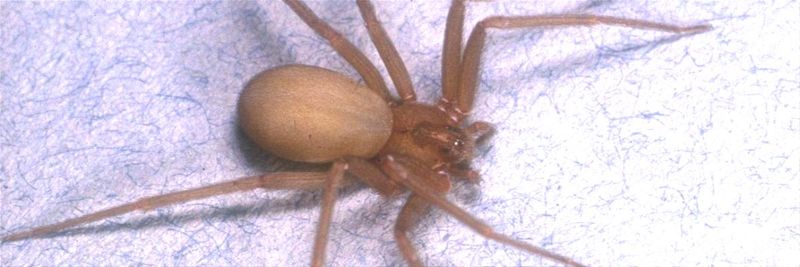
Shy by nature and rarely seen, the Arizona recluse lives up to its name. Most people never notice one until they reach into a box that has sat untouched for months.
That is exactly when trouble can happen.
This native spider is a cousin of the famous brown recluse. It is light brown with a darker violin-shaped mark behind its head.
Look closely and you may see it has six eyes instead of the usual eight.
In the desert, recluses naturally hide under rocks, wood, and packrat nests. Around homes, they favor closets, storage rooms, and cluttered sheds.
As nights cool, they may wander indoors seeking stable, protected hiding places.
Bites are often painless at first. Over the next day, a red, tender sore may form, and in some cases the skin around it breaks down slowly.
Any bite that keeps getting worse should be checked by a doctor.
Store items in sealed plastic bins instead of cardboard, which recluses love. Shake out bedding that touches the floor and avoid leaving clothes in piles.
Sticky traps placed along walls in closets and garages can also show you whether these quiet roommates have moved in.
6. Sonoran Coral Snake
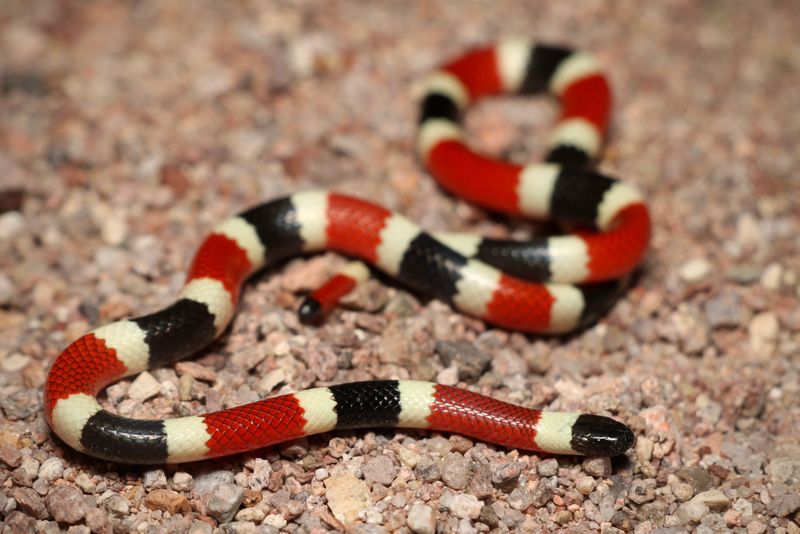
Red touches yellow, watch out, fellow. Many hikers learn that old rhyme as kids, and it fits the Sonoran coral snake perfectly.
This slender, brightly banded snake is one of the most colorful creatures in the desert.
It is also one of the most secretive. Rarely longer than twenty inches, the Sonoran coral snake spends much of its time underground or beneath rocks.
It comes out mostly at night, especially after rain or on mild evenings.
Its venom acts on the nervous system and is very strong. The good news is that bites are extremely rare.
The snake has a small mouth and tends to hide or flee rather than fight.
When disturbed, it sometimes tucks its head and pokes its tail up, popping out little noises to confuse attackers. That odd behavior is part of what makes it so fascinating to watch from a distance.
The best rule is simple. Never pick up a small, banded snake, no matter how pretty or calm it looks.
Kids especially should learn to admire and walk away. Wear gloves when moving rocks or landscaping stones in fall, since that is where these quiet snakes often rest.
7. Gila Monster
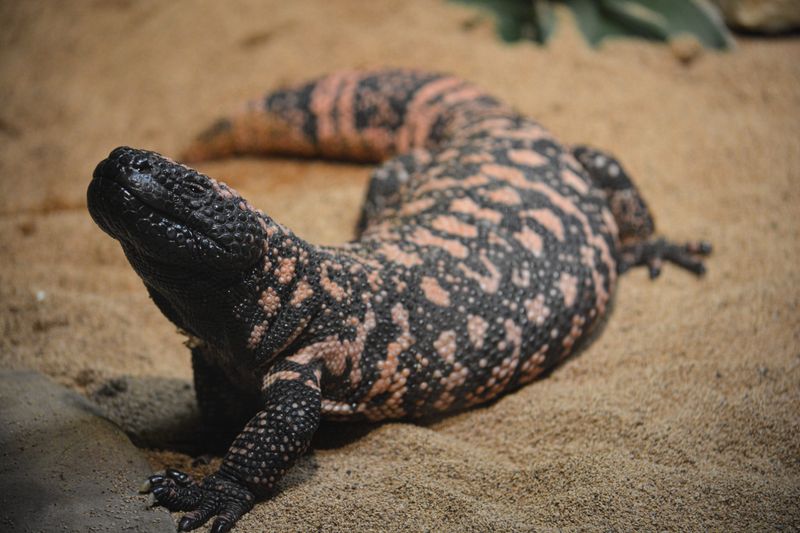
Few animals feel as iconic to Arizona as the Gila monster. With beaded orange and black skin and a slow, waddling walk, it looks like something from a storybook.
It is also the only venomous lizard native to the United States.
Unlike snakes, the Gila monster does not strike with fangs. Instead, it bites, holds on tightly, and chews venom into the wound through grooved teeth.
The pain is famously intense, though bites are rarely life-threatening for healthy adults.
So why include it on a fall list? Gila monsters are most active in spring, but warm autumn days and evenings can bring them out before they settle in for winter.
They sometimes wander through yards near open desert, especially in the foothills.
Here is the honest truth: almost every bite happens when someone tries to pick one up. These lizards are slow, shy, and protected by state law.
Simply let them pass.
Did you know? A compound found in Gila monster saliva inspired a medicine used to help people manage diabetes.
Pets should be kept leashed if one is nearby, since curious dogs are common victims of a clamping bite.
8. Tiger Rattlesnake
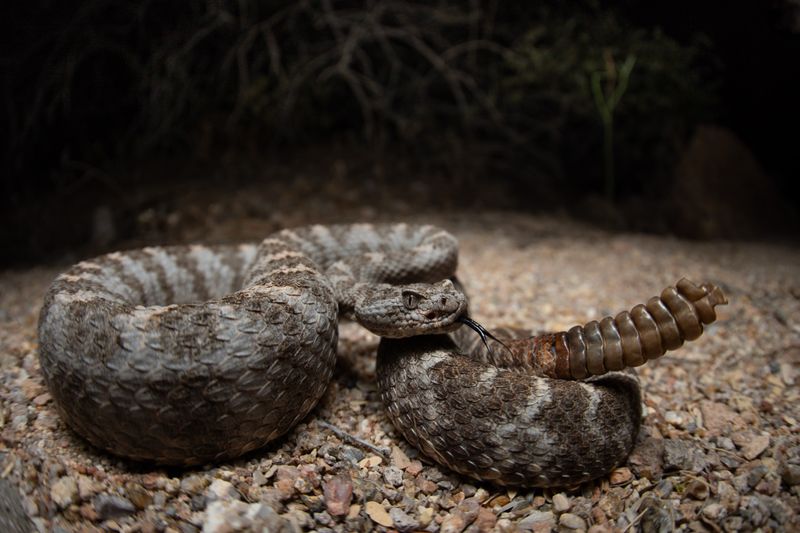
Small head, big punch. The tiger rattlesnake has one of the tiniest heads of any rattler, yet its venom ranks among the most toxic.
It is a rocky hillside specialist that foothill homeowners should know about.
Named for the faint crossbands that wrap its gray or pinkish body, this snake usually stays under three feet long. It blends beautifully into granite boulders, which makes spotting it a real challenge.
Neighborhoods tucked against mountains near Tucson and the eastern Valley see it most.
Tiger rattlesnakes often become active on warm evenings after monsoon rains, and that pattern can stretch into fall. When daytime temperatures drop, they move around more at dusk and after dark.
Because they inject less venom than larger rattlers, bites may seem less dramatic. Still, any rattlesnake bite needs emergency care, so skip the guesswork and head to a hospital.
Hikers can stay safer by watching where they put their hands and feet among rocks. Never reach into a crack or ledge you cannot see into.
At home, rock walls and boulder landscaping make wonderful scenery, so give them a careful glance with a flashlight before sitting down on an evening.
9. Giant Desert Centipede
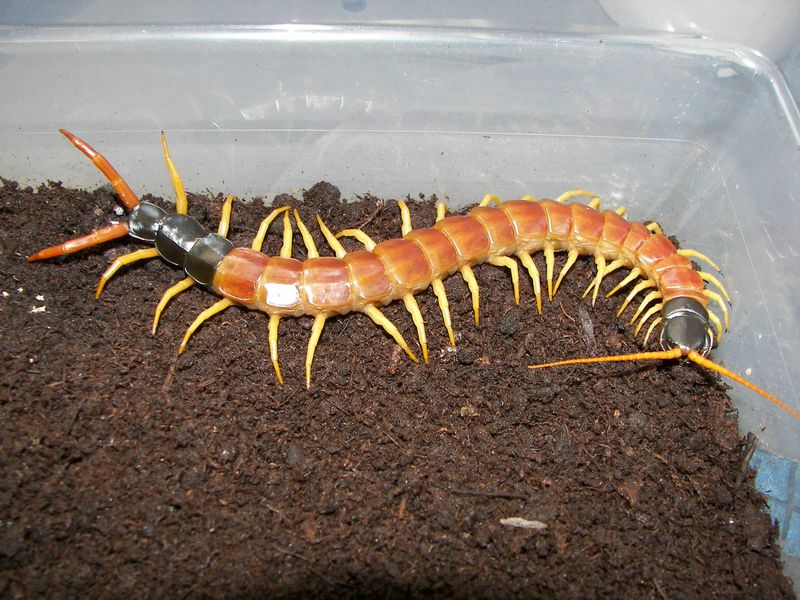
Eight inches of legs, color, and attitude. The giant desert centipede can stop anyone in their tracks when it scurries across a patio at night.
With a bright orange body and dark head, it looks almost tropical.
Centipedes are not insects, and they are not spiders either. They hunt with a pair of front claws that deliver venom to crickets, lizards, and even small mice.
That same weapon can give people a very painful bite.
Most bites cause burning pain, swelling, and redness that fade within a day or two. Serious reactions are uncommon, but people with allergies should watch symptoms closely.
Ice and gentle cleaning help with comfort.
Centipedes love moisture and darkness. As fall arrives, they may slip into bathrooms, laundry rooms, and garages looking for damp shelter.
Fixing leaky outdoor faucets and drippy irrigation lines makes your home less appealing.
A fun twist: centipedes actually eat other pests, including scorpions now and then. So while you probably do not want one indoors, they play a role in desert balance.
Keep mulch and leaf piles a few feet from your foundation, and always check boots stored in the garage before slipping them on.
10. Africanized Honey Bees
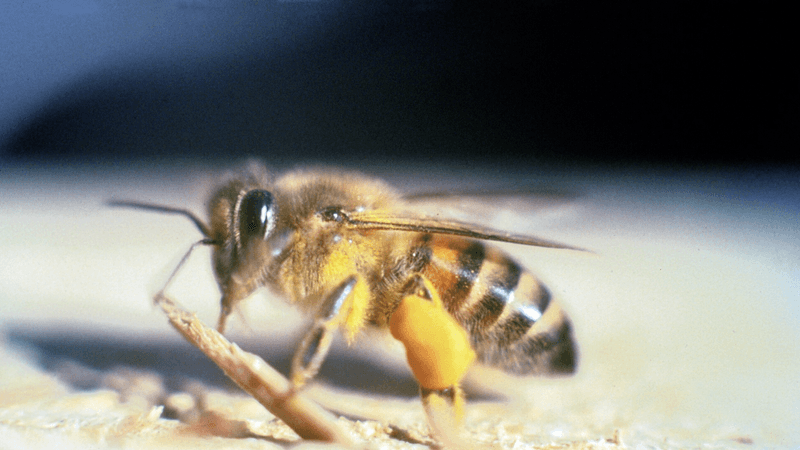
One bee is a nuisance. Hundreds at once can be a genuine emergency.
Africanized honey bees are common across low-desert Arizona, and their defensive streak makes them one of the most dangerous stinging creatures here.
Their venom is no stronger than a regular honey bee’s. The difference is behavior.
Once a colony feels threatened, it can chase a person for a long distance and sting in large numbers.
Fall is a busy time for bees as they prepare for winter. Colonies often settle into water meter boxes, block walls, sheds, and overturned pots.
Loud yard tools like mowers and leaf blowers can easily trigger them.
If bees start chasing you, run in a straight line toward a car or building and cover your face. Never jump into a pool, since bees will wait for you to come up for air.
Remove stingers by scraping, not pinching.
Before starting fall yard projects, take a slow walk around your property and listen for buzzing. Seal small openings in walls and boxes.
If you find a colony, call a professional bee removal service rather than handling it yourself. Pets and kids should stay well away.