The One July Lawn Task Pennsylvanians Skip That They Always Regret By September
By July, most Pennsylvania homeowners have settled into their summer lawn routine. Water when it needs it, mow on schedule, deal with whatever comes up. It feels like enough. And for most of the season, it holds together reasonably well.
But September has a way of revealing exactly what went wrong in July, and for a lot of Pennsylvania homeowners, the regret traces back to one specific task they skipped when summer was at its most demanding.
It’s not a complicated task. It’s not even a particularly time consuming one. But it gets pushed to the back of the list during the hottest, busiest stretch of summer, when spending extra time outside doing yard work feels like the last thing anyone wants to do.
And because the consequences don’t show up immediately, it’s easy to assume everything is fine until September makes the damage very clear.
Getting ahead of this now still makes a meaningful difference. Here’s the July lawn task Pennsylvania homeowners consistently skip and exactly why September always reminds them they should have done it.
July Is The Month For Some Preventive Grub Treatments
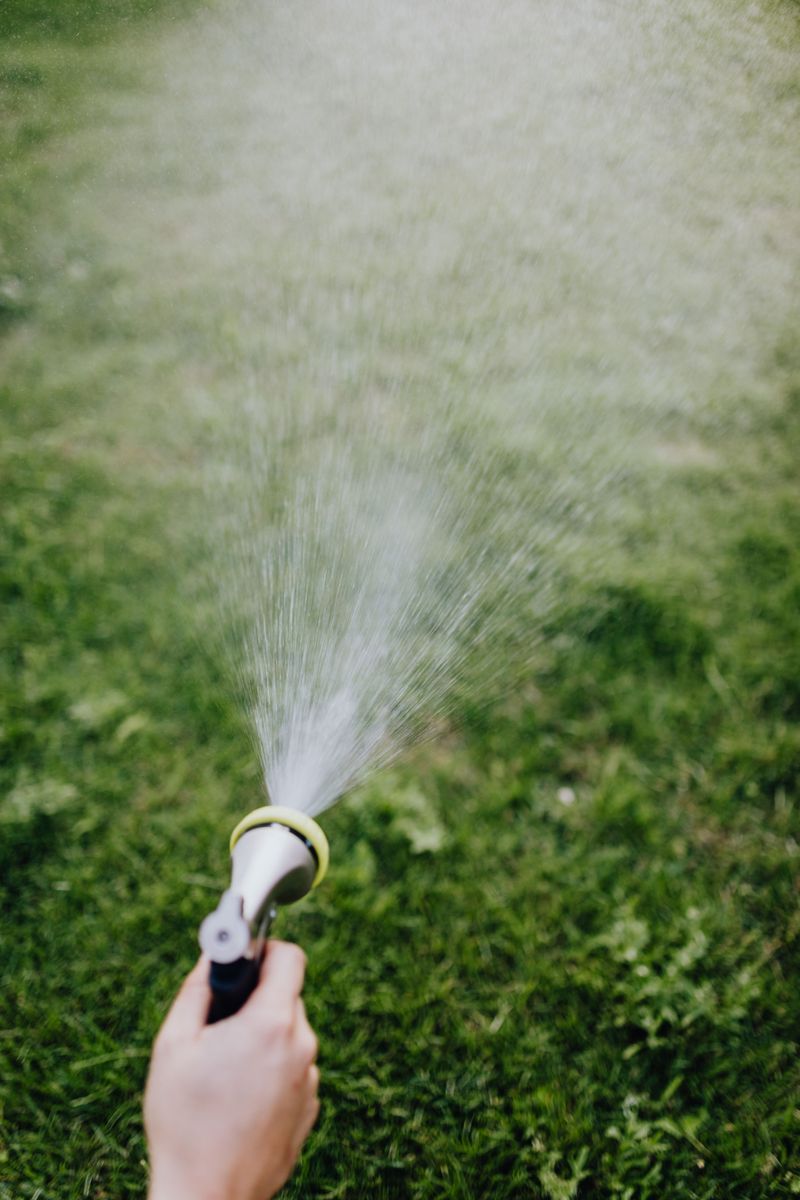
Most people think of July as a month to relax in the yard, not to worry about what is happening underground.
But Penn State Extension recommends applying preventive grub products containing imidacloprid from mid-June through July. Getting the timing right is everything when it comes to grub control.
The reason this window matters so much is simple. Applying the active ingredient in July places it in the soil before young grubs start causing late-summer root damage.
Once those tiny larvae begin feeding aggressively, a preventive product will not perform the same way a properly timed one would.
Not every grub product works on the same schedule. Homeowners should always read the specific product label carefully, because timing requirements differ among active ingredients.
Some products, like those containing chlorantraniliprole, actually work best when applied even earlier in the season.
By the final week of July, the preferred application window for some preventive products may already be closing. Waiting until August to shop for grub control is often too late for preventive options.
Acting early in July, rather than at the end of the month, gives the product the best possible chance to work before grub activity peaks beneath the soil surface.
Newly Hatched Grubs Feed Underground Before Damage Becomes Obvious
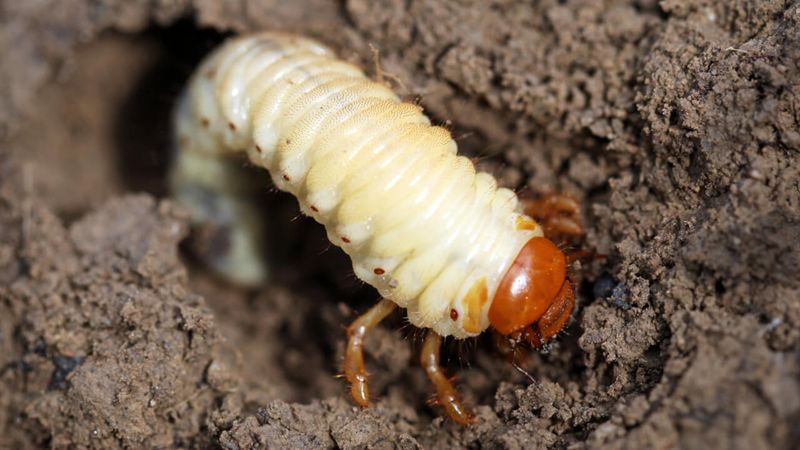
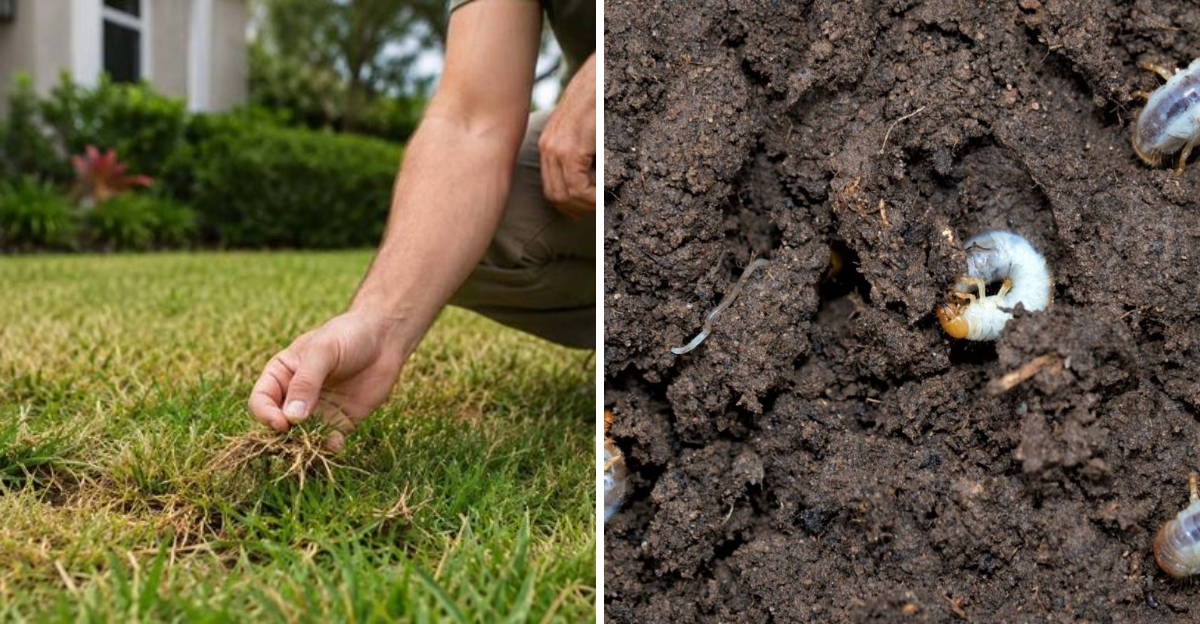
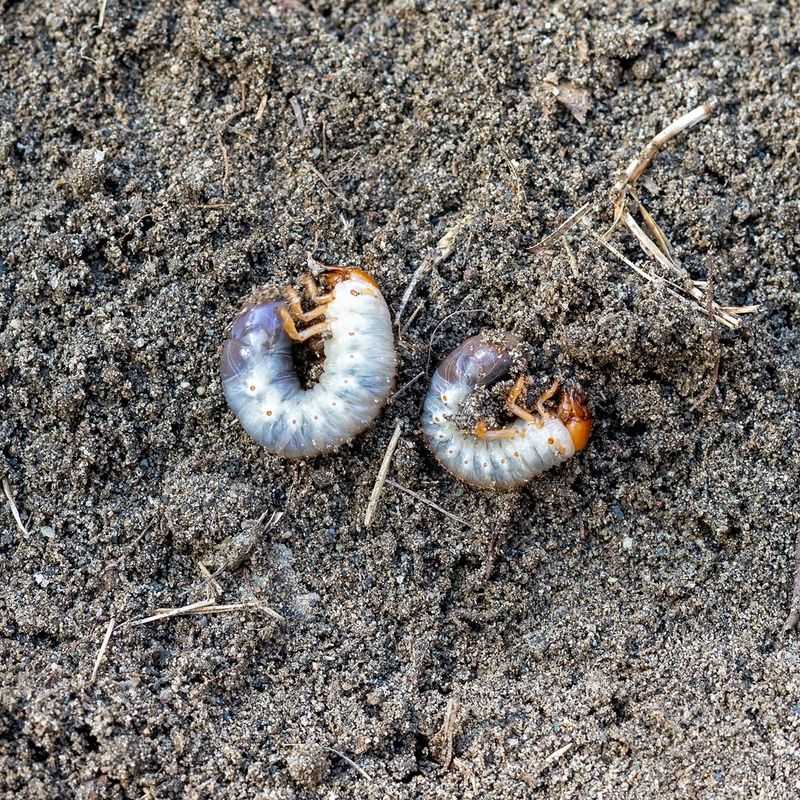
Here is something that surprises a lot of homeowners: your lawn can look perfectly fine while grubs are already destroying it from below. White grubs are the larvae of scarab beetles, including Japanese beetles and northern masked chafers.
Both of these beetles are common across Pennsylvania and lay their eggs in lawns during summer.
After hatching, the larvae feed on turfgrass roots beneath the surface. Because all of this activity happens underground, homeowners rarely notice anything wrong right away.
The grass above keeps pulling water and nutrients from whatever roots remain, so the lawn stays green for a while even as it weakens.
Your Pennsylvania Garden Changes Every Week. Your Plan Should Too.
Gardening in Pennsylvania changes quickly throughout the season. Every Friday you’ll receive a simple weekly plan showing exactly what to plant, prune, fertilize, harvest, and protect so you never miss the right timing.
Think of it like a tree with a damaged root system. The leaves look healthy until the roots simply cannot support them anymore. That same slow collapse happens in grub-infested turf, just on a smaller and faster scale.
Damage commonly becomes visible during September and October, well after substantial feeding has already occurred. By the time you see brown patches and spongy turf, the grubs have had weeks to work through the root zone.
Many homeowners mistakenly blame the damage on late-summer drought, which can delay proper treatment even further.
Knowing that grubs work invisibly underground is one of the most important things you can understand about protecting your Pennsylvania lawn from fall damage every single year.
September Turf May Turn Spongy And Lift Like Loose Carpet
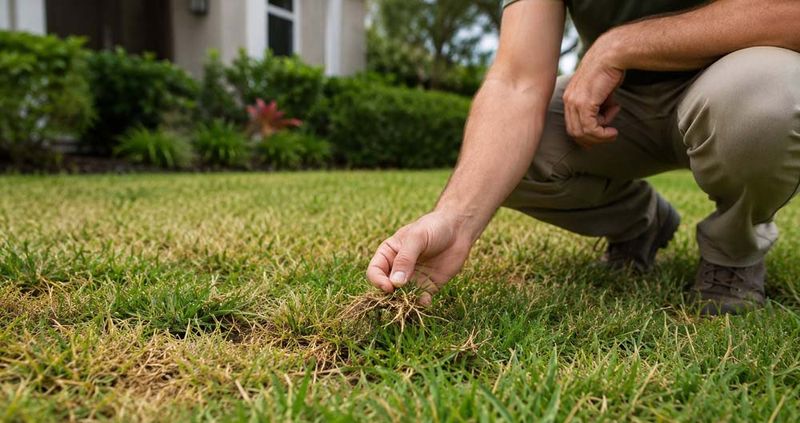
Pulling back a section of your lawn like a loose carpet is not something any homeowner wants to experience. But that is exactly what happens when grubs have eaten through enough of the root system.
Root loss causes irregular patches of grass to thin, wilt, and turn brown in ways that look a lot like drought stress.
Severely damaged sod feels spongy underfoot and rolls back easily because very few roots remain attached to the soil beneath it. The grass is essentially sitting loose on top of the ground, held in place by nothing more than the thatch layer.
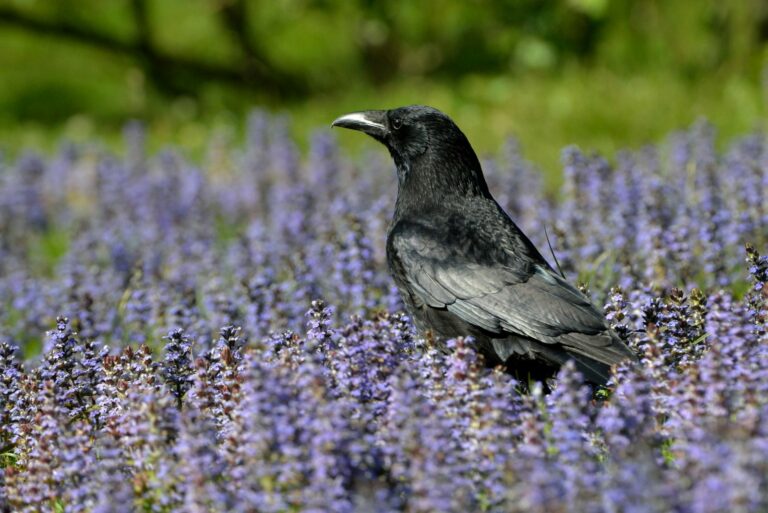
A gentle tug can pull entire sections free. Wildlife makes the problem even more noticeable. Skunks, crows, raccoons, and other animals are excellent at detecting grubs underground.
They will tear up already-weakened turf while searching for a meal, turning a patchy lawn into a completely torn-up mess almost overnight.
When you see these signs in September, resist the urge to immediately blame drought. Drought damage and grub damage can look very similar from the surface, but the fix is completely different.
Watering a grub-damaged lawn will not help it recover. The right response is to inspect the soil first, count what you find, and then decide whether treatment makes sense.
Skipping that inspection step leads many Pennsylvania homeowners to spend money on the wrong solution while the grub population continues growing beneath the surface.
Preventive Treatment Is Intended For Lawns With A Real Grub Risk
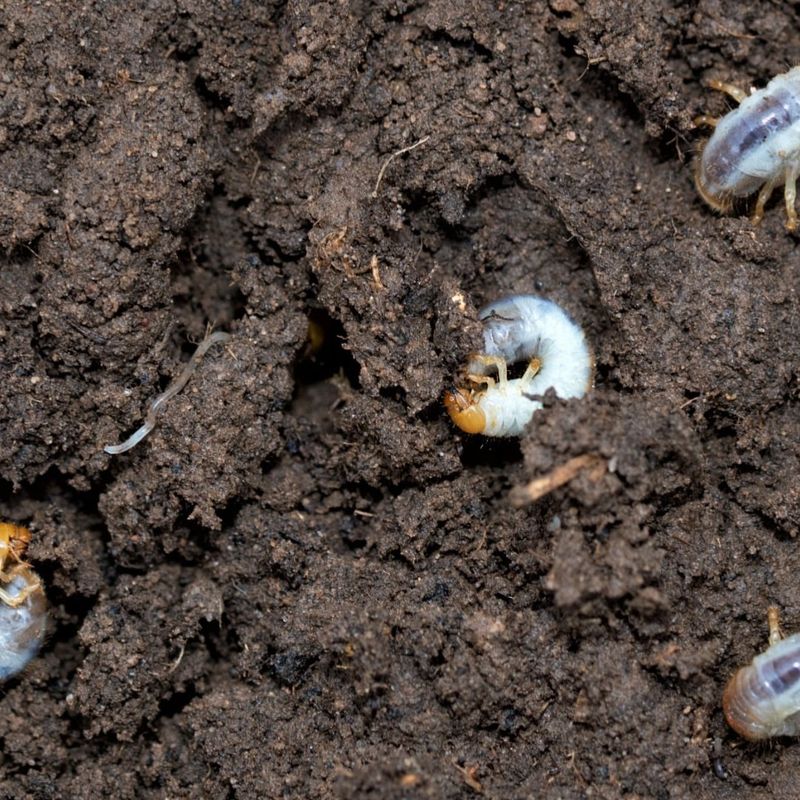
Not every lawn in Pennsylvania needs a preventive grub treatment every single year. That might sound surprising, but applying pesticides without a real reason is a waste of money and is not good for the environment.
The first question to ask yourself is whether your lawn has actually had confirmed grub damage in previous years.
Past infestation history is one of the strongest reasons to treat preventively. If grubs have caused visible damage before, your lawn is likely in a location that beetles prefer for egg-laying.
Low-lying, irrigated, sunny lawns near wooded areas tend to attract more beetles than shaded or dry ones.
Do not treat your lawn automatically just because you see adult Japanese beetles feeding on your roses or garden plants nearby.
Adult beetle activity on plants does not tell you how many larvae will survive beneath your specific lawn. Several grub species occur in Pennsylvania, and each one behaves a little differently.
Preventive pesticide use should always be based on a combination of infestation history, monitoring results, and product-label guidance. Penn State Extension encourages homeowners to scout their lawns before reaching for a product.
Spending a few minutes checking the soil in late summer costs nothing and can give you clear information about whether treatment is truly needed.
Making decisions based on real evidence, rather than fear or neighbor habits, leads to better outcomes for your lawn, your wallet, and the local ecosystem around your Pennsylvania home.
The Product Must Be Watered Into The Root Zone To Work
Buying the right grub product and applying it on time still will not help if you skip one critical step: watering it in. Preventive grub products work below ground, where young larvae are actively feeding.
If the active ingredient never makes it past the grass blades and into the soil, it simply cannot do its job.
Penn State Extension specifically notes that treatments containing imidacloprid and chlorantraniliprole must be watered into the soil after application.
For most products, that means applying about a half-inch to one inch of water shortly after spreading the granules or spraying the liquid. Always check the label for the exact amount your specific product requires.
Granules that sit dry on top of the grass blades for days are not providing any root-zone protection. Heat and sunlight can actually break down some active ingredients before they ever reach the soil.
Getting water on the lawn promptly after treatment is not optional. It is a required part of making the product work correctly.
One important caution: avoid applying grub products right before a heavy rainstorm is expected. Runoff from a hard rain can carry the product off your lawn and into storm drains or nearby waterways before it has a chance to soak in.
Light, steady irrigation is ideal. Timing your application on a dry day with a day or two of no heavy rain in the forecast gives the product its best chance to move into the root zone where it needs to be.
Missed The Preventive Window? Inspect The Lawn Before Using A Curative Product
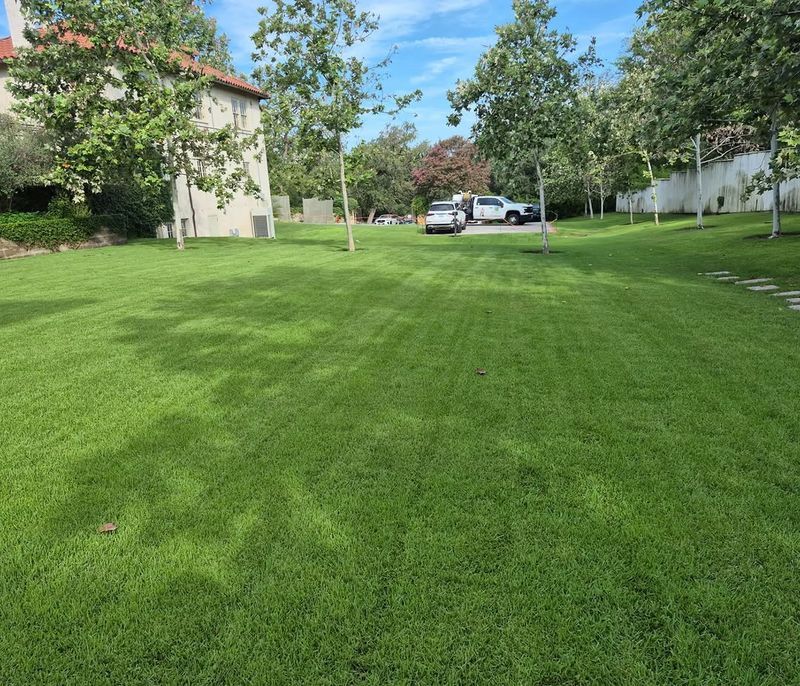
Missing the July treatment window does not mean giving up on your lawn. It just means shifting your approach from prevention to inspection and possible curative treatment.
Penn State Extension recommends surveying suspicious lawns during August through early September, when young grubs are still near the soil surface and easiest to find and count.
The inspection process is straightforward. Use a shovel or knife to lift one-square-foot sections of turf, digging about two to four inches deep.
Check several different spots across your lawn, especially in areas that look stressed or feel spongy underfoot. Count the number of grubs you find in each section carefully.
Approximately five to ten grubs per square foot is often mentioned as a possible treatment threshold. But that number is not a firm rule.
Species type, overall turf health, soil conditions, and how much visible damage has already occurred all factor into the decision. A strong, well-fertilized lawn might tolerate a few more grubs than a thin or stressed one.
Curative products are completely different from preventive ones, and that distinction matters a great deal.
Products like trichlorfon or carbaryl are sometimes used as curative options, but they must be selected and applied strictly according to current label directions.
Penn State Extension also notes that curative products are generally less reliable than preventive ones applied at the right time.
Acting quickly in late August or early September gives curative treatments the best possible chance of reducing grub populations before they cause even more damage to your Pennsylvania lawn.