What Wilting Cucumber Leaves In North Carolina Really Mean Before The Whole Vine Collapses
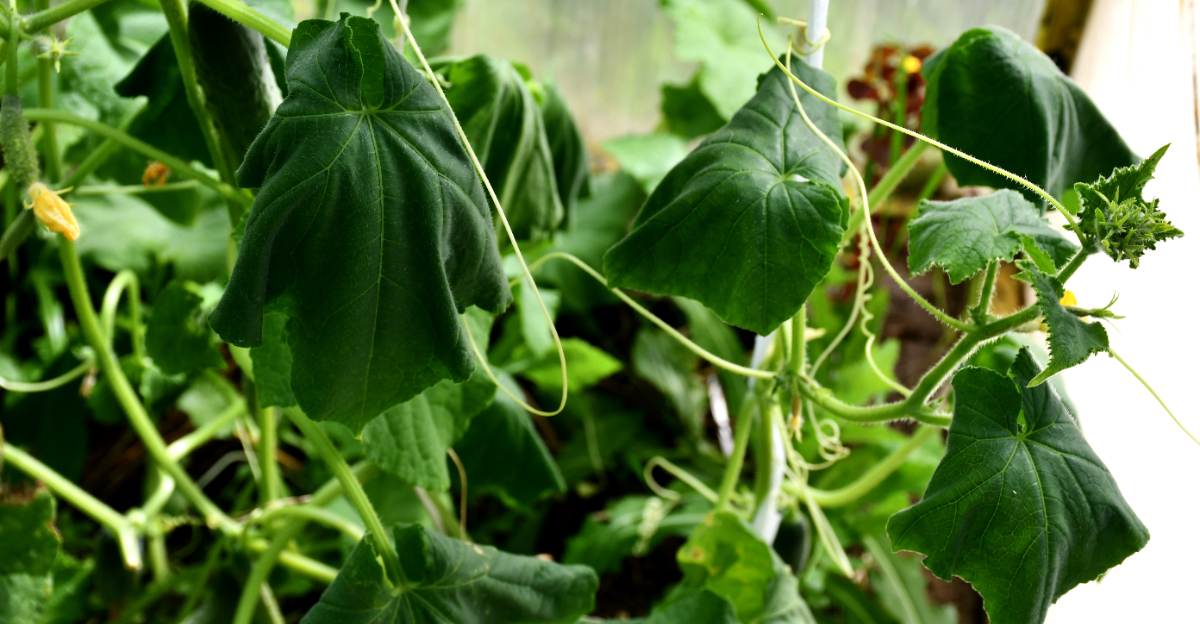
Wilting cucumber leaves often signal more than simple thirst, especially in North Carolina’s humid summer conditions. Bacterial wilt, spread by cucumber beetles, is a common culprit and causes vines to collapse even when soil moisture looks perfectly fine.
A simple test involves cutting a wilted stem and pressing the cut ends together, then slowly pulling apart to check for a sticky, stringy substance.
Fungal issues can also cause similar wilting, especially during stretches of high humidity paired with poor airflow around plants.
Overwatering compacts soil and suffocates roots, producing symptoms that look identical to drought stress. Checking for beetles on leaves and stems helps narrow down the actual cause quickly.
Removing severely affected vines early can protect healthy plants nearby from further spread. Catching the real issue fast makes all the difference before the whole vine gives out.
1. Afternoon Heat Is Creating Temporary Wilt
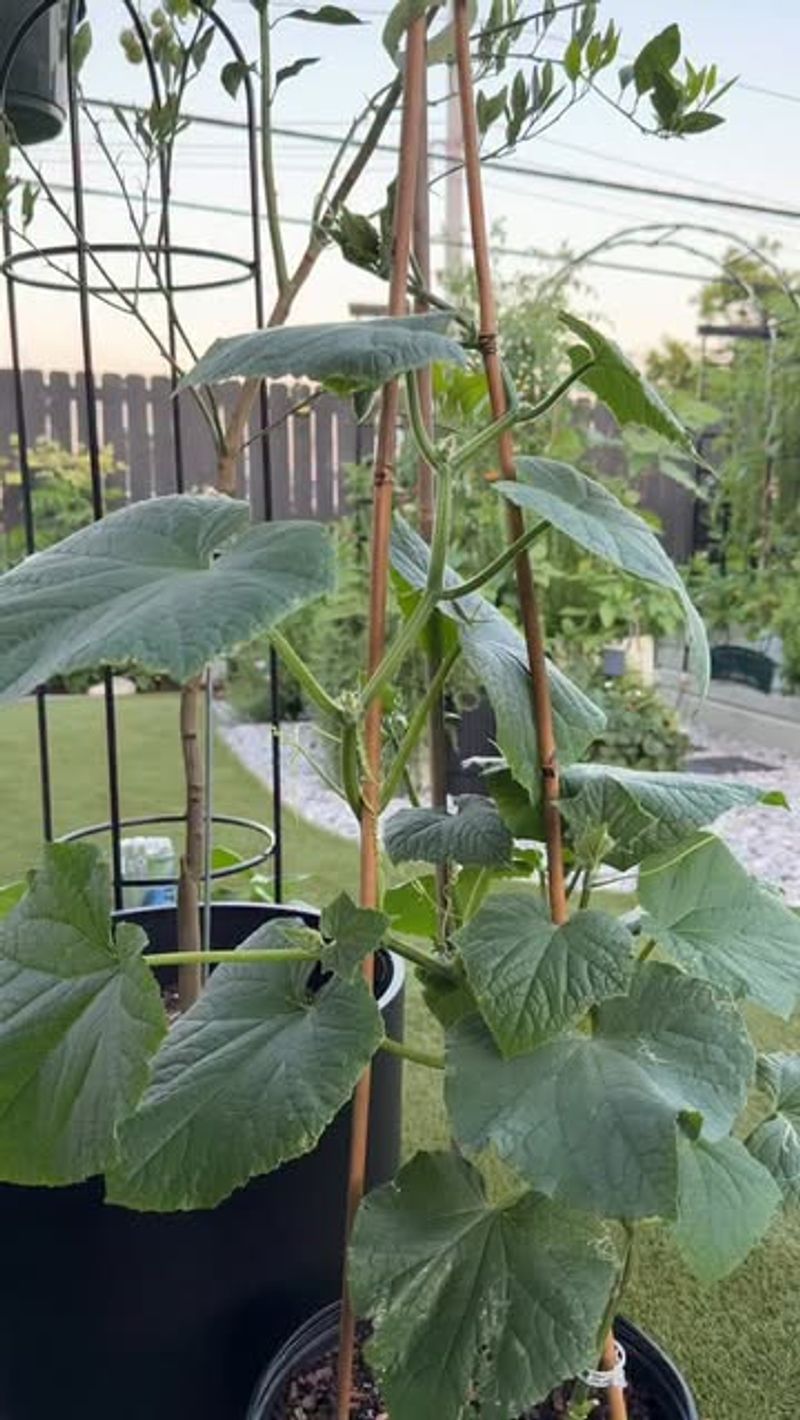
Picture this: your cucumber leaves look perfectly fine at 8 a.m., then by 2 p.m. they are drooping like they forgot how to stand up. That afternoon sag is one of the most common things North Carolina gardeners misread every single summer.
When temperatures climb and the sun beats down hard, water evaporates from those broad leaves faster than the roots can pull moisture up from the soil. It is not a sign that something is wrong with your plant.
It is simply physics doing its thing. North Carolina summers are no joke. The combination of intense heat, low humidity on dry days, and strong afternoon wind creates a perfect storm for temporary wilt.
A vine with a large leaf canopy loses water at an impressive rate, and even roots sitting in moist soil cannot always keep pace during the hottest hours. The good news is that this type of wilt corrects itself.
Check your vines after sunset or early the next morning. If the leaves have firmed back up, your plant recovered on its own.
Before grabbing the hose, press two fingers several inches into the soil near the base of the plant. If the soil feels moist down there, adding more water will only make things worse.
Wet roots with no oxygen is a recipe for bigger problems. Spread a two to three inch layer of organic mulch around the base to hold soil moisture longer.
On especially brutal days, a shade cloth over the bed from noon to four in the afternoon gives your vines a real break.
2. The Main Root Zone Is Drier Than The Surface
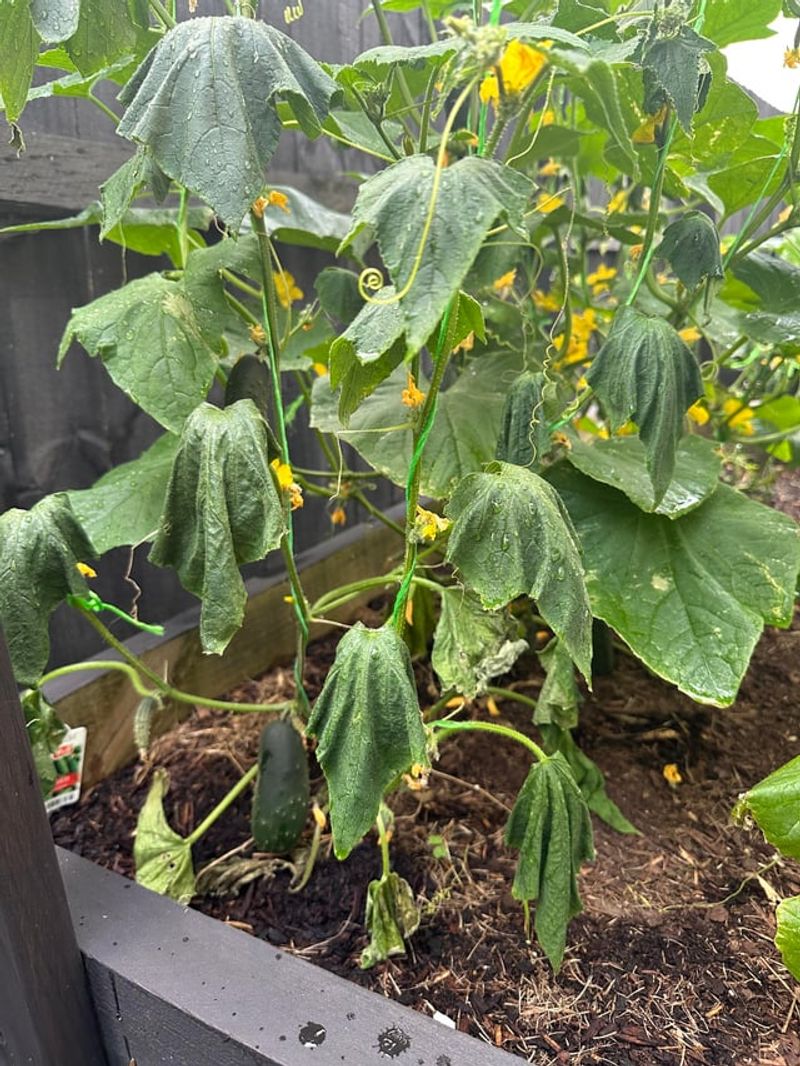
Soil can be sneaky. The top inch might feel cool and slightly damp after a quick rain shower, but just a few inches below the surface it could be bone dry.
Cucumber roots are not shallow feeders. They grow down and out to search for consistent moisture, and those deeper zones are where hydration actually matters.
When only the surface gets wet, the roots below keep struggling, and the leaves above start showing it.
North Carolina gets its share of brief afternoon thunderstorms that drop rain fast and move on quickly. Those storms often wet the surface without ever soaking the root zone.
Your North Carolina Garden Changes Every Week. Your Plan Should Too.
Gardening in North Carolina changes quickly throughout the season. Every Friday you’ll receive a simple weekly plan showing exactly what to plant, prune, fertilize, harvest, and protect so you never miss the right timing.
Light irrigation runs into the same problem when the timer shuts off too soon. Mulch can even fool you by keeping the top layer feeling moist while deeper soil stays dry.
Repeated afternoon wilting followed by a slow recovery the next morning is a reliable clue that your roots are thirsty even if the surface feels fine.
Checking in more than one spot is smart because soil moisture can vary across a garden bed. Dig down four to six inches in a couple of different locations before deciding whether to water.
When the soil is dry that deep, slow morning irrigation is the right move. Water at a low, steady rate and let it soak in gradually rather than running it fast and short.
Saturating the root zone without leaving the bed waterlogged gives cucumbers exactly what they need to stay firm and productive through the heat.
3. Saturated Soil Is Limiting Oxygen Around The Roots
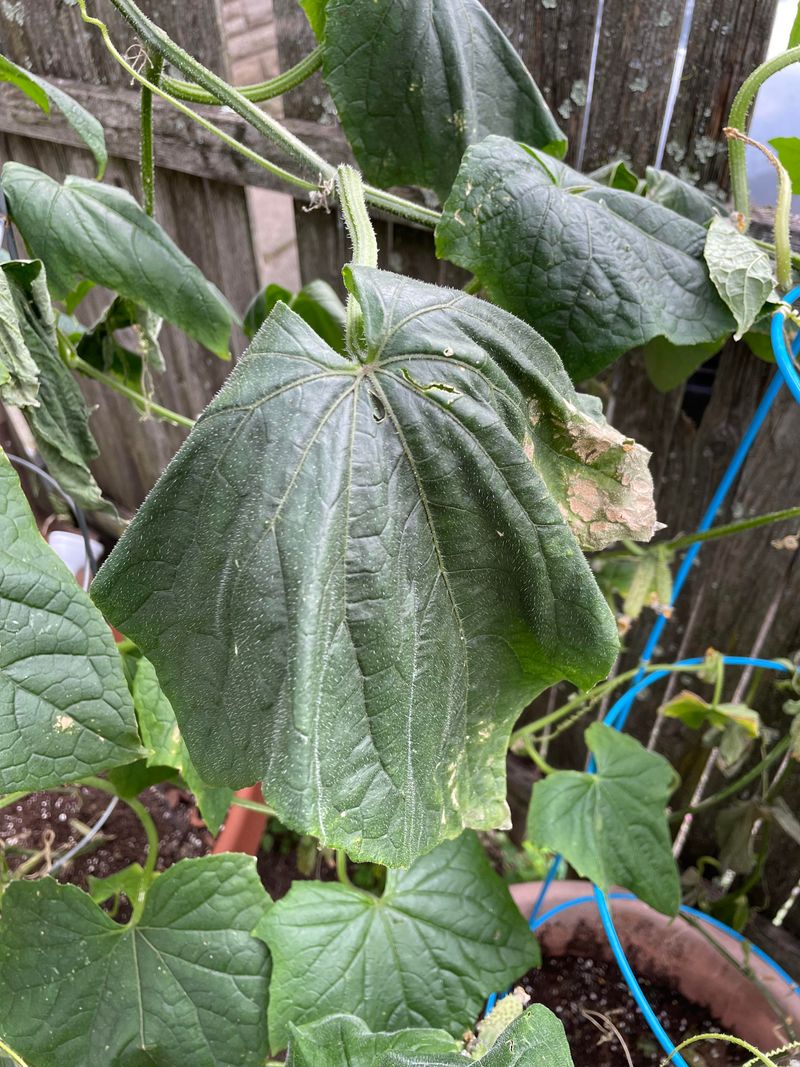
More water is not always the answer. Cucumber roots need oxygen just as much as they need moisture, and when soil becomes completely saturated, that oxygen disappears.
Roots sitting in waterlogged conditions cannot function properly, which means the vine above cannot pull up the water it needs even though the soil is soaking wet.
The result looks exactly like drought stress, which is why so many gardeners make the mistake of watering even more.
North Carolina thunderstorms can dump a huge amount of rain in a very short time. Gardens in low spots, beds with heavy clay soil, and containers with blocked drainage holes are especially vulnerable.
Compacted soil makes the problem worse because water has nowhere to go and just pools around the roots.
Warning signs to watch for include yellowing leaves, vines that stay droopy even in the morning, weak new growth, and soil that remains wet for several days after the last rain.
If you gently loosen the soil and the roots look soft or discolored rather than white and firm, that is a serious clue.
The fix starts with pausing irrigation entirely until the soil begins to dry out. Forcing more water into already saturated ground only extends the problem.
For clay-heavy beds, mixing in compost over time improves drainage and soil structure. Raised beds are a fantastic long-term solution for North Carolina gardeners dealing with poor drainage.
For containers, make sure every drainage hole is fully open and that the pot is not sitting in a saucer full of standing water after every rain or watering session.
4. Cucumber Beetles May Have Spread Bacterial Wilt
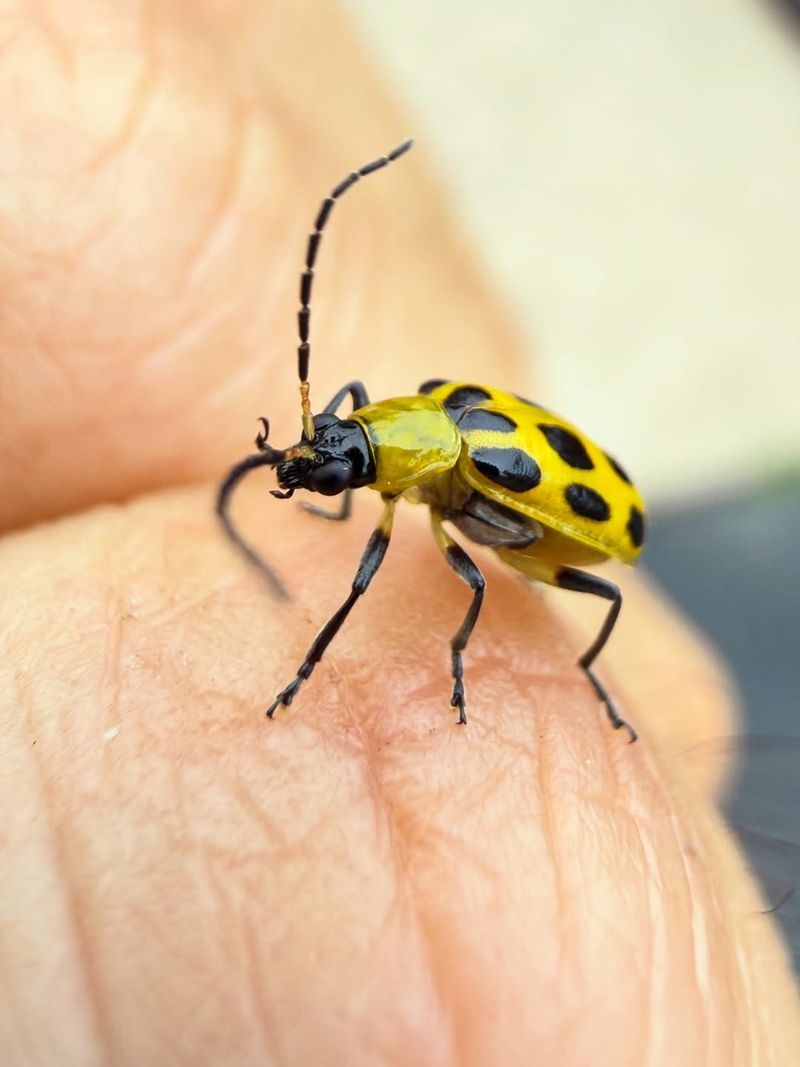
Not all wilting comes from the roots or the weather. Sometimes a tiny yellow and black beetle is the one responsible, and by the time you notice the damage, it has already been spreading trouble for days.
Striped and spotted cucumber beetles feed on leaves and stems, but the real issue is what they carry inside.
These beetles transmit the bacterium that causes bacterial wilt, and once that pathogen enters the plant’s vascular system, it begins blocking water movement from the inside out.
The early pattern is easy to miss. Leaves start looking dull green rather than bright, they droop during the day, and then they partly recover overnight.
That recovery tricks a lot of gardeners into thinking the problem is just heat stress. But over the following days, the wilting gets worse and recovery becomes less complete.
Symptoms often start on one section of the vine before spreading to more foliage. Feeding holes in the leaves and the presence of the beetles themselves are important supporting clues to look for during your inspection.
Watering more will not correct this problem because the issue is inside the plant’s own water-moving tissue, not in the soil. A quick field test involves cutting a wilted stem near the base, pressing the two cut ends together, and slowly pulling them apart.
If thin, thread-like strands stretch between the pieces, bacterial wilt is likely present.
Getting a professional confirmation from your local NC Cooperative Extension office is a smart move because several other conditions produce very similar symptoms, and the right identification saves time and effort.
5. Root Knot Nematodes Are Reducing Root Efficiency
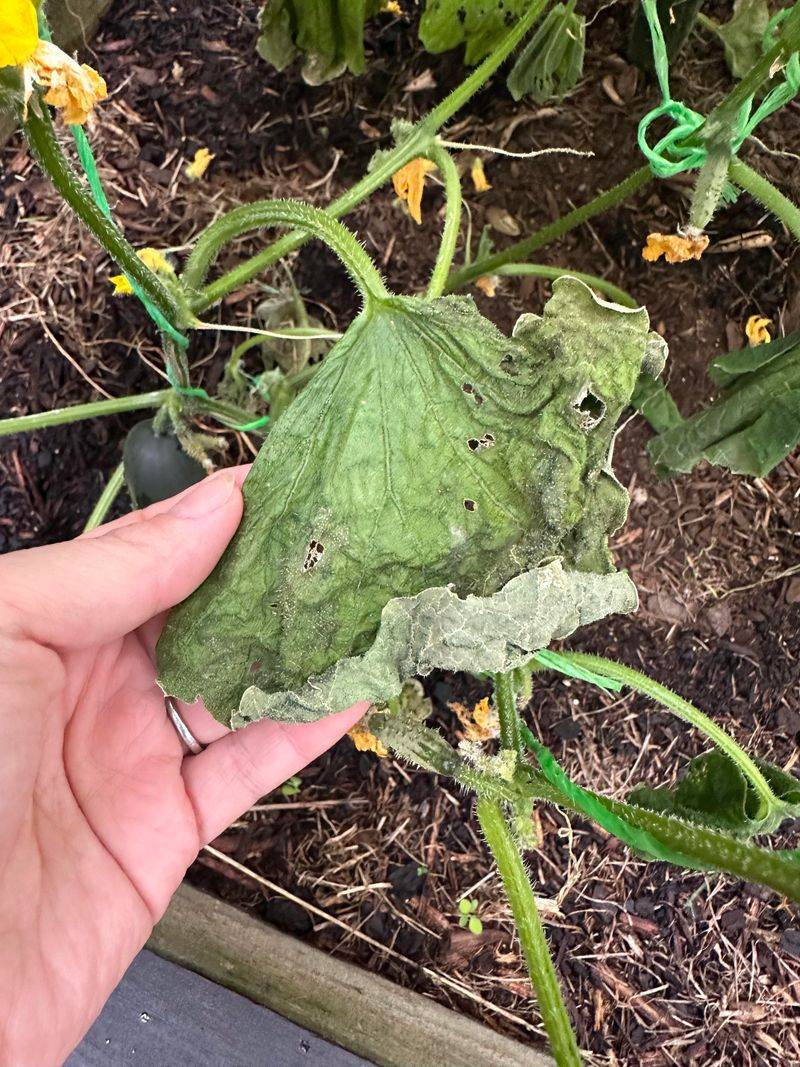
Healthy roots are the engine behind every thriving cucumber vine, so when something damages them underground, the whole plant pays the price above ground.
Root knot nematodes are microscopic roundworms that live in the soil and invade plant roots, causing swollen, knotted growths called galls.
These galls interrupt the normal flow of water and nutrients, which means even a vine growing in moist, well-fed soil can wilt repeatedly because its roots simply cannot do their job anymore.
Cucumbers are particularly vulnerable to root knot nematodes, and the southern root knot nematode is one of the most common soil pests across North Carolina, especially in sandy or well-drained soils.
Affected plants tend to look stunted, produce fewer fruits, and show yellowish foliage that does not respond to fertilizing.
Wilting often appears in patches across the garden rather than affecting every plant equally, which is a helpful clue that soil conditions in certain spots are the culprit. Pulling a struggling plant and examining the roots is the most direct way to check.
Bumpy, swollen galls attached directly to the roots are the signature sign. Unfortunately, once nematodes have entered the roots, no treatment can remove them from the plant itself.
The most valuable step is to request a soil assay through your local NC Cooperative Extension office before the next growing season.
Results will confirm nematode levels and guide your next move. Rotating crops, planting resistant varieties, and incorporating cover crops like marigolds or sunn hemp are proven strategies that reduce nematode populations in the soil over time.
6. Gummy Stem Blight Is Damaging The Vine
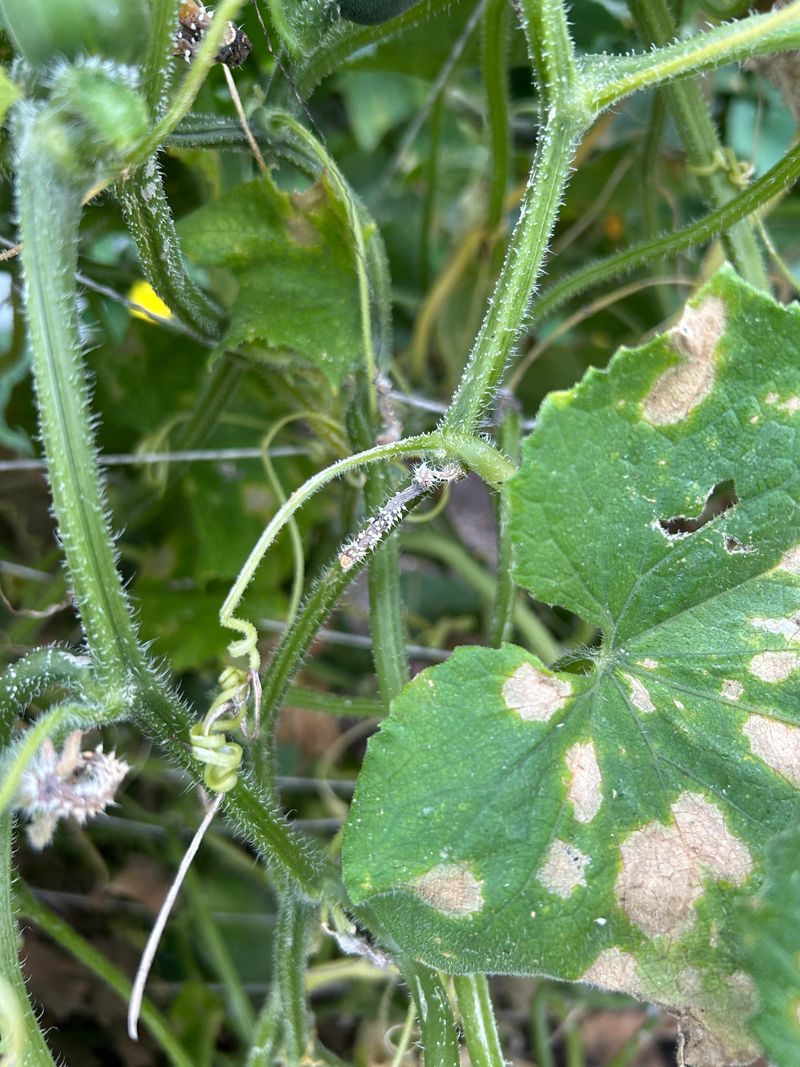
There is a disease that attacks cucumber vines from the outside in, and it goes by the name gummy stem blight.
Caused by the fungal pathogen Stagonosporopsis cucurbitacearum, this disease targets stems, nodes, and leaves, creating damage that interrupts the movement of water and nutrients through the vine.
When those pathways get blocked or weakened, wilting follows, and the plant struggles to push moisture up to its leaves even on mild days.
Knowing what to look for makes identification much easier. Check the stems and vine nodes carefully for oval or elongated brown lesions that may crack open over time.
One of the most recognizable signs is a brownish, amber-colored gummy substance oozing from infected areas, which gives this disease its name. Using a hand lens, you may also spot tiny black specks called pycnidia within the lesions.
On the leaves, look for dark brown spots that often start near the leaf margins and expand quickly inward.
Warm temperatures combined with high humidity and extended leaf wetness create ideal conditions for this disease to spread fast, which makes North Carolina summers a prime time for outbreaks.
Reducing leaf wetness is one of the most practical steps a gardener can take. Water at the soil level using drip irrigation or a soaker hose rather than overhead sprinklers.
Spacing plants with enough room for good airflow helps foliage dry faster after rain. Remove and bag any infected plant material rather than leaving it in the garden.
Before selecting a treatment option, get a professional identification from your local Extension service to make sure you are dealing with gummy stem blight and not something else entirely.
7. Downy Mildew Is Removing Healthy Leaf Area
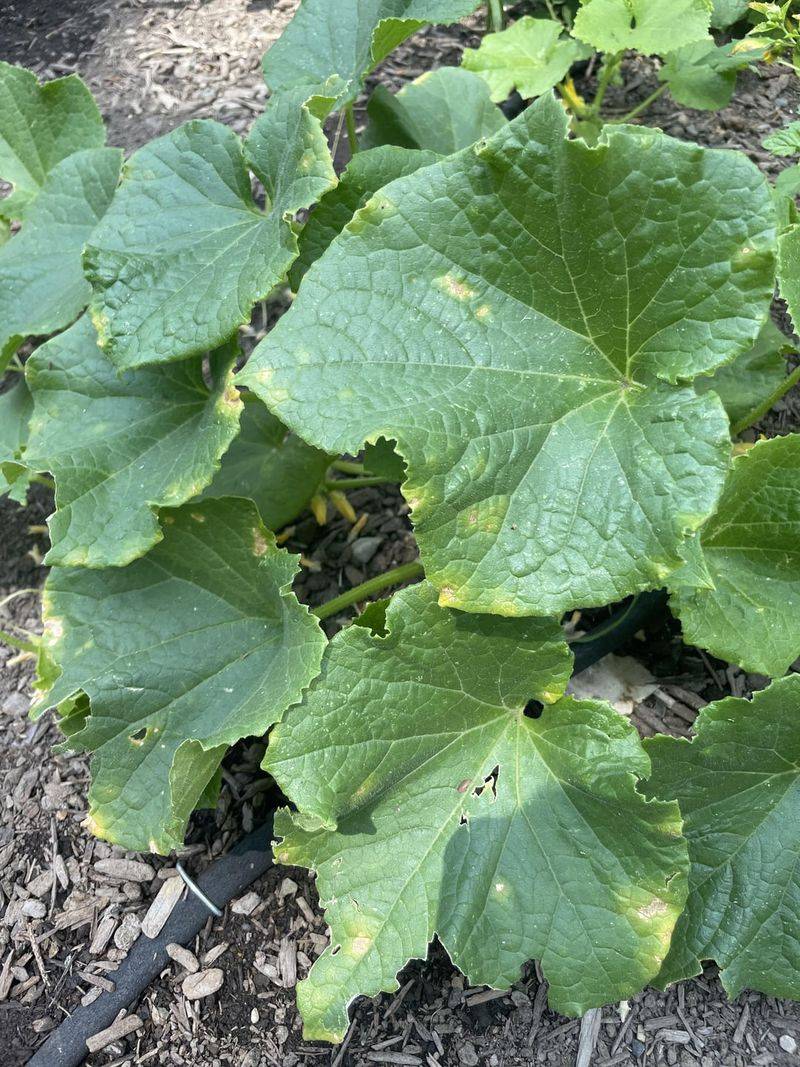
Wilting is not always about water moving through the roots. Sometimes the leaves themselves become so damaged that the vine simply cannot function the way it should.
Downy mildew is a fast-moving disease that destroys healthy leaf tissue, and when enough leaf area gets wiped out, the plant loses its ability to photosynthesize and manage moisture efficiently.
The vine ends up looking weak and wilted not because the roots are failing, but because the leaves are no longer pulling their weight.
The upper surface of infected leaves develops angular yellow or light brown patches that are noticeably restricted by the leaf veins, giving them a geometric, blocky appearance.
That boxy shape is one of the clearest visual clues that separates downy mildew from other leaf problems.
The real confirmation comes from flipping the leaf over. During a cool, moist morning, the underside of infected leaves will show a dark gray or dark purple fuzzy growth, which is the sporulation of the pathogen.
Cucumbers are especially vulnerable to the strain of downy mildew that commonly targets cucurbits including cucumbers and cantaloupes, making early detection critical in North Carolina gardens.
Regular inspection of both leaf surfaces every few days during warm, humid stretches is one of the best habits a gardener can build.
Water at the soil level to keep foliage as dry as possible, and space plants generously to encourage air movement between vines.
Symptoms can spread across a garden very quickly once conditions favor the disease. Bring a sample to your NC Cooperative Extension office for prompt and accurate identification before taking any further action.
8. Restricted Roots Cannot Support The Vine
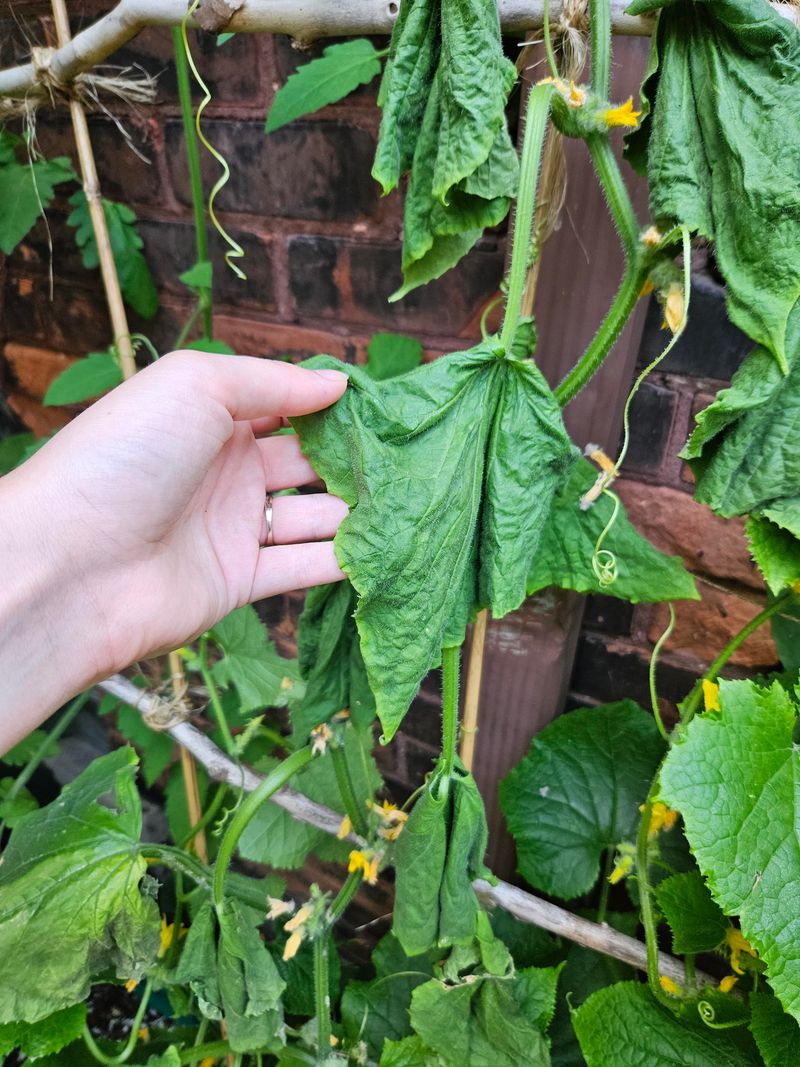
A cucumber vine is a vigorous, fast-growing plant that can put on a surprising amount of growth in just a few weeks.
When roots run out of room to expand, whether in a container that is too small or in garden soil packed down by foot traffic, the vine starts to struggle.
The root system cannot access enough moisture to keep up with the demands of a full, leafy vine, and wilting becomes a regular occurrence even when you are watering consistently.
Container-grown cucumbers are especially prone to this issue. A vine that has filled every inch of its pot has nowhere left to search for water, so it dries out quickly between waterings.
Clues to look for include frequent wilting that responds well right after watering but returns fast, roots poking out of drainage holes or circling visibly at the soil surface, limited new leaf growth, and potting mix that dries out noticeably faster than it used to.
For cucumbers growing in garden beds, repeated wilting near pathways or edges where soil gets stepped on regularly is a sign that compaction may be limiting root expansion.
Moving a root-bound container plant into a larger pot with fresh potting mix and open drainage holes gives the roots the space they need to spread and absorb moisture properly.
Choose a container that holds at least five gallons for a single cucumber vine, and bigger is genuinely better.
For in-ground plants, reduce foot traffic around the bed and loosen compacted soil carefully with a garden fork. Persistent wilting in potting mix that stays consistently moist may point to damaged roots rather than crowding, which is worth investigating separately.