What It Means When Dragonflies Start Gathering Over Your Illinois Yard
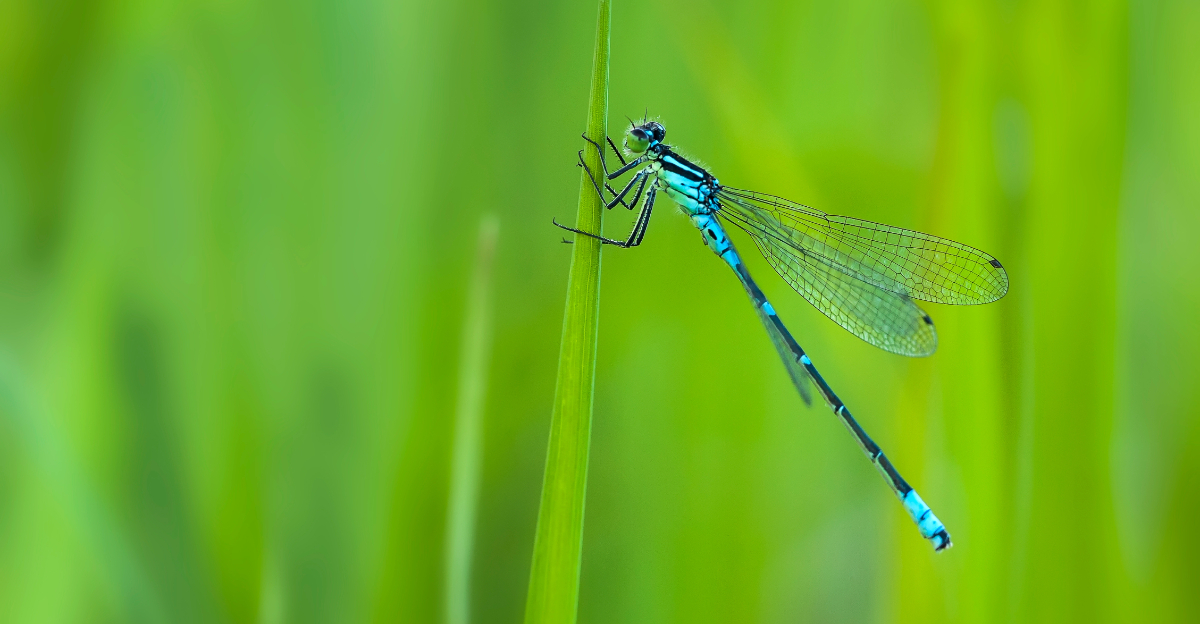
Step onto your Illinois lawn at dusk and something shifts in the air itself. Dozens of dragonflies cut sharp angles overhead, wings catching the last orange light like tiny stained-glass windows in motion.
It looks staged, almost too perfect for an ordinary backyard. But this sudden aerial show points to something real happening in your outdoor space, something worth understanding.
These insects trace their lineage back roughly 250 million years, long before dinosaurs existed. Watching them wheel and dive above your patio puts you face to face with that same evolutionary staying power.
A single dragonfly is a nice surprise. A whole squadron circling your yard signals a specific set of conditions came together just right.
Swarming Insects Nearby Draw Large Dragonfly Numbers
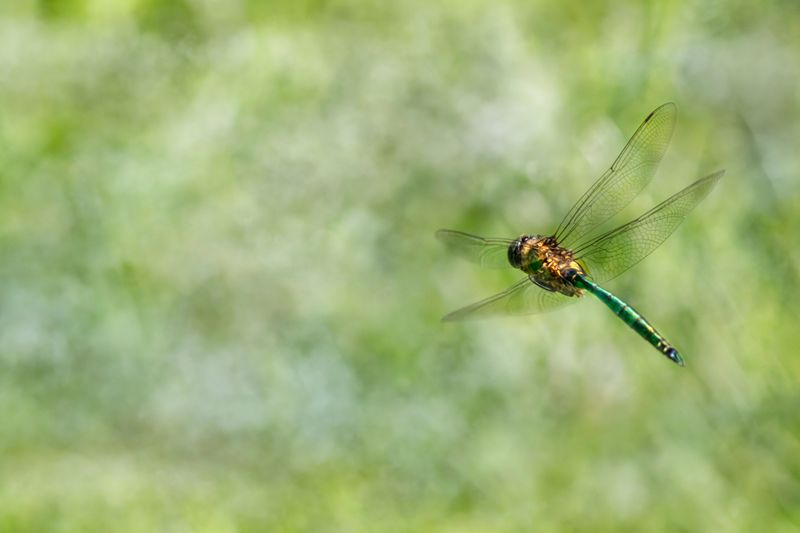
Think of dragonflies as the neighborhood’s best pest control crew, showing up uninvited but absolutely welcome. When you see large numbers gathering over your yard, the most common reason is a surge in smaller flying insects nearby.
Dragonflies are elite hunters, catching most of the prey they chase mid-air. Mosquitoes, gnats, and midges are their favorite targets.
A single dragonfly can eat dozens of these pests in a single day, making your yard a much more comfortable place to be outdoors. Swarms often appear at dusk or just before a weather change, when smaller insects fly lower and become easier to catch.
Your yard may have conditions that encourage mosquito or gnat populations, like standing water or thick vegetation nearby. Noticing the swarm is actually your cue to look around for what might be feeding them.
Once the food source is gone, the dragonflies move on quickly. Watching them hunt is genuinely impressive.
They tilt their bodies, adjust their wings, and snatch insects out of the air with surgical precision. If dragonflies are gathering consistently over your Illinois yard, you likely have a healthy insect population feeding the local food chain.
That is a sign of a living, breathing ecosystem right outside your door.
Open Air Space Makes Easy Hunting Grounds
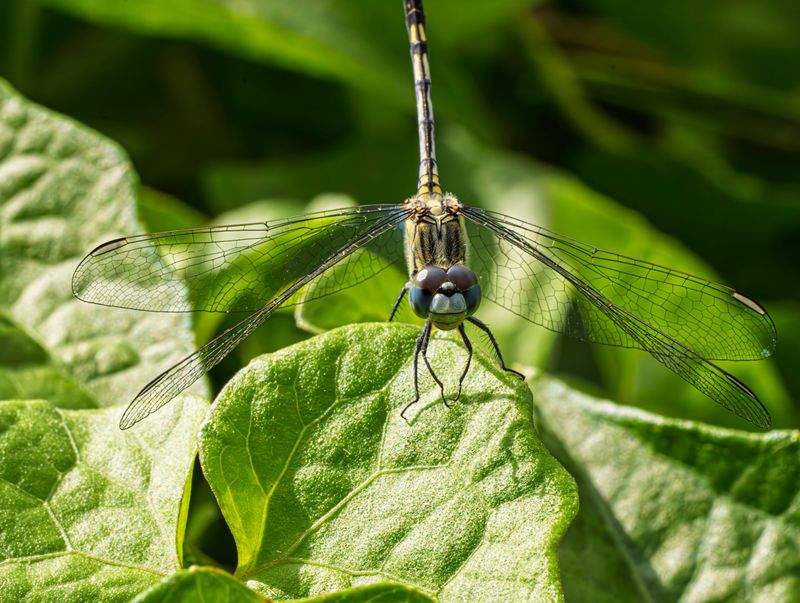
Dragonflies love wide open spaces the way athletes love a clean playing field. Your yard’s layout might actually be the main reason they keep returning.
Open lawns, low shrubs, and minimal tree cover give them clear sightlines and room to maneuver at speed. Unlike birds that perch and wait, dragonflies chase prey aggressively through the air.
They need space to accelerate, turn sharply, and intercept moving targets without crashing into obstacles. A cluttered yard full of tall plants and dense shrubs makes hunting harder for them.
Open turf or garden beds with some breathing room are far more attractive to these aerial predators. You might notice them hovering near the edges of trees or fences before darting out into open space.
That behavior is called perch hunting, and it is a strategic move to spot prey before committing to the chase. Yards in suburban Illinois neighborhoods often have just the right mix of open lawn and scattered plants to create ideal hunting zones.
Your Illinois Garden Changes Every Week. Your Plan Should Too.
Gardening in Illinois changes quickly throughout the season. Every Friday you’ll receive a simple weekly plan showing exactly what to plant, prune, fertilize, harvest, and protect so you never miss the right timing.
The dragonflies are not there by accident, they chose your yard deliberately. If you want more of them around, resist the urge to plant thick borders everywhere.
Keeping some open ground gives them the aerial runway they need to do what they do best, and your yard becomes a regular stop on their daily patrol route.
Nearby Water Sources Support Breeding Activity
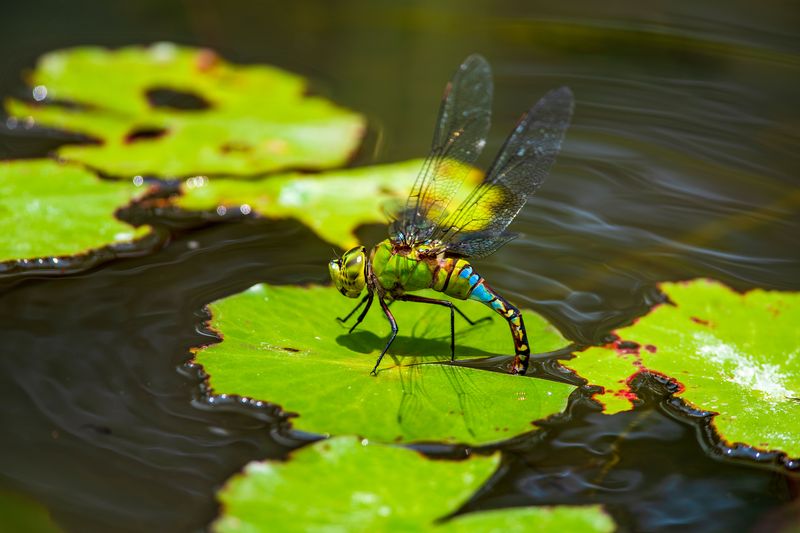
Water is everything to a dragonfly. Without it, they cannot complete their life cycle, no matter how many insects your yard offers.
If dragonflies are gathering over your Illinois yard, there is almost certainly a water source close by supporting their breeding activity. Dragonflies lay eggs in or near still or slow-moving water.
Ponds, rain gardens, retention basins, birdbaths, and even flooded low spots in your lawn can all serve as nurseries for their young.
The larvae, called nymphs, live underwater for months or even years before emerging as the winged adults you see flying around. That means the dragonflies in your yard today may have hatched from a puddle or pond just a short distance away.
Illinois has no shortage of water features, from backyard ponds to neighborhood retention ponds and natural wetlands. Any of these can act as a local dragonfly nursery fueling your yard’s aerial visitors.
Adding a small water feature to your own yard can actually attract more of them over time. Even a simple container pond with aquatic plants gives dragonfly females a place to deposit eggs.
Watching a dragonfly dip down to tap the water surface is one of the more magical things you can witness in your backyard. That quick touch is a female laying eggs, starting the next generation right in your neighborhood.
Weather Shifts Often Trigger Sudden Swarm Behavior
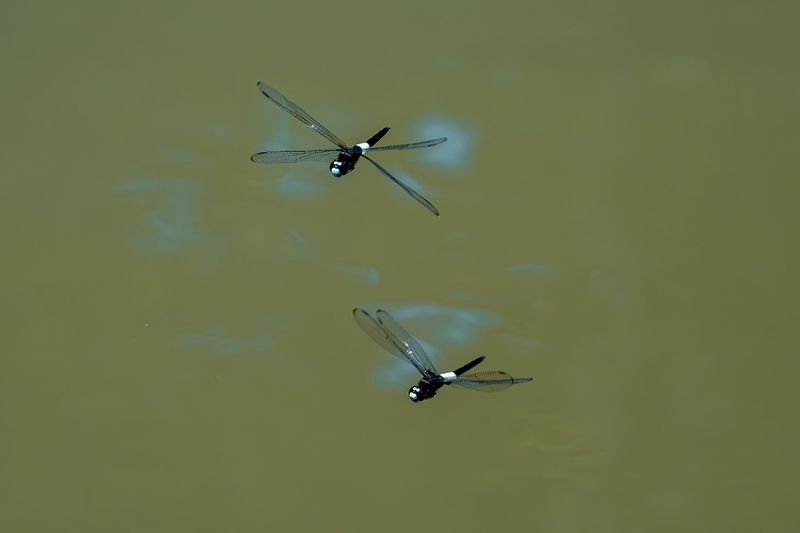
Ever notice how the dragonflies seem to appear out of nowhere right before a storm rolls in? That is not a coincidence, and old-timers have been reading this sign for generations.
Dragonflies react quickly to changes before a storm, often because their prey starts flying lower as pressure drops. When a cold front approaches or humidity spikes before a thunderstorm, smaller insects fly lower to the ground.
Dragonflies follow their prey downward, making swarms suddenly visible at eye level rather than high up in the sky. This behavior is especially noticeable in Illinois, where summer weather can shift dramatically within a few hours.
A calm, sunny afternoon can turn into a thunderstorm by evening, and the dragonflies often signal that shift before your weather app does. Migratory swarms are another weather-related phenomenon worth knowing about.
Some dragonfly species, like the common green darner, migrate south in late summer and early fall, often in large groups triggered by cooling temperatures.
Seeing hundreds of dragonflies moving in the same direction across your yard is likely a migratory swarm passing through. These events are temporary but spectacular, sometimes lasting only a few hours before the group moves on.
Paying attention to when dragonflies swarm in your yard can actually help you predict incoming weather with surprising accuracy. Next time you see a sudden surge overhead, check the sky, because rain is probably not far behind.
Dragonflies Pose No Real Threat To People Or Pets
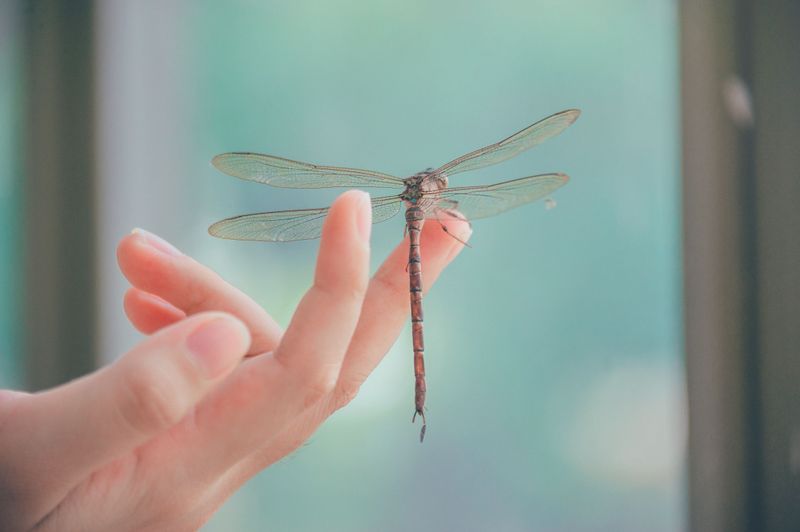
If a dragonfly buzzes past your ear at full speed, your instinct might be to flinch or swat. That reaction is completely understandable, but it is also completely unnecessary. Dragonflies are harmless to humans and pets.
They do not sting. Their mouthparts are designed for catching tiny insects mid-flight, not for biting people or animals.
Even large species in Illinois, like the dragonhunter, pose very little risk to you, your kids, or your dog. Occasionally a dragonfly will land on a person, drawn by warmth or curious about movement.
That is a compliment, not an attack, and sitting still usually keeps them there long enough for a close-up look. Some people confuse dragonflies with wasps or hornets because of their speed and size.
The two are completely different creatures with nothing in common beyond wings, and dragonflies are far more interested in gnats than in your lemonade. Pets sometimes snap at dragonflies out of instinct, but the dragonflies are fast enough to avoid most attempts.
No harm comes to either party in those encounters, just a brief moment of backyard entertainment. Letting go of any fear around these insects opens up a whole new way to enjoy your outdoor space.
Once you stop flinching, you start noticing just how graceful and precise dragonflies are, and that shift in perspective makes every summer evening a little richer.
Simple Yard Features Keep Dragonflies Coming Back
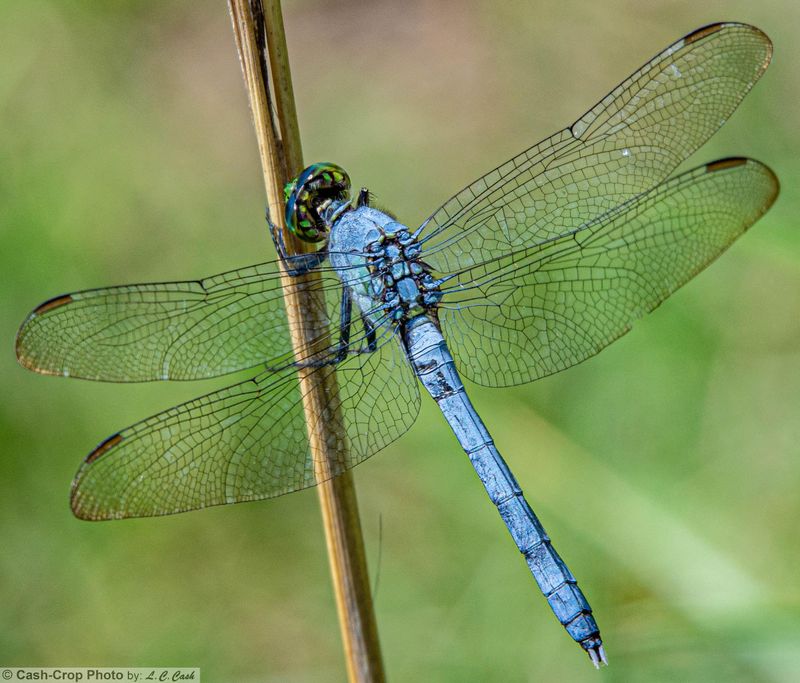
You do not need a wildlife preserve to make dragonflies feel at home in your yard. A few simple changes can turn a basic suburban lawn into a regular stopping point for these beneficial insects.
The key is giving them what they already seek out naturally. Start with water. Even a half-barrel pond with a few aquatic plants gives dragonflies a place to breed and patrol.
Keep the water clean and free of chemicals, since larvae are sensitive to pesticides and fertilizers. Native plants are your next best move.
Illinois natives like black-eyed Susan, swamp milkweed, and blue flag iris attract the small insects that dragonflies feed on. More prey means more dragonfly visits throughout the season.
Add a few tall, thin perches near open areas, like bamboo stakes or dried flower stalks. Dragonflies love to rest on elevated, narrow surfaces between hunting runs.
A simple wooden dowel stuck in the ground near your pond works perfectly. Reduce pesticide use as much as possible.
Broad-spectrum sprays wipe out the small insects dragonflies depend on for food, making your yard less attractive almost immediately. Spot-treating specific problem areas is a smarter approach.
When dragonflies start gathering over your Illinois yard consistently, it means your outdoor space is genuinely healthy and alive.
These insects are a living indicator of a balanced environment, and keeping them around is one of the easiest wins in backyard wildlife gardening.