The Best Pennsylvania Nurseries For Native Edible Plants Worth Driving To Before Fall Planting Season
Native edible plants occupy a genuinely exciting space in Pennsylvania gardening right now. They offer something that neither standard vegetable gardens nor typical ornamental plantings can provide on their own.
Plants that are deeply adapted to Pennsylvania’s soil and climate, productive without demanding constant intervention, and ecologically valuable in ways that imported edibles simply aren’t. The interest in growing them has never been higher.
The challenge, as always, is finding good stock. Native edible plants are not something you stumble across reliably at a big box garden center.
The nurseries that carry a real, thoughtfully sourced selection are smaller, more specialized, and often staffed by people who are genuinely passionate about what they grow and why it matters.
Visiting one of these nurseries is a different experience from a standard garden center run, and the plants you come home with reflect that difference.
Fall planting season is not far off, and the best native edible plants go quickly when they’re available.
Here are the Pennsylvania nurseries worth driving to before the season gets away from you.
1. Go Native Tree Farm – Manheim
Located at 678 S Chiques Rd, Manheim, PA 17545, Go Native Tree Farm is the kind of place that serious edible plant collectors talk about in hushed, excited tones.
Specializing exclusively in eastern North American woody plants, this farm is a treasure trove for anyone who wants to grow food the way nature intended – with species that evolved right here in Pennsylvania.
You will not find tropical exotics or trendy imports; every plant here belongs to this land.
The edible lineup at Go Native reads like a forager’s wish list. Pawpaw, American persimmon, American plum, serviceberries, hazelnuts, hickories, and even American chestnut are all part of what they carry.
These are not just edible – they are historically significant species that fed Indigenous peoples and early settlers across the region for centuries. Growing them connects you to a deeper story of this landscape.
One critical detail: retail visits are by appointment only. This is not a walk-in nursery, so planning ahead is absolutely essential.
Contact the farm well before your visit, share your plant wish list, and confirm availability before making the drive out to Lancaster County.
Because stock is limited and demand is high among native plant enthusiasts, reserving your plants early is the smartest move you can make this season.
Go Native also propagates much of its own stock, meaning plants are well-adapted to Pennsylvania growing conditions right from the start.
For gardeners serious about establishing a productive, ecologically sound edible landscape, this farm offers something few places in the state can match – deep expertise paired with genuinely rare plant selections.
2. Edge Of The Woods Native Plant Nursery – Orefield
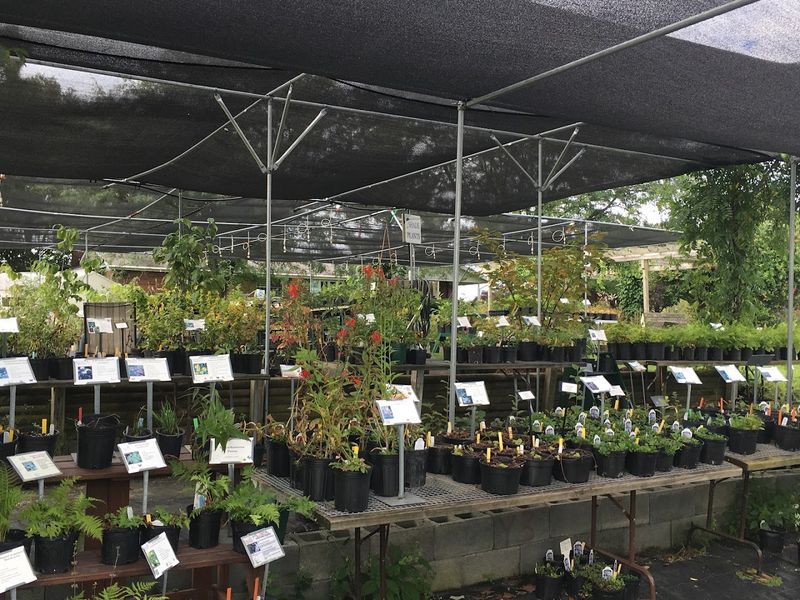
Imagine pulling into a nursery and realizing you could practically design an entire edible native landscape without leaving the parking lot. That is the feeling Edge of the Woods Native Plant Nursery in Orefield delivers every single time.
Located at 2415 PA-100, Orefield, PA 18069, this large retail nursery is one of the most complete one-stop destinations for Pennsylvania native plant shoppers anywhere in the state.
Your Pennsylvania Garden Changes Every Week. Your Plan Should Too.
Gardening in Pennsylvania changes quickly throughout the season. Every Friday you’ll receive a simple weekly plan showing exactly what to plant, prune, fertilize, harvest, and protect so you never miss the right timing.
What sets Edge of the Woods apart is the sheer breadth of its edible plant selection. Beyond the crowd-favorite pawpaw and American persimmon, the nursery also carries American plum, serviceberry, shagbark hickory, native mountain mints, and Jerusalem artichoke.
That combination of woody edibles and edible herbaceous plants makes it uniquely suited for gardeners who want to layer a full food-producing landscape rather than just add a single specimen tree to their yard.
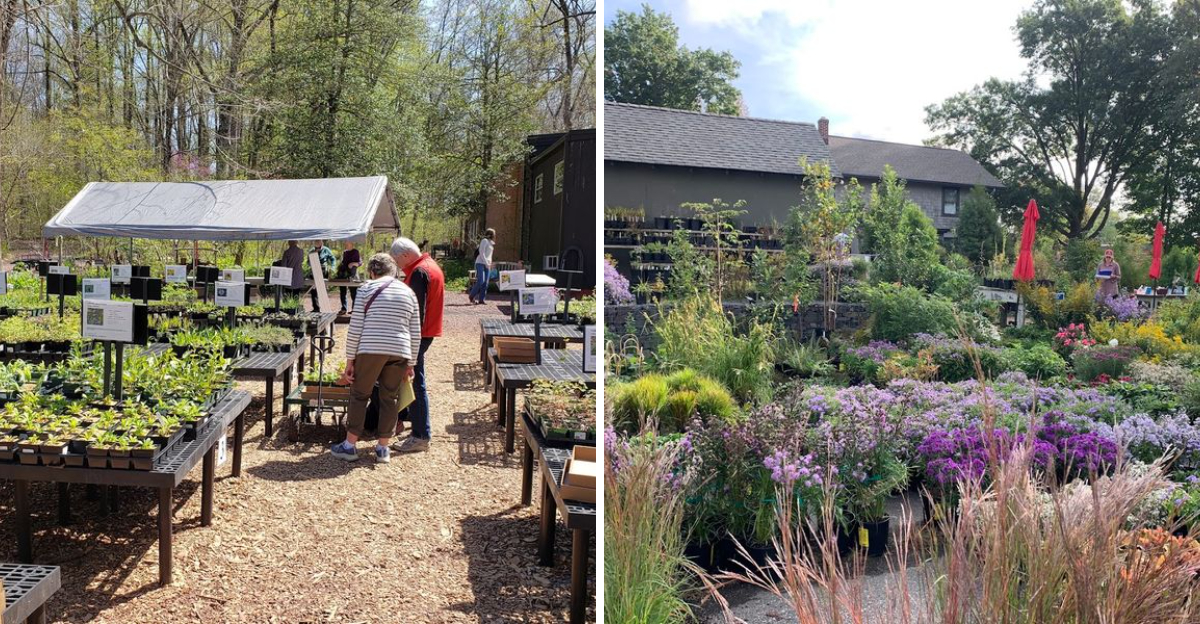
Retail operations generally run from April through October, so late summer and early fall visits are perfectly timed for fall planting success.
The staff here genuinely know their plants and can help you match species to your specific site conditions – whether you have wet soil, dry slopes, full shade, or open sun.
That kind of personalized guidance is genuinely valuable when you are investing in long-lived native trees and shrubs.
First-time visitors are often surprised by how well-organized and clearly labeled the inventory is. Shopping here feels educational as much as it feels like browsing.
Bring a plant list, wear comfortable shoes, and set aside at least a couple of hours – because once you start exploring the aisles, it is very hard to stop at just one or two plants.
3. Heartwood Nursery – Felton
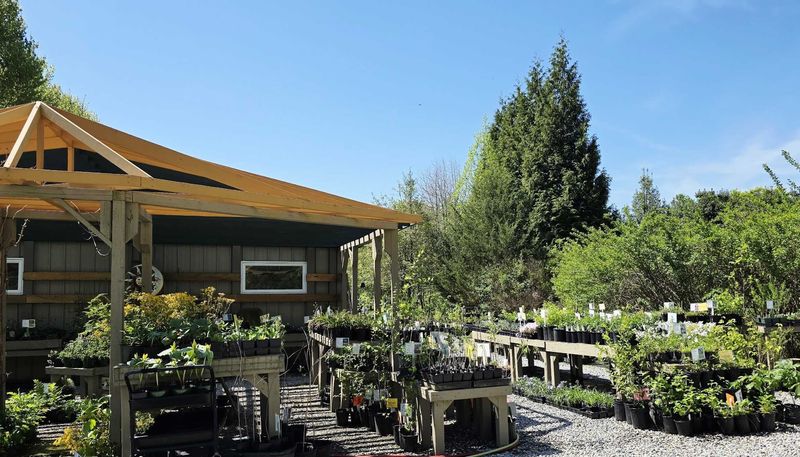
Heartwood Nursery in Felton, York County, carries a quiet confidence that comes from doing one thing really well for a long time.
With more than 300 native plant species available, this is not a nursery that chases trends – it is one that stays committed to straight species, honest propagation, and plants that actually belong in Pennsylvania’s ecology.
For gardeners who care about genetic integrity and local provenance, Heartwood is a breath of fresh air.
Among the edible highlights, Heartwood specifically lists pawpaw, serviceberry, and a selection of berry-producing plants in its offerings.
Pawpaw especially thrives in York County’s climate, and getting a plant propagated close to home gives it a natural head start in adapting to local soils and seasonal rhythms.
Serviceberry is another standout – it produces sweet, blueberry-like fruit in early summer and puts on a stunning floral show every spring as a bonus.
What truly makes Heartwood a destination-worthy visit is its certified holly arboretum. Few nurseries in Pennsylvania can offer the combination of serious plant shopping and an on-site arboretum experience.
Walking the property feels like a guided tour through native plant possibilities, and it sparks ideas for your own landscape in a way that no catalog ever could. Plan to spend a full morning or afternoon here.
Located at 8957 Hickory Road, Heartwood is a manageable drive for gardeners across south-central Pennsylvania and northern Maryland. Because the nursery propagates much of its own stock, the plants are locally adapted and competitively priced.
Fall visits are especially rewarding, as the cooler weather makes the whole property feel alive with color and seasonal energy.
4. Redbud Native Plant Nursery – Media
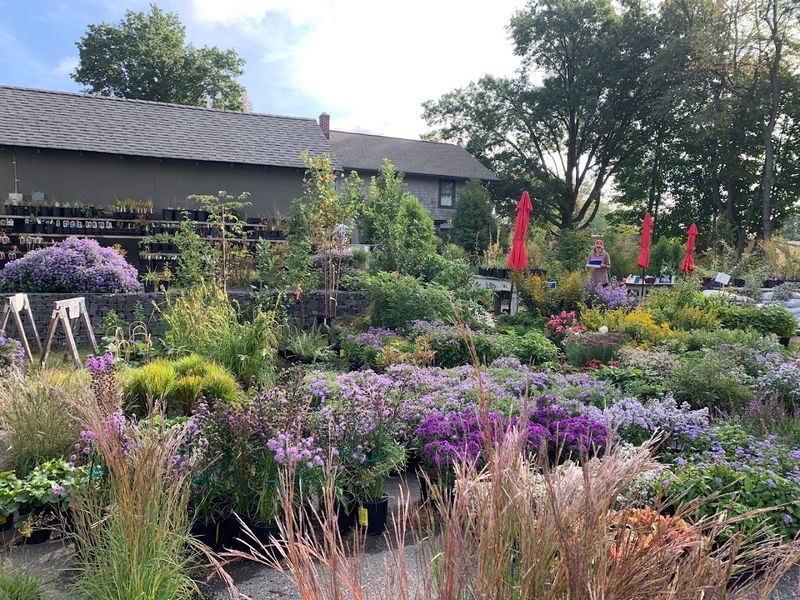
There is something refreshingly honest about a nursery that focuses entirely on what grows naturally in its own backyard.
Redbud Native Plant Nursery in Media, Pennsylvania, does exactly that – every plant in their inventory is a container-grown Mid-Atlantic native, chosen and propagated with the regional ecosystem firmly in mind.
For gardeners in southeastern Pennsylvania especially, the plant selections here feel tailor-made for local conditions.
The edible options at Redbud are genuinely impressive for a smaller specialty operation. A recent availability list featured American plum, American hazelnut, black raspberry, elderberry, highbush blueberry, black chokeberry, and spicebush.
That lineup covers everything from high-value fruit producers to berry shrubs that also support pollinators and songbirds. Growing any of these means you are feeding your family and nurturing the broader ecosystem at the same time.
Here is the most important practical tip for visiting Redbud: stock changes frequently. Because the nursery propagates and sells plants in real time rather than warehousing large inventories, what is available one week may be gone the next.
Emailing ahead with your specific shopping list before making the drive to Delaware County is strongly recommended. The team is responsive and will give you an honest update on current availability.
Redbud is located at 904 N. Providence Road in Media, making it a convenient stop for gardeners across Philadelphia’s western suburbs and beyond.
The container-grown format also means plants travel well and transition smoothly into garden beds during fall planting season. For anyone building a native edible garden in the Mid-Atlantic, this nursery belongs near the top of the itinerary without question.
5. Musser Forests And Garden Center – Indiana
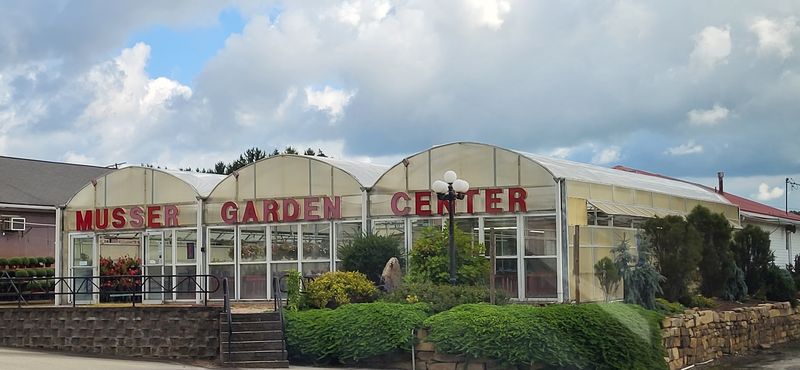
Western Pennsylvania gardeners sometimes feel overlooked when it comes to specialty native plant sourcing – but Musser Forests and Garden Center in Indiana, PA, changes that equation entirely.
Operating since 1928, Musser has built a reputation as one of the most reliable and affordable sources for tree and shrub seedlings in the entire region.
For gardeners working on larger edible-landscape projects where budget matters, this place is a genuine game-changer.
The edible plant selection at Musser is broad and accessibly priced. Recent catalog offerings included pawpaw, American persimmon, American plum, elderberry, American hazelnut, and chokecherry – available in both seedling and container sizes depending on the species.
Buying younger, smaller plants is an excellent strategy for fall planting, since smaller root systems establish quickly and bounce back strongly come spring growth. Musser makes that approach affordable even for ambitious multi-acre projects.
One important heads-up for native purists: Musser also carries many non-native plant varieties alongside its native selections.
Reading botanical names carefully and verifying species before purchasing is essential if your goal is a strictly Pennsylvania-native edible landscape.
The staff can help clarify, but doing a little homework before you arrive will make your shopping trip much more efficient and satisfying.
Musser is located at 1880 Route 119 Highway North in Indiana, making it the most accessible major edible native plant source for gardeners across western Pennsylvania, including Pittsburgh’s surrounding communities.
The combination of low prices, solid species diversity, and decades of propagation experience makes this nursery a standout anchor for any western Pennsylvania fall planting road trip.
Arrive with a clear list, verify your selections, and load up before the season ends.
6. Bowman’s Hill Wildflower Preserve Native Plant Nursery – New Hope
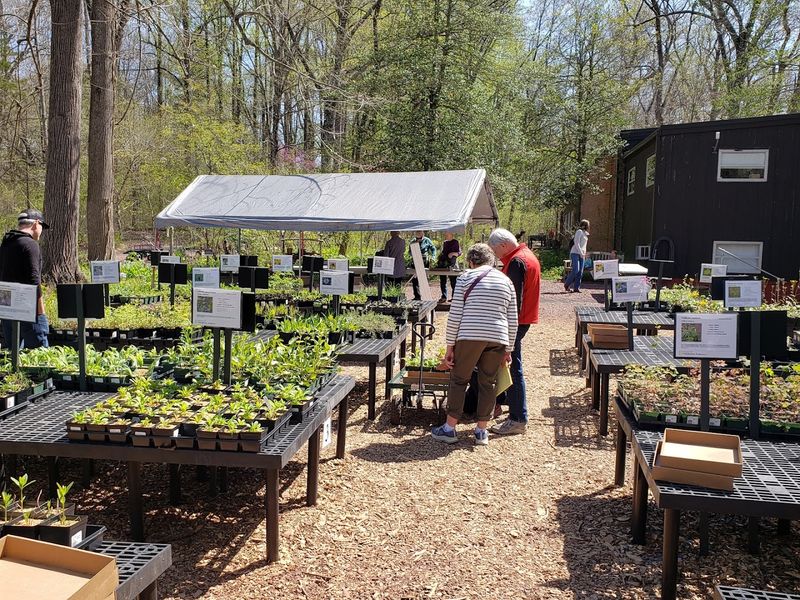
Some nursery visits are purely transactional – you grab your plants and go. A trip to Bowman’s Hill Wildflower Preserve Native Plant Nursery in New Hope is something else entirely.
This is a full-day experience wrapped inside a plant shopping trip, and it makes for one of the most rewarding garden outings available anywhere in Pennsylvania. The surrounding preserve displays over 700 native plant species across a stunning riverside landscape along the Delaware River.
The nursery itself carries more than 200 native species, and its edible selections have included American elderberry, black chokeberry, and downy serviceberry on recent availability lists.
These are not just edible plants – they are ecological powerhouses that attract pollinators, feed migrating birds, and stabilize soil all at once.
Elderberry alone has earned a devoted following among home herbalists and jam makers across the region.
One thing to keep in mind: the nursery’s selection changes on a weekly basis. Availability shifts throughout the season as new propagation batches come online and popular plants sell out.
Checking the most recent availability list before your visit – or calling ahead – will save you from disappointment and help you plan your shopping list strategically.
The nursery generally stays open through mid-November, making it one of the best fall planting season resources in Bucks County.
Located at 1635 River Road in New Hope, the preserve and nursery sit in one of Pennsylvania’s most picturesque natural settings. After you finish plant shopping, take time to walk the preserve trails and see mature native plants in their natural habitat.
That kind of real-world context transforms the way you think about designing your own native edible garden back home.