Mistakes That Keep Florida Salvias From Blooming All Season
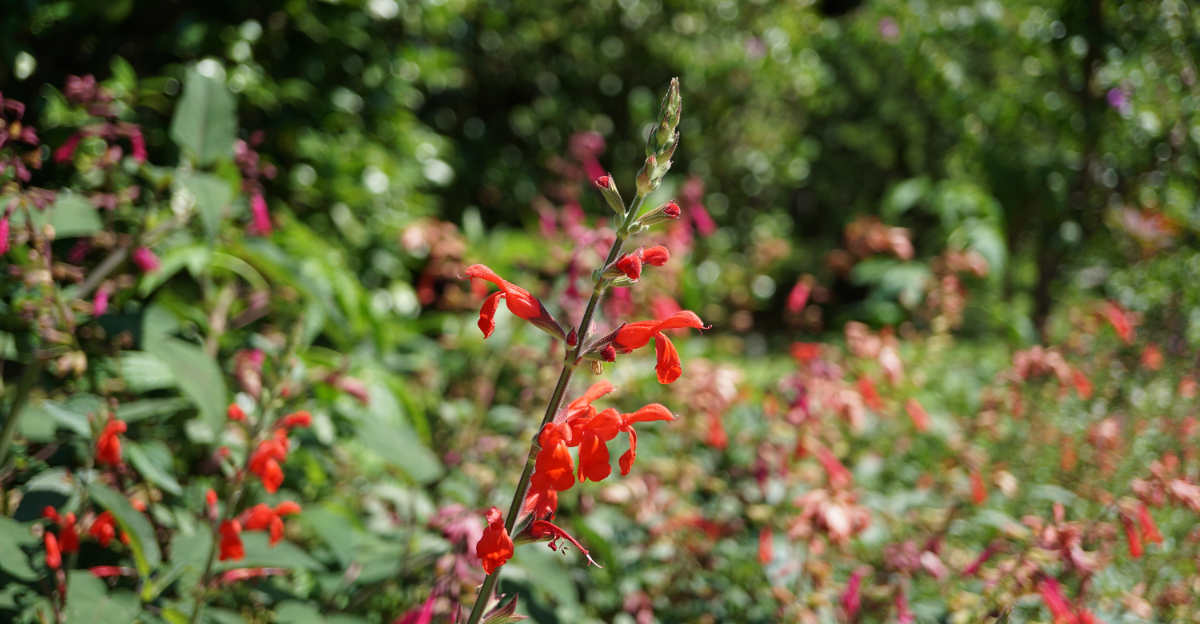
Florida salvia should bloom from spring through fall without much argument. Some do.
Others put on a show for three weeks and spend the rest of the season looking busy without actually doing anything. The difference is almost never about the plant.
It is about a handful of mistakes that happened quietly, early on, that the salvia has been working around ever since. Salvia is forgiving enough to survive most of them.
Blooming consistently through a Florida season is a different standard, and surviving is not the same thing. The mistakes are specific.
A few happen at planting and set the trajectory for everything that follows. Others creep in through the season without any obvious warning until the bloom count makes the case.
Your salvia is probably capable of more than it is currently showing. Something on this list is likely the reason it is not.
1. Leaving Spent Flower Spikes Too Long
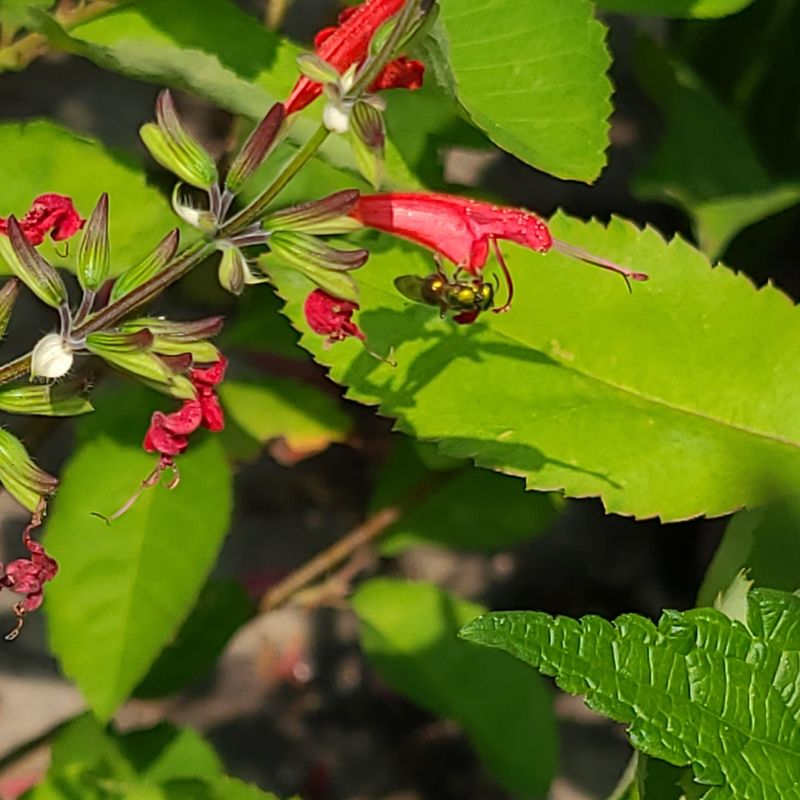
Those faded brown spikes hanging on your salvia may look harmless, but they can quietly signal the plant to slow down.
Many repeat-blooming salvias respond to spent flower spikes by shifting energy toward seed production rather than pushing out new buds.
Removing those old spikes at the right time is one of the simplest ways to encourage the plant to keep going.
The technique is straightforward. Cut spent spikes back to a healthy side shoot or leaf node, not all the way to the base unless the stem is completely finished.
Use clean, sharp pruners to avoid tearing stems or spreading disease between plants. A quick tidy-up after a flush of blooms can make a noticeable difference in how quickly the next round of flowers appears.
Some salvias do self-seed, which can be useful if you want more plants in that area and the species is not considered invasive locally. In that case, leaving a few spent spikes on purpose is a reasonable choice.
Check with your county extension office or a trusted local nursery to confirm whether your specific salvia self-seeds in your region. For most repeat-blooming types, consistent trimming keeps the plant looking tidy.
It also keeps the plant working toward its next bloom cycle instead of resting on finished flowers.
2. Cutting Back Too Hard In Summer Heat
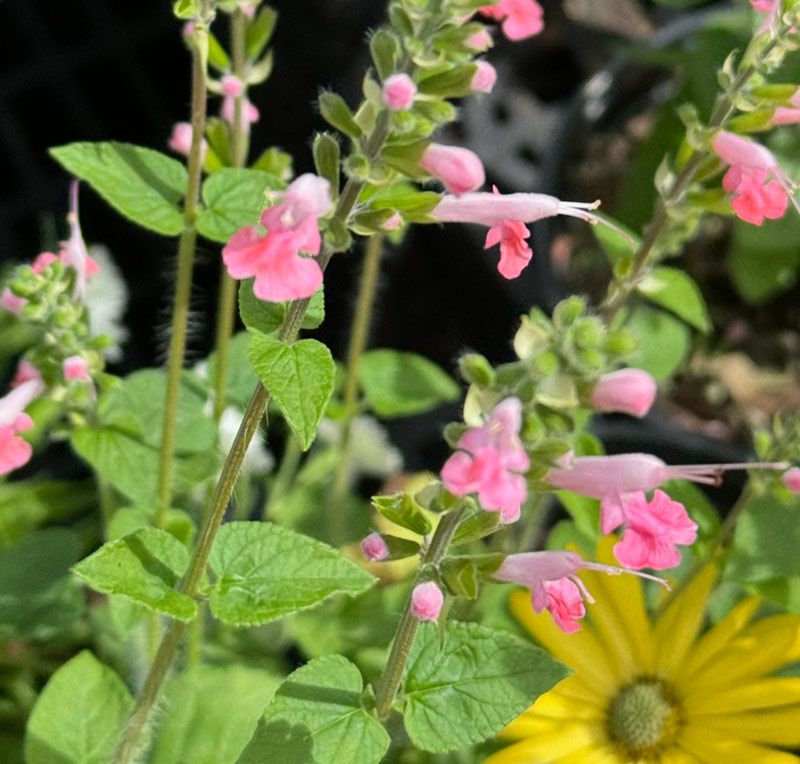
Summer pruning feels productive, but taking too much off a salvia during peak heat can set the plant back significantly. When temperatures climb and humidity stays high, salvias are already working hard to manage stress.
Removing large amounts of foliage at once exposes stems to intense sun, reduces the leaf surface the plant needs to recover, and can delay new growth for weeks.
Severe cuts into woody or stressed stems are especially risky during hot spells. The plant may struggle to push new growth from old wood when conditions are harsh, and the result is often a long recovery period with little to no blooming.
That is the opposite of what most Florida gardeners want heading into the heart of warm-weather season.
A smarter approach is light, selective trimming throughout the season rather than one major cut during stressful conditions. Remove spent spikes, shape unruly stems, and thin lightly as needed.
Your Florida Garden Changes Every Week. Your Plan Should Too.
Gardening in Florida changes quickly throughout the season. Every Friday you’ll receive a simple weekly plan showing exactly what to plant, prune, fertilize, harvest, and protect so you never miss the right timing.
If a salvia genuinely needs a harder cutback, waiting for a stretch of cooler or less stressful weather gives the plant a much better chance to bounce back.
Different salvia types also respond differently to pruning, so check the plant label or contact your local extension office before making major cuts.
Gradual shaping almost always works better than a dramatic summer trim.
3. Watering Often But Never Deeply Enough
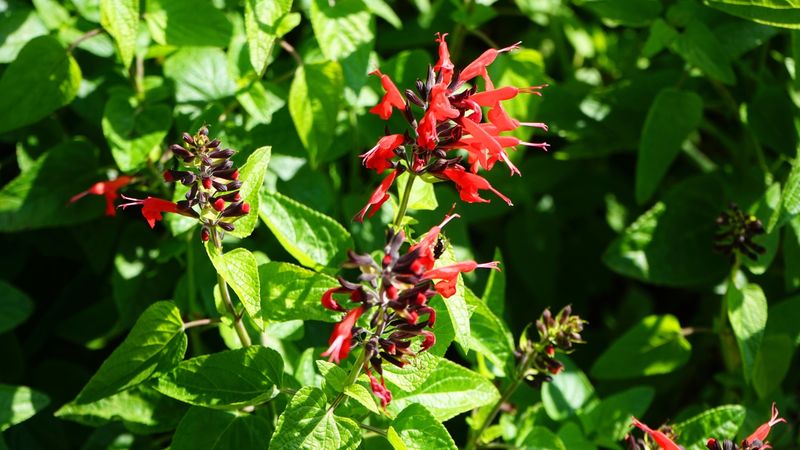
Frequent light watering feels like good plant care, but it can actually leave salvias weaker than Florida gardeners realize. When water only wets the top inch or two of soil, roots have little reason to grow deeper.
Shallow roots make plants less stable and less able to access moisture during dry stretches, which can reduce their energy for blooming through summer heat.
Deep, less frequent watering encourages roots to reach further into the soil where moisture stays more consistent. A good rule of thumb is to water slowly and thoroughly, then check soil moisture a few inches down before watering again.
Salvias do not want constantly soggy soil, especially in rainy-season beds where water already accumulates. Overwatering can be just as bloom-limiting as drought stress, particularly in low areas or heavy clay soils.
Containers dry out much faster than in-ground beds, so potted salvias may need more frequent attention during hot spells.
On the other hand, beds with thick mulch or partial shade tend to hold moisture longer and may need less frequent watering than a full-sun bed.
Checking actual soil conditions rather than following a rigid watering schedule helps you respond to what the plant actually needs. Good drainage under the root zone matters as much as how often you water at the surface.
4. Planting Salvia Where Airflow Stays Poor
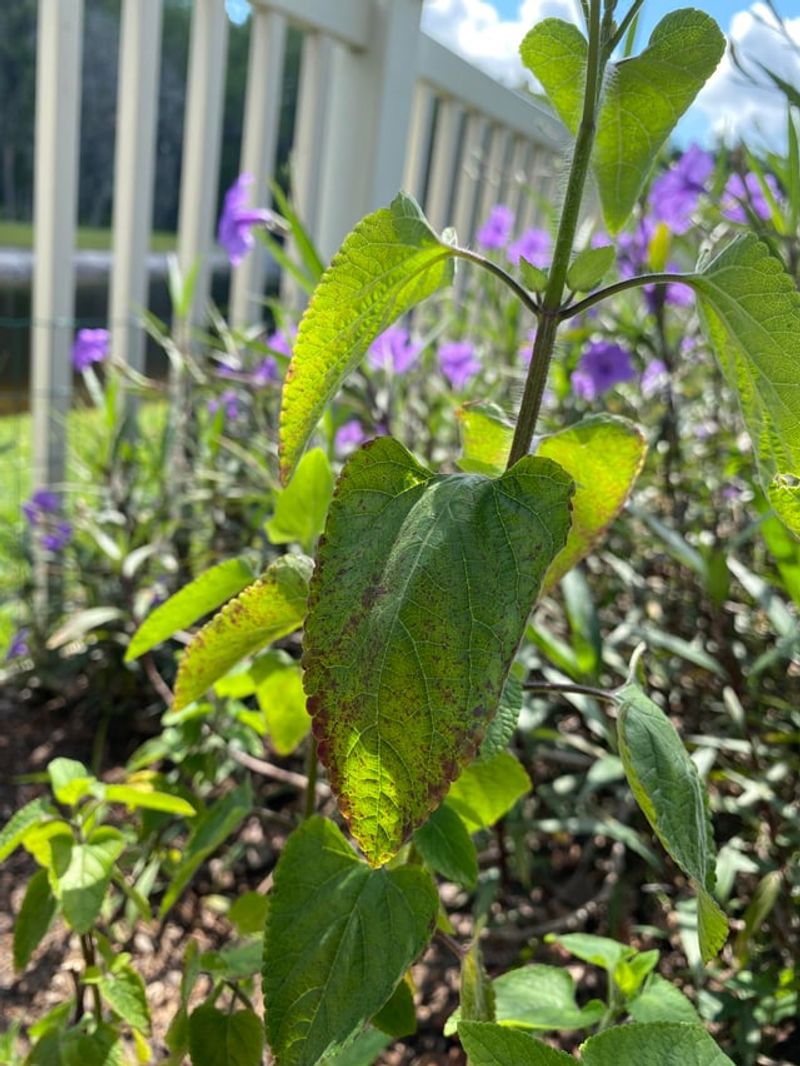
Humid summers in the Sunshine State create real challenges for plants grown in tight, still spaces. Salvias planted too close to walls, packed into dense beds, or tucked into still corners can end up with wet foliage.
That moisture can linger for hours after rain or irrigation. Prolonged leaf wetness encourages fungal problems that stress the plant and reduce its ability to bloom consistently.
Crowded beds are a common setup in newer landscapes where plants look well-spaced at first but fill in quickly. As stems thicken and spread, airflow through the middle of the planting drops significantly.
Leaves in the interior of a crowded salvia may stay damp long after the outer foliage dries, creating conditions that weaken the plant gradually over a season.
Better spacing at planting time is the easiest fix, though selective thinning can also help established beds breathe more freely. Removing a few interior stems to open up the center of the plant allows air to move through and helps foliage dry faster after wet weather.
Watering at soil level rather than overhead reduces how long leaves stay wet, and avoiding late-afternoon irrigation gives foliage time to dry before nightfall.
These small adjustments can make a real difference in how well salvias hold up and keep blooming through the rainy season.
5. Feeding Too Much Before Strong Roots Form
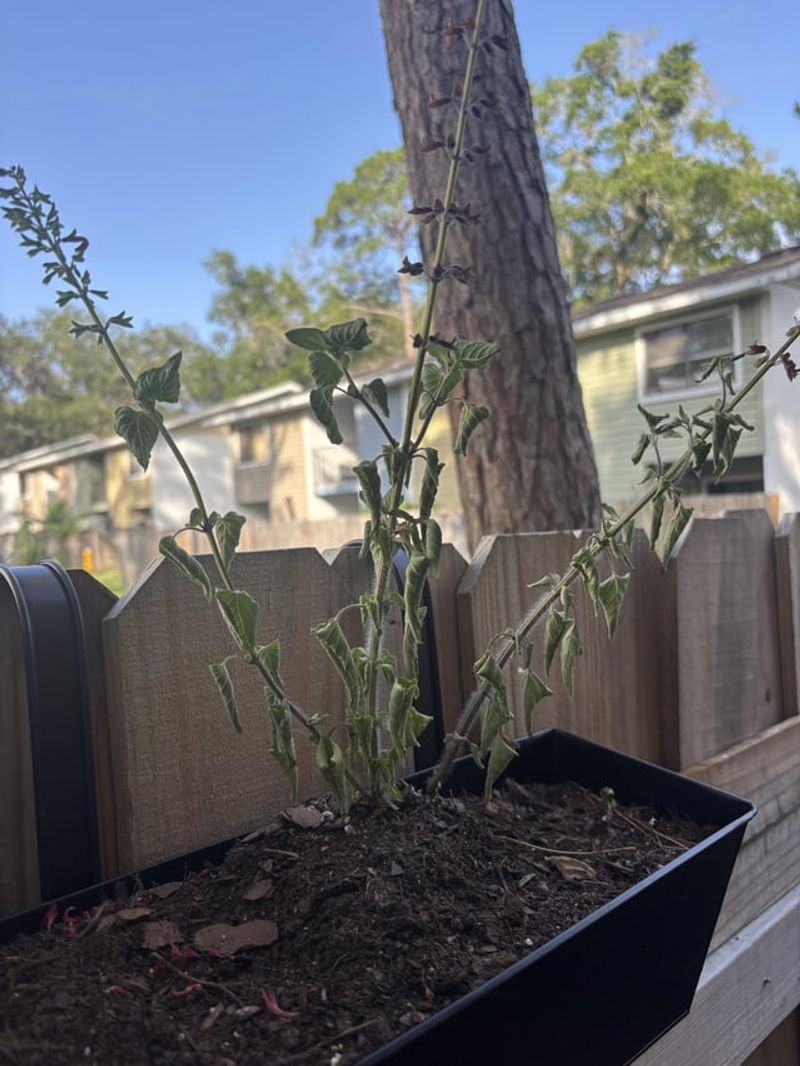
A bag of fertilizer can be tempting when you want more blooms, but pouring on extra nutrients before a salvia is well established often backfires. Young or newly planted salvias need time to develop a strong root system before they can efficiently use added nutrition.
Feeding heavily too soon tends to push fast, soft, leafy growth that looks lush but lacks the sturdy structure needed to support good flower production.
In containers, excess fertilizer salts can build up in the potting mix and stress roots, especially during hot weather when plants are already working hard.
In landscape beds, unused nutrients can wash away quickly during heavy summer rains, which is both wasteful and environmentally harmful.
The plant ends up with neither the roots nor the energy reserves it needs to bloom reliably through the season.
Following fertilizer label directions and guidance from UF/IFAS or your county extension office is a much safer approach than guessing at rates. Some salvias growing in reasonably healthy soil may need very little supplemental feeding at all, especially Florida native types adapted to local conditions.
When modest nutrition is appropriate, apply it after the plant is established and actively growing. That gives the salvia the best chance to use it for flowers rather than just leaves.
Bloom-booster shortcuts rarely replace the benefits of good roots and proper establishment care.
6. Letting Crowded Stems Block New Blooms
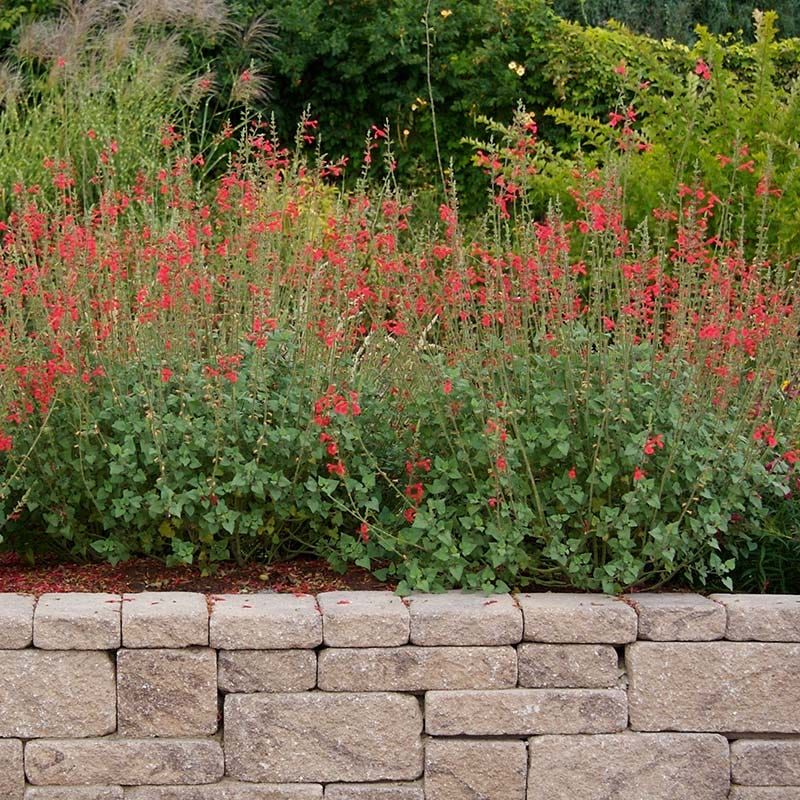
Walk up close to a salvia that has not been tended in a while and you may notice a tangle of stems crossing over each other, with very little new growth pushing through. That congestion is not just a visual problem.
When older stems crowd the center of a plant, they shade the new shoots that would otherwise develop into fresh flower spikes. Less light reaching those new shoots means fewer blooms making it out.
Thinning is different from hard pruning. The goal is not to cut the plant back dramatically but to selectively remove weak, crossing, or unproductive stems so that healthy new growth has room to develop.
Taking out a few older interior stems lets light and air reach the center of the plant. That encourages compact, branching growth that produces the most flowers.
Clean, sharp pruners make this easier and reduce the chance of tearing stems or leaving ragged cuts that take longer to heal. Removing only what genuinely helps the plant breathe and branch keeps the overall shape intact while opening up space for new blooms.
As a bonus, thinning makes it easier to inspect stems and leaf undersides for pests, which is harder to do in a dense, tangled plant. A little regular attention to stem crowding goes a long way toward keeping flower production steady through the season.
7. Ignoring Pests Until Buds Stop Opening
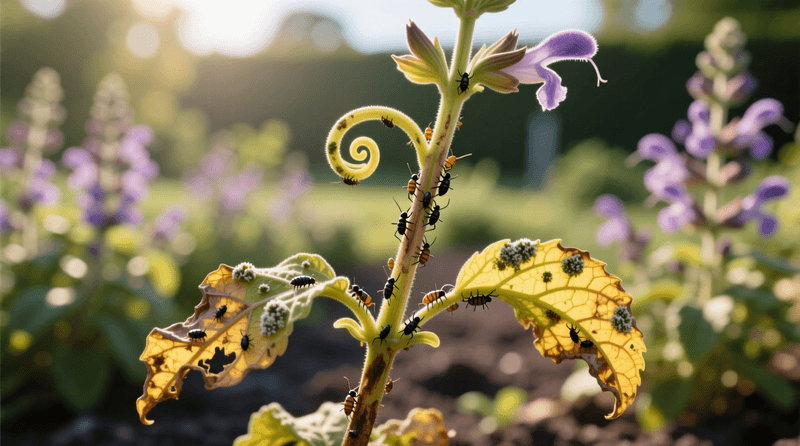
Pests rarely announce themselves with obvious signs right away. By the time buds stop opening or new growth looks distorted, a small pest problem may have already been building for weeks.
Aphids, whiteflies, thrips, and spider mites can all affect salvia in warm, humid climates. They often target tender new growth and buds where flower production begins.
Checking plants regularly makes early detection much easier. Look at new growth tips, leaf undersides, and the base of developing buds.
Sticky residue, distorted leaves, silvery streaking, or tiny moving specks are all signs worth investigating before assuming the plant simply needs more fertilizer.
Misidentifying a pest problem as a nutrition issue can delay effective action and allow the infestation to spread further.
Salvias are important pollinator plants, so any response to pest pressure should be handled carefully. Broad-spectrum pesticide applications can harm the beneficial insects, bees, and butterflies that visit these flowers.
Identification comes first, then a targeted and proportionate response based on guidance from UF/IFAS or your county extension office. In many cases, a strong stream of water can dislodge soft-bodied insects.
Removing heavily affected stems may also reduce pressure without putting pollinators at risk. Staying observant is the most effective tool available.
8. Expecting Every Salvia To Bloom The Same Way
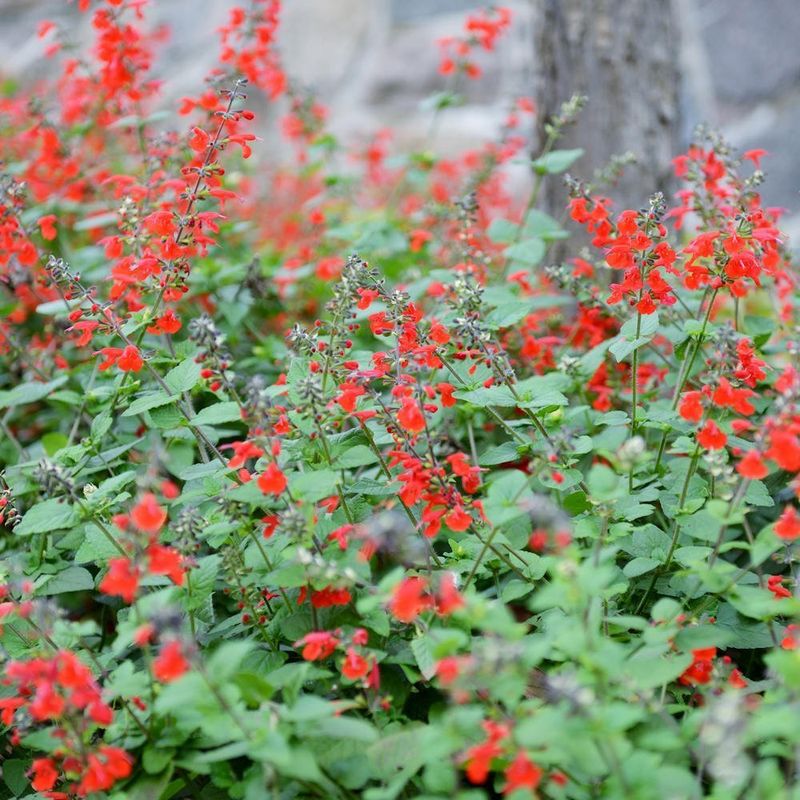
Plant labels matter more than most gardeners realize. Salvias include a wide range of species and cultivars with very different bloom habits, growth patterns, and seasonal preferences.
A scarlet salvia grown as an annual may behave very differently from a Florida native tropical sage. It may also differ from a perennial mealycup sage, even in the same bed.
Some salvias bloom heavily from spring through fall with consistent care. Others cycle through bloom periods, pause during the hottest part of summer, or respond strongly to day length or rainfall patterns.
A plant that looks done for the season may simply be resting between flushes rather than failing. Assuming all salvias need the same care leads to mismatched expectations.
It can also cause missed chances to support what the plant actually needs. Native salvias adapted to local conditions may thrive with minimal intervention.
Ornamental cultivars bred for containers may need more attention to stay at their best. Knowing whether you have an annual, a perennial, a native species, or a hybrid cultivar changes how you water, prune, feed, and evaluate bloom performance.
Check the plant tag, ask your local nursery, or consult UF/IFAS resources to learn exactly what you are growing. Matching your care routine to the specific salvia you have is the most reliable path to getting the most blooms possible across the season.