Why North Carolina Gardeners Who Water This Way Lose Fewer Plants In August
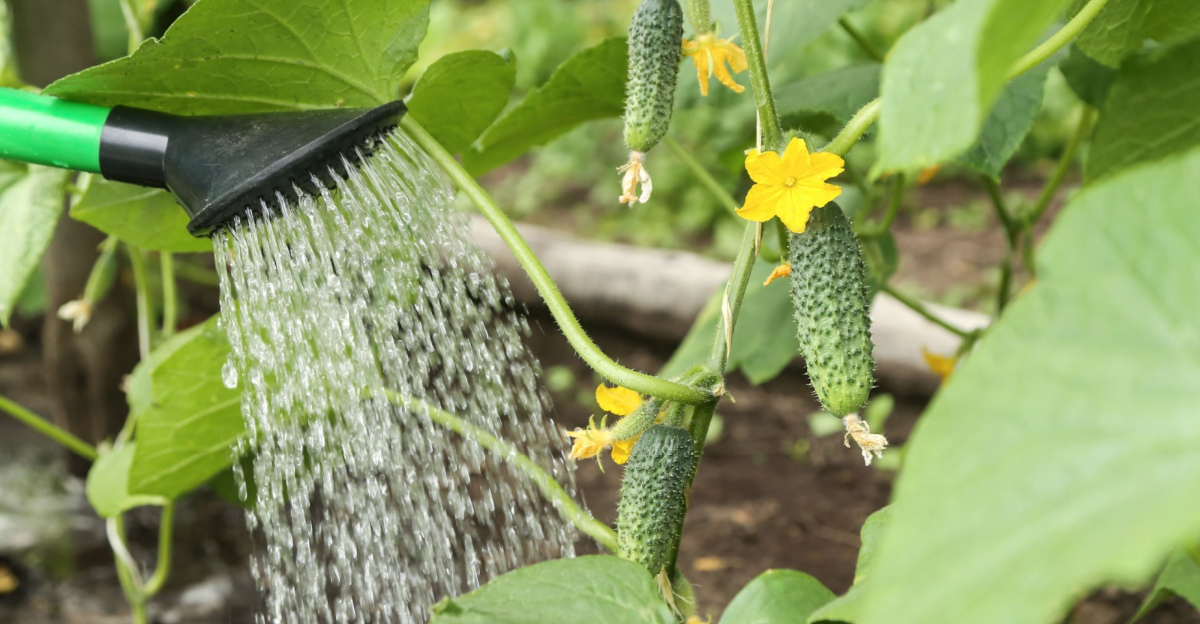
August in North Carolina is not for the faint of heart, and your garden plants feel every bit of it.
Temperatures are relentless, rainfall becomes a guessing game, and the soil can go from parched and cracked to completely waterlogged after a single afternoon storm that shows up with zero warning.
A container baking on a sunny porch dries out at a completely different rate than a shrub tucked into a shady landscape bed, and Piedmont clay holds moisture in ways that coastal sandy soil simply does not.
There is no one size fits all watering schedule that works across North Carolina in August, and pretending otherwise is how plants end up struggling.
Slowing down, watering near the root zone early in the morning, and actually paying attention to what your soil is doing can make a genuinely significant difference.
1. Root-Zone Watering Directs Moisture To Plant Roots
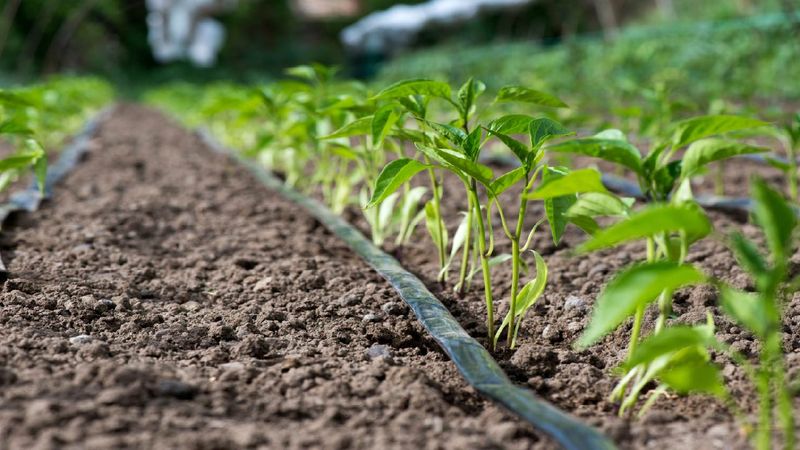
Watering at the base of a plant rather than overhead seems like a small change, but it can make a noticeable difference in how well moisture reaches the root system.
When water is applied directly over the root zone, it has a shorter distance to travel before it becomes available to the plant.
Overhead watering, by contrast, allows a portion of that moisture to land on foliage and surrounding soil where roots are not actively growing.
In North Carolina landscapes during August, directing water near the base of shrubs, perennials, and edible plants helps moisture move downward into the soil where roots can access it.
Roots generally follow moisture deeper into the soil over time, which can support stronger anchorage and better access to nutrients.
Plants with deeper root systems tend to handle dry spells more gracefully than those with shallow roots concentrated near the surface.
Applying water slowly near the root zone also reduces the chance of it sheeting off hard or compacted soil before it can soak in.
Gardeners who focus their watering efforts where roots are actively growing often notice that their plants show fewer signs of moisture stress during North Carolina’s demanding summer months.
2. Early-Morning Watering Reduces Moisture Loss
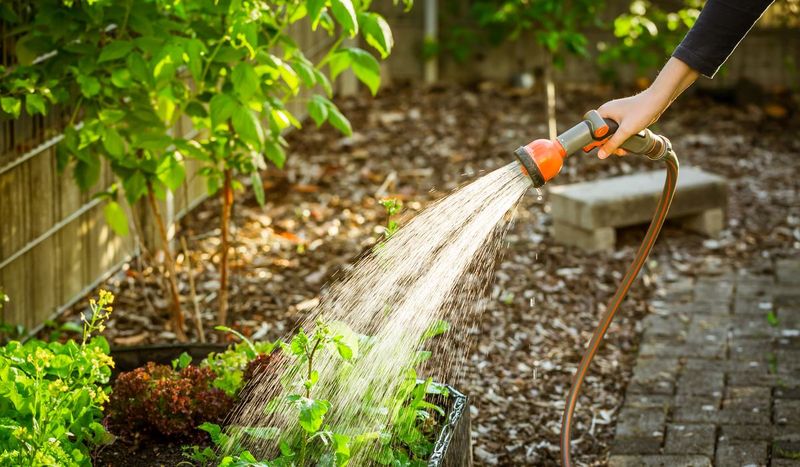
Something about stepping outside before the heat builds and running the hose while the air is still cool just feels right. Beyond the pleasant experience, watering early in the morning offers a practical advantage in North Carolina’s August heat.
Cooler temperatures during morning hours mean that moisture applied to the soil surface has more time to soak in before the sun raises evaporation rates.
Midday and afternoon watering in August can result in more moisture evaporating from the soil surface before it reaches plant roots.
Morning watering does not eliminate evaporation, and it does not guarantee that plants will avoid moisture stress, but it does give water a reasonable window to move into the soil before temperatures peak.
Foliage that gets wet during morning watering also has time to dry as the day warms, which is generally preferable to foliage remaining wet overnight.
Your North Carolina Garden Changes Every Week. Your Plan Should Too.
Gardening in North Carolina changes quickly throughout the season. Every Friday you’ll receive a simple weekly plan showing exactly what to plant, prune, fertilize, harvest, and protect so you never miss the right timing.
For North Carolina gardeners managing landscape beds, vegetable gardens, or ornamental containers, shifting watering time to early morning is one of the simpler adjustments that can support more efficient moisture use.
The change requires no special equipment and works alongside nearly any existing watering method, from handheld hoses to drip irrigation systems already in place.
3. Soil Checks Help Prevent Overwatering
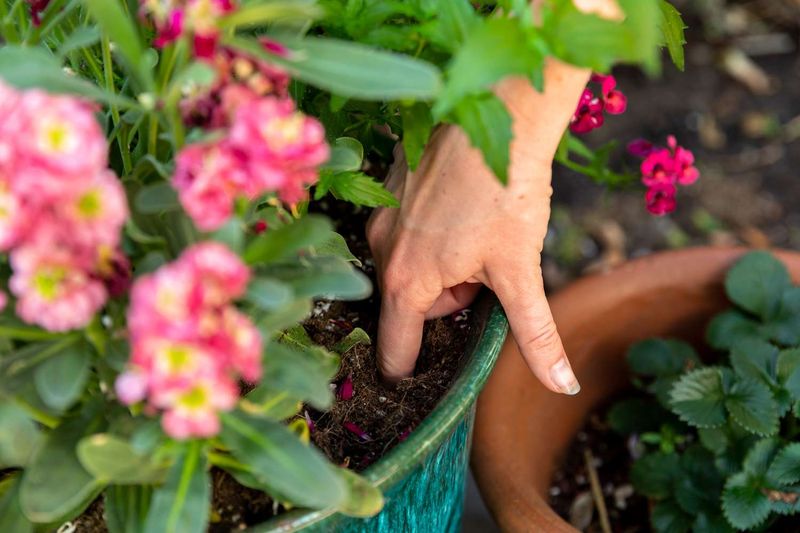
Overwatering is one of the more common mistakes gardeners make during summer, partly because dry-looking soil at the surface does not always mean the root zone is dry.
Pressing a finger or a small garden trowel a few inches below the surface gives a much more accurate picture of actual soil moisture.
If the soil at that depth still feels cool and moist, most established plants can wait before receiving more water.
North Carolina soils vary considerably across the state, and a clay-heavy yard in the Piedmont may hold moisture at root depth for days after a rainstorm even when the surface crust looks parched.
Sandy soils along the Coastal Plain can dry more quickly and may need more frequent checks.
Checking before watering rather than following a fixed schedule helps gardeners avoid applying water that the soil cannot absorb and that plants do not yet need.
Consistent overwatering can lead to soggy root zones, reduced oxygen availability in the soil, and stressed plants that show symptoms similar to drought stress.
Taking a moment to feel the soil before turning on the hose is a low-effort habit that can support healthier plants throughout the long North Carolina summer without wasting water.
4. August Rainfall Should Guide Watering
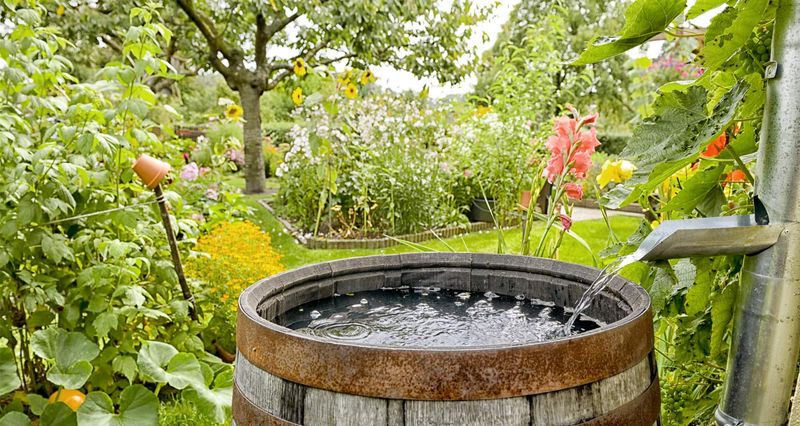
Summer rainfall in North Carolina can be wildly inconsistent. One neighborhood may receive a heavy afternoon downpour while a garden just a few miles away stays completely dry.
Because of this variation, relying on regional weather reports alone can lead gardeners to either skip necessary watering or continue irrigating after their yard has already received enough moisture from a storm.
A simple rain gauge placed in the garden gives a more accurate measure of how much water actually fell in a specific spot.
After a significant rainfall event, checking the gauge and then checking the soil can help gardeners decide whether supplemental irrigation is needed at all.
Continuing an automatic irrigation schedule without accounting for recent rainfall can leave roots sitting in overly saturated soil, which creates its own set of challenges for plant health.
August in North Carolina often brings isolated thunderstorms that deliver intense rain in a short period. That kind of rainfall does not always soak in efficiently, particularly in compacted or clay-heavy soils where runoff is common.
Watching how water behaves in the yard after a storm, and then checking soil moisture before the next scheduled watering session, helps gardeners make decisions based on actual conditions rather than assumptions about what the weather may have delivered.
5. Soil Type Affects Watering Needs
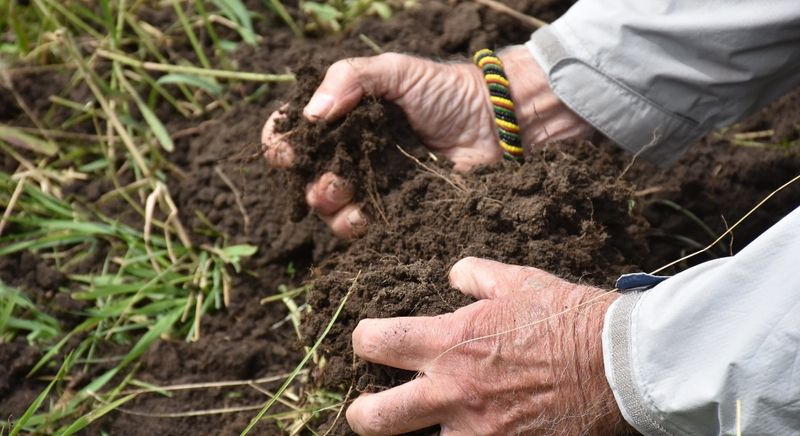
Not every North Carolina yard holds water the same way, and understanding the soil beneath the plants can change how a gardener approaches August watering.
Clay soils, which are common across much of the Piedmont, tend to absorb water more slowly.
Once clay becomes saturated, it can hold moisture for a longer period than other soil types, which means plants in clay-heavy beds may not need water as frequently as gardeners assume.
Sandy soils, found in many parts of the Coastal Plain, drain more quickly and may dry out faster between watering sessions. Plants growing in sandy ground often benefit from more frequent moisture checks during August heat waves.
Adding organic matter to sandy soils over time can improve their ability to hold moisture, though this is a gradual process rather than a quick fix.
Loamy soils that fall somewhere between clay and sand generally offer a more balanced drainage and moisture-retention profile.
Whatever the soil type, the key is observing how quickly water moves into and through the soil in a specific yard and adjusting watering frequency accordingly.
Treating every North Carolina garden as if it has identical soil can lead to watering decisions that do not match the actual needs of the plants growing there.
6. Slow Watering Improves Soil Absorption
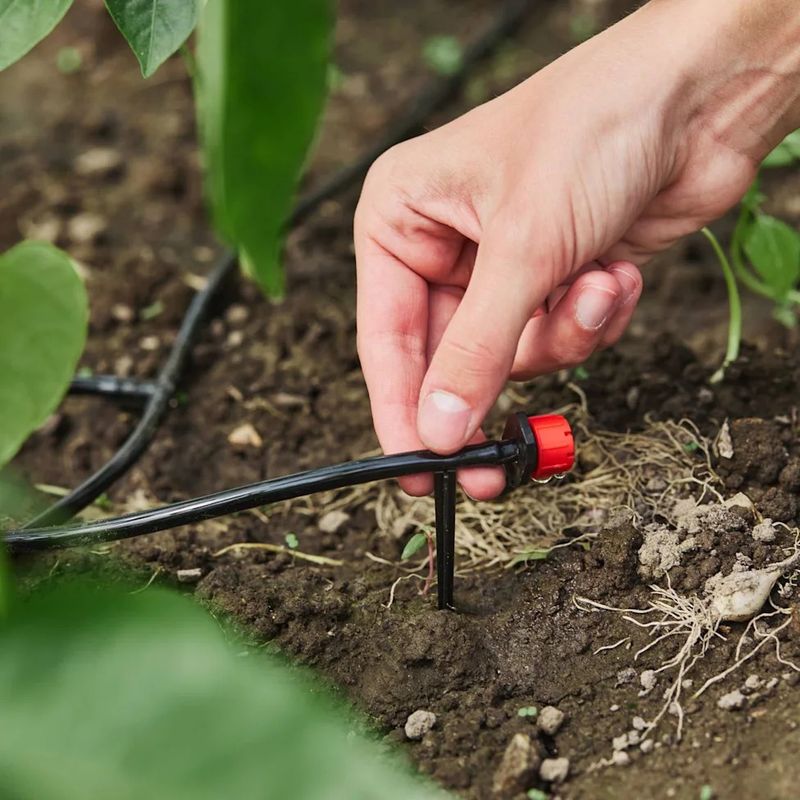
Applying water faster than the soil can absorb it leads to runoff, which carries moisture away from the root zone before plants can benefit from it.
Slowing down the rate at which water is applied gives the soil more time to take in moisture and move it downward toward plant roots.
This is especially relevant in North Carolina yards with clay-heavy soils or areas where the ground slopes and runoff is more likely.
Drip irrigation, soaker hoses, and hand watering with a slow-running hose are all methods that can reduce application rate and support better absorption.
There is no single watering duration that works for every yard, because water pressure, irrigation equipment, soil texture, slope, and plant size all influence how much moisture actually enters the soil during a given session.
The goal is to apply water slowly enough that it soaks in rather than pools and runs off.
Watching the soil while watering can help gardeners recognize when the application rate is too fast.
If water begins to sheet across the surface or collect in low spots rather than soaking in, slowing down or pausing briefly between applications may allow the soil to catch up.
Gardeners managing both ornamental beds and edible gardens can apply this approach across a variety of plant types and planting situations.
7. Containers Need Frequent Moisture Checks
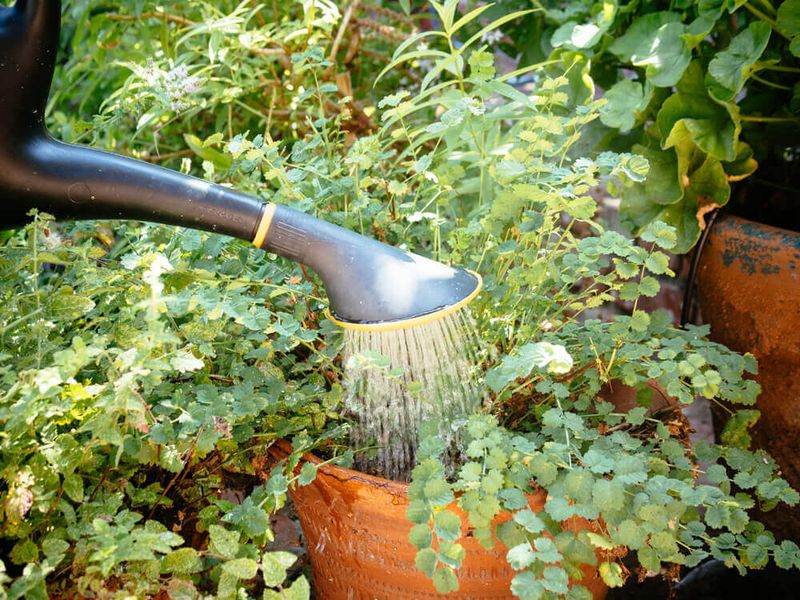
Pots and containers behave very differently from in-ground garden beds during North Carolina summers.
The limited volume of potting mix in a container can dry out much faster than surrounding landscape soil, particularly when containers sit in full sun, on a heat-absorbing surface like a concrete patio, or in a spot exposed to afternoon wind.
A container that felt adequately moist in the morning may be quite dry by late afternoon on a hot August day.
Checking containers by pressing a finger an inch or two into the potting mix gives a more reliable reading than looking at the surface alone. Dark potting mix at the top can look moist when the material below has actually dried considerably.
Lifting a lightweight pot can also give a rough sense of how much moisture remains, since a well-watered container will feel noticeably heavier than a dry one.
Not every container needs water every day, even during August. Larger pots hold more potting mix and generally retain moisture longer than small ones.
Shade-grown containers also tend to dry more slowly than those sitting in direct sun.
Checking individual pots rather than watering all containers on the same schedule helps gardeners avoid both underwatering and overwatering plants that have very different moisture needs based on their size and location.
8. Mulch Helps Soil Retain Moisture
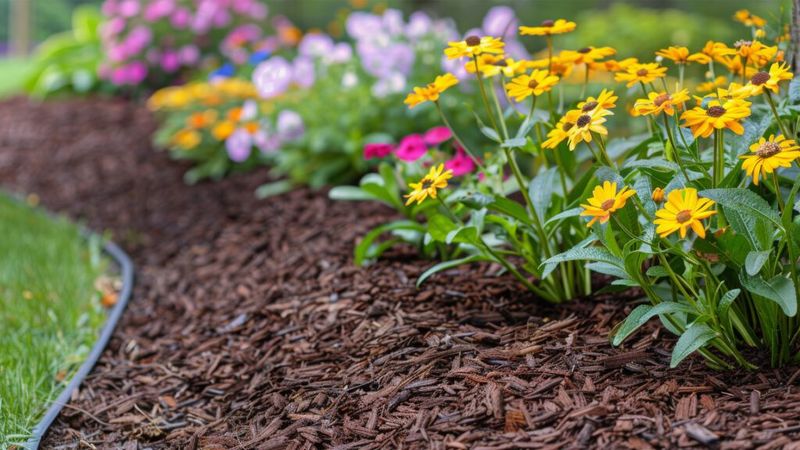
Few garden practices offer as many benefits for as little ongoing effort as applying an appropriate layer of organic mulch.
In North Carolina’s August heat, mulch acts as a buffer between the soil surface and the sun, slowing the rate at which moisture evaporates from the ground.
A layer of shredded bark, wood chips, or pine straw over a planting bed can help the soil beneath stay cooler and hold moisture longer between watering sessions.
The general recommendation from extension sources is to apply mulch two to three inches deep across landscape beds, keeping it pulled back from the trunks, stems, crowns, and bases of plants.
Mulch piled directly against a plant’s base can trap moisture against the bark or stem tissue, which may create conditions that stress the plant over time.
Keeping a small gap between the mulch and the plant itself allows for air circulation at the base.
Organic mulch also breaks down gradually and contributes to soil structure and organic matter content over time.
Gardeners who mulch their beds in spring or early summer often notice that their soil stays workable and moist longer into August compared with bare, exposed soil.
For North Carolina landscapes managing both ornamental plantings and edible garden beds, mulch is a straightforward tool that supports moisture conservation without requiring extra equipment.
9. New Transplants Need Extra Attention
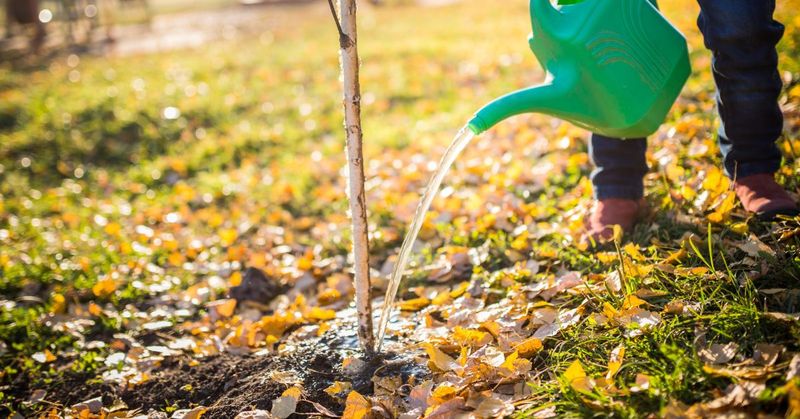
Putting a new plant in the ground during August in North Carolina is one of the more demanding gardening situations a person can take on.
Newly installed trees, shrubs, perennials, and annuals have not yet developed the root systems that allow established plants to seek moisture from a wider area of soil.
Until roots begin to spread beyond the original root ball, the plant depends heavily on moisture being present in a relatively small zone.
Checking the soil moisture around new transplants more frequently than around established plants is a reasonable approach during August.
The root ball itself can dry out faster than the surrounding soil, so pressing a finger into the soil at the edge of the planting hole, not just the surrounding ground, gives a more accurate sense of whether the transplant needs water.
Surrounding soil may feel moist while the root ball itself is actually quite dry.
There is no single watering schedule that fits every newly installed plant because size, root ball volume, soil type, sun exposure, and plant species all influence how quickly moisture is used.
Watching the plant for early signs of stress, such as slight wilting during the hottest part of the day, can guide decisions about when to water.
North Carolina’s August conditions make attentive monitoring especially worthwhile for recently planted additions to the garden.