What Tiny Green Caterpillars On North Carolina Kale Are Trying To Tell You
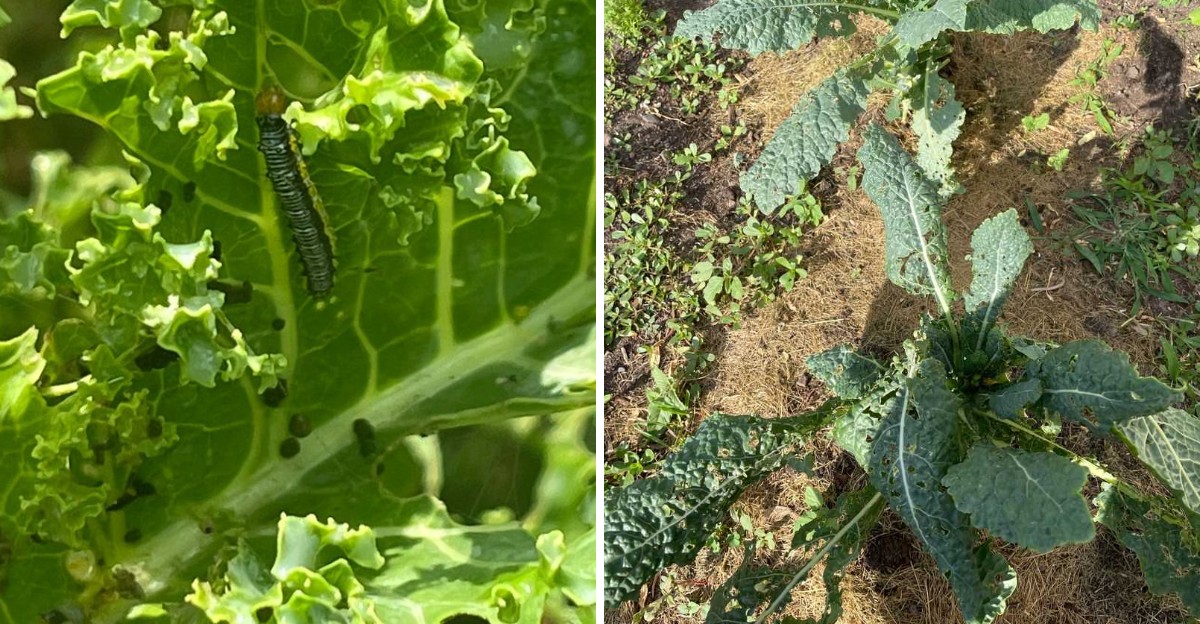
Small green caterpillars found crawling across kale leaves in North Carolina gardens are almost always cabbage worms, one of the most common pests affecting brassica crops throughout the growing season.
These caterpillars feed voraciously on leaf tissue, often leaving behind irregular holes and, in heavier infestations, skeletonized leaves that can significantly reduce a plant’s productivity.
Their green coloring provides excellent camouflage against kale leaves, which is part of why an infestation can go unnoticed until damage becomes fairly obvious.
Because these pests reproduce quickly in favorable conditions, catching them early makes a real difference in preventing a small problem from turning into widespread crop damage.
Recognizing this pest and responding promptly gives North Carolina kale plants a much better chance of producing a full, healthy harvest.
1. Your Kale Has A Cabbageworm Problem
Those small green crawlers munching on your leaves usually belong to a group gardeners call the cabbageworm complex. In North Carolina, the main troublemakers are imported cabbageworms, cabbage loopers, and diamondback moth larvae.
Each one starts as an egg laid by a moth or butterfly that flutters through your garden looking for brassica plants. Kale, cabbage, broccoli, and collards all smell like a perfect nursery to these adults.
Once the eggs hatch, the young caterpillars begin feeding right away, and that is when the trouble becomes visible. The three species share a similar green color, which can make telling them apart a bit tricky at first glance.
Still, learning the differences pays off, because each pest behaves slightly differently and responds to different control methods. Imported cabbageworms tend to feed slowly and steadily, while cabbage loopers can chew large holes fast.
Diamondback moth larvae are smaller and wiggle quickly when disturbed. Knowing this helps you plan a smarter response instead of guessing.
The presence of any of these means your kale has become a food source, and more may be on the way if you do nothing. A single caterpillar rarely ruins a plant, but a growing population certainly can.
Think of that first sighting as an early warning. When you catch the problem while numbers are low, hand picking and simple treatments work wonders.
Your kale is basically waving a little flag, asking you to step in before the feeding frenzy grows out of hand.
2. Imported Cabbageworms Are Velvety Green
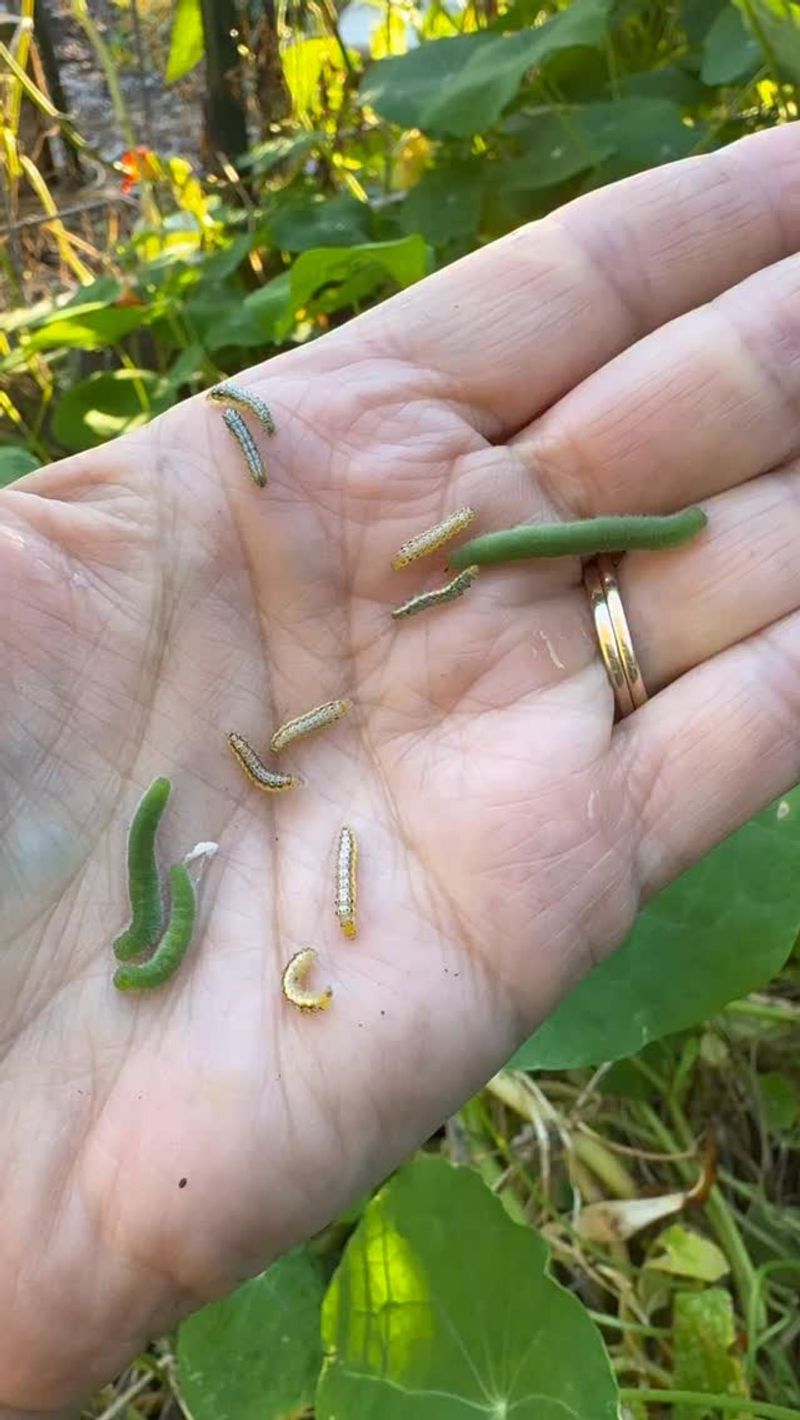
Run your eyes across a chewed kale leaf and you might spot a plump, velvety green caterpillar that blends in almost perfectly. That soft, fuzzy look is one of the best signs you have an imported cabbageworm.
These caterpillars wear a faint yellow stripe down the middle of their backs, along with tiny yellowish spots scattered along their sides. Their color matches the leaf so well that many gardeners walk right past them.
They come from the small white butterflies you often see dancing above vegetable beds on sunny days. Those butterflies land, lay eggs, and soon the velvety worms appear ready to feast.
Kale ranks high on their menu, along with cabbage, broccoli, and collard greens. Because they camouflage so well, checking closely becomes your best defense.
Your North Carolina Garden Changes Every Week. Your Plan Should Too.
Gardening in North Carolina changes quickly throughout the season. Every Friday you’ll receive a simple weekly plan showing exactly what to plant, prune, fertilize, harvest, and protect so you never miss the right timing.
Gently move the leaves and look for their slow, steady crawl. Unlike some pests that dart away, imported cabbageworms move calmly, which actually makes them easier to pick off by hand.
Their droppings, small dark pellets, often give away a hiding spot even when the caterpillar stays out of sight. Following that trail usually leads you right to the culprit.
The more of these you find, the more feeding your plant will face over the coming days. Removing them early keeps your leaves looking fresh and reduces the mess they leave behind.
Once you learn to recognize that velvety green body and yellow stripe, you will spot them faster every single time you head out to the garden.
3. Cabbage Loopers Move Differently
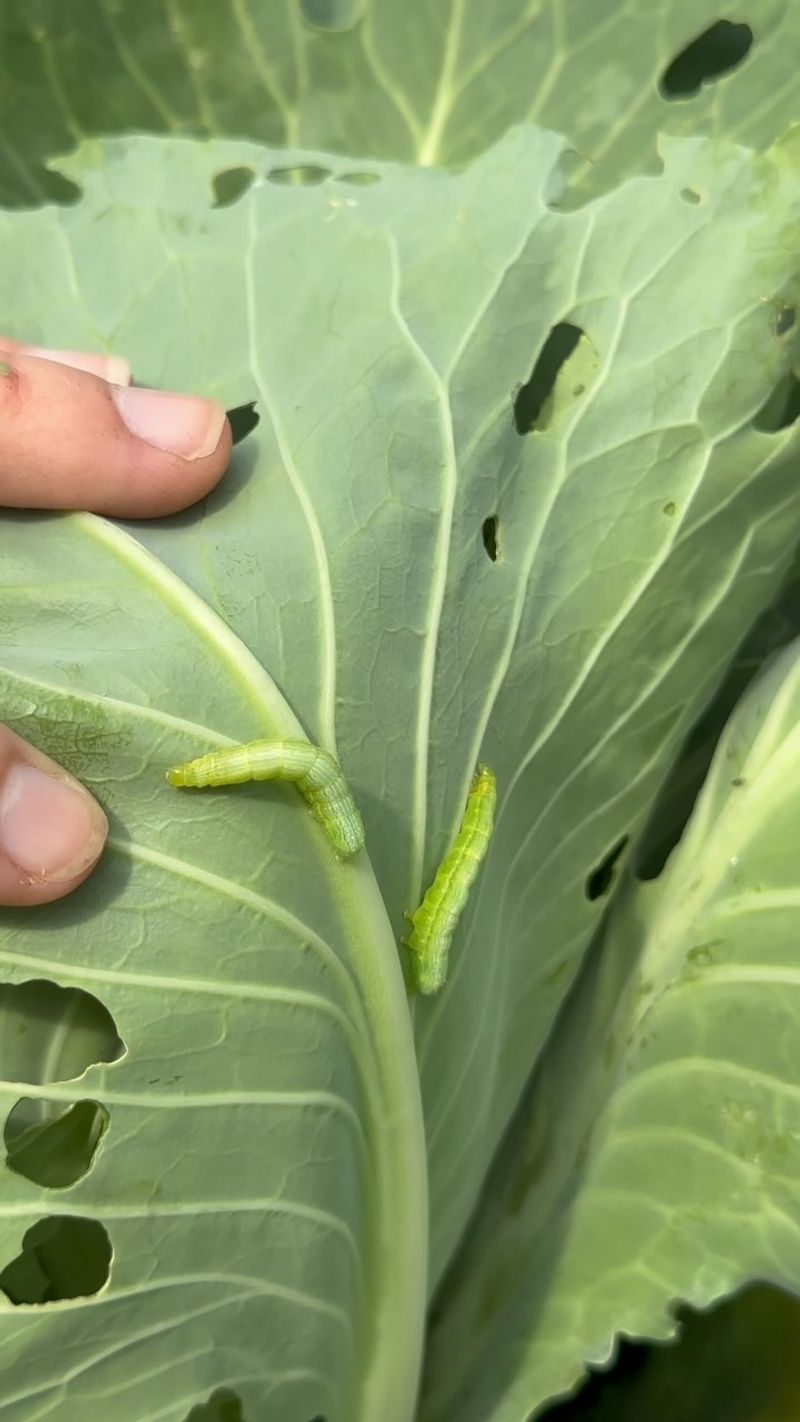
Watch a green caterpillar arch its middle into a little hump as it crawls, and you have found a cabbage looper. That funny inchworm style of movement gives this pest away instantly.
Because loopers lack some middle legs, they scoot forward by pulling their back end up toward the front, forming a loop with each step. Once you notice it, you will never forget it.
These caterpillars start out small but grow into hungry feeders that can punch large, ragged holes through kale leaves. As they mature, their appetite climbs quickly.
They often begin near the outer leaves and work their way inward, leaving behind chewed edges and open gaps. A heavy population can turn a healthy plant into a lacy mess in just a few days.
Their green bodies feature thin white or pale stripes running along the sides, which helps set them apart from the velvety imported cabbageworm. Size and movement together make identification easier.
Adult cabbage loopers are night flying moths with a small silvery mark shaped like a figure on each wing. They lay eggs on the undersides of leaves, so damage often shows up before you spot the moths.
Catching loopers while they are still tiny keeps your harvest much healthier. Hand picking works well when numbers stay low, and it feels oddly satisfying too.
The moment you see that looping crawl, treat it as your cue to inspect the whole plant and act before the holes multiply overnight.
4. Look Under The Leaves
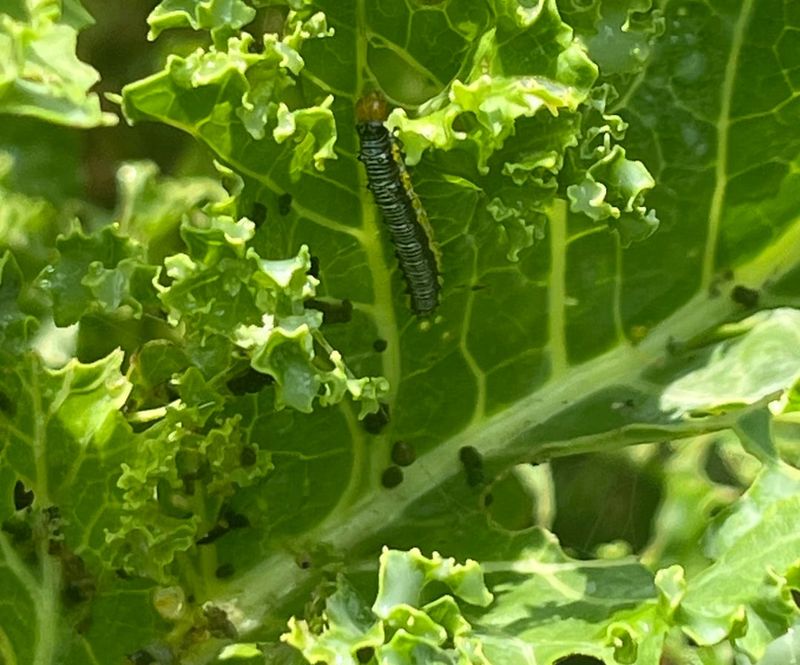
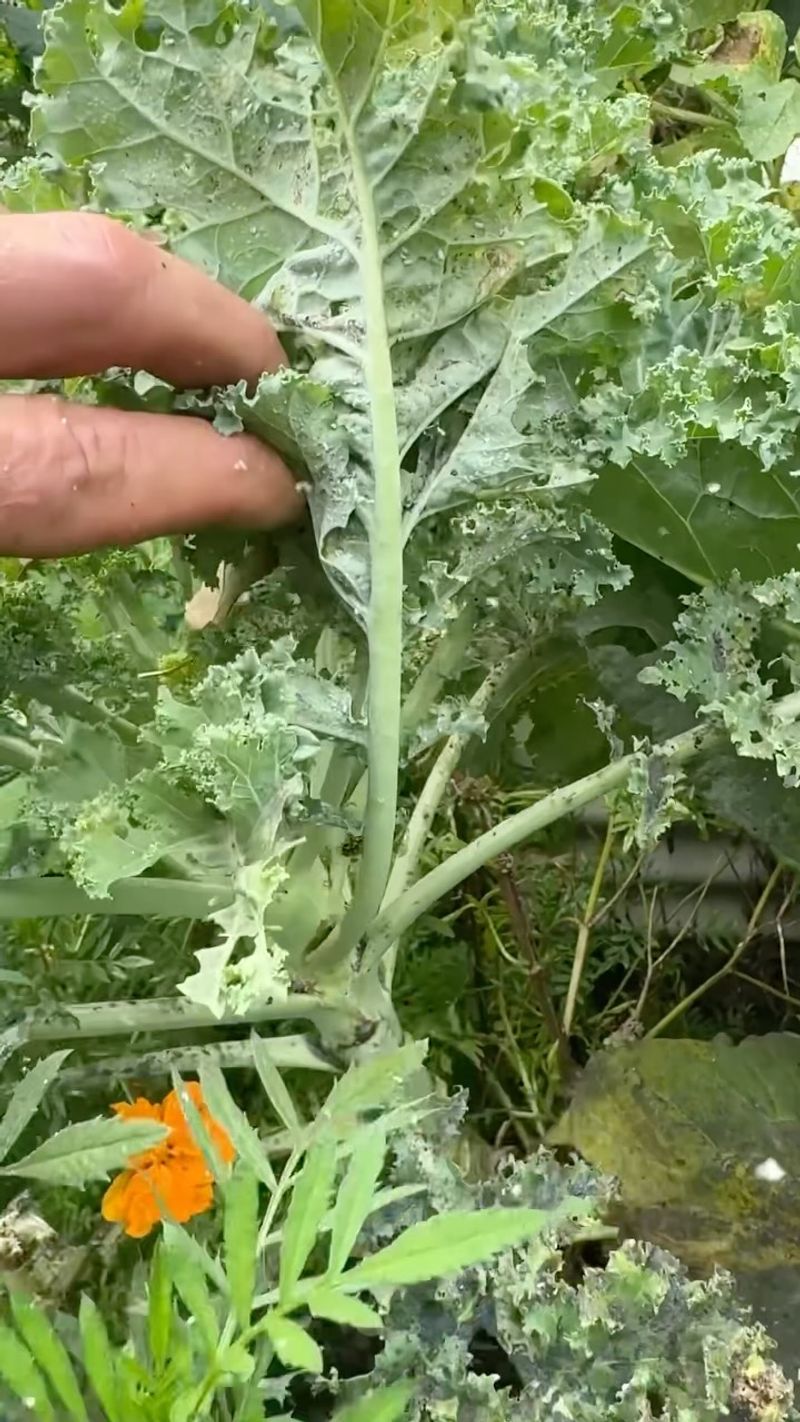
Flip a kale leaf over and you may discover a hidden world you never expected. The undersides are where many caterpillars and their eggs quietly settle in.
Adult moths and butterflies prefer laying eggs on the lower leaf surface because it offers shade and protection from rain and predators. That means the top of the plant can look fine while trouble brews below.
Imported cabbageworms especially favor feeding on the underside, tucked out of easy view. Skipping this check lets small problems grow into big ones.
Tiny eggs often appear as little pale or yellowish dots, sometimes lined up in neat clusters. Spotting them early gives you a chance to remove trouble before it ever hatches.
Make leaf flipping part of your regular garden walk. A few minutes of careful looking each week can save you from a much larger cleanup later.
Use your fingers to gently lift and turn each leaf, paying close attention near the veins and folds where pests love to hide. Bring a small container to collect anything you find.
Good lighting helps too, so morning or midday checks make hidden caterpillars easier to spot. A magnifying glass can reveal eggs you might otherwise miss.
The more consistent you stay with this habit, the fewer surprises you will face at harvest time. Your kale rewards attentive gardeners with cleaner, healthier leaves.
Treat the underside of every leaf as prime inspection territory, and you will stay one step ahead of the crawlers hiding there.
5. The Holes Tell You Feeding Is Already Happening
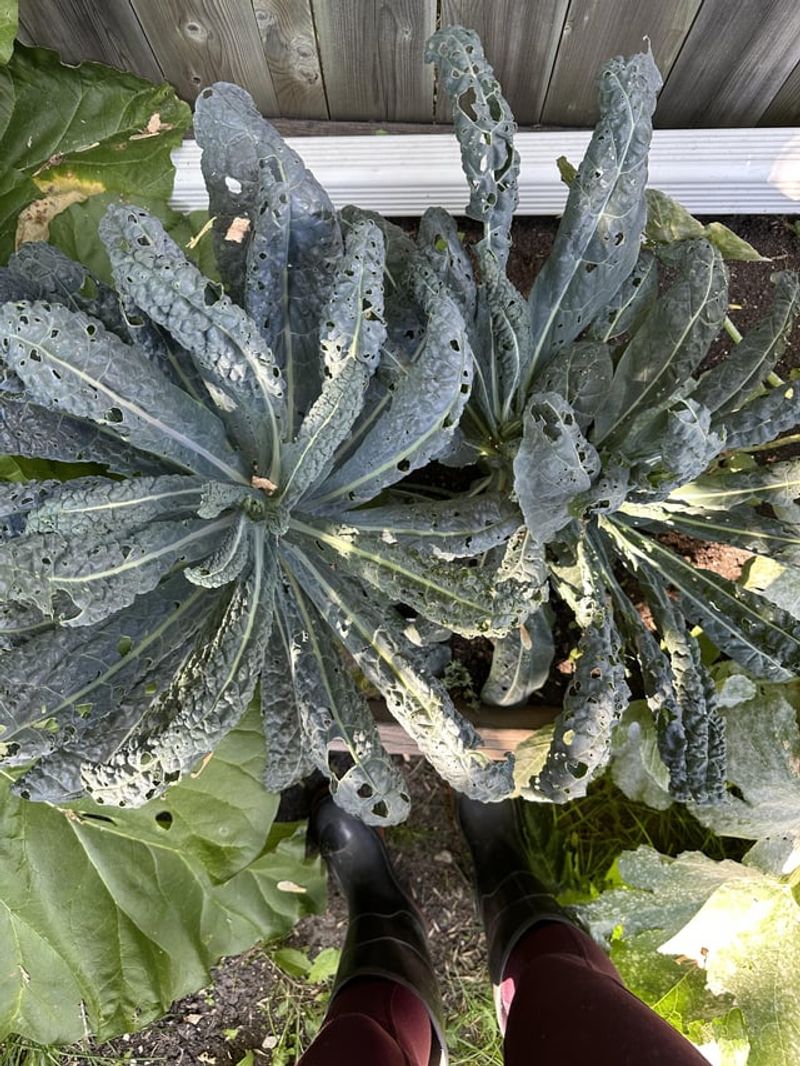
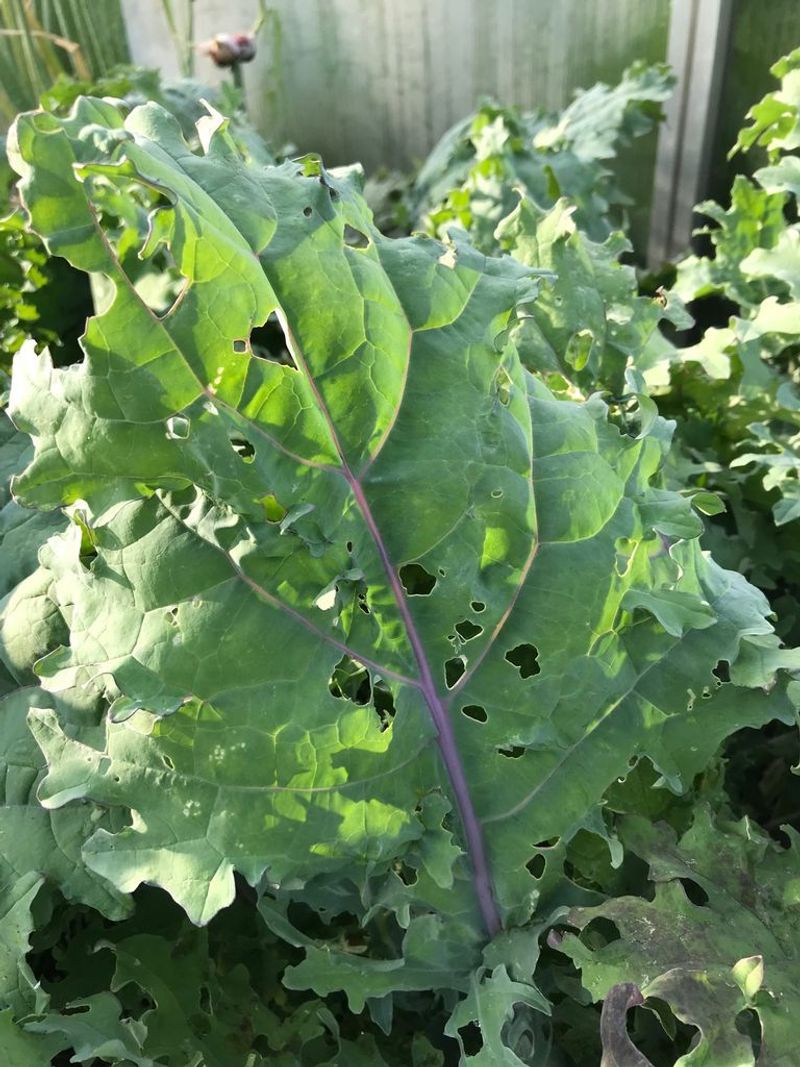
Ragged holes scattered across your kale are more than an eyesore. They are proof that caterpillars have already been busy chewing away.
Irregular openings, missing patches of leaf tissue, and damaged veins all point to active feeding happening right now. The bigger the holes, the longer the pests have gone unnoticed.
Small caterpillars nibble tiny spots, but as they grow, their bites turn into wide gaps that spread fast. Every day you wait, the damage adds up.
That is why finding them while they are still small matters so much. Young caterpillars eat far less and are much easier to remove before they reach full size.
A mature caterpillar can devour a surprising amount of foliage in a short time, weakening the plant and lowering your harvest. Early action keeps your kale strong and productive.
When you notice fresh damage, inspect nearby leaves right away, since caterpillars usually stay close to their feeding spots. Follow the chewed trail and you will often find the culprit resting nearby.
Dark droppings near the holes offer another clue that feeding is ongoing rather than old. Fresh signs call for a quick response.
Removing caterpillars by hand at this stage often solves the problem without any sprays at all. It is simple, free, and effective. Think of every new hole as a countdown timer. The faster you act, the more leaves you save.
Staying alert to damage patterns turns you into a sharper gardener who protects the harvest before pests take a serious toll.
6. Fall Does Not Mean The Caterpillars Are Gone
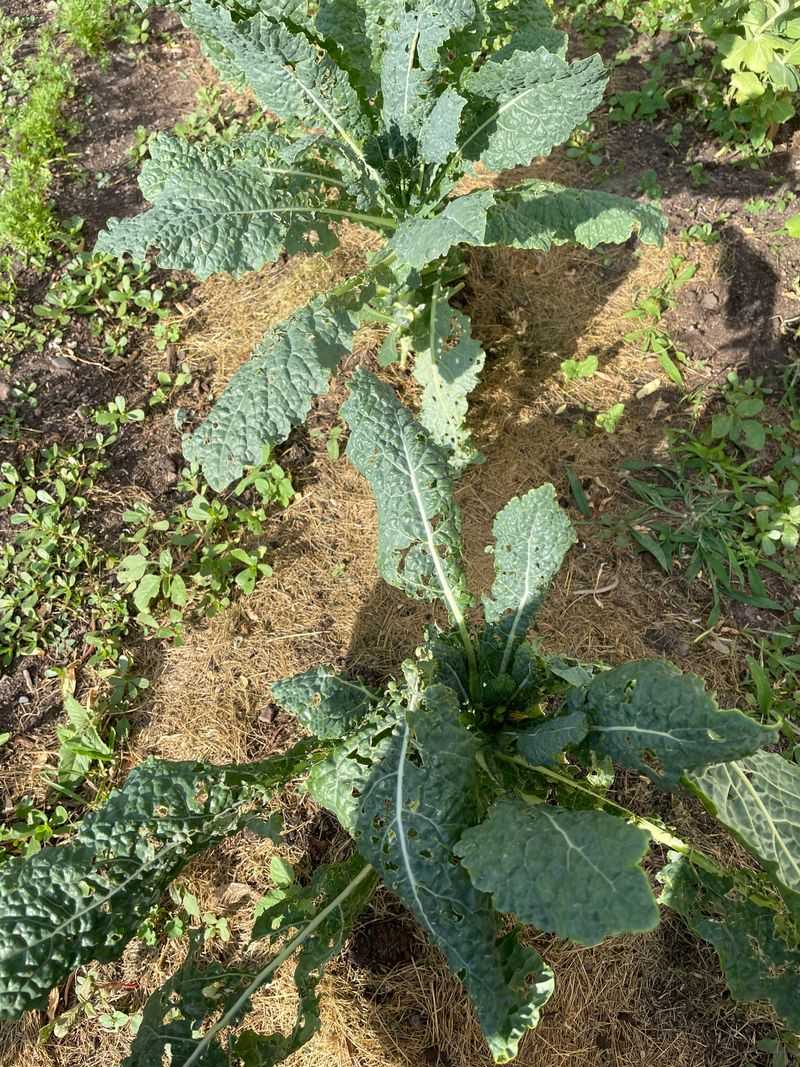
Cooler weather might feel like a break from pests, but in North Carolina that hope often fades fast. The state’s mild fall temperatures keep caterpillars active long after summer ends.
Warm autumn days give moths and butterflies plenty of time to keep laying eggs on your greens. As long as the weather stays gentle, the feeding cycle continues.
NC Cooperative Extension specifically warns gardeners about late season imported cabbageworms, diamondback moths, and cabbage loopers. Fall kale is far from safe just because the calendar changed.
Many people plant kale and other greens for fall harvests, expecting fewer bugs. Instead, they find the same green crawlers showing up again.
These fall pests can be sneaky because gardeners often relax their scouting once summer heat passes. Letting your guard down gives caterpillars an easy opening.
Keep checking leaves through autumn just as carefully as you did earlier in the season. Consistency now protects your cool weather crops.
Fall greens actually taste sweeter after a light frost, which makes protecting them even more worthwhile. A little effort keeps those tender leaves clean.
Row covers, hand picking, and regular inspections all remain useful tools during these months. The methods that worked in summer still do the job in fall.
Stretching your watchfulness across the whole growing season pays off with healthier plants and bigger harvests. Do not let the crisp air fool you.
As long as North Carolina stays mild, treat every fall kale plant as an open invitation these pests are happy to accept.
7. Row Covers Can Keep New Pests Off
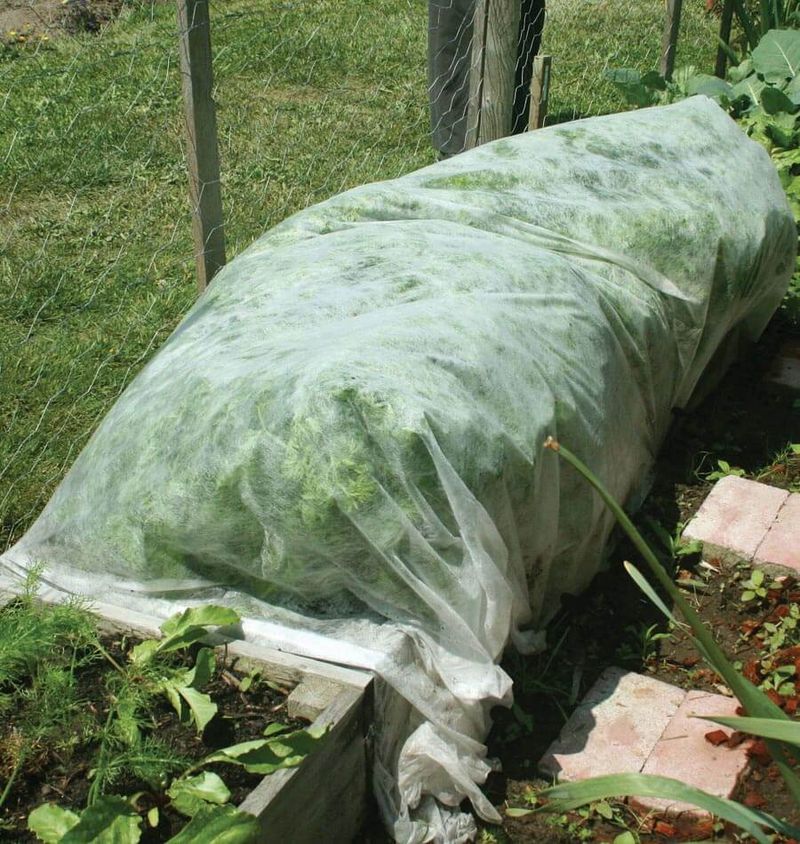
Picture a light, airy blanket resting gently over your kale, letting in sun and rain while shutting out trouble. That is exactly what a floating row cover does.
This lightweight fabric creates a physical barrier that stops moths and butterflies from reaching your plants. If they cannot land, they cannot lay eggs.
No eggs means no new caterpillars hatching to chew your leaves. It is a simple idea that works remarkably well when set up correctly.
The key is installing the cover before pests arrive, so you are not accidentally sealing them inside. Trapping them underneath would defeat the whole purpose.
Start with clean plants that show no signs of caterpillars or eggs, then drape the fabric loosely to give leaves room to grow. Secure the edges firmly with soil, boards, or clips so gaps do not appear.
Row covers also offer bonus protection from harsh weather and some other garden pests. Your kale gets a cozy, shielded space to thrive.
Because the fabric is breathable, air, light, and water still pass through easily. Your plants keep growing without feeling cramped or overheated.
Check underneath now and then to make sure everything stays healthy and no pests slipped in. Quick peeks keep you confident.
For fall and spring plantings especially, this method saves you plenty of hand picking later. Prevention beats cleanup every time.
A well placed row cover turns your garden bed into a protected zone where caterpillars simply cannot get started.
8. Scout Before Reaching For Insecticide
Grabbing a spray bottle the moment you spot a bug feels tempting, but slowing down leads to better results. Smart gardeners scout first and treat second.
Regular scouting means walking your garden, flipping leaves, and identifying exactly which caterpillar you have. Knowing the pest shapes the best plan of action.
NC State recommends scouting and using thresholds, which are simple limits that tell you when treatment is truly worth it. A few caterpillars rarely justify reaching for chemicals.
Spraying too soon or too often can harm the helpful insects that naturally control pests for you. Ladybugs, tiny wasps, and other allies do a lot of quiet work.
Protecting these natural helpers keeps your garden balanced and reduces future outbreaks. Fewer sprays often mean fewer problems down the road.
When numbers stay low, hand picking usually handles the situation without any product at all. It costs nothing and works fast.
If populations climb past a sensible threshold, targeted options like products containing Bacillus thuringiensis can help while sparing many beneficial bugs. Choosing wisely matters.
Always read and follow label directions carefully so you use any product safely and correctly. Guesswork leads to waste and risk.
Keeping a small notebook of what you find each week helps you spot trends and act at the right time. Patterns reveal a lot.
By scouting first, you save money, protect helpful insects, and treat only when it truly counts. Your kale, your wallet, and your garden’s tiny helpers all come out ahead.