The Georgia Foundation Shrub That Needs Less Trimming Than Most Popular Choices
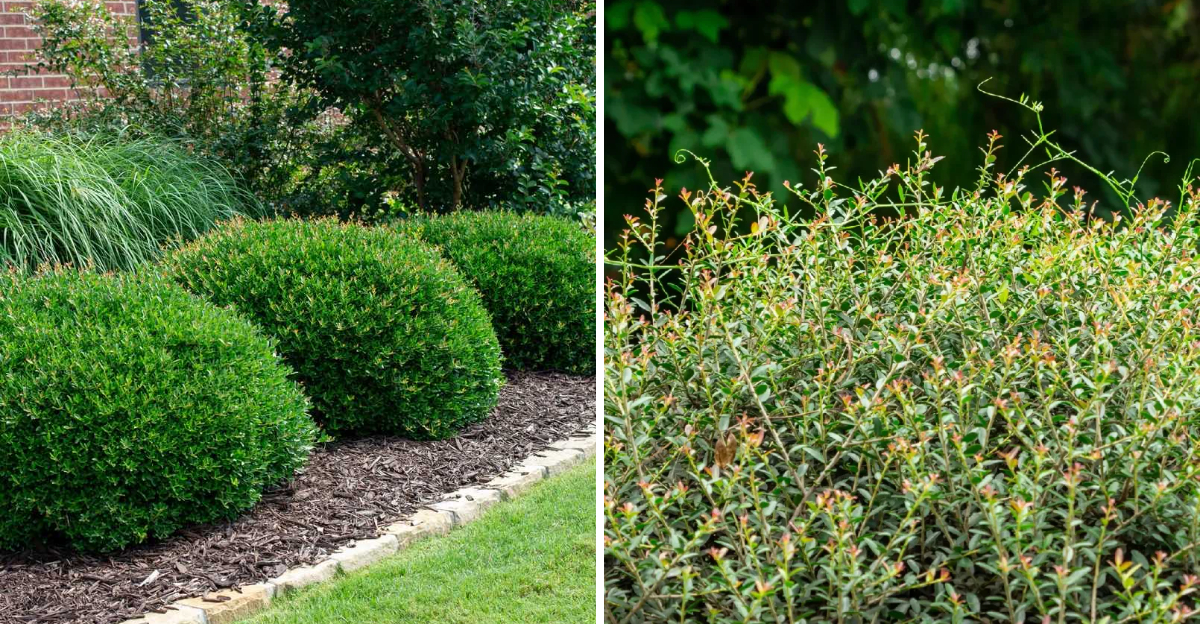
Foundation shrubs that need trimming every few weeks are one of those yard maintenance realities that sneak up on Georgia homeowners fast.
The growing season here is long and generous, which sounds great until your boxwoods are pressing against the porch railing and blocking the living room window by midsummer.
A lot of popular foundation choices grow more vigorously than their nursery tags suggest, and keeping them neat along walkways, windows, and entryways can turn into a surprisingly time-consuming routine.
Compact Dwarf Yaupon Holly, known botanically as Ilex vomitoria ‘Nana’ and similar compact cultivars, offers a genuinely different approach.
Its naturally rounded, slow-growing evergreen form means less frequent shaping and a tidier appearance with less intervention, which is exactly the kind of foundation shrub a busy Georgia homeowner tends to appreciate once they discover it exists.
1. Dwarf Yaupon Holly Offers A Naturally Compact Growth Habit
Foundation plantings around Georgia homes have a way of turning into a trimming chore when the wrong shrubs are chosen for the available space.
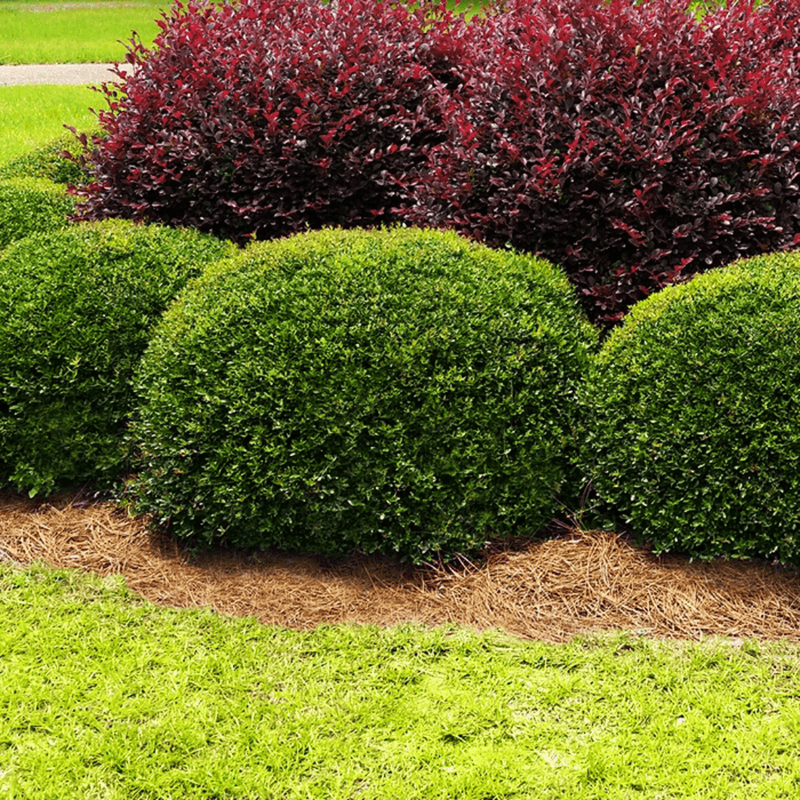
One of the most appealing qualities of compact Dwarf Yaupon Holly cultivars is that they tend to develop a naturally rounded, dense form without requiring constant shearing to maintain their shape.
Compact cultivars like ‘Nana’ typically mature at roughly two to four feet in height and spread, though final dimensions can vary depending on the specific cultivar, soil conditions, and the amount of sunlight the plant receives.
In Georgia’s warm climate, where many shrubs push new growth aggressively through spring and summer, a naturally compact plant can be a practical advantage for foundation beds with limited space.
The key word here is cultivar. Standard Yaupon Holly can grow into a large multi-stemmed tree or tall shrub, so selecting a named compact variety is essential before planting near a foundation.
When the right compact cultivar is chosen and given adequate room to develop, the shrub may express its natural rounded form with relatively little intervention from the homeowner throughout the growing season.
2. Its Rounded Form Can Reduce Frequent Shaping
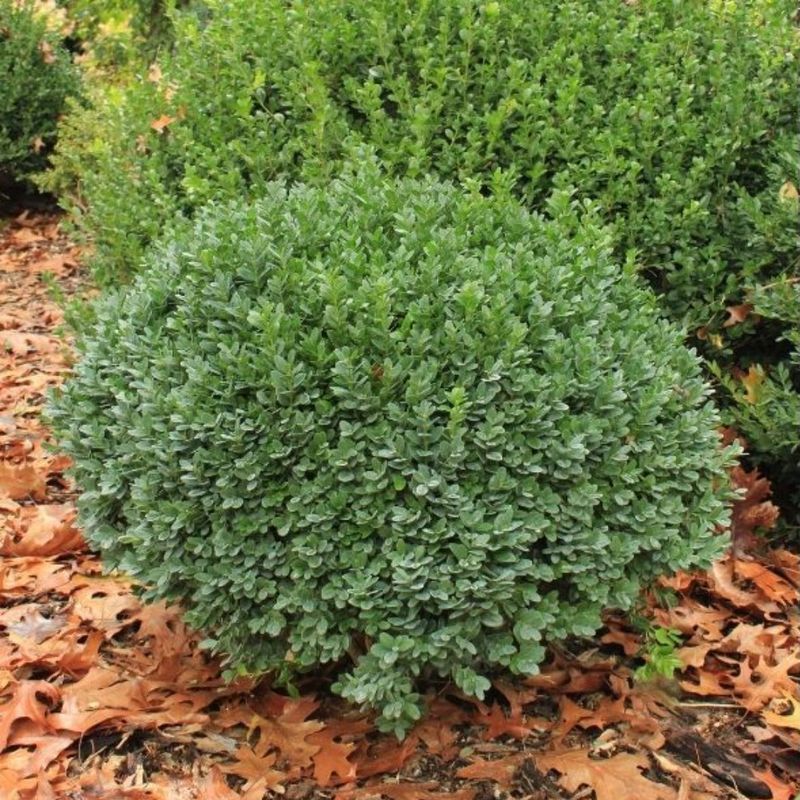
Many foundation shrubs in Georgia end up looking like green cubes or tight balls because they require repeated shearing to stay within their space.
Boxwoods and certain large hollies are common examples of plants that homeowners shear several times each growing season simply to maintain a tidy appearance near entryways and windows.
Compact Dwarf Yaupon Holly tends to develop a naturally rounded outline on its own.
When given enough room to reach its expected mature size without being crowded by structures or neighboring plants, the shrub may hold a neat, rounded silhouette with less frequent shaping than shrubs that routinely push beyond their allotted space.
That said, reduced trimming is not the same as no trimming. Occasional selective pruning may still be useful to remove branches that have grown unevenly, crossed other stems, or extended noticeably beyond the plant’s natural form.
The difference is that selective pruning targets specific branches rather than shearing the entire plant on a rigid schedule.
Your Georgia Garden Changes Every Week. Your Plan Should Too.
Gardening in Georgia changes quickly throughout the season. Every Friday you’ll receive a simple weekly plan showing exactly what to plant, prune, fertilize, harvest, and protect so you never miss the right timing.
For Georgia homeowners who want a tidier foundation bed without spending every weekend with hedge trimmers, the naturally rounded growth habit of a compact Yaupon Holly cultivar may offer a welcome change from more demanding options.
3. Slow Growth Helps Keep Maintenance More Manageable
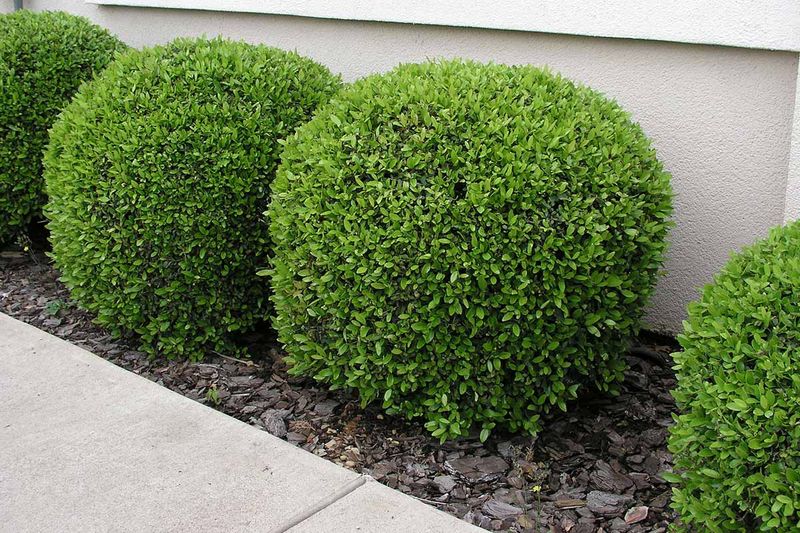
Growth rate plays a significant role in how often a foundation shrub needs trimming.
Shrubs that push several feet of new growth each season may look overgrown within weeks of being shaped, especially during Georgia’s warm and often humid spring months when soil moisture and heat can accelerate plant development considerably.
Compact Dwarf Yaupon Holly cultivars are generally considered slow to moderate growers. Their measured pace of growth means the plant fills its space gradually rather than rushing past its boundaries and crowding nearby structures or plants.
For homeowners managing foundation beds along a Georgia home, slower growth can translate into fewer trimming sessions needed throughout the year to keep the shrub looking neat.
It is worth noting that growth rates can shift depending on soil fertility, irrigation, and sunlight. A plant growing in rich, well-amended soil with regular watering may grow somewhat faster than one in leaner conditions.
Even so, compact Yaupon Holly cultivars tend to stay within a manageable range compared to many other popular foundation shrubs.
Matching the plant’s expected growth rate to the available space from the beginning of the project can make a real difference in how much ongoing maintenance the homeowner faces over time.
4. Evergreen Foliage Provides Year-Round Structure
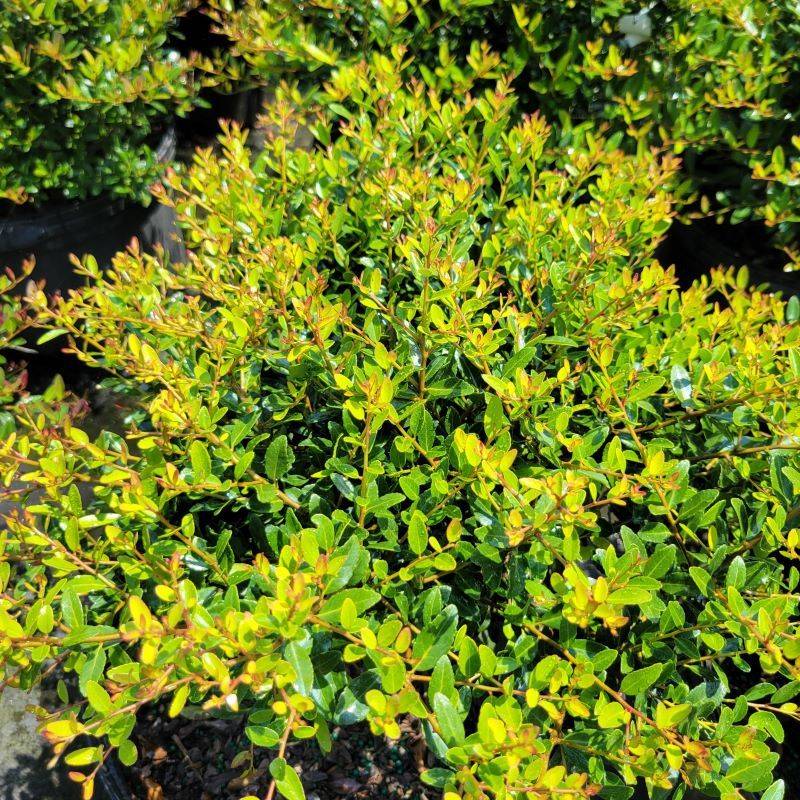
One of the quiet advantages of planting an evergreen shrub along a foundation is that the landscape retains its structure even during the cooler months when deciduous plants have dropped their leaves.
Compact Dwarf Yaupon Holly holds its small, dark green foliage throughout the year, giving the front of a home a polished, finished appearance in every season.
Year-round foliage also means that the shrub continues to define the planting bed visually even when surrounding perennials or seasonal plants have faded.
Along foundations where appearance matters throughout the calendar year, an evergreen shrub can anchor the design and reduce the bare, unfinished look that sometimes appears in winter landscapes.
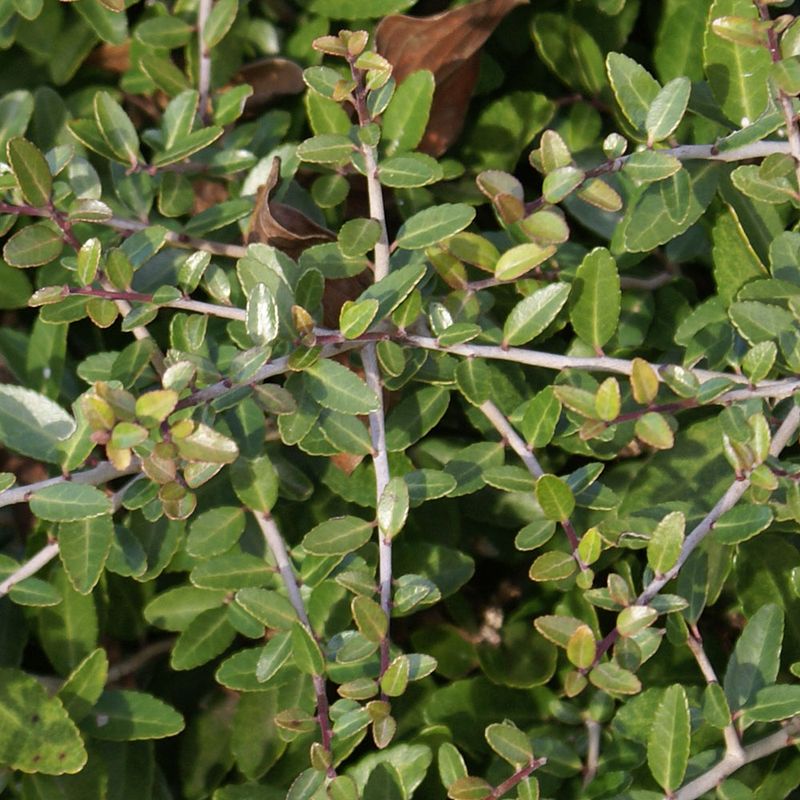
The small leaves of Dwarf Yaupon Holly are another practical feature.
Finer-textured foliage tends to create a smoother, more uniform surface on the shrub’s canopy, which can contribute to a naturally tidy appearance without requiring constant trimming to achieve it.
In Georgia, where mild winters mean the front of a home is visible and used year-round, having a dependable evergreen foundation plant that holds its form across seasons offers real landscape value beyond just summer curb appeal.
5. Compact Cultivars Fit Many Georgia Foundation Plantings
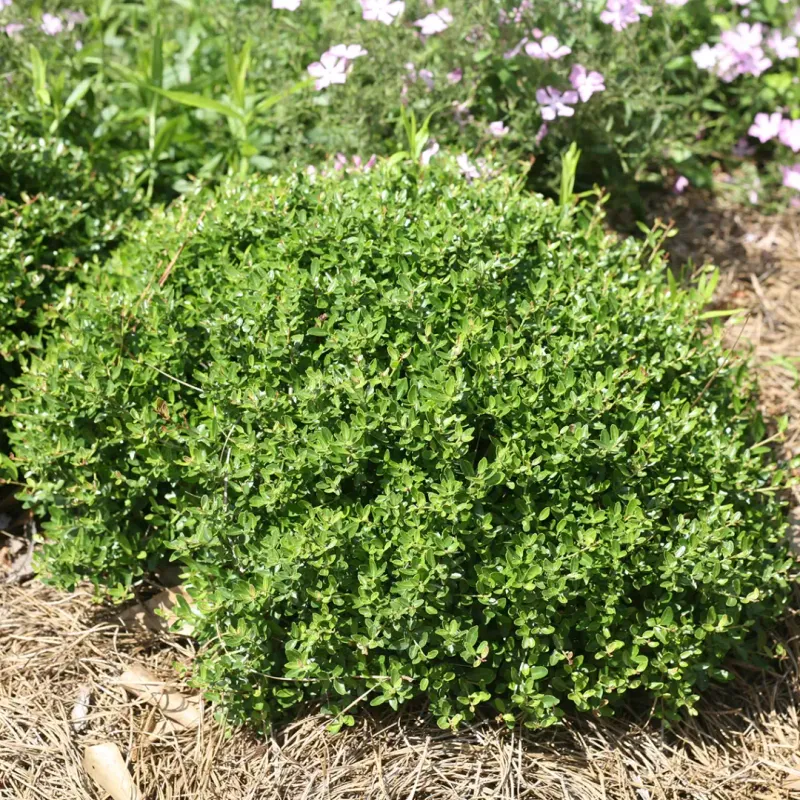
Foundation beds come in many shapes and sizes, from narrow strips along a ranch-style home to wider beds beneath elevated porches or along sprawling front facades.
Choosing a shrub whose mature size fits the available space is one of the most practical decisions a homeowner can make before planting.
Compact cultivars of Dwarf Yaupon Holly, such as ‘Nana,’ typically mature at a size that suits many standard Georgia foundation plantings.
A mature spread of roughly two to four feet means the shrub can fit comfortably in moderate-width beds without pressing against the home’s siding or crowding adjacent plants.
That said, cultivar names and labeled sizes can sometimes vary between nurseries, so confirming the expected mature dimensions of a specific plant before purchase is always a sensible step.
Wider foundation beds may accommodate slightly larger compact holly cultivars, while narrow beds benefit most from the smallest available selections.
Spacing plants according to their expected mature spread rather than their current container size allows each shrub to develop its natural form without competition.
In Georgia’s growing conditions, giving compact Yaupon Holly enough room from the start can significantly reduce the need for corrective pruning as the plants mature over the following years.
6. Proper Spacing Can Further Limit The Need For Trimming
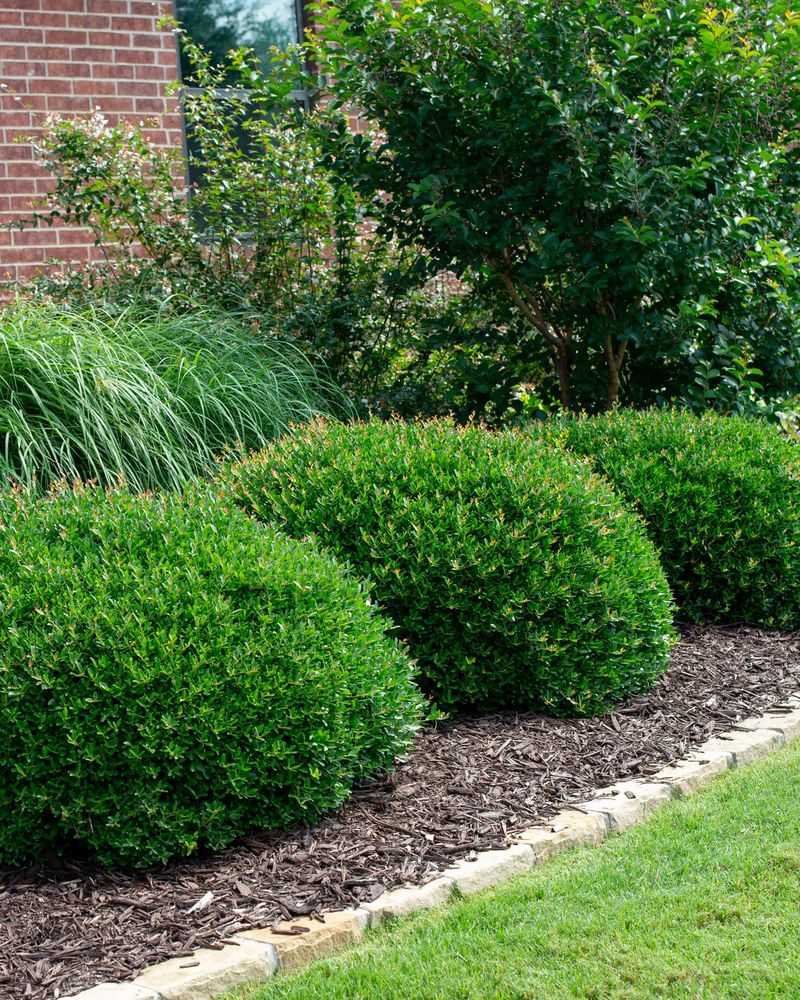
Crowded foundation beds are one of the most common reasons homeowners end up trimming their shrubs more often than they planned.
When plants are placed too close together or too near a wall, they quickly run out of room and begin pressing against each other or the structure behind them, forcing the homeowner to shear them back regularly just to keep the space functional.
Spacing compact Dwarf Yaupon Holly according to its expected mature spread gives each plant room to develop its naturally rounded form.
A general guideline is to center plants at a distance roughly equal to their expected mature width, though site conditions, design goals, and the specific cultivar’s dimensions should all factor into the final decision.
Planting too close to a foundation wall can restrict airflow around the shrub and may encourage moisture-related issues, so leaving reasonable clearance between the plant and the structure is a practical step.
In Georgia, where warm temperatures and occasional summer humidity can influence how plants fill their spaces, giving shrubs adequate room from the beginning often pays off over time.
Properly spaced compact Yaupon Holly plants may need only occasional selective pruning to address individual branches rather than full-plant shearing sessions repeated throughout the growing season.
7. Established Plants Can Handle Heat And Periodic Dry Conditions
Summers in this region can be demanding on landscape plants.
Extended stretches of heat combined with periods of reduced rainfall put stress on shrubs that have not yet developed strong root systems, and even well-adapted plants may show signs of stress if they are still getting established when dry conditions arrive.
Once Compact Dwarf Yaupon Holly has had time to establish its root system, typically after one to two growing seasons with consistent care, the plant tends to show useful tolerance of summer heat and occasional dry spells.
This adaptability is one reason the species has a long history of use across Georgia and the broader Southeast, where summer conditions can be tough on less resilient foundation plants.
Newly planted shrubs, however, should not be left without supplemental water during dry periods. Consistent watering during the first growing season helps roots develop into the surrounding soil, which is what allows the plant to handle drier conditions later on.
The frequency and amount of water needed will vary depending on rainfall patterns, soil type, drainage, and the time of year.
Monitoring soil moisture rather than following a rigid watering schedule is a more practical approach for most homeowners managing new foundation plantings in Georgia’s variable climate.
8. Simple Pruning Can Help Maintain A Neat Appearance
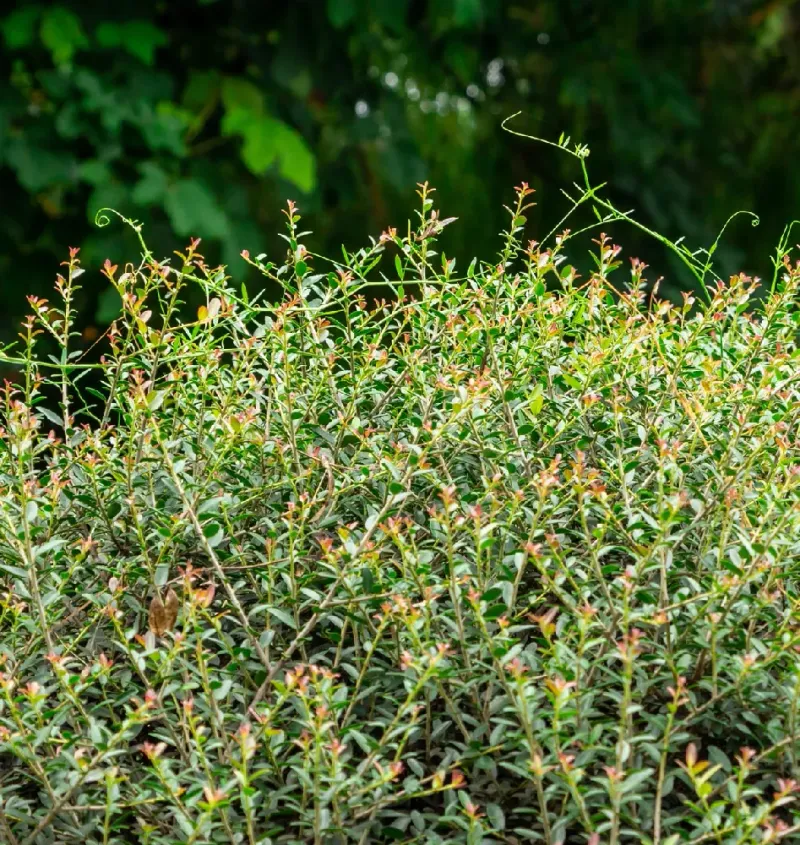
Reduced trimming needs do not mean a compact Dwarf Yaupon Holly will never benefit from any pruning at all. Over time, individual branches may grow unevenly, cross through the center of the plant, or extend noticeably beyond the shrub’s natural outline.
Addressing these with selective hand pruning can refresh the plant’s appearance without disrupting its overall rounded form.
Selective pruning involves cutting specific branches back to a natural junction or removing them entirely, rather than running hedge trimmers across the entire surface of the plant.
This approach tends to preserve the shrub’s natural texture and shape better than repeated shearing, which can create a dense outer shell of foliage while the interior of the plant becomes less vigorous over time.
In Georgia, late winter or early spring before new growth begins is often a practical time for light pruning on compact Yaupon Holly. Avoiding heavy pruning during the hottest parts of summer can help reduce stress on the plant during periods when heat is already a factor.
Light touch-up pruning to address specific branches, rather than a full shearing session, aligns well with the shrub’s naturally compact growth habit and can help maintain a tidy foundation bed with less overall effort throughout the year.
9. The Right Cultivar Makes A Significant Difference
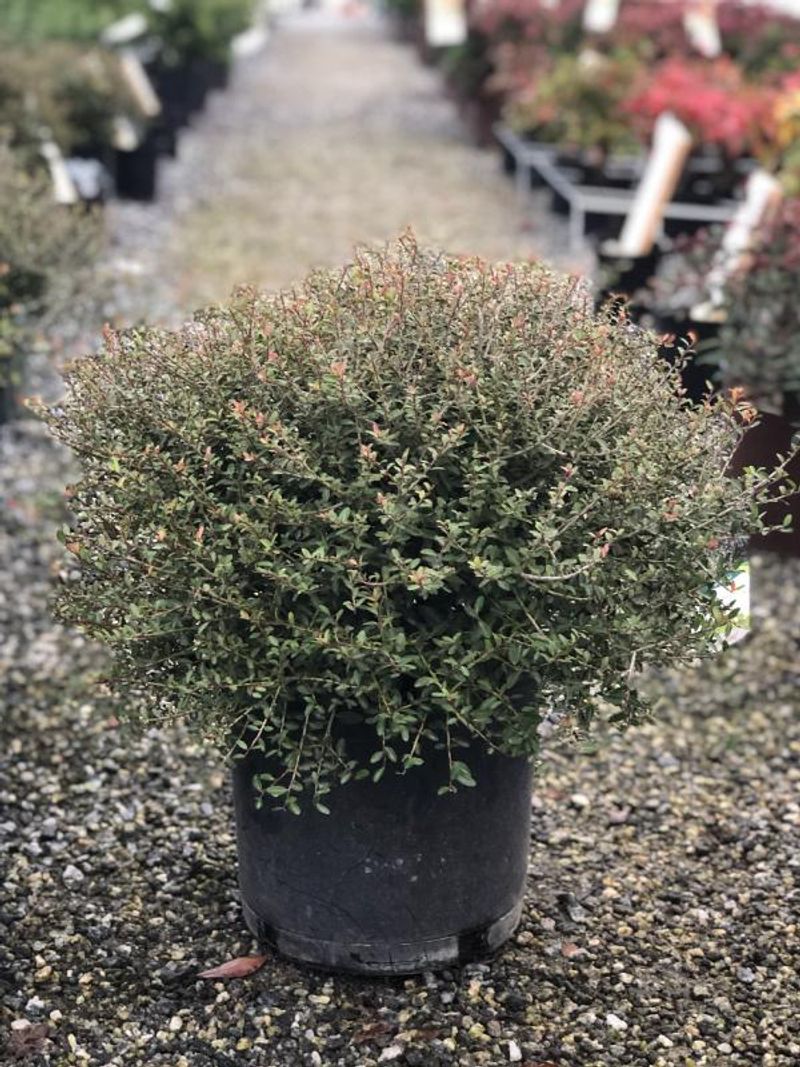
Browsing the holly section at a nursery can quickly become confusing. Yaupon Holly is available in a wide range of cultivars, from large upright forms that can reach fifteen feet or more to small mounding types that stay under three feet at maturity.
Selecting a named compact cultivar rather than an unlabeled or standard-sized plant is one of the most important steps a homeowner can take before adding any Yaupon Holly to a foundation bed.
Cultivars commonly labeled as dwarf or compact, such as ‘Nana,’ are bred or selected specifically for their smaller, more restrained growth habit.
Even within compact selections, mature sizes can vary, so reading the plant tag carefully and confirming the expected height and spread with nursery staff helps ensure the right fit for the available space.
A shrub that is genuinely suited to its location from the beginning will naturally require less corrective pruning as it matures.
Not every compact Yaupon Holly cultivar will perform identically in every Georgia landscape. Sunlight levels, soil drainage, and site exposure can all influence how a plant develops.
Choosing a cultivar with a documented track record in Georgia’s climate and confirming it suits the specific conditions of the planting site gives the best chance of a lower-maintenance, long-lasting foundation planting.