Skip Rock Mulch Around North Carolina Foundation Plants And Use These Cooler Native Plants Instead
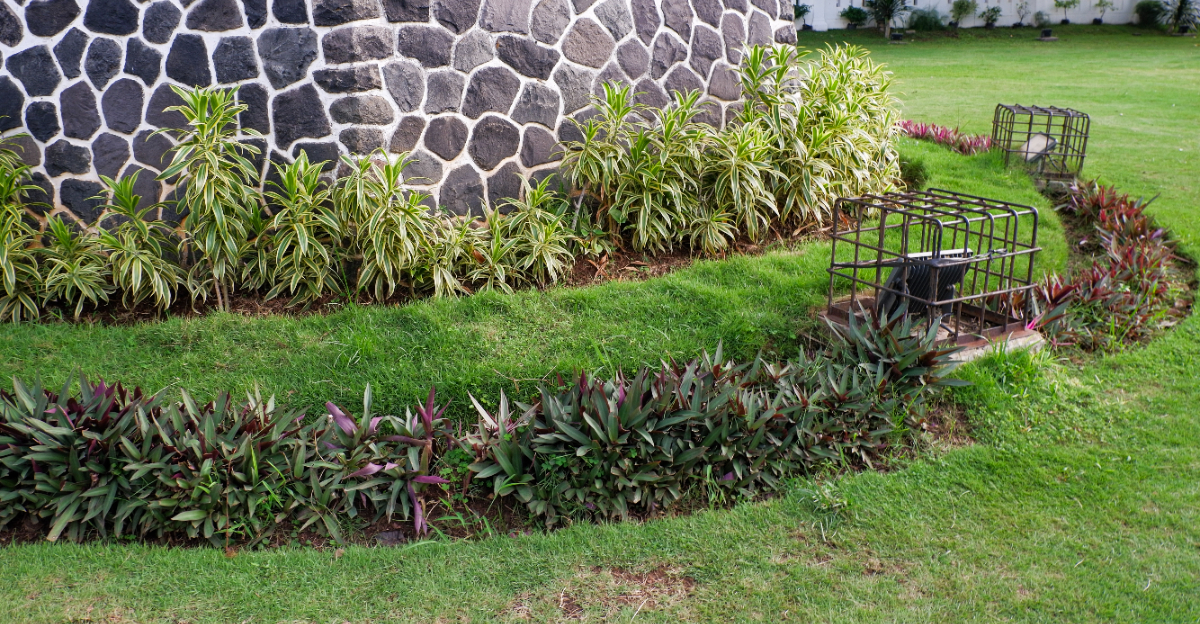
Rock mulch might look tidy, but it traps and radiates heat directly onto foundation plants, creating unnecessary stress during North Carolina’s already hot summers.
This added heat can stress roots, dry out soil faster, and make plants far more vulnerable to pest problems.
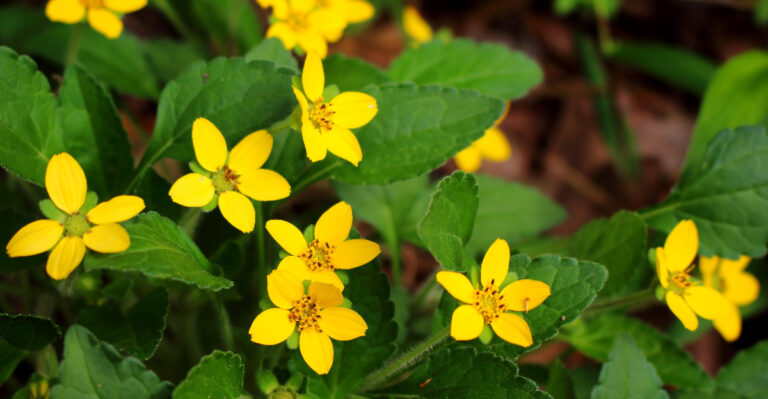
Native groundcovers like green and gold or wild ginger offer a cooler, more breathable alternative that actually improves soil health over time.
These plants also require far less maintenance once established, unlike rock beds that trap weeds and debris.
Native options support local pollinators too, adding ecological value that rock mulch simply cannot provide.
Switching to organic mulch or native groundcovers helps regulate soil temperature more effectively throughout the season.
Foundation plants surrounded by these alternatives tend to show fewer signs of heat stress overall. A simple swap now can make a noticeable difference by late summer.
1. Replace The Wide Rock Bed With A Native Living Ground Layer
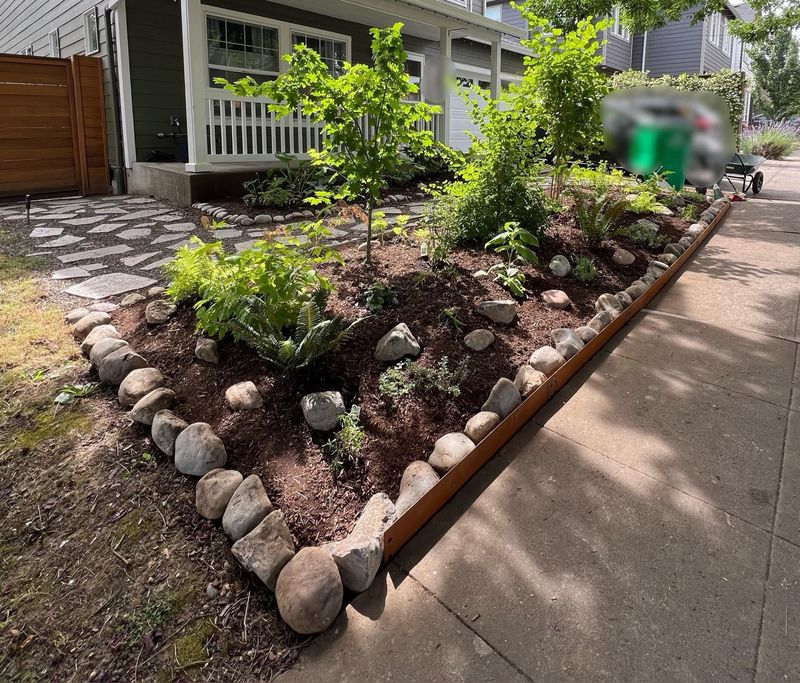
Rock might seem like a low-maintenance solution, but a wide decorative stone bed around your foundation plants creates a surprisingly harsh environment.
Stone absorbs solar energy throughout the day and then radiates that stored heat back upward toward plant roots, lower leaves, and your home’s wall.
On a hot North Carolina afternoon, the surface temperature of exposed rock can climb significantly higher than surrounding lawn areas, and that extra heat gets pushed directly into the spaces where shallow roots are trying to stay cool.
Living plants work in the opposite direction. Sedge blades and broad perennial leaves shade the soil beneath them, blocking sunlight before it ever hits the ground.
Foliage also releases moisture into the surrounding air as part of normal plant function, which contributes to a noticeably cooler microclimate around your foundation planting throughout the warmest months.
A layered native combination of spreading sedge, green and gold, and American alumroot gives you that living, cooling ground layer without adding height or bulk beside your house.
These three plants stay low, look attractive across multiple seasons, and support local insects at the same time.
Every planting should still be matched carefully to your specific site conditions, including sunlight levels, soil moisture, drainage quality, and the available space between your foundation and any walkways or lawn areas nearby.
Taking time to assess those details before planting makes the difference between a groundcover that thrives and one that struggles to fill in over the first couple of seasons.
2. Keep A Clear Inspection Strip Beside The Foundation
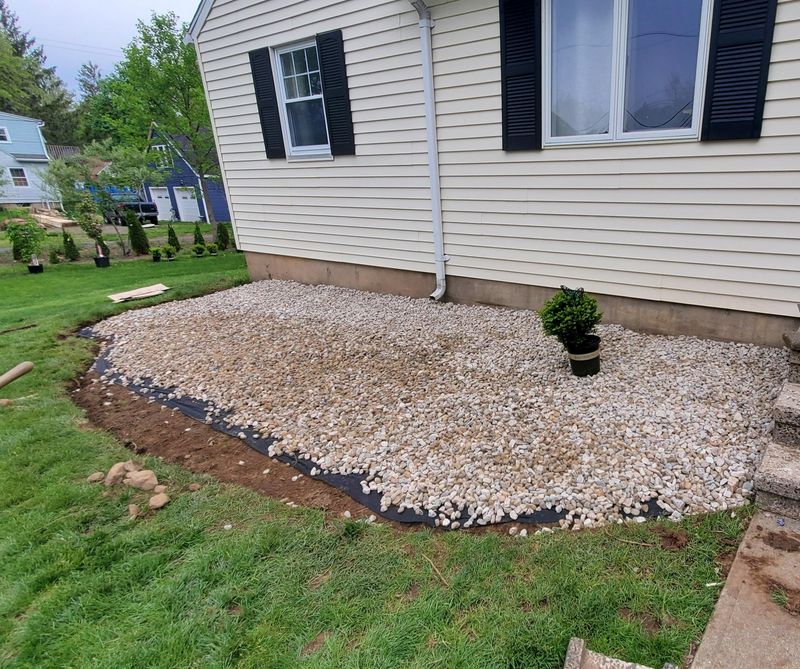
One of the most overlooked rules in foundation planting is also one of the most practical: never let groundcover, mulch, or soil touch your home’s foundation wall.
Moisture held against siding, wood framing, vents, or crawlspace openings creates conditions that invite wood rot, pest entry, and structural problems over time.
Keeping a clear buffer between your plantings and the wall is not just a design preference, it is a maintenance and protection strategy that every North Carolina homeowner should follow.
A minimum of 12 inches of open space between any groundcover or mulch and your foundation keeps the wall visible and accessible.
Your North Carolina Garden Changes Every Week. Your Plan Should Too.
Gardening in North Carolina changes quickly throughout the season. Every Friday you’ll receive a simple weekly plan showing exactly what to plant, prune, fertilize, harvest, and protect so you never miss the right timing.
You want to be able to walk that perimeter and actually see the base of your siding, check for cracks, confirm that vents are clear, and spot any early signs of moisture intrusion.
That 12-inch strip is your inspection lane, and it earns its place every season.
Filling that narrow zone with a thin layer of pea gravel or small river rock is a reasonable approach because it supports drainage and airflow without filling your entire planting bed with heat-absorbing stone.
The key difference is keeping the rock confined to that inspection strip rather than spreading it across the full bed.
Siding should remain visibly above the soil line at all times, and you should avoid piling new topsoil or compost against the wall when refreshing your planting beds each spring.
A clean foundation edge protects the house while still allowing your native groundcovers to thrive just a step away.
3. Use Spreading Sedge As The Main Living Mulch
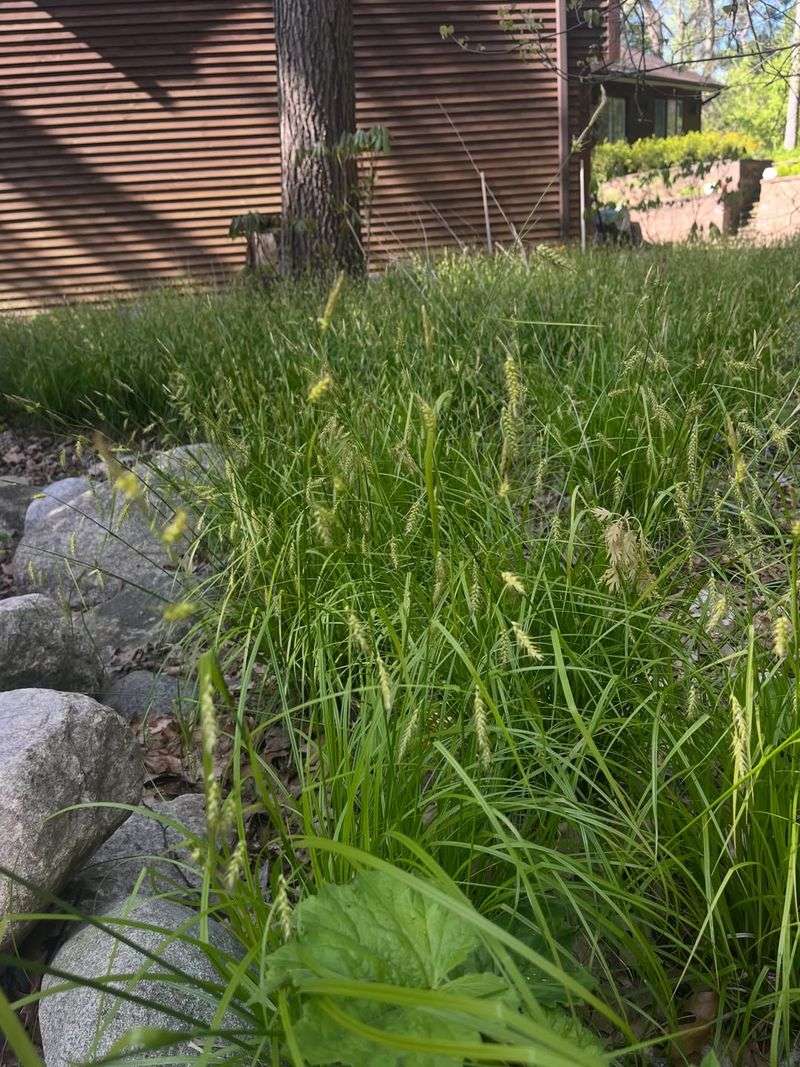
Spreading sedge, known botanically as Carex laxiculmis, is one of the most reliable native groundcover plants available for North Carolina foundation beds.
It grows naturally in woodland understories across the region, which means it already knows how to handle the filtered light, occasional dry spells, and variable moisture levels that come with a typical shaded foundation planting.
That built-in adaptability makes it far more forgiving than many ornamental alternatives.
What makes this sedge particularly useful as a living mulch is the way grouped clumps spread gradually to cover exposed soil without ever growing tall enough to block windows, crowd shrubs, or press against your siding.
The soft, arching blades create a textured green layer that looks attractive even in winter, and the plant handles deeper shade better than most flowering groundcovers.
Once established, it tolerates dry shade reasonably well, which is genuinely useful beneath roof overhangs where rainfall rarely reaches the soil directly.
Getting spreading sedge established successfully takes some patience and consistent watering during the first growing season.
Roots need regular moisture while they expand into new soil, and plants placed in organic-rich, well-draining soil will fill in noticeably faster than those planted in compacted or sandy ground.
Amending your foundation bed with compost before planting gives the sedge a real head start.
Occasional wet periods are tolerated without much trouble, making this plant a solid choice for North Carolina beds that experience both summer dry spells and heavy rain events throughout the year.
4. Add Green And Gold For Low Evergreen Coverage
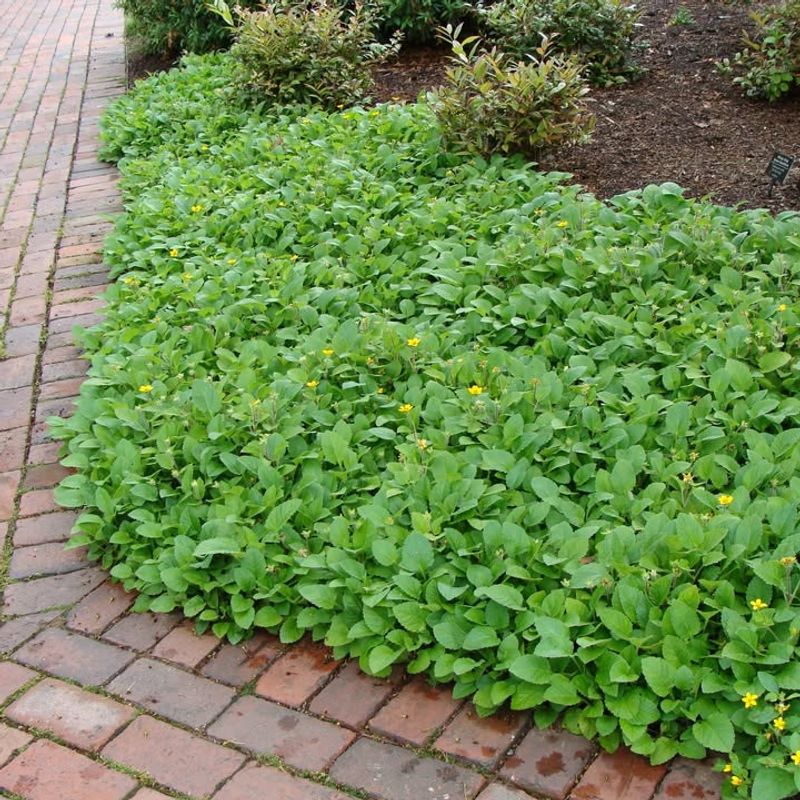
Green and gold, Chrysogonum virginianum, brings something special to a native foundation planting: bright yellow flowers that appear in spring and a spreading habit that fills gaps between sedge clumps without ever crowding them out.
This cheerful little plant is native to the eastern United States and grows naturally in woodland edges and shaded slopes across North Carolina, so it fits right into a foundation bed with partial or full shade.
The foliage stays evergreen or nearly evergreen through most North Carolina winters, giving your planting bed a tidy, finished appearance even when little else is growing.
Bees and other small pollinators are drawn to the yellow flowers, adding a layer of ecological value that a rock mulch bed simply cannot offer.
Plants spread at a moderate pace by short runners, gradually weaving between neighboring sedge clumps and creating a connected, textured ground layer that looks intentional rather than patchy.
Green and gold performs best in partial shade or full shade with average to moist, well-drained soil.
Consistent moisture during establishment is important, and the plant appreciates soil that drains reasonably well between rain events rather than staying soggy for extended periods.
Placing it in hot, direct full sun is not recommended unless the soil stays reliably moist throughout summer, which is rarely the case on the sunny south or west side of a North Carolina home.
Stick with shadier foundation exposures for this one, and it will reward you with steady coverage and reliable seasonal color year after year.
5. Add American Alumroot Along Drier Edges
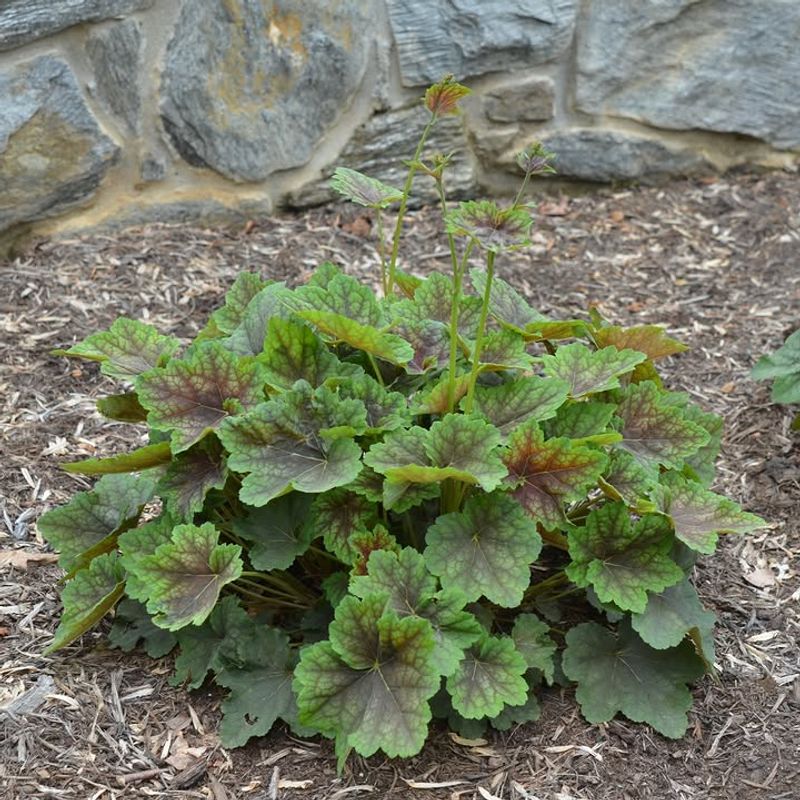
American alumroot, Heuchera americana, earns its place in a native foundation planting by doing something the other two plants cannot do as well.
It adds bold, broad-textured foliage and tall, airy flower stalks that lift the visual interest of the planting without adding bulk.
Native to North Carolina and much of the eastern United States, this perennial has been growing in rocky woodland slopes and shaded ledges long before it found its way into garden centers.
That heritage shows in how well it handles real-world garden conditions. One of alumroot’s most practical qualities is its drought tolerance once the plant has established a strong root system.
That makes it a smart choice for the drier edges of a foundation bed, particularly in spots beneath roof overhangs where rainfall rarely reaches the soil.
It still needs consistent watering during its first growing season, but after that, established clumps handle dry stretches with far more resilience than most ornamental perennials of similar size. Partial shade and well-drained soil suit American alumroot best.
It works beautifully along border fronts, in narrow side-yard beds, and in grouped arrangements where its leaf texture creates contrast against the finer blades of spreading sedge nearby.
One detail worth remembering is that the crown of the plant should sit at or slightly above the soil surface rather than buried beneath heavy mulch.
Keeping airflow around the base of each plant helps maintain healthy foliage and reduces the chance of crown rot during humid North Carolina summers.
6. Living Foliage Helps Moderate Summer Soil Temperatures
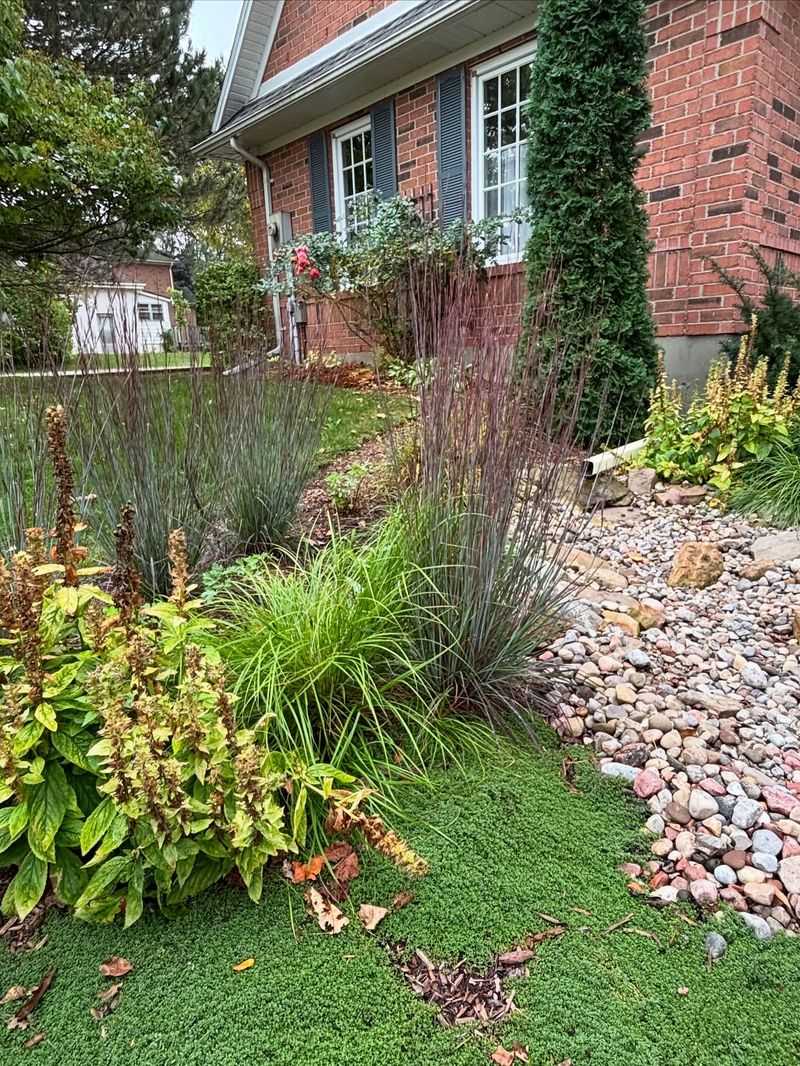
Picture a bare rock surface sitting in the sun on a July afternoon in North Carolina.
That stone is absorbing solar radiation all day long and pushing heat back upward toward your foundation shrubs, the base of your siding, and the shallow roots of every plant nearby.
The effect is not dramatic in a single hour, but across weeks of summer heat, that radiated warmth adds real stress to plants that would otherwise be perfectly comfortable in the same spot.
Sedge blades and broad perennial leaves intercept sunlight before it ever touches the soil.
The shade cast by a connected layer of groundcover foliage keeps the ground beneath it noticeably cooler than exposed stone or bare soil, and that difference matters most during the hottest part of the afternoon.
Foliage also releases moisture through a natural process that contributes to a slightly cooler, more humid microclimate immediately around the planting, which benefits both the groundcovers themselves and any foundation shrubs growing nearby.
The actual cooling effect varies depending on how much direct sun the bed receives, the color and density of the rock previously in place, soil moisture levels, plant density, wind exposure, and which side of the house the bed sits on.
No single number fits every situation, so the goal is simply to replace a heat-storing surface with a living, shading, moisture-releasing one.
That shift in how the bed functions during summer is the core reason native groundcovers outperform decorative rock as a long-term foundation planting strategy in North Carolina’s warm climate.
7. Use Organic Mulch Only While The Plants Fill In
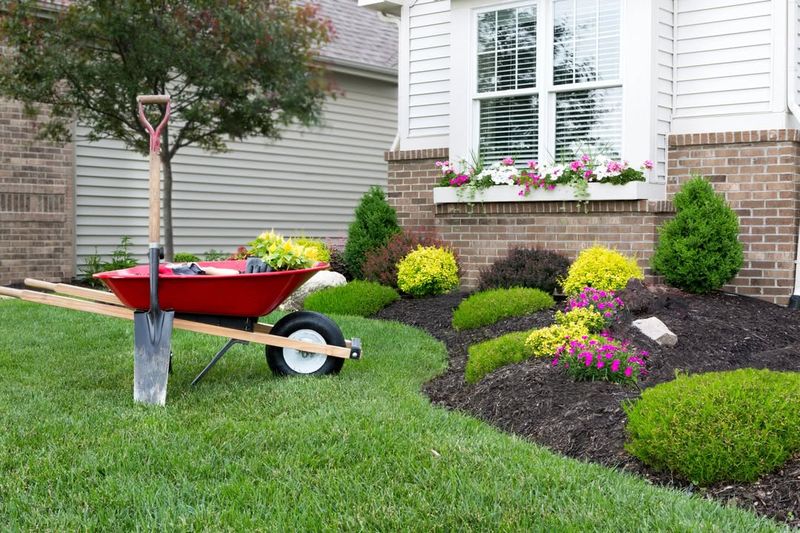
Freshly planted native groundcovers leave a lot of bare soil exposed during their first growing season, and that open soil needs protection while roots are getting established.
A light layer of organic mulch like pine straw or shredded leaves serves as an effective temporary cover for soil moisture and temperature control. It also reduces weed pressure while your sedge and green and gold establish and fill in.
Think of it as a helpful placeholder rather than a permanent feature. Organic mulch has a real advantage over rock in this role because it breaks down gradually and adds organic matter back into the soil.
That slow decomposition improves soil structure over time, which benefits root development for all the plants in the bed.
Shredded hardwood mulch, pine straw, and composted leaves are all good options for North Carolina foundation beds, and each one contributes something useful as it breaks down through the season.
A few placement rules matter a lot here. Keep mulch pulled back from plant crowns, stems, and the base of any foundation shrubs to allow airflow and prevent moisture buildup against soft tissue.
Maintain that 12-inch inspection strip beside the foundation completely clear of mulch and groundcover at all times.
As your spreading sedge and green and gold expand and cover more of the soil over the second and third growing seasons, you can apply progressively thinner mulch layers until the plants themselves are doing the full job of protecting and shading the soil on their own.
8. Match The Planting To Each Side Of The House
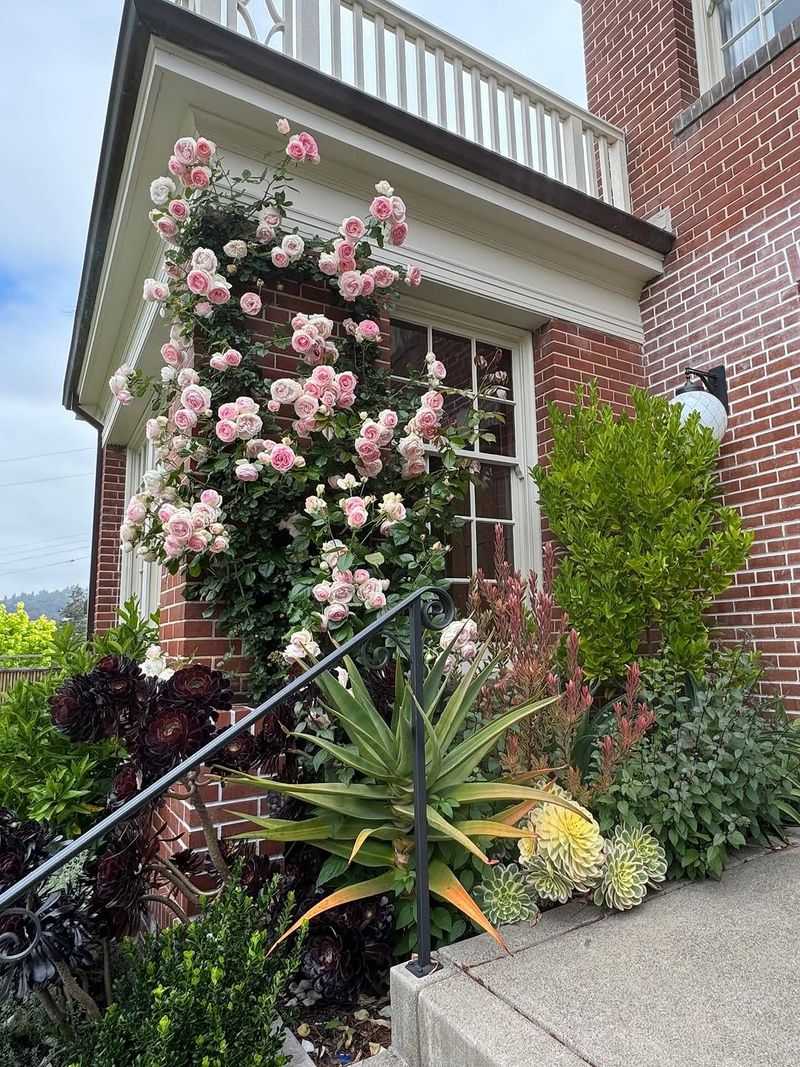
Every side of your house is a different growing environment, and what thrives on the shaded north foundation can struggle badly on the sunny south wall.
Before you order plants or start digging, spend a full summer day walking around your home and observing where the sun falls, how long it stays, where roof runoff lands, and where the soil stays dry even after a good rain.
That hour of observation saves months of replanting frustration.
Spreading sedge, green and gold, and American alumroot are an excellent starting combination for foundation beds that receive partial shade or bright filtered shade with reasonably well-drained soil.
Those conditions are common on north and east-facing foundation walls across much of North Carolina, and all three plants will establish and spread reliably given consistent care in the first year.
Deeply shaded, consistently damp areas and hot, dry, sunny walls each require a different set of native selections suited to those specific extremes. Practical details matter just as much as plant selection.
Note where your air conditioning unit blows warm exhaust, where utility meters or access panels require regular clearance, and how wide your mature plants will grow before they reach walkways, steps, or lawn edges.
Choose plants that stay genuinely low so they never block foundation vents, obscure windows, or make future home maintenance more difficult than it needs to be.
A visible, accessible foundation strip combined with thoughtfully chosen native groundcovers gives you a planting that looks great, supports local ecology, and keeps your home easy to inspect and maintain for years ahead.