What It Means When A Black Snake Shows Up On Your North Carolina Porch After Rain
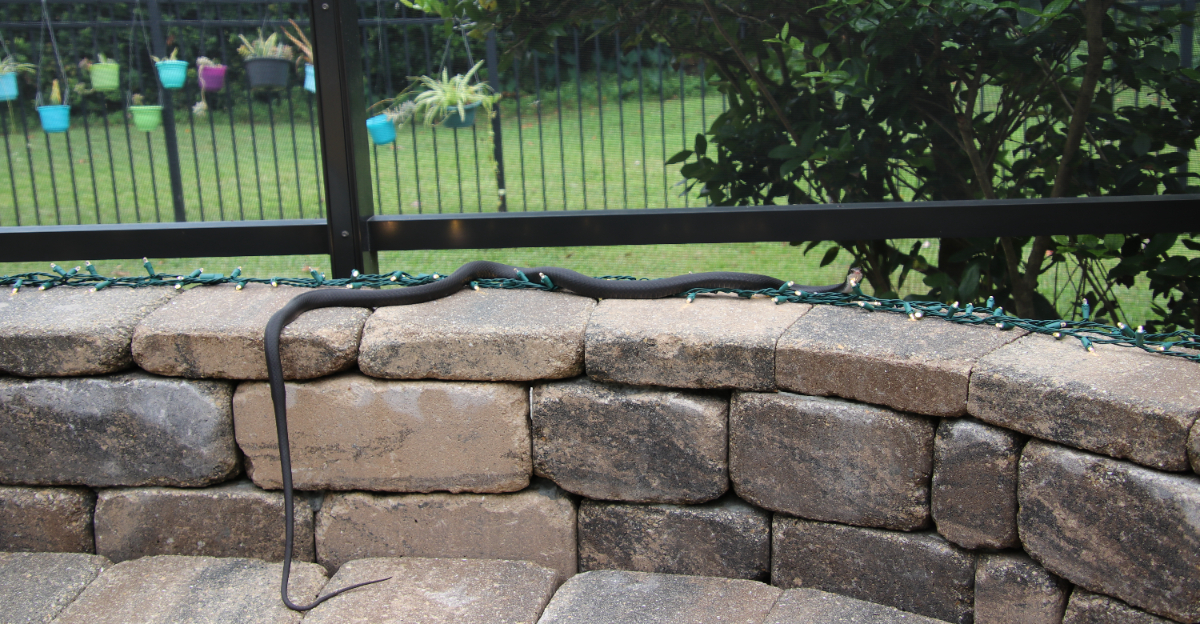
A black snake appearing on the porch right after a rainstorm tends to startle even experienced North Carolina homeowners, especially when it seems to come from nowhere.
Most people assume the worst, unsure whether this visitor signals a problem worth worrying about.
But there’s a clear, practical reason these snakes show up in this exact spot during this specific kind of weather. Understanding what’s actually drawing them there changes how you might react the next time you spot one curled up near your door.
Some homeowners are surprised to learn their porch is functioning as exactly the kind of spot these snakes are naturally drawn to after rain. Once you know the real explanation, that unexpected visitor starts to make a lot more sense.
Their presence might actually be telling you something helpful about what’s happening around your home.
1. The Rain May Have Pushed It Out
Picture a snake tucked deep inside a burrow or hiding under a pile of logs when a downpour rolls in. As water fills those low spaces, the ground turns soggy and uncomfortable, and the snake has little choice but to move.
Heavy rain in North Carolina can flood the tunnels, brush piles, and leaf litter where snakes like to rest. When their favorite hideouts fill with water, they head toward higher and drier land.
Your porch often sits above the soaked yard, which makes it an easy target for a soggy snake looking for relief.
Spring and summer storms bring this kind of movement more often. The heaviest rains push not only snakes but also insects and small critters onto raised surfaces.
A porch, a driveway, or a set of steps can suddenly feel like the safest place around.
Gardeners notice these visits most after a long, steady rain rather than a quick sprinkle. The longer the ground stays flooded, the more likely you are to spot a snake stretched out where the surface feels dry.
If you find one, remember it did not come for you. It simply followed the pull toward drier ground.
Give it room, watch from a distance, and it will usually move along once the yard drains and the sun returns.
Understanding this simple pattern takes away a lot of the surprise. Weather, not bad luck, brought your scaly guest up onto the boards.
2. Your Porch Offers Dry Shelter
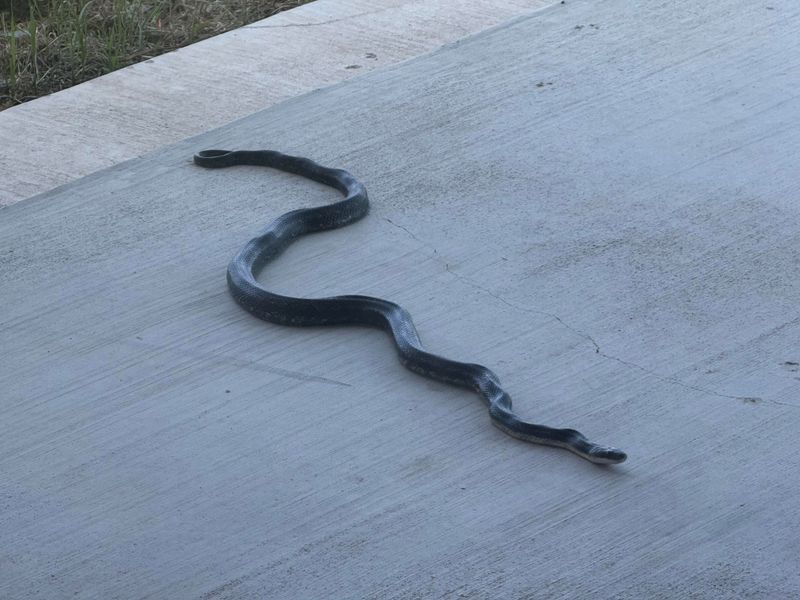
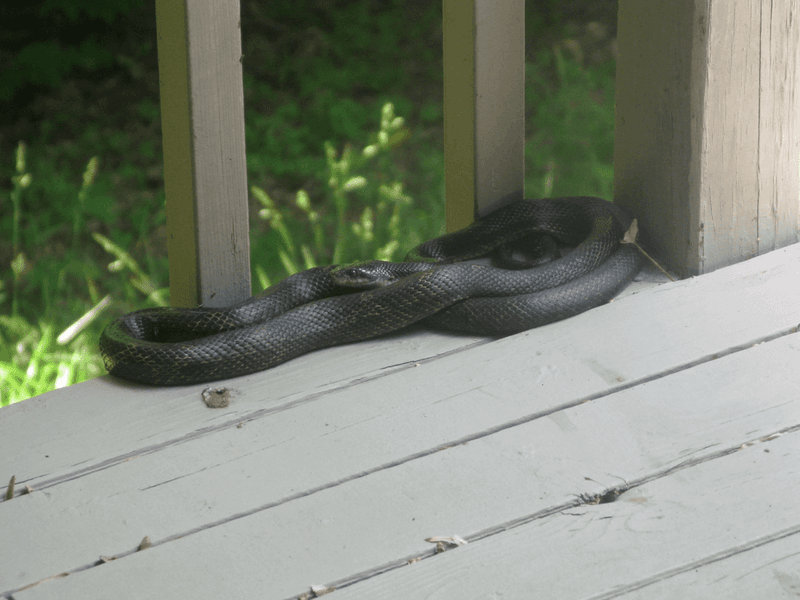
Think about how nice it feels to step under a roof during a storm. Snakes crave that same comfort, and a covered porch gives them a rare dry spot when everything else drips.
Cold-blooded animals depend on their surroundings to feel just right. When the yard turns into a swamp of puddles and mud, a shaded porch stays warm and dry underneath the roof.
That combination makes it a cozy landing spot for a snake escaping the wet grass.
Porches often hold onto a little warmth from the day, especially concrete or wooden floors. A snake looking to rest and dry off will happily settle into a quiet corner, behind a planter, or beneath a welcome mat where it feels hidden and safe.
Your North Carolina Garden Changes Every Week. Your Plan Should Too.
Gardening in North Carolina changes quickly throughout the season. Every Friday you’ll receive a simple weekly plan showing exactly what to plant, prune, fertilize, harvest, and protect so you never miss the right timing.
These visits tend to be short. Once the rain stops and the yard begins to dry, the snake usually leaves on its own to return to its normal hunting grounds. It sees your porch as a temporary rest stop, not a permanent home.
You can make your porch less inviting by sweeping away leaf piles, moving stacked items, and keeping corners open and tidy. Snakes love clutter because it feels like cover, so a clean space feels far less welcoming.
If you spot one relaxing near your door, resist the urge to poke or shoo it aggressively. Open a clear path, wait patiently, and let it find its way back outside when the weather clears and the ground firms up again.
3. It May Be Following Rodents
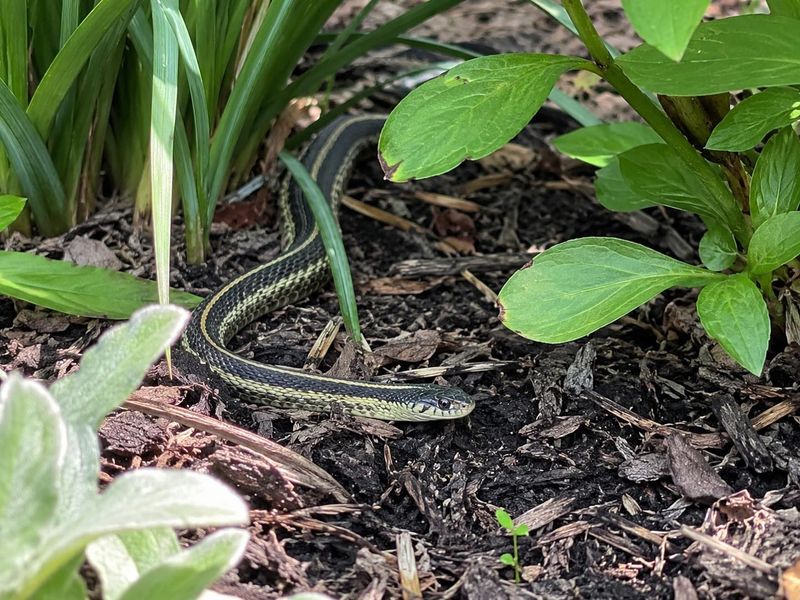
Snakes have a great sense of smell, and a home full of mice sends out an open invitation. If rodents have moved in around your porch, a hungry snake may follow their trail right to your door.
Mice, voles, and other small animals love the shelter that houses provide. They nest in walls, under decks, in garages, and inside stacked firewood.
Wherever these critters gather, snakes are not far behind, since rodents make up a big part of their menu.
Rat snakes especially earn their name by hunting these pests. A black snake near your porch might actually be doing you a favor by trimming down the mouse population that raids your garden or pantry.
In that sense, it works as a natural helper for many gardeners. Rain can add to the mix by pushing rodents out of flooded burrows and toward your home, and the snake simply follows the same path.
Where the food goes, the hunter tends to follow close behind. To lower the odds of these visits, focus on the rodents first. Seal gaps around your foundation, store pet food in sealed containers, and keep bird seed cleaned up off the ground.
Fewer mice means fewer reasons for a snake to hang around. Trimming tall grass and clearing debris near the porch also removes hiding spots for both prey and predator.
When you take away the buffet, the snake loses its main reason to explore your space and moves on to hunt elsewhere.
4. It Could Be A Rat Snake
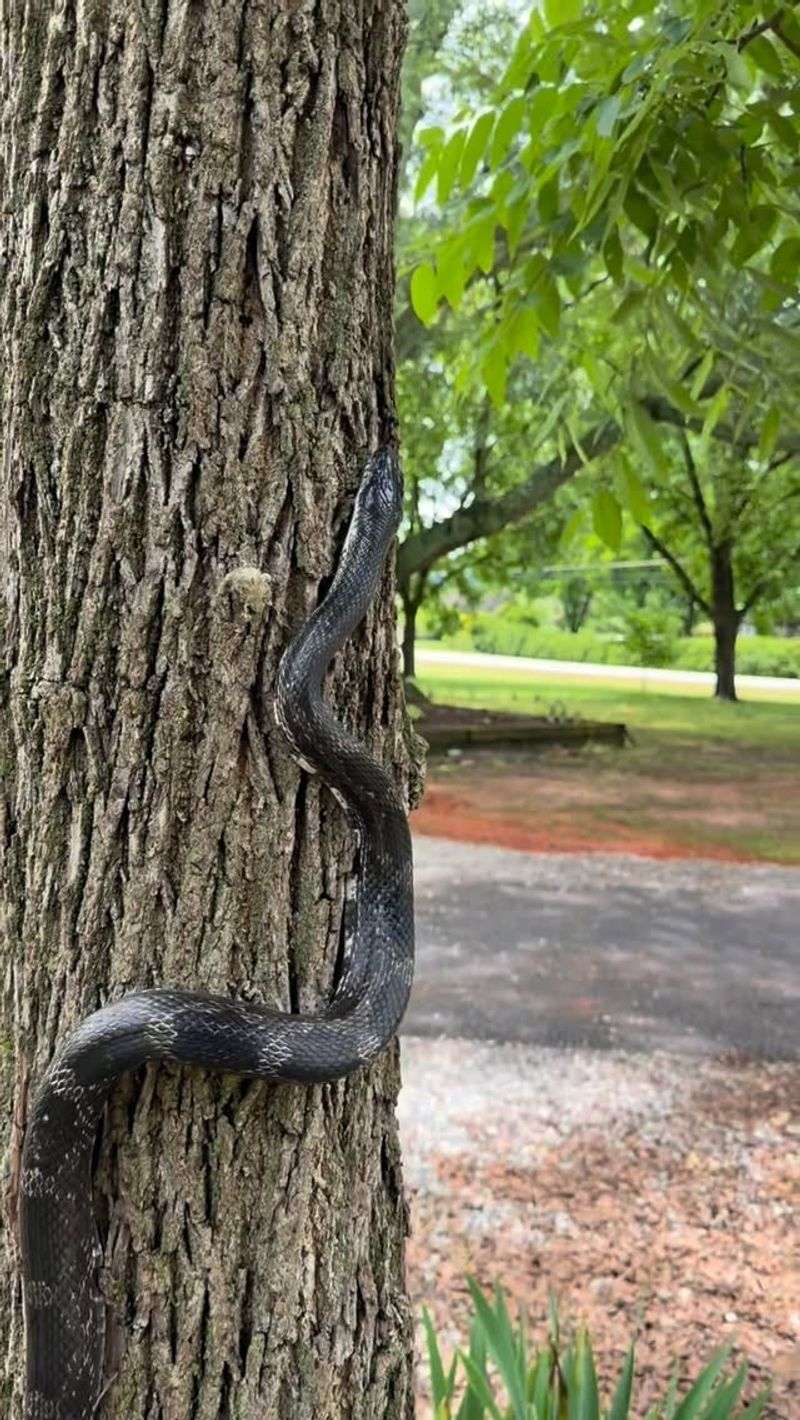
Meet one of North Carolina’s most common backyard neighbors. The black rat snake grows long and glossy, and it shows up around homes so often that many folks recognize it right away.
These snakes can stretch several feet in length, sometimes reaching six feet or more. Their dark bodies shine in the sunlight, and their pale bellies often show a light checkerboard pattern.
Despite the impressive size, they are harmless to people and prefer to avoid us entirely.
What sets rat snakes apart is their love of climbing. They scale trees, fences, and porch posts with ease, searching for bird nests, eggs, and rodents tucked into high places. Finding one draped along a railing or ledge is not unusual at all.
Their curious, exploring nature means they poke around barns, sheds, and porches without much fear. After a rain, when the ground stays wet, they may climb onto raised surfaces to stay dry and continue their hunt.
Gardeners often welcome rat snakes because they keep pest numbers in check. A single one patrolling your property can save your plants and stored seed from hungry rodents throughout the season.
If you spot one, take a moment to admire it from a safe distance. There is no need for alarm, since these snakes pose no threat and would rather slip away than face you.
Give it space, and it will usually move along on its own. Learning to recognize this helpful climber makes porch encounters far less stressful and even a little bit fascinating.
5. It Could Be A Black Racer
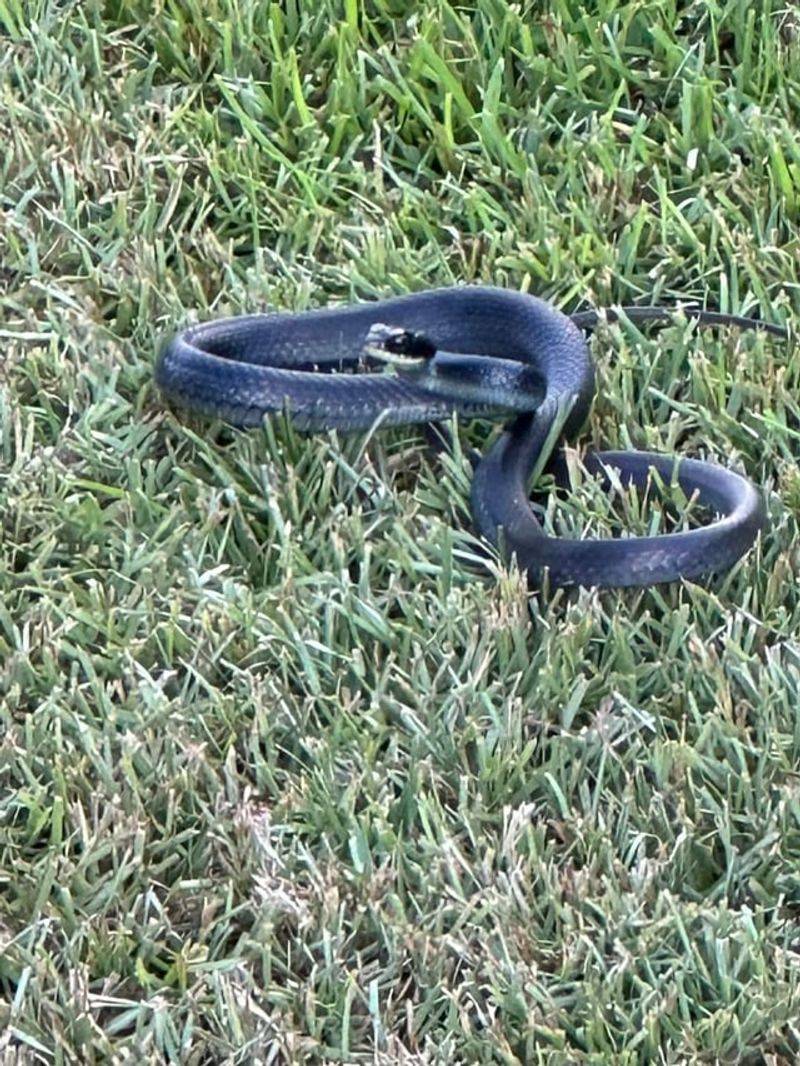
Fast, sleek, and always on the move, the black racer earns its name with lightning speed. This slender snake zips across yards and porches during the day, often gone before you can grab a second look.
Compared to the thicker rat snake, a racer looks leaner and moves with more energy. Its scales are smooth and satiny, giving it a solid black shine, and it often lifts its head to peer around while cruising through the grass.
Where a rat snake explores slowly, a racer hurries with purpose. These snakes hunt during daylight, chasing down frogs, lizards, insects, and small rodents. Their speed helps them catch quick prey and escape trouble in a hurry.
Because they roam so widely while hunting, crossing your porch is just part of their busy day.
Racers are alert and shy, so they usually flee the moment they sense your footsteps. You are far more likely to see a tail vanishing under a bush than a snake sitting still.
After rain, when small prey animals become active, racers move through yards searching for an easy meal. Your porch might sit right along their travel route between hunting spots.
These snakes are harmless to humans, though they can be nervous and may act bold if cornered. The best response is simply to give them room to pass.
Watching a racer glide by shows off just how graceful and quick these creatures can be. Enjoy the brief sighting, then let it continue on its speedy way.
6. Rain May Have Brought Prey Closer
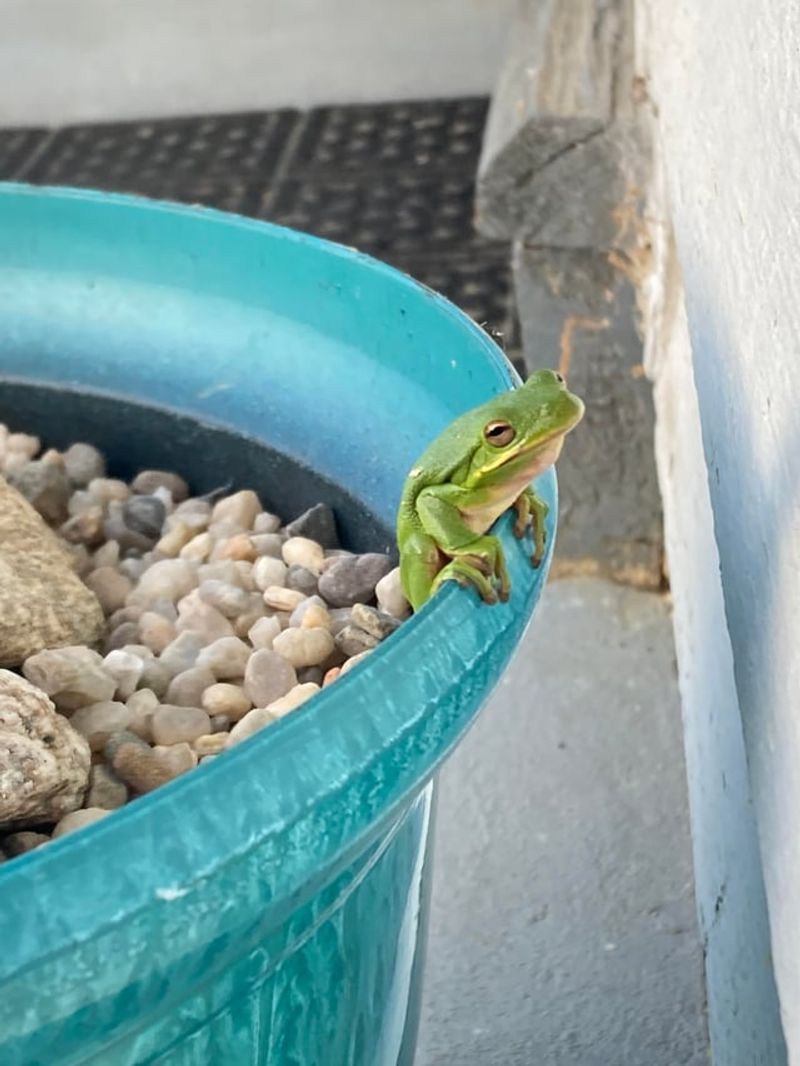
After a good rain, the whole yard comes alive. Frogs hop out to enjoy the moisture, worms wiggle to the surface, and insects buzz around every damp corner. All that activity acts like a dinner bell for hungry snakes.
Wet weather draws out small creatures that snakes love to eat. Frogs and toads especially thrive in puddles and damp grass, and they gather near porches, gardens, and doorways where lights and moisture attract them.
Where prey gathers, a snake soon follows. Slugs, worms, and beetles also become easy targets after a storm, and these draw in the very animals that snakes hunt. The whole food chain shifts closer to your home when the yard turns wet and lively.
Your porch light plays a sneaky role too. Bugs swarm around it at night, frogs come to snack on the bugs, and snakes arrive to hunt the frogs. One glowing bulb can set off a whole chain of visitors.
This means a snake on your porch might simply be chasing an easy meal that the rain delivered right to its doorstep. It follows the food, not you.
To cut down on these gatherings, switch to yellow bug lights or turn off porch lights when you do not need them. Fewer insects means fewer frogs, and fewer frogs means fewer snakes stopping by.
Keeping the area around your steps clear and dry also helps break the chain. When the buffet disappears, the hunters have little reason to linger near your door.
7. One Visit Does Not Mean An Infestation
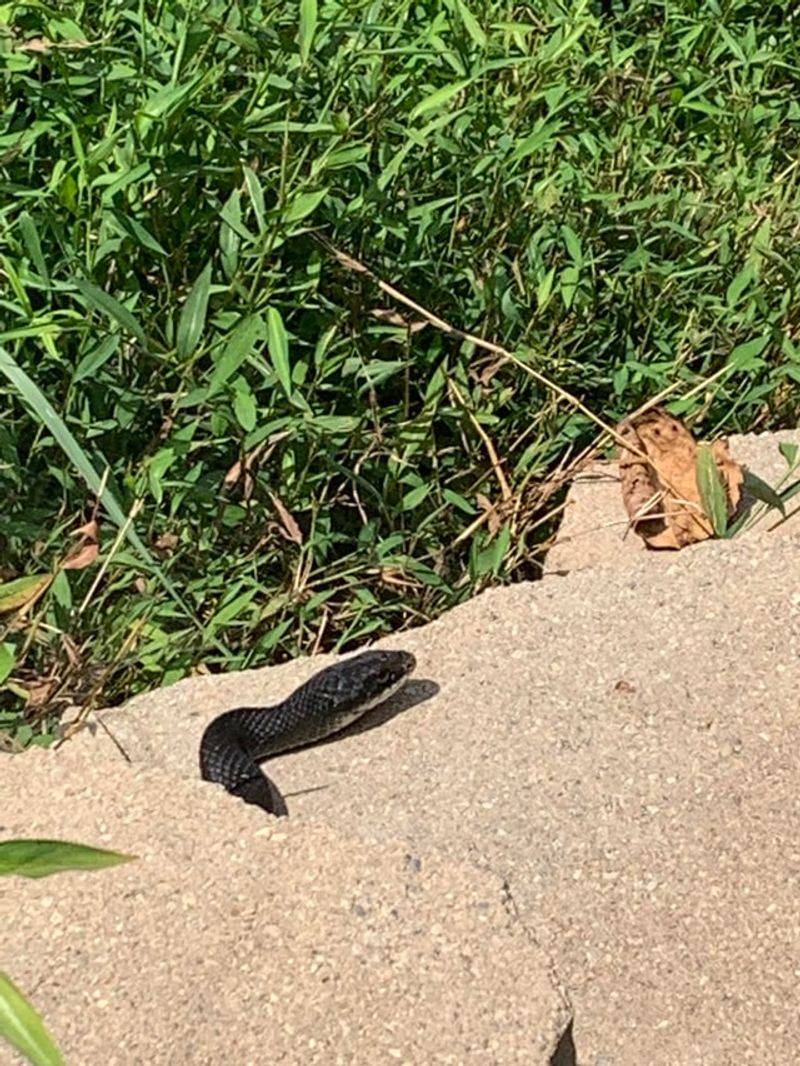
Spotting one snake can feel alarming, but a lone visitor after rain rarely signals a bigger problem. Most of the time, it means one wandering snake found your porch handy for a short while.
Snakes are solitary travelers for much of the year. They roam alone in search of food, warmth, and dry ground, so seeing a single one does not mean a whole family is hiding nearby.
Weather usually explains the timing far better than any hidden nest would.
After a storm, movement spikes as snakes leave flooded spots and follow prey. That temporary shuffle brings them near homes, but it usually settles down once the ground dries and life returns to normal.
The smartest first step is to identify the snake from a safe distance. Most North Carolina snakes, like rat snakes and racers, are harmless and helpful. Learning to tell them apart eases a lot of worry and helps you respond calmly.
Give the snake plenty of space and never try to handle or corner it. Frightened snakes only want to escape, and they will leave on their own if you open a clear path and stay back.
If sightings become frequent, look for what keeps drawing them in, such as rodents, clutter, or standing water. Fixing those attractions usually solves the issue without any drama.
Try to see these visitors as part of a healthy yard rather than a threat. A single snake after rain is simply nature moving through, doing exactly what it was made to do.