The Watering Mistake Making Georgia Lawns Worse During August Heat
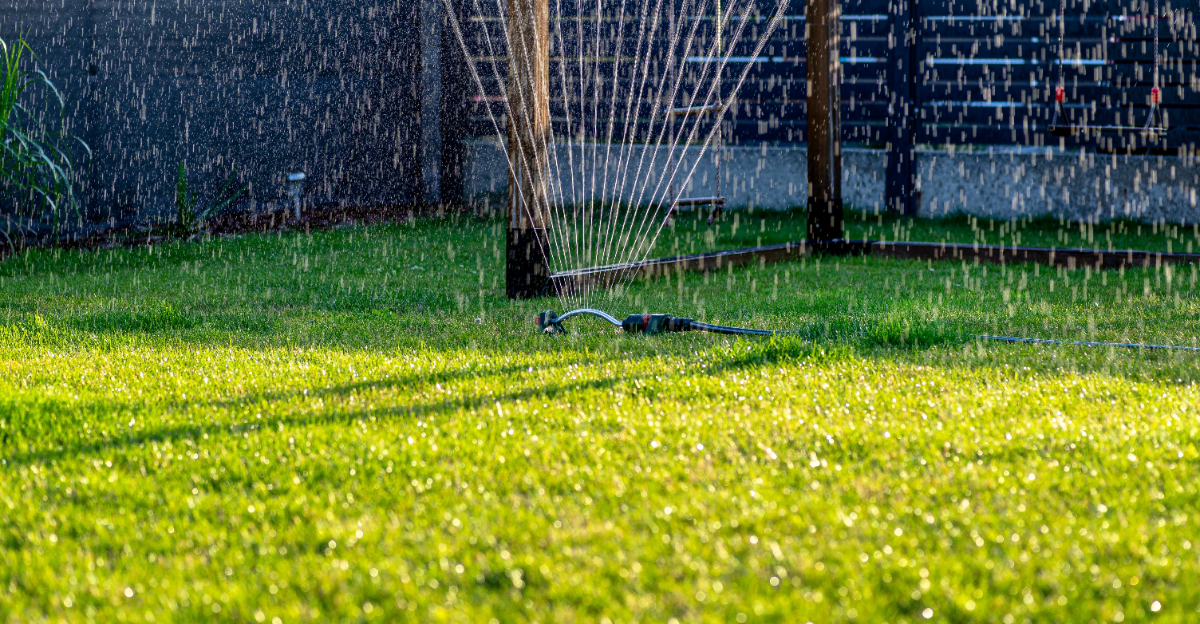
Your lawn may look thirsty, but more water is not always the answer. Many Georgia lawns struggle in August because of one common watering mistake.
It seems helpful, yet it often creates bigger problems. Brown patches, weak roots, and slow recovery can all follow.
Stop guessing and start paying closer attention to your watering routine. A small change today can make a noticeable difference before summer ends.
Don’t wait until cooler weather arrives to take action. Healthy grass depends on better timing, not simply more water.
Keep reading to learn what your lawn actually needs during the hottest weeks of the season. Your efforts now can help it recover faster and stay greener well into fall without wasting water or unnecessary work.
Every watering decision matters more than ever.
1. Watering Too Often Weakens Grass Roots
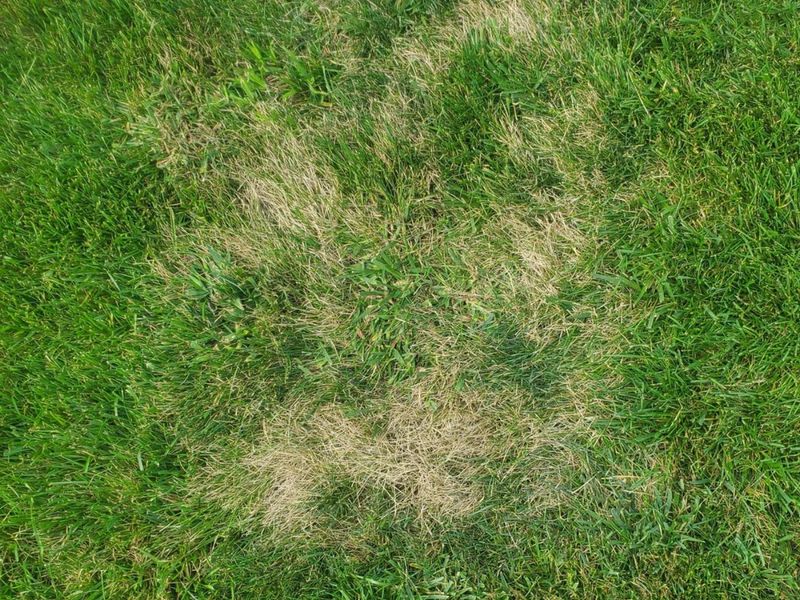
Frequent watering trains grass to be lazy. When water shows up every day near the surface, roots have no reason to grow deeper into the soil.
Shallow roots are fragile. During a stretch of dry August days, shallow-rooted grass wilts faster because it cannot reach moisture stored deeper underground.
Watering deeply but less often encourages roots to push further down. Aim for about one inch of water two to three times per week rather than a little bit each day.
Deep watering sessions give soil time to partially dry between cycles. That drying period actually signals the grass to extend its roots in search of moisture, which builds a stronger, more resilient lawn over time.
Bermuda and zoysia, two common warm-season grasses in the region, respond well to this approach. Both grass types are built for heat, but only when their roots have room and reason to grow deep.
Overwatering also creates conditions where fungal problems thrive. Wet soil that stays moist around the clock invites lawn diseases that spread quickly in humid summer air.
Cutting back watering frequency is one of the simplest adjustments you can make.
2. Morning Is The Best Time To Irrigate
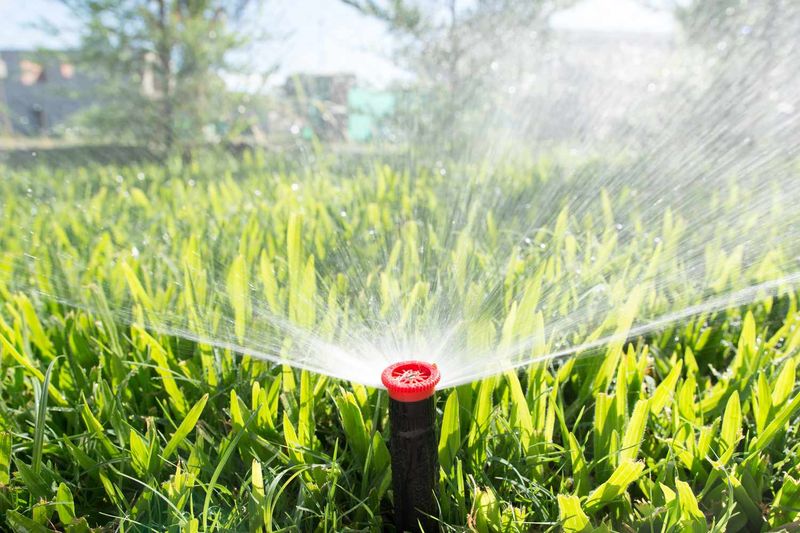
Timing your watering session can matter just as much as how much water you use. Watering at the wrong time wastes water and can actually stress your grass further.
Early morning, roughly between 6 and 10 a.m., is widely considered the most effective window for irrigation. Soil temperatures are cooler, wind is usually calm, and grass blades have time to dry before nightfall.
Watering in the evening sounds logical after a hot day, but wet grass sitting overnight is a setup for fungal growth. Humid nights in summer create the perfect environment for lawn disease to spread rapidly.
Midday watering is largely inefficient. A significant portion of water evaporates before it even reaches the root zone when the sun is at its peak and temperatures are highest.
Morning irrigation allows water to soak into the soil slowly and reach roots effectively. Grass absorbs moisture better when soil temperatures are moderate rather than scorching hot.
If you use an automatic sprinkler system, reprogramming the start time to early morning is a quick fix that pays off immediately.
Your Georgia Garden Changes Every Week. Your Plan Should Too.
Gardening in Georgia changes quickly throughout the season. Every Friday you’ll receive a simple weekly plan showing exactly what to plant, prune, fertilize, harvest, and protect so you never miss the right timing.
Most controllers allow you to set a start time in just a few minutes.
3. Adjust Sprinklers After Heavy Rainfall
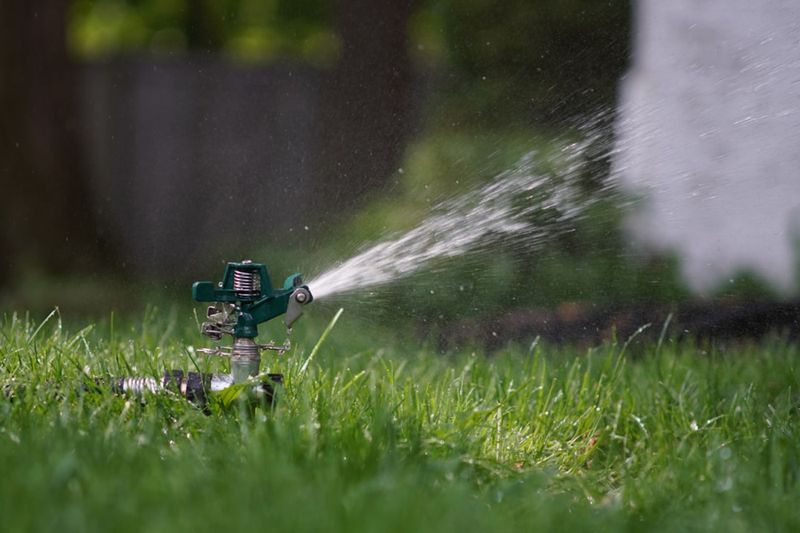
Running sprinklers right after a heavy rainstorm is one of the most common and costly watering mistakes homeowners make. Grass does not need more water when the ground is already saturated.
Oversaturated soil suffocates roots. When soil pores fill completely with water, oxygen gets pushed out, and roots struggle to function properly in those conditions.
A good summer thunderstorm in Georgia can drop half an inch to over an inch of rain in a short period. Adding irrigation on top of that pushes soil moisture well beyond what most grass types can handle.
Installing a rain sensor on your irrigation system is a practical solution. These devices automatically pause your sprinkler schedule when rainfall exceeds a set threshold, preventing unnecessary watering cycles.
Rain sensors are relatively affordable and easy to install on most standard irrigation controllers. Many local hardware stores carry them, and some irrigation professionals can install one during a routine service visit.
Skipping a scheduled watering after rainfall is not harmful to your lawn. Grass recovers quickly when given the right amount of moisture, and rest periods between waterings are healthy for root development.
Check your sprinkler schedule after any significant storm.
4. Check Soil Moisture Before Watering Again
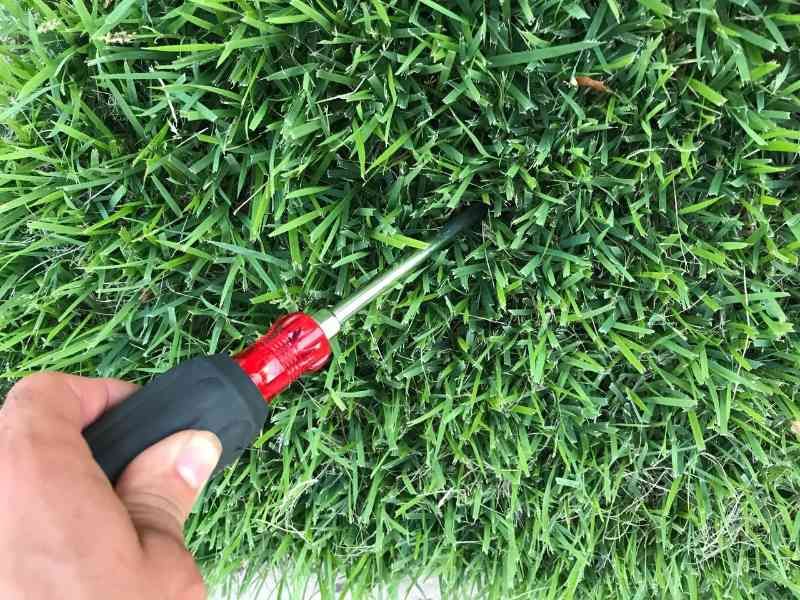
Guessing when to water is where most lawn problems begin. Sticking to a rigid schedule without checking actual soil conditions leads to either overwatering or underwatering, and both cause damage.
A simple screwdriver test works surprisingly well. Push a standard screwdriver about six inches into the ground.
If it slides in with little resistance, the soil still has enough moisture. If it stops or requires real force, watering is probably needed.
Soil moisture meters are another useful option. These inexpensive tools give you a direct reading of moisture levels at root depth, removing the guesswork from your routine entirely.
Georgia clay soil holds moisture longer than sandy soil does. Watering clay-heavy lawns on the same schedule as sandier soil often leads to overwatering because clay drains much more slowly.
Visual cues can also help. Grass that looks slightly bluish-gray or footprints that remain visible after walking across the lawn are signs the turf is under moisture stress and may need water soon.
Checking before watering builds a better habit over time. You start to learn your lawn’s actual patterns rather than relying on a preset schedule that ignores weather, rainfall, and seasonal changes.
Soil checks take less than two minutes and can prevent weeks of recovery time from overwatering damage.
5. Mow Higher To Help Grass Hold Moisture
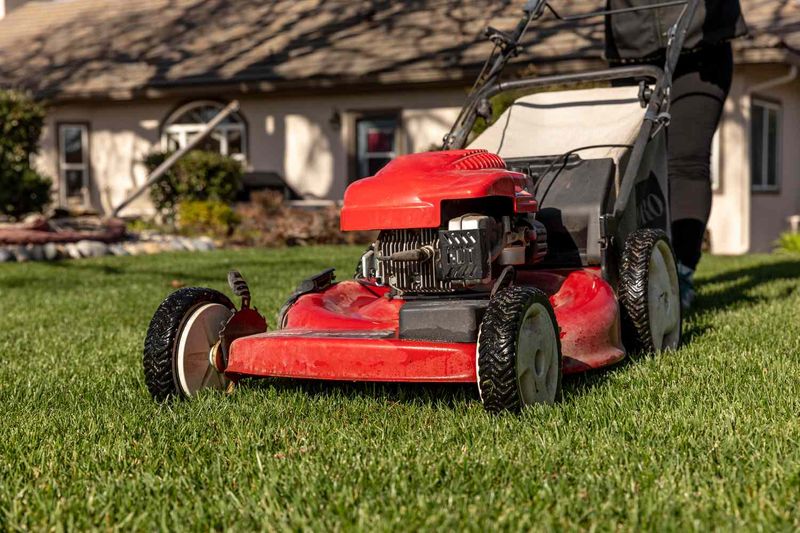
Cutting grass too short during August is a mistake that compounds the stress your lawn is already under. Short grass dries out faster, scalps more easily, and struggles to shade its own root zone.
Taller grass blades create a canopy effect over the soil. That shade keeps ground temperatures lower, slows moisture evaporation, and gives roots a cooler environment to stay active in.
Most warm-season grasses perform better when mowed at the higher end of their recommended range during peak summer.
Bermuda grass, for example, generally handles heat better when kept between one and two inches rather than being cut very short.
Scalping, which means cutting too much of the blade at once, puts the plant under stress quickly. A good rule of thumb is to remove no more than one-third of the blade length in a single mowing session.
Dull mower blades tear rather than cut grass cleanly. Ragged cuts dry out faster and create entry points for disease, so keeping blades sharp matters more in summer than in any other season.
Mowing frequency may need to drop during extreme heat. If growth slows due to drought stress, mowing less often reduces additional trauma to already stressed turf.
6. Reduce Foot Traffic During Extreme Heat
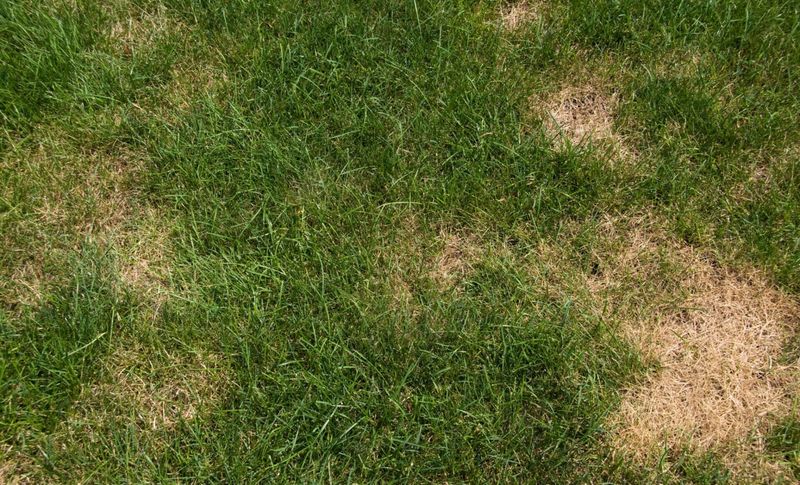
Heat-stressed grass is fragile. Walking across a lawn that is already struggling under August temperatures adds physical pressure that compounds the damage already being done by sun and drought.
Grass blades under heat stress lose their ability to bounce back quickly from compression. Repeated foot traffic on stressed turf creates worn paths that can take weeks to recover, especially when watering is restricted.
Kids, pets, and outdoor gatherings all contribute to compaction. Compacted soil reduces the space between soil particles, which limits water infiltration and root expansion at the same time.
Rerouting foot traffic with stepping stones or temporary barriers is a practical way to protect high-traffic areas during the hottest weeks. It gives grass a chance to rest without requiring any change to your watering habits.
Early morning is the safest time for any necessary lawn activity. Grass is still cooled from the night, and the risk of causing lasting compression damage is lower than during peak afternoon heat.
If you notice persistent brown lines or patches where people frequently walk, those areas may need aeration in the fall to break up compaction and restore proper drainage.
Protecting your lawn from unnecessary traffic during summer does not require major changes to your routine.
7. Match Your Watering Schedule To Your Grass Type
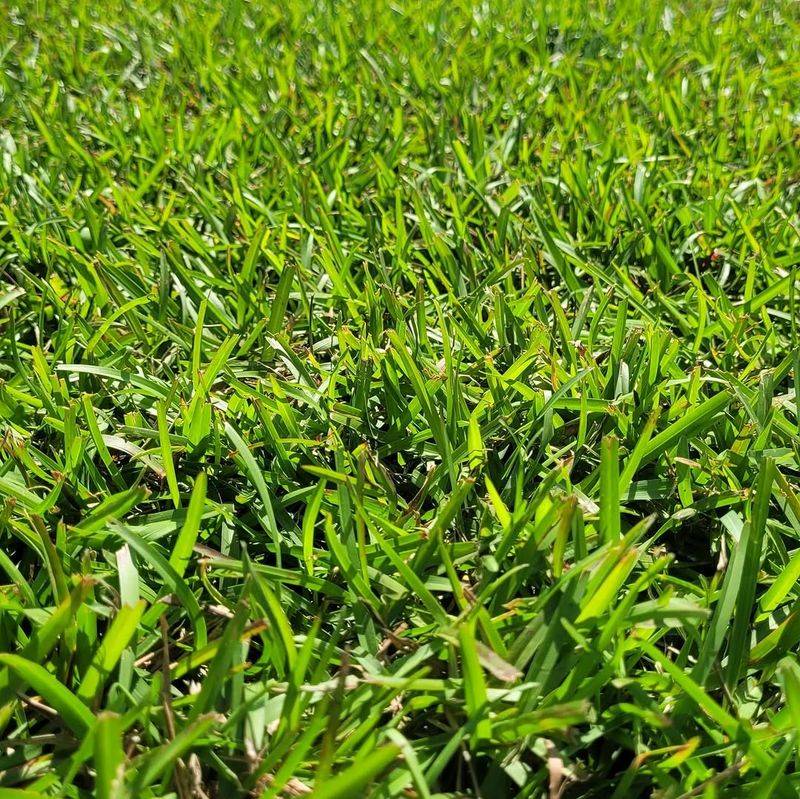
Not every lawn in the South drinks at the same rate. Watering schedules built around one grass type often fall short or overshoot when applied to a different variety growing under similar conditions.
Bermuda grass is drought-tolerant once established and can handle less frequent watering than many homeowners assume.
Overwatering bermuda during August often weakens it rather than helping it stay green.
Zoysia grass holds moisture reasonably well due to its dense growth pattern. It generally needs slightly less water than bermuda but benefits from the same deep, infrequent watering approach during summer heat.
Centipede grass is more sensitive to overwatering than either bermuda or zoysia.
Too much water causes centipede to develop iron deficiencies, which shows up as yellowing even when the lawn looks otherwise healthy.
St. Augustine grass, common in warmer coastal areas of the region, prefers consistent moisture but still does not need daily watering.
Overwatering St. Augustine increases the risk of gray leaf spot, a fungal issue that spreads rapidly in humid conditions.
Knowing your grass type is the first step toward building an effective watering schedule. If you are unsure what variety is growing in your yard, a local extension office can often help with identification.