What Yellowing Leaves Actually Mean After A Massive Michigan Downpour
Michigan rain can turn a healthy garden suspicious overnight.
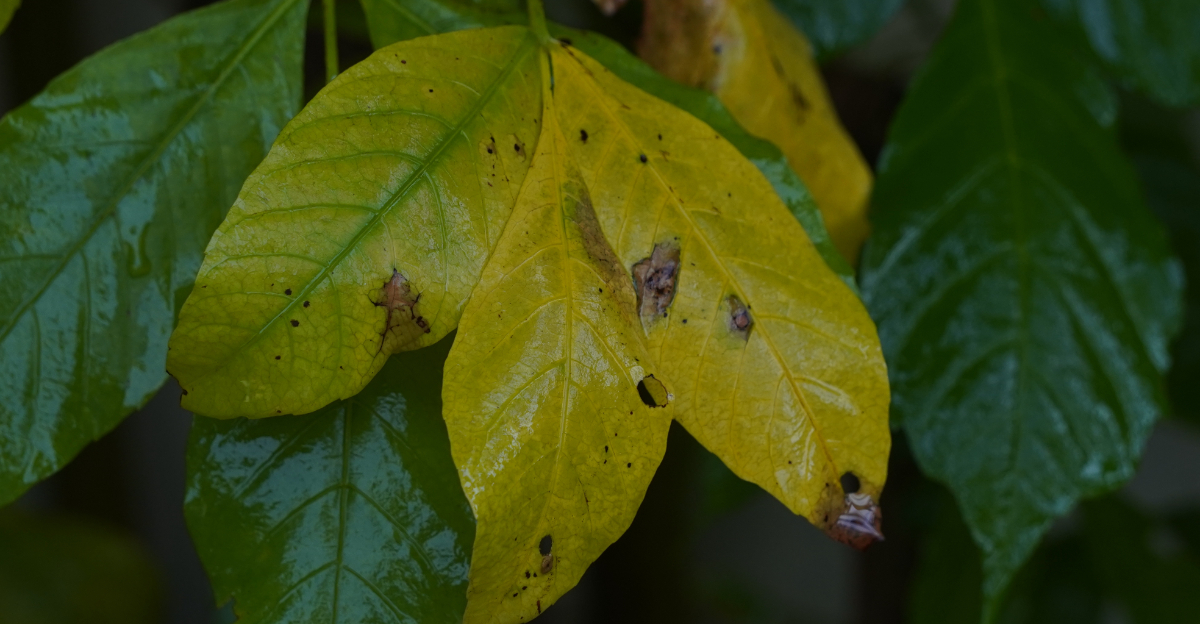
One day, the beds look full and steady. Then a storm rolls through, puddles sit in the mulch, the soil feels heavy, and yellow leaves start showing up like tiny warning flags.
That does not always mean the plant is hungry.
Heavy rain changes more than moisture. It pushes air out of the soil, moves nutrients, packs down already-heavy ground, and can leave roots sitting in conditions they never asked for.
A plant that looked fine two days ago may suddenly be dealing with soggy soil, poor oxygen, and a root zone that cannot function normally.
So what are those yellow leaves really trying to say after a massive Michigan downpour?
Start by slowing down before grabbing fertilizer, pulling plants, or watering again out of panic.
The pattern matters. The soil matters. The timing matters. Most rain-stressed plants can recover, but only after the garden gets a chance to drain, breathe, and tell the full story.
1. Roots May Be Short On Air
Yellow leaves after heavy rain often start below the surface.
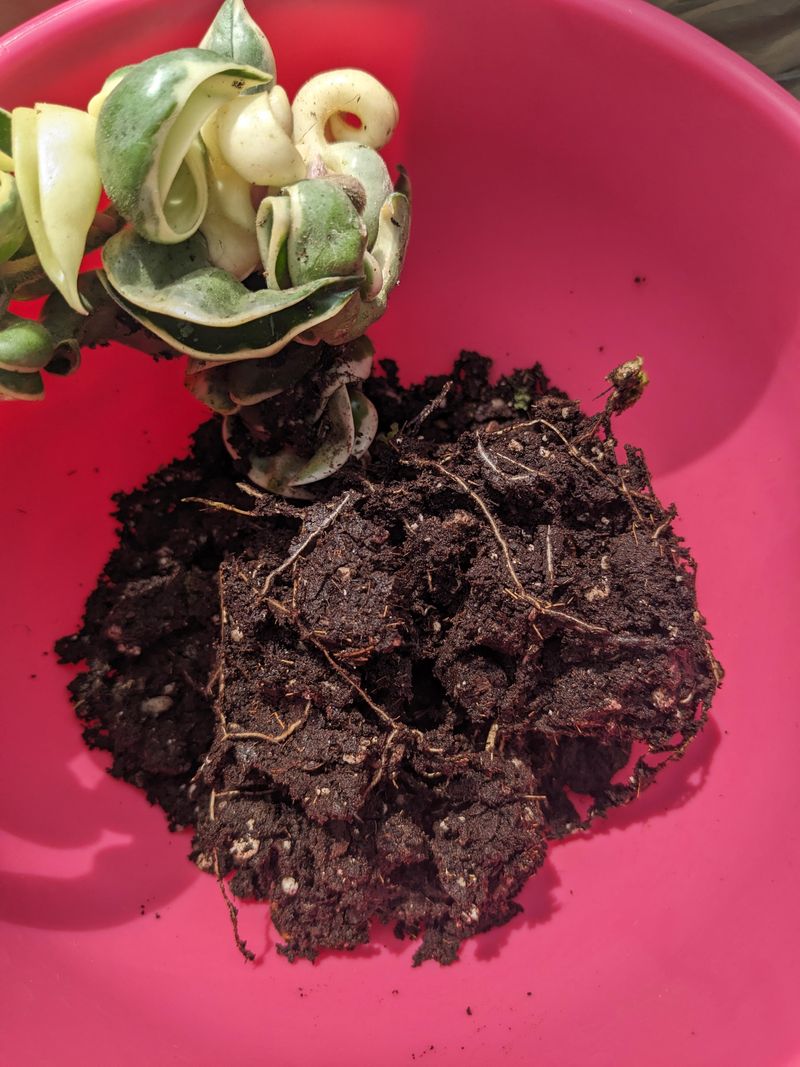
Roots need oxygen, not just water. In healthy soil, tiny air pockets sit between soil particles and let roots breathe. After a massive downpour, those spaces can fill with water, especially in Michigan beds with heavier clay soil.
That creates a hidden root problem.
The plant may look wet enough, but the roots are struggling to function. Without enough oxygen, they cannot take up nutrients well. That means a plant can look pale or hungry even while nutrients remain in the soil.
The leaves show the stress first.
Yellowing from low oxygen often appears on lower leaves and may look soft, pale, or washed out instead of crispy. The plant may droop slightly, grow slower, or look tired even after the storm has passed.
Do not rush in with more water.
That is like handing a raincoat to someone standing in a pond. Let the soil drain first. Avoid walking in wet beds because footsteps press out even more air and make compaction worse.
Once the surface dries slightly, gently loosen crusted soil near the plant without disturbing roots too much. This helps air move back into the upper layer.
Most established plants can rebound once the root zone breathes again.
Roots are not being dramatic. They just need air back in the room.
2. Soil Stayed Wet Too Long
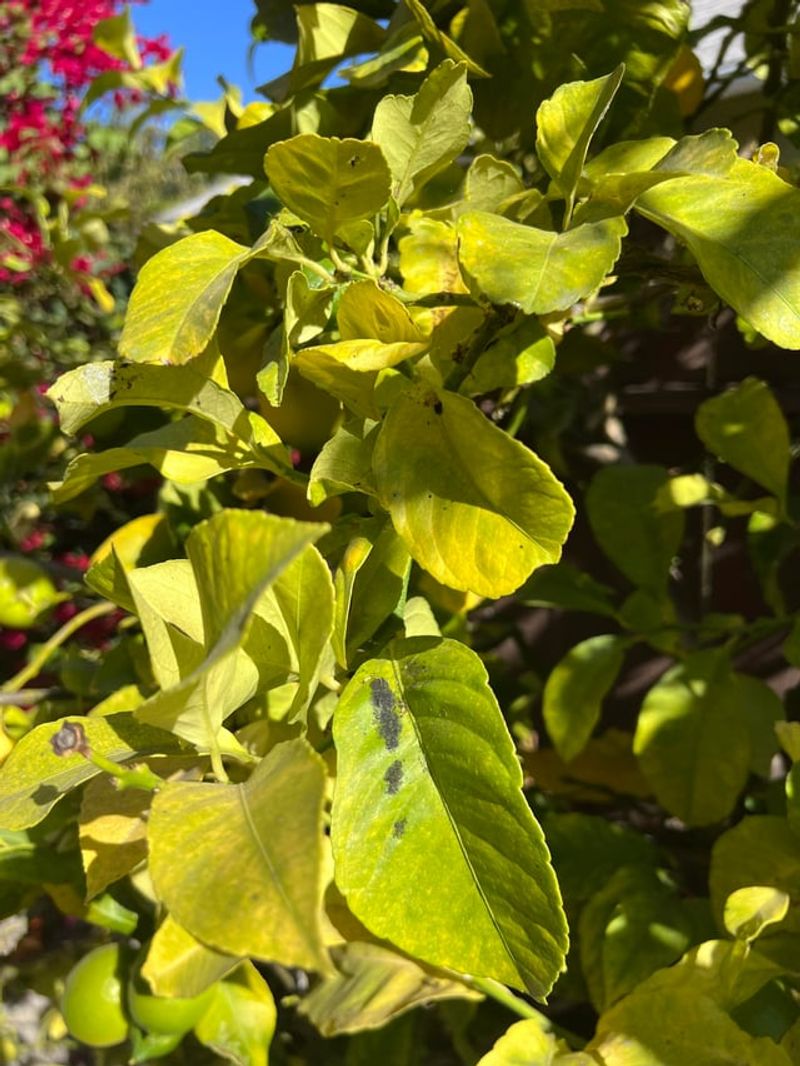
A quick soak is one thing.
A bed that stays soggy for days is another problem entirely.
Michigan gardens can hold water after big storms, especially in low spots, flat yards, clay-heavy beds, and areas near downspouts.
When soil stays saturated longer than a day or two, roots begin to struggle, and yellow leaves often become the first visible complaint.
Duration matters more than the storm itself.
Many plants can handle a heavy rain that drains well. Trouble starts when water lingers around the roots and keeps soil heavy, cold, and low in oxygen. That extended wet period can stall growth and make the plant look weak even after the sun returns.
Your Michigan Garden Changes Every Week. Your Plan Should Too.
Gardening in Michigan changes quickly throughout the season. Every Friday you’ll receive a simple weekly plan showing exactly what to plant, prune, fertilize, harvest, and protect so you never miss the right timing.
Walk the yard after the rain stops.
Notice where puddles last the longest. Those spots are showing you the drainage map of your garden. The plants in those areas may yellow more often after storms because their roots stay wet longer than plants just a few feet away.
Do not work wet soil.
Digging, stepping, or raking too soon can damage structure and make future puddles worse. Let the bed dry to a workable level before making changes.
Long term, raised beds, compost, better grading, and redirected downspouts can help.
For now, the best move may be patience. Wet soil needs time to stop acting like soup before roots can return to normal.
3. Nitrogen May Have Leached Away
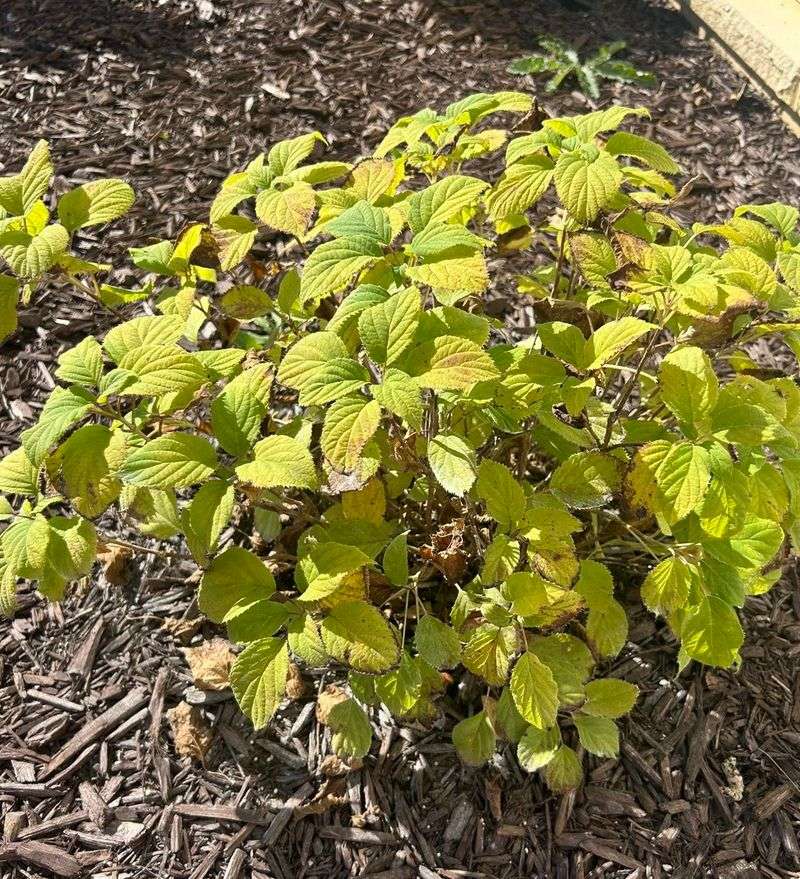
Heavy rain can wash plant food out of reach.
Nitrogen moves easily with water, especially in sandy soil or beds that drain quickly after a storm. In other areas, saturated soil can make nitrogen less available while roots are already struggling to breathe.
That double hit shows up fast.
Leaves may turn a pale, even yellow, especially on older lower growth. The plant starts moving nitrogen from older leaves toward newer leaves because fresh growth gets priority. It is survival budgeting, garden edition.
This does not mean fertilizer should go down immediately.
Adding nitrogen while soil is still saturated can waste product and stress roots. Water can carry fresh fertilizer past the root zone before the plant uses it, especially after another rain follows close behind.
Wait until the soil drains.
Then check the plant again. New growth that stays green may mean the plant is stabilizing. Ongoing pale growth may point to a true nutrient shortage once the root zone is functioning again.
Compost and slow, sensible feeding usually beat panic fertilizer.
A light application after the bed returns to normal moisture can help, but only when the plant is ready to take it up.
Yellow leaves after rain are not always shouting “feed me.”
Sometimes they are saying, “The pantry moved downstairs, and my roots cannot get there yet.”
4. Compaction Made Puddles Worse
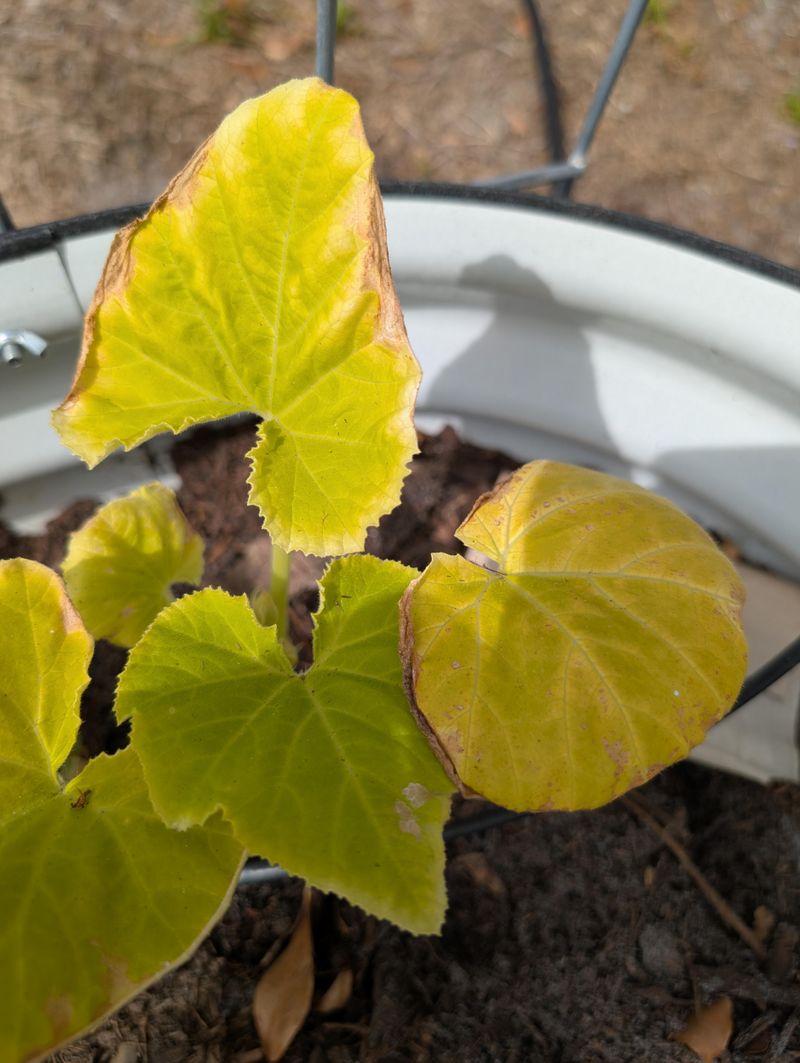
Hard soil turns rain into a bigger problem.
Compacted ground does not absorb water well. Instead of soaking down evenly, rain pools on the surface, runs across beds, or sits around plant crowns. After a massive Michigan downpour, compacted beds stay wet longer and recover slower.
Plants feel that delay.
Roots in compacted soil already have fewer air spaces to work with. Add storm water, and those limited spaces fill fast. The result is a root zone that stays wet, tight, and low in oxygen.
Yellow leaves can follow within days.
The plant may look weak, pale, or stalled because the roots cannot breathe or feed properly. The problem may seem like too much rain, but the real issue started with soil structure long before the storm arrived.
Avoid walking through wet beds.
One muddy shortcut can press the soil tighter and make the next storm worse. Keep paths separate from growing areas, and use stepping stones or boards where access is needed.
After the soil dries, add compost to improve structure over time.
Do not expect one amendment to fix years of compaction overnight. Soil recovery is a slow rebuild, not a quick makeover. Raised beds can help in spots that puddle after every storm.
Compaction is sneaky because it hides under the plants.
The puddles are the clue. The yellow leaves are the follow-up complaint.
5. Lower Leaves Tell The First Story
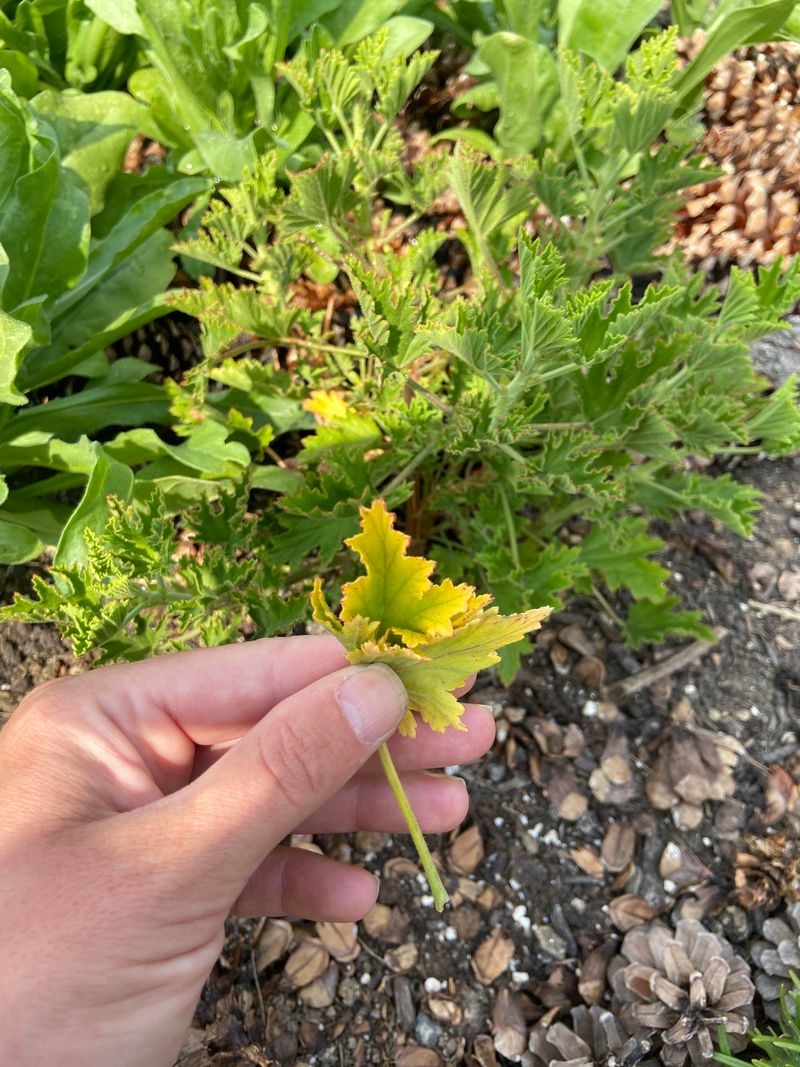
The location of yellowing matters.
Lower leaves turning yellow first after heavy rain often point toward root stress or nitrogen trouble. Older leaves are the plant’s storage department, and when conditions get rough, the plant may pull resources from them to protect newer growth.
That pattern is useful.
Uniform yellowing on older leaves usually tells a different story than spots, blotches, crispy edges, or strange colors on newer leaves. The plant is not just changing color at random. It is leaving a map.
Start at the bottom.
Look closely at which leaves changed first. Lower, older leaves that fade evenly may signal nitrogen loss, poor uptake, or waterlogged roots.
Upper leaves that yellow sharply may suggest something else, such as pH issues, disease, pest damage, or a different nutrient problem.
Take photos for a few days.
A quick picture each morning can show whether the yellowing is spreading, slowing, or staying limited to older leaves. That record is far more useful than guessing from one stressed afternoon glance.
Do not strip every yellow leaf right away.
Remove leaves that are mushy, diseased, or fully finished, but leave mildly yellowing foliage while the plant recovers. It may still be moving resources around.
Lower leaves are the garden’s first reporters.
They may look rough, but they often explain exactly where the stress began.
6. Mulch May Be Holding Too Much
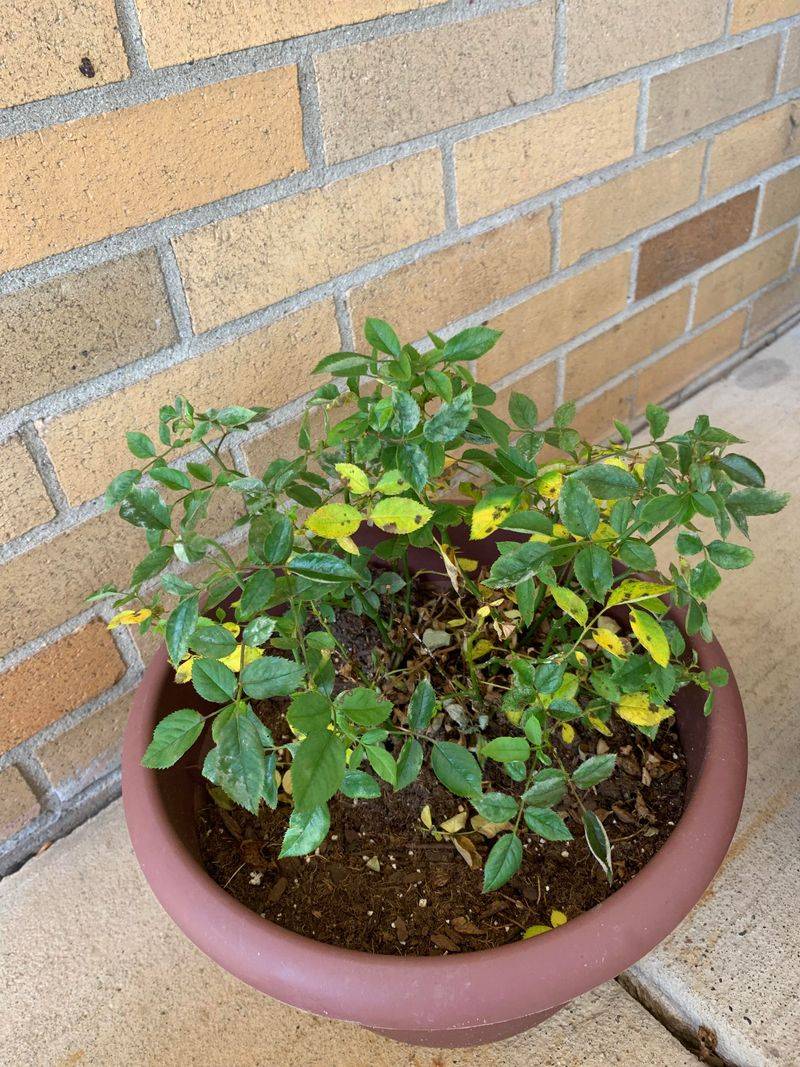
Mulch can go from bodyguard to wet blanket after a storm.
Most of the time, it protects Michigan garden beds by cooling soil, reducing weeds, and holding steady moisture.
After a massive downpour, though, thick mulch can stay soaked for days and trap moisture against stems and crowns.
That is where trouble starts.
Mulch piled too deep can slow drying around the base of plants. Wet wood chips or shredded bark pressed against stems can create a damp collar that encourages rot and keeps the soil surface too moist.
Check it with your hand.
Press into the mulch a day or two after the storm. A layer that feels like a dripping sponge needs air. Pull it back from plant stems and spread it thinner for a few days so the surface can dry.
Depth matters.
A two-inch layer often works well for many garden beds. Three inches can be fine around larger plants, but thick piles near tender stems are risky after repeated rain. Keep mulch a couple of inches away from crowns.
Do not add fresh mulch right after a downpour.
Wet material on wet soil just extends the soggy spell. Wait until the bed drains and the surface begins to breathe again.
Mulch should protect roots, not tuck them into a swamp blanket.
After the storm, a quick mulch check can save plants from a lot of yellow-leaf drama.
7. Wait Before Feeding Again
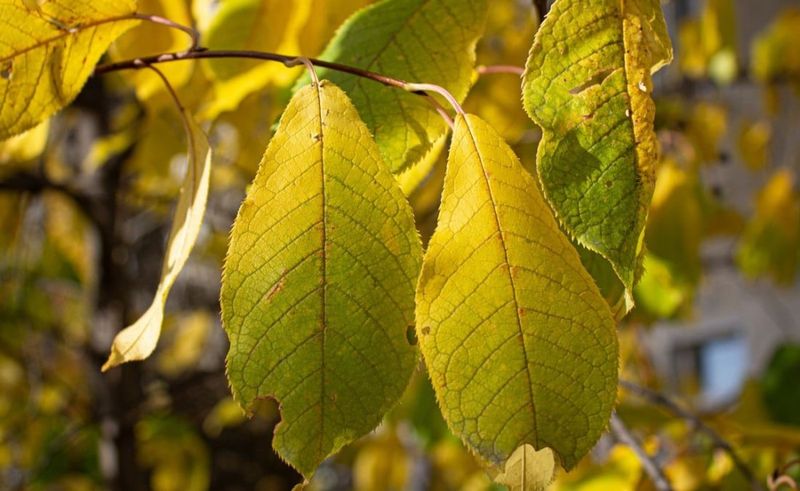
Yellow leaves make fertilizer tempting.
Resist the dramatic rescue scene.
Right after a big Michigan downpour, the soil may still be too wet for feeding to help. Roots under water stress cannot take up nutrients efficiently, and added fertilizer can move away with runoff or leach deeper before plants use it.
That wastes money and adds stress.
Fertilizer salts can build up around already strained roots, especially in containers or poorly drained beds. A plant coping with low oxygen does not need a stronger nutrient push. It needs the root zone to return to normal.
Wait for workable soil.
That may take a few days in sandy beds and longer in clay or low areas. The soil should feel moist but not sticky, shiny, or soupy. Once it drains, the plant can give a clearer signal about what it needs.
Use the waiting period wisely.
Check drainage. Pull mulch back from stems. Note which leaves yellowed first. Look for standing water, compacted paths, or runoff trails. Those clues may explain more than a fertilizer label ever could.
After recovery begins, feed lightly only when signs still point to nutrient loss.
A gentle, appropriate fertilizer application beats a heavy-handed correction. Compost can also support recovery without forcing fast growth.
Feeding at the right time works.
Feeding soggy soil is just tossing snacks into a puddle and hoping the roots can swim.
8. Soil Tests Settle The Guess
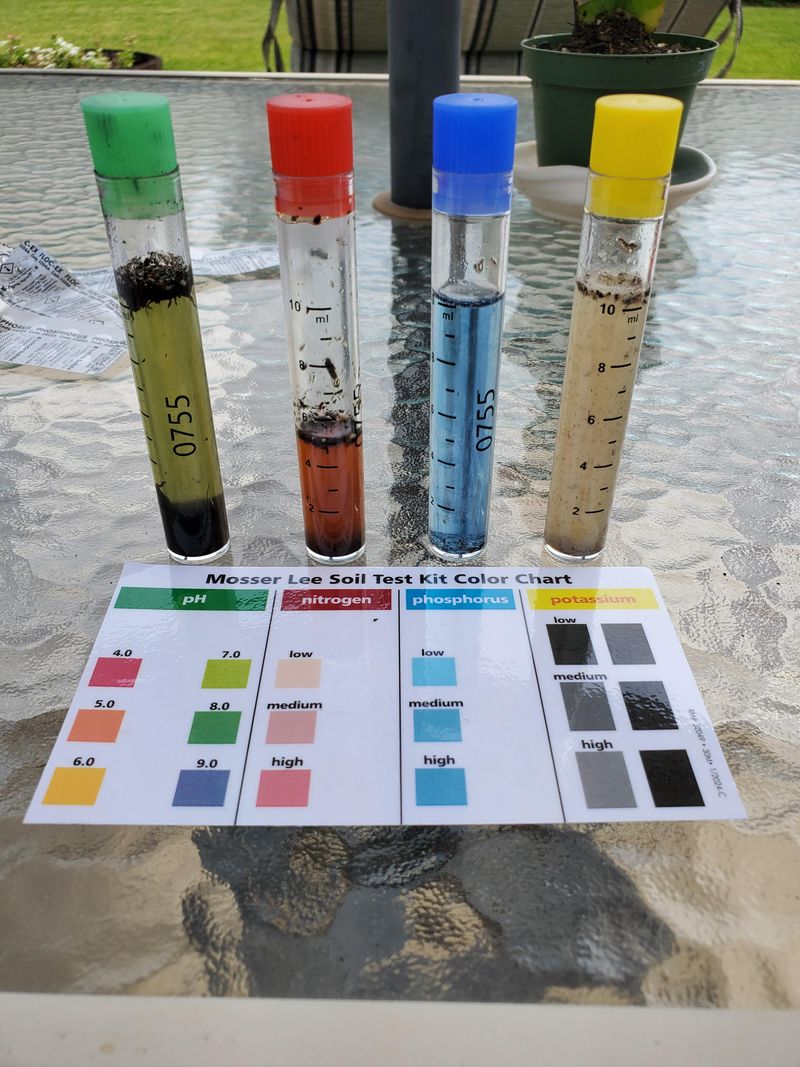
A soil test turns yellow-leaf guessing into actual information. That matters after repeated downpours because rain can expose deeper problems in the bed.
Low nitrogen, poor drainage, compacted soil, pH imbalance, and nutrient availability can all overlap. Leaves may point you in a direction, but soil results help confirm the next move.
Do not sample muddy soil.
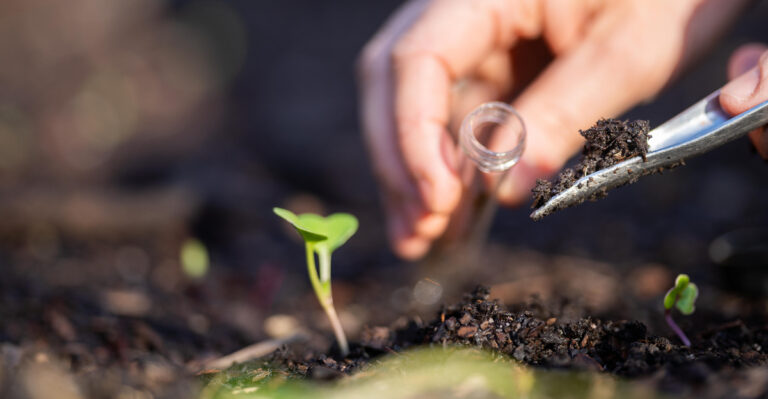
Let the bed dry to a workable level first. Then collect small amounts from several spots in the same growing area, usually a few inches deep, and mix them together for one more accurate sample.
One scoop from one corner tells a tiny story.
A blended sample tells the bed’s story.
A good test can show pH, organic matter, and major nutrient levels. That helps prevent common mistakes, such as adding fertilizer when pH is limiting uptake, or adding lime where it is not needed.
Soil testing is especially useful for beds that yellow after every heavy rain.
One storm may create temporary stress. A repeated pattern suggests the site itself needs attention. The fix might be compost, better drainage, raised beds, different plant choices, or a more careful fertilizer plan.
Keep notes with the results.
Record where puddles formed, which plants yellowed, and how long the soil stayed wet. That context makes the numbers more useful.
Yellow leaves are clues. A soil test is the lab report.
Together, they help Michigan gardeners stop guessing and start fixing the real problem underground.