Never Water Your Georgia Garden In The Afternoon During This Heat Wave
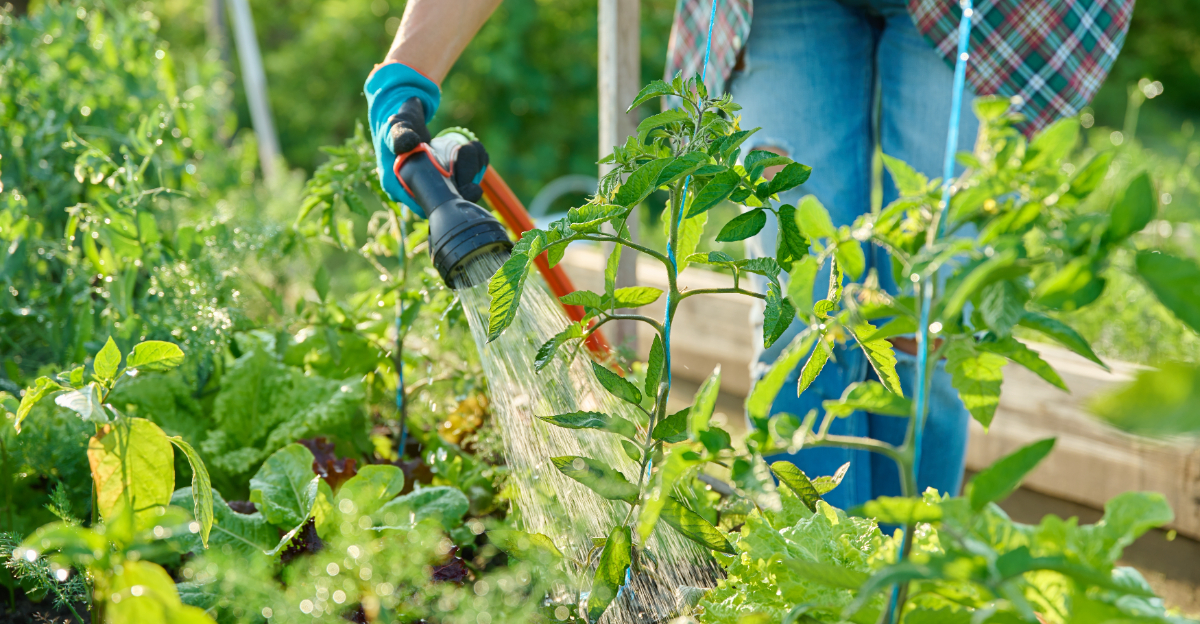
When the afternoon sun is beating down, grabbing the hose might seem like the fastest way to help your garden. That well-meaning habit can be less helpful than you think.
Hot weather changes how quickly moisture disappears and how effectively plants can use the water you provide. Timing your routine carefully can make every watering session count.
Instead of reacting whenever leaves look tired, pay attention to conditions before turning on the water. Midday wilting does not always mean your plants need another soak.
During a Georgia heat wave, choosing a better time can help moisture reach the soil before intense conditions work against you.
Your garden needs consistent moisture, but timing matters just as much as the amount.
Changing when you water can help plants handle scorching days without wasting valuable moisture.
1. Afternoon Heat Makes Watering Less Effective
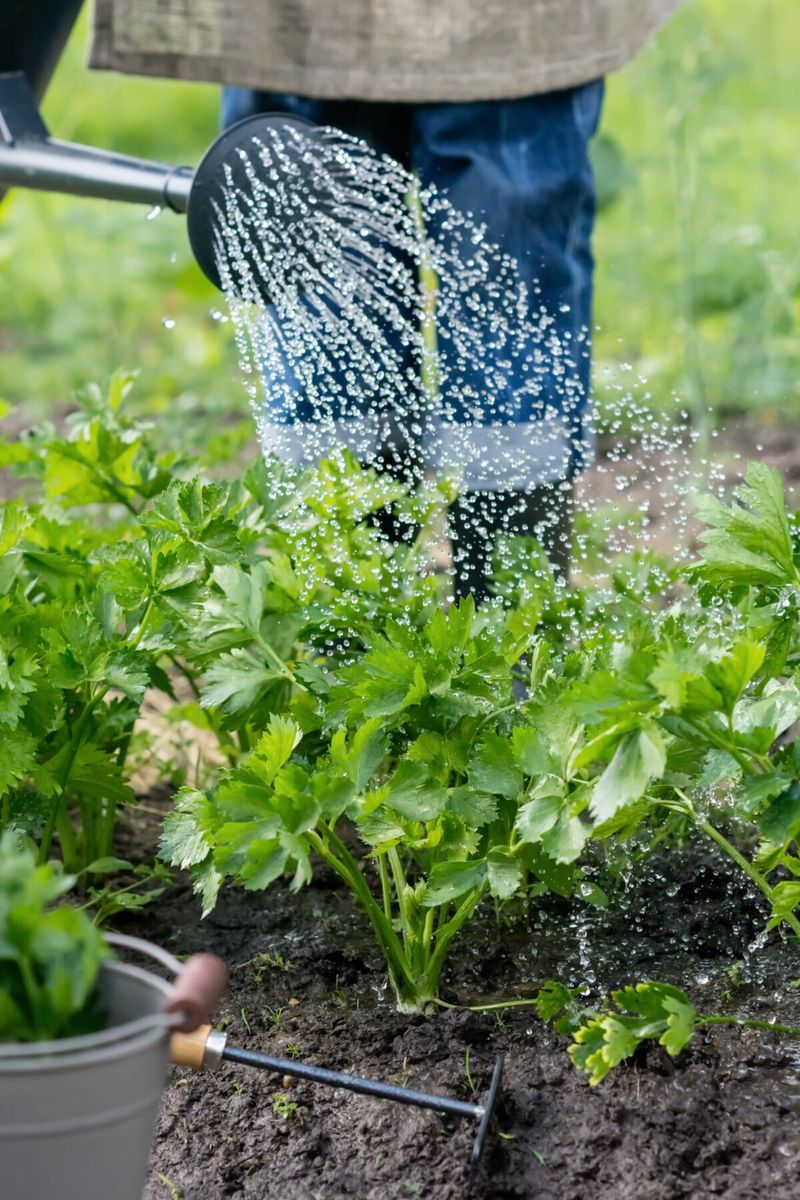
Watering at 2 p.m. in the middle of a heat wave is one of the least efficient things a gardener can do. Hot air and blazing sun pull moisture off the soil surface before roots ever get a chance to absorb it.
You end up using more water for less benefit.
Soil temperature matters a lot here. When the ground is already baked from hours of direct sun, water tends to run off or evaporate rather than soaking in slowly.
Roots need time to draw in moisture, and hot, hard soil does not cooperate well.
Afternoon watering in Georgia during peak summer heat can feel productive, but it rarely delivers what plants actually need. The water hits warm soil, warms up even more, and vanishes quickly into the air around it.
Cooler soil holds water better. Morning and evening watering allow moisture to settle deeper into the root zone before heat builds again.
Even shifting your schedule by a few hours can stretch the same amount of water much further.
Watering efficiency is not just about how long you run the hose. It is about how much of that water actually reaches the roots.
Afternoon heat stacks the odds against you, and your plants feel that difference throughout the day.
2. More Water Is Lost When The Day Gets Hot
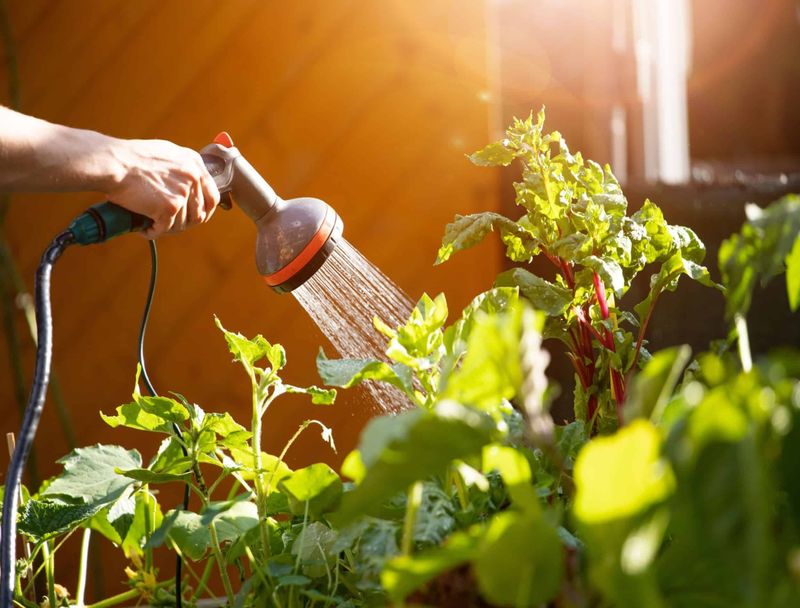
Evaporation is not a small problem during a heat wave. On a 95-degree afternoon, a significant portion of water applied to open soil can vanish before it even soaks an inch deep.
You are not just wasting water; you are wasting effort too.
Wind and low humidity speed things up even more. A light breeze on a hot day pulls surface moisture away fast.
Sprinklers are especially vulnerable because water droplets travel through hot air before they even land.
Drip irrigation loses less water to evaporation compared to overhead sprinklers, but even drip systems work better in cooler parts of the day. Soil absorbs water more readily when it is not already overheated from hours of direct sun exposure.
Mulch helps slow evaporation at the soil surface. A two-to-three inch layer of wood chips or straw around your plants keeps the ground cooler and holds moisture longer.
Your Georgia Garden Changes Every Week. Your Plan Should Too.
Gardening in Georgia changes quickly throughout the season. Every Friday you’ll receive a simple weekly plan showing exactly what to plant, prune, fertilize, harvest, and protect so you never miss the right timing.
It is one of the most practical things you can do during a heat wave.
Water loss during hot afternoons adds up fast over a full summer. Running your irrigation at the wrong time can increase your total water use without improving plant health at all.
Shifting to early morning cuts that waste down considerably and gives your garden a real advantage when temperatures climb.
3. Wilted Leaves Do Not Always Mean Plants Are Thirsty
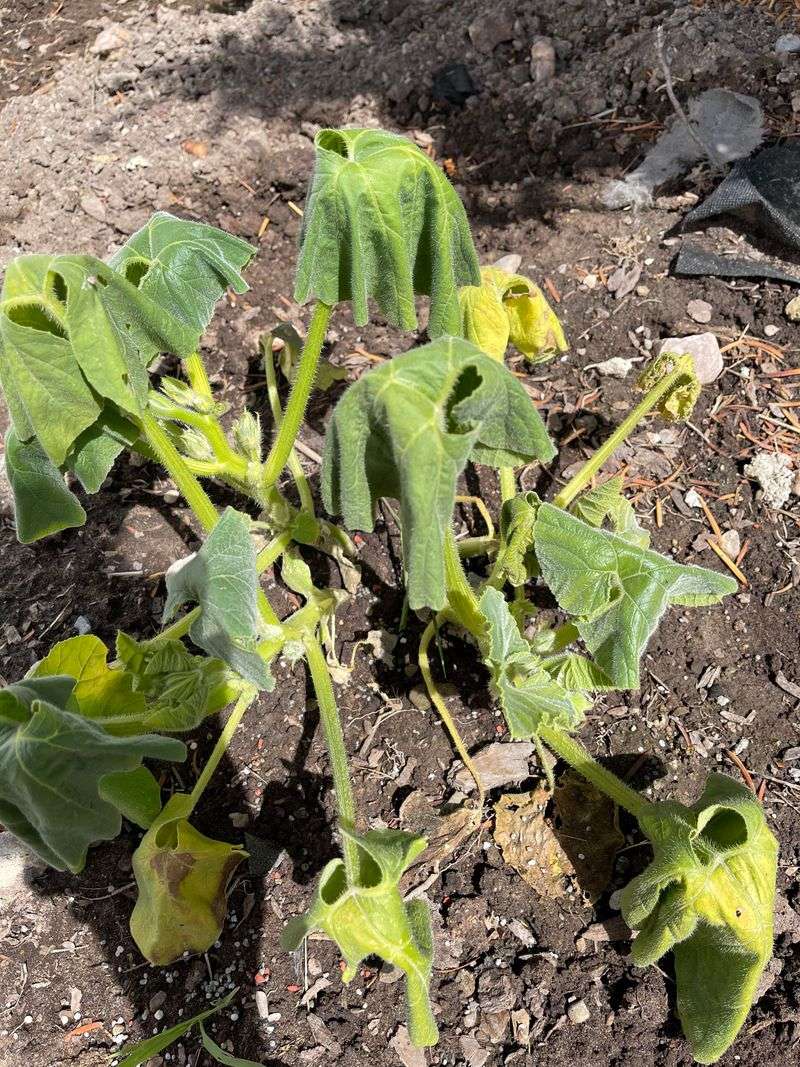
Drooping leaves in the afternoon heat can fool even experienced gardeners. Plants sometimes wilt as a natural response to intense sun and heat, not because they lack water.
Watering them again in this condition can actually cause more harm than good.
Check the soil first before reaching for the hose. Push a finger about two inches into the ground near the base of the plant.
If it feels moist, the plant likely does not need more water right now.
Heat-induced wilting is a survival response. Plants reduce water loss by letting leaves droop, which lowers the surface area exposed to direct sunlight.
Once temperatures drop in the late afternoon or evening, many plants perk back up on their own without any extra watering.
Overwatering is a real risk during heat waves, especially in clay-heavy soils common in parts of Georgia. Roots sitting in waterlogged soil can struggle to function properly, even when the plant looks stressed on the surface.
Watch your plants in the morning before heat builds. If leaves are still wilted early in the day before temperatures rise, that is a stronger sign the plant actually needs water.
Afternoon wilting alone is not a reliable signal. Learning the difference saves water and protects your garden from unnecessary stress during the hottest stretches of summer.
4. Early Morning Gives Roots More Time To Take In Moisture
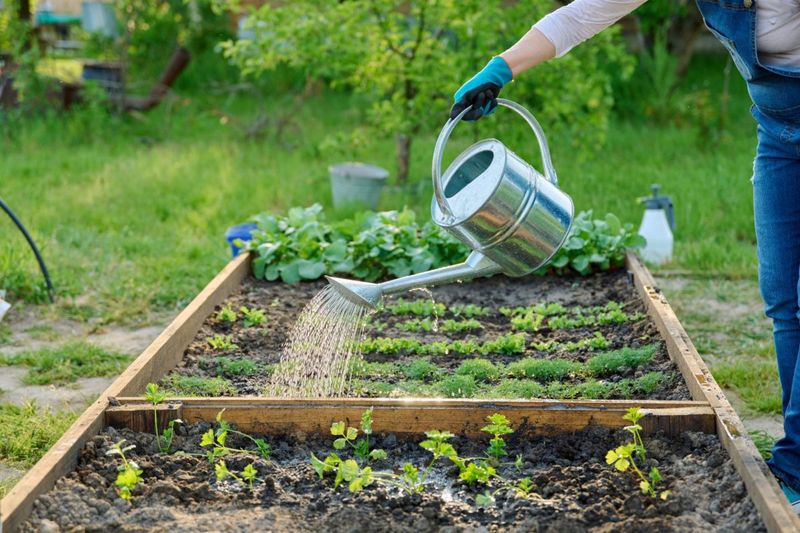
Early morning is genuinely the best time to water a garden during a heat wave. Soil is cool, air temperatures are lower, and there is usually less wind.
All of that means water soaks in rather than evaporating off the surface.
Roots are most active in absorbing moisture when conditions are not extreme. Early morning gives them a long window to pull in water before the heat of the day puts stress on the whole plant.
That head start matters a lot when temperatures climb into the 90s.
Watering before 9 a.m. is a solid target in Georgia during summer. By mid-morning, temperatures start rising fast, and soil begins to warm up quickly.
Getting water in early locks in moisture before that heat arrives.
Leaf surfaces also dry faster in the morning than at night. Wet leaves that dry quickly are less prone to fungal issues compared to leaves that stay damp through cool overnight hours.
Morning watering hits a good balance on both fronts.
Consistency helps too. Watering at the same time each morning trains your plants to expect moisture at predictable intervals.
Roots tend to grow deeper when water is applied consistently, which makes plants more resilient during dry spells. A simple routine can make a noticeable difference in how well your garden holds up through the hottest part of summer.
5. Water The Soil Instead Of Soaking The Leaves
Spraying water over the tops of plants might look thorough, but most of it is wasted. Leaves cannot absorb water the way roots can.
Overhead watering during hot weather often does more for evaporation rates than for plant health.
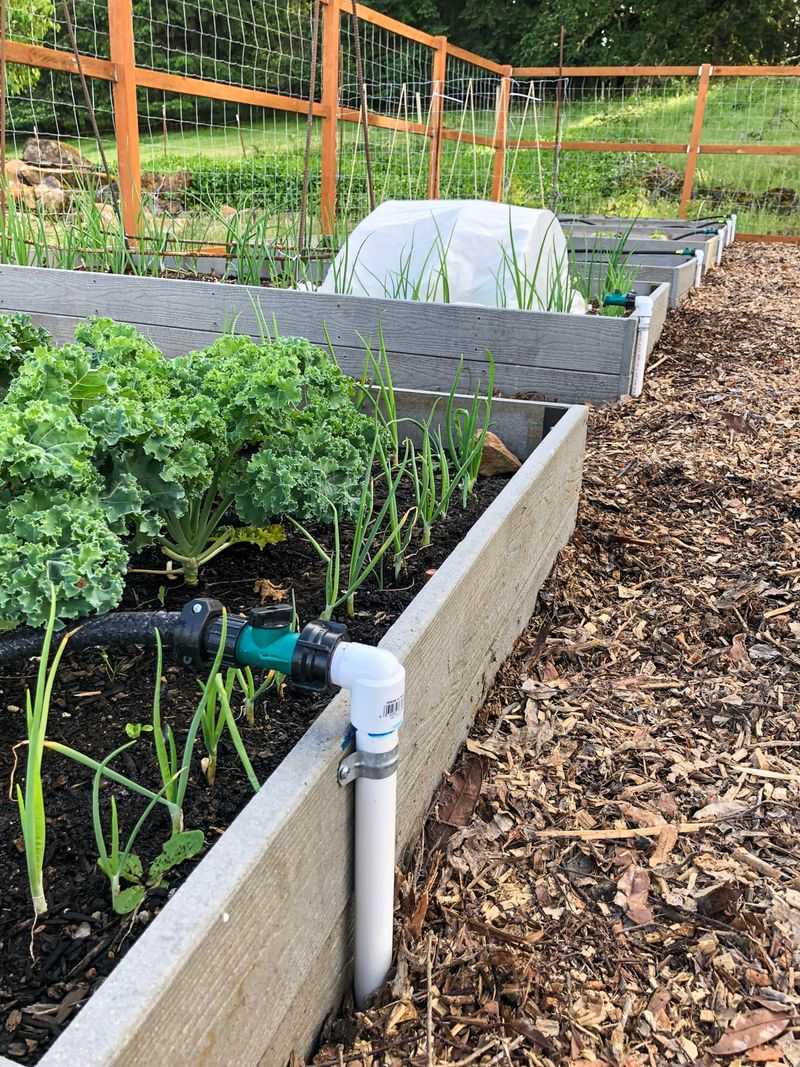
Directing water at the soil base targets the root zone directly. Roots are where uptake actually happens, so getting water there efficiently is the whole point.
Soaker hoses and drip lines do this well without wetting foliage at all.
Wet leaves in hot, humid conditions can create problems over time. Fungal issues like powdery mildew and leaf spot tend to develop more easily when foliage stays damp.
Keeping leaves dry while watering the soil reduces that risk considerably.
Hand watering at the base of each plant is a practical option for smaller gardens. It takes a bit more time, but you control exactly where the water goes.
No waste, no wet leaves, and no runoff onto pathways or areas with no plants.
Raised beds and container gardens benefit especially from base watering. Soil in raised beds can dry out faster than in-ground beds, so accurate delivery at the root zone helps every drop count.
During a heat wave, precision matters. Changing where your water lands, not just when you apply it, is one of the most straightforward upgrades you can make to your summer watering routine.
6. A Thorough Soaking Reaches More Of The Root Zone
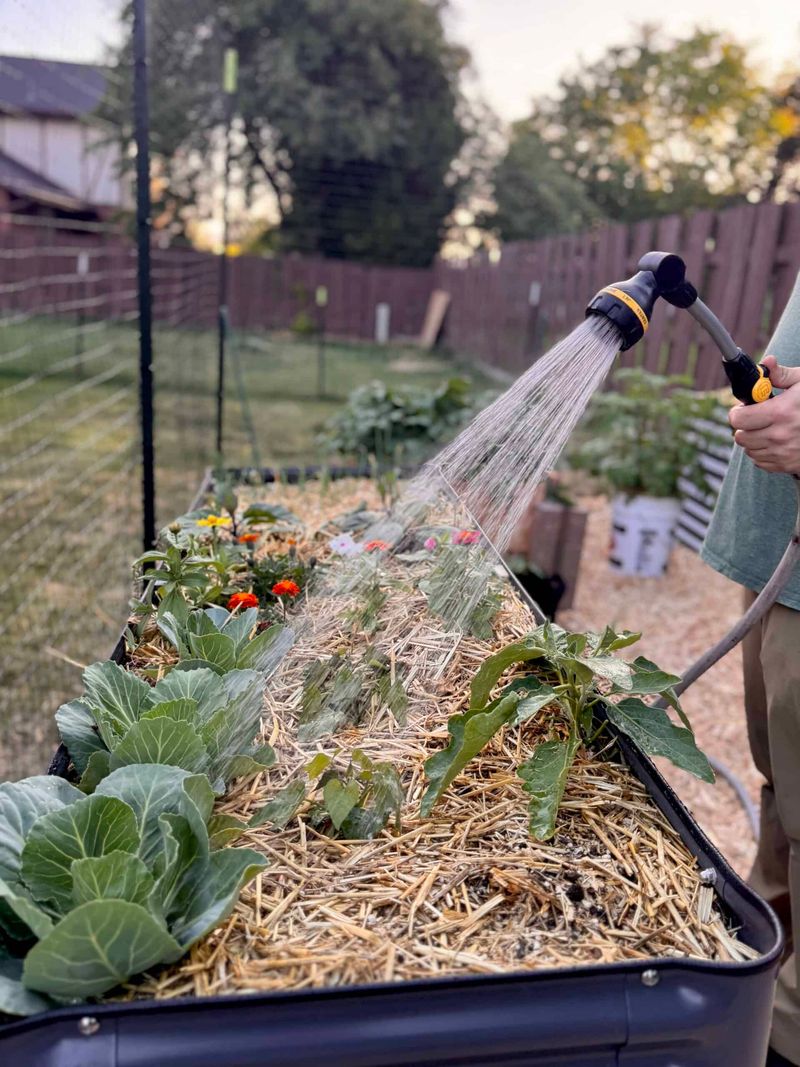
Light, frequent watering does not help plants as much as most people expect. Shallow watering keeps moisture near the surface, which is exactly where it evaporates fastest during hot weather.
Roots follow water, so shallow watering produces shallow roots.
A deep soak encourages roots to grow further down into the soil. Deeper roots reach moisture that stays cooler and more stable during heat waves.
Plants with deep root systems tend to handle dry stretches better than those watered lightly every day.
A good rule of thumb is watering until moisture reaches six to eight inches deep. You can check this by digging a small hole nearby after watering to see how far down the soil is wet.
It is a simple check that tells you a lot.
Sandy soils common in some areas of Georgia drain quickly and may need slightly longer watering sessions to push moisture deep enough.
Clay soils hold water longer but absorb it more slowly, so watering too fast causes runoff before it can soak in properly.
Slowing your watering rate helps in clay-heavy soil. Using a drip system on a low setting or pausing mid-session gives the ground time to absorb each round before more is added.
Watering thoroughly but patiently builds a healthier root system than rushing through a quick spray every afternoon during the hottest weeks.
7. Check The Soil Before Watering Again
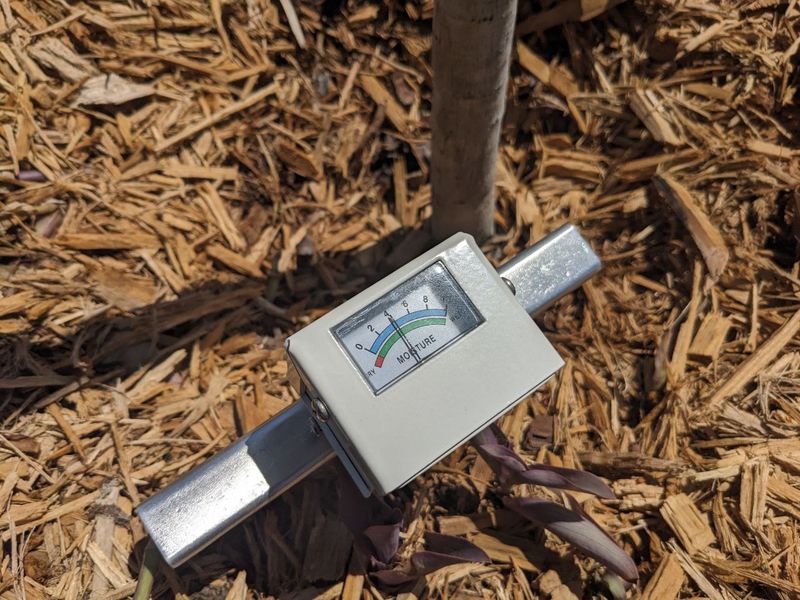
Sticking to a rigid schedule without checking the soil is one of the most common watering mistakes. Weather changes, recent rain, and soil type all affect how fast moisture is used up.
Watering on autopilot ignores all of those variables.
A quick soil check takes about ten seconds. Push two fingers into the ground near the base of your plant.
If it feels dry past the first inch or two, watering makes sense. If it still feels cool and moist, hold off a bit longer.
Inexpensive moisture meters are available at most garden centers and give a more precise reading than the finger test. They are especially useful in containers and raised beds where soil conditions can shift quickly in hot weather.
Overwatering is a real concern in Georgia’s summer heat, particularly in heavier soils that do not drain as freely. Roots sitting in saturated soil have trouble accessing oxygen, which limits their ability to function properly even when water is plentiful.
Building a habit of checking before watering resets your routine around what the garden actually needs rather than what feels routine. Some days you will water.
Some days you will not. Both outcomes are fine as long as the decision is based on real soil conditions.
Trusting the soil check over the calendar leads to healthier plants and less wasted water all summer long.