The Arizona Flower That Handles Summer Heat Better Than Mexican Petunia
Some flowers fade long before Arizona’s hottest weeks are over. Mexican petunias often struggle when temperatures stay high, leaving many gardeners searching for something more dependable.
If you are ready for longer lasting color, it may be time to consider a better choice. One tough flower keeps blooming when the heat refuses to let up.
It asks for very little while rewarding you with months of cheerful color. That combination is hard to ignore during another scorching summer.
Don’t settle for plants that constantly need extra attention. Give your landscape something better suited to the climate.
The right replacement can save time, reduce frustration, and brighten your yard for much longer.
You may wonder why you did not plant this heat loving favorite sooner once you see how well it performs.
1. Angelita Daisy Is A Better Heat-Tolerant Choice
Most flowering plants tap out when summer temperatures climb past 100 degrees. Angelita Daisy keeps going.
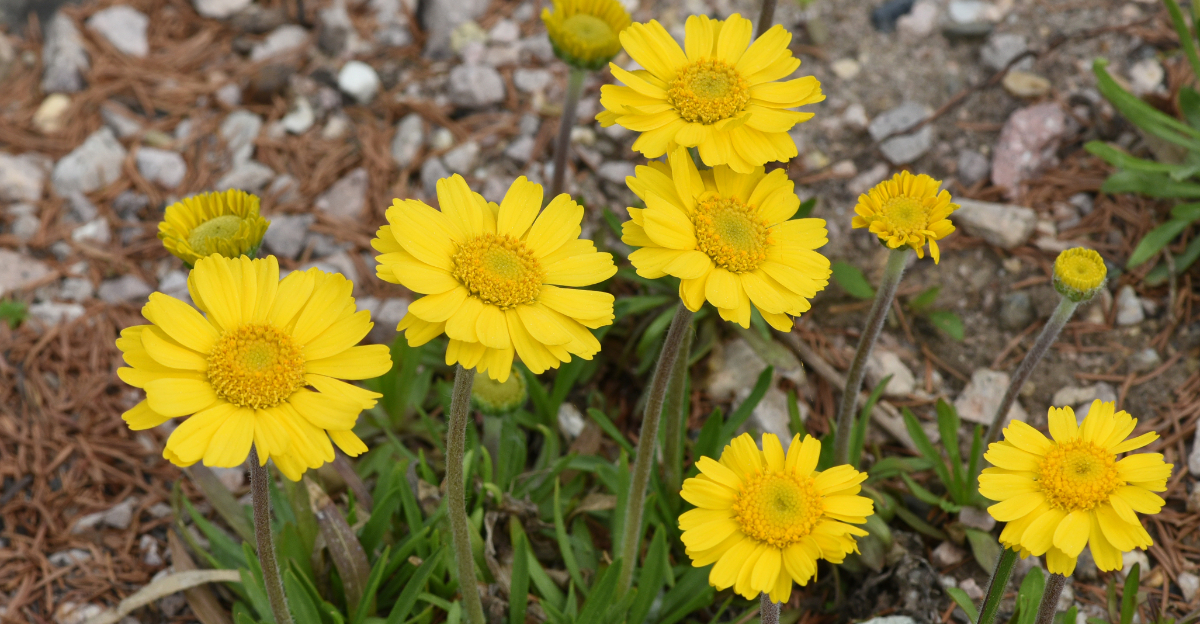
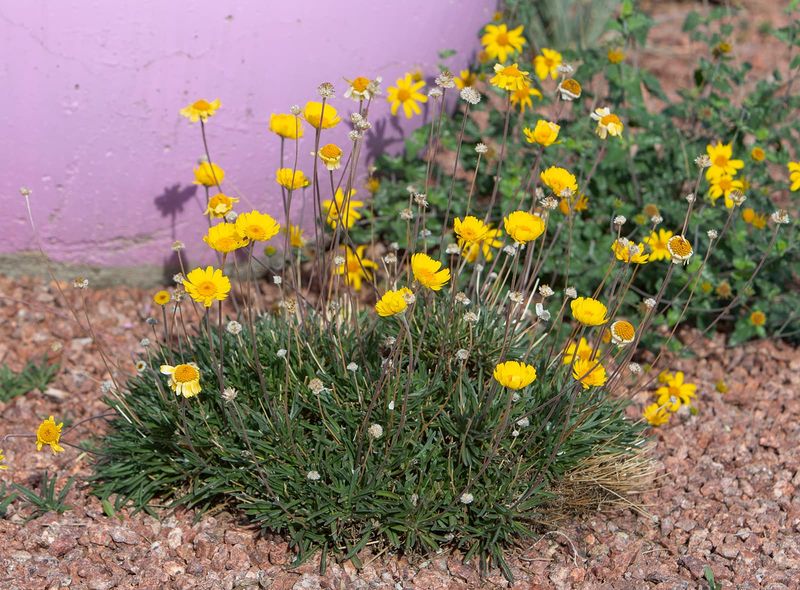
Native to the Chihuahuan Desert, this small evergreen perennial produces cheerful yellow blooms from spring straight through fall. It does not need babying, and it does not spread into places you do not want it.
Mexican Petunia can be aggressive. It reseeds heavily and spreads through underground runners.
Angelita Daisy stays put in a tidy, rounded clump that rarely exceeds 12 inches tall.
Beyond its well-behaved habit, it tolerates reflected heat from walls, driveways, and sidewalks far better than most ornamentals. That kind of durability is hard to find in a flowering plant.
In Arizona landscapes, it fits perfectly along borders, in rock gardens, or tucked between boulders. Bees and butterflies visit the blooms regularly, which adds extra life to your yard.
No flashy marketing claim here. Just a plant with a genuinely strong track record in low desert conditions.
Gardeners who have grown both often say Angelita Daisy requires far less intervention to stay attractive through summer. It earns its spot without demanding much in return.
2. Well-Drained Soil Helps It Thrive
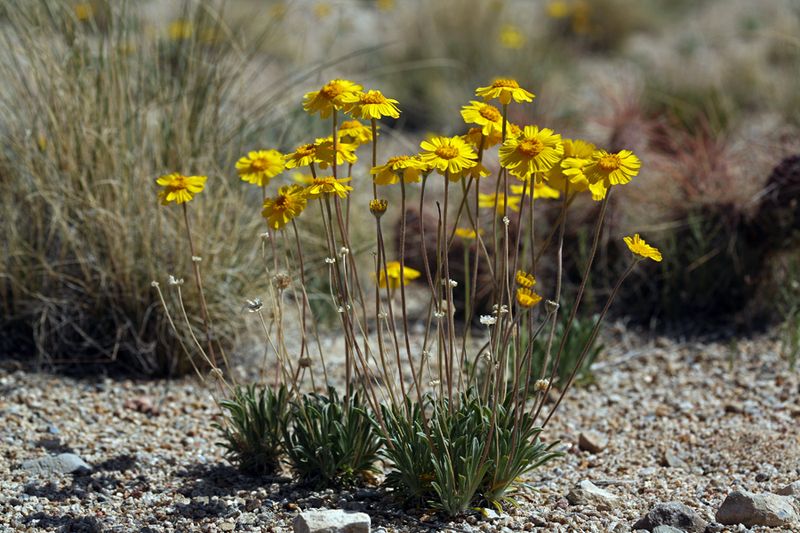
Soggy roots are the fastest way to weaken Angelita Daisy. Good drainage is not optional with this plant.
In its native habitat, it grows in rocky, sandy soils that shed water quickly. Replicating those conditions in your own yard makes a real difference in how well it performs.
If your soil is heavy clay, amend it before planting. Mix in coarse sand or decomposed granite to improve drainage.
Raised beds or sloped areas also work well because water moves through and away from roots faster.
Avoid planting in low spots where water pools after rain. Even a short period of standing water can stress the roots and lead to rot over time.
Decomposed granite mulch around the base of the plant helps in two ways. It keeps soil temperatures cooler near the roots and allows rainfall to pass through rather than sit on the surface.
Well-drained soil also warms up faster in spring, which encourages earlier blooming. In the low desert, that means you could see flowers as early as late February or March under the right conditions.
Your Arizona Garden Changes Every Week. Your Plan Should Too.
Gardening in Arizona changes quickly throughout the season. Every Friday you’ll receive a simple weekly plan showing exactly what to plant, prune, fertilize, harvest, and protect so you never miss the right timing.
Soil quality is one of the biggest factors separating a struggling Angelita Daisy from one that looks full and healthy all season.
3. Plant It In Full Sun
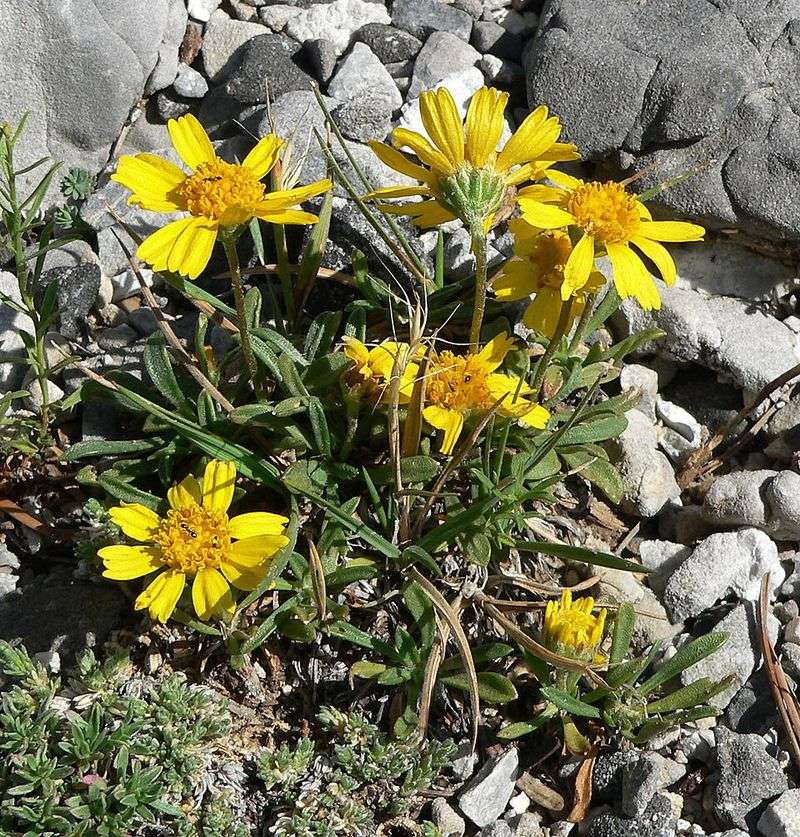
Shade is not a friend to Angelita Daisy. Full sun is where it performs best, plain and simple.
Six or more hours of direct sunlight per day is the baseline. More sun generally means more blooms and a tighter, more compact growth habit.
Plants grown in partial shade tend to get leggy and produce fewer flowers over time.
South-facing and west-facing exposures work especially well in low desert areas. Those spots get the most intense afternoon light, which would stress many plants but suits Angelita Daisy just fine.
Reflected heat from stucco walls or concrete is not a problem either. Some gardeners actually report stronger performance when the plant gets that extra radiant warmth bouncing off nearby surfaces.
When choosing a planting spot, avoid areas shaded by trees or roof overhangs. Even a few hours of blocked sun each day can reduce flowering noticeably.
Pick a spot with open sky above and good air circulation around the plant.
Planting in full sun also reduces the chance of fungal issues. Good light and airflow keep foliage drier, which helps the plant stay cleaner through humid monsoon periods.
In the Sonoran Desert region, monsoon moisture combined with shade can cause problems for plants that prefer dry conditions.
4. Water Less After It Becomes Established
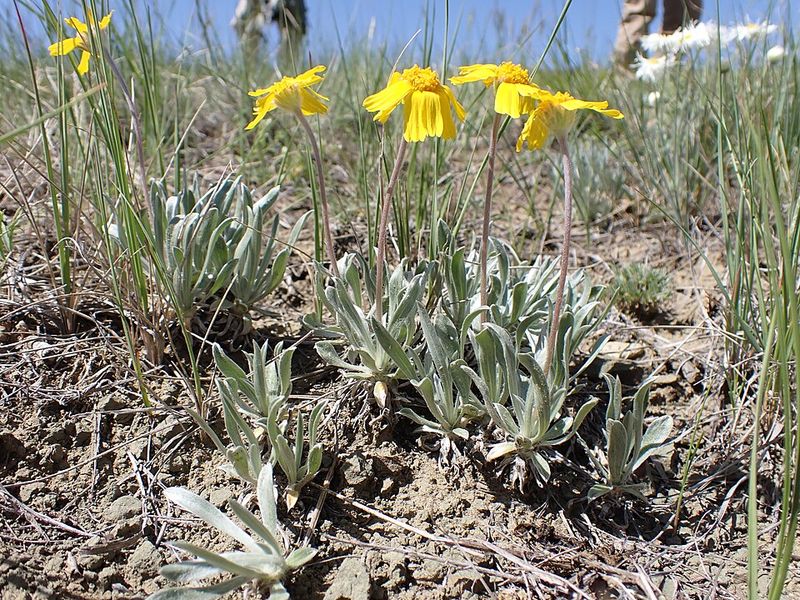
Overwatering Angelita Daisy is a more common mistake than underwatering. Once established, it wants much less water than most people expect.
Getting established usually takes one full growing season. During that first year, water deeply once or twice a week to help roots develop.
Shallow, frequent watering encourages surface roots that struggle during dry spells.
After the first year, pull back significantly. In summer, deep watering every ten to fourteen days is often enough, depending on your soil type and recent rainfall.
During cooler months, watering once or twice a month may be sufficient.
Watch the plant rather than the calendar. Slightly wilted or dull-looking foliage in the early morning is a sign it could use water.
Bright, upright foliage means it is doing fine.
Drip irrigation works well because it delivers water slowly and directly to the root zone. Avoid overhead sprinklers, which wet the foliage and can invite fungal problems during humid monsoon weather.
Deep, infrequent watering trains roots to grow down into cooler soil layers. That makes the plant more resilient during extended hot and dry stretches.
In Arizona summers, that kind of deep root development can make the difference between a plant that looks tired by August and one that keeps flowering strong.
5. Remove Spent Flowers To Keep Blooms Coming
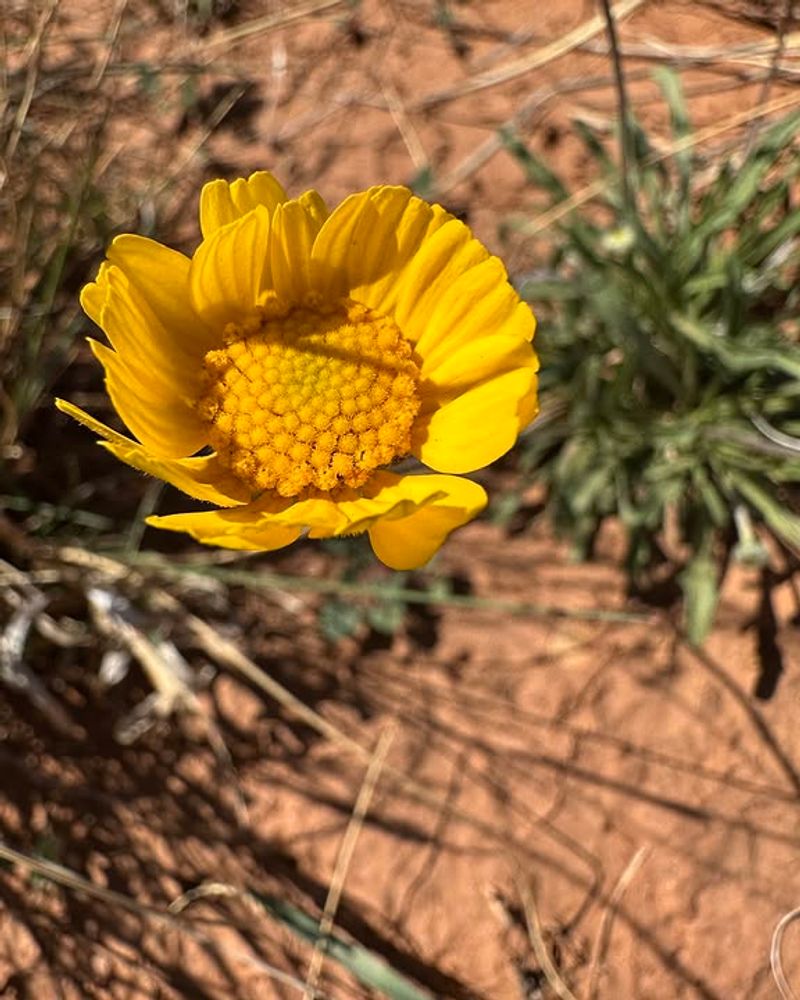
Deadheading sounds like extra work, but with Angelita Daisy it pays off fast. Removing old blooms encourages the plant to push out new ones.
Once a flower fades and starts forming a seed head, the plant shifts energy toward seed production. Pinching or snipping off spent blooms redirects that energy back into producing more flowers instead.
No fancy tools required. Use your fingers to pinch off faded blooms, or grab a small pair of scissors for a cleaner cut.
Either approach works fine.
Check the plant every week or two during peak blooming season. It takes only a few minutes and keeps the plant looking tidy rather than ragged.
A quick pass over the plant makes a noticeable difference in how full and fresh it appears.
During monsoon season, blooms may come and fade more quickly because of the added humidity and warmth. Staying on top of deadheading during that stretch keeps things looking sharp.
Some gardeners skip deadheading altogether and still get decent results. Angelita Daisy is forgiving enough to keep blooming even without consistent maintenance.
But if you want the most impressive floral display possible through summer and into fall, regular removal of spent flowers makes a clear difference.
6. Trim Plants Lightly When Growth Slows
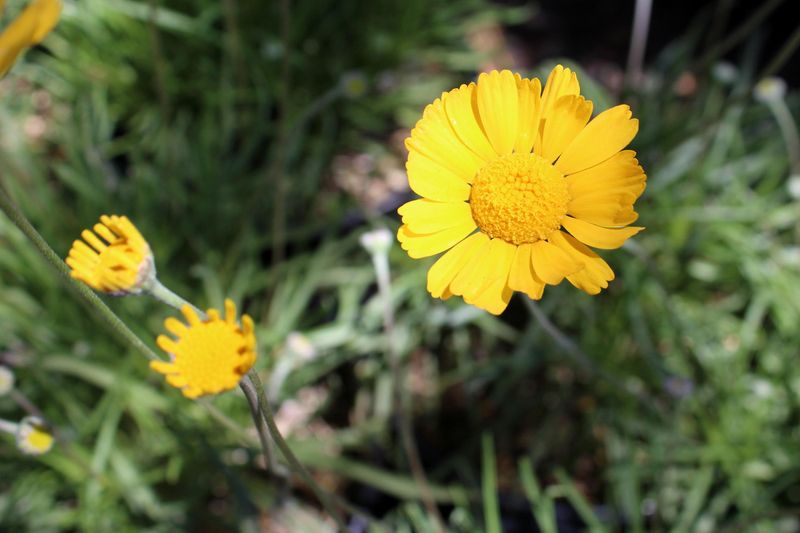
Growth slows down for Angelita Daisy during the coldest part of winter. That is the right time to tidy it up with a light trim.
A light shearing, not a heavy cutback, is what works best. Trim back about one third of the plant’s overall size.
Cutting too aggressively can stress the plant and reduce next season’s bloom output.
Use clean, sharp shears to avoid tearing stems. Ragged cuts take longer to heal and can make the plant more vulnerable to pests or disease.
A clean cut is always the better option.
Trimming in late winter, around February in low desert areas, sets the plant up for a strong flush of spring growth. New stems emerge quickly once temperatures start climbing, and those fresh stems carry the most flowers.
Avoid trimming during the peak heat of summer. Cutting during that period removes active growth and can temporarily slow blooming at exactly the time you want color most.
If the plant looks tired or a little woody after several years, a harder cutback in late winter can help rejuvenate it. New growth usually fills in within a few weeks under warm conditions.
7. Pair It With Other Low-Water Plants
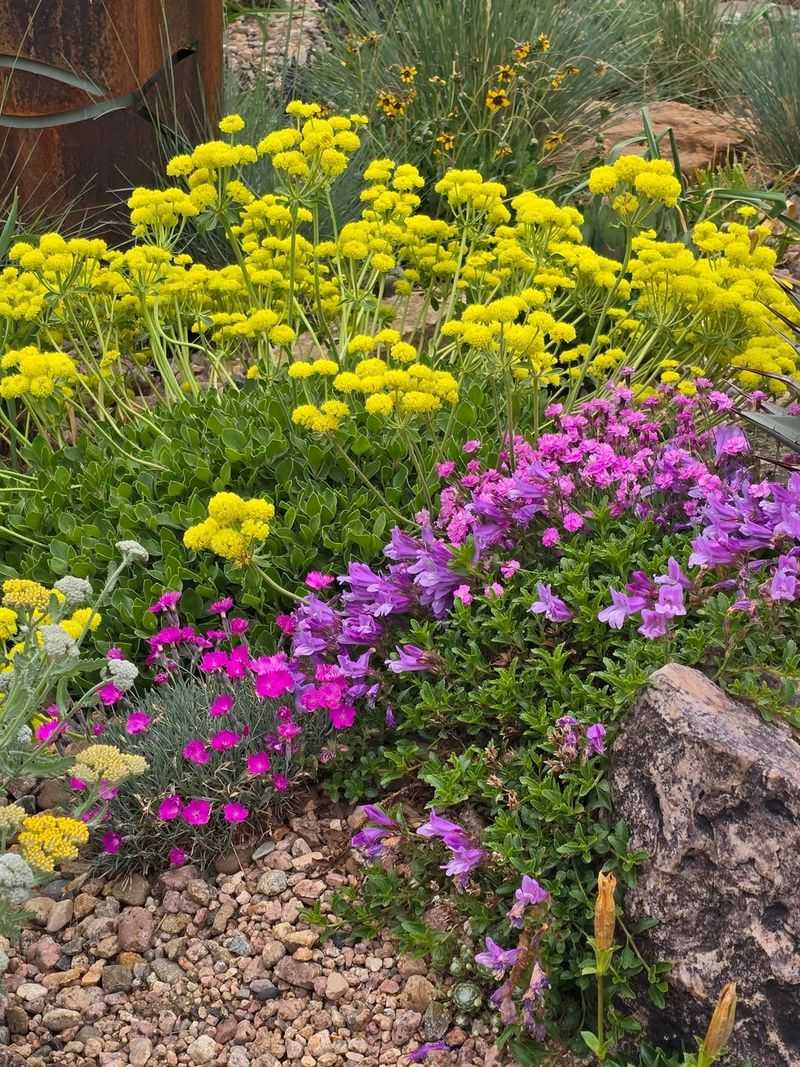
Angelita Daisy looks best when it has good company. Pairing it with other drought-tolerant plants creates a landscape that works together instead of fighting against the climate.
Blackfoot Daisy is a natural partner. Both plants share similar water needs and bloom cycles, and their white and yellow flowers create a clean, cheerful contrast side by side.
Desert Marigold brings a bolder yellow and a slightly taller presence. Planted behind Angelita Daisy, it adds layered height without competing for the same resources in the soil.
Salvia greggii, commonly called Autumn Sage, adds red or pink color to the mix. It blooms heavily in spring and fall, which fills in gaps when other plants slow down during peak summer heat.
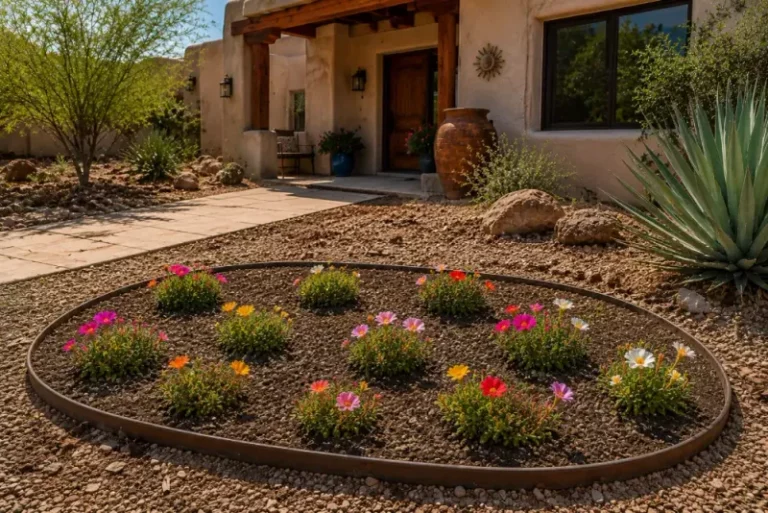
Agave and low-growing cacti provide structure and texture without needing much water at all. Mixing flowering perennials with structural succulents gives a garden year-round visual interest.
When grouping plants, consider mature sizes. Angelita Daisy stays small, so placing it in front of taller plants makes sense for visibility and airflow.
In Arizona and across the broader Sonoran Desert region, thoughtful plant combinations reduce irrigation needs significantly.
A well-planned low-water garden can look lush and colorful even during the driest stretches of summer.