Desert Stingbush in Arizona: Sharp Hairs Worth Respecting, Not Yet Proven to Match a Scorpion Sting
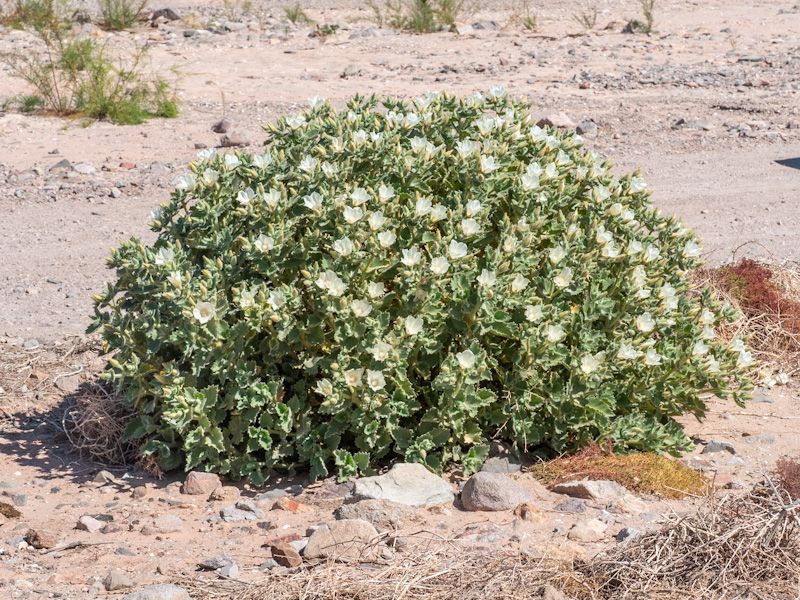
Some Arizona plants look harmless until you brush against them. Desert stingbush is covered in sharp little hairs that deserve real caution.
Online claims say touching it hurts as much as a scorpion sting, but nobody has shown that. Here is what is known, what is still a mystery, and how to stay safe.
Meet desert stingbush
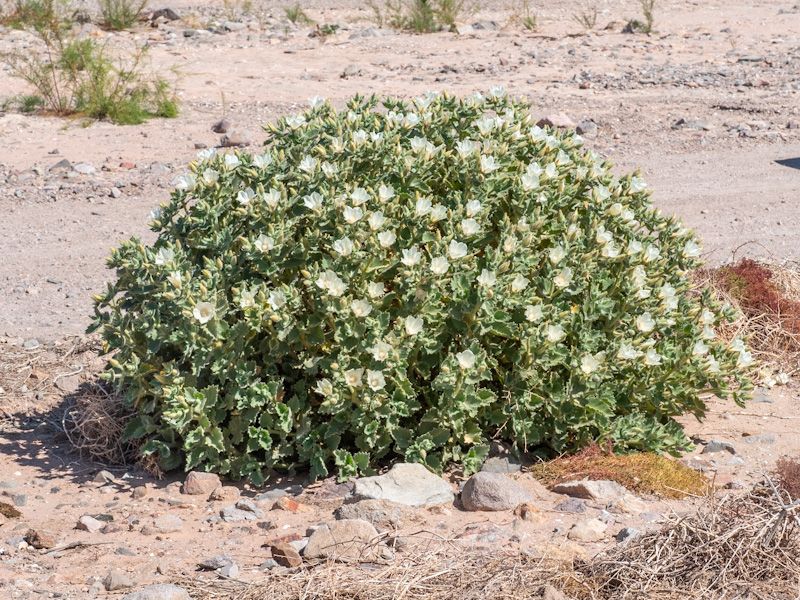
Desert stingbush, also called desert rock nettle (Eucnide urens), is a small woody shrub known as a subshrub. It is native to the southwestern United States, and USDA plant records list Arizona within its native range.
Its natural home is desert and dry shrubland, which is how Kew’s plant database classifies the habitat. Think rocky slopes and dry washes rather than a tidy front yard bed.
Here is a correction worth making. Being native to Arizona does not mean the plant is common in neighborhoods.
Nothing in the sources shows it is often planted or often found in Phoenix or Tucson yards, so it is better not to call it a common yard shrub. If you spot a fuzzy, unfamiliar plant on a desert walk or at the edge of your property, treat it as unknown and give it space until you can identify it.
What researchers found on its surface
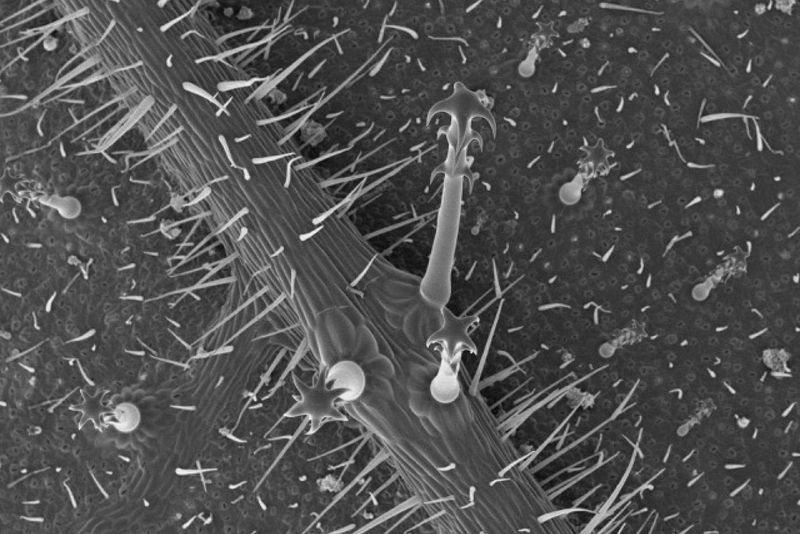
Up close, the plant’s surfaces are densely covered with hairs. A 2026 study in Functional Ecology describes them as needlelike, barbed, and simple, meaning unbranched.
In laboratory tests, those barbed hairs could snag and immobilize caterpillars. That tells us the hairs work as a defense against hungry insects.
It does not tell us how much pain a person feels, or whether a person feels any at all.
Still, sharp and barbed is a good reason for good manners around this plant. You do not need a proven injury to decide that brushing a mat of needlelike hairs is a bad idea.
Keep arms, legs, pets, and curious kids from rubbing against the foliage, and skip any urge to test the plant with a fingertip.
How the hairs affect people remains uncertain
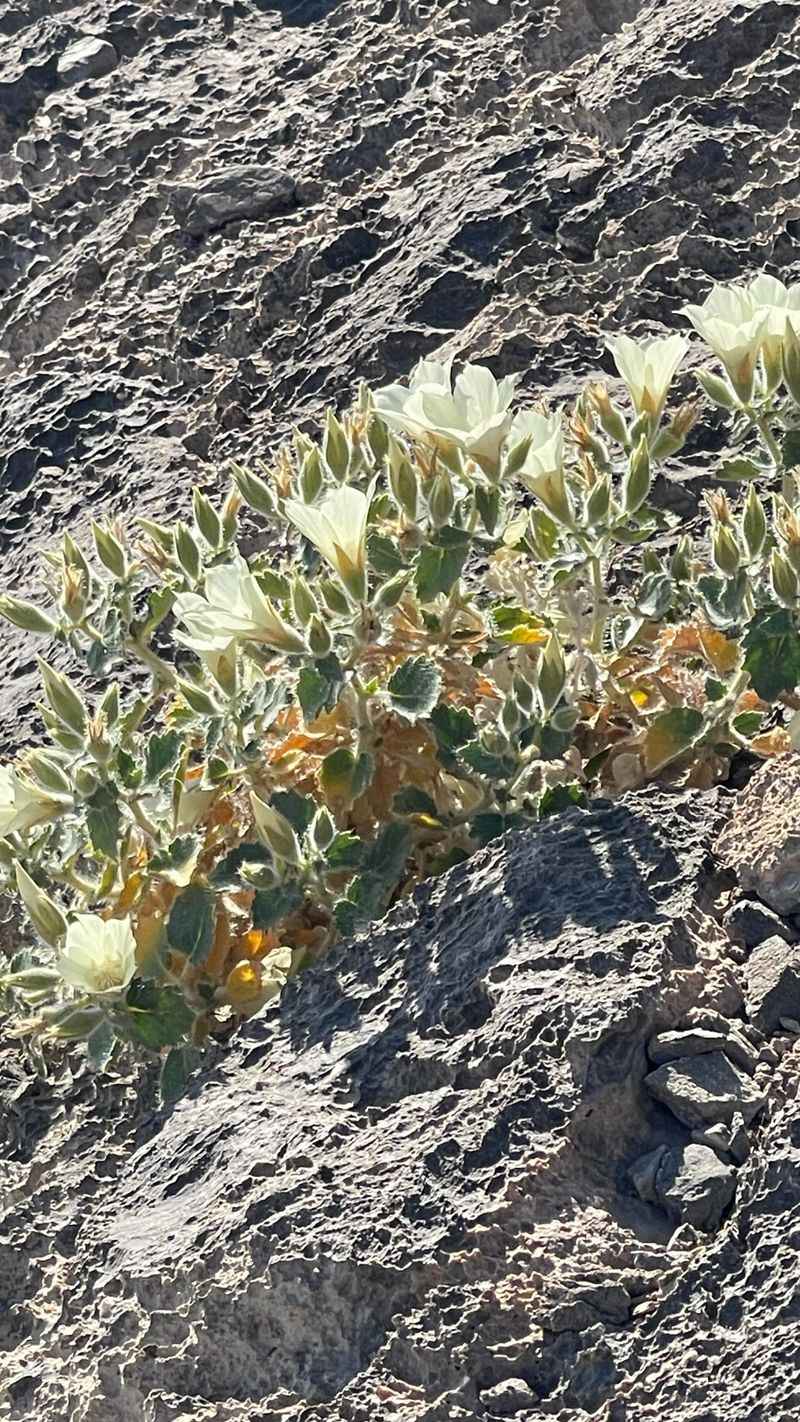
Researchers have not settled how the hairs work on skin. They could inject an irritant, like the true stinging hairs on some relatives.
Or they could simply irritate mechanically, by poking and snagging.
The same study reports that the hairs do not leave lasting welts the way true stinging hairs do in some related plants. That is an interesting clue, but it is only a clue.
It does not prove the plant is harmless to touch.
Meanwhile, calling the hairs proven toxin-injecting stingers goes too far, because that question is still open. The practical meaning is simple: the effects on people are not well documented, so the safest plan is to avoid contact and not rely on guesses in either direction.
Why the scorpion comparison is unproven
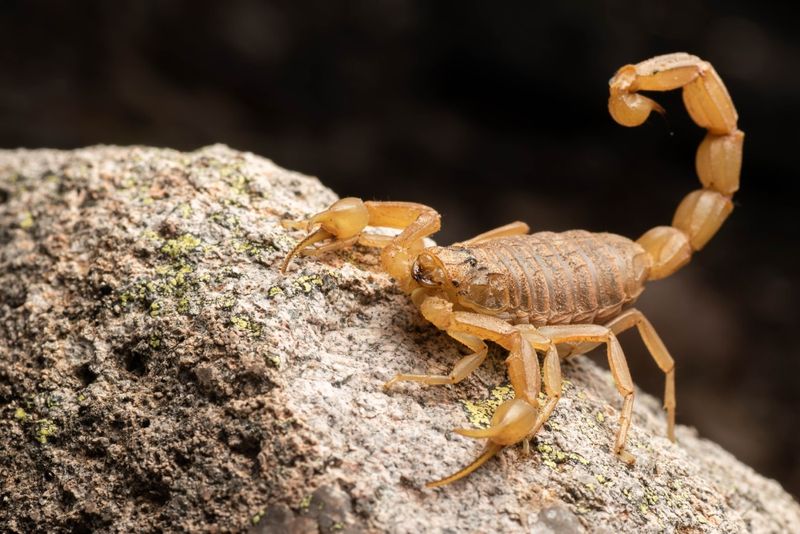
Claims that stingbush hurts as much as a scorpion sting are not backed up. The 2026 study does not compare human pain at all, and no source we reviewed puts the two side by side.
Your Arizona Garden Changes Every Week. Your Plan Should Too.
Gardening in Arizona changes quickly throughout the season. Every Friday you’ll receive a simple weekly plan showing exactly what to plant, prune, fertilize, harvest, and protect so you never miss the right timing.
Pain is also personal, so a flat comparison would be shaky anyway.
Bark scorpion stings are a different kind of event. Arizona Poison Control says they can cause immediate pain, numbness, and tingling, and that small children face a greater risk of severe reactions.
Do not assume the plant causes those symptoms or carries a similar body-wide danger. Nothing shows that.
If someone is stung by a scorpion, follow the scorpion guidance and call Poison Control, rather than treating it like a plant brush.
Avoid brushing or handling the plant
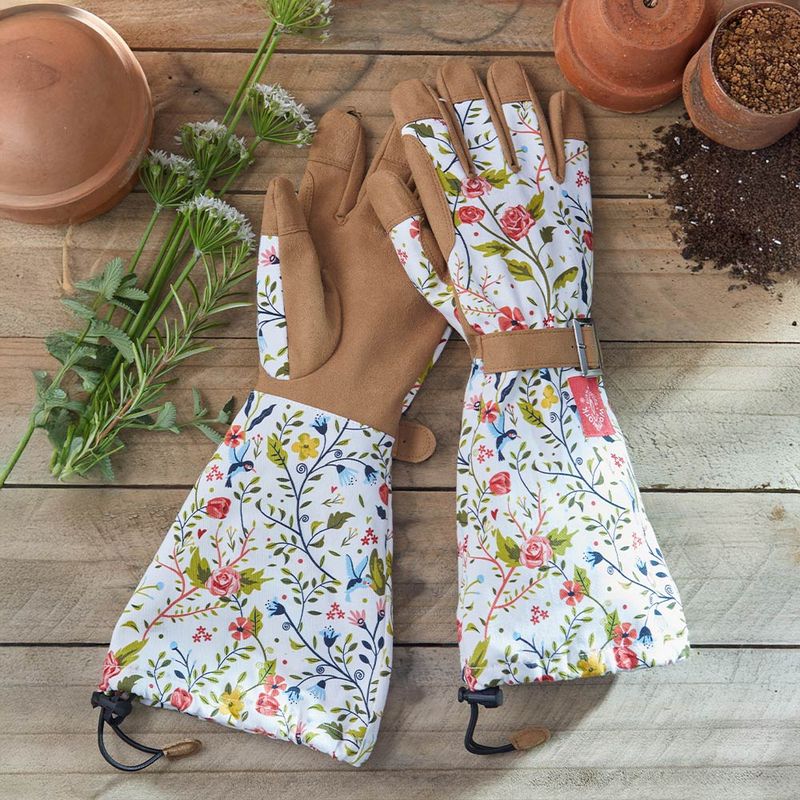
Prevention is simple. Never touch an unidentified plant bare-handed, however soft or fuzzy it looks.
Identify it first from a safe distance, using a photo or a local native plant resource.
If you must work near an identified stingbush, keep from brushing the foliage. Wear sturdy gloves and clothing that covers exposed skin, such as long sleeves and long pants.
Closed shoes help too, since low plants can graze ankles.
These are precautions, not a promise that every contact causes a certain injury. They come from the documented sharp, barbed hairs described in the 2026 plant study.
For questions about a specific plant, Arizona Poison Control’s plant page is a helpful reference.
What to do after plant contact
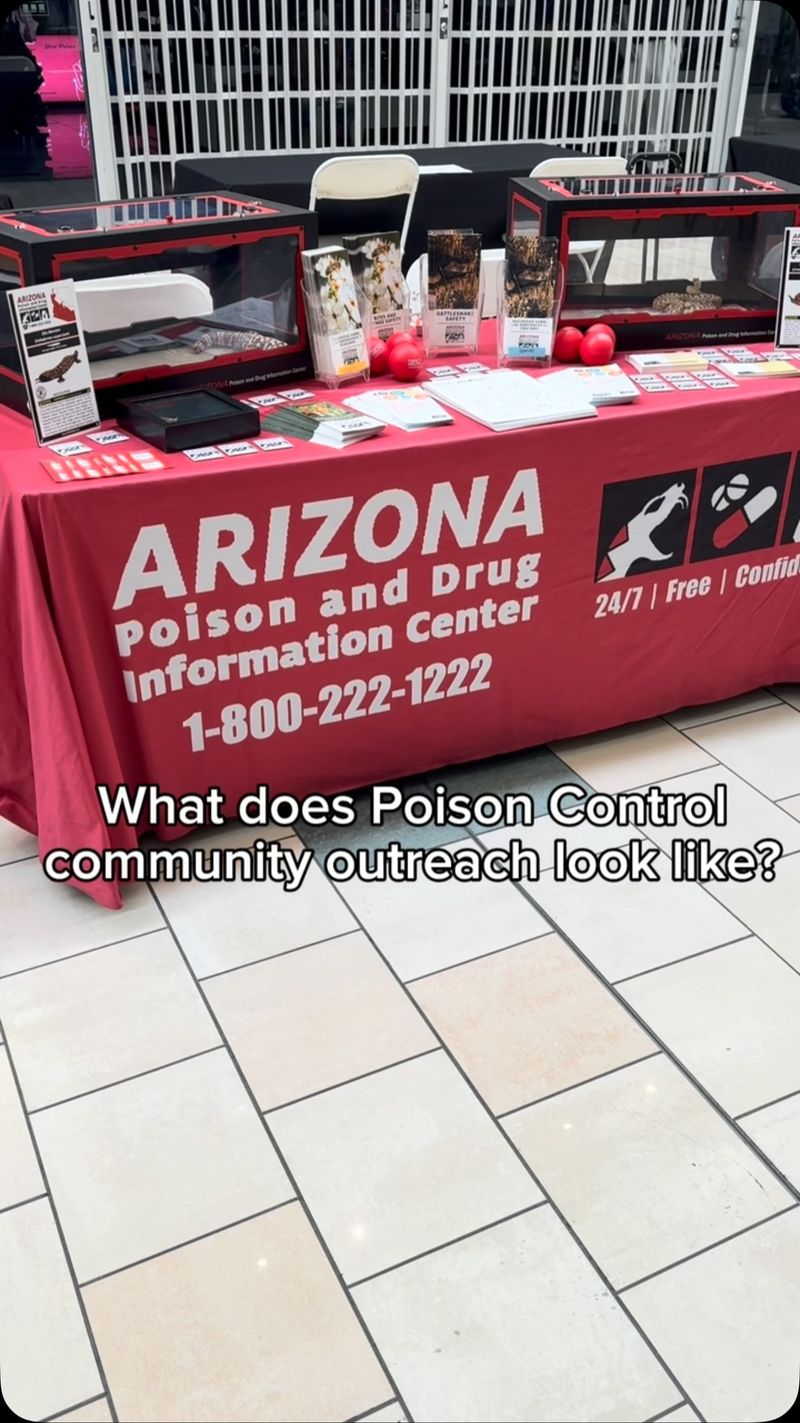
If you brush against the plant, wash the affected area. That is the first step, and it needs no special products.
Next, pay attention to how you feel. If symptoms seem concerning, or you are not sure which plant caused the exposure, call Arizona Poison Control at 1-800-222-1222.
Poison centers handle plant questions, and the guidance is in line with what the Arizona poison center advises.
Stick to that advice rather than trying home remedies you read about online. Nothing in the supplied guidance supports extra treatment steps, so adding them would be guesswork.
A quick photo of the plant can help you describe it on the call.
A plant can earn respect without a famous reputation. Keep your distance and the question mostly answers itself.