Costco Issues Urgent Warning For Desert Willow Plants Sold In Arizona
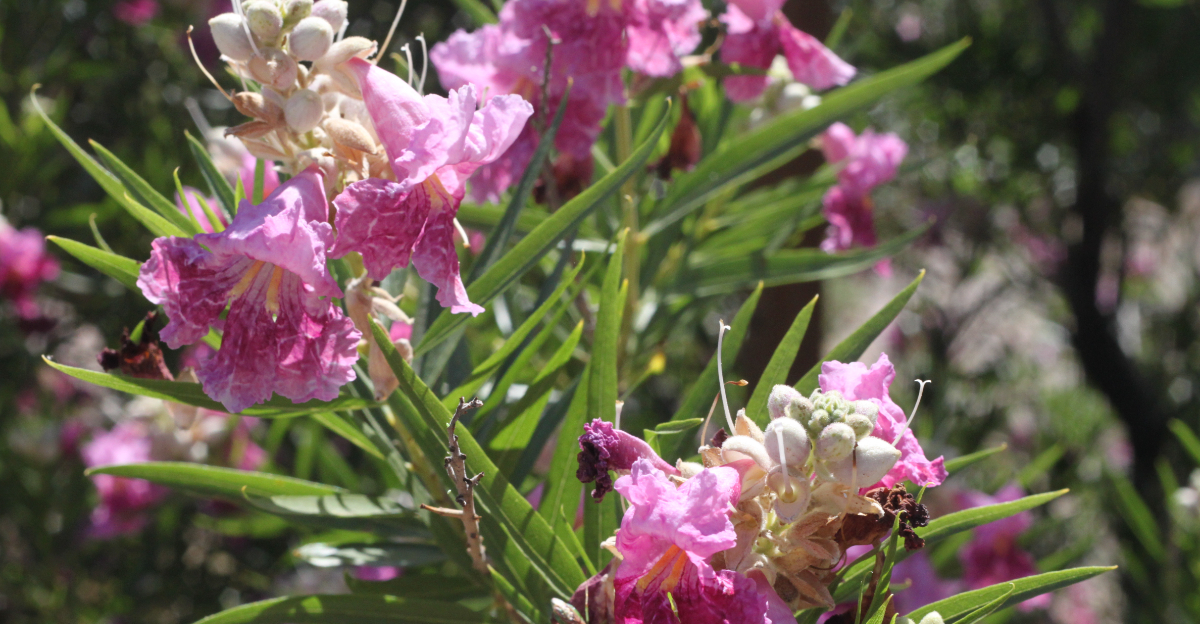
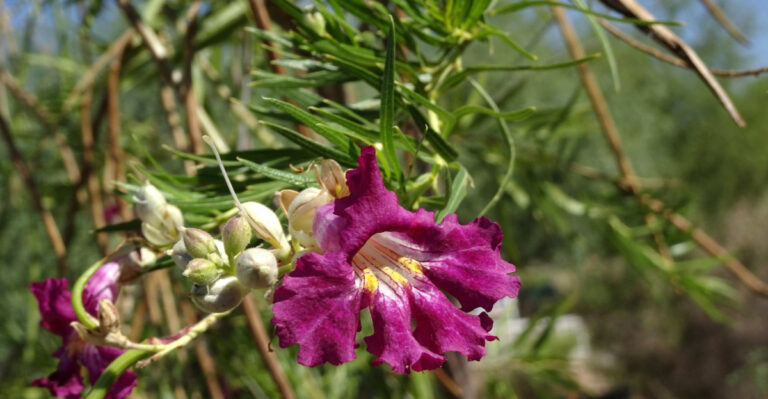
Buying a desert willow from Costco probably felt like a great find. Now, some Arizona shoppers have a very different reason to pay attention.
A recent warning has raised concerns about certain trees sold through the retailer because they may carry a destructive insect linked to serious plant disease.
That is not the kind of surprise anyone wants to bring home.
If you recently bought one, now is the time to act carefully instead of ignoring the news. A quick check could help prevent bigger problems for your yard and nearby landscapes.
Keep calm, but do not brush this warning aside. Knowing what to look for and what to avoid will help you respond the right way while protecting other plants growing around your home.
1. The Glassy Winged Sharpshooter Is The Main Concern
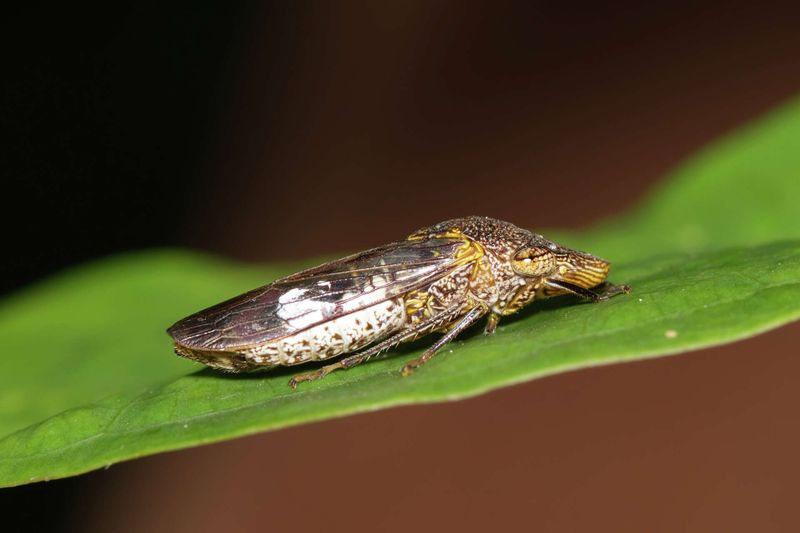
Spotted wings, tiny body, massive problem. The Glassy Winged Sharpshooter is a small insect that can spread a dangerous plant disease called Pierce’s Disease.
It carries bacteria from plant to plant through its feeding habits.
When it feeds on a plant, it picks up bacteria from infected tissue. Then it moves to a healthy plant and deposits that bacteria while feeding again.
Grapes, oleanders, and many landscape trees are all vulnerable to this process.
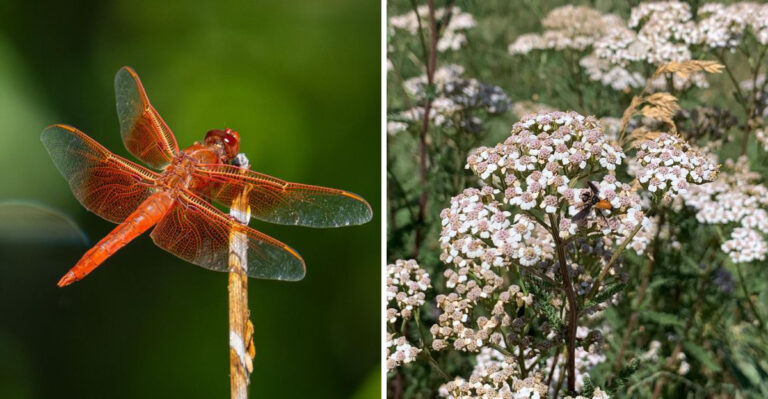
What makes this pest so tricky is that it looks harmless at first glance. It is roughly half an inch long with brownish wings that have small yellowish spots.
You might not notice it unless you look closely at the underside of leaves.
Agricultural officials in Arizona have been monitoring this insect for years. It was first detected in Southern California and has been spreading steadily.
Early identification is key to slowing its movement.
Right now, the concern is not just about one tree in one yard. A single infested plant could allow the insect to spread to nearby plants if it is not reported promptly.
That is why Costco acted quickly and why residents should take this warning seriously.
2. Check Whether Your Desert Willow Is Affected
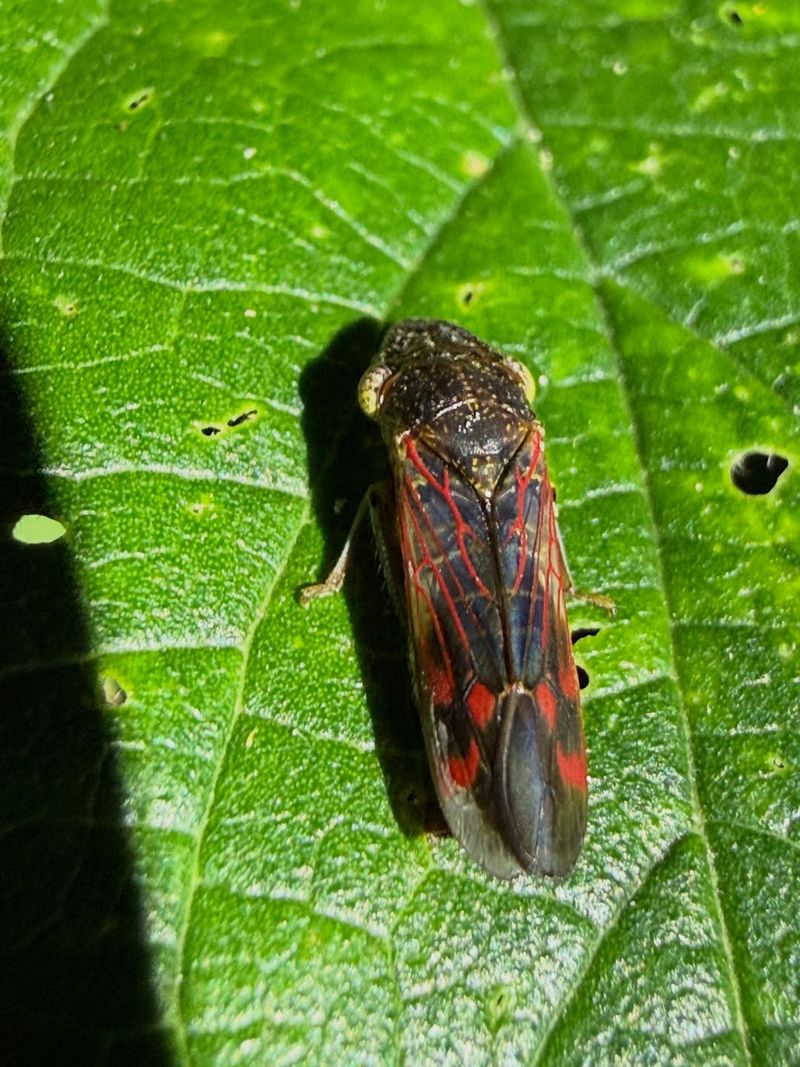
Not every Desert Willow sold at Costco is guaranteed to be infested, but checking yours right away is still the smart move. Start by looking at the underside of the leaves.
Sharpshooters tend to rest and feed in those hidden spots.
Look for small white chalky deposits on the leaves or stems. These are actually waste products left behind by the insect.
Spotting them is one of the most reliable early signs of activity.
Check the undersides of the leaves carefully. Egg masses can sometimes be found beneath the leaf surface.
They look like small, flat, pale clusters.
Wilting or yellowing leaves that do not match normal seasonal changes could also signal a problem. Keep in mind that other issues like overwatering or heat stress can cause similar symptoms, so one sign alone is not enough to confirm an infestation.
If you notice multiple warning signs together, that raises the concern level significantly. Take photos of anything suspicious.
Clear, close-up photos will help agricultural inspectors assess the situation faster when they arrive.
Your Arizona Garden Changes Every Week. Your Plan Should Too.
Gardening in Arizona changes quickly throughout the season. Every Friday you’ll receive a simple weekly plan showing exactly what to plant, prune, fertilize, harvest, and protect so you never miss the right timing.
Try not to disturb the plant too much during your inspection.
3. Keep The Plant Away From Other Vegetation
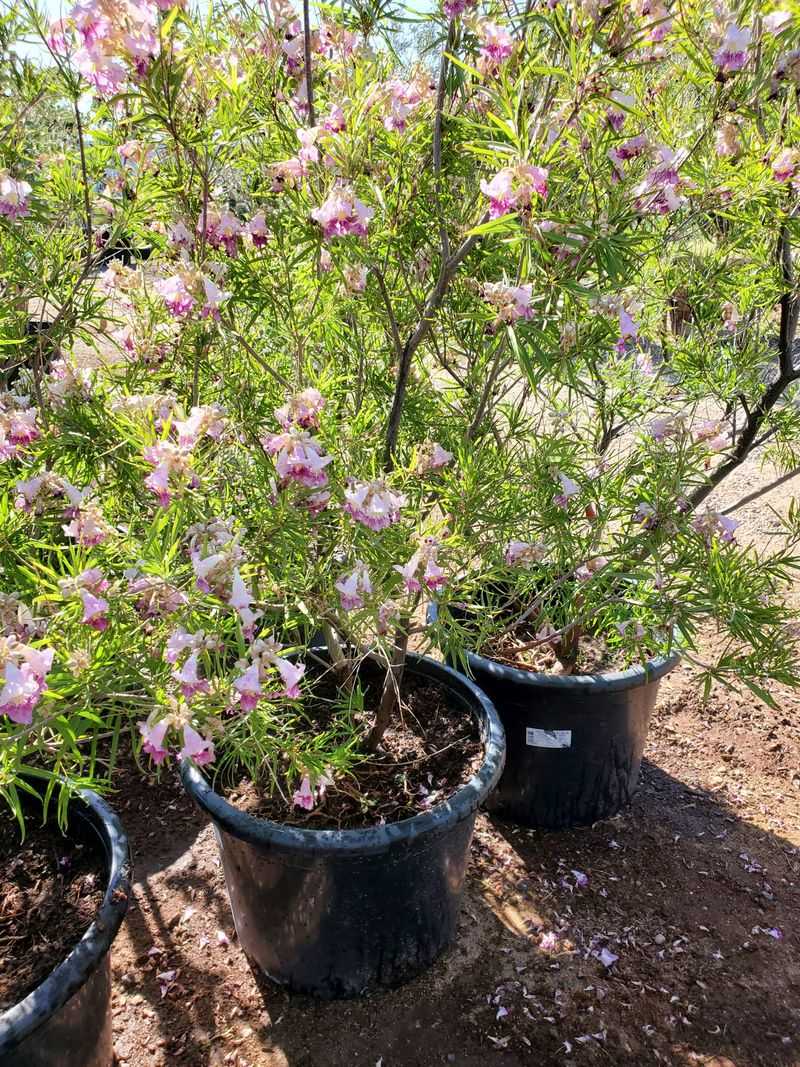
Distance matters more than most people realize right now. If your Desert Willow is potted, move it away from other plants as soon as possible.
Put at least several feet of open space between it and anything else growing nearby.
Ground-planted trees are trickier, but you can still take steps to reduce contact.
Keeping some distance between the plant and nearby vegetation may help reduce the chance of the insect reaching additional host plants before it is inspected.
Do not place the plant near fruit trees, grapevines, or oleanders. Those species are especially vulnerable to Pierce’s Disease, and losing them to an infection would be a serious setback for any yard or small garden.
Avoid unnecessary contact with the plant until it has been inspected.
Water the plant normally for now, but avoid any heavy pruning or fertilizing. Stressing the plant unnecessarily might cause more leaf drop, which could spread insects or debris to the surrounding ground.
Isolation is not a permanent solution, but it buys time.
4. Do Not Plant Or Move The Tree
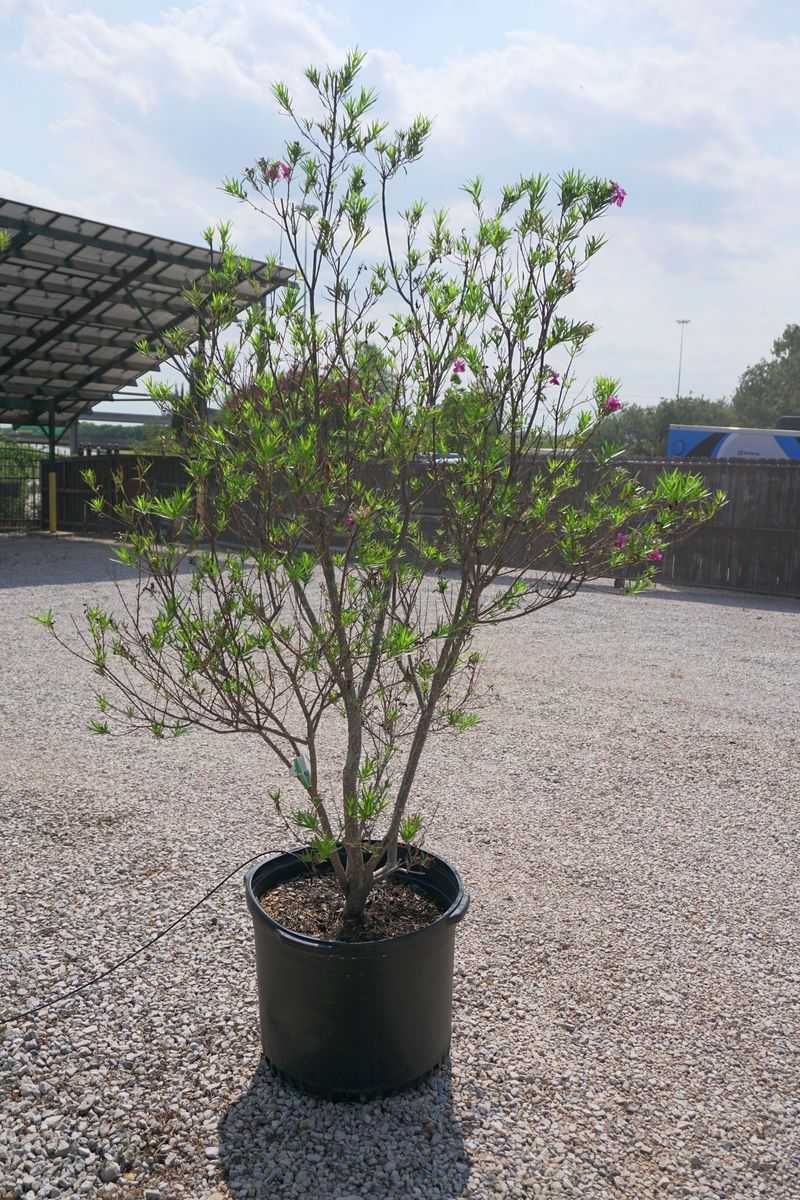
Whatever you do, leave the tree exactly where it is right now. Planting it in the ground would make the situation significantly harder to manage.
Once planted, the tree becomes much harder to inspect, remove, or contain if pests are found.
Moving the plant from one location to another is equally risky. Transporting an infested tree, even just across your own property, could carry insects or eggs to a fresh area.
Short distances still count when it comes to pest containment.
Loading it into a vehicle and driving it somewhere else is one of the worst things you can do. That kind of movement is exactly how invasive pests spread beyond the original detection zone.
Moving the plant could conflict with guidance from agricultural officials during an active warning period.
Some people assume that planting it quickly and then treating it later is a reasonable plan. Agricultural officials generally advise against that approach.
Treating a plant after it has been established in the ground is far more complicated than managing a contained potted specimen.
If the tree came in a plastic nursery container, keep it in that container while you wait for further instructions.
Shade also reduces stress on the plant while you wait for guidance. Patience is genuinely important here.
5. Contact Your County Agricultural Office
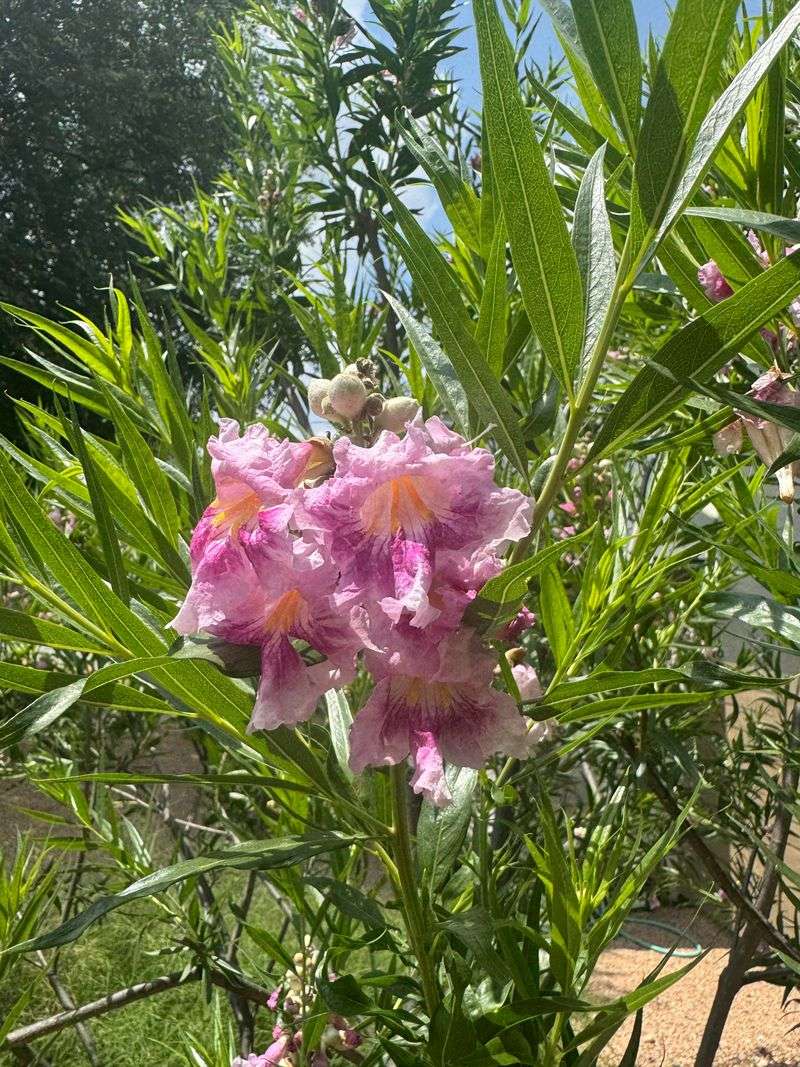
Picking up the phone could be the most important thing you do this week. County agricultural offices are specifically set up to handle situations like this one.
They have trained staff who know how to assess, contain, and respond to pest threats.
Search online for your specific county office in Arizona. Most have a direct line for reporting pest concerns, and calls are typically handled quickly during an active warning period.
You do not need to be an expert to make the call.
When you call, have your receipt or purchase information ready if possible. The date and location of your Costco purchase may help inspectors track which batch of plants is involved.
Every piece of information helps them build a clearer picture.
Be straightforward about what you observed. Describe the plant, its current location, and any signs you noticed during your check.
If you took photos, ask whether you can send them digitally before the visit.
Some residents hesitate to report because they worry about consequences. In most cases, the goal of these inspections is containment and support, not punishment.
Officials want to help, not create problems for homeowners acting in good faith.
Response times can vary depending on how many calls are coming in. If you cannot reach someone right away, leave a detailed message and follow up within a day or two.
6. Never Compost Or Throw The Plant Away
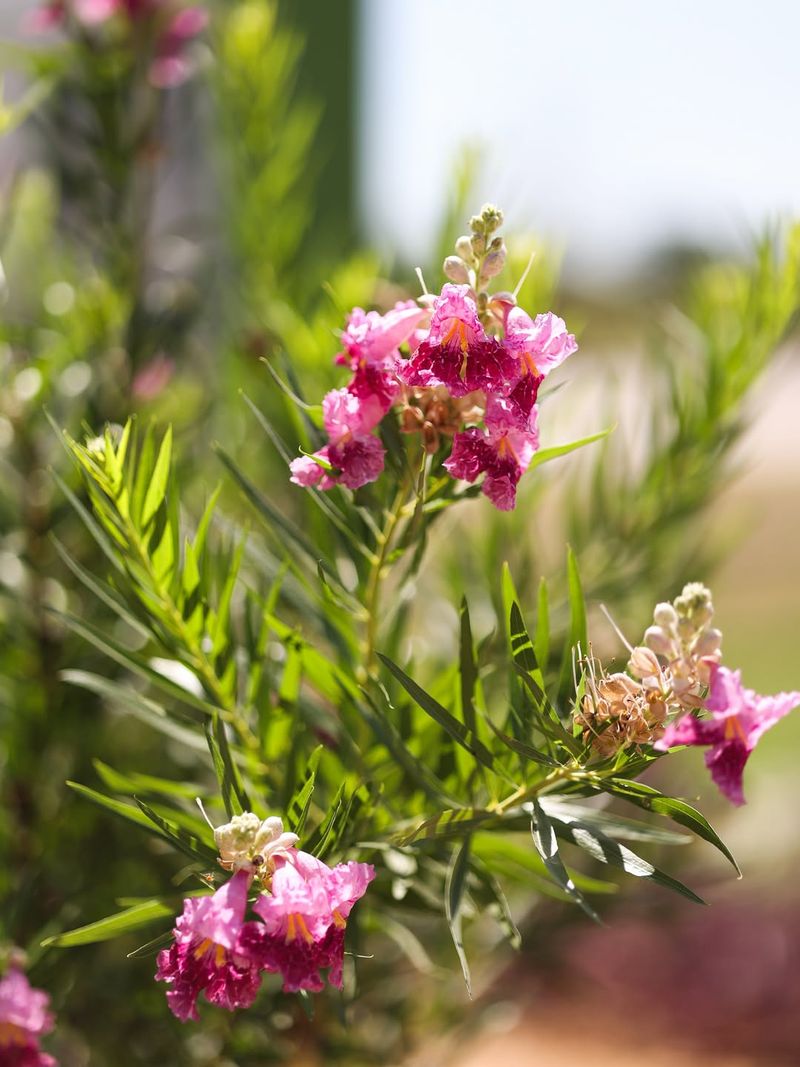
Tossing the plant in your trash or compost bin might seem like an easy fix, but it could make everything worse.
Composting the plant could allow insects or infested plant material to spread beyond your property.
Trash bins are not sealed environments either. Insects can exit through gaps, ventilation holes, or during collection.
Once a pest is loose in a waste facility or along a collection route, tracking it becomes extremely difficult.
Yard waste bins are just as problematic. Green waste from residential areas often gets processed at large composting facilities.
If infested material enters that system, the pest could potentially spread across a much wider zone than your backyard.
Some people consider burning the plant as an alternative. Do not do that without explicit guidance from an agricultural inspector.
Open burning is restricted in many parts of Arizona, and improper disposal of regulated plant material can carry legal consequences.
Burying the plant in your yard is also not a recommended option. Soil burial does not reliably stop insects or plant pathogens from surviving.
Roots and organic debris left underground can still harbor living organisms for a period of time.
Hold onto the plant and wait for official instructions. Inspectors may want to collect the specimen directly or provide specific disposal guidance based on what they find.
7. Wait For Inspectors Before Taking Further Action
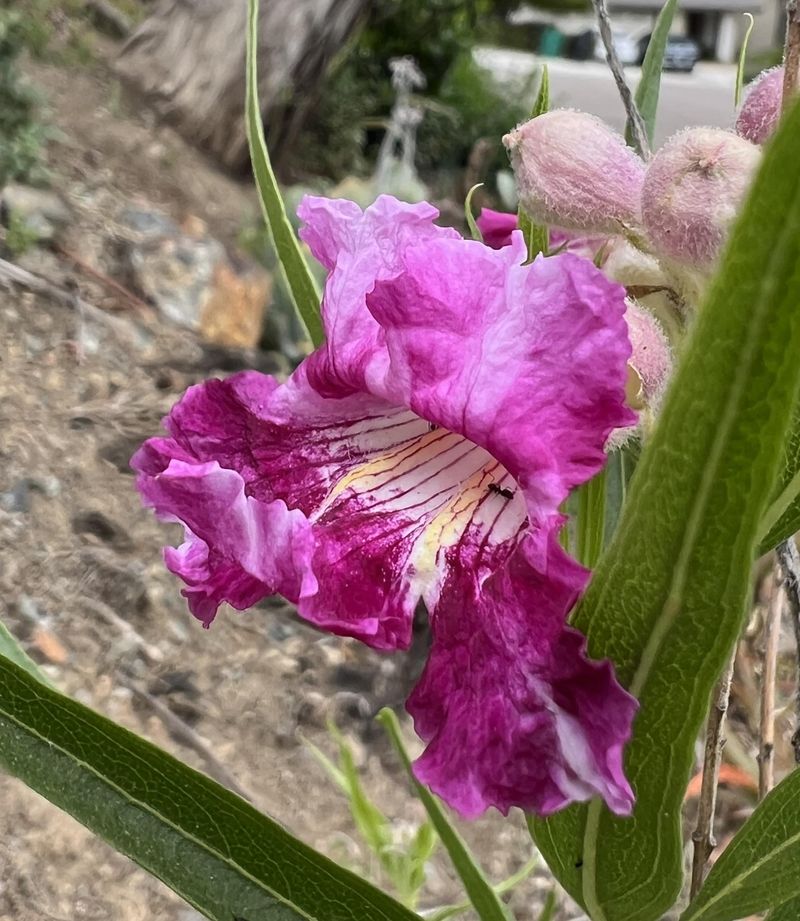
Waiting feels frustrating, especially when you want to do something. But acting without guidance can undo the containment efforts that inspectors are working hard to establish.
Holding off is genuinely the right call here.
Inspectors are trained to evaluate exactly this kind of situation. They know what to look for, how to collect samples, and how to determine whether an infestation is active or historical.
Their assessment carries weight that a homeowner inspection simply cannot replace.
During the waiting period, keep the area around the plant clear. Avoid disturbing the area until inspectors have evaluated the plant.
Limit foot traffic in that part of your yard so the surrounding ground is not disturbed before the inspector arrives.
Write down anything you noticed when you examined the plant. Date, time, what you saw, and where the plant is located in your yard.
Small details can be surprisingly helpful to inspectors who are trying to piece together a timeline.
Check the Costco website or local news for updates on the warning. Information may be updated as more cases are reviewed.
Staying informed helps you respond quickly if guidance changes before your inspection appointment.
Once an inspector visits, follow their instructions closely. They may clear the plant entirely, recommend treatment, or request it be handed over for further testing.