The Secret To Keeping Sunflowers Blooming All Summer Long In Ohio

Ohio sunflowers have a reputation for being a one and done plant. They bloom, they peak, they finish, and the gardener pulls them out and waits for next year.
That cycle is not inevitable. It is just what happens when nobody intervenes at the right moment.
Sunflowers respond to specific care in ways that extend the bloom season well past what a neglected plant delivers.
The difference between a sunflower that blooms for three weeks and one that keeps going through late summer comes down to a handful of decisions made at the right time.
Ohio summers are long enough to support that extended season. The plant has the capacity.
What it needs is a gardener who knows which moves to make and when to make them. One secret sits at the center of all of it.
Sunflower growers who know it do not settle for a single flush of blooms anymore.
1. Plant Sunflowers In Waves For Constant Color

A single big planting of sunflowers can feel like a party that ends too quickly. The blooms peak together, fade together, and leave a gap in the garden bed right when summer is still going strong.
Succession planting, which means sowing small batches every two to three weeks, can spread that color across a much longer window.
OSU Extension flower gardening guidance notes that staggered sowing is one of the most practical ways to extend the season for annual flowers. For sunflowers, the key is checking each seed packet for days to maturity.
A variety that takes 60 days to bloom needs to be in the ground at least 60 days before your expected first frost, plus a little buffer.
Frost timing varies across the state. Southern regions tend to see first frost later in fall, while northern regions may see it earlier, sometimes in mid-October.
Central gardens fall somewhere in between. Planting the last batch too late can mean frost cuts the show before blooms even open.
Starting small waves every few weeks through early summer keeps the succession going. Each new batch fills in as the earlier one finishes.
No single planting carries all the pressure, and the garden keeps color moving from one end of summer toward the other.
2. Choose Branching Varieties Over One Bloom Giants

Flipping over a fresh seed packet can completely change how a sunflower season goes. The variety description tells you whether a plant will give one grand bloom.
It also shows whether it will keep pushing flowers from branching side shoots over a longer stretch.
Single-stem giants like Mammoth Grey Stripe are stunning and worth growing, but they are built for one main flower. That is their design.
Branching types such as Autumn Beauty, Lemon Queen, or Velvet Queen can produce multiple blooms per plant in good conditions. University extension and seed-starting resources note this.
They tend to be shorter and bushier than the towering single-stem varieties.
Branching types may also need a bit more elbow room than single-stem plants. Their side shoots spread out, and crowding can reduce airflow and limit bloom production.
Your Ohio Garden Changes Every Week. Your Plan Should Too.
Gardening in Ohio changes quickly throughout the season. Every Friday you’ll receive a simple weekly plan showing exactly what to plant, prune, fertilize, harvest, and protect so you never miss the right timing.
Reading the spacing recommendation on the seed packet before planting helps avoid that problem before it starts.
Reserving a row or two of giant single-stem types for a statement moment is still a great idea. Pairing those with a branching variety planted in waves gives the garden both drama and duration.
The giants create the wow factor, and the branching plants carry the color deeper into the season.
3. Trim Spent Blooms Before Seed Takes Over
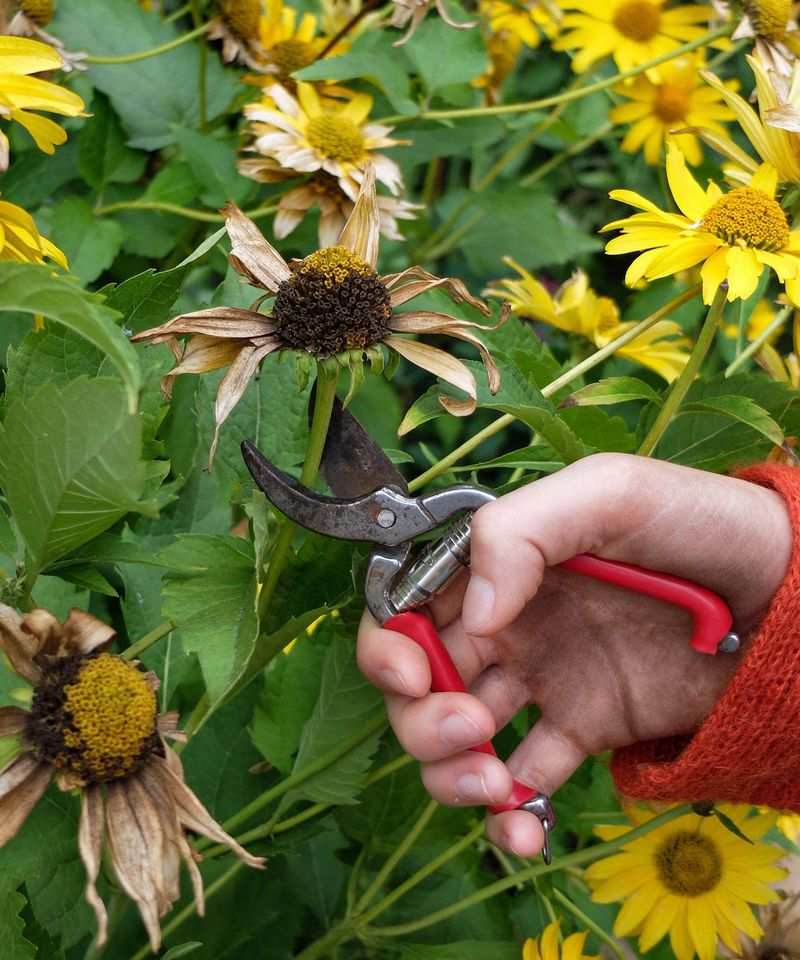
Once a sunflower bloom fades and the petals start to droop, the plant shifts its energy toward making seeds.
For branching varieties, removing that spent flower before the seed head fully forms may help redirect that energy into developing the next side shoot bloom.
It is not a guaranteed result, but horticulture guidance consistently recommends trimming branching annuals to encourage continued flowering.
The technique matters here. Cut the faded stem back to a healthy leaf node or side shoot rather than just snapping off the petals.
Using clean, sharp snips reduces the chance of spreading disease between cuts. Leaving enough healthy foliage on the plant is important because the leaves are still feeding the root system and supporting new growth.
Trimming works differently on single-stem sunflowers. Since those plants produce one main bloom by design, removing it ends the show for that plant entirely.
If you are growing single-stem types alongside branching ones, trim only the branching plants to encourage side blooms.
Keep in mind that trimming every spent flower removes the seed heads that birds rely on later in the season. A balanced approach can give you both extended flowering and wildlife value.
Remove some faded blooms early, and leave selected heads to mature later.
4. Water Deeply When July Heat Dries The Bed
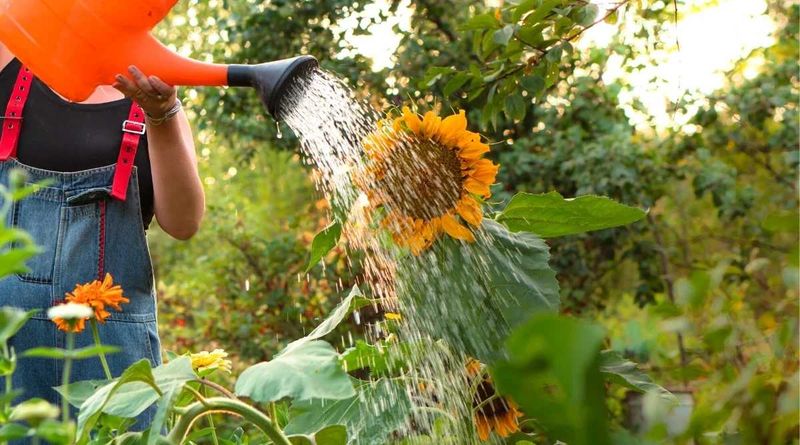
July in the Buckeye State can be brutal on garden beds. Temperatures climb, rain skips weeks at a time, and the soil in a sunny flower bed can dry out faster than it looks from the outside.
Sunflowers are known for being tough, but even drought-tolerant plants need reliable moisture to produce their best blooms.
OSU Extension guidance on vegetable and flower gardening recommends watering deeply and less frequently rather than giving plants a light sprinkle every day. Deep watering encourages roots to grow down into cooler, moister soil, which helps plants handle heat spells better.
Aim water at the base of the plant rather than overhead to keep foliage dry and reduce the risk of fungal problems.
Checking soil moisture before watering helps avoid overdoing it. Push a finger about two inches into the soil near the root zone.
If it feels dry at that depth, the plant likely needs water. If it still feels damp, waiting another day is usually fine.
Container-grown sunflowers dry out significantly faster than in-ground plants. Pots in full sun may need water every day during a heat wave.
A light layer of mulch around in-ground plants can help slow moisture loss from the soil surface and keep roots a little cooler during the hottest stretches of summer.
5. Feed Lightly Without Pushing Weak Stems
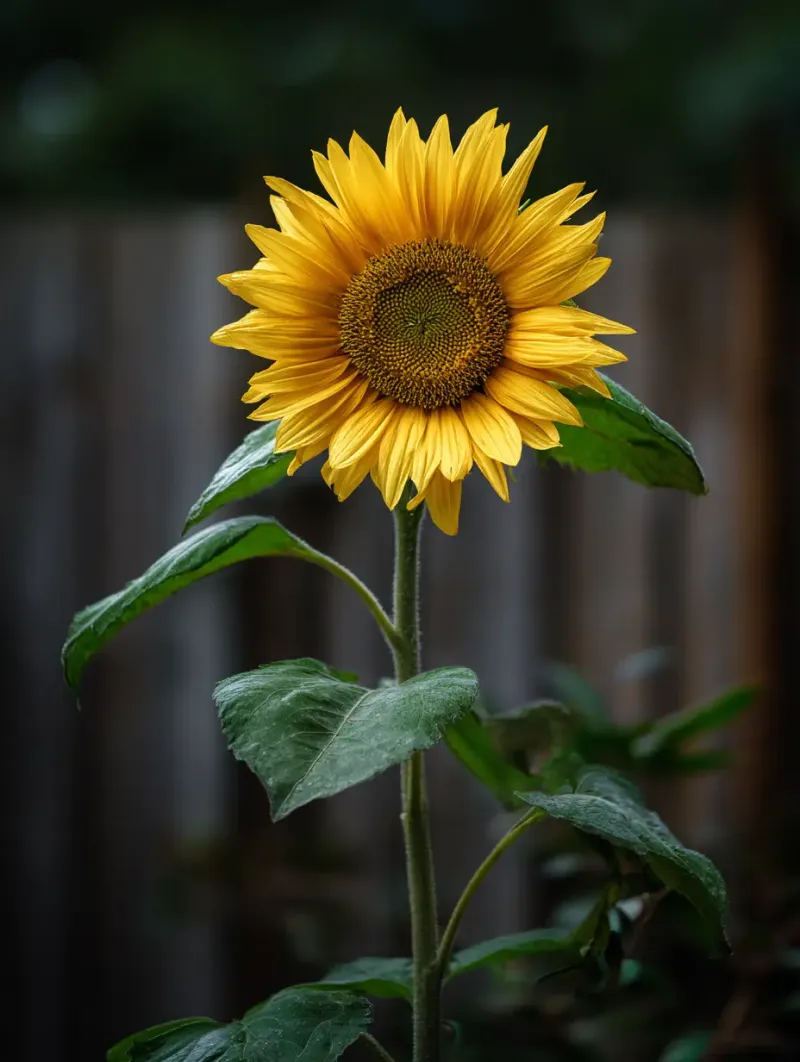
Rich garden soil and heavy feeding can sometimes work against a sunflower. Too much nitrogen tends to push lush leafy growth at the expense of flowers.
It can also produce tall stems that look impressive but bend or snap under their own weight. Flower gardening guidance from extension sources advises against overfeeding sunflowers, especially in already-fertile beds.
A soil test is the most reliable way to know what your garden actually needs before adding any fertilizer. Many Ohio gardeners are surprised to find their beds already have enough nutrients for sunflowers to thrive without extra feeding.
OSU Extension offers soil testing guidance and recommends using test results to make targeted amendments rather than applying fertilizer by habit.
If soil is genuinely poor or sandy, a balanced fertilizer applied at planting time can help establish young plants. Once sunflowers are established and growing strongly, pulling back on feeding is usually the better move.
Letting the plant focus its energy on blooms rather than extra leaves tends to produce a sturdier, better-flowering plant.
Tall varieties in fertile soil may still need physical support even without overfeeding. Stem strength depends on variety, spacing, light, and watering as much as it does on nutrient levels.
Light, consistent care tends to produce better results than heavy feeding followed by neglect.
6. Stake Tall Plants Before Storms Snap Them
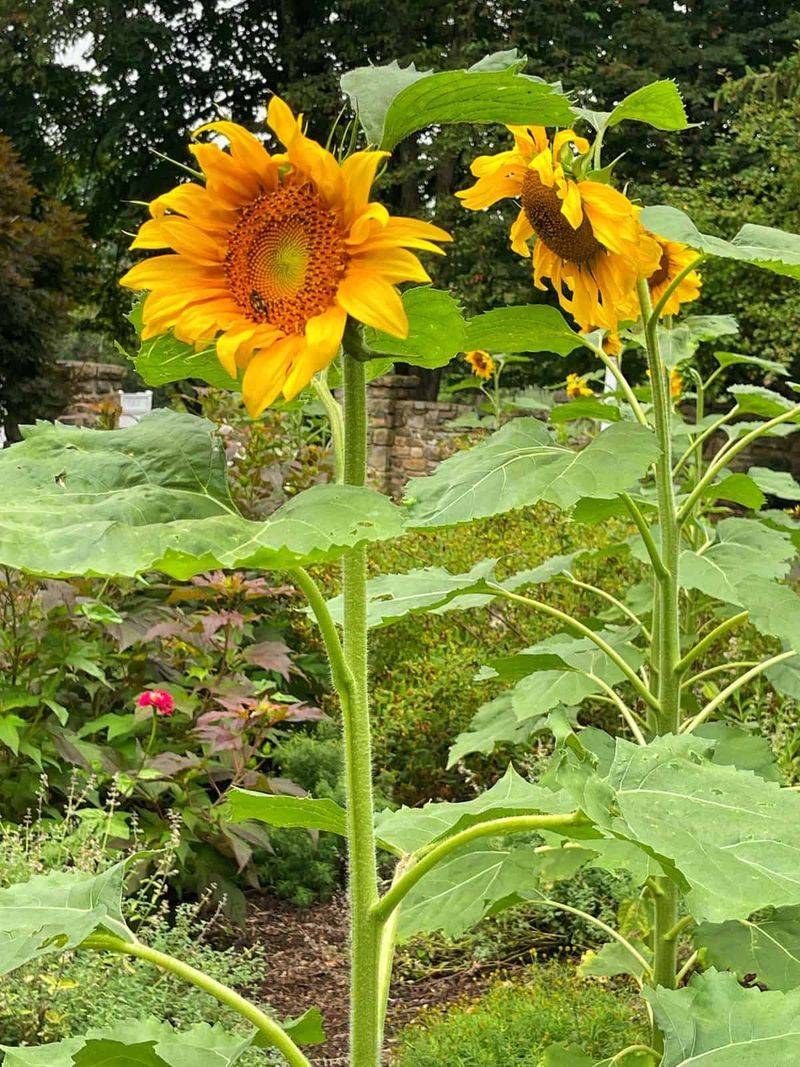
A leaning sunflower after a summer storm is one of those Ohio garden moments that feels avoidable in hindsight.
Tall varieties with heavy flower heads are especially vulnerable to wind, and branching types with multiple blooms can catch even more air than a single-stem plant.
Getting support in place before a storm hits is far easier than trying to prop up a snapped or bent stalk after the damage is done.
Stakes work best when placed early, before the plant reaches full height. Driving a stake too close to a mature root system can damage the roots and stress the plant.
Placing support stakes at planting time or during early growth avoids that problem entirely. Use soft garden twine or fabric ties to attach the stem loosely, leaving a little give so the plant can still move slightly in the breeze.
Not every sunflower needs staking. Shorter branching varieties in a sheltered spot may stand on their own without any help.
Crowded plants that compete for light can grow taller and leaner than usual, which makes them more prone to lodging, or falling over at the base. Proper spacing improves airflow and reduces that risk.
Planting tall sunflowers near a fence, wall, or hedge on the windward side can offer natural protection. A little wind shelter combined with a stake gives even the tallest plants a much better chance of staying upright through a summer storm.
7. Leave Some Seed Heads For Birds Later
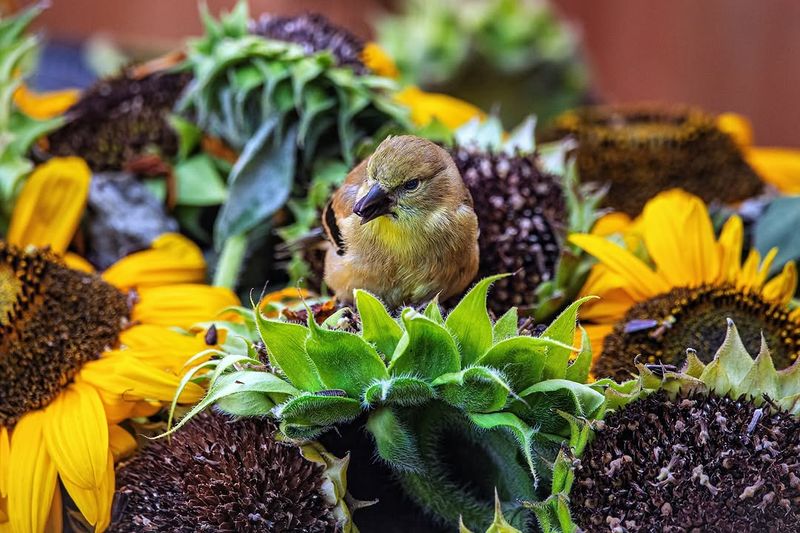
A goldfinch landing on a mature sunflower seed head is one of the best sights an Ohio backyard garden can offer in late summer and early fall. Wildlife gardening resources confirm that sunflower seed heads are valuable food for seed-eating birds.
These include American goldfinches, chickadees, and house finches. Letting at least a few heads mature fully gives local birds a natural feeding stop as the season winds down.
The tradeoff is real, though. Trimming spent blooms on branching varieties can encourage more side shoot flowers.
Leaving heads to mature means the plant stops putting energy into new blooms. The choice depends on what matters most at that point in the season.
Early in summer, trimming makes sense to keep branching plants flowering. Later, as fall approaches and new blooms are less likely, allowing heads to mature for birds is a smart shift.
Choosing a few strong, healthy seed heads to leave standing while removing others is a practical middle ground. Cut mature heads only when fully dry if you plan to save seeds for next year or offer them as supplemental bird feed.
Heads left on the stalk in place tend to attract more birds naturally than cut heads placed in a feeder.
Leaving seed heads standing through early fall adds texture and structure to the garden bed. After the blooms are gone, it gives the space a finished rather than bare look.
8. Plan Next Year’s Bloom Chain Before Frost

Before the first Ohio frost closes out the season, there is a small but valuable window to make notes that will make next year’s sunflower garden much better. Annual sunflowers do not come back on their own, so every new season starts fresh from seed.
Taking a few minutes to record what worked and what did not can save a lot of guesswork when spring arrives.
Jot down which varieties bloomed longest, which ones branched well, and which single-stem types gave the most dramatic flower heads. Note the dates when you sowed each batch and when blooms first appeared.
That simple record makes succession planting easier to time the next year. You have real data from your own garden rather than a general estimate.
Plan to include a mix of branching and single-stem types in next year’s lineup. Branching varieties carry the long-season color, and single-stem giants add drama and scale.
Stagger the sowing dates for the branching types so blooms roll in across the whole summer rather than all at once.
Check seed packets for days to maturity, and count backward from your expected first frost date when scheduling the last sowing of the season.
Set aside a few seeds from your best seed heads before frost arrives. Save them in a cool, dry spot through winter.
The whole bloom chain, the waves, the birds, the golden heads in August, starts with a plan made before the garden goes to sleep.