What It Means When Your Pennsylvania Zucchini Suddenly Triples In Size Overnight
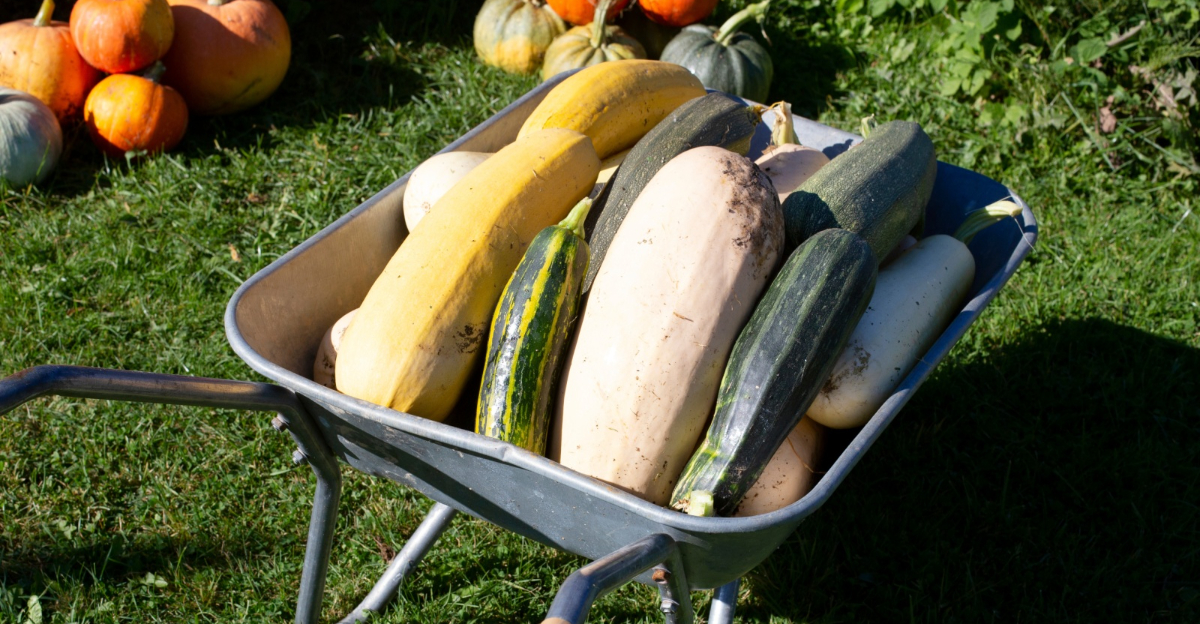
Overnight, your Pennsylvania zucchini transformed in size without warning. Your zucchini looked harmless yesterday, small and unassuming.
Now you suddenly face a squash that dwarfs your entire salad bowl. Nothing about this growth feels normal to you.
Pennsylvania summers create exactly the conditions your plant craves. Humidity keeps your thirsty plant’s cells swelling nonstop.
Warm nights push your zucchini toward rapid growth. Sunlight during the day fuels photosynthesis you can practically watch happen.
Water moves quickly through your plant’s stems without pause. Cell division inside your plant speeds up fast.
Every hour you skip checking, that fruit grows bigger. Ignoring your zucchini invites tough skin and bland flavor.
Missing harvest day turns your dinner into a flat disappointment. Timing your picking separates a tender meal from tasteless failure.
Knowing why your zucchini behaves this way changes everything fast. You cannot afford to miss what happens next in your garden.
What Sudden Zucchini Growth Really Means
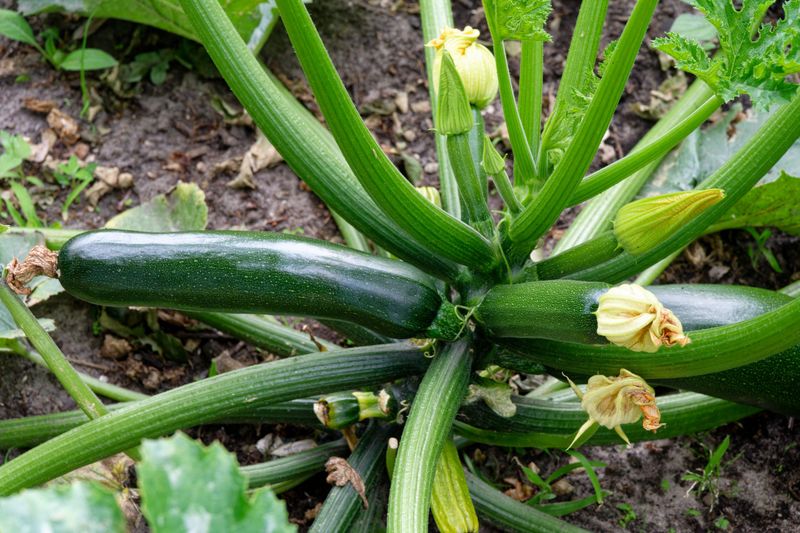
Your eyes are not playing tricks on you. Zucchini is biologically designed to grow fast, and that overnight size increase is the plant doing exactly what nature built it to do.
Zucchini belongs to the cucurbit family, which includes cucumbers and pumpkins. All of these plants share a superpower: rapid cell expansion when conditions are favorable.
When temperatures, moisture, and sunlight align well, the fruit can grow close to an inch or more in a single day, especially during warm, humid stretches.
The key driver is water pressure inside the plant cells, called turgor pressure. When the plant is well watered and actively photosynthesizing, it pumps sugar and water into the developing fruit at a fast rate.
Think of it like inflating a balloon quickly. The structure is already there, and the plant just floods it with resources overnight when temperatures drop slightly and transpiration slows.
This growth pattern is not a problem by itself. It only becomes an issue when the fruit outpaces the plant’s ability to develop flavor and texture alongside size.
Knowing that sudden zucchini growth is normal helps you shift your focus. Instead of being surprised, you can start checking your plants every single day during peak season.
Daily harvesting is the single most effective tool a home gardener has. Catching zucchini early keeps the plant producing and keeps your meals tasting fresh and tender.
Why Warm Weather Speeds Up Ripening
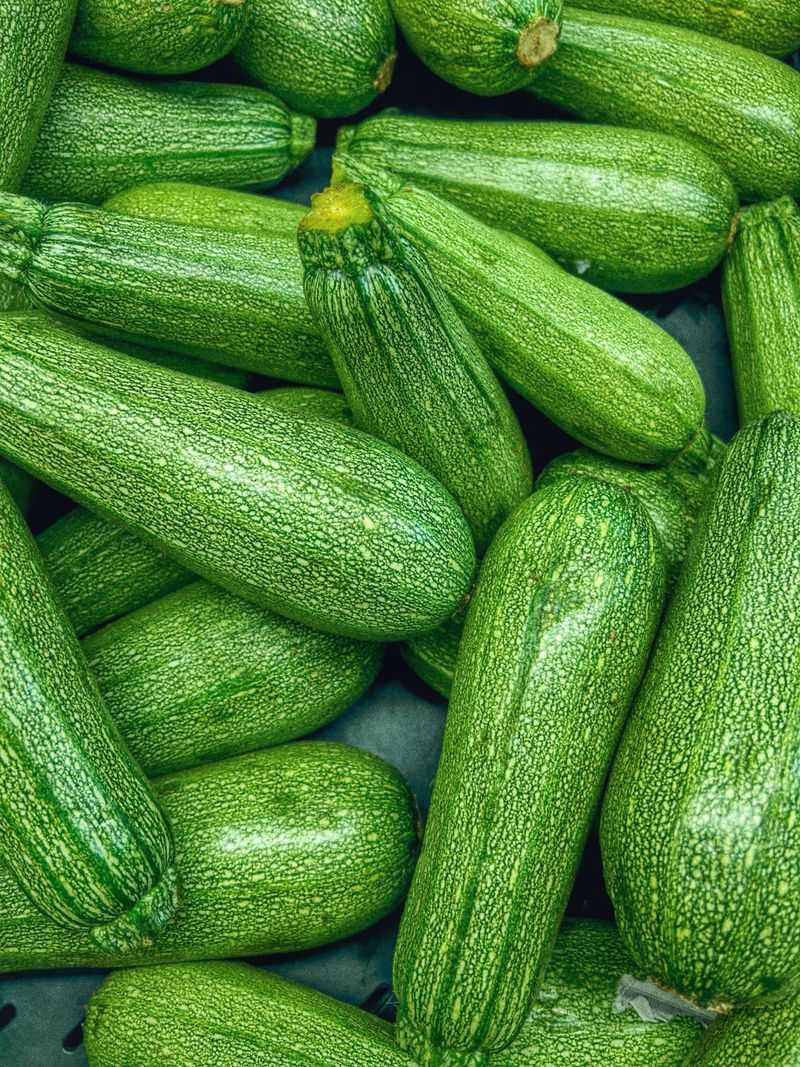
Summer heat is a major driver of zucchini growth. Once daytime temperatures climb into the warmer summer range, the plant tends to convert energy into fruit more quickly.
Pennsylvania summers are famous for their sticky, warm nights. That overnight warmth is actually more important than daytime heat when it comes to zucchini growth spurts.
Plants respire and move nutrients through the night. When evening temperatures stay mild rather than cool, the zucchini tends to keep growing overnight rather than slowing down completely.
Photosynthesis during the day loads the plant with sugars. Those sugars get redirected into the developing fruit after sunset, which explains why morning always reveals the biggest surprises in your garden.
Your Pennsylvania Garden Changes Every Week. Your Plan Should Too.
Gardening in Pennsylvania changes quickly throughout the season. Every Friday you’ll receive a simple weekly plan showing exactly what to plant, prune, fertilize, harvest, and protect so you never miss the right timing.
Humidity also plays a supporting role. High moisture in the air reduces water stress on the plant, allowing it to focus all available energy on fruit development rather than survival.
July and August in central and eastern parts of the state are prime time for this phenomenon. Gardeners in warmer, more humid parts of the state often see the most dramatic overnight size jumps during heat waves.
Tracking the forecast helps you stay ahead. When a stretch of warm nights is coming, plan to harvest your zucchini a day earlier than you normally would.
Warm weather speeds up growth throughout the garden, and zucchini takes full advantage. Staying one step ahead of the forecast keeps you in control of your harvest.
Signs Your Zucchini Grew Too Fast
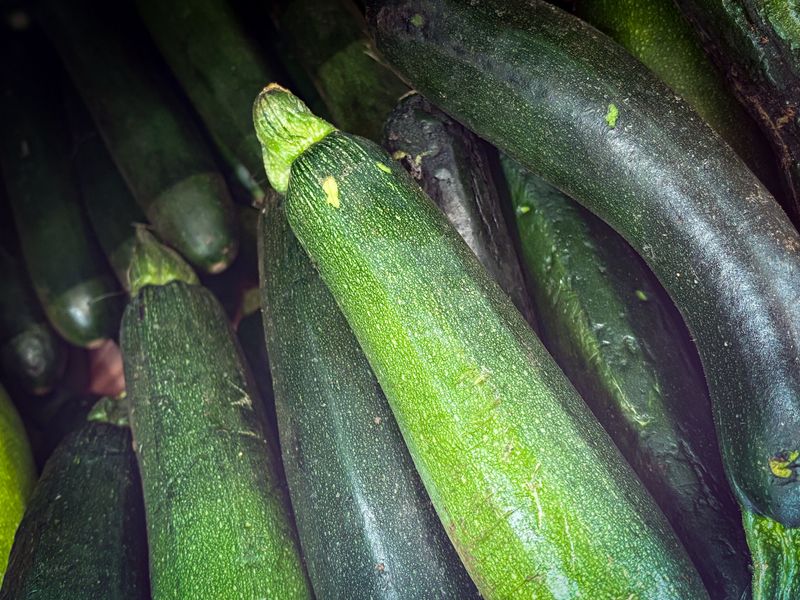
Size alone does not tell the whole story. A zucchini that grew too fast sends out several clear signals that experienced gardeners learn to spot quickly.
The skin is the first giveaway. When a zucchini outgrows its ideal window, the outer layer shifts from smooth, glossy green to dull, slightly yellowed, or even pale and waxy.
Press a fingernail lightly into the skin. If it does not pierce easily, the skin has already started to toughen up, which means the flesh inside is likely seedy and bland.
Pick it up and check the weight. An overgrown zucchini feels surprisingly hollow and light for its size, because the interior has filled with large seeds and airy, waterlogged tissue.
The stem end is another clue. When the fruit has pushed past its prime, the stem begins to look dry and shrunken rather than firm and green.
Cut one open if you are unsure. Overgrown zucchini reveals a thick seed cavity running down the center, surrounded by soft, pulpy flesh that lacks the firm bite of a properly timed harvest.
Bitterness is a flavor flag as well. Some oversized zucchini develop compounds that create an unpleasant taste, especially when eaten raw or lightly cooked.
Spotting these signs early saves you from a disappointing meal. Once you know what to look for, your eyes become the most reliable harvesting tool you own.
Risks Of Letting Zucchini Overgrow
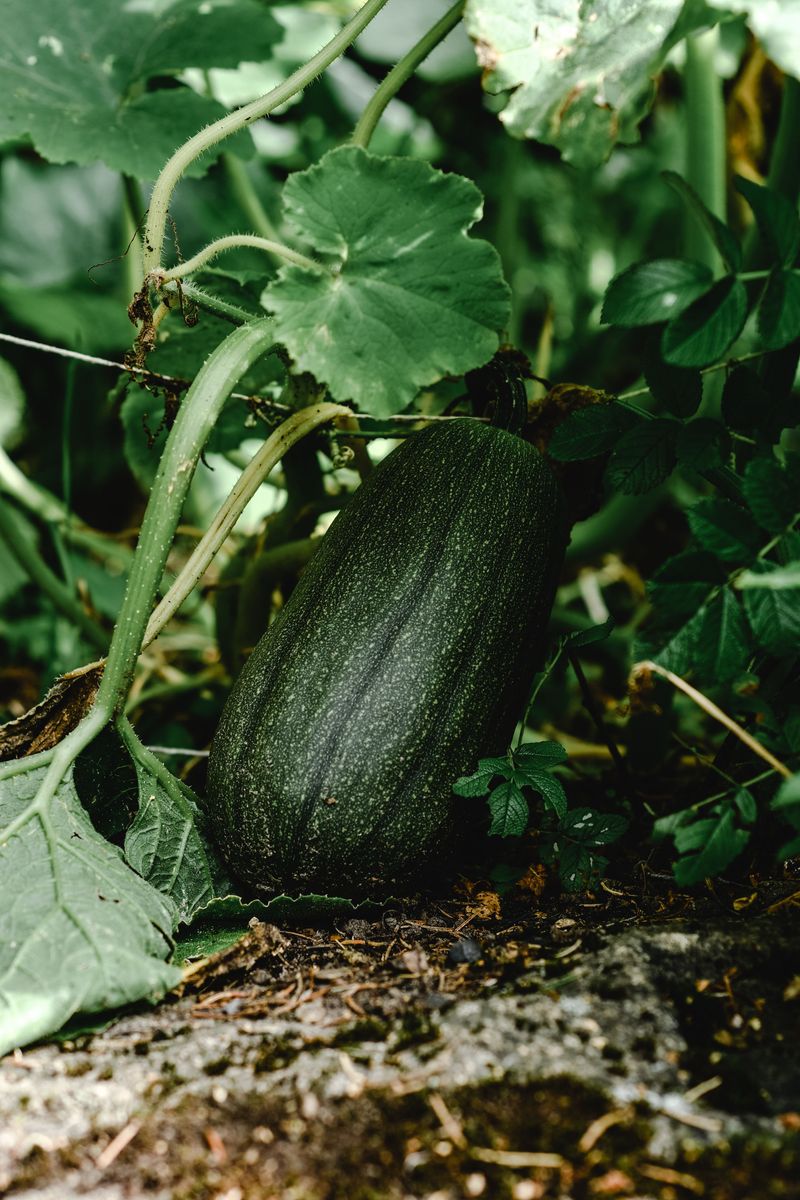
Leaving a giant zucchini on the vine is a common oversight that most first-time gardeners make at least once. That one overlooked fruit can significantly reduce your overall harvest.
When a single zucchini grows unchecked, the plant redirects nearly all its energy toward that one fruit. New blossoms stop forming, and smaller developing fruits begin to shrivel and drop off.
The plant essentially thinks its job is done. It has produced a large, seed-filled fruit, and from a biological standpoint, reproduction is complete, so new growth slows dramatically.
Zucchini plants are heavy feeders. An overgrown fruit pulls nutrients like nitrogen and potassium away from the rest of the plant, which can lead to yellowing leaves and reduced vigor across the whole vine.
There is also a structural concern. Large fruits grow heavy fast, and if they rest on soil, they can introduce rot and fungal issues that spread back up the stem.
Powdery mildew and other fungal problems love the dense, shaded canopy that forms around a neglected overgrown plant. Poor airflow beneath big leaves creates the moist conditions that pathogens thrive in.
Pest pressure increases too. Large, soft skinned zucchini attract squash bugs and cucumber beetles, which then move on to healthier parts of your garden.
One forgotten zucchini can trigger a series of related problems across your patch. Removing it promptly is one of the most protective things you can do for the rest of your plants.
Best Time To Harvest For Flavor
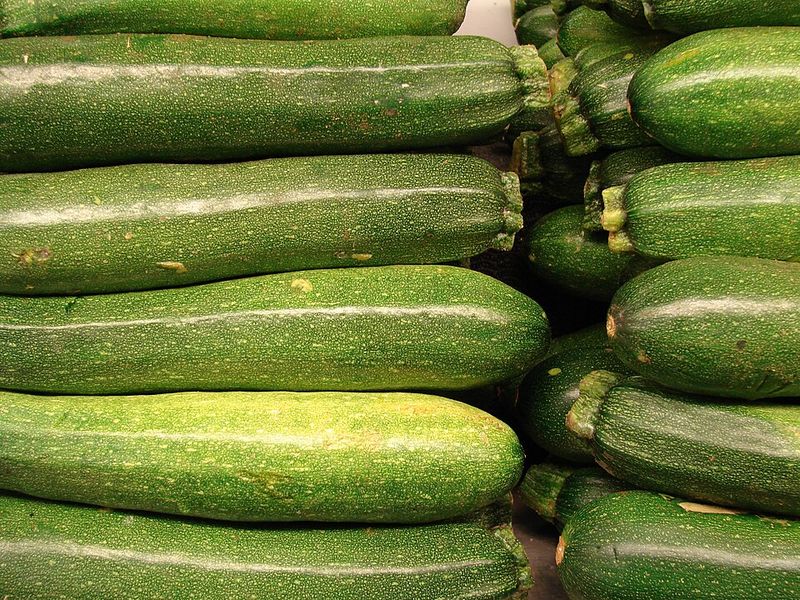
Flavor peaks at a very specific window, and most gardeners miss it by waiting just one day too long. The sweet spot for zucchini is smaller than most people expect.
Aim for fruits between 6 and 8 inches long. At that length, the flesh is firm, the seeds are barely formed, and the skin is still tender enough to eat without peeling.
Early morning is the best time to harvest. Overnight temperatures keep the fruit crisp and cool, so a morning pick gives you the freshest possible texture before the afternoon heat sets in.
Check your plants every single morning during peak season. That daily habit takes about five minutes and makes a real difference in the quality and quantity of your overall yield.
Color is a helpful guide as well. Deep, uniform green with a slight sheen signals that the fruit is at its best. Fading color means the window is closing fast.
Flavor also depends on the variety you planted. Some cultivars may hold their texture slightly longer than others, giving you a little extra buffer on timing.
Use a sharp knife or garden snips to cut the stem cleanly. Twisting or pulling can damage the vine and stress the plant, which slows future production.
Harvesting at peak flavor is, for many gardeners, one of the most rewarding parts of growing their own food. That perfectly sized zucchini, sliced fresh from the garden, tastes nothing like anything from a grocery store.
Tips To Prevent Overnight Overgrowth
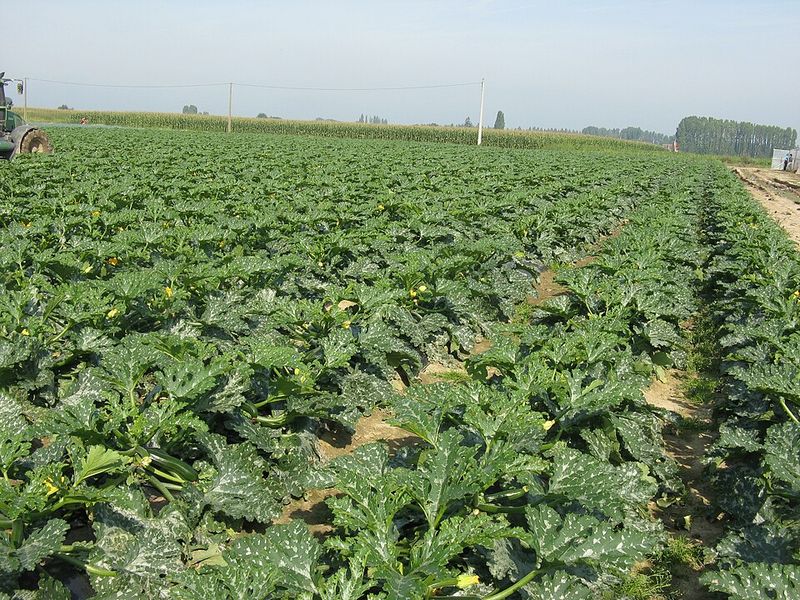
Staying ahead of overnight zucchini growth requires a simple system, not a miracle. A few smart habits make the difference between a manageable harvest and a batch of oversized, unusable zucchini.
Mark your fruits when they reach 3 to 4 inches. Use a small piece of garden tape or a soft twist tie near the stem so you know exactly which ones to prioritize at the next check.
Set a daily harvest reminder on your phone during July and August. Consistency beats intention every time, and a quick morning walk through the garden takes almost no effort once it becomes a habit.
Thin your planting if you have multiple zucchini plants close together. Crowded plants are harder to monitor, and fruits hide under overlapping leaves where they can grow unnoticed for days.
Prune the lower leaves periodically to improve visibility and airflow. When you can clearly see the base of each plant, spotting a rapidly growing fruit becomes much easier and faster.
Water consistently rather than sporadically. Irregular watering causes uneven growth patterns, while steady moisture keeps the plant growing at a more predictable and manageable rate.
Consider planting a compact or bush type variety if space is limited. Smaller plant structures are easier to manage and tend to produce fruits that are simpler to monitor on a daily basis.
Preventing overnight overgrowth in your Pennsylvania zucchini patch comes down to one rule: look every day without exception. Your reward is a steady supply of tender, flavorful squash all season long.