Native Plants For Eastern Pennsylvania That Handle Summer Humidity Better Than Anything
Eastern Pennsylvania summers are not for the faint of heart, and honestly neither are the plants trying to survive them.
The heat rolls in, the humidity follows right behind it, and suddenly half the garden looks like it is reconsidering its life choices by the middle of July.
If you have watched carefully chosen plants struggle through a long, brutal summer, you already know how demoralizing that can feel. The good news is that the problem is usually not your gardening skills.
It is the plants. Many common garden favorites were simply not built for this kind of heat and humidity, and they show it every single summer.
Native plants that evolved right here in Pennsylvania tell a completely different story. Put the right ones in the right spot and they do not just survive a brutal summer.
They genuinely thrive in it.
1. Swamp Milkweed Handles Humid Garden Spots
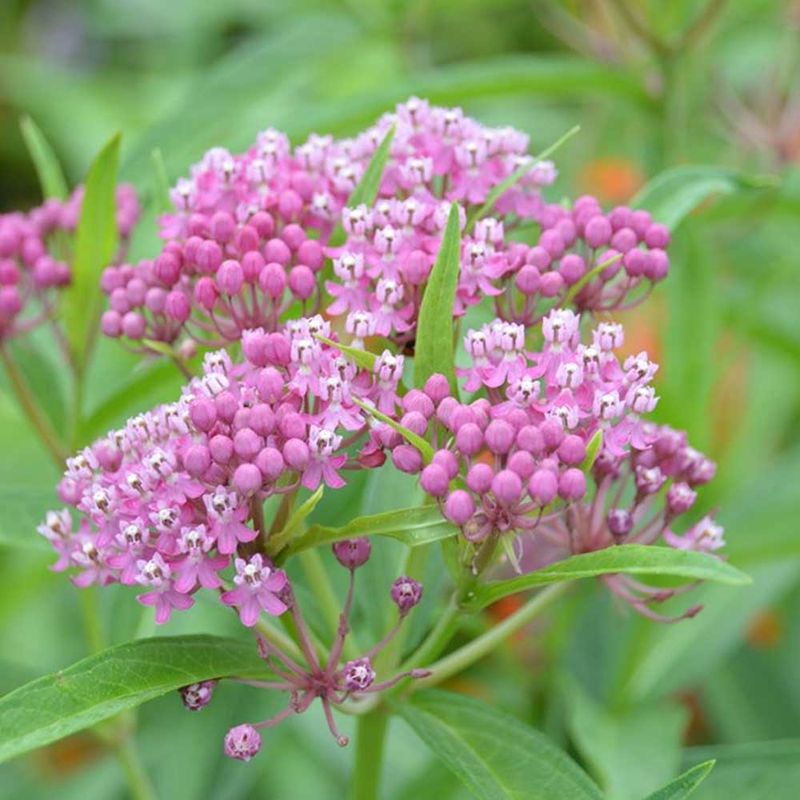
On a muggy July afternoon in eastern Pennsylvania, swamp milkweed is one of the few plants that seems completely unbothered by the thick, sticky air.
This native perennial, known botanically as Asclepias incarnata, is built for the kind of wet, humid conditions that cause many common garden plants to struggle.
It grows naturally along stream banks, pond edges, and low-lying meadows, which tells you a lot about where it performs best.
Swamp milkweed reaches three to four feet tall in a single season and produces clusters of dusty pink flowers from midsummer into early fall. Those blooms are a magnet for monarch butterflies, which depend on milkweed as a host plant.
Bees, skippers, and other pollinators also visit regularly, making it a strong choice for pollinator gardens and rain garden edges in Pennsylvania landscapes.
In terms of placement, this plant does best in full sun with consistently moist or even wet soil. Clay soil and low spots in the yard that hold water are actually good candidates for swamp milkweed.
It can handle brief flooding without much trouble. Unlike some native plants, it tends to stay upright without staking, and it rarely shows signs of powdery mildew or fungal disease even during the most humid summers.
Starting from nursery transplants gives it the best early footing in your garden.
2. Dense Blazing Star Stays Strong In Summer
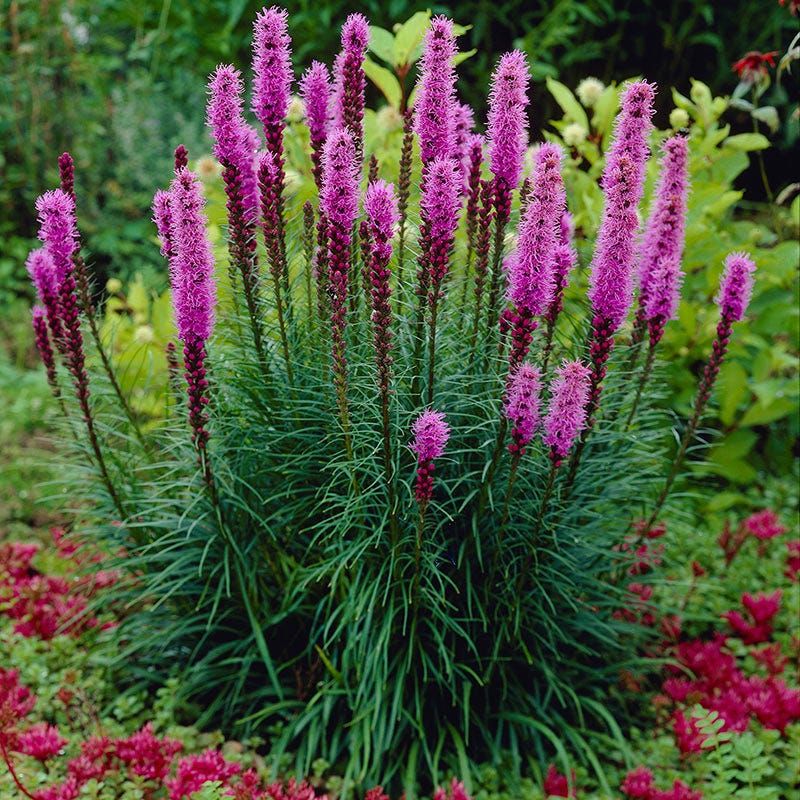
Few native plants put on a more striking summer display than dense blazing star, and the fact that it handles heat and humidity so well makes it even more appealing.
Liatris spicata is a native prairie and meadow plant that grows naturally across much of the eastern United States, including Pennsylvania, where it thrives in open, sunny areas with decent moisture.
The tall purple flower spikes bloom from the top down, which is unusual among flowering plants and gives the garden a dynamic, layered look from midsummer into early fall. Monarch butterflies, bumblebees, and various native bees visit the blooms frequently.
Goldfinches are also known to feed on the seed heads in late summer, adding extra wildlife value to any pollinator garden or meadow-style planting.
Your Pennsylvania Garden Changes Every Week. Your Plan Should Too.
Gardening in Pennsylvania changes quickly throughout the season. Every Friday you’ll receive a simple weekly plan showing exactly what to plant, prune, fertilize, harvest, and protect so you never miss the right timing.
Dense blazing star grows well in full sun and adapts to a range of soil types, including slightly moist or average garden soils.
It handles humid summer conditions without showing many disease problems, partly because air moves well around its upright stems.
In eastern Pennsylvania gardens, it tends to perform reliably in raised beds, mixed perennial borders, and open meadow plantings. It does not do well in poorly drained, waterlogged soil, so good placement matters.
Growing it from nursery-grown corms in spring gives most home gardeners a good head start toward a strong first-season showing.
3. Cutleaf Coneflower Fills Moist Sunny Beds
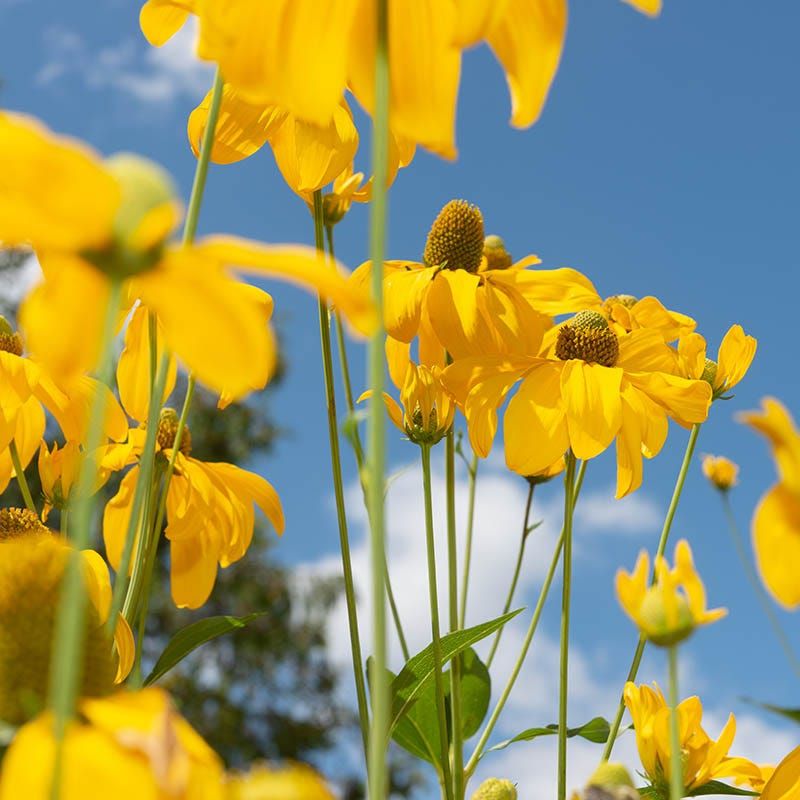
Moist, sunny garden beds in eastern Pennsylvania can be tricky to fill with plants that look great all summer without constant attention. Cutleaf coneflower, or Rudbeckia laciniata, is a native perennial that genuinely seems to enjoy those conditions.
It grows naturally along stream banks and in moist woodland edges across Pennsylvania, so it comes to the garden already adapted to the kind of humidity and soil moisture that midsummer brings.
This plant can reach five to eight feet tall in a season with enough sunlight and moisture, producing cheerful yellow flowers with drooping petals around a greenish central cone.
It blooms from midsummer into early fall, filling the back of a border or a rain garden edge with color when many other plants start to fade.
Pollinators visit regularly, and the seed heads provide food for birds as the season winds down.
In eastern Pennsylvania landscapes, cutleaf coneflower works especially well along fence lines, near water features, or in naturalized areas where its height is an asset rather than a problem.
It spreads gradually by rhizomes and by seed, so giving it some room to expand is a good idea.
Dividing clumps every few years helps keep it from crowding neighboring plants. It rarely struggles with disease during humid summers, which makes it a low-maintenance option for gardeners who want reliable seasonal color without a lot of extra care.
4. Rough Goldenrod Handles Heat And Moist Soil
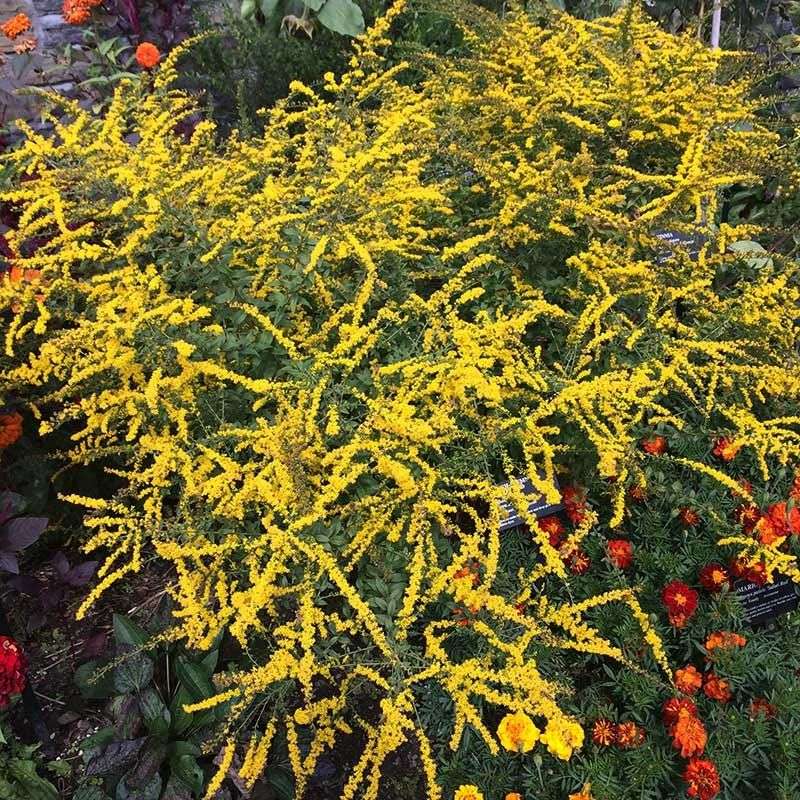
Late summer in eastern Pennsylvania can feel relentless, with temperatures and humidity both running high well into September. Rough goldenrod, or Solidago rugosa, is a native plant that takes those conditions in stride.
It grows naturally in moist meadows, open woodlands, and roadside ditches, which gives it a built-in tolerance for the kind of wet, warm conditions that challenge many ornamental plants.
The bright yellow flower plumes appear in late summer and early fall, creating a bold display of color at a time when the garden can start to look tired.
Native bees, butterflies, and other pollinators are strongly attracted to goldenrod blooms, and the plant has a well-documented role in supporting late-season pollinators before winter arrives.
Rough goldenrod tends to be more compact than some other goldenrod species, making it easier to manage in a home garden setting.
In terms of placement, rough goldenrod does best in full sun to light shade with moist to average soil. It tolerates clay soil reasonably well, which is helpful in many eastern Pennsylvania yards where heavy soil is common.
The plant spreads by rhizomes and can form colonies over time, so planting it where it has room to move is a smart approach.
It rarely shows disease problems during humid summers, and it requires very little supplemental watering once it settles in after the first growing season.
5. Little Bluestem Stands Up To Summer Heat
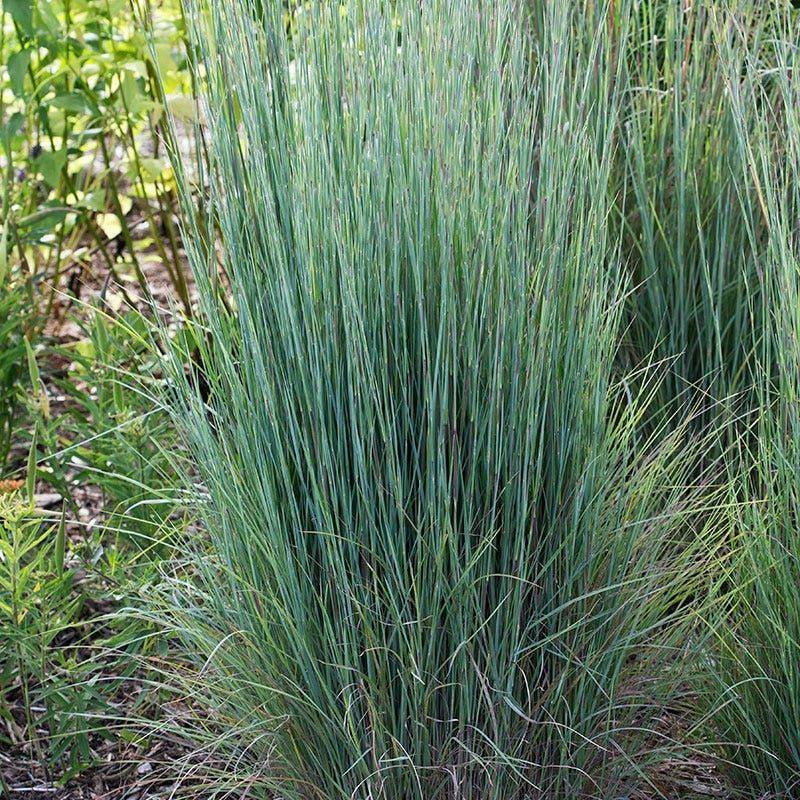
Not every humid summer garden in eastern Pennsylvania has wet soil. Some spots stay warm and dry even when the air feels thick with moisture, and little bluestem is a native grass that handles that combination well.
Schizachyrium scoparium is one of the most recognizable native grasses in the eastern United States, with blue-green summer foliage that shifts to rich copper and red tones by fall.
Little bluestem grows naturally in open meadows and rocky hillsides across Pennsylvania, where it tolerates summer heat, dry to average soil, and full sun without much complaint.
It reaches two to four feet tall and stays fairly upright, giving a meadow-style planting or perennial border a strong vertical element through the growing season.
The feathery seed heads that develop in late summer and fall add texture and attract small birds like juncos and sparrows.
In eastern Pennsylvania gardens, little bluestem works well in rain garden buffers, dry slopes, and sunny mixed borders where the soil does not stay consistently wet. It does not perform as well in heavy clay that holds standing water, so good drainage matters.
Clumps tend to stay tidy without much intervention, and the plant rarely shows disease issues even during humid summers.
Cutting clumps back in late winter before new growth begins helps keep them looking fresh and full each season without a lot of extra effort from the gardener.
6. Clustered Mountain Mint Brings Tough Summer Growth
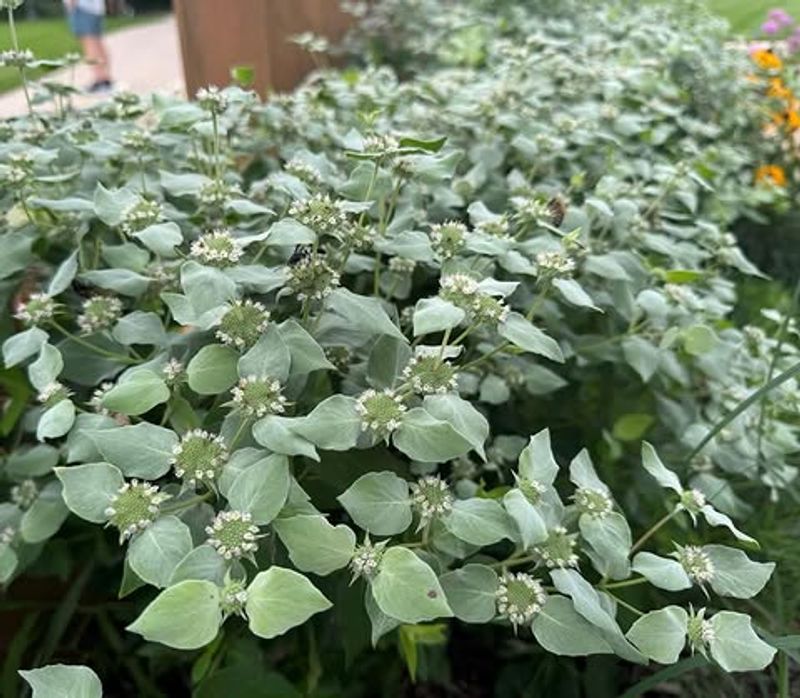
Walk past a patch of clustered mountain mint on a warm summer afternoon and the minty fragrance hits you immediately. Pycnanthemum muticum is a native Pennsylvania plant with a lot going for it beyond that pleasant scent.
It produces clusters of small white flowers surrounded by silvery bracts that catch the light beautifully, and it blooms through much of midsummer when pollinator activity in eastern Pennsylvania gardens is at its peak.
Native bees are especially drawn to mountain mint, and it has a strong reputation among gardeners and naturalists for supporting a wide range of native bee species. Butterflies and wasps also visit frequently.
The plant grows two to three feet tall and spreads steadily by rhizomes, forming a dense, weed-suppressing colony in beds where it has room to expand. That spreading habit can be useful in low-maintenance native plant borders or along a sunny garden edge.
Clustered mountain mint handles humid summer conditions well and tolerates moist to average soil in full sun or light shade. It does reasonably well in clay soil, which is common across many eastern Pennsylvania properties.
The plant rarely struggles with fungal disease or pest issues during the humid months, partly because its aromatic oils seem to discourage many common garden pests.
Once established after the first season, it needs very little supplemental water and continues to spread and bloom reliably through summers without much intervention from the home gardener.
7. Black-Eyed Susan Keeps Sunny Beds Bright
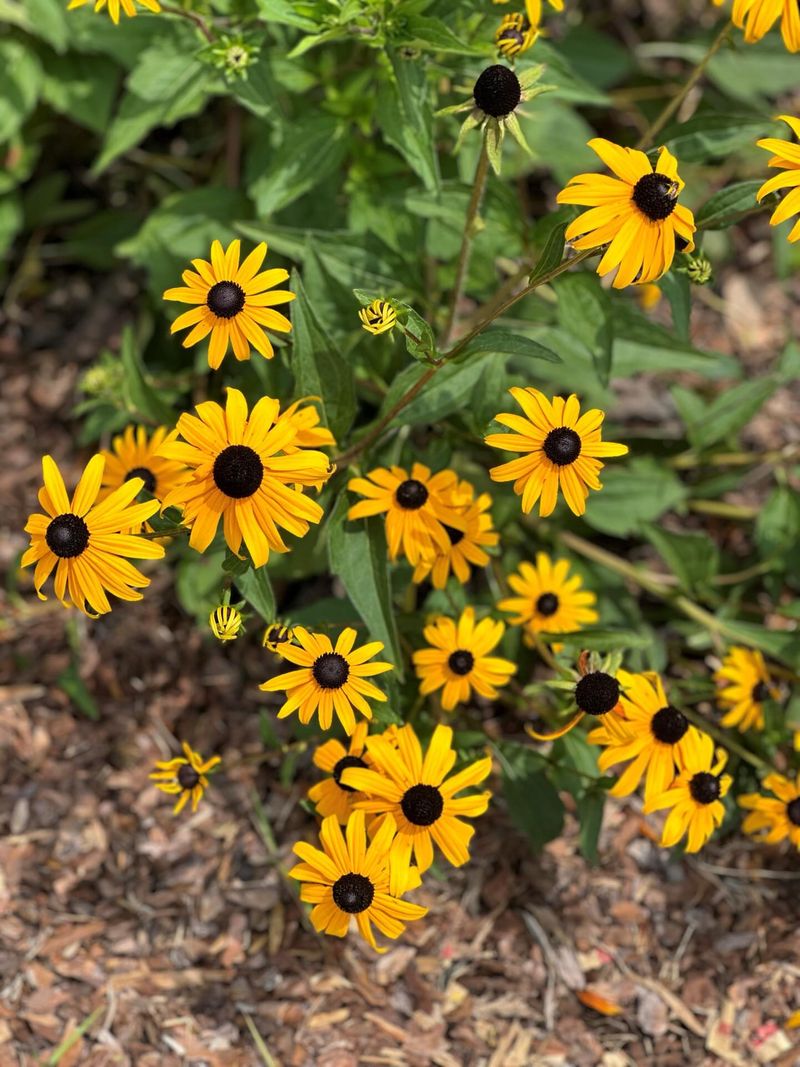
Rudbeckia hirta, better known as black-eyed Susan, is one of the most familiar native wildflowers and for good reason.
The bright yellow petals surrounding a dark brown central cone are cheerful and recognizable, and the plant earns its place in sunny beds across eastern Pennsylvania by blooming reliably through the warmest, most humid weeks of the season.
Black-eyed Susan grows naturally in open meadows, roadsides, and disturbed areas across Pennsylvania, where it has adapted to full sun and average to slightly dry soil.
It handles summer humidity without many issues when planted in a spot with good air circulation, which helps reduce the risk of foliar disease during stretches of wet, warm weather.
In mixed borders and pollinator gardens, it pairs naturally with native grasses, coneflowers, and blazing star for a meadow-inspired look.
The blooms attract bumblebees, native bees, and butterflies from early summer into early fall, and the seed heads that follow provide food for goldfinches and other seed-eating birds.
Black-eyed Susan behaves as a short-lived perennial or biennial in many eastern Pennsylvania gardens, often self-seeding to fill gaps and keep the colony going from year to year.
Letting a few seed heads remain at the end of the season supports both reseeding and bird feeding. It is one of the most beginner-friendly native plants available at nurseries and garden centers.
8. Swamp Rose Mallow Handles Heat And Wet Soil
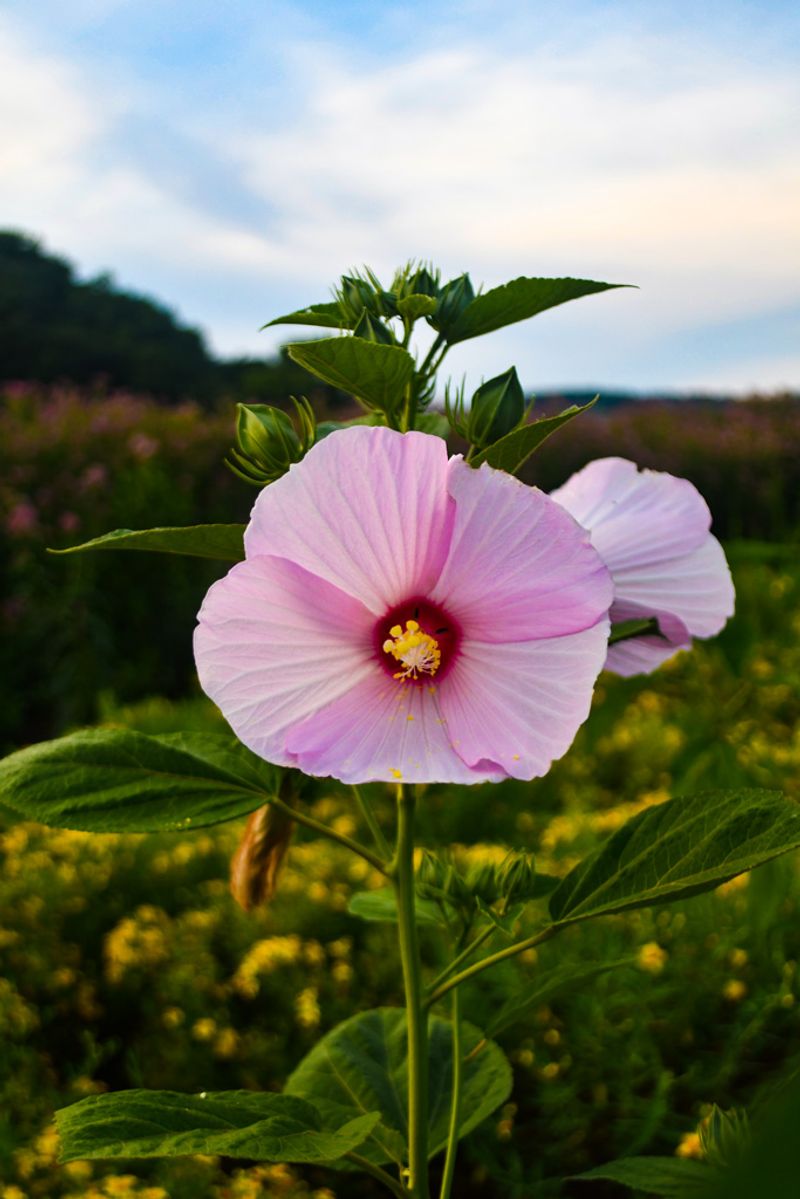
If you have a low spot in your yard that stays soggy through much of summer, swamp rose mallow might be one of the best choices you can make for that space.
Hibiscus moscheutos is a native perennial that grows naturally in wetlands, tidal marshes, and moist open areas across the mid-Atlantic region, including parts of Pennsylvania, so it comes well-prepared for heat, humidity, and wet feet.
The flowers are genuinely stunning, often reaching eight to twelve inches across in shades of white, pink, and deep rose with a contrasting center.
They open in succession from midsummer into early fall, and each bloom lasts only a day or two before a new one takes its place.
Hummingbirds and large native bees visit the flowers regularly, adding lively wildlife activity to rain gardens and wet borders in Pennsylvania landscapes.
Swamp rose mallow grows three to six feet tall in a single season, goes dormant to the ground each winter, and re-emerges late in spring.
That late emergence can worry gardeners who are not familiar with the plant, but it is completely normal behavior. Full sun and consistently moist to wet soil produce the strongest growth and most abundant flowering.
It does not perform as well in dry, well-drained spots, so matching the plant to the right site in your eastern Pennsylvania garden is the most important step toward a successful planting.