What California Citrus Owners Should Check After A Sudden Heat Spike
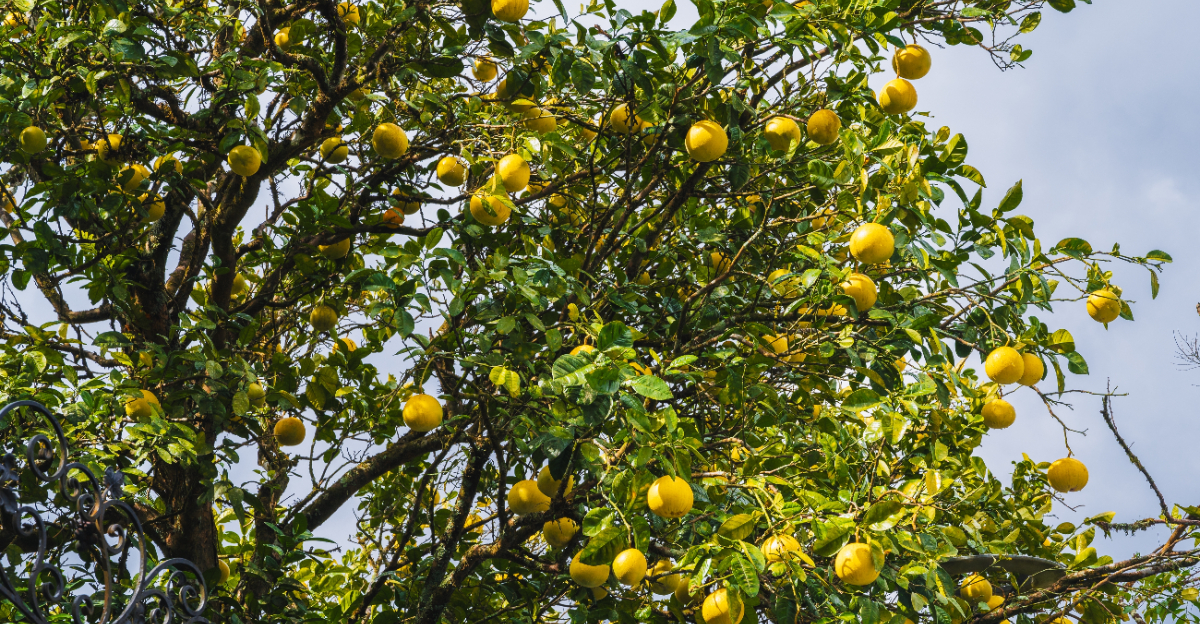
Citrus trees rarely show damage the moment heat hits. The real signs surface hours later, once cells have already started breaking down under the stress.
A single scorching afternoon in California can undo months of careful care in ways that aren’t obvious at first glance. Leaves curl, fruit develops soft spots, and root systems quietly struggle long before the tree looks sick.
Most owners only notice something is wrong once the damage has spread past the point of easy recovery. By then, the tree has already redirected its energy away from fruit production and into basic survival.
Understanding how heat moves through a citrus tree, from leaves down to roots, gives you a real shot at catching trouble early.
1. Leaf And Fruit Scorch Signal Early Heat Stress
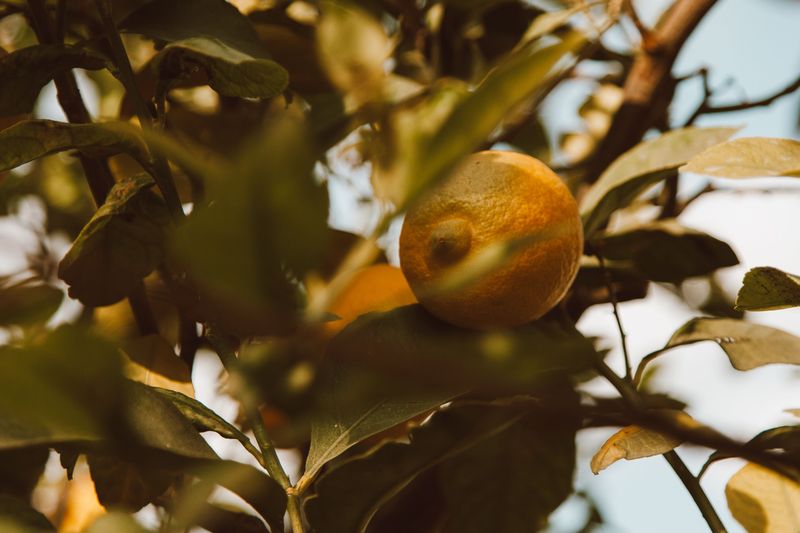
Brown edges on leaves are your tree crying out loud. After a heat spike, scorched foliage is usually the first thing California citrus owners notice on their trees.
Leaf scorch happens when temperatures climb faster than roots can supply water to the canopy. The leaf tips and edges dry out, curl inward, and turn a papery brown almost overnight.
Fruit scorch looks different but signals the same problem. Exposed oranges, lemons, or grapefruits develop pale, bleached patches on the side facing direct afternoon sun.
These patches harden into rough, corky spots that affect both appearance and flavor. Scorched fruit is still edible in most cases, but it will not store or sell as well.
Walk your entire grove or backyard orchard slowly after any major heat event. Look at both the outer canopy and the inner branches where shade usually protects younger leaves.
If you spot widespread scorching on more than a third of the canopy, your tree is under serious stress. Take photos so you can track recovery progress over the next few weeks.
Removing heavily scorched leaves is not always necessary right away. Let the tree stabilize before pruning, since those damaged leaves still help protect bark from further sun exposure.
Early identification of heat stress in citrus is the first step toward smart recovery. Catching these signs quickly puts you in control before the damage spreads deeper into the tree.
2. Canopy Damage Reveals The Depth Of Heat Stress
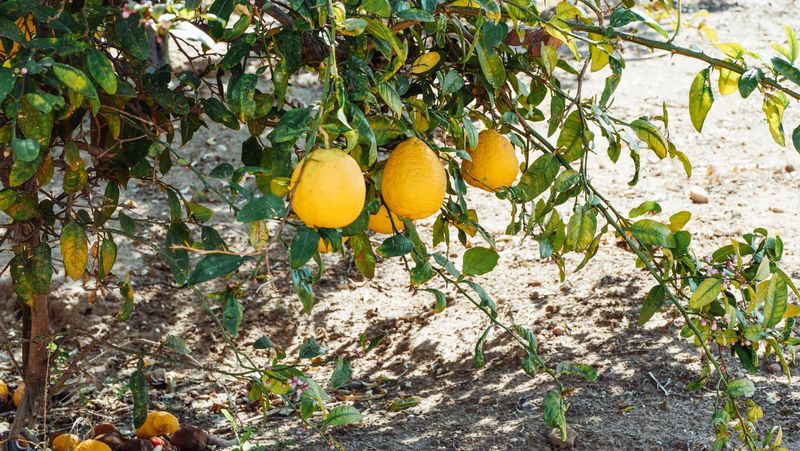
Not all heat damage stays on the surface. What you see in the canopy tells a much bigger story about what is happening inside the tree.
Start by looking at branch tip wilting across the whole tree. Tips that droop and stay drooped even after evening temperatures drop are a sign of deeper vascular stress.
When a tree cannot move water efficiently, the outermost growth suffers first. This is the canopy sending a distress signal you should not ignore after a sudden temperature surge.
Check for bark cracking or splitting on exposed branches and trunks. Sun-scalded bark peels away in strips and leaves raw, vulnerable wood open to fungal infections and insects.
Young trees under three years old are especially prone to bark damage. Their thinner bark offers less insulation against sudden temperature swings compared to mature specimens.
Your California Garden Changes Every Week. Your Plan Should Too.
Gardening in California changes quickly throughout the season. Every Friday you’ll receive a simple weekly plan showing exactly what to plant, prune, fertilize, harvest, and protect so you never miss the right timing.
Gently press your fingernail into a small area of bark on a damaged branch. If the tissue underneath feels dry and firm rather than slightly moist and green, that section may not recover.
Canopy mapping is a useful habit after any heat event. Sketch or photograph which sections look stressed so you can compare them against new growth over the following month.
Trees with more than half the canopy showing damage will need extra support through irrigation, shade cloth, and careful nutrition. Understanding canopy damage depth helps you decide how much intervention your tree actually needs.
3. Root Zone Moisture Determines Recovery Speed
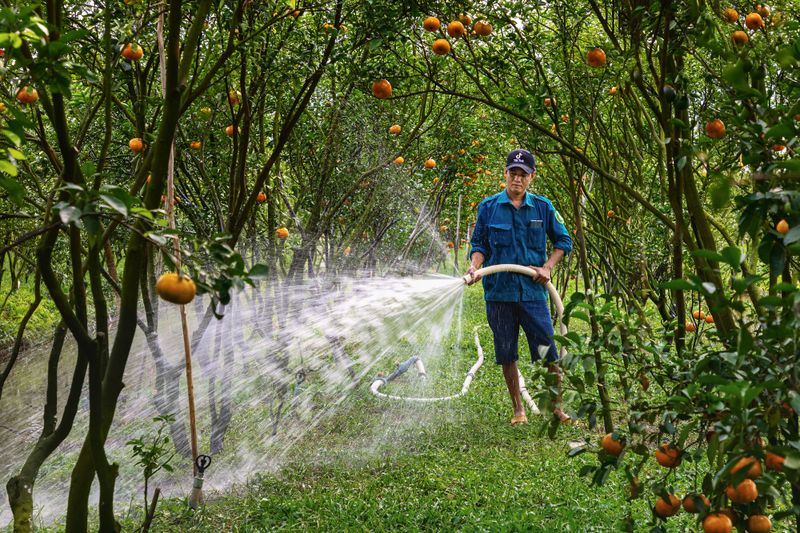
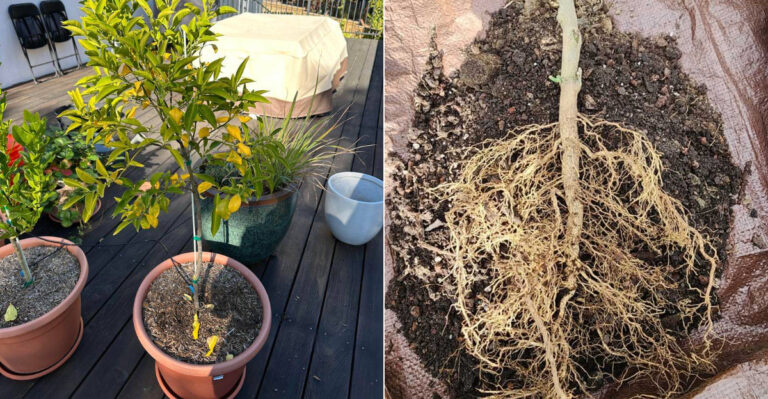
Roots are where recovery begins first. No matter how damaged the canopy looks, a well-hydrated root zone gives the tree its best shot at bouncing back fast.
After a heat spike, soil near the surface can dry out within hours. But the deeper root zone, six to eighteen inches down, may still hold enough moisture to sustain the tree temporarily.
Grab a long screwdriver or a soil probe and push it into the ground near the drip line. If it slides in easily, moisture is adequate. If it hits resistance quickly, the soil is too dry.
Compacted or clay-heavy soils common in many California yards hold water differently than sandy loam. Clay can feel moist on top while staying bone dry just a few inches deeper where feeder roots live.
Water deeply and slowly after a heat event rather than giving a quick surface soak. Shallow watering encourages surface roots that are even more vulnerable to the next temperature spike.
Mulching around the base of the tree helps lock in whatever moisture exists in the soil. A three-inch layer of wood chips or straw can meaningfully lower soil temperature underneath.
Avoid fertilizing immediately after a heat event when roots are already stressed. Adding nutrients too soon can burn fragile root tips and slow the recovery you are trying to support.
Healthy root zone moisture is the foundation of citrus heat recovery. Get the roots right, and the rest of the tree responds accordingly.
4. Fruit Drop And Sunburn Require Different Responses
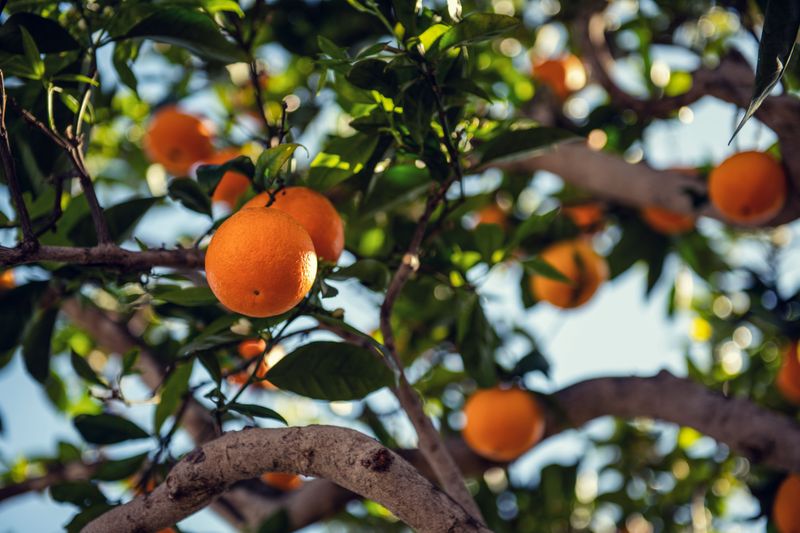
Finding fallen fruit on the ground after a heat spike can feel discouraging. But fruit drop and sunburn are two separate problems that need two separate solutions.
Fruit drop happens when a tree sheds developing fruit as a survival response. When heat stress overwhelms the tree, it prioritizes staying alive over supporting a full crop load.
This is actually a built-in protection mechanism, not a failure on your part. A lighter crop means the tree redirects energy toward root and leaf function during recovery.
Collect dropped fruit quickly to avoid attracting pests or spreading disease in your orchard. Leaving it on the ground creates a breeding ground for fruit flies and fungal pathogens.
Sunburned fruit still on the tree is a different challenge. Those bleached, corky patches will not heal or disappear, but the fruit inside is often still usable depending on how deep the damage goes.
Cut open a sunburned fruit to check the flesh. If the interior looks normal in color and texture, the fruit is fine for juicing even if the peel looks rough on the outside.
For trees with heavy sunburn, temporary shade cloth stretched over the canopy can prevent further damage during the next hot stretch. Thirty to forty percent shade cloth is usually enough without blocking too much light.
Responding smartly to both fruit drop and sunburn keeps your citrus heat recovery on track. Knowing the difference between these two issues saves you time, money, and unnecessary worry.
5. Irrigation Adjustments Speed Up Tree Recovery
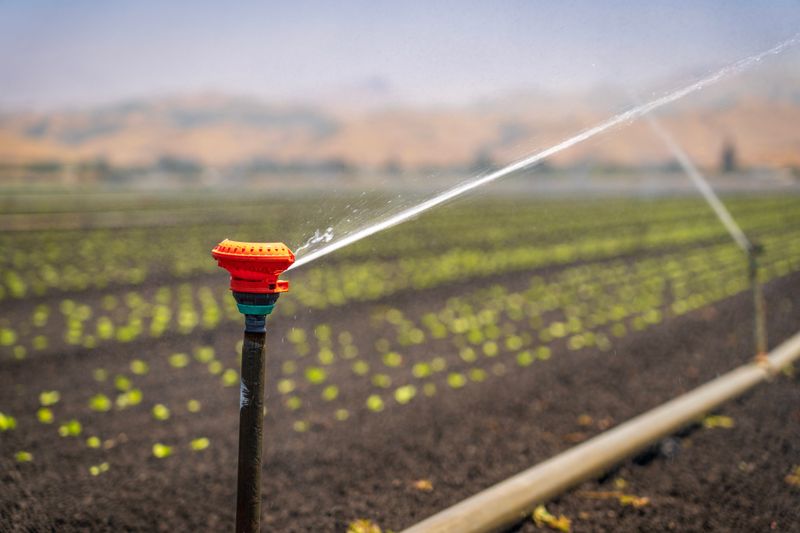
Your regular watering schedule was built for normal conditions. After a sudden heat spike, normal is no longer the situation your trees are facing.
Increase irrigation frequency in the days immediately following a heat event. Trees that normally get water every three days may need it every one to two days until temperatures stabilize.
Watering during the coolest part of the day, early morning or late evening, reduces evaporation loss significantly. Midday watering on hot soil can evaporate before it even reaches the root zone.
Check your drip emitters or sprinkler heads for clogs after extreme heat. High temperatures can cause rubber components to expand and restrict flow, leaving trees drier than you think they are.
Consider adding an extra emitter near the drip line of larger trees. The drip line, directly below the outermost branch tips, is where most active feeder roots are absorbing water.
Avoid overwatering, since it can be just as damaging as drought stress. Waterlogged soil cuts off oxygen to roots, and citrus roots are particularly sensitive to standing water or poor drainage.
A simple way to check is to dig down four inches near the drip line. Soil should feel moist like a wrung-out sponge, not soaking wet or powdery dry.
Smart irrigation adjustments are one of the most powerful tools in citrus heat recovery. Getting the water balance right after a heat spike speeds up healing and protects next season’s fruit set.
6. Pest Activity Increases After Heat Events
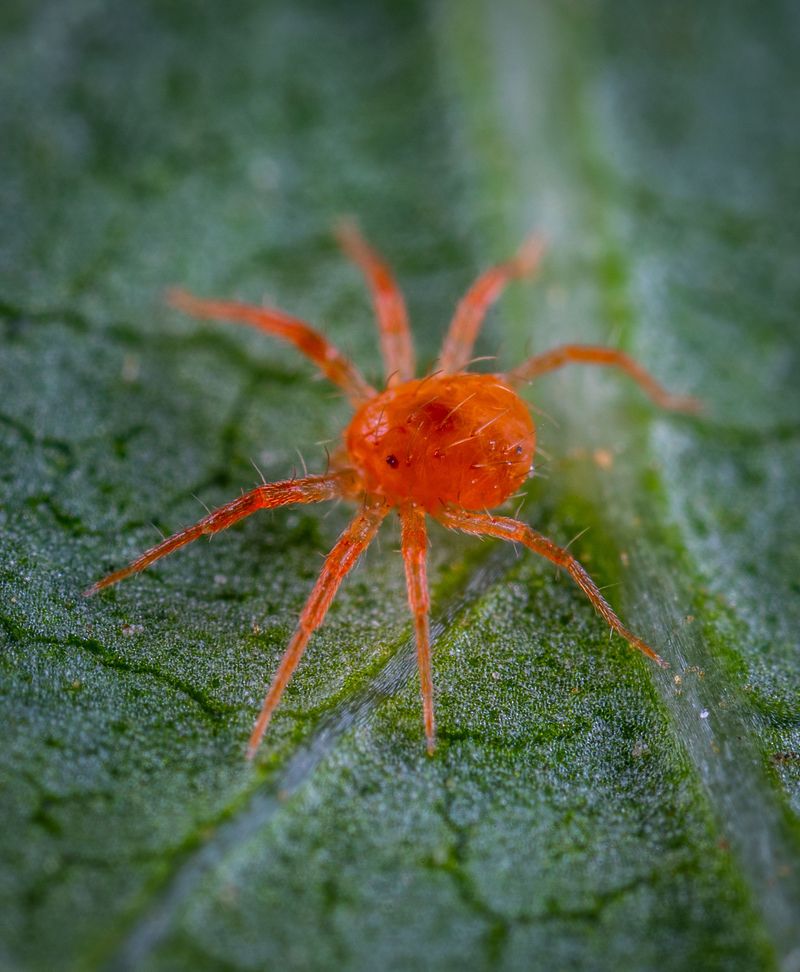
Heat waves do not just stress your trees. They also roll out a welcome mat for certain pests that thrive in hot, dry conditions.
Spider mites are the most common pest surge following a heat spike in California citrus. These tiny arachnids reproduce quickly in hot weather and can spread across a tree within a week or two.
Look for fine webbing on the undersides of leaves and a dusty, stippled appearance on leaf surfaces. Shake a branch over a white sheet of paper and watch for tiny moving specks to confirm an active infestation.
Citrus thrips also become more aggressive after heat events. They feed on young fruit and leaves, leaving silvery scarring that reduces the market quality of your crop significantly.
Scale insects can take advantage of heat-stressed bark that is already weakened. Check branch surfaces for small bumps or crusty patches that do not rub off easily with your fingernail.
A strong spray of water from a garden hose can dislodge early mite and thrips populations before they establish. Focus on the undersides of leaves where most pests shelter and feed.
Introducing or encouraging beneficial insects like lacewings and predatory mites helps keep pest populations in check naturally. Avoiding broad-spectrum pesticides preserves these helpful allies in your garden ecosystem.
Staying alert to pest activity after a heat event is a key part of protecting your California citrus long-term. Pest activity is one of the most overlooked steps in citrus heat recovery.
7. Trunk Sunscald Needs A Closer Look
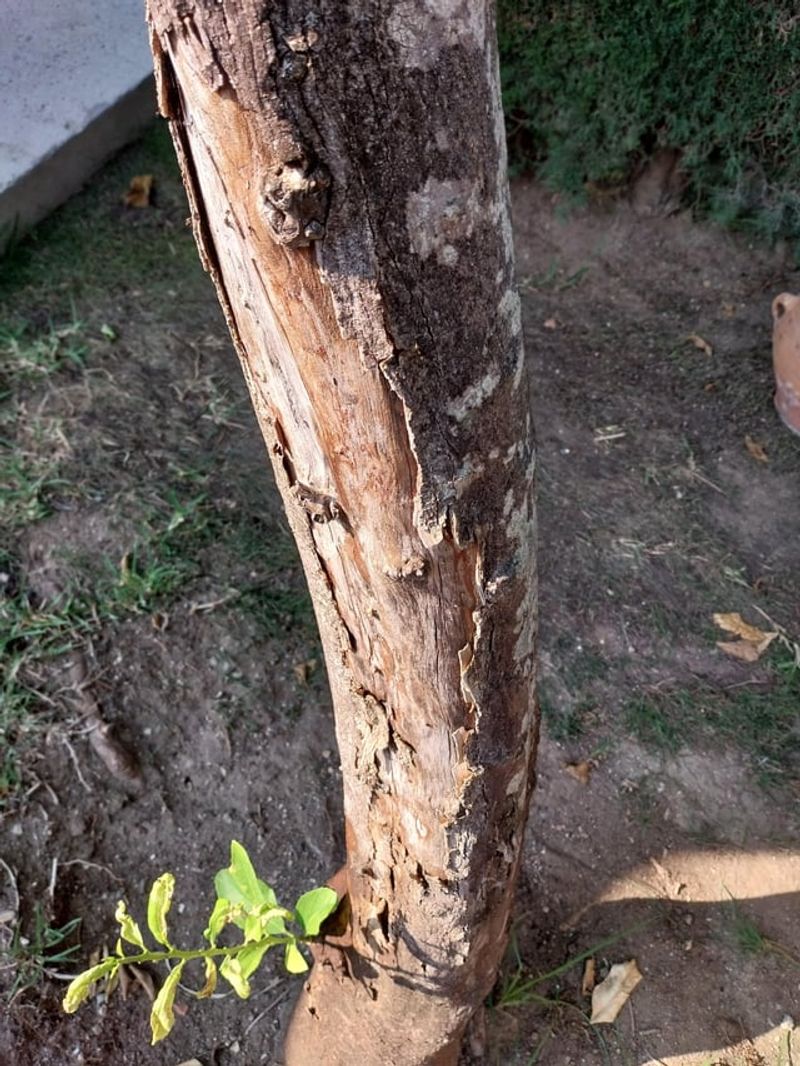
Trunk damage hides in plain sight. Most growers look up at leaves and fruit, not down at the bark.
Sunscald develops on the south and west facing sides of the trunk. Afternoon sun hits these spots hardest and longest.
The bark discolors first, shifting from healthy brown to a sunken, bleached tone. Within a week or two, that patch can crack open and expose raw wood.
Run your hand along exposed trunk sections after any heat event. Sunken or spongy patches feel different from firm, healthy bark.
Young trees and recent transplants carry the highest risk. Their thin canopy leaves the trunk with little natural shade.
Mature trees with dense canopy cover typically fare better. Their own foliage acts as a built-in sun buffer.
Painting exposed trunk sections with diluted white latex paint helps reflect sunlight. Mix equal parts water and white latex paint for the job.
Apply the mixture from the ground up to the first scaffold branches. This simple step lowers bark temperature during future heat spikes.
Tree wraps offer another layer of protection for vulnerable trunks. They need to come off periodically so moisture and airflow stay balanced.
Left on too long, wraps trap humidity against the bark. That trapped moisture can invite fungal issues instead of preventing them.
Check any previously damaged trunk areas every few weeks. Bark that keeps cracking or peeling signals ongoing stress underneath.
A section that will not stop deteriorating may need pruning. Severe cases call for a professional evaluation from an arborist.
8. New Growth Patterns Reveal Recovery Progress
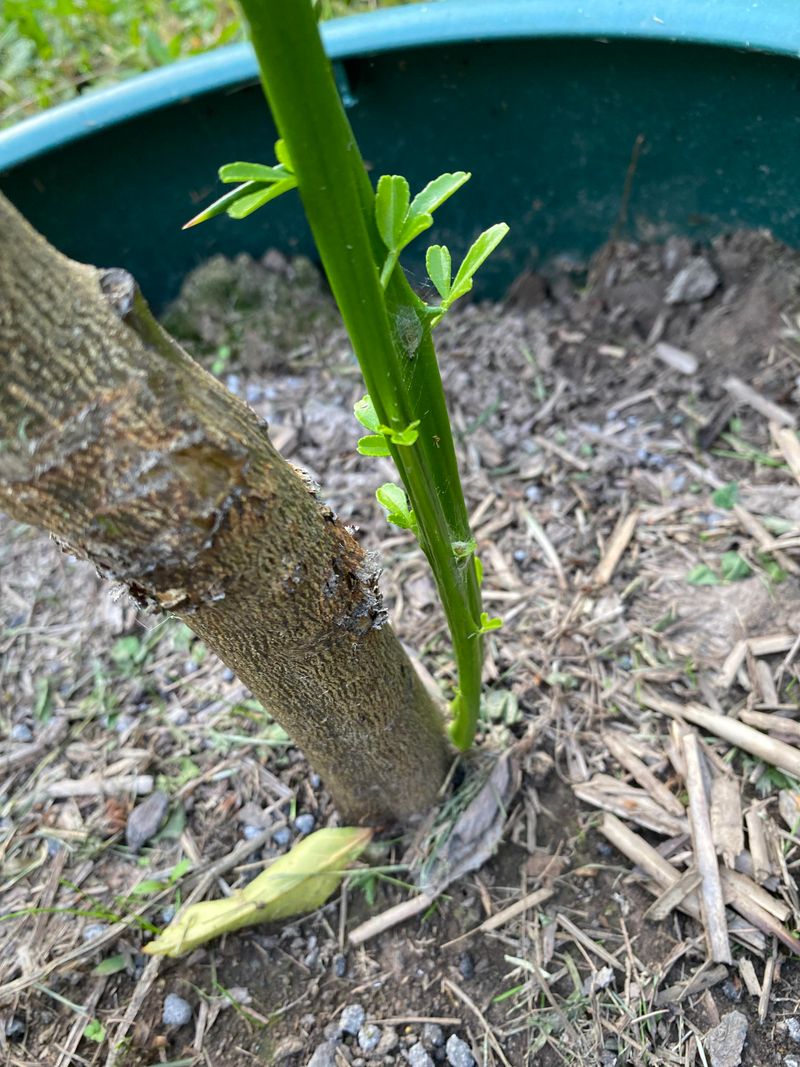
New growth is a strong signal of internal health. A stressed tree typically holds off on pushing new leaves until conditions stabilize.
Look for small, pale green shoots on branch tips. This flush usually appears two to four weeks after a heat event.
That fresh growth means the root system recovered enough to support it. Weak or absent growth after a month suggests deeper stress remains.
Compare growth rate and color across different parts of the tree. Judging the whole canopy at once can hide important detail.
Some branches may leaf out quickly while others stay bare. That unevenness often points to localized vascular damage.
Distorted or unusually small new leaves can still indicate stress. Give the tree another few weeks before assuming a deeper problem.
Early flush leaves are often smaller than typical growth anyway. Size and shape usually normalize as the tree stabilizes further.
Flowering after a heat event deserves caution, not celebration. A tree that blooms too soon may divert energy from root repair.
Removing some early blossoms can redirect resources toward recovery. This trade-off protects long-term tree health over a single season’s crop.
Keep a simple log or photo timeline of canopy recovery. Track this progress over the two months following a heat spike.
These records build a clearer picture of your tree’s resilience. They also help you spot recurring weak points before the next heat wave.