Why California Sage Plants Suddenly Look Tired At The End Of Summer
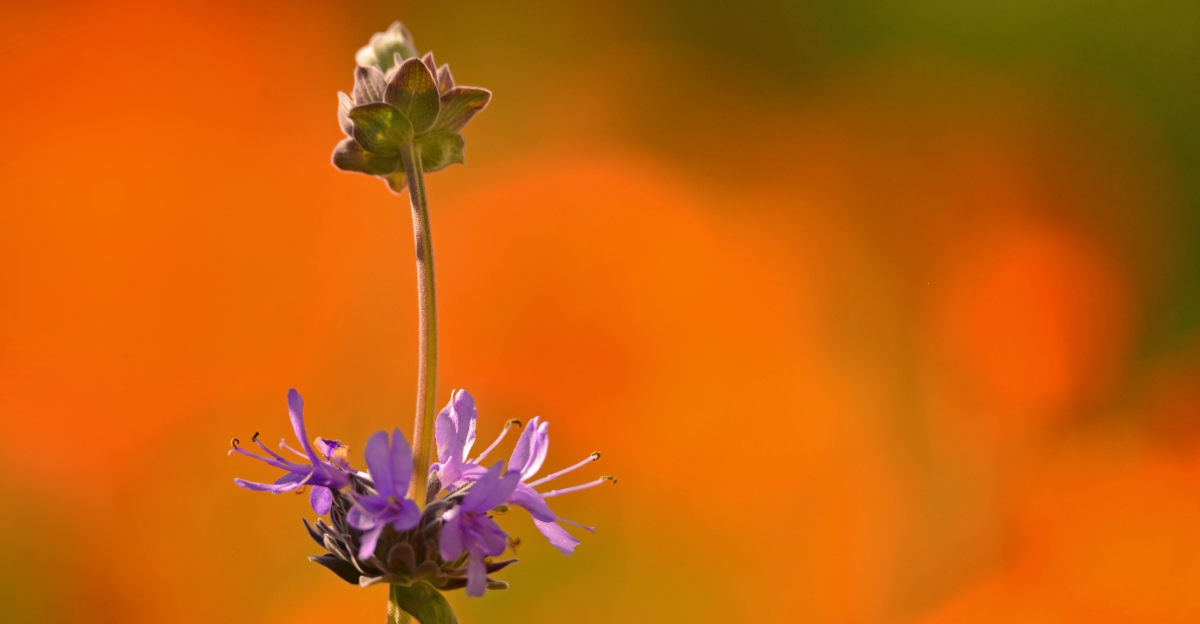
California sage plants are built for tough conditions. They handle sunshine, dry stretches, and the kind of weather that makes other garden plants look ready to give up.
So when a once-vibrant sage suddenly appears tired, sparse, or less impressive, it can catch gardeners completely off guard.
The change is often subtle at first. A little less fullness here, fewer flowers there, maybe a texture that looks different than it did earlier in the season.
Nothing dramatic enough to explain itself, but enough to make you stop during a walk through the yard and wonder what happened.
Seasonal shifts can bring out different behaviors in plants, and California sages have their own rhythms as the growing year moves along. What looks like a problem may actually be a sign that the plant is responding to changing conditions around it.
Those tired-looking branches may be telling you something important about what your sage needs next.
1. Summer Heat Can Push Sage Plants Into Stress
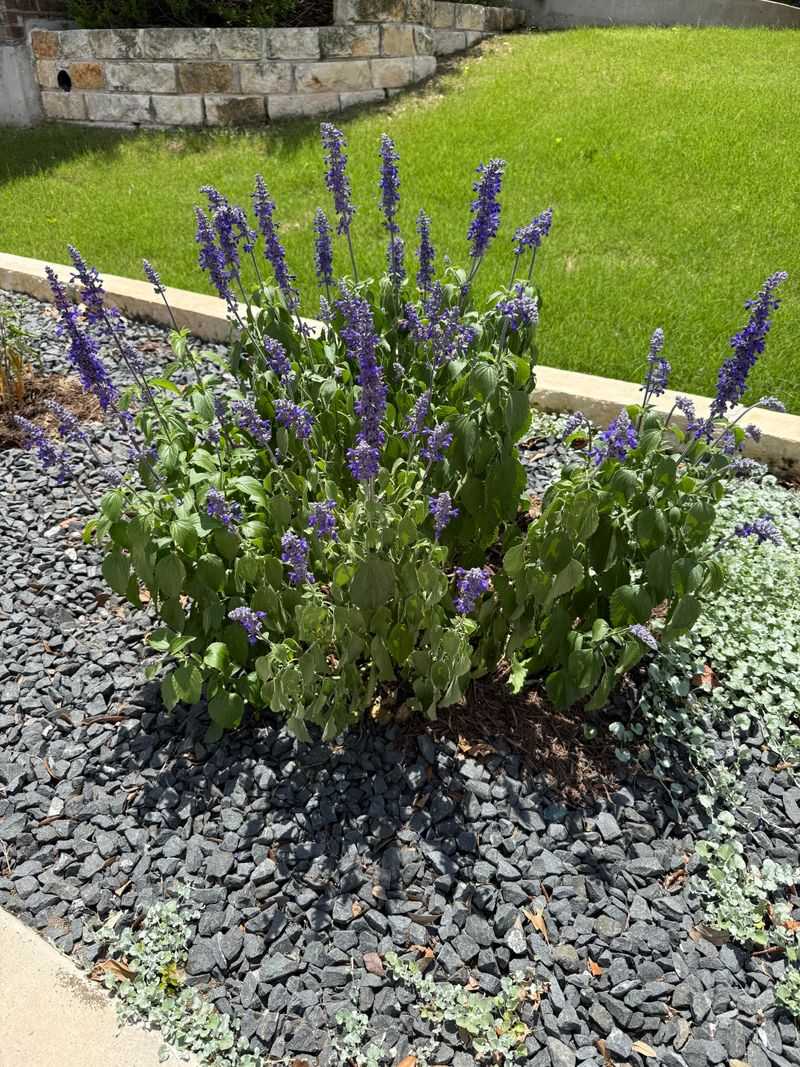
When temperatures climb past 90 degrees for days at a time, even tough plants start to struggle. Sage is no exception.
It may be built for warm weather, but extreme heat can push it past its comfort zone quickly.
During a heat wave, the plant loses water through its leaves faster than its roots can pull it up from the soil. That imbalance causes leaves to look dull, droopy, or even a little crispy around the edges.
You might notice the whole plant leaning or curling slightly as if it is trying to protect itself.
This is actually a survival response. The plant is conserving energy by slowing down growth and pulling moisture inward.
It is not a sign that something is terribly wrong, but it is a signal that the plant needs some attention.
One helpful tip is to avoid pruning or fertilizing during a heat wave. Both of those activities put extra stress on a plant that is already working hard to stay stable.
Instead, give it a deep watering early in the morning, before the hottest part of the day hits.
Placing a thin layer of mulch around the base can also help keep the soil cool and hold moisture longer. Once temperatures drop, most sage plants bounce back on their own without much extra help from you.
2. Too Much Water Can Make Sage Look Worse
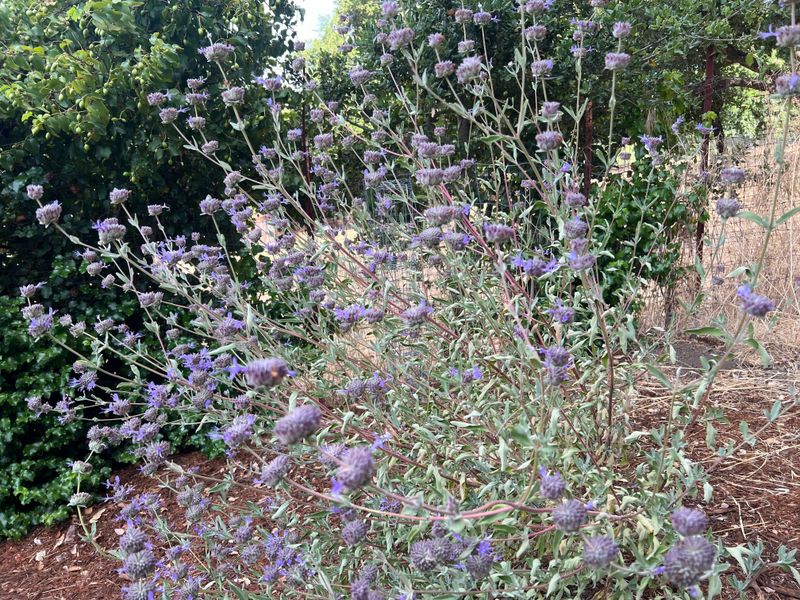
Here is something that surprises a lot of gardeners: watering sage too much can actually make it look worse than not watering it enough. Sage is a drought-tolerant plant, which means it is designed to handle dry conditions pretty well.
When you water it too often, the roots sit in wet soil for long periods. That moisture around the roots cuts off the oxygen the plant needs to stay healthy.
Over time, the roots begin to weaken, and the plant above the soil starts showing signs of trouble.
Yellowing leaves are one of the first clues. The plant may also look limp or soft, even though the soil is wet.
Your California Garden Changes Every Week. Your Plan Should Too.
Gardening in California changes quickly throughout the season. Every Friday you’ll receive a simple weekly plan showing exactly what to plant, prune, fertilize, harvest, and protect so you never miss the right timing.
Many California gardeners mistake this for a sign that the plant needs more water, and then they water it again, making the problem even worse.
A good rule of thumb is to let the top inch or two of soil dry out completely before watering again. Sage plants in the ground often need watering only once a week during summer, and sometimes even less than that.
Container-grown sage may need slightly more frequent watering, but always check the soil first before adding more water. Sticking your finger about an inch into the soil is a quick and easy way to check if it is time to water again or if you should wait a little longer.
3. Poor Drainage Can Damage The Roots Over Time
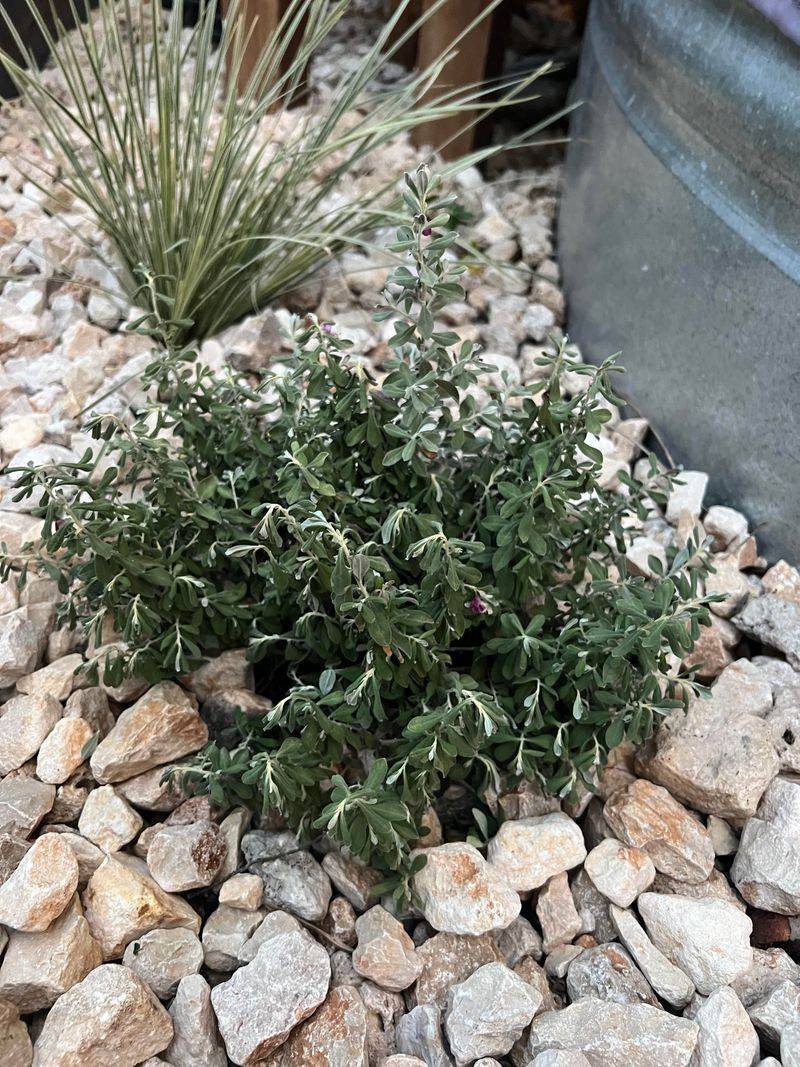
Even if you are not overwatering, bad drainage can cause the same problems. When soil holds water instead of letting it flow through, the roots of your sage plant stay wet far longer than they should.
Clay-heavy soils are a common culprit. Clay particles are tiny and pack together tightly, which slows down water movement significantly.
In a garden bed with clay soil, water can pool around roots for hours or even days after a watering or a rainstorm.
Over time, that constant moisture breaks down root health. The roots become soft and less effective at pulling nutrients up into the plant.
You might notice the plant looking tired, pale, or stunted even when you are giving it everything it seems to need.
Fixing drainage issues does not have to be complicated. Mixing coarse sand or perlite into the planting area can help break up dense soil and create more space for water to move through.
Raised beds are another great option because they naturally offer better drainage than flat garden beds.
If your sage is already planted in a low spot where water collects after rain, consider moving it to a higher area with better airflow around the base. Sage thrives in well-draining, slightly gritty soil.
Giving it that kind of environment makes a noticeable difference in how strong and healthy it looks all season long.
4. Woody Centers Can Leave Plants Looking Thin
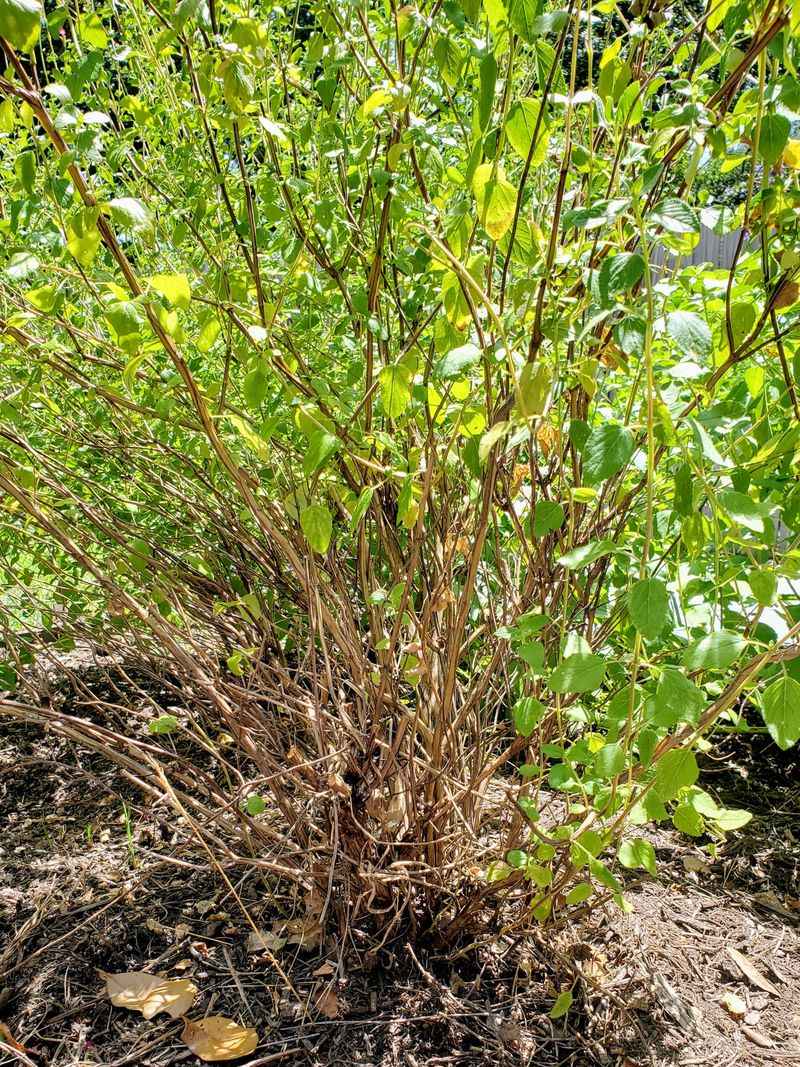
Sage plants do not stay soft and bushy forever. As they age, the center of the plant gradually becomes thick and woody, almost like a small tree trunk.
That woody core stops producing new leaves, which means the plant starts looking thin and bare in the middle.
By late summer, after months of growth, this woodiness becomes really obvious. The outer branches may still look green and alive, but the center looks hollow or scraggly.
That lopsided look is one of the most common reasons gardeners think their sage is struggling.
The truth is, this is a totally normal part of how sage plants grow. Most woody herbs follow this same pattern over time.
The plant is not in trouble, but it could use some attention to keep it looking its best.
Light pruning earlier in the season, around late winter or early spring, can slow down this woodiness by encouraging fresh new growth from the base. Cutting back about one-third of the plant helps stimulate those younger, greener stems to fill in the gaps.
Avoid cutting into the hard, woody part of the stem too aggressively, though. Sage does not always recover well from very severe cuts into old wood.
Focus your pruning on the softer, newer growth to keep the plant balanced, full, and looking healthy rather than hollow and tired as summer wraps up.
5. Older Growth Often Starts To Decline First
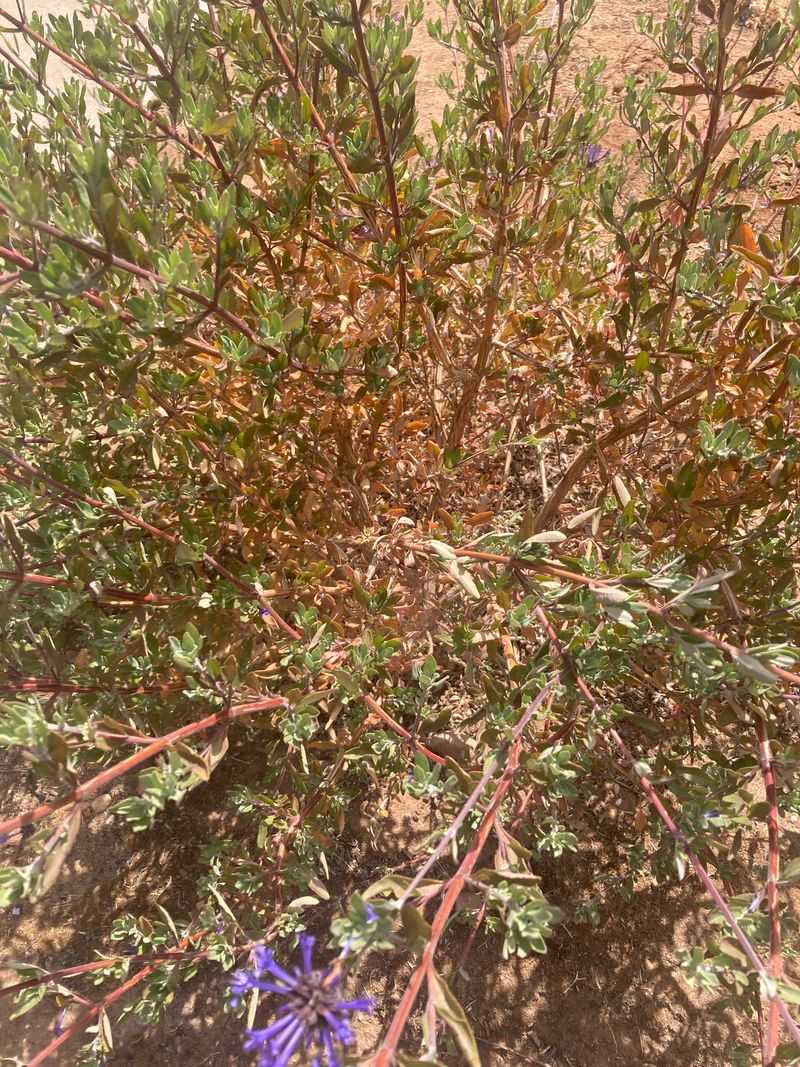
Not all parts of a sage plant age at the same rate. The oldest branches, usually the ones closest to the base and center of the plant, tend to show wear and tear first.
By the end of summer, those older stems often look brown, brittle, or sparse compared to the younger growth higher up.
This is actually a natural cycle. Plants put their energy into new growth, and older parts get less and less of that energy over time.
The older branches may still be alive, but they are not as active or productive as they once were.
Recognizing which growth is old versus new is a helpful skill for any gardener. Older stems tend to be thicker, woodier, and darker in color.
Newer growth is usually softer, lighter green, and more flexible when you gently bend it.
Removing some of that older, declining growth can actually help the rest of the plant look and feel more energetic.
It frees up resources and allows the plant to focus on the newer, more productive branches. A pair of clean, sharp pruning shears makes this job much easier and cleaner.
Always cut just above a leaf node or a branching point so the plant has a natural place to regrow from.
Doing this in late summer or early fall sets the plant up nicely for a strong start the following spring season.
6. Late-Summer Dryness Can Reveal Weak Spots
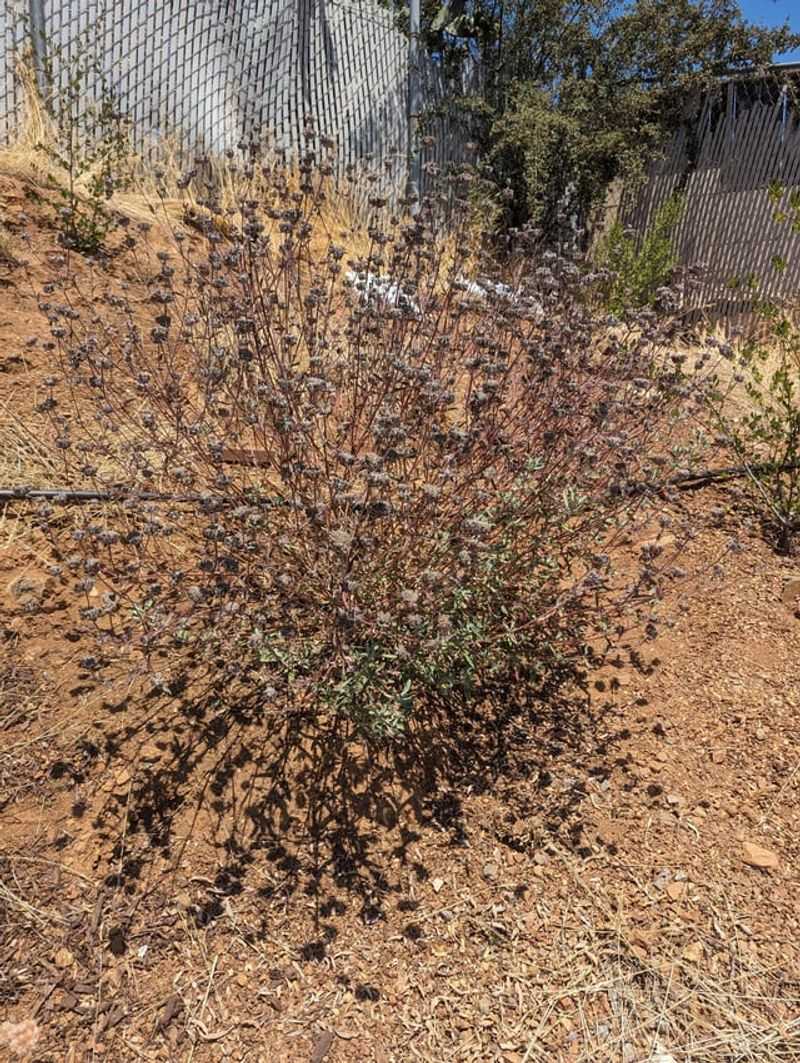
By the time late summer rolls around in California, the soil has been baking under the sun for months. Rainfall is usually sparse, and the ground can get extremely dry.
For sage plants, this extended dryness puts pressure on every part of the plant, and weaker areas start to show up clearly.
You might notice certain branches wilting faster than others. Some sections of the plant may turn gray or brownish while nearby branches still look green and lively.
That uneven appearance is a sign that the plant is channeling its limited water supply to the strongest parts first.
Think of it like a triage system. The plant prioritizes its healthiest branches and lets the weaker ones fall behind.
It is a smart survival strategy, but it does make the plant look patchy and uneven from the outside.
Giving the plant a slow, deep watering during these dry spells can help even things out. Watering slowly, using a drip system or a soaker hose, allows the moisture to soak deep into the soil rather than just wetting the surface.
Deep roots are stronger and more drought-resistant than shallow ones. Adding mulch around the base of the plant helps the soil hold onto that moisture between waterings.
Even a two-inch layer of wood chips or straw can make a big difference in how well the plant handles the dry, relentless heat of late summer days.
7. Withered Branches May Need To Be Removed
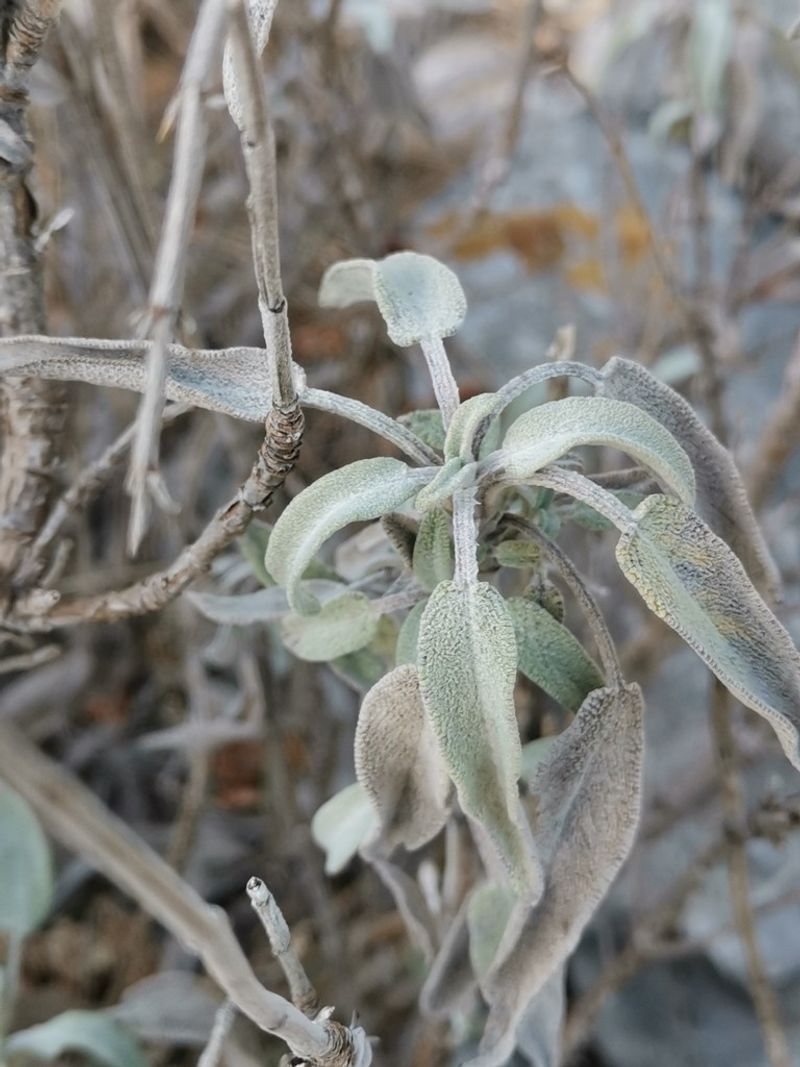
Sometimes, by the end of summer, certain branches on a sage plant are simply past the point of recovery.
They look shriveled, brown, and completely dry, with no green left anywhere along the stem.
Those branches are not coming back, and leaving them on the plant is not doing anyone any favors.
Withered branches take up space that healthy branches could use. They can also become a home for pests or fungal issues if left sitting on the plant too long.
Removing them is one of the most helpful things you can do for your sage as summer winds down.
Before cutting anything, take a close look at the branch. Scratch the surface lightly with your fingernail near the base of the stem.
If you see green underneath, the branch may still have some life in it and is worth keeping for now. If it is brown or tan all the way through, it is safe to remove.
Use clean, sharp pruning shears and make your cut just above a healthy branching point or leaf node. Wipe the blades with rubbing alcohol between cuts if you are dealing with multiple branches, especially if any look diseased.
That simple step helps prevent spreading any potential problems from one part of the plant to another.
After removing the withered growth, give the plant a light watering and some space to breathe. You may be surprised how much better the whole plant looks once the withered weight is gone.
8. Overgrown Plants Can Lose Their Natural Shape
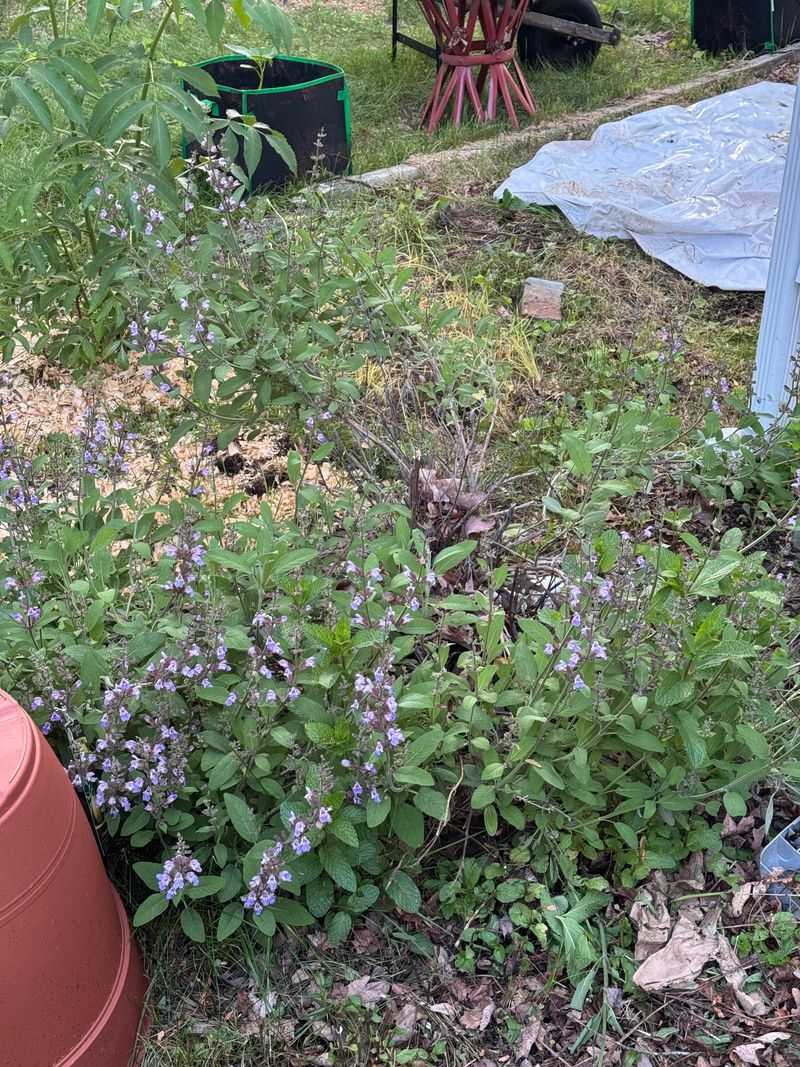
Sage plants can grow fast when conditions are right, and by the end of summer, some of them get pretty big and unruly.
Branches spread outward in all directions, some flop over toward the ground, and the whole plant starts to look more like a tangled mess than a tidy garden shrub.
When a plant gets overgrown, the inner branches often stop getting enough sunlight and airflow.
That lack of light and air circulation can lead to moisture buildup inside the plant, which creates the perfect environment for mold or mildew to develop over time.
An overgrown sage also tends to look tired because energy is spread too thin across too many branches.
Rather than putting its resources into lush, healthy foliage, the plant is trying to maintain too much at once. The result is a plant that looks scraggly and worn out.
Shaping the plant back into a rounder, more compact form can make a huge difference in both its appearance and its overall health. Focus on removing branches that cross over each other, touch the ground, or grow inward toward the center of the plant.
Aim to keep the plant at a manageable size that still allows light and air to reach the inner branches.
Sage responds well to moderate shaping, and a well-pruned plant not only looks better but also tends to produce more fragrant, vibrant foliage. Regular shaping every season keeps things from getting out of hand again.