The Heat-Wave Prep Checklist California Gardeners Should Do The Night Before
A heat wave is about to hit, and your garden has no say in the matter. The evening before a scorching stretch is your best window to act, setting the stage for your plants to hold steady instead of wilt under the strain.
California soil dries out fast once temperatures spike, and containers lose moisture even quicker than beds in the ground. Seedlings barely have a chance without a little help tonight.
This isn’t about babying your yard. It’s about giving roots a head start before heat stress sets in, so leaves stay upright and soil stays workable instead of turning to dust.
A few smart moves before bed can carry your garden through the worst of it. Here’s exactly what to check before you turn in tonight.
1. Deep-Water The Soil Around Every Plant’s Root Zone
Dry soil puts real stress on plants when temperatures spike past 100 degrees. Watering deeply the night before a heat wave gives roots a full reservoir to draw from all day long.
Shallow watering only wets the top inch or two of soil. That moisture evaporates fast once the sun rises and the heat cranks up.
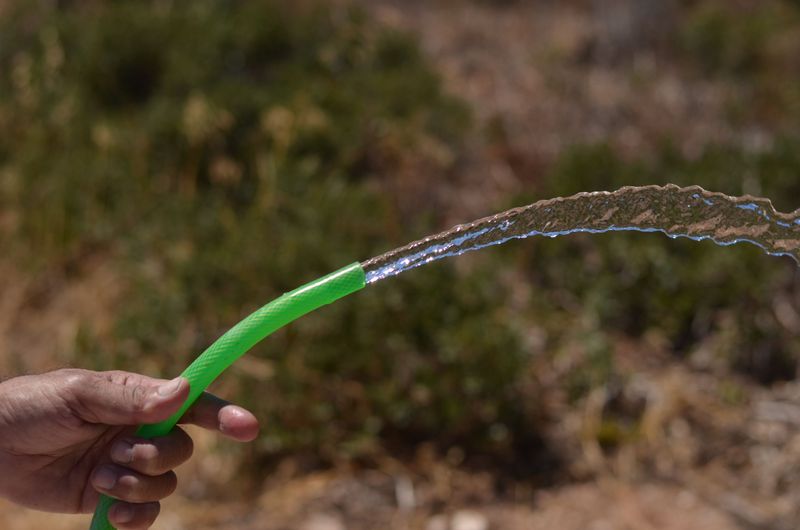
Push your hose or drip system to run long enough that water soaks down at least six to eight inches. You want the root zone truly saturated, not just damp on the surface.
A slow, steady stream works better than a quick blast. Let the water trickle in so the soil can absorb it rather than letting it run off.
Focus your water right at the base of each plant, not on the leaves or stems. Wet foliage overnight can invite mildew, and that is the last thing you need heading into a hot stretch.
Larger plants like fruit trees and shrubs need even more water than you might think. Give them an extra ten to fifteen minutes of slow watering to make sure their deep roots get a good drink.
Vegetables like tomatoes, squash, and peppers are especially vulnerable to heat stress. A well-watered root zone the night before can keep them from wilting before noon the next day.
A garden with saturated roots can handle whatever the thermometer throws at it the next day. That extra effort tonight pays off by early afternoon.
2. Move Potted Plants To A Shaded Spot For The Next Day
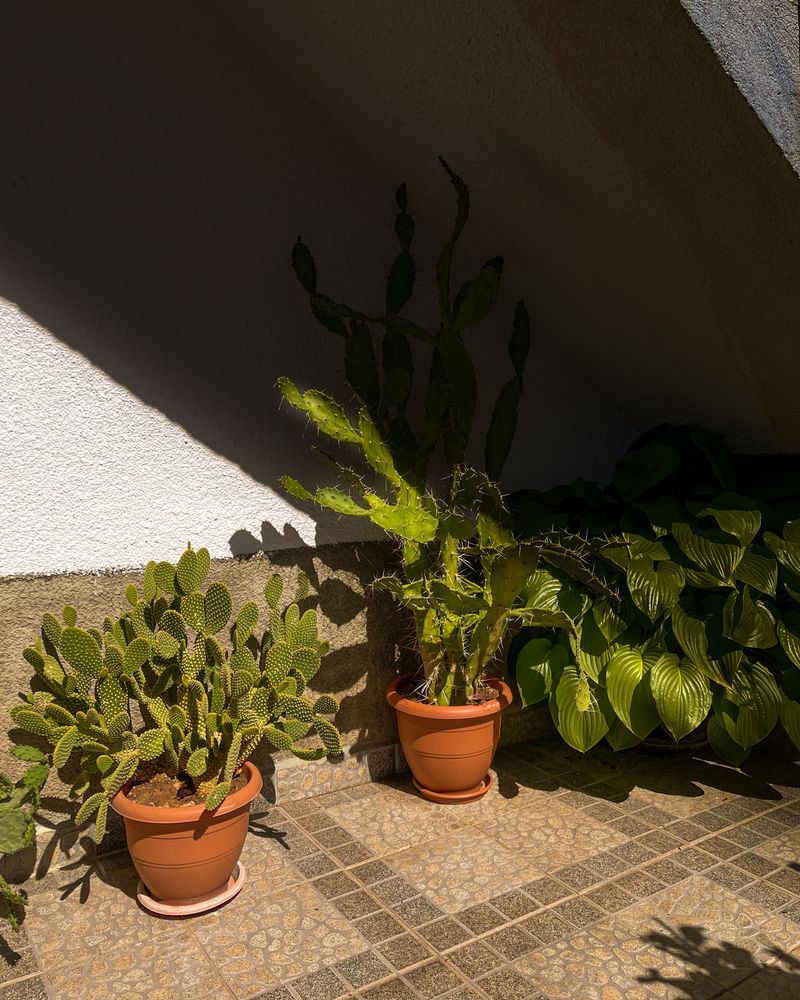
Potted plants absorb heat fast when a heat wave hits. The walls of pots warm up quickly, and that heat transfers directly to the roots inside.
Ceramic, terracotta, and even plastic containers can reach scalding temperatures on a hot afternoon. Moving them the night before gives you time to find the right spot without rushing.
Look for a location that gets morning sun but is shielded from the brutal afternoon rays. East-facing walls, covered patios, and spots under large trees are all solid choices.
Group your pots together once you find a shaded area. Clustered containers create a microclimate that stays slightly cooler and more humid than open spaces.
Your California Garden Changes Every Week. Your Plan Should Too.
Gardening in California changes quickly throughout the season. Every Friday you’ll receive a simple weekly plan showing exactly what to plant, prune, fertilize, harvest, and protect so you never miss the right timing.
Heavier pots are obviously harder to relocate, so plan ahead and use a plant dolly or rolling cart to make the job easier. Straining your back the night before a heat wave is not the plan.
Succulents and cacti might seem like they can handle anything, but even they can get sunburned in extreme heat. Moving them to partial shade for a day or two will not hurt them at all.
Herbs like basil and cilantro are especially sensitive to intense sun and heat. Shifting them to a shaded corner can keep them productive instead of bolting.
Once temperatures drop back down, everything can return to its usual place. A shaded spot for a day or two costs you nothing and saves your containers.
3. Apply A Fresh Layer Of Mulch To Lock In Moisture
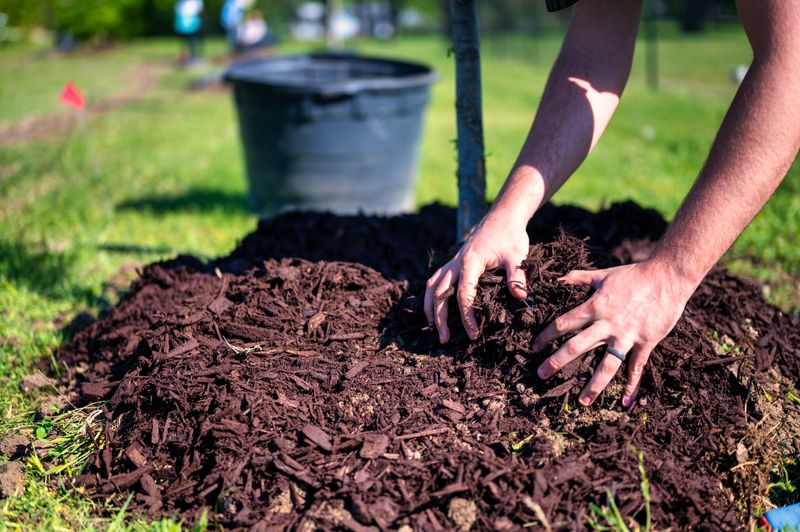
Mulch is basically sunscreen for your soil. A fresh two to three inch layer spread the night before a heat wave can dramatically slow down moisture loss the next day.
Without mulch, bare soil can lose a significant amount of water to evaporation in just a few hours of direct sun. That water is exactly what your plants need to survive the heat.
Wood chips, straw, shredded bark, and even dried leaves all work well as mulching materials. The goal is to create a physical barrier between the hot air and the cool, moist soil below.
Spread mulch out in a wide circle around each plant rather than piling it up against the stem. Mulch pressed against a trunk or stem can trap moisture and cause rot.
A good rule of thumb is to keep mulch about two inches away from any stem or trunk. Then spread it outward as far as the plant’s canopy reaches.
For vegetable beds, a layer of straw works especially well because it stays loose and allows some airflow. Dense mulches can work fine too, as long as they are not packed too tight.
Applying mulch the night before also means you are doing it in cooler conditions. Working in evening temps is far more comfortable than crouching over hot soil mid-afternoon.
Soil that stays cool and moist underneath the mulch holds up far longer than bare ground exposed to direct sun. It’s a small task with a disproportionately large payoff.
4. Check That Drip Lines And Sprinklers Are Working Properly
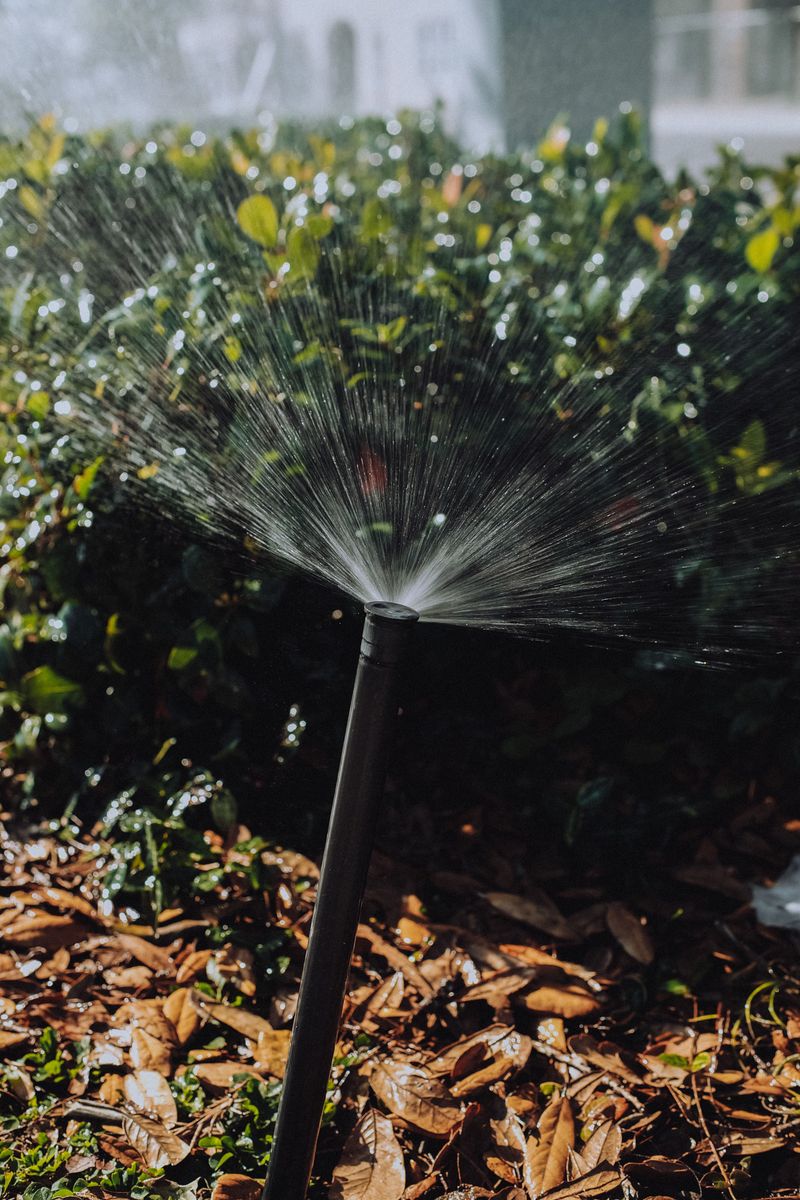
Waking up after a brutal night to find your irrigation system failed while you slept is a frustrating way to start a hot day. Checking your drip lines and sprinklers the evening before a heat wave is a step you absolutely cannot skip.
Walk every irrigation zone and look for clogged emitters, kinked tubing, and broken sprinkler heads. These small problems can leave entire sections of your California garden without water when they need it most.
Turn each zone on manually and watch what happens. You are looking for even coverage, no dry spots, and no unexpected geysers shooting water where it should not go.
Drip emitters can get clogged with mineral deposits over time. A quick soak in a mineral-deposit remover or a simple replacement head can fix the problem in minutes before the heat hits.
If you have a timer system, double-check that the schedule is set correctly for the next morning. A watering cycle that runs at 10 a.m. instead of 5 a.m. is nearly useless on a scorching day.
Check the water pressure too, because low pressure means drip systems may not deliver enough flow to reach all your plants. Your local hardware store sells simple pressure gauges that attach right to a hose bib.
Also look for any signs of leaks along buried lines. Wet patches in unexpected spots often signal a break underground that is wasting water before it ever reaches a root.
Catching a broken emitter now instead of at noon tomorrow saves both water and stressed-out plants. A five-minute walk-through can prevent a full day of scrambling.
5. Set Up Shade Cloth Over Sensitive Plants And Seedlings
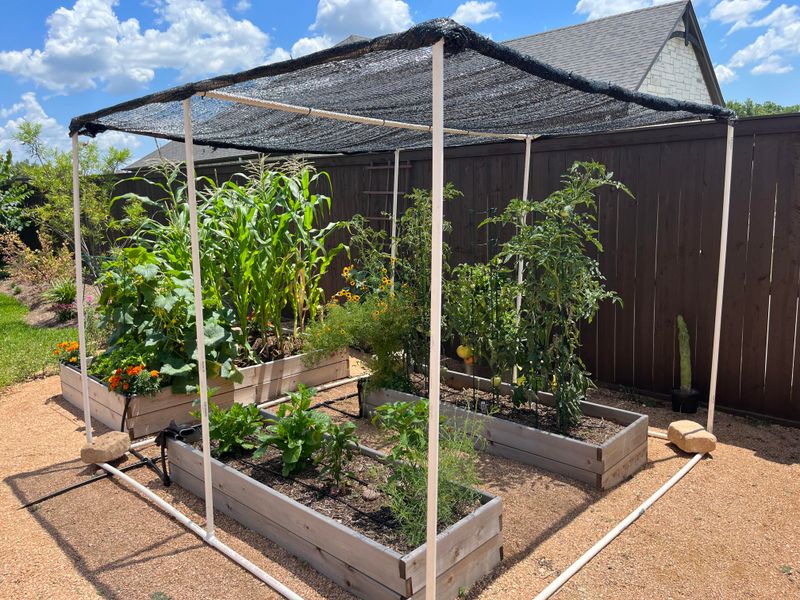
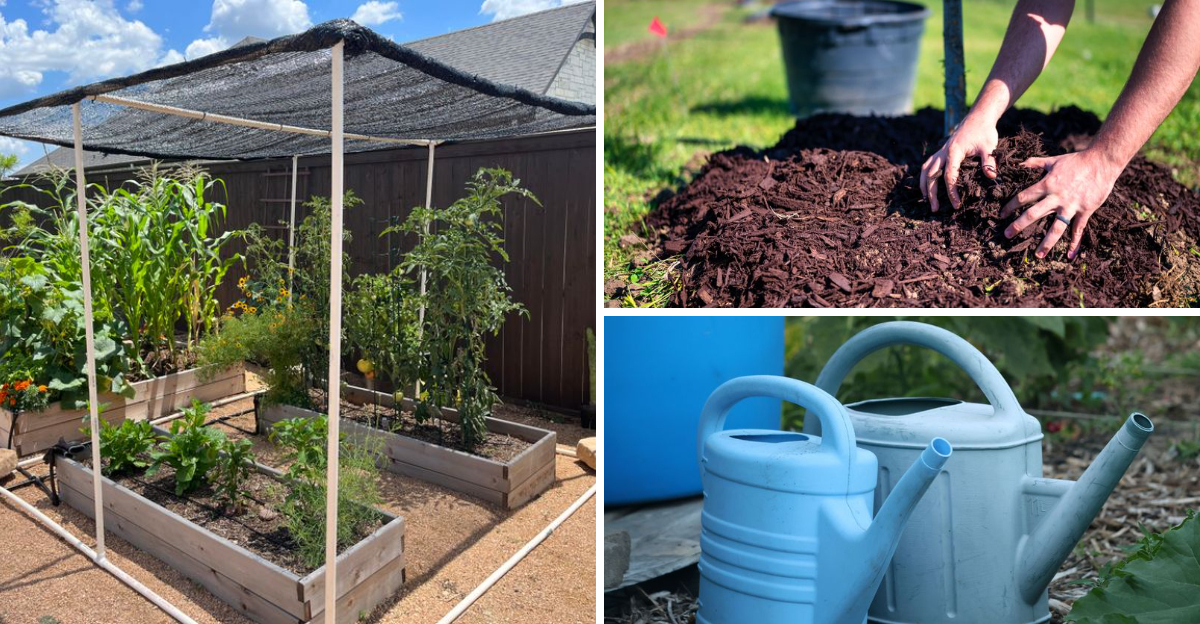
Young seedlings and tender transplants have almost no tolerance for scorching afternoon sun. A shade cloth set up the night before can be the barrier that gets them through the hottest hours.
Shade cloth is a lightweight, woven fabric that filters sunlight without blocking airflow or trapping heat. You can find it at most garden centers in 30 percent, 40 percent, and 50 percent shade ratings.
For most vegetables and seedlings, a 30 to 40 percent shade cloth is the sweet spot. It cuts the harshest rays without leaving plants too dark to photosynthesize properly.
Setting it up the night before is smart because you can take your time getting it right. Rushing to drape shade cloth in the middle of a blazing morning is frustrating and sweaty work.
Use stakes, wire hoops, or a simple PVC frame to hold the cloth above the plants. You want airflow between the cloth and the leaves, not fabric pressing directly onto the foliage.
Secure the edges with clips, rocks, or garden staples so the cloth does not blow off in a morning breeze. A shade cloth that flips off at 9 a.m. does not help anyone.
Even established pepper and lettuce plants benefit from some afternoon shade during extreme heat. Peppers in particular tend to drop their blossoms when temps soar too high.
Seedlings shielded from harsh afternoon rays put their energy into growing instead of just surviving. Take the cloth down once conditions cool off again.
6. Bring Fragile Or Heat-Stressed Containers Closer To The House
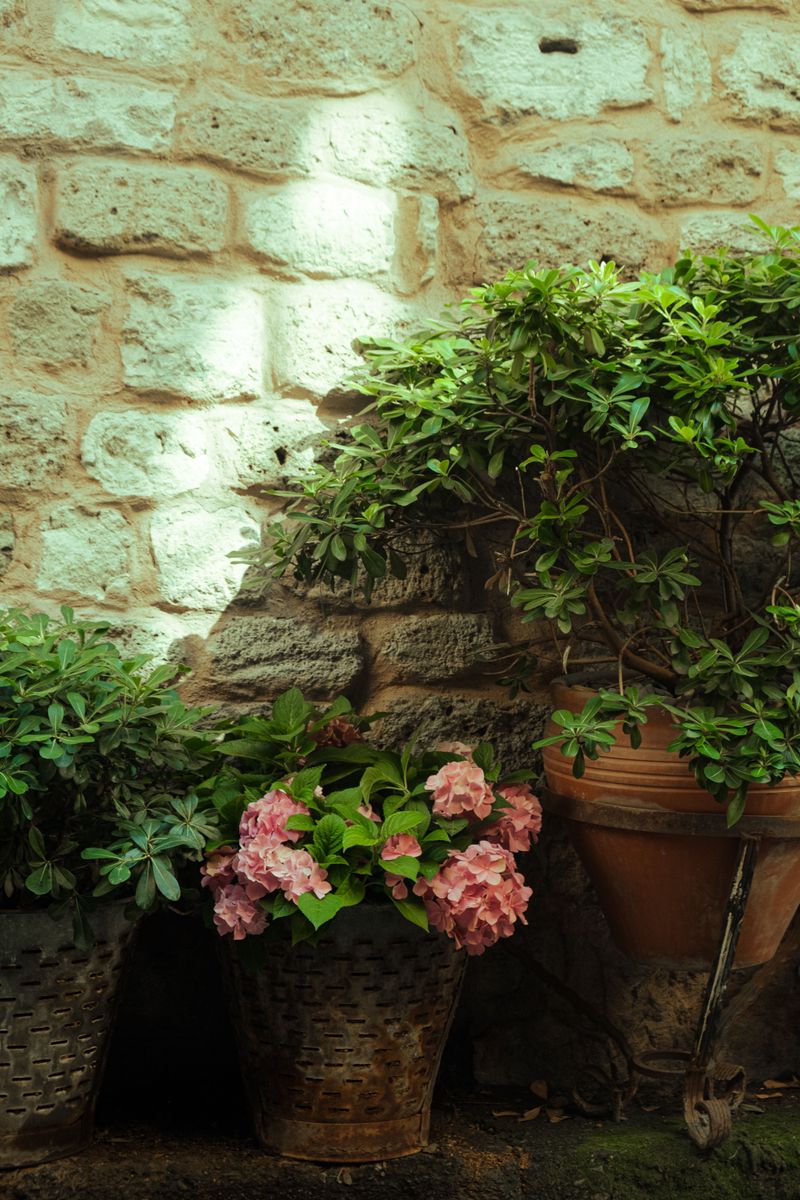
Your house walls do something useful during a heat wave that most California gardeners never think about. The north or east-facing side of a home stays significantly cooler than open yard space throughout the afternoon.
Containers holding ferns, orchids, impatiens, or any shade-loving plant should be moved as close to that cooler wall as possible. Even a few feet of distance from direct sun exposure makes a measurable difference.
Plants that already show signs of heat stress are your top priority. Curled leaves, drooping stems, or yellowing foliage are all signals that a plant is already struggling and needs relief fast.
Moving stressed containers closer to the house also means they benefit from reflected shade as the sun moves across the sky. Walls block low-angle afternoon sun that would otherwise cook a pot sitting in the open.
Concrete patios and stone surfaces radiate heat upward, which can damage roots even if the plant is technically in the shade. Elevating pots off hot surfaces using pot feet or wooden boards helps reduce that heat transfer.
If you have hanging baskets, bring them down and set them on a shaded surface for the day. Hanging baskets dry out incredibly fast in heat because air circulates all around them.
Check the undersides of the pots too, because trapped heat underneath can damage roots from below. A simple wooden pallet or a few bricks can create enough airflow to matter.
7. Fill A Few Extra Buckets Or Watering Cans For Backup
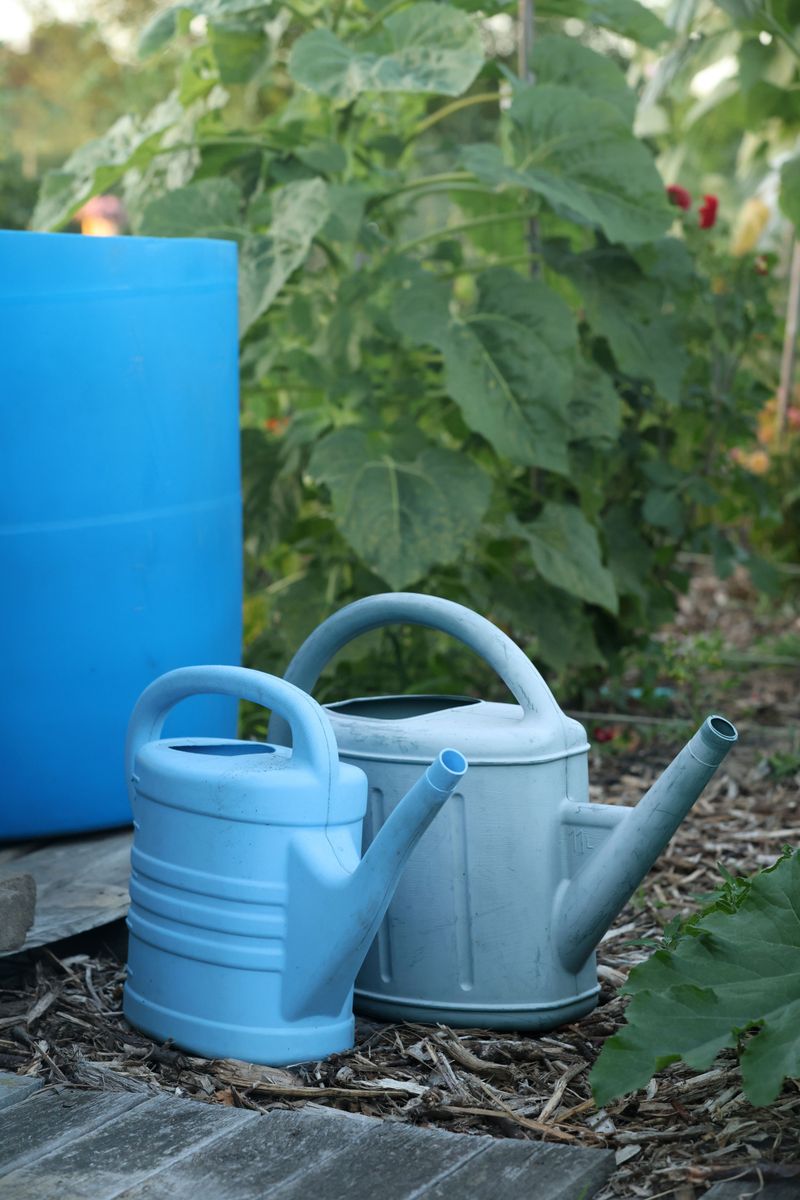
Water pressure often drops during a heat wave when everyone waters at once. Backup buckets filled the night before mean you’re less likely to be caught without water.
Fill four or five large buckets and leave them in a shaded spot near your California garden. By morning, the water will have reached ambient temperature, which is actually gentler on plant roots than cold tap water.
Cold water straight from the tap can shock roots during extreme heat, causing additional stress. Room-temperature water absorbs into soil more evenly and does not cause that sudden temperature contrast.
Watering cans are great for precise delivery to individual plants. Use them to hand-water anything that looks stressed during the day without running your main hose or irrigation system again.
This backup supply is also a lifesaver if your drip system fails mid-day. You will have enough water on hand to do an emergency round without panicking or scrambling.
Label each bucket with a piece of tape if you are using different water sources, like rain barrel water versus tap. Keeping track matters if some plants are more sensitive to mineral content.
Buckets also work great for soaking the base of large shrubs or fruit trees that need a slow, deep drink. Just set the bucket near the base and let it drain slowly through a small hole in the bottom.
Having backup water on hand removes one more variable from an already unpredictable day. It’s a simple safeguard that costs nothing and takes up little space.
8. Check Weather Timing To Plan Watering Before Sunrise

Knowing exactly when the heat will peak the next day changes how you plan every watering decision. Checking the forecast the night before is a key step on your heat-wave prep checklist.
Most weather apps now show hourly temperature breakdowns, which is far more useful than just seeing the day’s high. You want to know when temps start climbing so you can time your watering to finish before that window opens.
Watering before sunrise is the most effective approach during a heat wave. Soil absorbs water better in cool conditions, and plants have time to hydrate fully before the sun starts pulling moisture out.
If your irrigation timer is set for 7 a.m., move it to 4 or 5 a.m. instead. That extra hour or two makes a real difference in how much water actually reaches the roots before evaporation kicks in.
Check wind forecasts too, because hot dry winds can pull moisture out of leaves even faster than direct sun. If strong winds are expected, your plants will need even more water reserves.
Some apps also show humidity levels, which affects how quickly your soil and plant foliage dry out. Low humidity plus high heat is a combination that drains moisture from your garden quickly.
Write down your watering schedule on a notepad so you do not have to think about it in the morning. A clear plan removes the guesswork when you are groggy and it is already getting warm.
Knowing exactly when the heat will hit lets every other step on this list line up at the right time. A five-minute check tonight sets the whole plan in motion.