Why Arizona Gardeners Are Thinning Desert Tree Canopies Before Monsoon Storms
Arizona monsoon season can turn a calm yard into a wind tunnel with very little warning.
One minute, the sky looks wide and bright. Then dust rises, branches start whipping, patio chairs scrape across the ground, and every leafy tree in the yard suddenly becomes part of the weather report.
That is why smart pruning matters now.
A desert tree with a packed, heavy canopy can catch storm wind like a sail. The goal is not to shave it into something bare or stiff.
That can make problems worse. The goal is careful thinning, so air can move through the branches without putting as much pressure on the trunk, limbs, and root system.
Arizona gardeners are looking at crowded growth, rubbing branches, weak angles, and heavy ends before storms make those choices for them.
So why does thinning desert tree canopies help before monsoon winds arrive?
Start with structure. A strong tree still looks natural, keeps enough leaves to feed itself, and has an open canopy that can bend with the storm instead of fighting every gust.
1. Dense Canopies Catch Wind
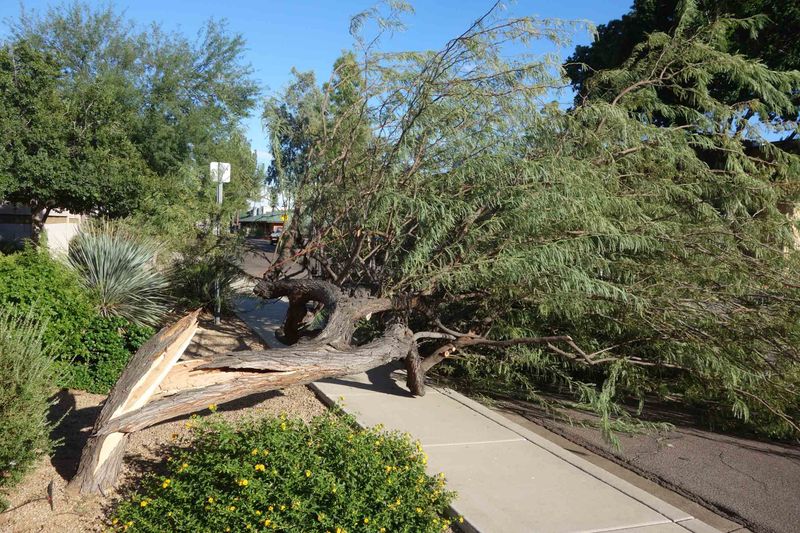
A thick desert tree canopy can become a sail during a monsoon storm.
That sounds dramatic until the first major gust hits. A packed canopy does not let much air pass through. Wind pushes against the mass of leaves and branches, and that force travels down into larger limbs, the trunk, and the roots.
That is a lot of pressure on one tree.
Arizona storms can bring sudden gusts, dust walls, and microburst winds that arrive fast. Trees that looked peaceful all spring may suddenly face a full storm load in minutes. Dense outer growth makes that load even heavier.
Fast spring growth adds to the problem.
Many desert trees put on fresh foliage before monsoon season. By summer, the canopy may be heavier and more crowded than it looks from the patio. Branches overlap. Interior limbs compete for space. The outside edge becomes a green wall.
Roots matter too.
Desert soils can be sandy, rocky, compacted, or layered with caliche. That does not always give a tree the anchoring power gardeners assume, especially after irrigation softens the soil or wind hits from an unusual direction.
Walk around the tree before storm season.
Look for places where the canopy looks solid instead of open. Notice branches that cross, rub, or crowd the center. A tree should have structure, not a leafy traffic jam.
Dense shade feels nice to people.
To monsoon wind, it looks like something to grab.
2. Thinning Reduces Sail Effect
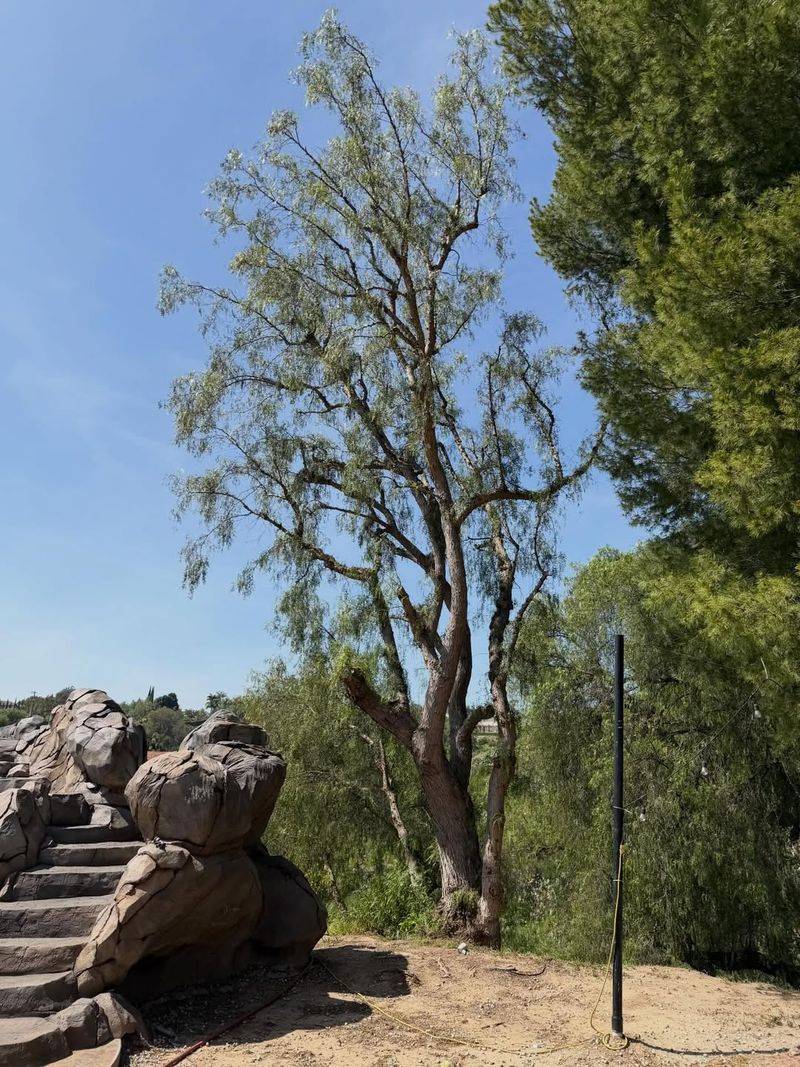
Good thinning lets wind pass through the canopy.
That is the whole point.
A tree does not need to be stripped. It needs selective openings. Removing some crowded interior growth, crossing branches, and poorly placed limbs helps break up the solid wall of foliage that catches wind during storms.
Think slatted fence, not solid wall.
Wind hits a solid surface and pushes hard. Wind moves through gaps with less force. A properly thinned tree can sway more naturally instead of taking every gust directly across the full canopy.
Your Arizona Garden Changes Every Week. Your Plan Should Too.
Gardening in Arizona changes quickly throughout the season. Every Friday you’ll receive a simple weekly plan showing exactly what to plant, prune, fertilize, harvest, and protect so you never miss the right timing.
The best cuts are thoughtful.
Remove branches growing inward, rubbing against others, or crowding the center. Keep the overall shape intact. The tree should still look like itself when the work is done, just cleaner, lighter, and more balanced.
Cut at the branch collar.
That slightly swollen area where a branch joins a larger limb helps the tree seal the wound properly. Stubs create future weak spots, and cuts too close to the trunk slow recovery.
Thinning also improves airflow.
That matters during humid monsoon stretches when a dense canopy can trap moisture around leaves and branches. Better airflow helps the tree stay healthier while also reducing wind resistance.
Step back often while pruning.
A few good cuts can change the whole canopy. Keep looking at the tree from different angles before taking more. Desert pruning rewards restraint.
The goal is not a tree that looks pruned.
The goal is a tree that handles wind with quiet confidence.
3. Rubbing Branches Need Attention
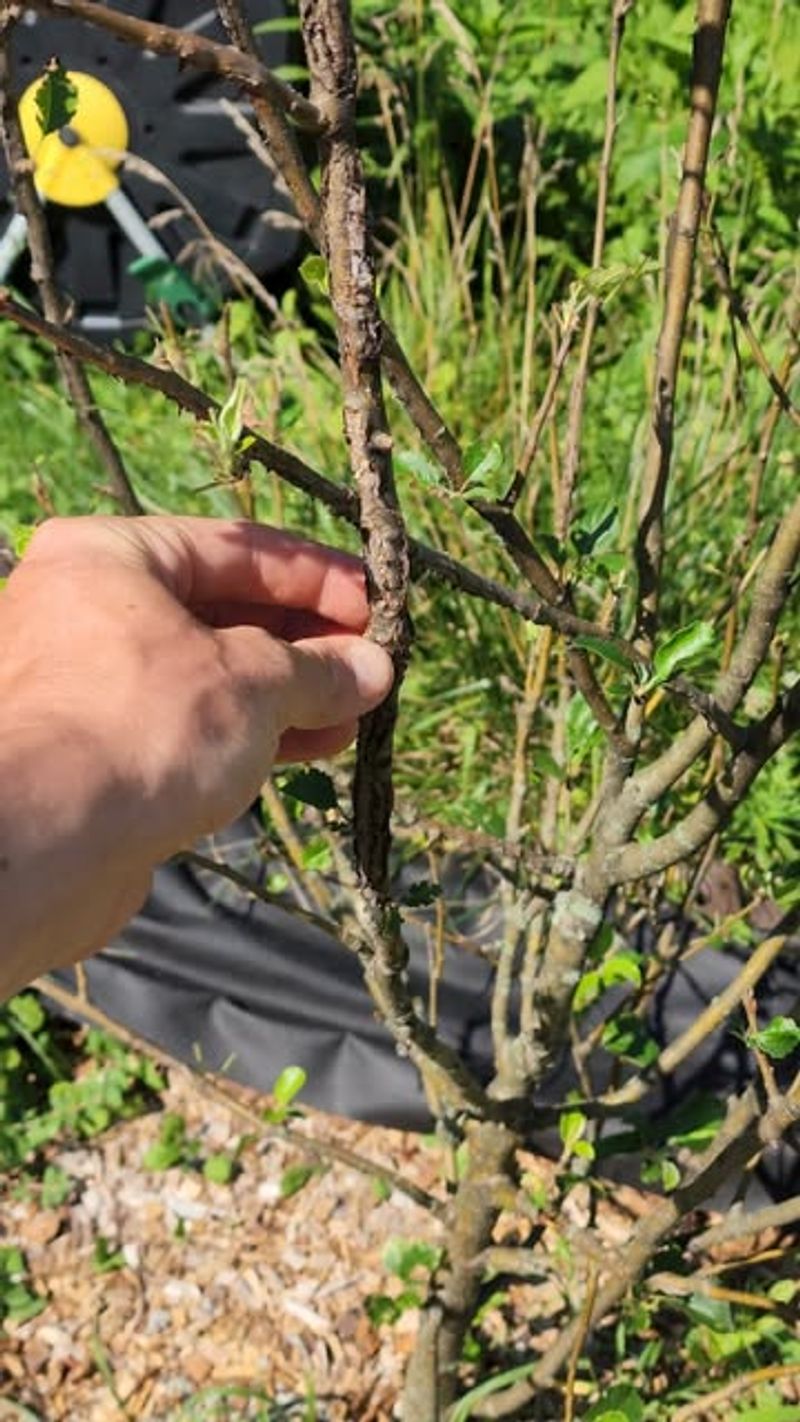
Two branches rubbing together are already causing trouble.
On a calm day, that contact may look harmless. During a monsoon storm, those same branches grind against each other over and over. Bark wears away, wood gets exposed, and the tree gains a weak point exactly where it needs strength.
That is why rubbing limbs should move up the priority list.
Look into the canopy slowly. Search for places where branches cross, press, or scrape. Worn bark, pale patches, dark marks, or grooves can show where friction has been happening for a while.
Choose the better branch to keep.
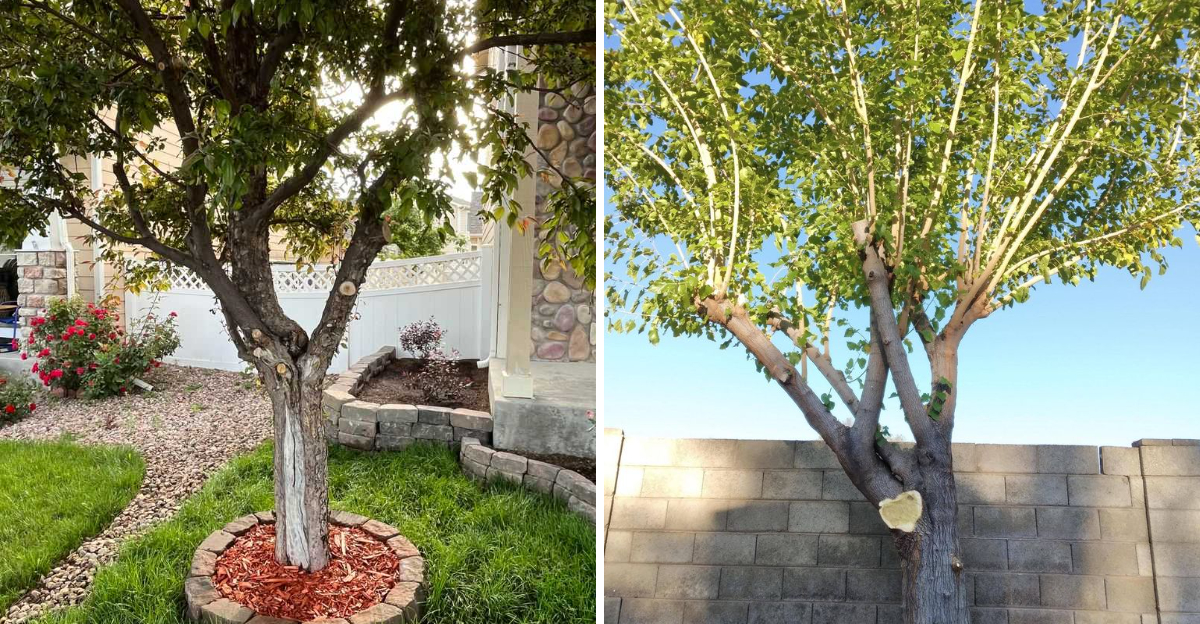
A limb with a wide attachment angle, outward direction, and strong position usually deserves priority. A branch growing inward, crossing the center, or attaching at a narrow V-shape is often the better one to remove.
Do not remove both unless necessary.
The goal is to solve the conflict while keeping the canopy balanced. One careful cut can prevent a storm from turning a small rub into a jagged wound.
Small rubbing branches are often manageable for a gardener with sharp hand pruners or loppers.
Large rubbing limbs are different. Weight, height, and branch tension can make removal risky, especially near roofs, walls, or utility lines.
A clean cut now is better than storm damage later.
Branches should move in wind without scraping each other like angry violin bows.
A quiet canopy is not just prettier. It is stronger.
4. Heavy Pruning Can Backfire
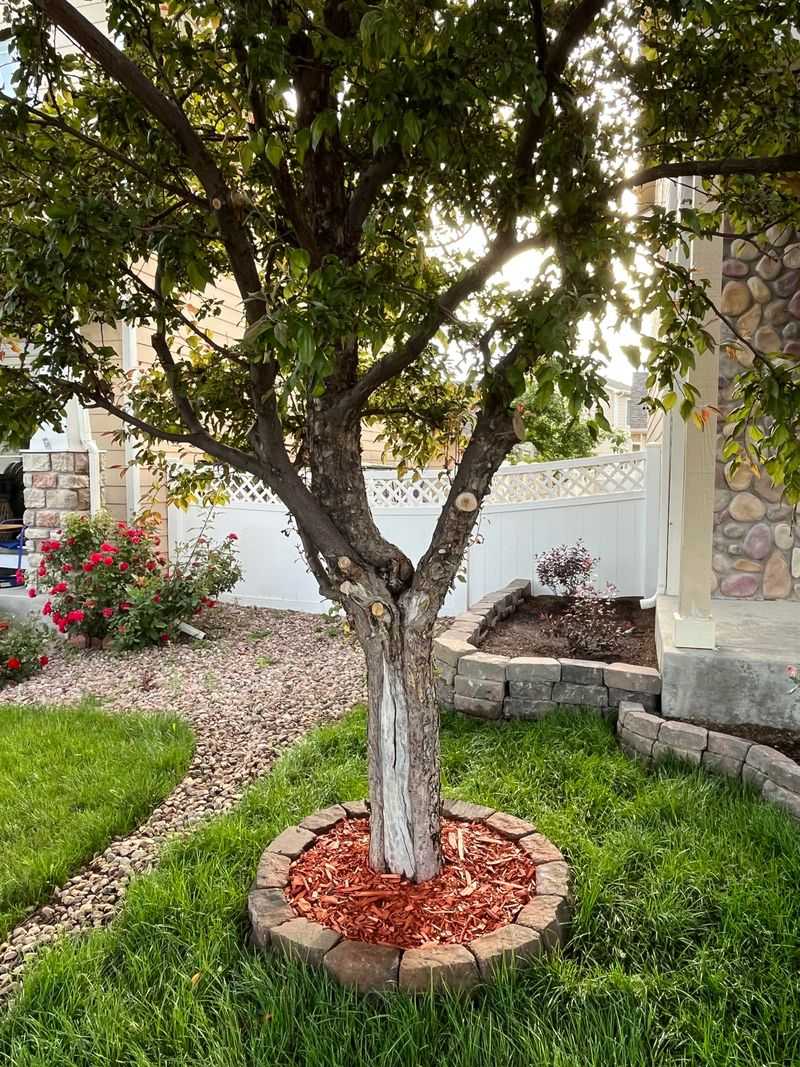
More cutting does not mean more safety.
That is one of the biggest monsoon pruning mistakes. A nervous homeowner may look at a thick tree and decide to remove half the canopy before the next storm. The tree may look lighter afterward, but it can actually become weaker.
Leaves are the tree’s food factory.
Remove too many at once, and the tree loses a major part of its energy system. In Arizona summer heat, that kind of stress can hit hard. The tree may respond by pushing fast, weak shoots near the cuts.
Those shoots are not sturdy replacements.
They often attach poorly and can break more easily in future storms. A tree topped or stripped before monsoon season may end up with exactly the kind of brittle growth gardeners were trying to avoid.
Topping is especially harmful.
Cutting major limbs back to stubs ruins natural structure, exposes bark, and creates weak regrowth. Lion-tailing is another problem. That happens when interior growth is stripped away and foliage remains only at branch ends.
Lion-tailed branches become end-heavy.
That extra weight at the tips can increase movement and strain during wind. It looks open, but the structure is worse.
Desert trees also need protection from sun.
Sudden canopy loss can expose bark that was previously shaded. Thin-barked trees can suffer under intense summer sun after heavy pruning.
Prune like you are editing, not erasing.
The best storm prep leaves the tree healthier, not shocked, exposed, and forced into a bad comeback.
5. Natural Shape Stays Stronger
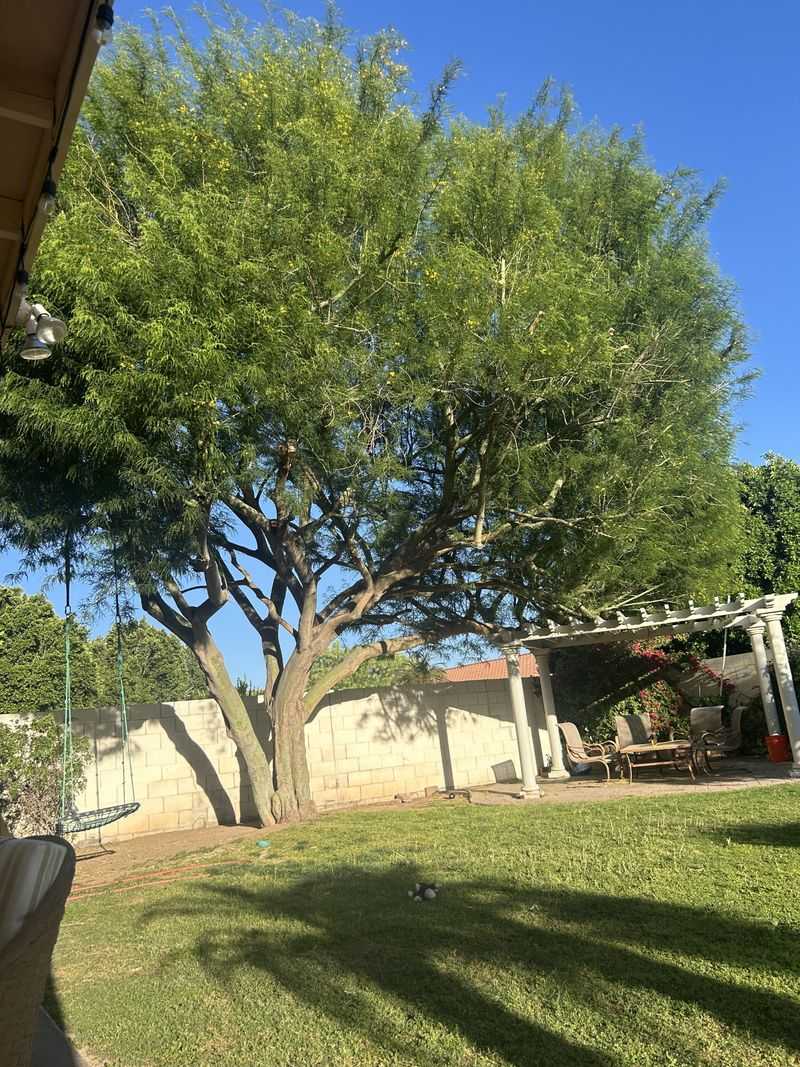
Desert trees have their own architecture.
A good pruning job respects it.
Some trees grow with open, airy branching. Some spread wide. Some arch naturally. Those forms developed for heat, dry air, and wind. Fighting the natural shape often creates a tree that looks awkward and handles storms poorly.
Study before cutting.
Walk around the tree and look at its silhouette. Notice which branches create the main structure. Look for limbs that support the natural form, then identify the clutter that hides or weakens it.
Remove what interrupts the shape.
Branches growing back toward the trunk, crossing the center, or competing with stronger limbs are often good candidates. Strong outward and upward growth should usually stay, especially when it helps balance the canopy.
Balance matters more than symmetry.
A desert tree does not need to look like a lollipop. In fact, forcing that shape can make it less stable. A natural canopy with thoughtful openings usually handles wind better than one trimmed into a stiff ornamental form.
Cuts should disappear into the structure.
After pruning, the tree should look cleaner but not hacked. The best work often makes people say the tree looks healthier without immediately noticing what was removed.
Take breaks between cuts.
Step back, circle the tree, and check the view from the house, sidewalk, and street. A branch that looks unnecessary up close may be important to the overall balance.
The tree already knows its style.
Good pruning just helps it wear that style into storm season without extra weight in the wrong places.
6. Less Than One Quarter Comes Off
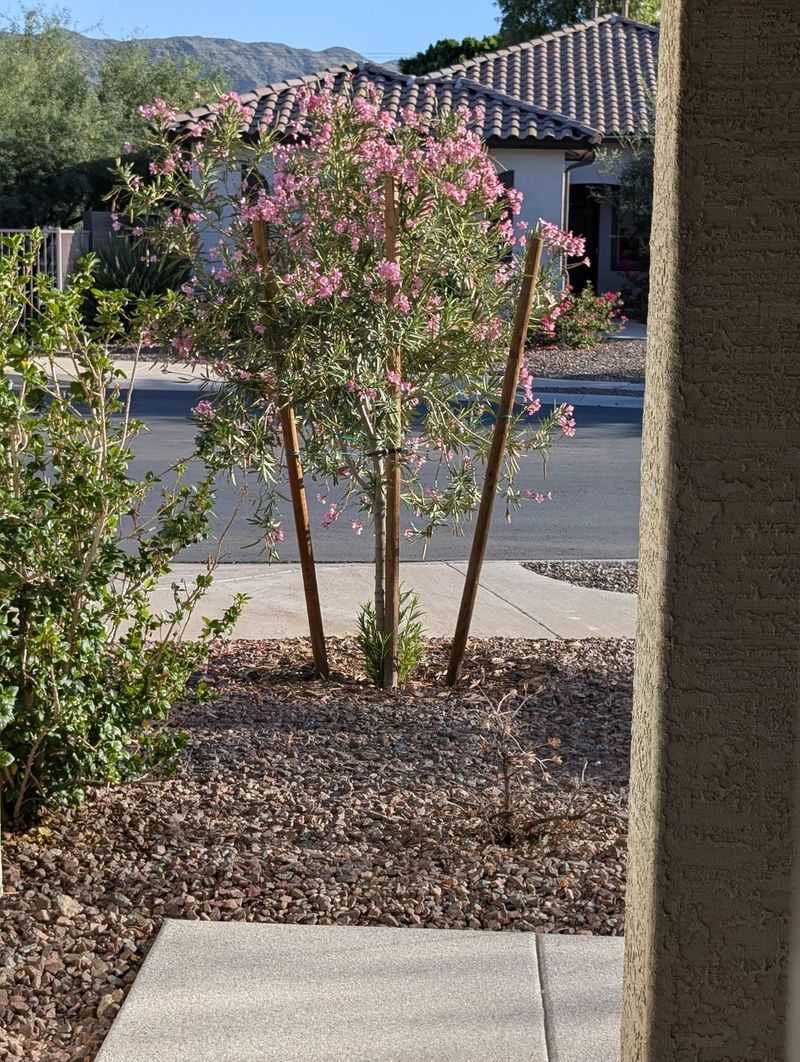
The one-quarter rule keeps pruning from going too far.
As a general guide, avoid removing more than about twenty-five percent of the live canopy in one pruning session. Many trees need even less than that. Storm prep is about reducing risk, not forcing the tree through a major rebuild during the hottest part of the year.
Leaves feed the tree.
Too much removal reduces energy production, increases heat stress, and can trigger weak regrowth. Arizona summer is already demanding. A heavily pruned tree has fewer resources to manage heat, wind, and recovery.
Make the most important cuts first.
Start with broken, rubbing, crowded, inward-growing, or weakly attached branches. Then stop and reassess. The canopy may already be open enough after just a handful of thoughtful cuts.
Do not chase perfection.
That is how a quick thinning job becomes an accidental canopy haircut. Once every branch starts looking removable, step away from the tree and drink some water. The pruners are getting too confident.
Spread bigger work over time.
A tree that has been neglected for years does not need to be corrected in one afternoon. Multiple light pruning sessions over several seasons are usually healthier than one severe session before a storm warning.
The canopy should still cast shade.
It should still look alive, balanced, and species-appropriate. Sunlight should filter through, not blast through like the tree lost an argument.
Restraint is a pruning skill.
Arizona gardeners who know when to stop often end up with the strongest trees.
7. Pros Handle Big Limbs
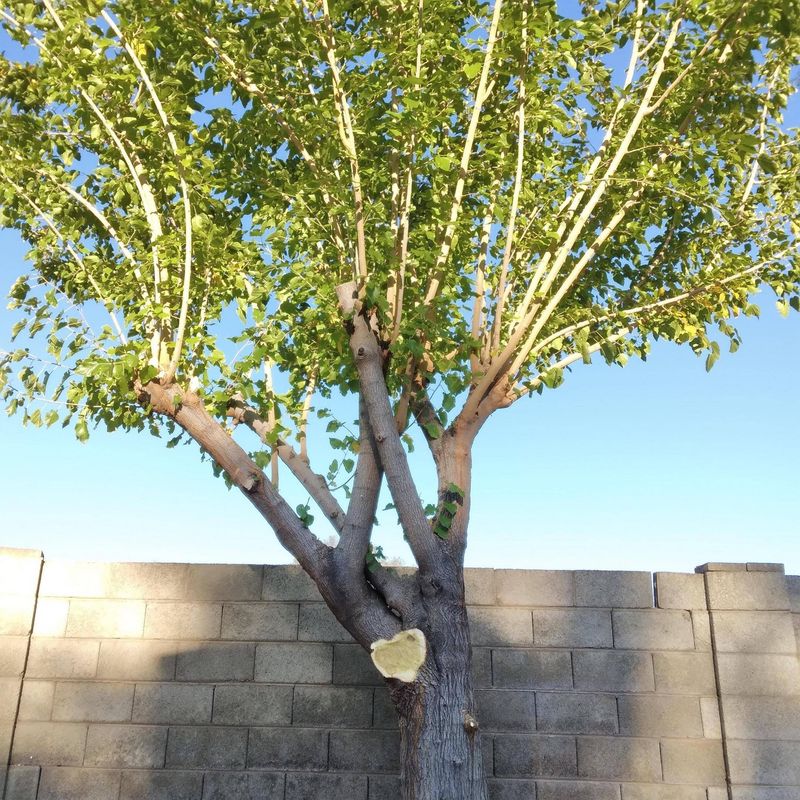
Some branches are not weekend projects.
Large limbs, high cuts, roof overhangs, power lines, and heavy wood call for a certified arborist. That is not being dramatic. It is being practical. A big desert tree limb can shift, split, or fall in ways that surprise even careful homeowners.
Ladders make tree work riskier.
So do chainsaws, overhead cuts, and branches under tension. A limb that looks manageable from the ground can become a serious problem once it starts moving. Gravity has no interest in your pruning plan.
Certified arborists understand structure.
They can spot weak attachments, included bark, decay, imbalance, and storm risks that are easy to miss from below. They also know how to remove limbs without leaving damaging cuts or destabilizing the rest of the canopy.
Proper equipment matters.
Rigging lines, climbing gear, lowering systems, and safe cutting methods keep large limbs from crashing onto walls, roofs, vehicles, fences, or other plants below.
That equipment is not overkill. It is the difference between controlled pruning and backyard chaos.
Schedule early when possible. Tree services get busy before and after monsoon storms. Calling before the season peaks gives you more options and helps address risk before the weather forces the issue.
Ask for credentials and insurance.
A good tree worker should be comfortable discussing both. Cheap tree work can become very expensive when cuts are poor or limbs land badly.
Small branches may be garden work.
Big limbs are professional territory. The tree, the roof, and your shoulders will all be grateful.