Why Arizona Plumbago Keeps Blooming Through Summer Heat
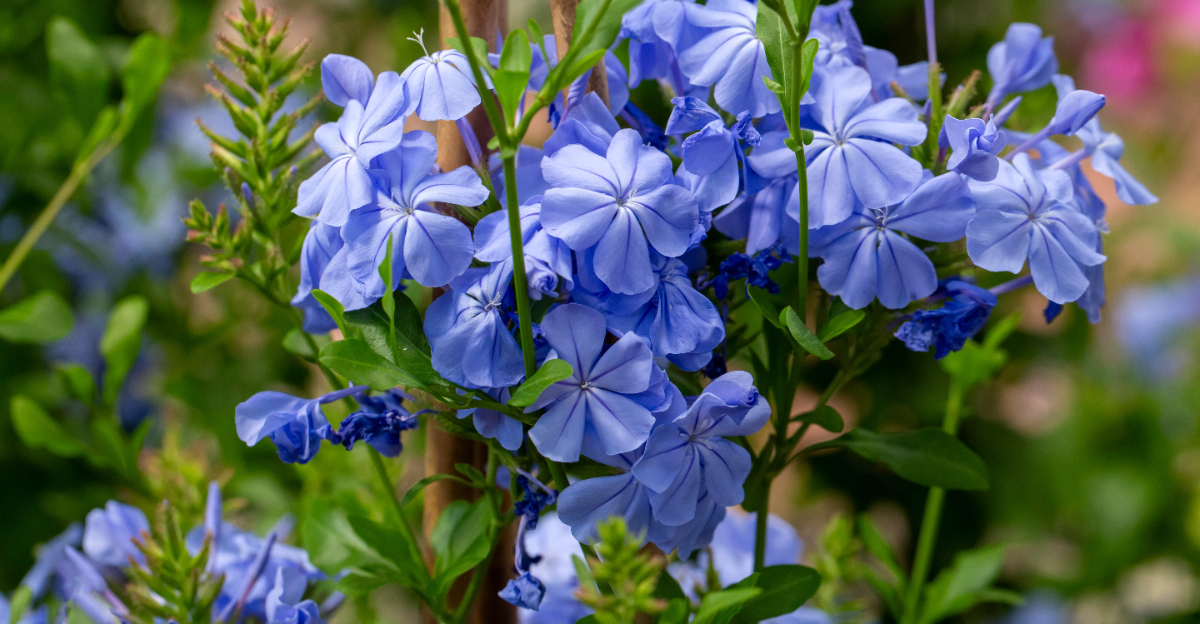
Most flowers fade once summer settles in. Plumbago keeps blooming without much encouragement.
Heat alone rarely slows this shrub because it is built for tough conditions. Fresh flower clusters keep appearing while temperatures stay high.
Healthy roots support steady growth through long dry spells. Proper watering helps the plant stay full and colorful.
Plumbago has become a favorite in Arizona because it keeps flowering when many plants begin to struggle. That dependable display stands out all summer.
Full sun and well-drained soil help it perform at its best. Avoid heavy feeding during periods of extreme heat.
Reliable blooms make every garden feel more alive.
Plumbago proves that the right plant can stay beautiful even after weeks of scorching summer weather.
1. Plumbago Is Naturally Heat-Tolerant
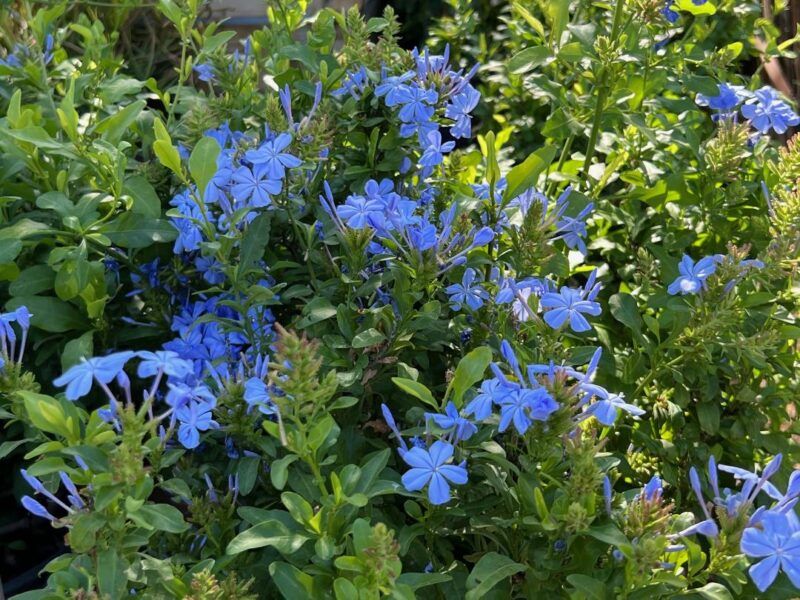
Heat does not slow this plant down. Plumbago originates from warm, dry climates, which means its root system and leaf structure are built to handle intense sun without shutting down flower production.
Most flowering shrubs enter a kind of stress mode when temperatures spike. Plumbago handles heat differently.
Its waxy leaf coating reduces water loss, and its roots go deep enough to access moisture that surface-level plants cannot reach.
In Arizona, summer temperatures regularly push past 105 degrees for weeks at a time. Plumbago keeps flowering through those stretches without looking ragged or burned.
That resilience is not magic. It comes from a natural adaptation to hot, sunny environments.
The plant does not need cool nights or mild afternoons to trigger blooming. Warmth actually encourages it to stay active.
Gardeners often expect to baby plants through summer. Plumbago flips that expectation.
Give it full sun, decent drainage, and occasional water, and it handles the rest on its own fairly well.
One thing worth noting is that extreme drought stress can still reduce flower output.
Consistent, moderate watering during peak heat helps maintain steady blooming rather than relying entirely on the plant’s heat tolerance alone.
2. New Flower Clusters Keep Forming All Summer
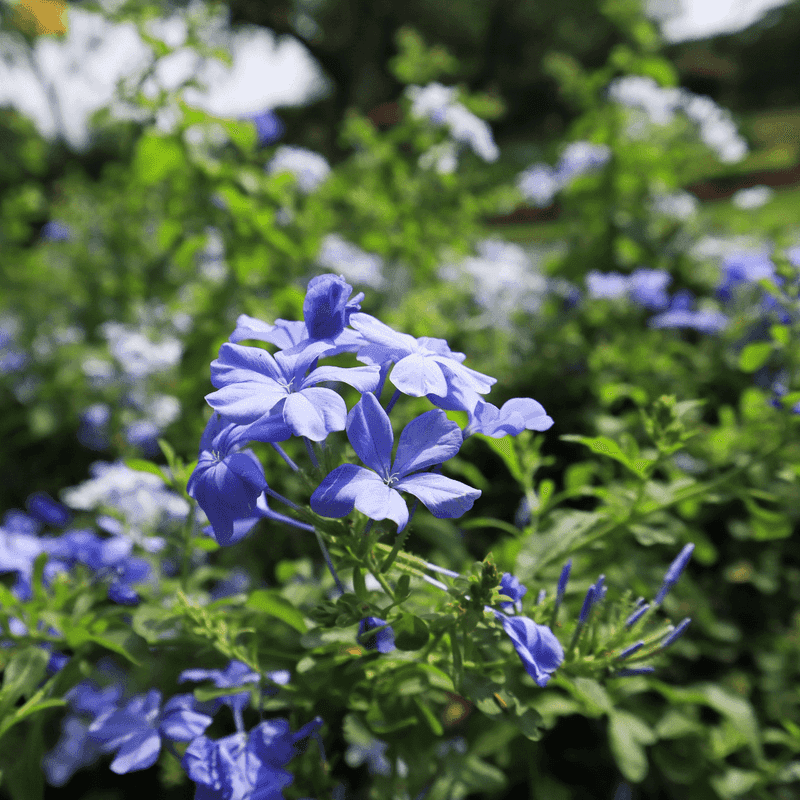
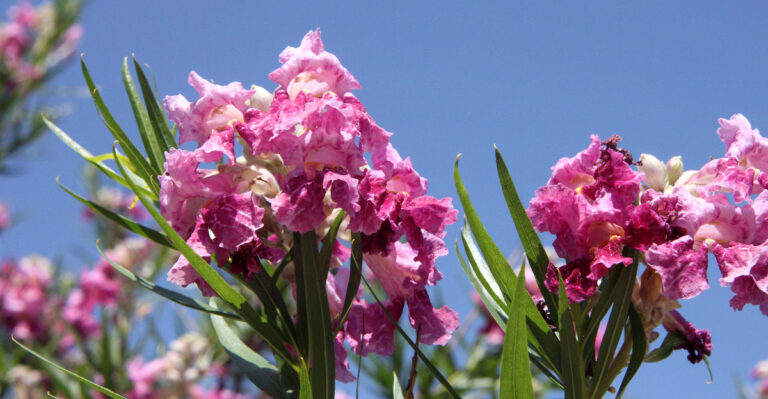
Plumbago does not bloom once and finish. Fresh flower clusters push out from new stem tips on a rolling cycle, which means the plant looks full and colorful for months rather than weeks.
Each cluster holds several small tubular flowers. As older blooms fade, new buds are already forming a few inches back on the same stem.
That overlap keeps the plant looking active without any gap in color.
Some shrubs bloom in one big flush and then go quiet. Plumbago skips that pattern entirely.
Its growth habit produces new stem tips constantly through the warm season, and each tip becomes a potential flower cluster.
Warm soil temperatures actually encourage this behavior. When the ground stays warm, plumbago roots stay active and keep pushing energy into new growth above the soil line.
Gardeners who deadhead spent clusters often notice a slight uptick in new blooms. Removing old flower heads redirects the plant’s energy toward producing fresh buds rather than setting seed.
You do not need to deadhead aggressively.
Your Arizona Garden Changes Every Week. Your Plan Should Too.
Gardening in Arizona changes quickly throughout the season. Every Friday you’ll receive a simple weekly plan showing exactly what to plant, prune, fertilize, harvest, and protect so you never miss the right timing.
A light pass every couple of weeks is usually enough to keep things looking tidy and encourage continuous flower production through late summer and into early fall.
3. Hot Weather Does Not Stop Bud Production
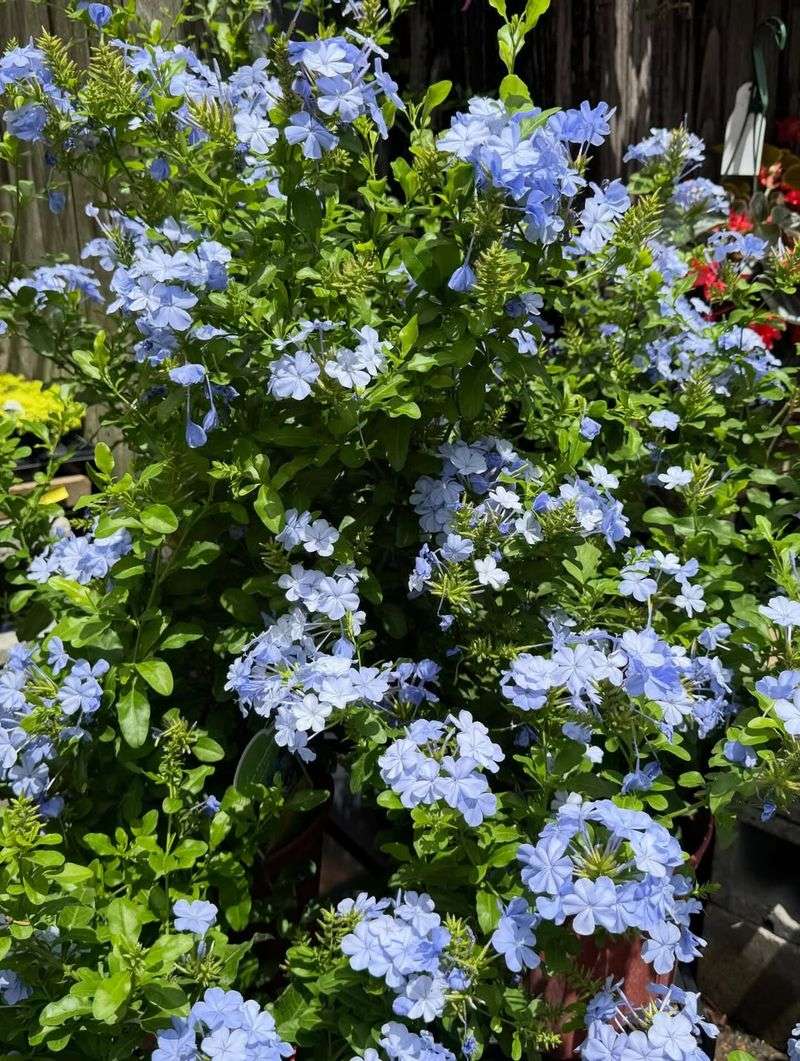
Bud production shutting down in heat is a common problem with many flowering plants. Plumbago breaks from that pattern in a way that surprises most first-time growers.
Even when daytime highs stay above 100 degrees for extended periods, plumbago continues forming new buds along its actively growing stems.
The heat does not appear to trigger the kind of dormancy response seen in many other flowering shrubs.
Part of the reason is how plumbago manages its internal water balance. Its leaves lose less moisture per hour than thinner-leaved plants, so the whole system stays functional even under strong sun exposure.
Bud formation also depends on consistent light. Plumbago thrives in full sun, and long summer days in desert regions provide exactly the light levels it needs to keep initiating new buds without interruption.
Shade can actually reduce bud output more than heat does. Gardeners who plant plumbago under trees or in partially shaded spots sometimes notice fewer flowers compared to plants grown in open, sunny areas.
Keeping the plant in full sun is one of the simplest ways to support steady bud production.
4. Long Blooming Season Lasts Into Fall
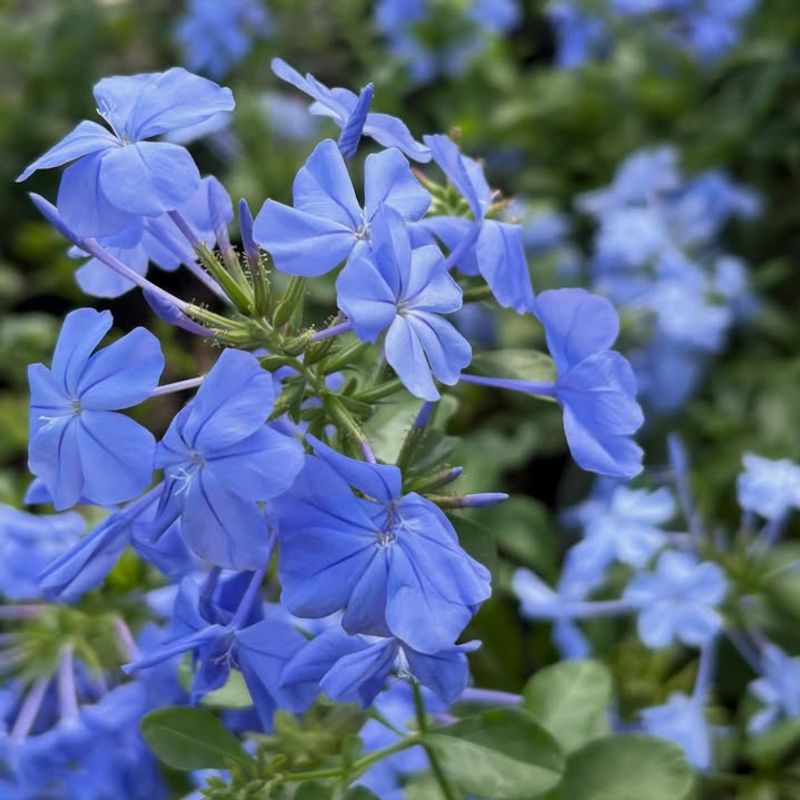
Summer is just the beginning for plumbago. Once it starts flowering in late spring, the bloom cycle often stretches well into October in warm desert regions.
Few flowering shrubs can match that kind of staying power. Most wrap up by midsummer or take a break during the hottest weeks.
Plumbago tends to stay in bloom through the whole stretch without a visible pause.
Fall in many desert areas still brings warm days and mild nights, which suits plumbago perfectly. Cooling temperatures do not trigger immediate dormancy the way they might with more cold-sensitive plants.
The plant begins slowing down when overnight lows consistently drop into the 40s. Until that point, flowering continues at a fairly steady pace, often looking just as full in September as it did in July.
Gardeners who want late-season color in their yards find plumbago especially useful. It bridges the gap between summer bloomers and cool-season plants without requiring any special treatment to stay active.
Cutting back a portion of the plant in late summer can refresh older stems and encourage a fresh flush of flowers heading into fall.
5. Consistent Moisture Supports Continuous Blooming
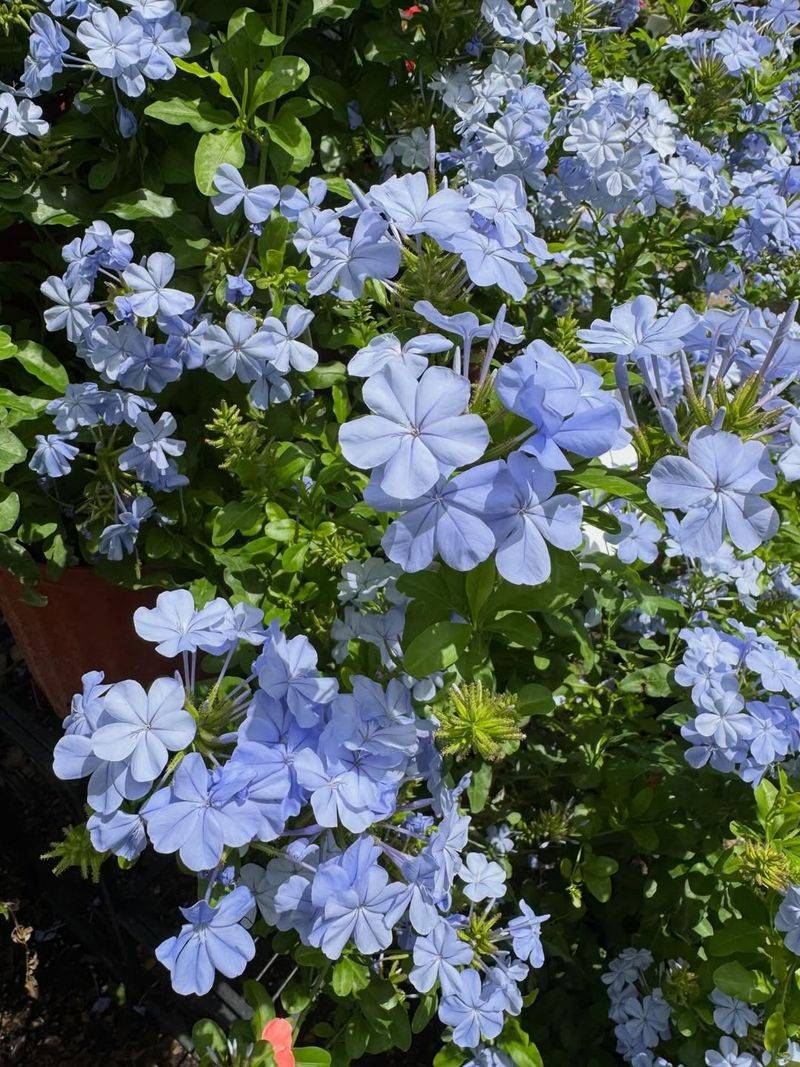
Water and flowers are closely connected with plumbago. Steady moisture through the growing season tends to produce more consistent blooming compared to irregular watering patterns.
Plumbago is drought-tolerant once it is established, but tolerant does not mean it prefers dry conditions. During peak summer heat, letting the soil go completely dry for extended periods can reduce flower output noticeably.
Deep, infrequent watering works better than frequent shallow watering. Soaking the root zone every five to seven days during hot weather encourages roots to grow deeper, which supports the plant through heat spikes between watering sessions.
Drip irrigation works well for plumbago in desert gardens. It delivers water directly to the root zone without wetting the foliage, which can reduce the risk of fungal issues in areas with occasional summer humidity.
Overwatering is a real concern. Plumbago planted in heavy clay or poorly draining soil can develop root problems if water sits around the roots for too long.
Well-draining soil makes consistent moisture much easier to manage.
Watching the plant gives useful feedback. Slightly wilted leaves in the early morning, before the heat builds, can indicate the plant needs more frequent watering.
6. Too Much Fertilizer Produces More Leaves Than Flowers
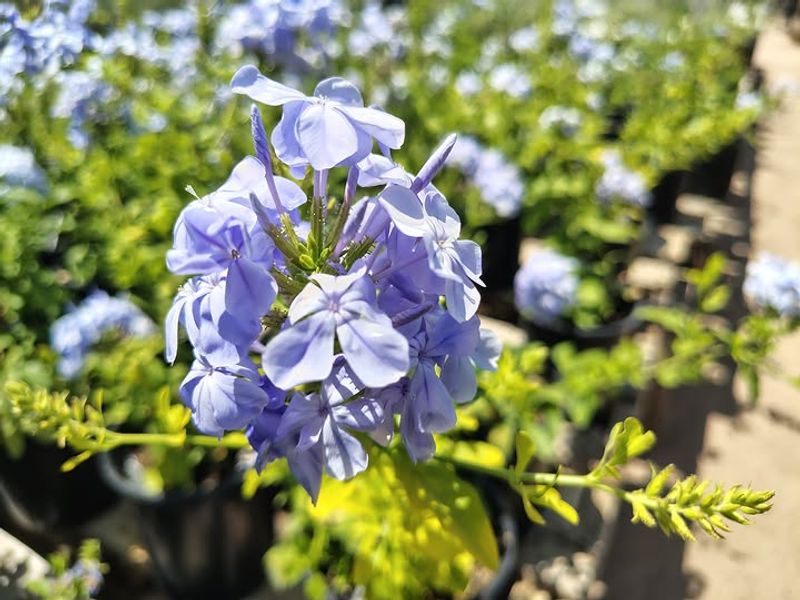
More fertilizer does not mean more flowers. With plumbago, heavy feeding often backfires in a very visible way.
Nitrogen-heavy fertilizers push plants into fast vegetative growth. Plumbago responds by producing lots of large, dark green leaves while flower production drops off.
The plant looks healthy but stops doing the one thing most gardeners want it to do.
A light application of a balanced, slow-release fertilizer in early spring is usually enough to support the plant through the growing season. Repeat feeding is rarely necessary unless the soil is noticeably poor.
In many desert soils, plumbago does fine with little or no supplemental fertilizer at all. Amending the planting hole with compost at the time of installation often provides enough organic matter to get the plant established without extra feeding.
If the plant looks pale or growth seems unusually slow, a light application of a balanced fertilizer can help. Avoid high-nitrogen products and look for something with a roughly equal ratio of nitrogen, phosphorus, and potassium.
Holding back on fertilizer during summer is a practical approach. Letting the plant focus energy on flowers rather than foliage keeps it looking colorful through the hottest months.
7. Late Winter Pruning Leads To More Summer Blooms
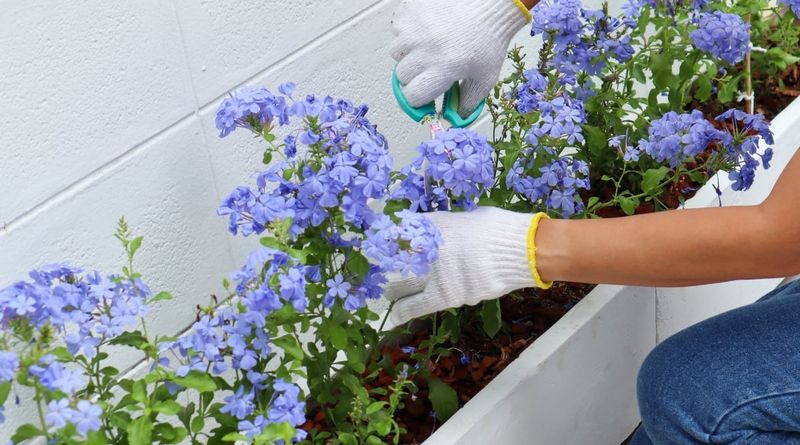
Pruning at the right time makes a real difference with plumbago. Cut it back too late, and you risk removing the new growth that carries summer flowers.
Prune in late winter, and the plant has time to push out strong new stems before the heat arrives.
Late February through early March is a good window for most desert regions. At that point, the coldest nights have typically passed, and the plant is just starting to show signs of new growth at the base.
Hard pruning works well for plumbago. Cutting stems back to about six to twelve inches from the ground encourages a fresh flush of vigorous new growth from the base.
That new growth tends to produce more flower clusters than older woody stems.
Skipping the annual prune does not ruin the plant, but unpruned plumbago can get rangy and woody over time. Flowering moves to the outer tips of long, arching stems and the overall shape becomes harder to manage.
In Arizona, late winter pruning also helps remove any cold-damaged growth from frost events. Clearing that away gives the plant a clean start and makes it easier to see where healthy new growth is emerging.
A sharp pair of bypass pruners makes the job easier.