Don’t Make The August Watering Mistake That Boils Arizona Plant Roots
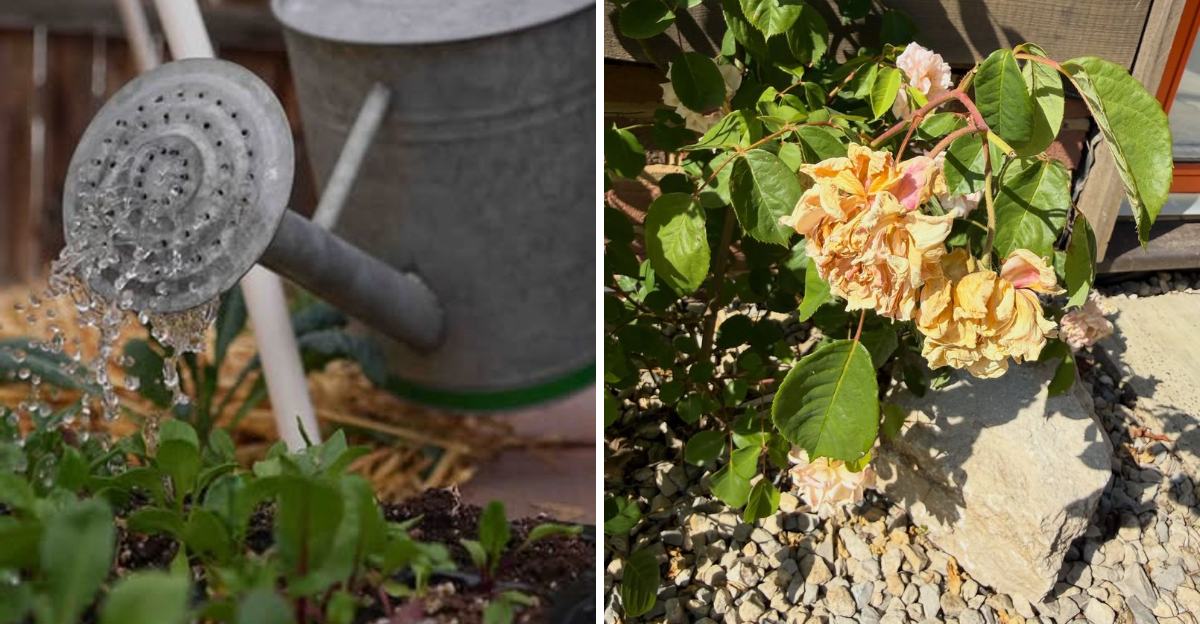
August heat can turn an ordinary watering routine into a problem for your garden. One common mistake allows the soil to become much hotter than many gardeners realize in Arizona.
Roots are far more sensitive to extreme temperatures than leaves. When the soil overheats, plants have a harder time taking up the water they need.
Many gardeners believe watering alone solves the problem. In reality, timing and technique play a much bigger role during intense summer heat.
Small changes can help keep the root zone cooler throughout the day. That gives plants a better chance to stay healthy during long hot spells.
The warning signs often appear gradually instead of all at once. Catching the mistake early can prevent unnecessary stress.
Protecting plant roots is just as important as watering them.
A few simple adjustments can help your garden handle another scorching August with far less damage.
1. Midday Watering On Hot Soil Creates Root Stress
Watering at noon in August is one of the fastest ways to stress your plants. Soil surface temperatures in the desert regularly hit 140 to 160 degrees Fahrenheit during peak afternoon hours.
Pouring cold water onto superheated soil creates a temperature shock that roots struggle to handle.
Root cells are sensitive to sudden temperature swings. When cold water hits scorching soil, it can cause roots near the surface to contract and weaken.
Over time, repeated midday watering sessions make it harder for plants to absorb nutrients efficiently.
Beyond root stress, midday watering leads to fast evaporation. Most of the water you apply can vanish before it even reaches root depth.
You end up using more water while delivering less of it where plants actually need it.
Hot soil also promotes fungal growth when moisture sits on the surface without soaking in quickly. That combination of heat and surface moisture creates conditions where root rot can develop, especially in clay-heavy soils.
Avoiding midday irrigation is one of the simplest adjustments you can make. It costs nothing, saves water, and removes unnecessary stress from your plants during the most brutal weeks of the year.
Timing your watering correctly is a small habit with a measurable payoff.
2. Water In The Early Morning During Extreme Heat
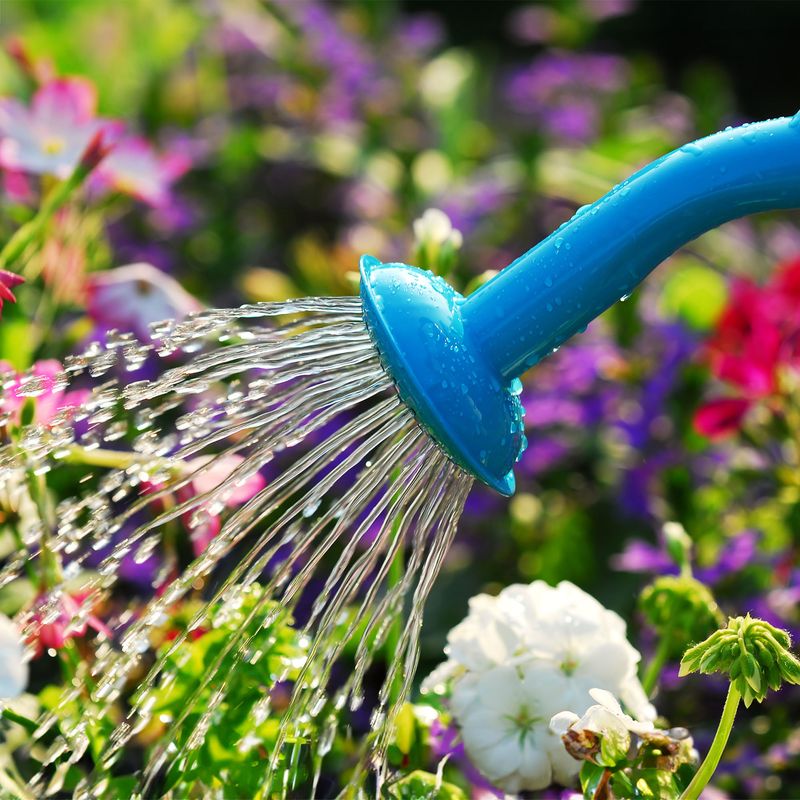
Early morning is the best window for watering during extreme heat. Soil temperatures are at their lowest before sunrise, which means water soaks in more efficiently and reaches root depth before evaporation takes over.
Watering between 5 and 8 a.m. gives plants several hours to absorb moisture before temperatures spike. Roots pull water upward through the plant during the heat of the day, which helps keep foliage cooler and reduces wilting.
Starting that process early gives plants a real head start.
Morning watering also keeps foliage dry by the time the sun gets intense. Wet leaves under direct afternoon sun can develop scorch spots, especially on broad-leafed plants.
Letting water settle at the root zone in the morning avoids that problem entirely.
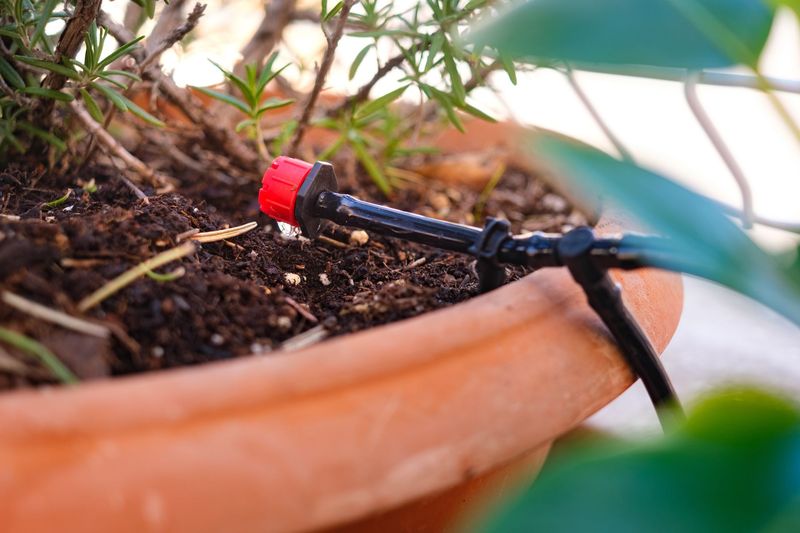
Drip systems set to run before dawn work well in hot climates. They deliver water slowly and directly to the root zone without wasting it on soil surfaces or foliage.
Your Arizona Garden Changes Every Week. Your Plan Should Too.
Gardening in Arizona changes quickly throughout the season. Every Friday you’ll receive a simple weekly plan showing exactly what to plant, prune, fertilize, harvest, and protect so you never miss the right timing.
If you water by hand, aim the flow low and close to the base of each plant. Keep the nozzle close to the soil rather than spraying wide.
Consistent early morning watering during August can help plants in Arizona maintain stronger root systems and handle daily heat spikes with less visible stress.
3. Move Container Plants Away From Hot Surfaces
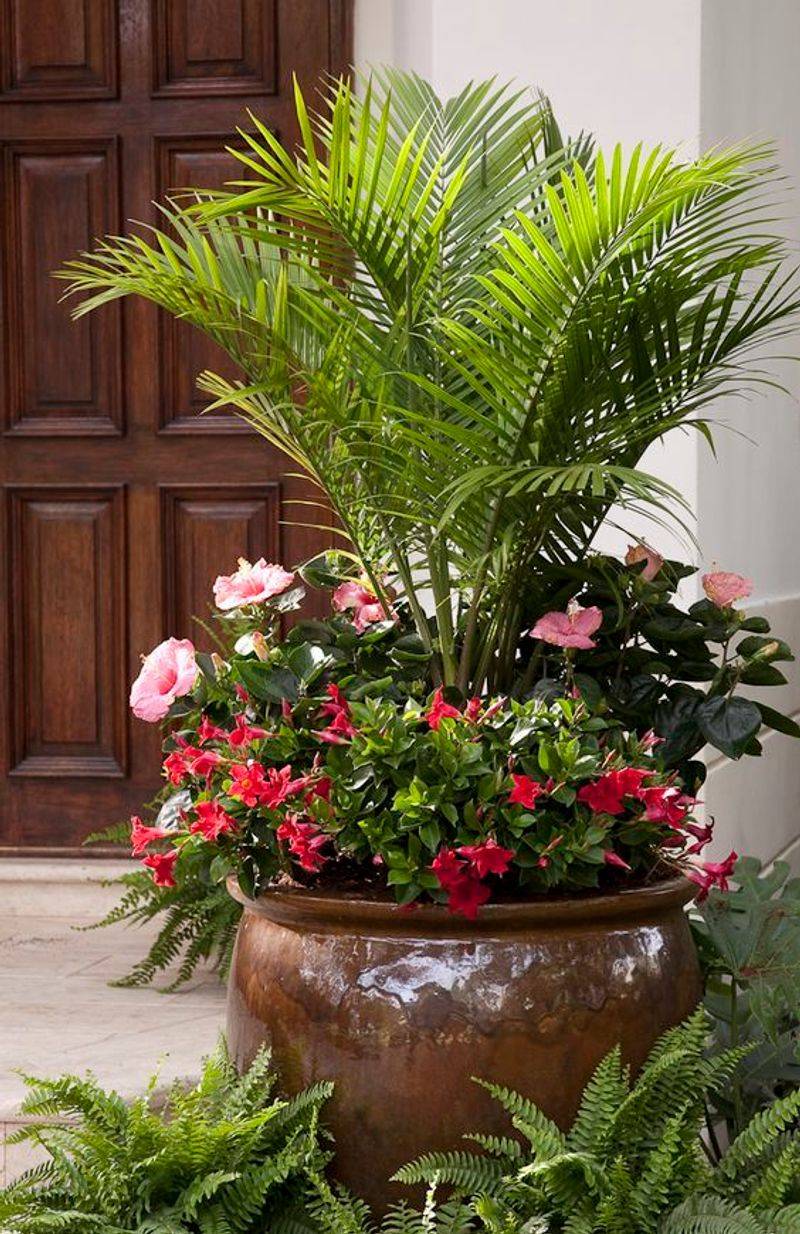
Container plants face a risk that in-ground plants don’t. Their roots are surrounded by a thin layer of pot material, and that material absorbs heat fast.
On a concrete or tile patio in August, pot temperatures can climb well above air temperature within hours.
Concrete and pavers act like heat sinks. They absorb solar energy all day and release it slowly, which means pots sitting on those surfaces stay hot long after the sun goes down.
Root zones inside dark-colored or metal pots can reach temperatures that damage plant tissue without any visible warning.
Moving pots to shaded areas or elevating them on wooden risers makes a real difference. Wood doesn’t conduct heat the same way concrete does, so pot temperatures stay lower throughout the day.
Even a few degrees of difference at the root zone can reduce stress significantly.
Grouping containers together also helps. Plants placed close to each other create a small microclimate where shared humidity and shade reduce overall heat exposure.
Lighter-colored pots reflect more sunlight and tend to stay cooler than dark ones. If you have plants in black or dark terracotta pots, wrapping the outside with burlap or a light fabric during peak summer months can help buffer heat.
4. Add Mulch To Lower Soil Temperatures
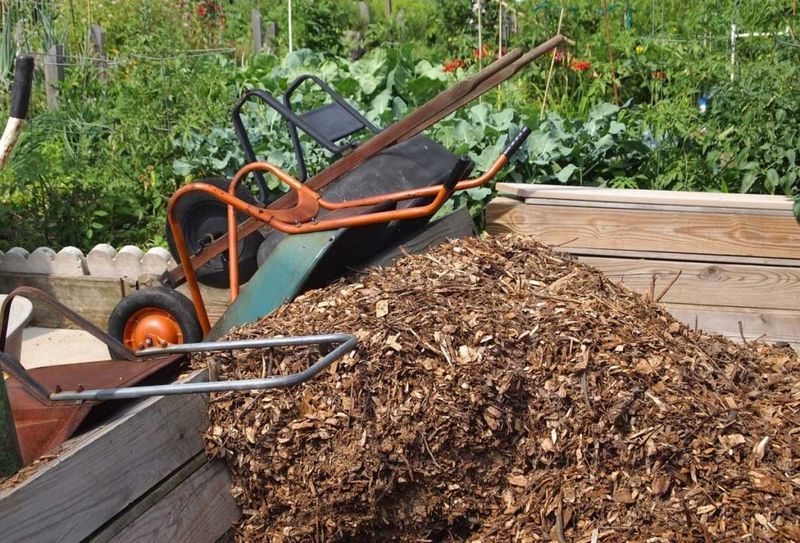
Bare soil in August is a heat trap. Without any cover, the surface absorbs direct sunlight and reaches extreme temperatures that make root survival difficult.
Adding a layer of mulch changes that equation quickly.
Wood chip mulch, straw, or shredded bark placed two to four inches deep can lower soil surface temperatures by a noticeable margin. Mulch blocks direct sunlight from hitting the soil, slows evaporation, and holds moisture closer to the root zone.
Plants in mulched beds tend to need less frequent watering than those in bare soil.
Organic mulch also breaks down slowly and adds nutrients to the soil over time. It encourages beneficial soil organisms that improve drainage and root health.
In desert gardens, decomposing mulch can help sandy soils retain more moisture between watering sessions.
Applying mulch in late spring or early summer gives it time to settle before peak heat arrives. But adding it in August still helps.
Keep mulch a few inches away from plant stems and trunks to avoid trapping moisture directly against them, which can lead to rot. Aim for even coverage across the root zone rather than piling it high in one spot.
5. Adjust Irrigation For Higher Summer Demand
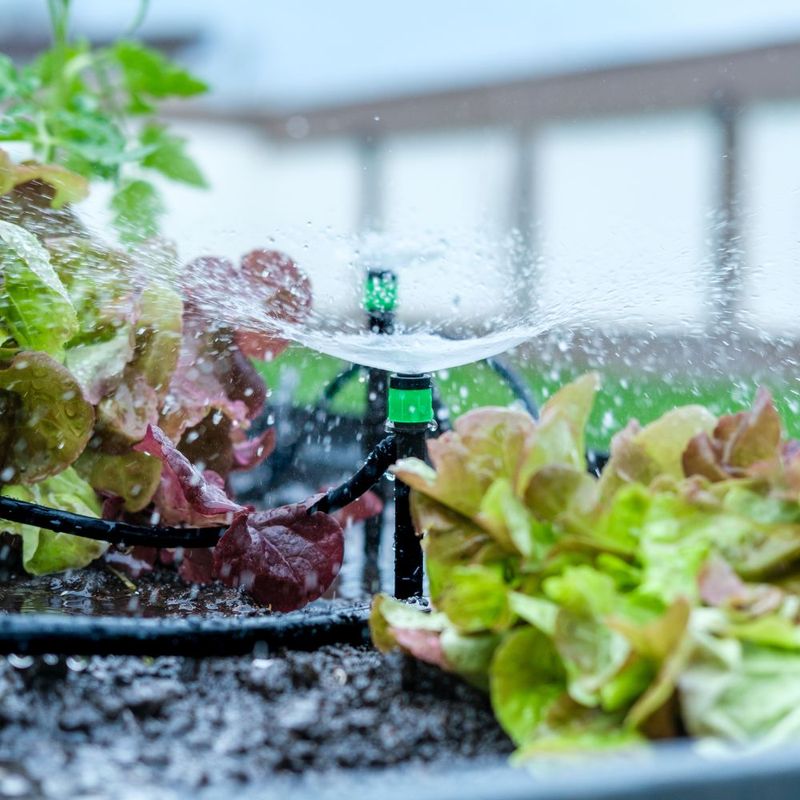
Irrigation schedules set in spring don’t hold up well in August. Evaporation rates increase sharply as temperatures rise, and plants pull water faster when they’re under heat stress.
What worked in May likely falls short by midsummer.
Most drip and sprinkler controllers allow you to increase run time or frequency without rewiring the whole system. Bumping up watering days or adding a few extra minutes per zone can make a meaningful difference during peak heat.
Checking soil moisture before and after a cycle helps you gauge whether the adjustment is working.
Push a screwdriver or wooden dowel about six inches into the soil near your plants. If it slides in easily with some moisture on it, the soil has absorbed enough water.
If it’s dry and hard past two inches, your current schedule isn’t reaching root depth.
Plants showing wilting in the early morning, rather than just midday, are signaling they need more water. Morning wilt is a reliable indicator of root-zone drought stress.
Midday wilt is more common and not always a sign of underwatering, since plants close their pores in extreme heat to conserve moisture.
Adjusting irrigation based on plant behavior and soil checks rather than a fixed schedule gives you more accurate results.
6. Use Longer Watering Sessions To Soak The Soil
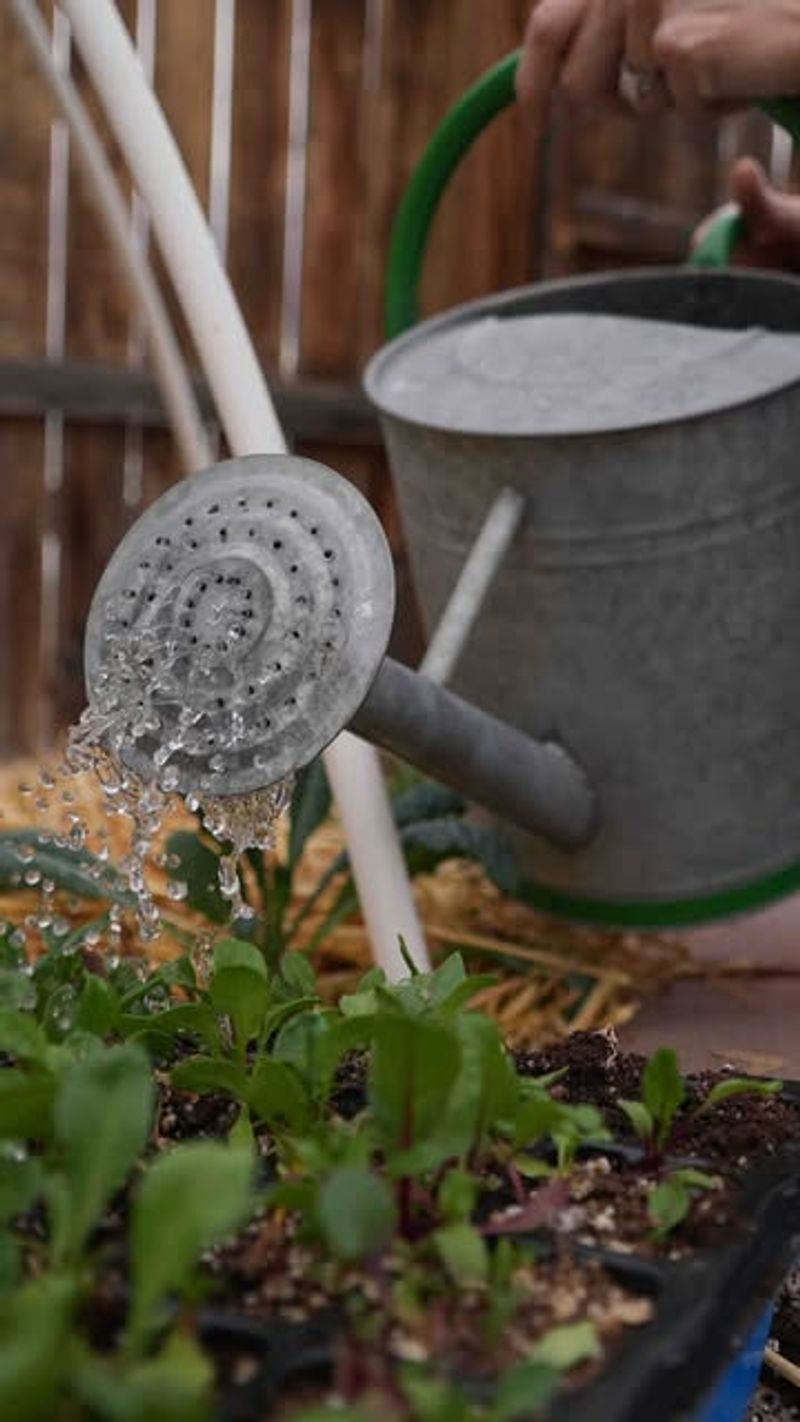
Short, frequent watering trains roots to stay near the surface. Surface roots are the first to suffer when soil heats up in August.
Longer, deeper watering sessions push moisture further into the soil where temperatures stay cooler and more stable.
For most desert shrubs and trees, water needs to reach at least 12 to 18 inches deep to support a healthy root system. Short cycles rarely achieve that, especially in compacted or clay soils where water moves slowly.
Running irrigation longer, less often, encourages roots to follow moisture downward.
Slow watering also prevents runoff. Applying water faster than soil can absorb it sends moisture across the surface rather than into it.
Drip systems set to low flow rates over longer periods are more effective than high-volume sprays that shed off dry soil.
If you water by hand, let the hose run slowly at the base of each plant for several minutes before moving on. Feel the soil a few hours after watering to see how deep moisture has penetrated.
Sandy desert soils drain fast, while clay holds water longer but absorbs it slowly. Knowing your soil type helps you calibrate session length more accurately.
7. Give Heat-Stressed Plants Time To Recover
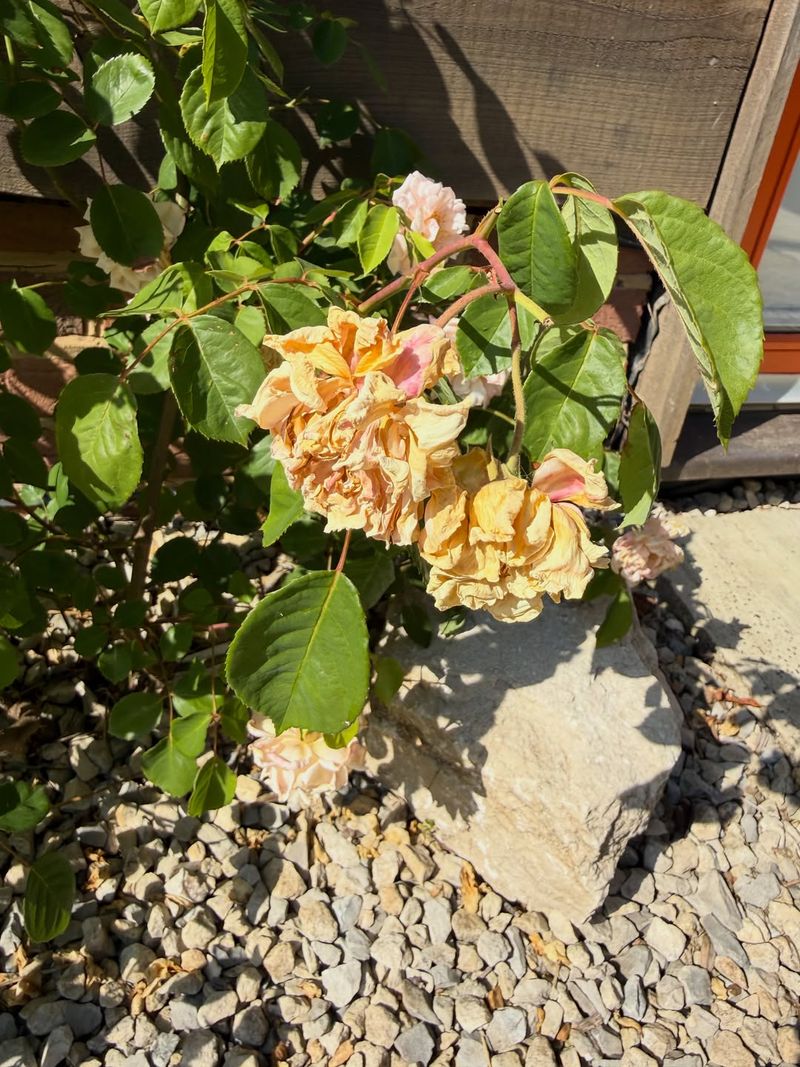
Seeing a plant wilt in August can trigger a panic response. Most gardeners immediately flood the plant with water, which can make things worse if the soil is already saturated.
Wilting doesn’t always mean the plant is dehydrated.
Heat stress causes plants to wilt as a protective response. Closing leaf pores reduces water loss when temperatures spike.
A plant that looks limp at 2 p.m. may look fine by 7 p.m. once temperatures drop. Checking on plants in the early morning gives a more accurate picture of their actual condition.
If a plant is still wilted in the morning, that’s a stronger sign it needs more water or improved root conditions. At that point, a slow, deep watering session is more helpful than a quick surface soak.
Give it a day or two before evaluating whether it’s responding.
Avoid fertilizing heat-stressed plants in August. Fertilizer encourages new growth, and new growth requires more water and energy than stressed roots can reliably supply.
Hold off on feeding until temperatures drop and the plant shows signs of active recovery. Pruning back damaged foliage can also help reduce the plant’s water demand while it stabilizes.
Recovery from heat stress takes time, and patience matters more than aggressive intervention.