How Long A Cucumber Plant Lasts In Alabama, And 4 Signs It’s Time To Replace It
Your cucumber vines won’t warn you before they decline. Heat arrives fast in Alabama, weakening green vines almost instantly. Watching a healthy patch fade within weeks feels personal.
Nobody tells new gardeners how harsh humidity becomes by midsummer. Roots struggle, leaves yellow, and fruit production stalls unexpectedly. Timing separates thriving harvests from wasted seasons here in Alabama.
Farmers know cucumbers move through their lifespan quickly. Understanding that window changes how you plant, prune, and water. Signs of decline creep in quietly, long before vines fully fade.
Ignoring them costs you weeks of potential harvest. Every gardener eventually faces the same tough choice. Knowing the right answer separates frustrated growers from confident ones.
Smart planting decisions start with knowing exactly how long plants last. Patience only helps when you truly know what’s happening beneath the surface.
You’re about to discover exactly when your cucumbers start fading, and why waiting changes everything.
Plants Typically Yield For Six To Eight Weeks
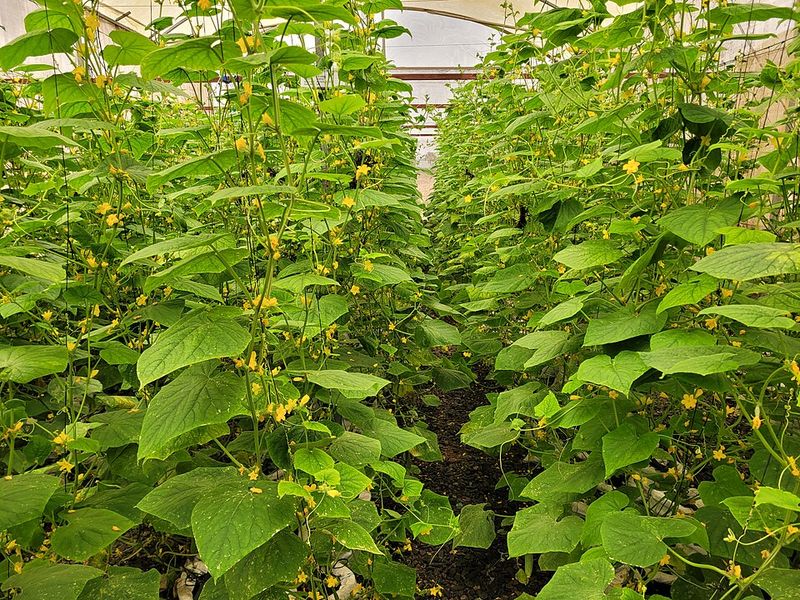
Six to eight weeks sounds short, but for most standard cucumber varieties, it is honestly a solid run for a warm-season crop.
A cucumber plant in peak health will push out fruit steadily during that window, giving you more cucumbers than you might expect.
That stretch of time is when the plant works hardest, pouring everything into growth and production at once.
The clock starts ticking the moment your first flower turns into a tiny fruit. From that point, the plant is burning through energy fast, and every cucumber it produces costs it something.
Nutrients get pulled from leaves and roots to fuel each new fruit, which explains why older vines start looking tired even while still producing.
Most gardeners in the South are surprised when production slows around week five or six. They assume something went wrong, but the plant is simply aging on schedule.
This slowdown is not failure, it is biology doing exactly what it was always going to do. Understanding this timeline helps you plan smarter successions.
If you stagger plantings two to three weeks apart, you can keep fresh cucumbers coming all season long, even as earlier vines wind down.
Knowing how long a cucumber plant lasts in Alabama means you stop blaming yourself when output drops. The plant is not broken, it is just done with its prime productive phase, and that shift is completely normal.
Treat that six-to-eight-week window like a sprint, not a marathon. Push the plant hard with consistent harvesting, and it will reward you right up until the final stretch, giving you every last cucumber it has left to give.
Alabama’s Heat Can Shorten This Window Further
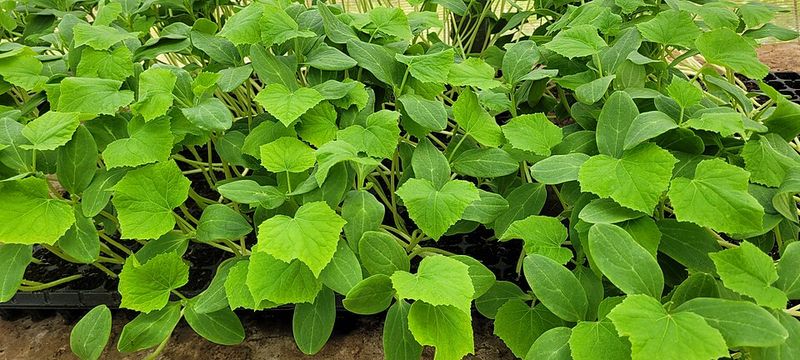
Alabama summers bring intense heat, and your cucumber plants are highly sensitive to it. Temperatures above ninety degrees Fahrenheit can accelerate a plant’s decline, though the exact timeline depends on soil moisture and variety.
Heat stress causes flowers to drop before they can turn into fruit. When that happens, the plant wastes energy without delivering anything you can actually eat.
Your Alabama Garden Changes Every Week. Your Plan Should Too.
Gardening in Alabama changes quickly throughout the season. Every Friday you’ll receive a simple weekly plan showing exactly what to plant, prune, fertilize, harvest, and protect so you never miss the right timing.
Soil temperature matters just as much as air temperature. When the ground heats above eighty-five degrees, roots struggle to pull in water efficiently, and the whole plant is affected starting with the roots.
Gardeners in Alabama often notice a sharp production drop during July heat waves. That is not bad luck, it is biology responding to an environment that has crossed a comfort threshold.
Mulching heavily around the base of your plants can protect roots from extreme soil heat. A good two-to-three-inch layer of straw or wood chips acts like a cooling blanket for the ground.
Shade cloth is another tool worth keeping in your back pocket. Blocking a portion of direct afternoon sun with shade cloth can help extend your plant’s productive stretch.
Knowing how long a cucumber plant lasts in Alabama during a heat wave helps you set realistic expectations. Plan for the worst-case timeline and celebrate every extra harvest you squeeze out.
Consistent Harvesting Extends The Plant’s Productive Lifespan
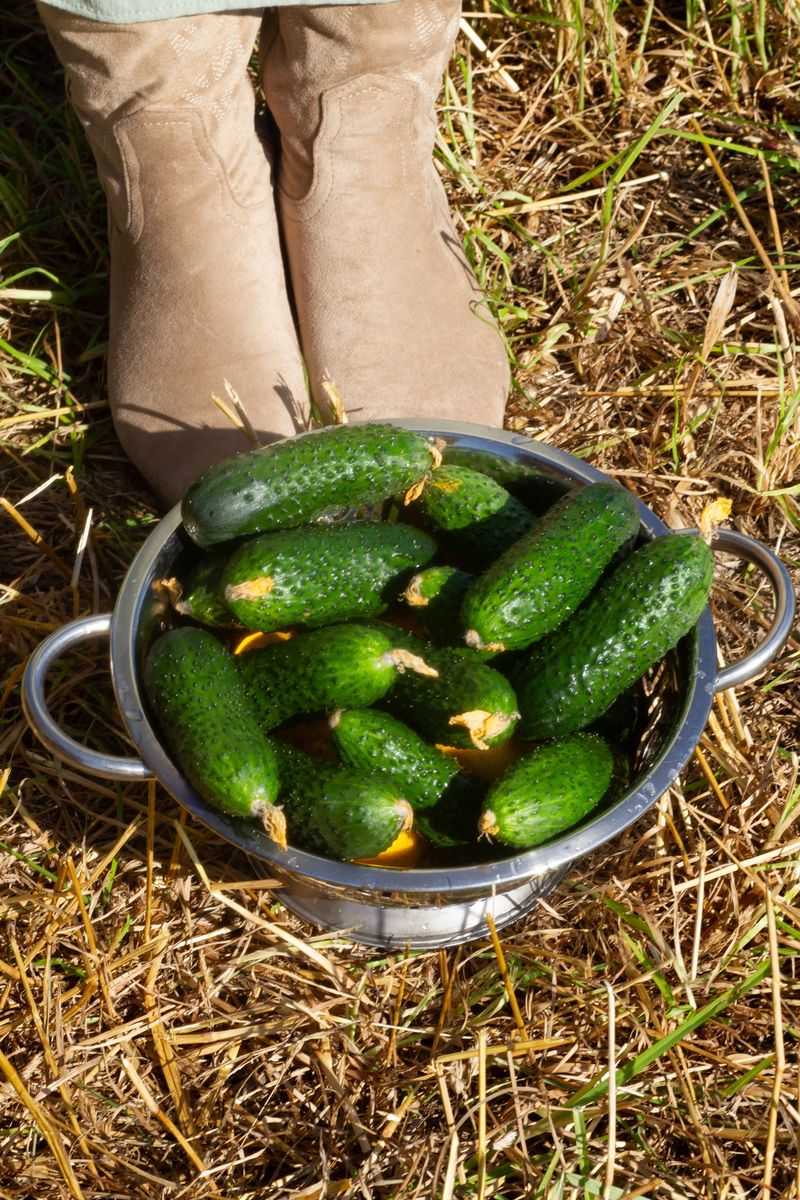
Leaving a cucumber on the vine too long is one of the most common mistakes backyard gardeners make. Once a fruit matures fully, the plant receives a chemical signal telling it to stop producing new ones.
Harvest every two to three days during peak season to keep that signal from firing. Frequent picking tricks the plant into thinking it has not finished its reproductive mission yet.
Cucumbers grow faster than most people expect in warm weather. A small fruit you spot on Monday can be oversized and seedy by Thursday if you are not paying close attention.
Oversized cucumbers also pull more energy from the plant than younger ones. Removing them promptly frees up resources for new flowers and developing fruit lower on the vine.
Set a harvesting schedule and stick to it, even when you already have more cucumbers than you can eat. Give extras to neighbors, pickle them, or toss them in a smoothie.
The goal is to keep the plant working at full capacity for as long as possible. Every cucumber you pull on time is essentially a vote to keep production going.
Knowing how long a cucumber plant lasts in Alabama gets even more useful when you combine it with smart harvesting habits. A well-harvested plant can stretch its productive window by a full week or two.
Proper Care Stretches Yield Closer To Two Months
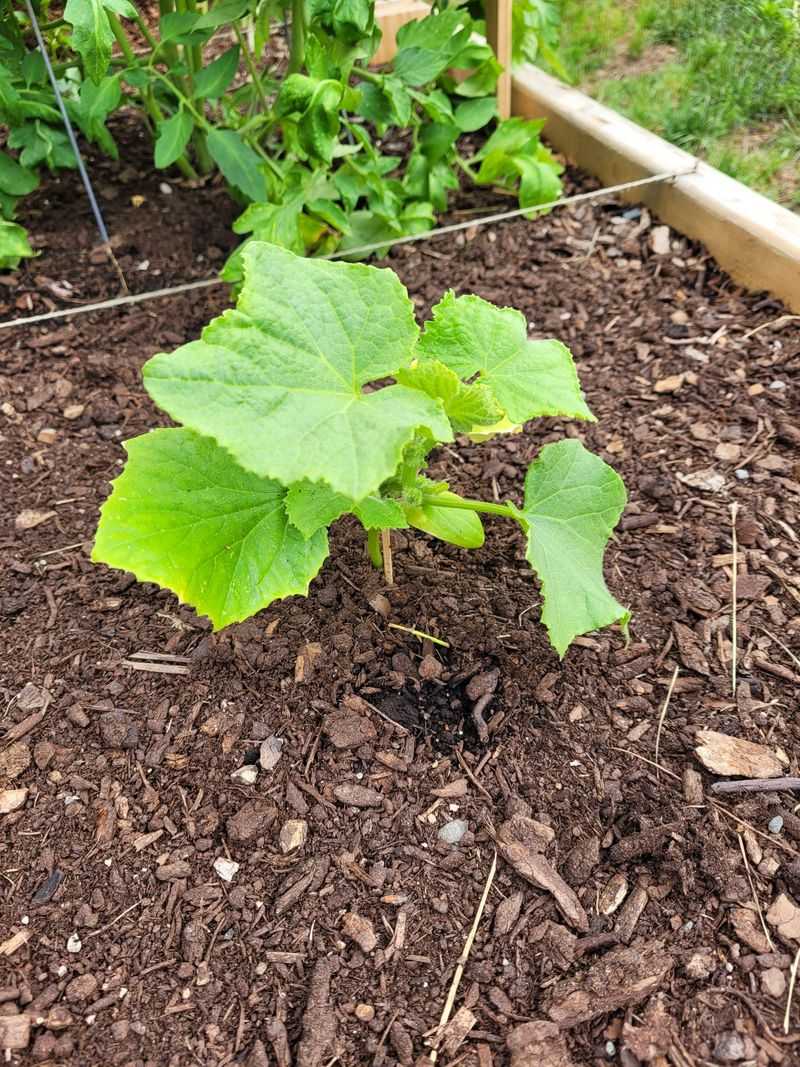
Two months of steady cucumber production is absolutely achievable with the right habits in place. Water, fertilizer, and soil health are the three pillars that hold everything together.
Cucumbers need about one inch of water per week, and they need it consistently. Irregular watering causes bitter fruit and stress cracks, both of which push the plant toward early decline.
Drip irrigation is worth every penny if you are serious about extending your harvest. It delivers moisture directly to the roots without wetting the leaves, which cuts down on fungal problems dramatically.
A balanced fertilizer applied every two to three weeks keeps the plant fueled without overloading it with nitrogen. Too much nitrogen pushes leafy growth at the expense of fruit production.
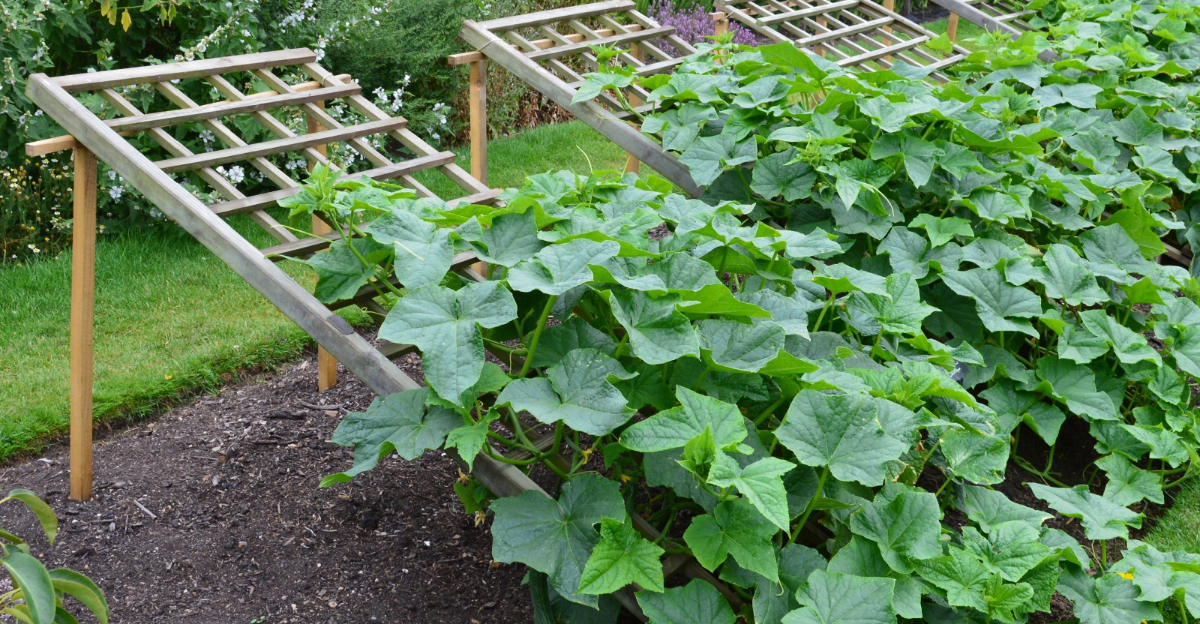
Trellising your vines improves airflow and keeps fruit off the soil. Better airflow means fewer disease problems, and cleaner fruit means fewer reasons to pull plants early.
Pest management also plays a big role in longevity. Cucumber beetles and aphids can weaken a plant quickly, so check the undersides of leaves at least twice a week.
Proper care genuinely stretches how long a cucumber plant lasts in Alabama from a modest six weeks to a satisfying eight. That extra time translates to dozens more cucumbers in your kitchen.
Yellowing Leaves Spread Across Most Foliage
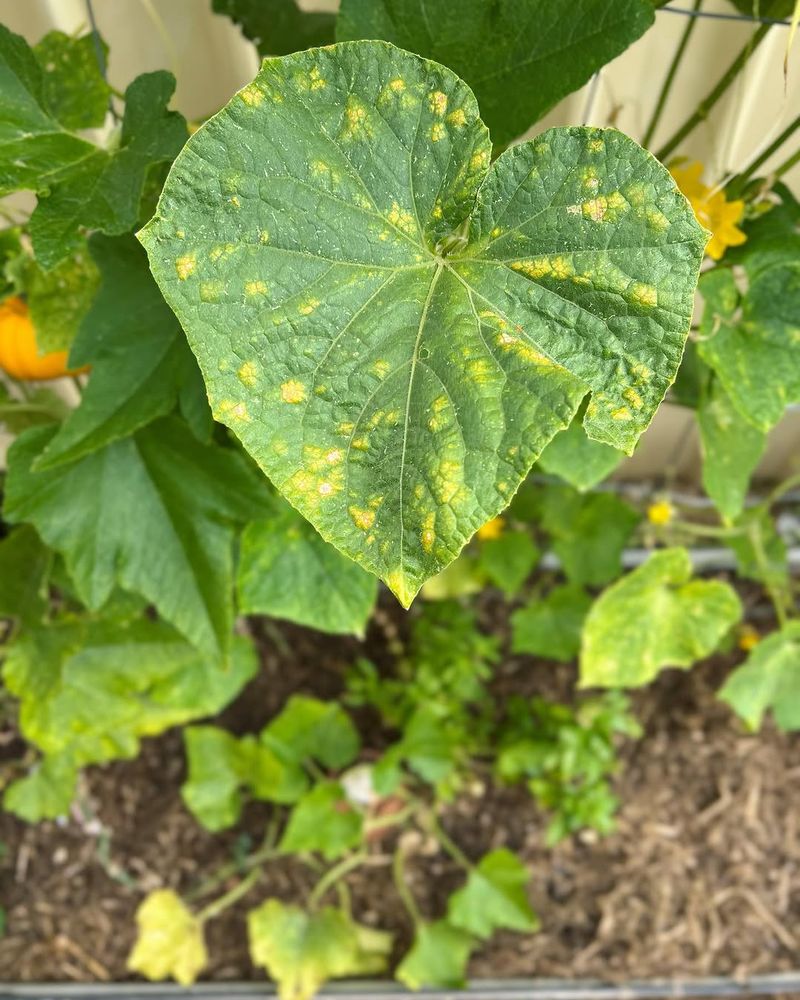
A yellow leaf here and there is totally normal as a cucumber plant ages. But when yellowing starts spreading from leaf to leaf across most of the foliage, that is a completely different story.
Widespread yellowing usually signals one of three things: nutrient exhaustion, root problems, or a systemic disease moving through the plant. None of those issues tend to reverse on their own.
Nitrogen deficiency shows up as a pale, washed-out yellow starting on older leaves near the base. If you catch it early, a quick fertilizer boost can sometimes slow the spread.
Root rot from overwatering creates a similar look but comes with soft, mushy stems near the soil line. At that stage, the plant is already in serious trouble and unlikely to bounce back.
Mosaic virus is another culprit that causes patchy yellow mottling across leaves. There is no treatment for it, and infected plants should be removed promptly to protect neighbors.
Check the color pattern closely before making any decisions. Uniform yellowing from the bottom up suggests nutrient issues, while irregular patches scattered across the plant point more toward disease.
When yellowing has taken over more than half the foliage, the plant is done contributing meaningfully to your harvest. Pulling it and starting fresh is almost always the smarter move at that point.
Fruit Production Slows Significantly Or Stops
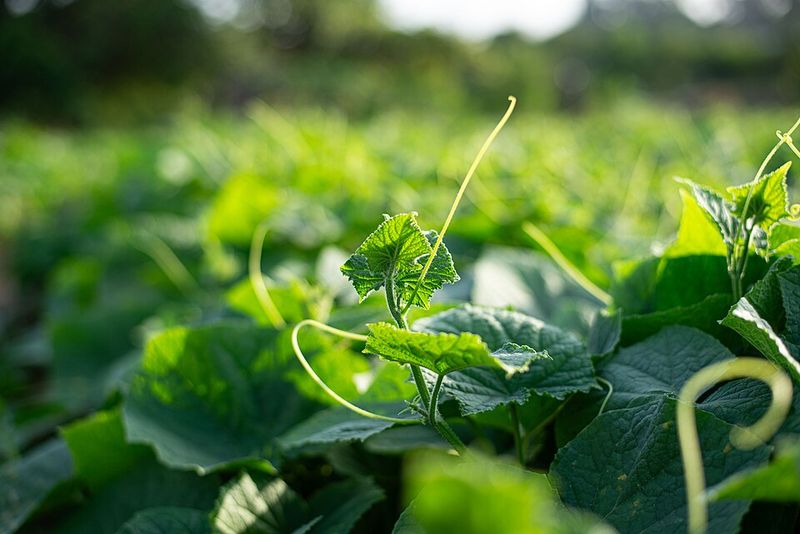
One of the clearest signs is a cucumber vine that used to be loaded with fruit and now sits there producing nothing. When production slows to a trickle or stops completely, the plant is signaling its limits.
Some slowdowns are temporary and tied to heat stress or inconsistent watering. But when a plant stops producing for more than ten days despite good care, it has likely reached the end of its productive stage.
Male-to-female flower ratios often shift under heat and environmental stress, with male flowers becoming more dominant later in the season.
Pollinators also tend to visit less frequently as summer deepens and flower quality drops. Fewer bee visits means even the female flowers that do open go unfertilized.
At this stage, continuing to water and fertilize a non-producing plant rarely brings the results you’re hoping for. The inputs are real but the outputs are not coming.
Pull the spent plant and amend the soil before replanting. Adding compost and a fresh layer of mulch resets the bed for your next succession planting.
Recognizing when fruit production has truly stopped is one of the clearest signs it is time to replace your plant. Acting fast leaves room for a fresh vine to hit its peak before the season ends.
Powdery Mildew Coats The Majority Of Leaves
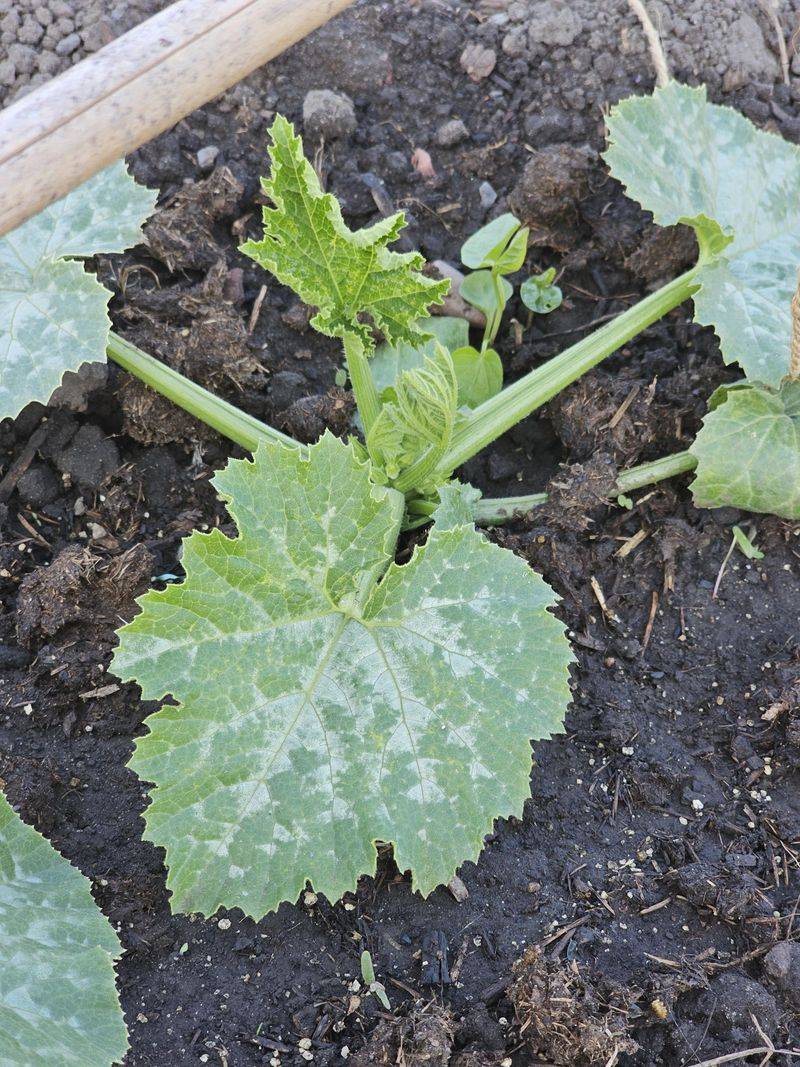
That chalky white coating on your cucumber leaves is not dust or fertilizer residue. Powdery mildew is a fungal condition that thrives in warm, humid conditions, which makes Alabama a near-perfect breeding ground.
A small patch of powdery mildew early in the season can sometimes be managed with neem oil or a baking soda spray. Catching it fast is the key to keeping it from spreading.
When mildew covers more than half the leaf surface on most of the plant, photosynthesis drops sharply. The plant cannot make enough energy to keep producing fruit at a useful rate.
Heavily infected leaves eventually curl, brown, and drop off the vine. Each lost leaf reduces the plant’s ability to fuel the remaining cucumbers still clinging to the stems.
Mildew spreads through airborne spores, so an infected plant can quickly pass it to nearby vines. Removing a badly infected plant helps protect the rest of your garden from the same fate.
Improving airflow by pruning crowded vines earlier in the season helps prevent this problem from taking hold. Good spacing and trellising are your best defenses before the fungus even appears.
Once powdery mildew coats the majority of leaves, the plant is unlikely to recover. Replace it with a fresh transplant and apply preventive treatments from day one to break the cycle.
Stems Become Brittle And Stop Growing
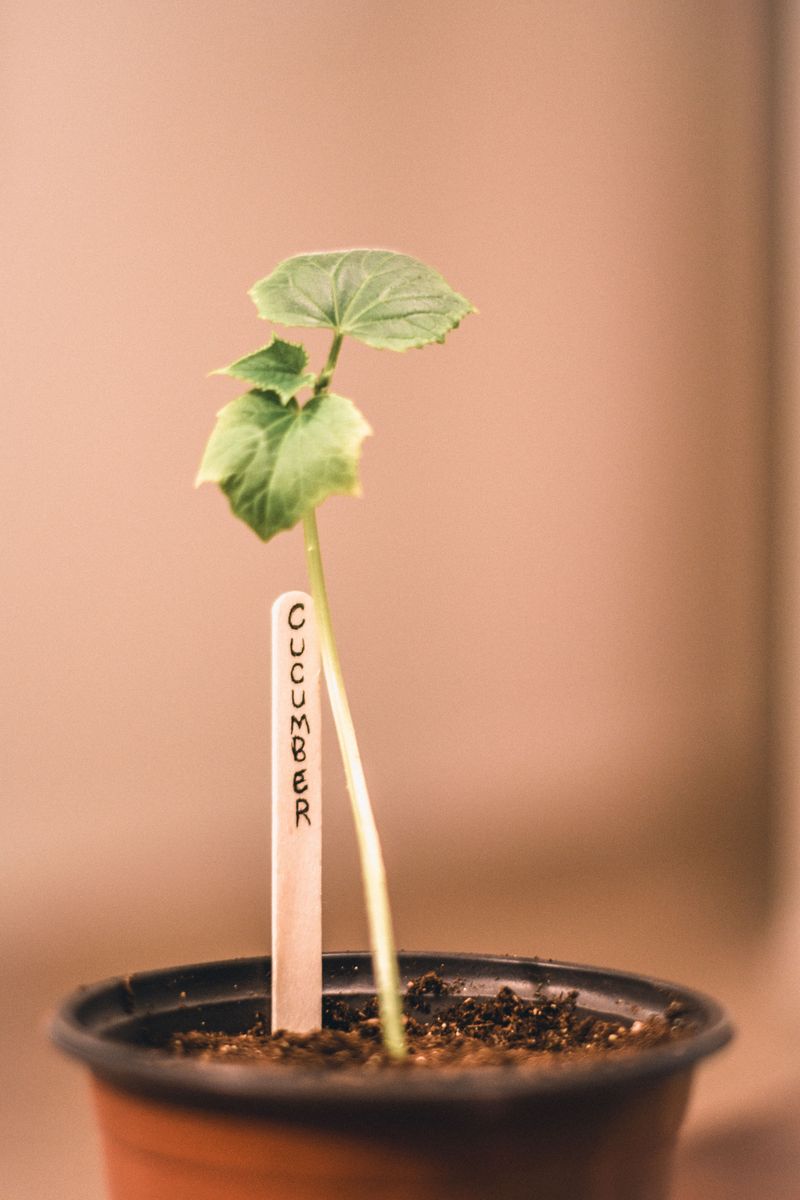
Healthy cucumber stems are flexible, slightly fuzzy, and full of moisture. When they start snapping instead of bending, that is a physical sign that the plant is no longer moving water and nutrients effectively.
Brittle stems usually develop from the base upward as the plant exhausts its internal resources. By the time you notice it at the top of the vine, the damage runs deep.
A plant with brittle stems has also typically stopped putting out new growth entirely. No new tendrils, no fresh leaves, no flower buds anywhere along the vine length.
This kind of stagnation is the plant’s version of shutting down operations. It is conserving whatever energy remains rather than spending it on growth or fruit production.
Check the growing tip of your vine once a week as the season progresses. A healthy tip looks bright green and actively reaching, while a declining one looks shriveled and pale.
Brittle stems also break easily when wind or heavy rain hits the garden. A snapped main stem almost always ends the plant’s productivity, making replacement an immediate priority.
Knowing how long a cucumber plant lasts in Alabama becomes most practical when you can physically see the signs of decline in the stems.
A plant that has stopped growing and started breaking is ready to be replaced with something that still has the energy to produce.