The Purple Berried Shrub Along Alabama Woodland Edges Hides A Natural Mosquito Repellent
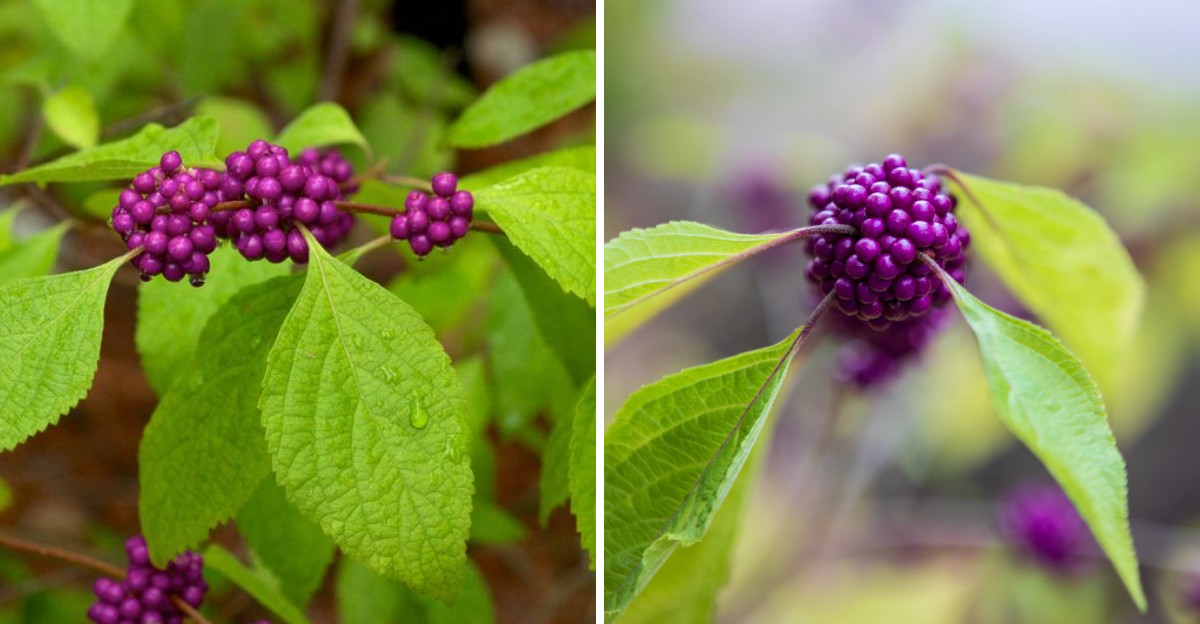
That purple shrub you ignore beside the pines might rival the spray in your cabinet. Its berries glow like neon candy each September, yet few folks know its name.
Across Alabama, it crowds shady fence rows and pine edges near you. You admire the color and keep walking. Grandparents knew better.
They pressed fresh leaves and rubbed them on skin like yours. Farmers tucked sprigs under mule harnesses to shoo pesky flies. Skeptics shrugged until USDA chemists tested those leaves in Mississippi.
From them, chemists isolated compounds called callicarpenal and intermedeol. Mosquitoes wanted no part of them. In early lab trials, callicarpenal came close to matching the power of DEET.
Ticks and fire ants backed off. Now picture that repellent growing free along an Alabama tree line, waiting for you. Grab a handful, because your homemade batch takes shape tonight.
Beautyberry Leaves Carry A Bug-Repelling Secret
Picture a farmer a century ago tucking bruised green leaves under his mule’s harness before plowing. He wasn’t decorating; he was fighting off biting bugs the old-fashioned way.
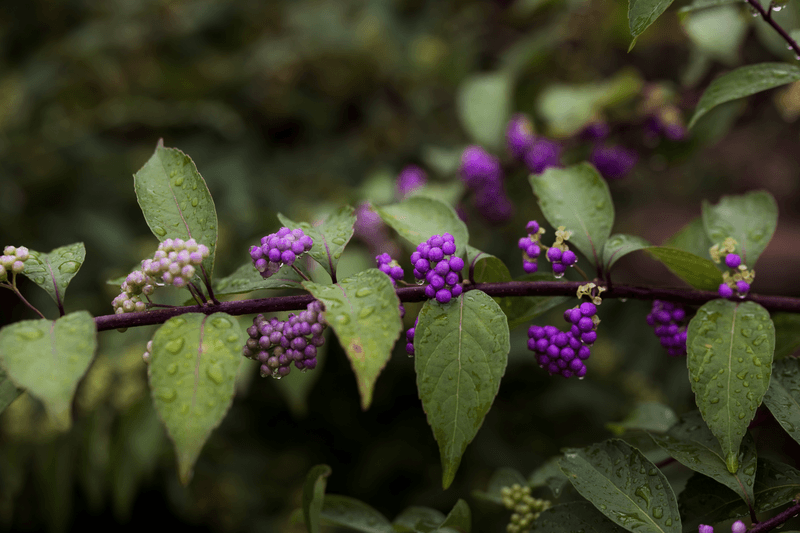
That shrub was American beautyberry, known to botanists as Callicarpa americana. It grows wild along woodland edges, fence rows, and sunny clearings across Alabama.
Its big, fuzzy leaves hold natural oils that many insects find truly unpleasant. When you crush a leaf, those oils release a sharp, earthy smell.
Lab research shows compounds in those leaves repel mosquitoes, ticks, and fire ants. Native American communities used beautyberry medicinally, and Southern families passed down its bug-repelling use long before store-bought sprays existed.
The berries get all the attention, but the leaves do the real work. Think of the purple fruit as a bright flag pointing you toward the good stuff.
You can find the shrub by looking for arching stems about three to six feet tall. Tight purple clusters wrap around the stems where each pair of leaves meets.
The plant is native, tough, and happy in poor soil, so it thrives along many sunny woodland edges. Chances are good there is one growing near a trail you already walk.
So the next time purple catches your eye in the woods, stop and take a closer look. That humble bush may be a surprisingly useful bug deterrent.
Rub a single leaf between your fingers and take a careful sniff. You will understand that old farmer’s thinking in about two seconds.
The Science Behind The Leaf Compounds
Grandma’s folk remedy got a serious report card in the mid-2000s. Researchers with the USDA in Oxford, Mississippi, decided to test the old mule harness story.
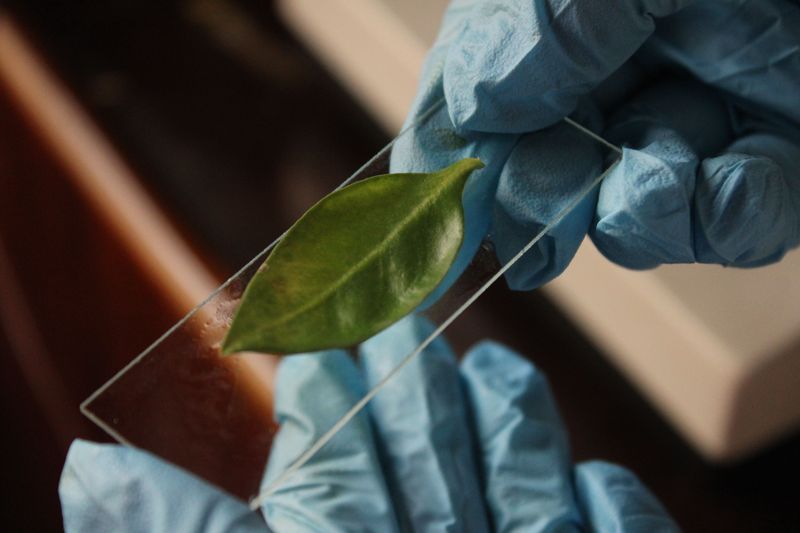
Charles Cantrell and his team pulled chemicals out of beautyberry leaves and studied each one. They found several compounds that pushed insects away in lab tests.
The standout names are callicarpenal and intermedeol, which sound like wizard spells. A third compound, spathulenol, also showed some bug-repelling power.
In controlled lab tests, purified callicarpenal came close to DEET, a common ingredient in store sprays. That is a big deal for a weedy shrub growing beside a ditch.
Your Alabama Garden Changes Every Week. Your Plan Should Too.
Gardening in Alabama changes quickly throughout the season. Every Friday you’ll receive a simple weekly plan showing exactly what to plant, prune, fertilize, harvest, and protect so you never miss the right timing.
The compounds also repelled ticks and fire ants, two pests Alabama knows all too well. The USDA also patented callicarpenal as a mosquito repellent.
Here is the honest part, though, because science likes honesty. A leaf rubbed on your arm delivers far less of these compounds than a lab extract.
Your homemade version may work for a short time, then fade as the oils evaporate. Where mosquito- or tick-borne illness is a concern, rely on an EPA-registered repellent.
Still, it is pretty cool that a backyard plant earned attention from government chemists. Folk wisdom and modern labs actually agreed on this one.
Next time someone calls grandma’s tips old wives’ tales, you have a comeback ready. Just point to the purple bush and mention the USDA.
Researchers have explored ways to turn these compounds into safe, affordable products. Maybe someday your bug spray label will list a Southern shrub.
September Brings The Brightest Purple Clusters
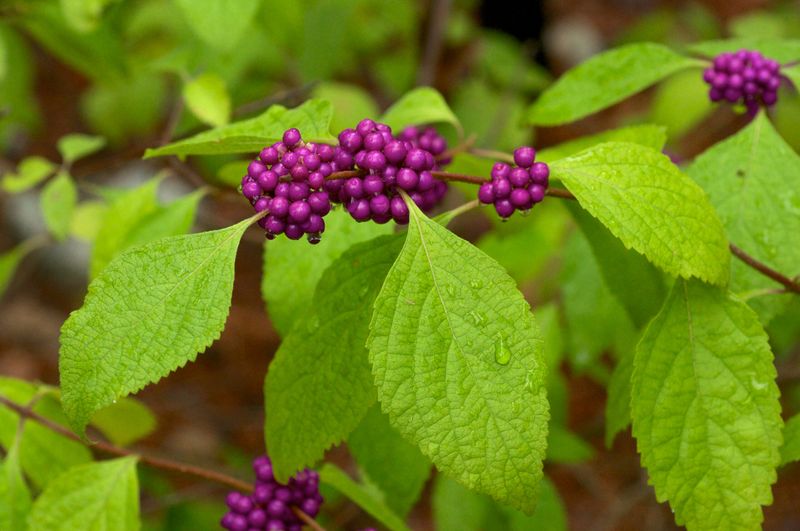
Walk any Alabama back road in early fall and you might spot what looks like purple bubblegum on sticks. September is showtime for American beautyberry.
The berries start green in summer, then shift to a glossy magenta as days shorten. From mid-September into October, the clusters are at their flashiest.
Leaves are still full and green this time of year, which matters for bug season. Mosquitoes stay active well into fall across the Deep South.
That timing is lucky, because the plant is easiest to find exactly when you need it. Those purple rings act like a neon sign against the fading woods.
Look along the sunny edges where forest meets field, road, or power line clearing. Beautyberry likes some shade but fruits best with a few hours of direct sun. Some shrubs carry white berries instead, a less common form of the same species.
Fall is also a great time for a family nature walk to find your own patch. Bring a small paper bag, but only gather leaves from plants on land you have permission to use.
Snap a photo of the clusters too, since they shrivel and brown after a hard frost. By winter, birds will have eaten many of the berries.
Enjoy the show while it lasts, because this display is short. Few native plants anywhere put on a purple party quite this loud and proud.
Common Mistakes To Avoid With Beautyberry
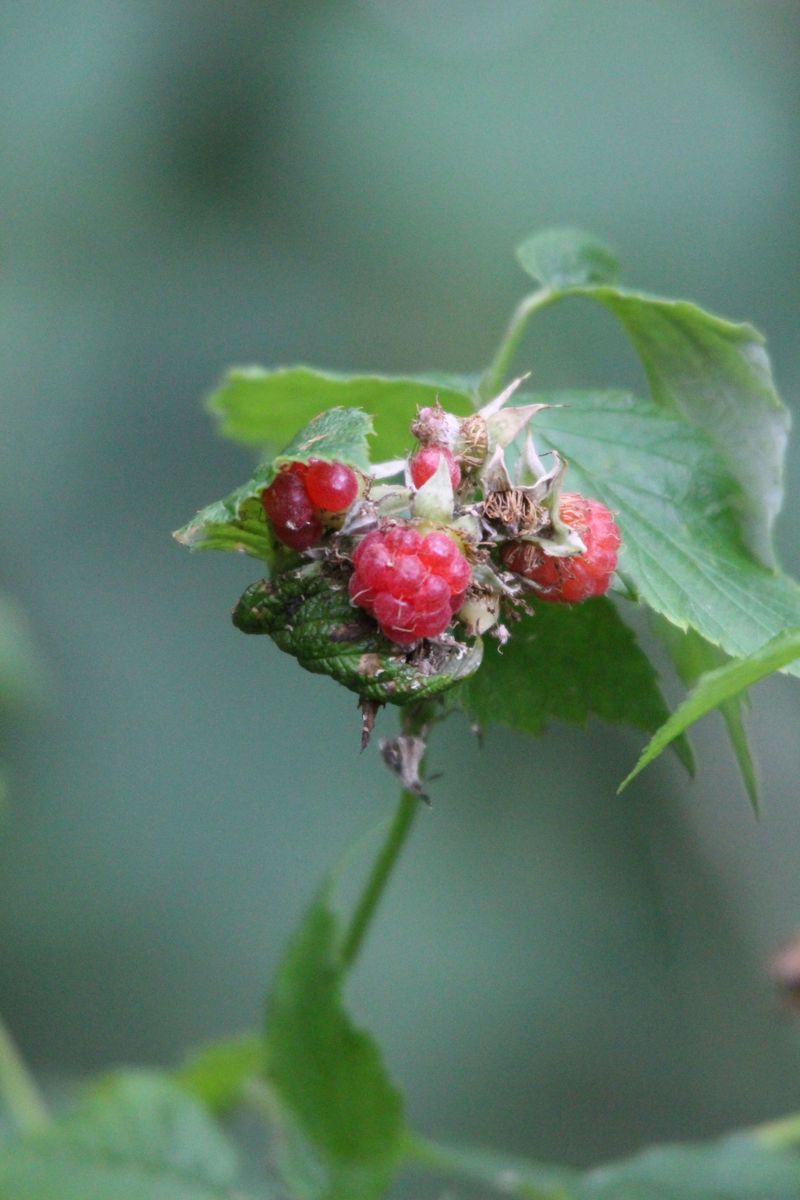
Here’s a confession many beginners share: they tried rubbing the berries on their skin first. It seemed logical, since the berries are the showy part.
The research, however, focused on the leaves, not the purple fruit. The repelling compounds USDA scientists studied came from the leaves.
Smashed berries also leave pink stains on shirts, hands, and car seats. Your mom will not thank you for that science experiment.
Another slip-up is assuming the berries make a tasty trail snack. They are generally considered edible, but they taste bland, a little medicinal, and mealy.
Eating a big handful raw can upset some stomachs, so skip the snacking. Folks who enjoy them usually cook them into jelly with plenty of sugar.
A third mistake is grabbing leaves from a plant you haven’t correctly identified. Look for opposite leaves, fuzzy undersides, and berry clusters hugging the stem.
If you are unsure, ask a local extension agent or snap a photo for a plant app. A few minutes of checking beats an itchy surprise later.
Finally, don’t strip one shrub bare just because it’s handy. Take a few leaves from several plants so each one stays healthy and full.
Birds depend on those berries all fall and winter, so leave the fruit for them. Your bug-fighting supplies are in the leaves anyway.
Think of it as a fair trade with the wildlife next door. You get the leaves, and the mockingbirds get the purple buffet.
A Simple Leaf Rub For Backyard Evenings
Porch light on, lemonade poured, and here comes the buzzing squadron right on schedule. A handful of fresh beautyberry leaves might buy you some peace.
Start by picking five or six healthy leaves from a plant you know well. Rinse them quickly to wash off dust, tiny spiders, or leftover rain.
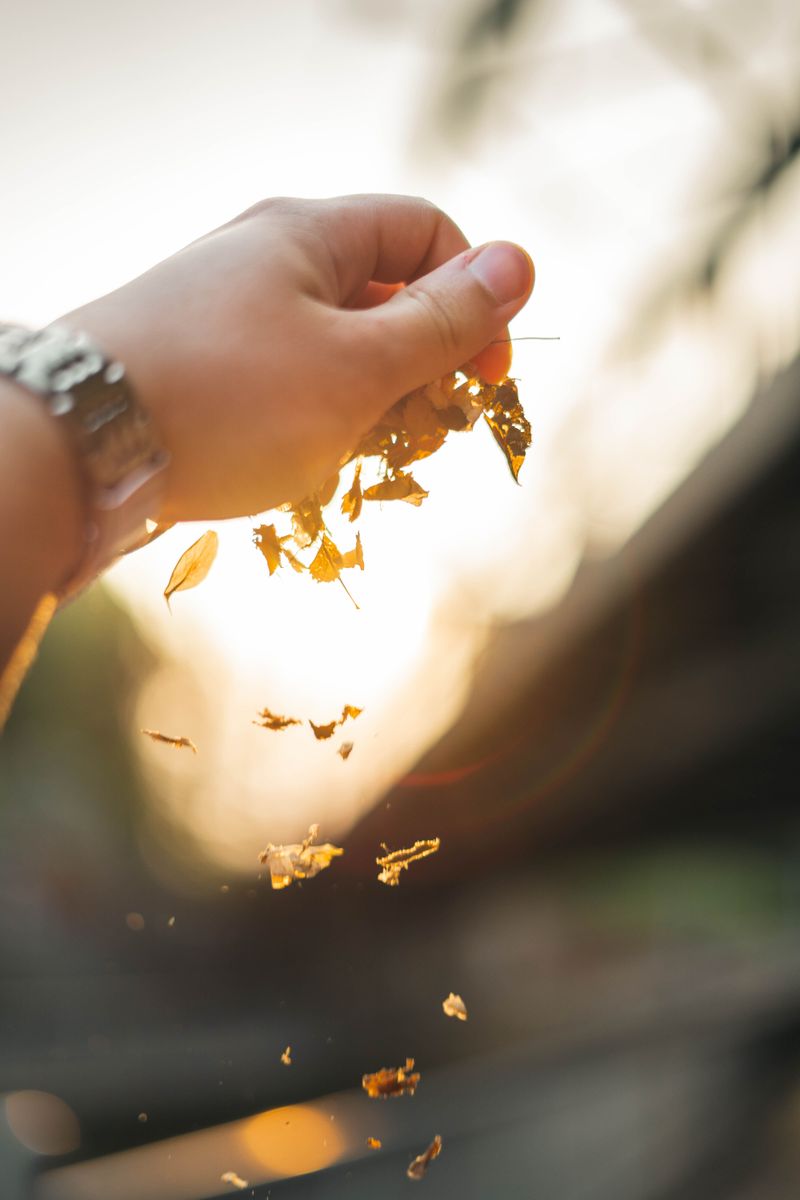
Crush the leaves between your palms until they feel damp and smell sharp. Then rub the green mash gently on your arms, neck, and ankles.
Test a small patch of skin first and wait a while before applying more widely. Some people get mild redness, and it is better to learn that early.
Want something less messy for the whole family? Some folks simmer a big handful of leaves in water for about fifteen minutes, then cool it.
Ask an adult to handle the hot stove part of this project. Strain the liquid into a clean spray bottle and keep it in the fridge.
The homemade spray lasts only a few days before it starts smelling funky. Make small batches, and toss anything cloudy or strange looking.
Reapply often, since the natural oils fade faster than store sprays do. Keep a few spare leaves handy on buggy nights.
Keep it away from eyes and mouths, and skip it on broken skin. For very young kids, check with a doctor before trying any plant remedy.
It won’t turn your yard into a bug-free fortress, but it can help. Plus, you’ll smell like a walk in the woods.
A Fall Planting Plan For Your Own Beautyberry
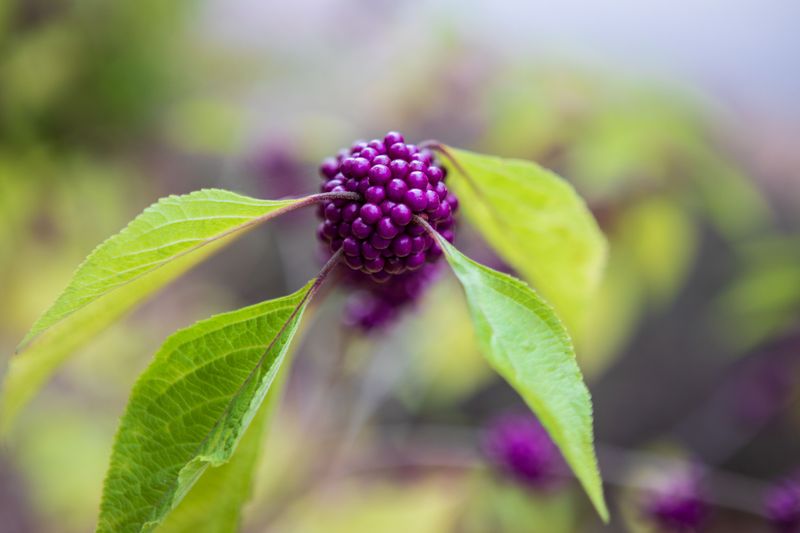
Why hunt through the woods when your own backyard could grow a bug-fighting bush? Fall is the best planting season across Alabama.
Cooler air and autumn rain help roots settle in before summer heat arrives. A September or October planting gives the shrub months to get comfortable.
Look for nursery plants labeled Callicarpa americana so you get the native Southern species. Asian cousins look similar, but they are not native to Alabama woods.
Pick a spot with morning sun and afternoon shade, near a patio or porch. That way, fresh leaves are just a few steps away on buggy evenings.
Dig a hole twice as wide as the root ball but no deeper. Water deeply after planting, then once a week until winter rains take over.
The shrub is famously easygoing and handles clay, sand, and dry spells like a champ. Skip heavy fertilizer, since rich soil can mean more leaves and fewer berries.
Each late winter, many gardeners cut the stems back to about a foot tall. Beautyberry blooms on new growth, so this haircut leads to fuller purple clusters.
Your shrub will also feed cardinals, mockingbirds, and brown thrashers through the colder months. Deer nibble the leaves too, so a little fencing may help young plants.
Within a year or two, you’ll have your own leafy repellent station and a bird cafe. Not bad for a plant that asks almost nothing in return.
Share cuttings with neighbors, and soon the whole street could glow purple each September. Old-time farmers would surely tip their hats.