Your Bearded Iris Needs Dividing This Summer In Colorado, And Here’s Why
Beneath your iris bed, a quiet problem has been building for years. Rhizomes crowd together underground, competing steadily for space, water, sunlight, and nutrients.
Every summer across Colorado, this hidden struggle grows more intense underground. Fewer blooms each passing year aren’t simply bad luck, they’re a warning sign.
Nothing about this problem ever fixes itself without your direct intervention. Ignoring overcrowded rhizomes only drains strength from every single bloom.
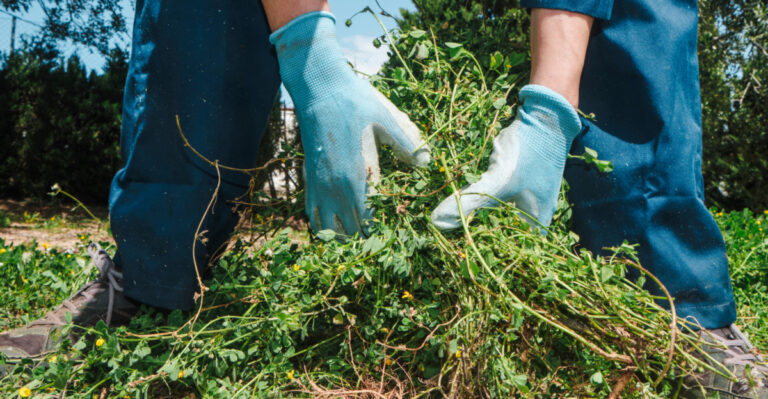
Digging them up feels strange at first, but it’s actually pure liberation. Splitting exposes healthy tissue buried beneath tangled, thoroughly overgrown growth.
Timing decides everything, since Colorado summers offer only a narrow window. Wait too long this season, and you lose another entire year of color.
Your garden can either shrink quietly or multiply boldly, the choice is entirely yours. Nobody warns you how deeply satisfying this whole process actually feels. Once you see what’s hiding underground, you’ll never stop digging.
1. Overcrowded Rhizomes Compete For Limited Nutrients
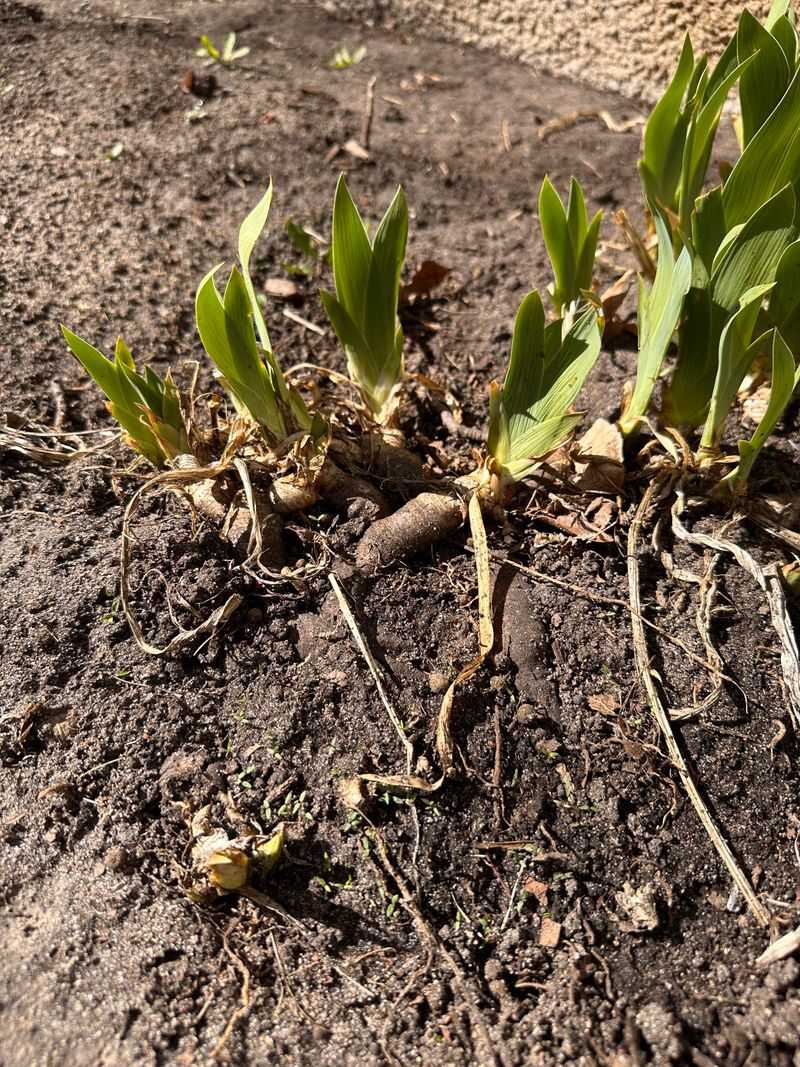
Picture a dinner table with too many guests and not enough food. That is exactly what happens when bearded iris rhizomes pack together too tightly underground.
Each rhizome needs its own supply of phosphorus, potassium, and nitrogen. When they crowd together, every plant fights for the same limited resources in the same patch of soil.
The result is predictable and frustrating. Fewer blooms, thinner stalks, and smaller flowers show up each spring season.
Certain regions of Colorado, particularly the eastern plains and Front Range, tend to have nutrient-poor, alkaline soil. Adding competition stress on top of that makes the problem significantly worse for your plants.
Gardeners often mistake poor blooming for a disease or wrong sun exposure. The real culprit is usually overcrowding that has built up over several growing seasons quietly.
Bearded iris dividing season gives you the chance to reset everything. You remove the competition and give each remaining rhizome room to absorb what it needs.
Think of it like thinning seedlings in a vegetable bed. The ones left behind always grow stronger and produce more because resources are no longer shared.
Splitting your clumps every three to four years is the standard recommendation from most iris growers. Staying on that schedule keeps nutrient competition from ever becoming a serious problem again.
Your soil can only give so much to so many plants at once. Dividing puts the right number of guests back at the table.
2. Dividing Reduces Competition Among Root Systems
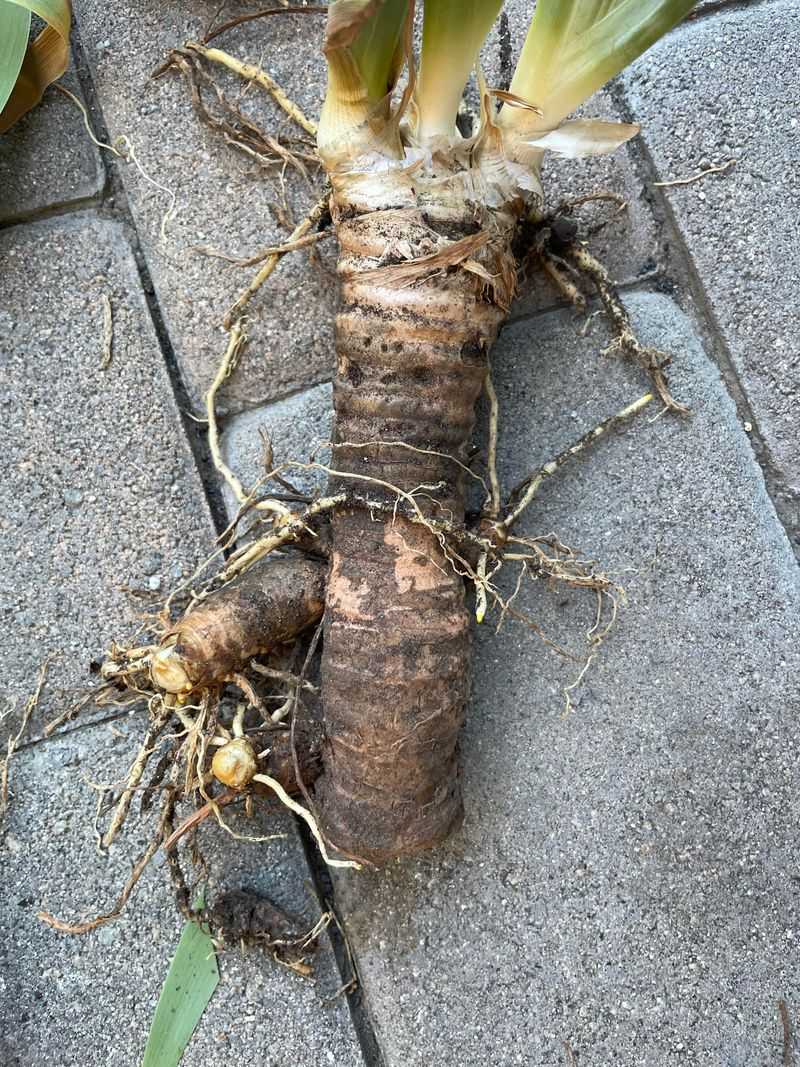
Root systems are surprisingly territorial. When iris roots tangle together underground, each one pulls water and minerals away from its neighbors constantly.
Bearded iris dividing season is the moment you step in and end that underground tug-of-war. Separating the roots gives each division its own clean territory to explore and expand.
Roots that no longer compete immediately shift their energy. Instead of fighting sideways for resources, they push downward and outward into fresh, open ground.
Colorado summers are warm and dry enough to stress plants even without root competition. Removing that extra burden makes a dramatic difference in overall plant health heading into fall.
Your Colorado Garden Changes Every Week. Your Plan Should Too.
Gardening in Colorado changes quickly throughout the season. Every Friday you’ll receive a simple weekly plan showing exactly what to plant, prune, fertilize, harvest, and protect so you never miss the right timing.
When you lift a mature clump and shake off the soil, the tangling is obvious. Roots wrap around each other in ways that physically block growth and moisture movement.
Separating them cleanly with a sharp knife or spade gives each piece a fresh start. Clean cuts also reduce the chance of rot spreading from one section to another.
New root growth begins almost immediately after replanting in loose, prepared soil. Within a few weeks, the divisions look settled and ready to establish before winter arrives.
Less competition underground always shows up aboveground the following spring. Stalks stand taller, leaves look greener, and flower counts increase noticeably from the previous season.
Healthy root systems are the foundation of every great bloom display. Giving them space to breathe is the smartest investment you can make this summer.
3. Fresh Soil Contact Encourages Stronger Root Growth
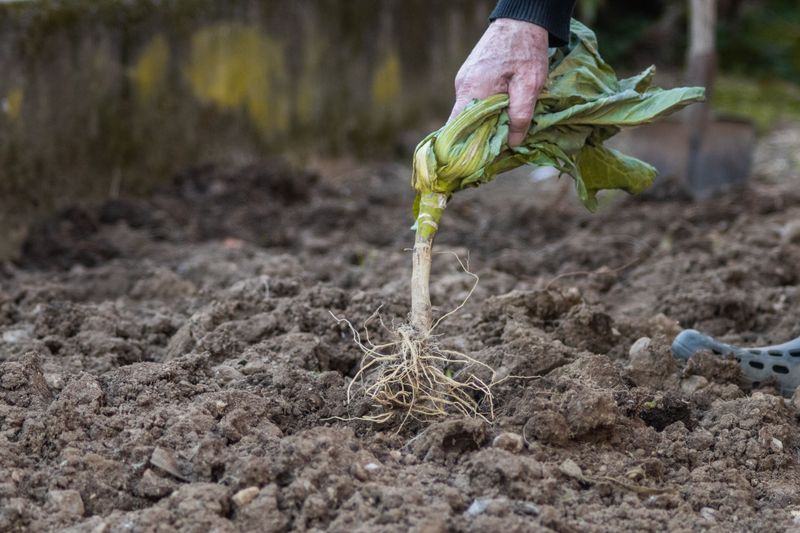
There is something remarkable about placing a fresh rhizome into loose, prepared soil. The contact between the cut surface and new earth triggers immediate biological activity below ground.
Old clumps sitting in compacted, depleted soil barely make new roots. They sit in the same exhausted patch year after year, unable to access anything fresh or nutritious.
When you divide and replant into amended ground, the rhizome touches soil it has never encountered before. That novelty sparks faster, more aggressive root development almost right away.
Colorado gardeners often mix compost or a balanced granular fertilizer into the planting hole. That small extra step gives the new division an immediate nutritional boost to fuel early root growth.
Soil temperature also plays a role in how quickly roots establish. Late summer planting in Colorado hits the sweet spot, warm enough for growth but cooling toward fall.
Roots need oxygen as much as they need water and nutrients. Loose, freshly turned soil holds air pockets that compacted ground simply cannot provide for developing roots.
Pressing the rhizome firmly into the soil ensures there are no air gaps beneath it. Air gaps beneath a rhizome cause it to dry out and fail to anchor properly.
Strong root establishment before the first frost means the plant overwinters with confidence. Come March, those well-anchored divisions wake up ready to push energy straight into bloom production.
Fresh soil is not just background, it is the driving force. Give your divisions the best ground possible and they will reward you fully.
4. Separated Rhizomes Redirect Energy Into Blooming
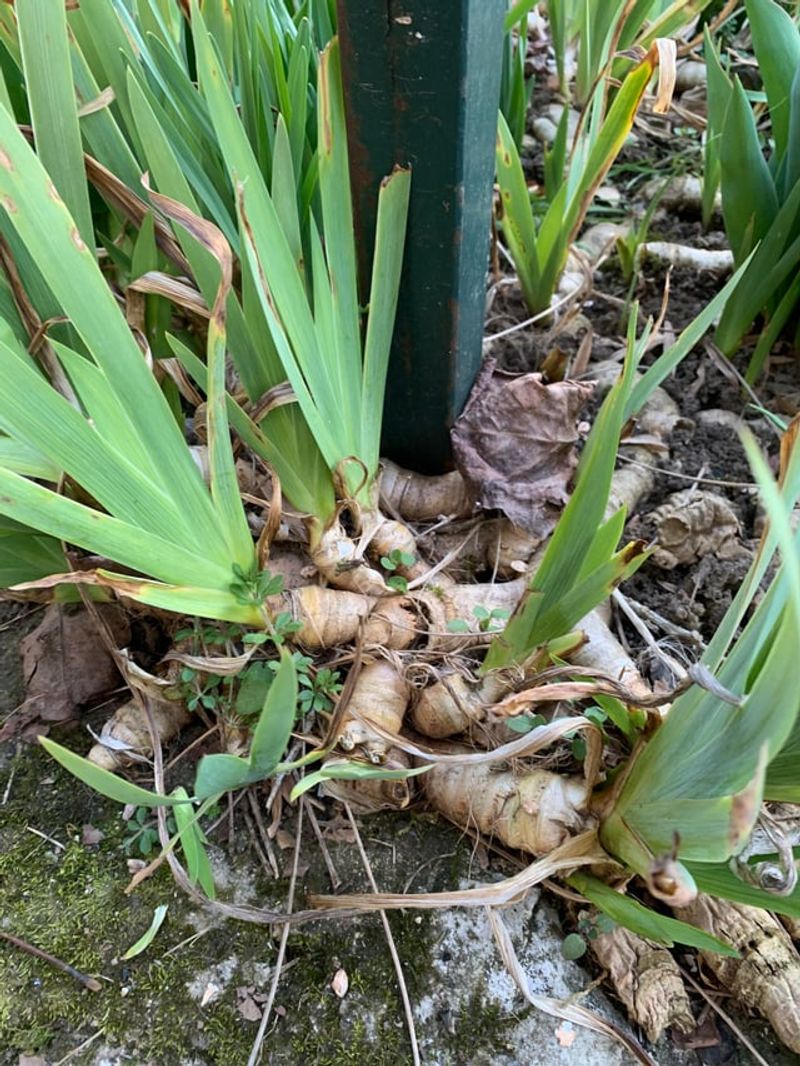
Energy is everything in the plant world. A crowded iris clump spends most of its resources just trying to survive the competition around it each season.
Once you separate the rhizomes, that survival energy has nowhere left to go except upward. The plant shifts focus from competing to thriving, and blooming becomes the natural result.
Think of it like a student who finally gets a quiet room to study. Remove the distractions, and productivity shoots up almost immediately without any other changes needed.
Each divided rhizome is essentially a self-contained energy storage unit. It holds carbohydrates and starches from the previous growing season, ready to fuel the next bloom cycle powerfully.
When that stored energy is not wasted on competition, it flows directly into flower stalk development. More stalks mean more buds, and more buds mean a fuller, more impressive spring display.
Colorado’s long, sunny days give iris plants excellent photosynthesis opportunities through summer and fall. Divided plants capture and store that solar energy more efficiently than crowded ones ever could.
Gardeners who divide regularly often report a noticeable increase in bloom count the following spring, though results vary by variety and growing conditions.
The rhizome does not need to be large to produce great blooms. A healthy, well-placed division with good energy reserves will outperform a stressed, crowded clump every single time.
Redirect the energy, redirect the results. Your spring garden will tell the difference loudly and beautifully.
5. Younger Divisions Produce More Vigorous Flowers
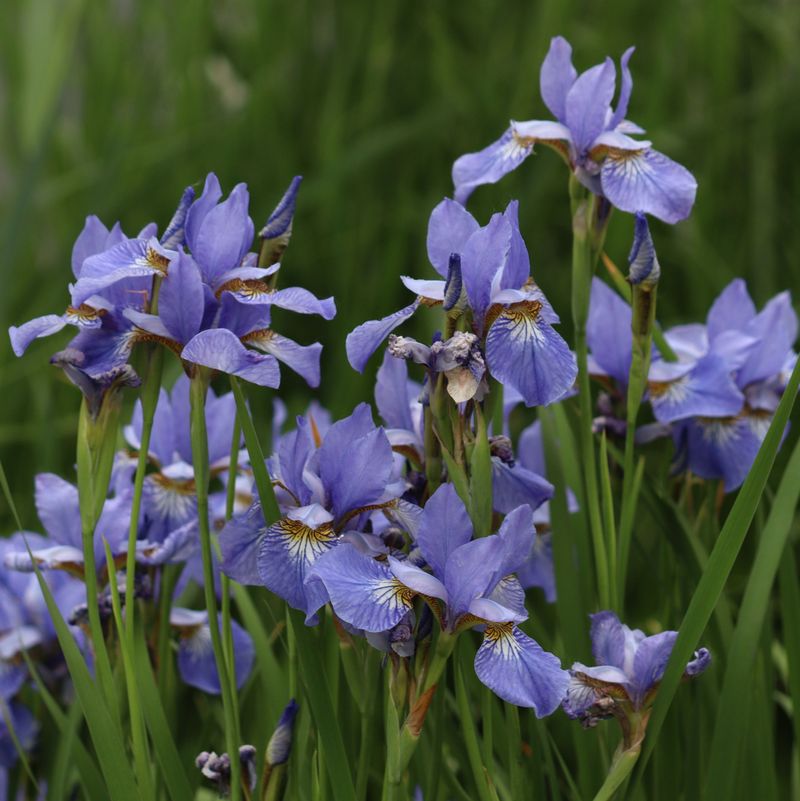
Youth matters in the iris world. Younger rhizome sections, those formed within the last one to two seasons, are the most productive bloomers in any established clump.
Older central rhizomes become woody and exhausted over time. They stop producing flowers while the younger outer sections around them are bursting with potential energy and vitality.
During bearded iris dividing season, the goal is to identify and save those younger outer pieces. Toss the old, tired center and replant only the sections that still have life in them.
You can spot younger divisions easily by their firm texture and healthy green fans of leaves. Soft, hollow, or discolored sections are past their productive prime and should be discarded.
A good young division usually has at least one strong fan of leaves and a firm, plump rhizome body. That combination signals stored energy and strong growth potential for next spring.
Colorado’s summer sun helps condition rhizomes before replanting. Leaving freshly dug divisions in the sun for a few hours toughens the cut surfaces and reduces rot risk.
Younger sections also adapt faster to new planting locations. They establish roots quicker, green up sooner in spring, and push out flower stalks with noticeably more enthusiasm than older pieces.
Experienced iris growers call this process rejuvenation, and the name fits perfectly. You are essentially giving your garden a fresh generation of plants without spending a single dollar on new ones.
Younger always wins when it comes to iris blooms. Choose wisely and your spring display will prove it.
6. Improved Airflow Reduces Risk Of Rot
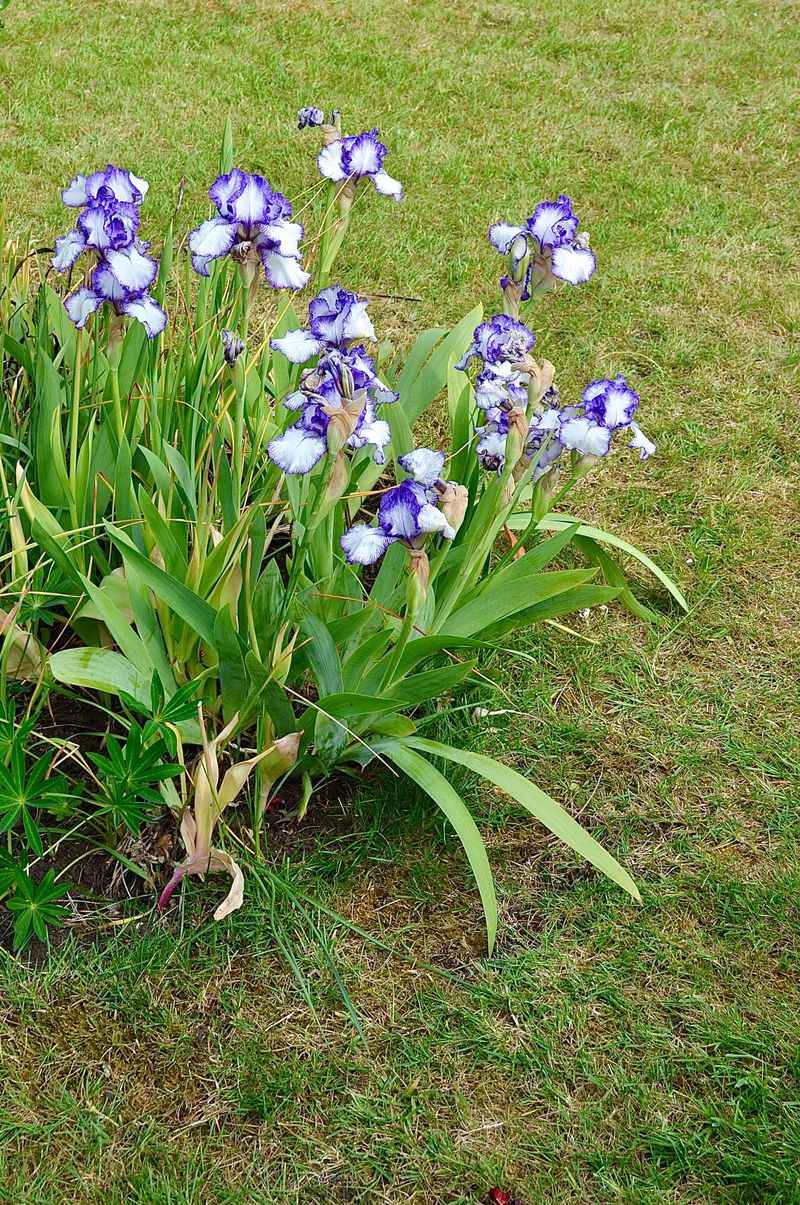
Rot is one of the sneakiest problems iris growers face, and poor airflow is almost always part of the story. Crowded plantings trap moisture and heat between leaves, creating the perfect environment for bacterial soft rot.
Bacterial soft rot has an unpleasant odor and spreads quickly once it takes hold in a crowded bed. Dividing and spacing plants properly is the most effective prevention available to any gardener.
When rhizomes sit too close together, their leaves overlap and shade each other constantly. Shaded, damp foliage stays wet longer after rain or irrigation, and that moisture feeds harmful bacteria.
Colorado’s semi-arid climate helps reduce rot risk compared to more humid states. But even here, poor spacing and crowding can create microclimates that stay damp and problematic long enough to cause damage.
Proper spacing after division is typically twelve to twenty-four inches between plants depending on variety. That gap allows wind to move freely through the bed and dry leaf surfaces quickly after watering.
Good airflow also helps leaves photosynthesize more efficiently by reducing carbon dioxide buildup around the foliage. Better photosynthesis means more energy stored in the rhizome for spring bloom production.
After dividing, make sure each rhizome sits at or just above the soil surface. Burying them too deep traps moisture around the top of the rhizome where rot most commonly begins.
Open, airy plantings are simply healthier in every measurable way. Space your divisions well and rot becomes a worry of the past.
7. Space Allows Rhizomes To Multiply Freely
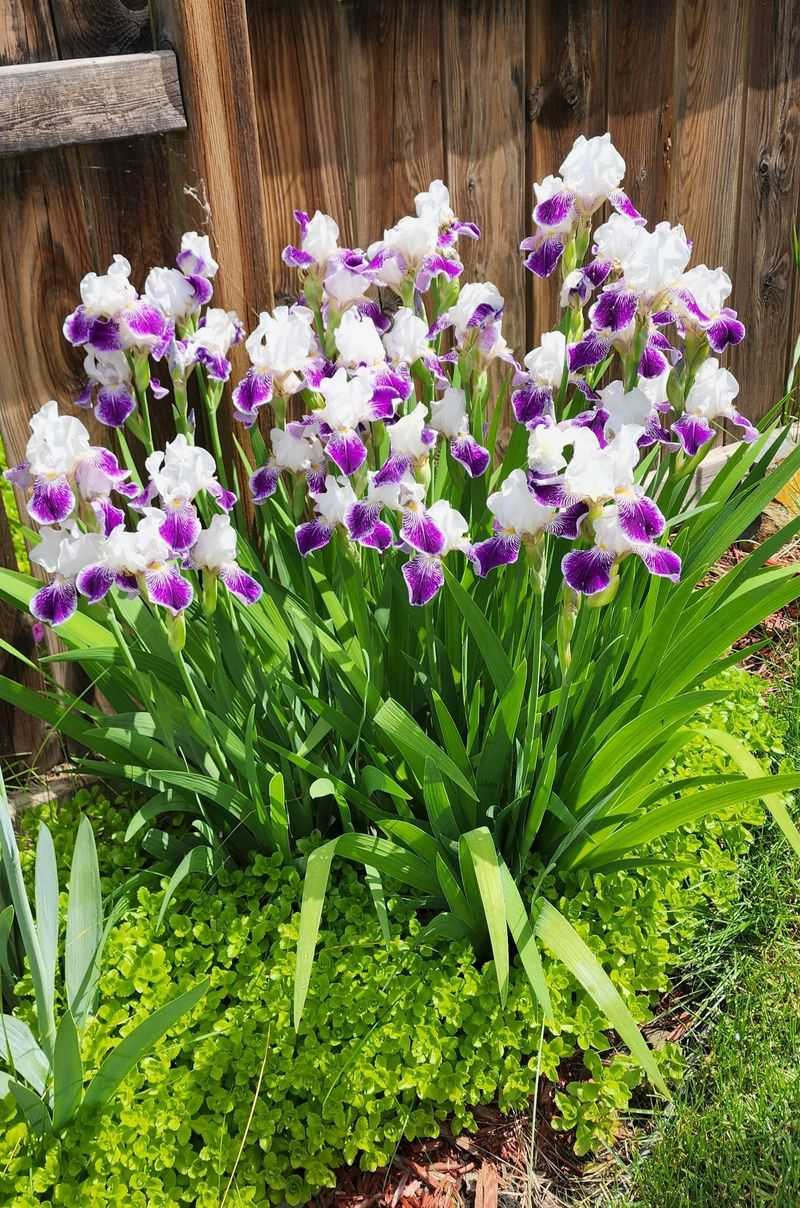
Rhizomes are natural multipliers. Each healthy one will produce several new offsets over a single growing season when given enough open ground to expand into freely.
Crowded beds physically block that expansion. New offsets have nowhere to go and end up pressing against established neighbors, which restarts the whole competition cycle almost immediately.
Giving each division twelve to twenty-four inches of open space is not just being generous. It is a strategic investment in how many plants you will have blooming two seasons from now.
Bearded iris dividing season is the perfect time to redesign your bed layout with multiplication in mind. Plan spacing not just for today but for the next three to four years of growth.
Colorado gardeners with open, sunny beds have a real advantage here. Flat, well-drained spots with full sun allow rhizomes to spread in all directions without shade or moisture problems slowing them down.
As each division multiplies, you end up with more plants than you started with by the following summer. Those extras can fill other spots in your yard or be shared with neighbors and friends.
Free multiplication is one of the best things about growing bearded iris. One bag of rhizomes can multiply significantly over a few seasons with proper management.
The more space you give now, the more abundance you collect later. Open ground today means a packed, stunning display in seasons to come.
Space is not wasted, it is invested. Your future self will be grateful for every inch you left open.
8. Renewed Vigor Leads To Fuller Spring Displays
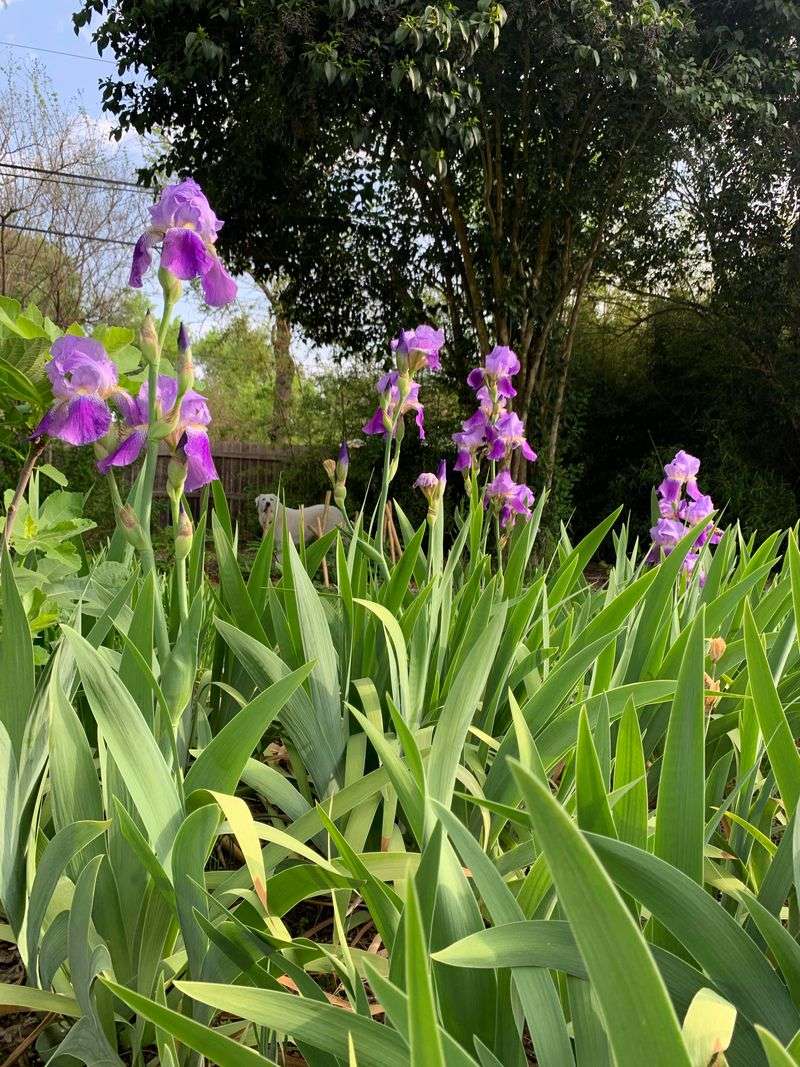
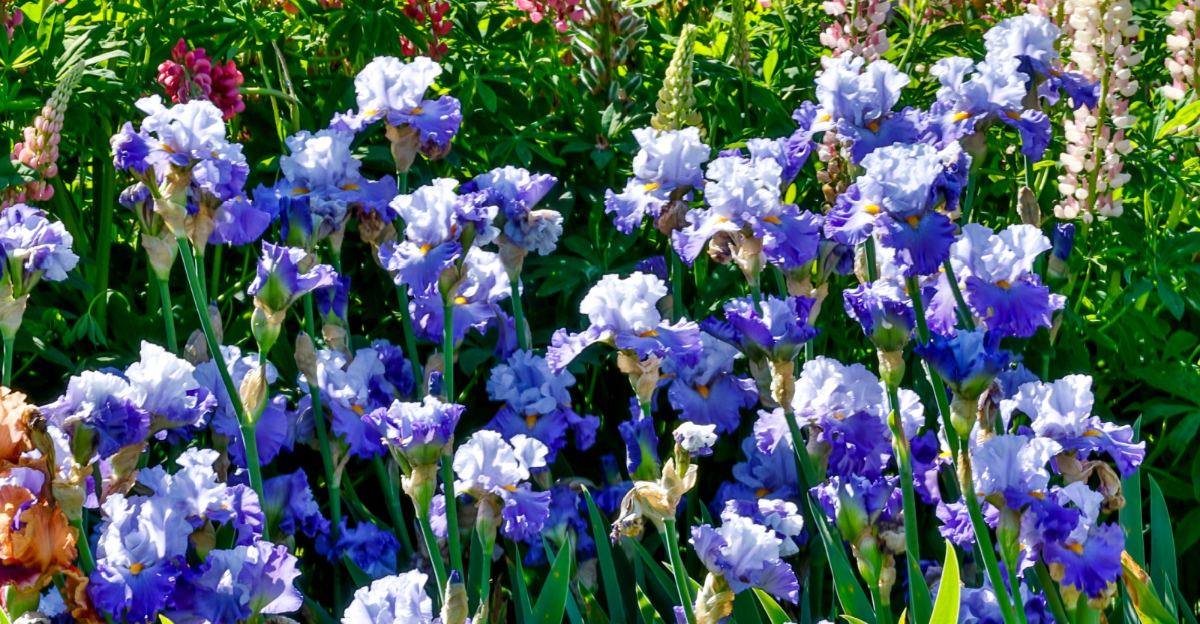
Nothing in the spring garden stops people in their tracks quite like a full bearded iris display. Tall stalks loaded with ruffled blooms in purple, gold, white, and burgundy are genuinely impressive to see.
That kind of display does not happen by accident. It is the direct result of smart dividing work done the previous summer during bearded iris dividing season in Colorado.
Renewed vigor is the payoff for every hour spent digging, separating, trimming, and replanting in the heat of July or August. The plants remember that care and respond with everything they have.
Fuller displays happen because each division now has its own space, its own nutrients, and its own energy budget to spend entirely on flowering. Nothing is wasted on competition or survival stress.
Gardeners who skip dividing for too many years often end up with a green jungle and almost no blooms. The contrast between a neglected bed and a freshly divided one is striking.
Color combinations become more vivid when plants are healthy and well-fed. Petals open wider, colors appear more saturated, and the overall display looks professionally maintained rather than wild and overgrown.
Spring visitors to your yard will ask what your secret is. The answer is simple: you divided on schedule and gave each plant the room it needed to perform at its best.
Fuller displays are not just beautiful, they are deeply satisfying. You did the work, and the garden is giving it all back to you in the most colorful way possible.