These North Carolina Perennials Establish So Deep You Plant Them Once And Never Replace Them
You are out back on a muggy July evening, dragging your chair into the shade, and you notice the same tired flower bed you refilled with new plants last spring. Buying and replacing plants every year gets old, and it hits your wallet harder than a busted water bill. But some North Carolina perennials dig in so deep and so tough that you plant them one time and they simply keep coming back. These are the quiet workhorses that shrug off red clay, surprise cold snaps, and August drought.
Here are nine of the best for NC yards, and why each one earns its spot for good.
1. Purple Coneflower Roots Deeper Than You Think
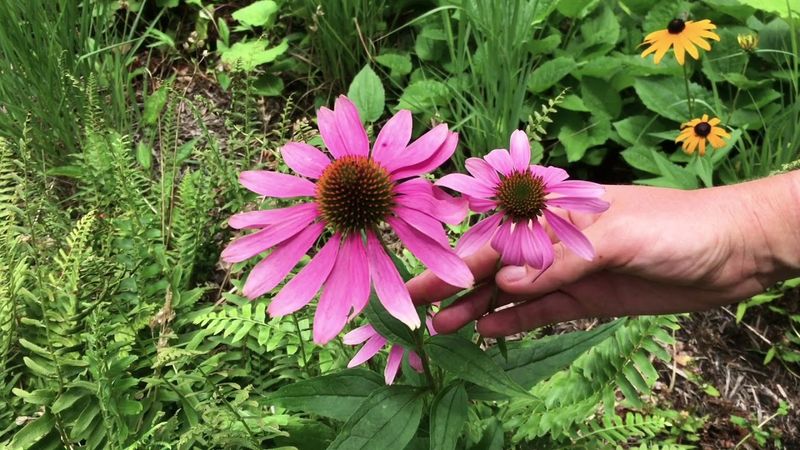
Picture a scorching Piedmont afternoon with no rain in the forecast for two weeks, and your grass going crispy at the edges. Right in the middle of that, purple coneflower (Echinacea purpurea) stands there blooming like nothing is wrong.
Here is the reason it can pull that off. Its taproot drives 3 to 5 feet straight down into red clay, reaching water long after shallow-rooted annuals give up. That deep anchor is exactly why you plant it once and let it ride for years.
Space new plants about 18 inches apart in full sun, meaning at least 6 hours of direct light. Fall planting works well across North Carolina, roughly six weeks before your first frost, which lands late October in the Piedmont. Water it deeply the first season, then mostly walk away.
The payoff is the crowd it draws. Goldfinches cling to the spent seed heads in fall, and bees work the purple petals all summer. NC State Extension lists it among the toughest natives for Southern gardens, and it earns that reputation. Leave the seed heads standing through winter and you feed the birds while you save yourself a fall cleanup.
2. Black-Eyed Susan Spreads Instead Of Fading
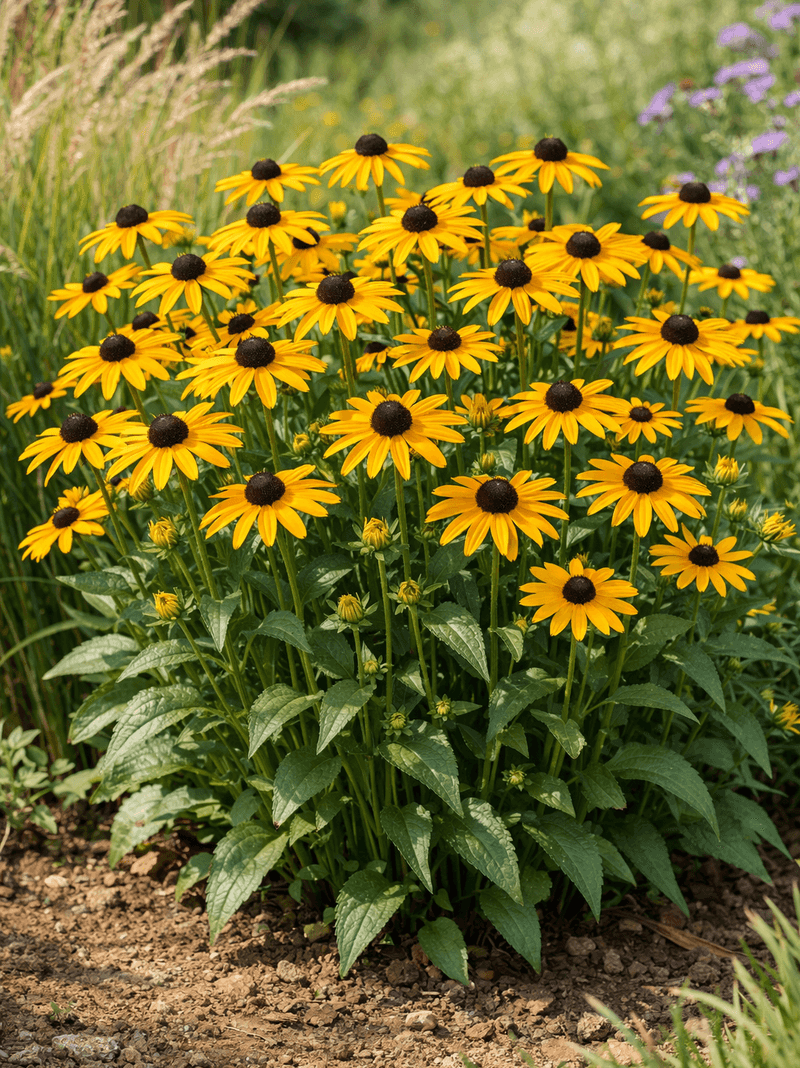
Most cheerful flowers fizzle out after a year or two, leaving you a bare patch. Black-eyed Susan (Rudbeckia fulgida) does the opposite. It settles in and quietly widens each season until a single plant becomes a golden drift.
The trick is a fibrous, spreading root system that knits itself through even stubborn clay. Those roots hold the soil on a slope and shrug off the muggy summers that rot fussier perennials. So instead of replacing it, you end up dividing it and sharing clumps with neighbors.
Plant in full sun with about 24 inches between clumps, since they fill in fast. Early fall is genuinely the sweet spot in North Carolina, giving roots time to settle before spring. Cut it back to a few inches after the first hard frost, or leave the heads for the birds.
Come August, when Japanese beetles have chewed your roses ragged, these gold blooms keep glowing without complaint. Native bees and small butterflies work them steadily. It is the plant that makes a beginner look like they have been gardening for decades.
3. Joe Pye Weed Feeds Fall Monarchs
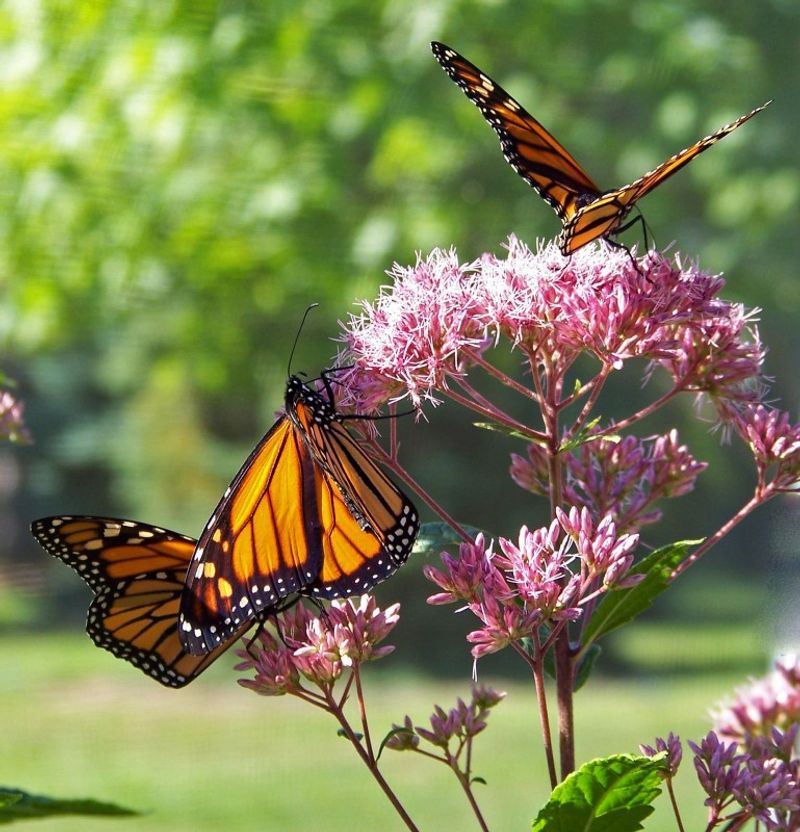
Come late summer, monarch butterflies are fueling up for a long trip south, and they need a gas station along the way. Joe Pye weed (Eutrochium purpureum) becomes exactly that, its dusty-pink flower heads towering 5 to 7 feet tall and humming with wings.
Your North Carolina Garden Changes Every Week. Your Plan Should Too.
Gardening in North Carolina changes quickly throughout the season. Every Friday you’ll receive a simple weekly plan showing exactly what to plant, prune, fertilize, harvest, and protect so you never miss the right timing.
What makes it a one-and-done pick is the way its roots love the damp, low spots most plants hate. That rain-soaked corner of the yard after an afternoon storm is prime real estate for Joe Pye. Once established, it returns bigger every single year with zero fuss.
Give it room, spacing plants about 3 feet apart in full to part sun, and pick a spot with moist soil. Fall or early spring planting both work across the Coastal Plain and Piedmont. It dies back in winter, then bursts up again on its own schedule.
The stakes here are real for wildlife. Monarch numbers have dropped hard over the years, and NC State Extension points to native nectar plants like this as a genuine lifeline during fall migration. Plant it once at the back of a border, and you have built a rest stop that reopens every August.
4. Butterfly Weed Ignores Sandy Soil
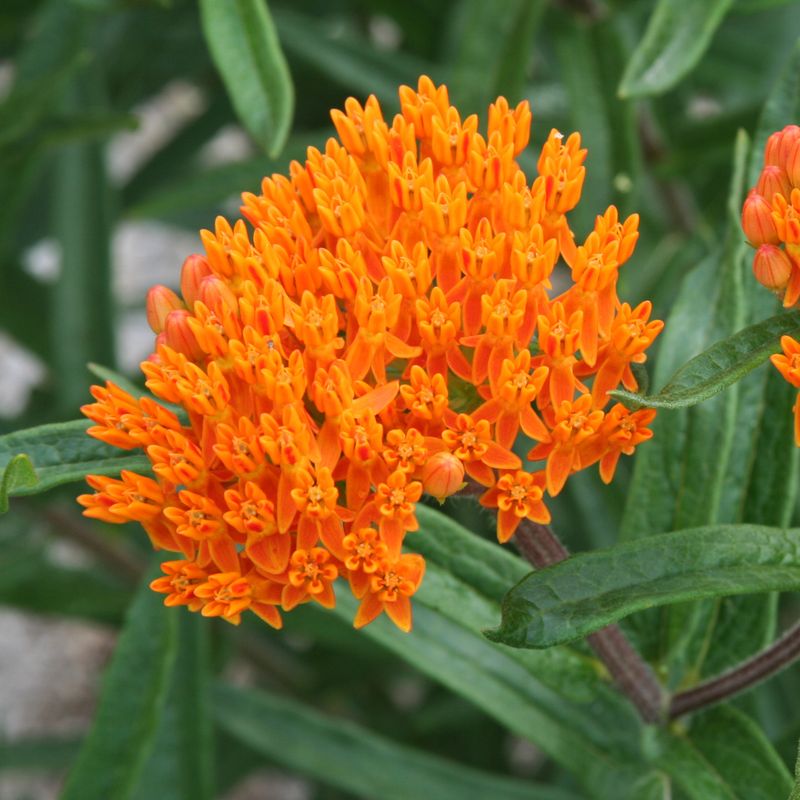
Sandhills gardeners know the struggle. Water pours through that sandy soil like a sieve, and half of what you plant dries to a crisp. Butterfly weed (Asclepias tuberosa) laughs at those conditions.
Its secret is a fat, carrot-like taproot that stores water and reaches deep for more, which is why it thrives in the driest, poorest ground you have. That same taproot makes it nearly impossible to move once settled, so plant it exactly where you want it and leave it there for good.
Set plants 18 inches apart in full sun and do not baby the soil. It genuinely prefers lean, sandy or gravelly ground over rich beds. Water lightly the first summer, then let nature handle it, and skip the fertilizer entirely.
Those blazing orange blooms are a milkweed, meaning monarch caterpillars actually eat the leaves while adults sip the nectar. But here is the honest limit. It emerges late in spring, so mark the spot in fall so you do not dig it up by accident. Patience pays off when the orange fireworks arrive in June.
5. Daylilies Survive Neglect And Drought
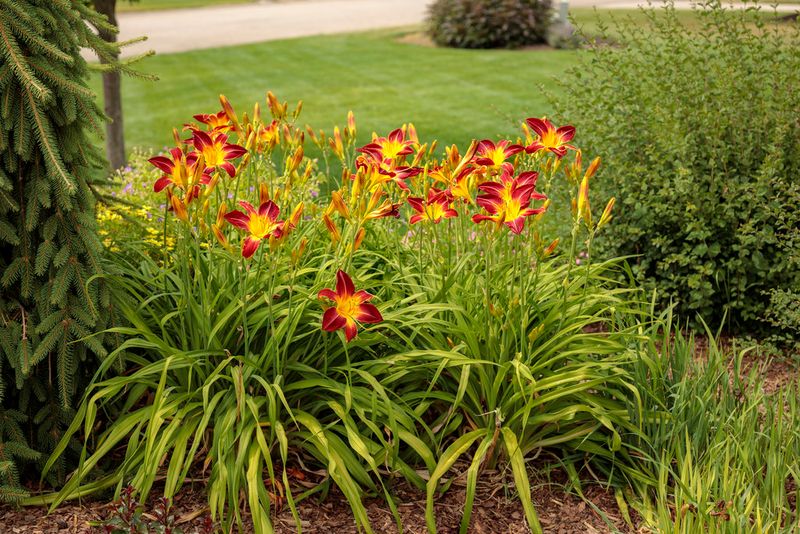
Drive any back road in North Carolina in June and you will spot daylilies (Hemerocallis) blooming beside abandoned homesteads where nobody has gardened in decades. That alone tells you something.
The reason they persist is a dense mat of thick, tuberous roots that stores energy and moisture underground. They handle red clay, sandy loam, drought, and neglect that would kill nearly anything else. So once you tuck them in, replacing them never crosses your mind.
Plant clumps 18 to 24 inches apart in full sun to light shade, with the crown sitting just at the soil surface. Fall is ideal, but honestly these are so forgiving you can move them almost any time. Divide overgrown clumps every 3 to 4 years to keep blooms coming strong.
Each flower lasts a single day, which is where the name comes from, but a healthy clump throws hundreds of buds across the season. Choose reblooming types and you stretch color from May into fall. For a bed you want to plant and forget, few things beat them.
6. Goldenrod Blooms When Everything Else Quits
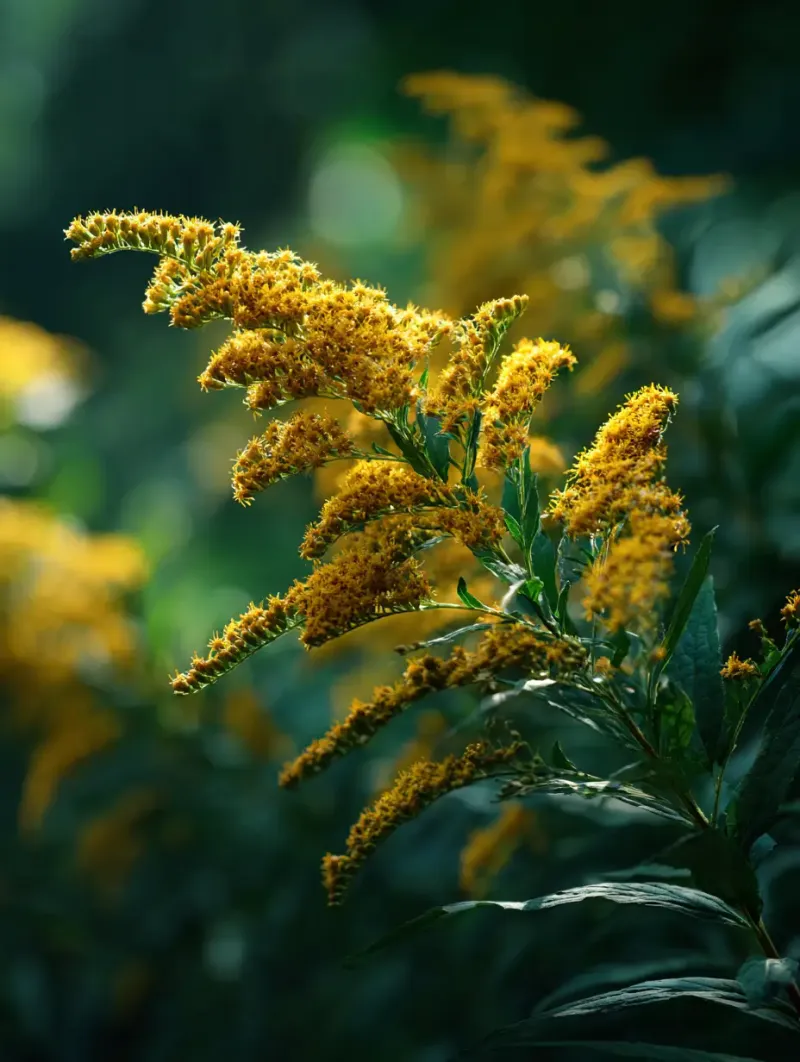
Goldenrod gets blamed for fall allergies, and that reputation is flat wrong. The real culprit is ragweed blooming at the same time. Goldenrod (Solidago) is actually one of the most valuable plants you can put in a North Carolina yard.
Its strength is a tough, creeping root system that spreads through poor soil and holds firm through hurricane-season downpours from June through November. Established clumps come back thicker each year without any help from you. That reliability is why it earns a permanent spot.
Pick a clumping variety if you want manners, and space plants about 2 feet apart in full sun. Fall planting suits it well across the Piedmont and mountains. Cut it back after frost, and it returns on its own each spring.
When your summer flowers have called it quits in September, goldenrod lights up gold and swarms with the last bees and butterflies before winter. Pair it with purple asters for a color combo that looks like fall itself. Plant it once and it becomes the closing act of your garden every year.
7. Bee Balm Comes Back Thicker Yearly
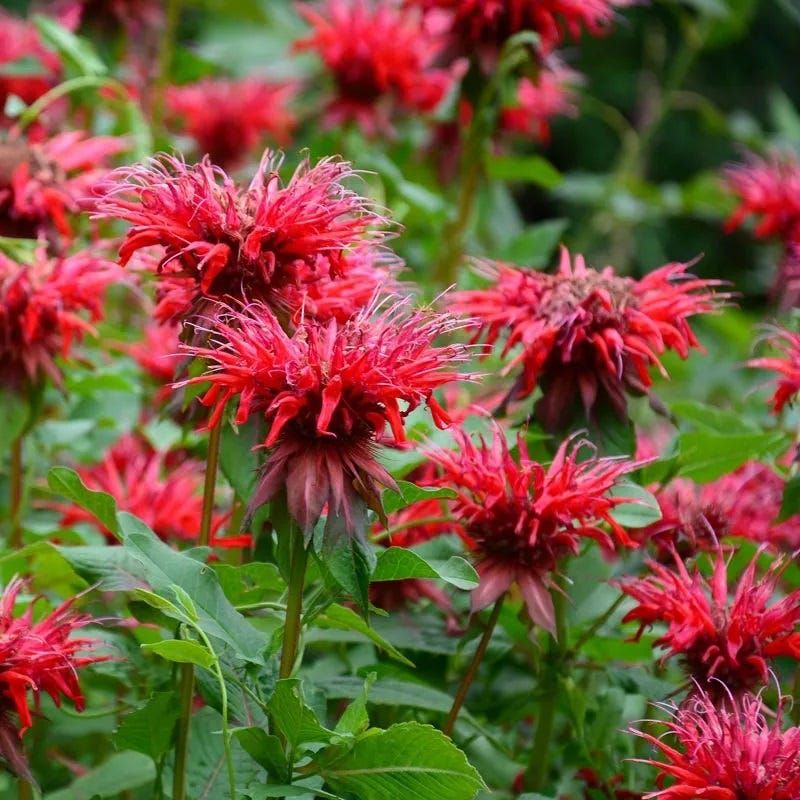
Hummingbirds will find bee balm (Monarda didyma) from what seems like a mile off, dive-bombing the shaggy red and lavender blooms all summer. It is a genuine magnet for anything with wings.
Underneath, it spreads by shallow runners that knit into a wide, resilient colony. Those runners let it bounce back fast even after a rough winter cold snap, the kind that surprises the Piedmont in March. Rather than replacing it, you will be pulling extra clumps to share.
Space plants 18 to 24 inches apart in full sun to part shade, ideally where air moves freely. Good airflow matters because bee balm can catch powdery mildew in our humid summers, so mountain gardens with cooler nights often fare best. Choose mildew-resistant varieties and thin the stems to help.
Cut it back after flowering for a possible second flush, and divide it every few years to keep it vigorous. The mint-family leaves smell sharp and clean when you brush past them on the porch steps. For a pollinator bed that refills itself, it is hard to top.
8. Hostas Hold Down The Shade
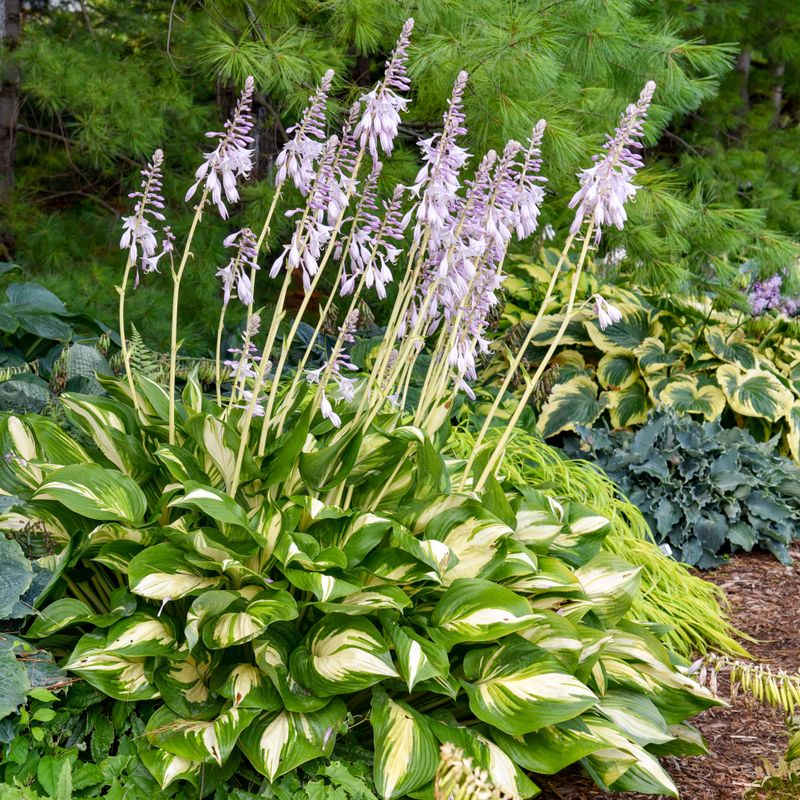
Every yard has that dim spot under a big oak or on the north side of the house where grass sulks and flowers fail. Hostas (Hosta) treat that gloomy corner like a five-star resort.
Their power lies in a dense, fibrous root crown that expands steadily and outcompetes weeds in the shade. Once a clump matures, it returns faithfully for a decade or more with barely a thought from you. That longevity is exactly why they belong on a plant-once list.
Set them 18 to 30 inches apart depending on the variety, in part to full shade with soil that stays a little moist. Fall planting lets roots settle before summer heat. Slugs are the main nuisance in our damp climate, so a ring of coarse mulch or a nighttime patrol may help keep leaves clean.
Beyond the lush foliage in blue, gold, and green, mature clumps send up flower spikes that hummingbirds visit. Deer love them too, so a repellent or a fence matters in wooded areas. Solve your shade problem once, and hostas hold that ground for years.
9. Amsonia Turns Gold And Never Leaves
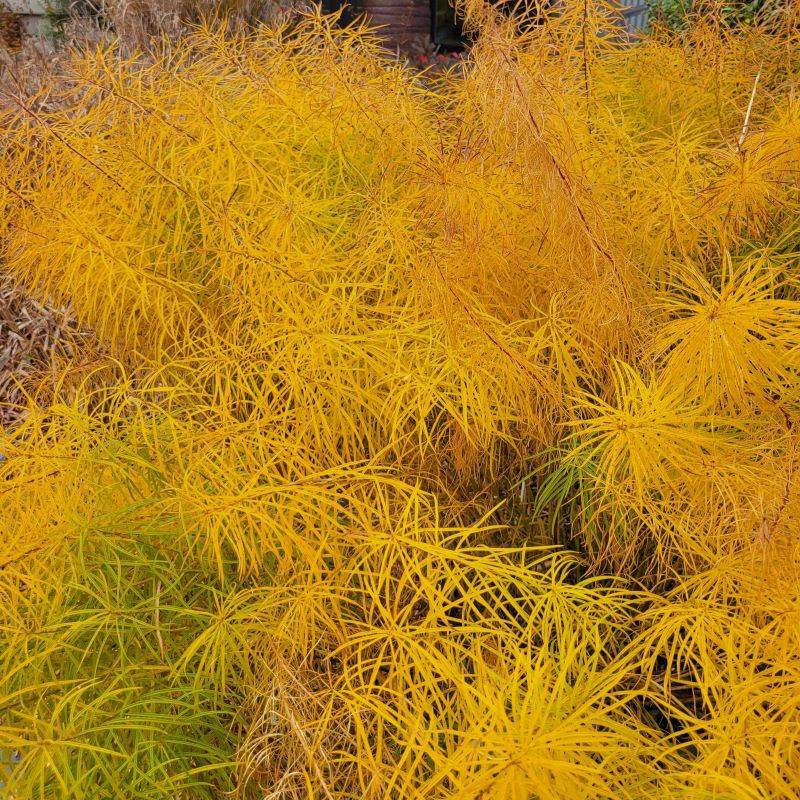
Most gardeners have never heard of amsonia, and that is a genuine shame. Blue star (Amsonia hubrichtii) is one of the toughest, longest-lived perennials you can plant in North Carolina, and it puts on two shows a year.
Deep, woody roots anchor it firmly, letting it stand up to drought, clay, and wind without staking or coddling. A mature clump can live 15 years or more in the same spot, which makes replacing it a non-issue. It just gets fuller and more handsome with age.
Give it full sun to light shade and space plants about 3 feet apart, since one clump grows into a rounded, shrubby mound. Fall or early spring planting both work across the Piedmont. Cut it to the ground after the fall show and wait for it to reappear.
In spring it opens soft powder-blue flowers, and in October the feathery foliage blazes an unforgettable gold that rivals any tree. It closes out the garden year with quiet fireworks. Plant it once at the corner of a bed, and you will wonder how you gardened without it.