The Olla Watering Habit That Helps Plants Through Arizona Heat
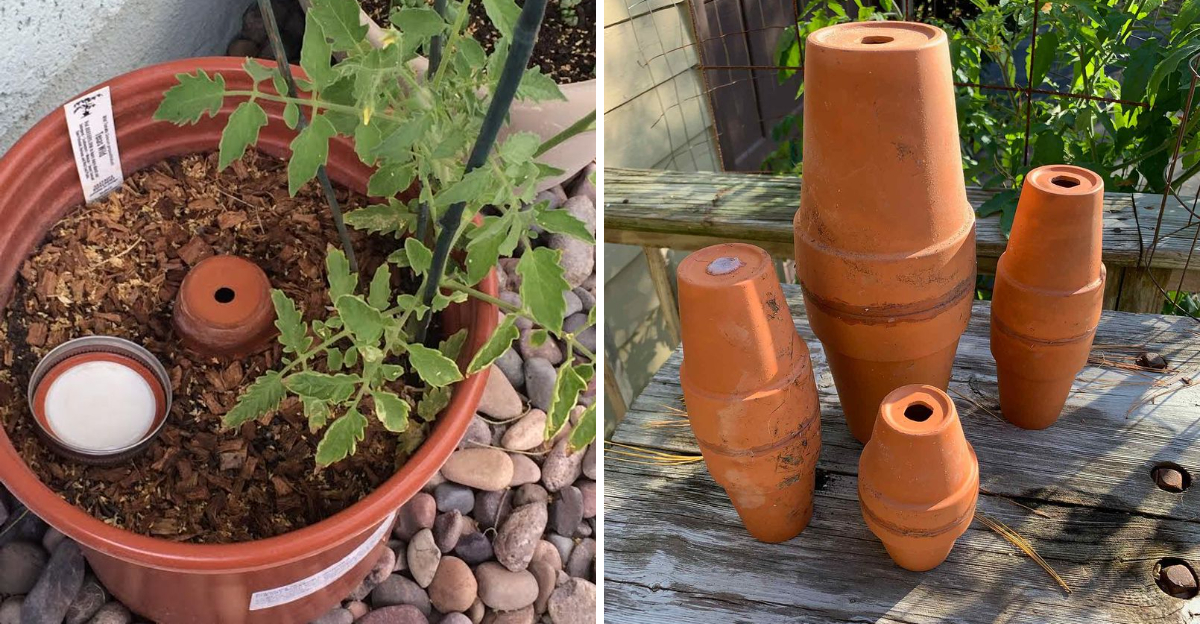
Hot weather can empty garden beds faster than most people expect, especially when water disappears before roots can fully use it. If you are relying on quick surface watering every day, it may be time to change your routine.
One small habit with an olla can make a noticeable difference during long stretches of Arizona heat.
Give your plants steady moisture instead of guessing when they need another drink. A simple adjustment to the way you refill and use an olla helps water reach the root zone more consistently while reducing waste.
That means less stress for your plants when temperatures stay high.
Do not assume you need more water to get better results. Start with a better watering habit, and let your plants benefit from it throughout the hottest weeks of the season.
1. Refill Before The Reservoir Runs Empty
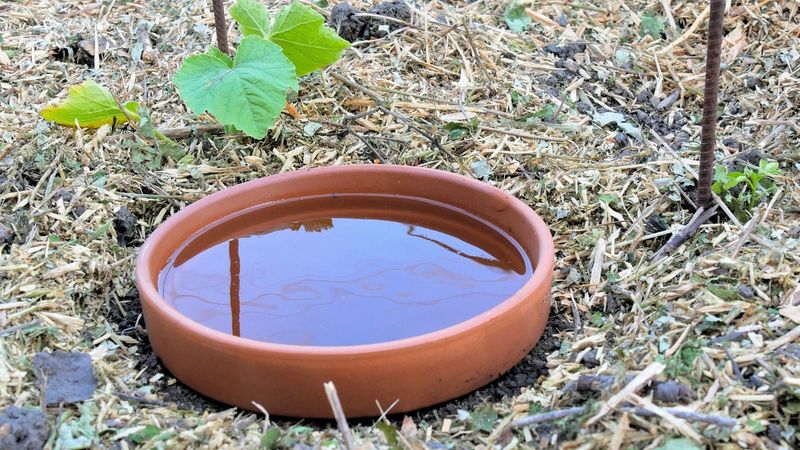
Waiting until the olla is bone dry before refilling it puts your plants in a tough spot. Moisture delivery slows down significantly once the clay runs low.
Roots that were getting a steady supply suddenly feel the pressure of a dry spell.
Checking your olla every two to three days during peak summer heat is a smart habit. Lift the cover and peek inside.
If the water level has dropped below halfway, go ahead and top it off right then.
Consistent moisture in the reservoir means consistent delivery to the root zone. Plants under heat stress benefit most from steady, reliable moisture rather than a flood-and-drought cycle.
Letting the olla empty completely can interrupt that rhythm.
A simple routine makes this easy. Refill during the cooler morning hours when you are already outside.
Keep a dedicated watering jug nearby so the task takes less than two minutes.
Ollas work best when treated like a slow, steady fuel tank rather than a bucket you fill only when empty. Topping off before it runs dry keeps the soil moisture level stable.
2. Root Zone Placement Makes Watering More Effective
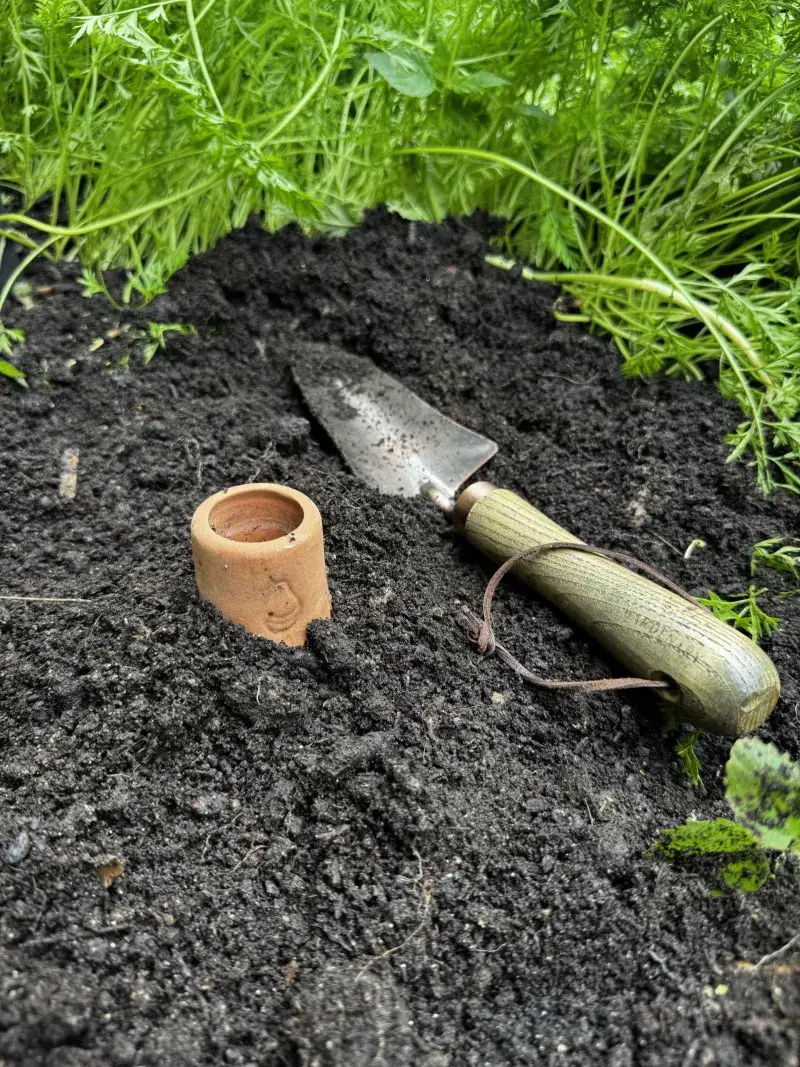
Placement is everything with ollas. Drop one too far from the plant stem and the moisture seeps into soil where no roots are reaching.
Roots follow water, but only if the water is close enough to pull them in.
Burying the olla within six to twelve inches of the target plant gives roots a clear path to moisture. Compact, clay-heavy desert soils limit how far water moves sideways.
Closer placement means more reliable delivery.
Vegetable gardens respond especially well when each olla is centered between two or three plants. Squash, tomatoes, and peppers all send out wide root networks.
Positioning the pot where those roots naturally spread gives each plant a fair share.
Avoid placing ollas near large rocks or hardscape edges. Those spots often have compressed soil that blocks moisture movement.
Open, cultivated soil lets water seep outward more evenly.
Depth matters too. The body of the olla should sit fully underground with only the neck sticking out.
Burying it at the right depth puts the porous walls directly in contact with the active root layer, usually the top eight to fourteen inches of soil.
Your Arizona Garden Changes Every Week. Your Plan Should Too.
Gardening in Arizona changes quickly throughout the season. Every Friday you’ll receive a simple weekly plan showing exactly what to plant, prune, fertilize, harvest, and protect so you never miss the right timing.
3. Covering The Opening Reduces Evaporation
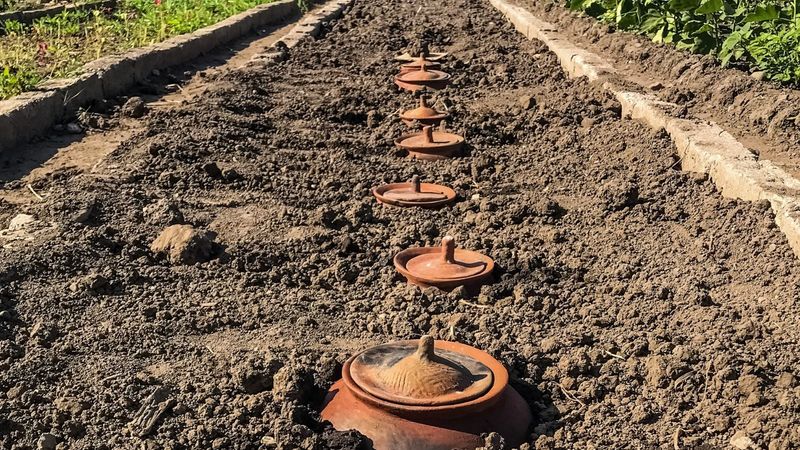
An uncovered olla neck is an open invitation for evaporation. In dry desert air, exposed water disappears fast.
Even a small opening left uncovered can lose a surprising amount of moisture on a hot afternoon.
A simple flat stone works well as a cover. It sits right over the neck opening and blocks direct sun and wind.
No special equipment needed, just something that fits snugly enough to keep heat and air out.
Terracotta saucers are another popular option. They match the material of the olla itself and are easy to lift and replace during refills.
Some gardeners use small pieces of slate or ceramic tile with equally good results.
Covering the opening also keeps debris out. Leaves, dirt, and insects can fall into an open olla neck over time.
A dirty reservoir can affect how freely water seeps through the clay walls, so keeping it clean starts with keeping it covered.
In Arizona, where summer air is extremely dry and wind is common, even a partial cover makes a measurable difference in how long a filled olla lasts. More water staying in the pot means more water reaching roots.
Less refilling means less effort on your part during the hottest stretch of the day.
4. The Neck Belongs Above The Soil Line
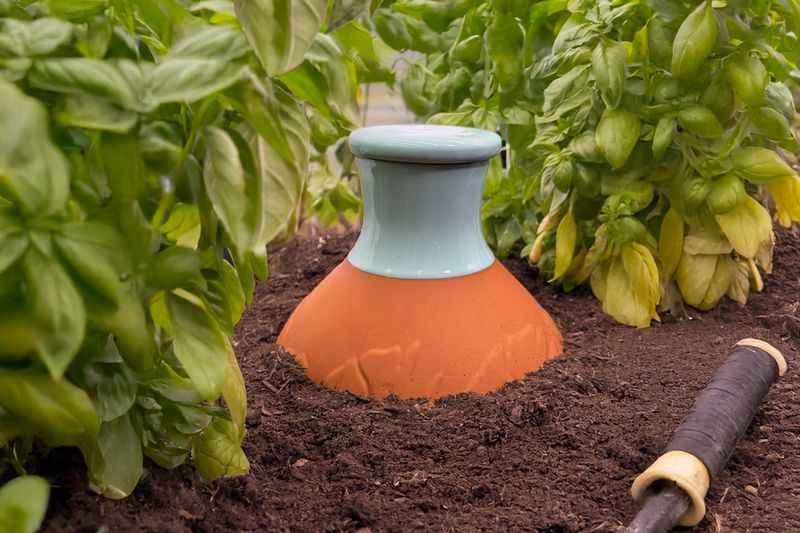
Burying the olla neck underground seems like it might help hide the pot, but it creates real problems. You lose easy access for refilling, and moisture can seep out from the neck instead of the body where it belongs.
Keeping the neck above the soil line lets you check water levels without digging. A quick glance or a finger dip tells you exactly how full the reservoir is.
That kind of easy access makes regular maintenance actually happen instead of getting skipped.
Above-ground necks also make it simpler to add a cover. A stone or saucer rests cleanly on the lip.
Buried necks make covering nearly impossible and leave the water supply exposed to the elements.
Some gardeners worry the exposed neck looks messy in a garden bed. Surrounding it with a small ring of gravel or decorative stones blends it in without blocking access.
Function stays intact while the look improves.
Proper installation matters more than most people expect. An olla placed too shallow may not deliver moisture deep enough for established roots.
One buried too deep with a submerged neck becomes frustrating to maintain. Aim for the sweet spot where the body sits fully underground and the neck clears the soil surface by at least an inch.
5. Choose An Olla That Fits The Planting Area
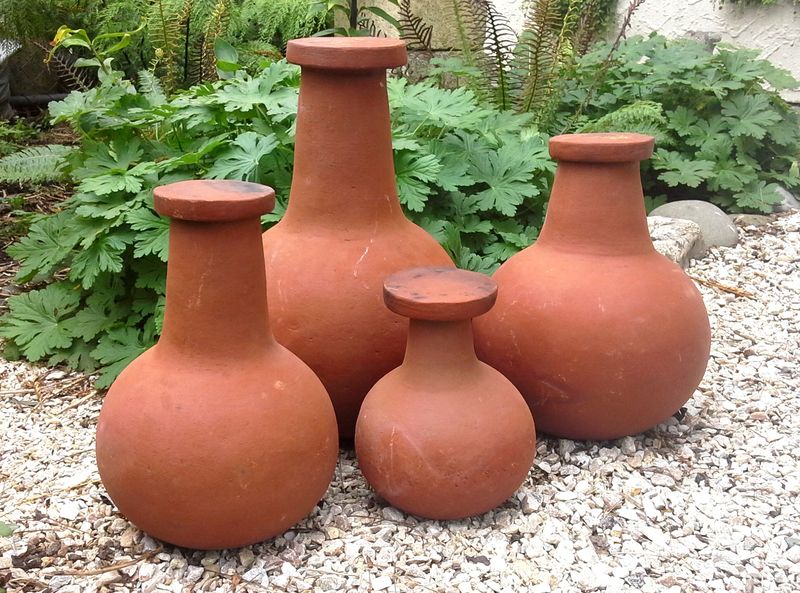
Grabbing the biggest olla available sounds like a smart move, but size mismatch causes real problems. A large pot in a small raised bed can oversaturate a tight space.
Roots sitting in overly wet soil can struggle, especially in poorly draining desert clay.
Smaller ollas work well for containers, compact raised beds, or individual plants like peppers and herbs. Larger ollas suit sprawling crops like squash, melons, or established fruit trees.
Matching size to planting area makes moisture delivery more precise.
A general rule of thumb: one quart to one gallon capacity covers roughly a two to three foot planting radius. Larger vessels with two to four gallon capacity can support wider beds.
These are rough estimates since soil type, plant size, and heat level all affect actual performance.
Think about how often you want to refill. A smaller olla in extreme heat may need topping off every day or two.
A larger one might last three to four days between refills. Your schedule and garden layout should factor into that choice.
In hot desert regions, gardeners often use multiple smaller ollas spaced evenly across a long bed rather than relying on one large pot. That approach spreads moisture more evenly and avoids dry pockets between plants.
6. Mineral Deposits Can Block Water Movement
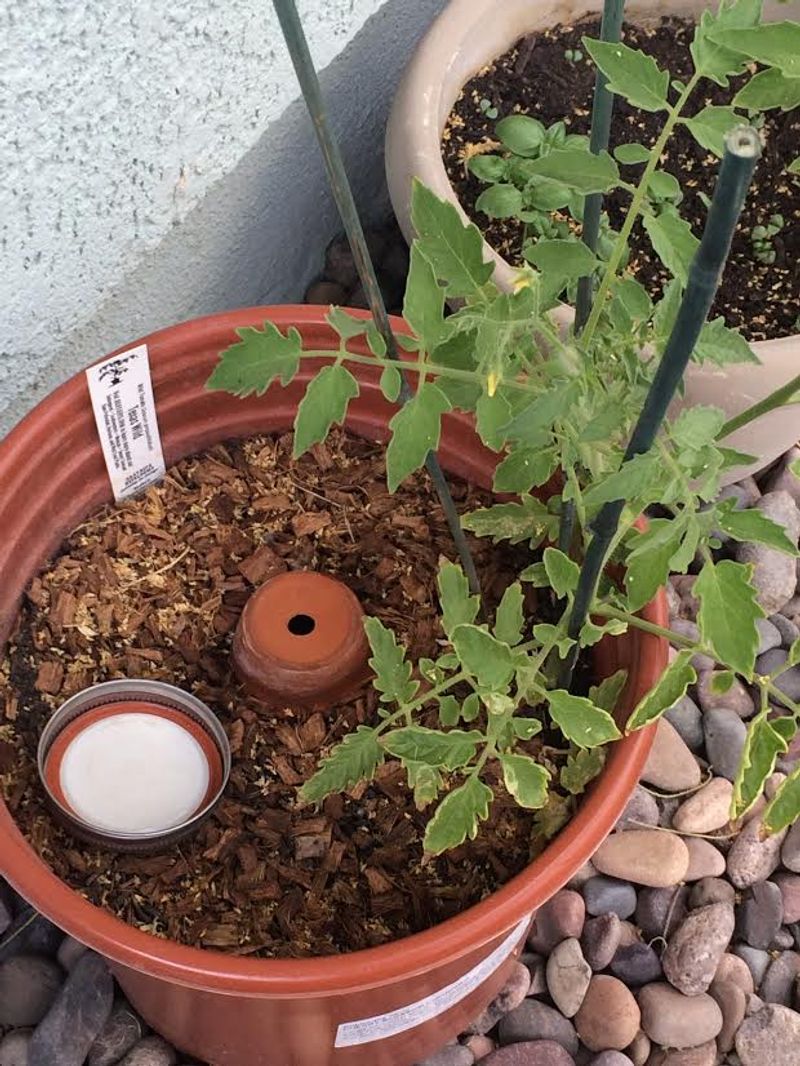
Hard water leaves behind mineral residue over time. In many parts of Arizona, tap water carries high levels of calcium and magnesium.
Those minerals accumulate on the inner walls and pores of a clay olla, gradually slowing water movement.
Early signs of buildup include white or grayish crust forming around the outside of the pot. You might also notice the soil around the olla staying drier than usual even after a full refill.
Both are signals worth paying attention to.
Soaking the olla in a diluted white vinegar solution can help loosen mineral deposits. A ratio of one part vinegar to four parts water works for a basic soak.
Leave the pot submerged for several hours, then scrub gently with a soft brush before rinsing thoroughly.
Letting the pot dry completely between soaks and reinstallation prevents moisture from being trapped inside the clay during cleaning. Rushing that step can leave residue behind that interferes with the next soak.
Prevention is easier than removal. Using filtered or collected rainwater reduces how quickly deposits form in the first place.
Rainwater is naturally soft and carries far fewer dissolved minerals than municipal tap water. Not everyone has easy access to rainwater, so seasonal cleaning becomes more important when tap water is the main source.
7. Clean Water Helps Prevent Buildup
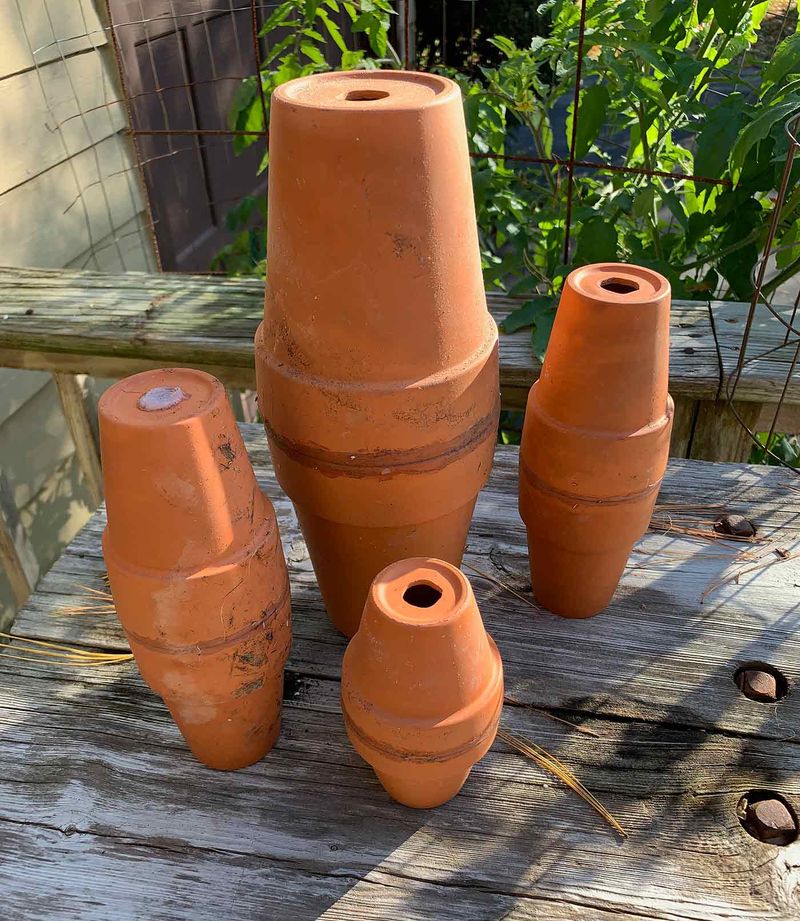
Water quality has a direct impact on how long an olla stays functional. Tap water loaded with minerals slowly clogs the tiny pores in unglazed clay.
Once those pores are restricted, moisture delivery drops and plants feel the difference.
Collected rainwater is a practical alternative when it is available. Rainwater is naturally low in dissolved minerals and moves freely through clay.
Even using it occasionally during the rainy season can reduce overall buildup compared to relying solely on tap water.
Filtered water is another option worth considering, especially for gardeners who already use a home filtration system. Running olla refills through a basic carbon filter removes a portion of the minerals before they ever reach the pot.
Avoid adding fertilizer solutions directly into the olla. Nutrient salts and additives can coat the clay pores faster than plain water.
Fertilizing through the soil separately keeps the olla clean and functioning properly.
Algae can also develop inside an olla if sunlight reaches the water through a clear or uncovered neck. Keeping the opening covered and using opaque covers limits light exposure.
Algae growth is usually not harmful to plants, but it can contribute to blockage over time if left unchecked.