The Florida Mulch Mistake That Makes Rainy Season Flooding Worse
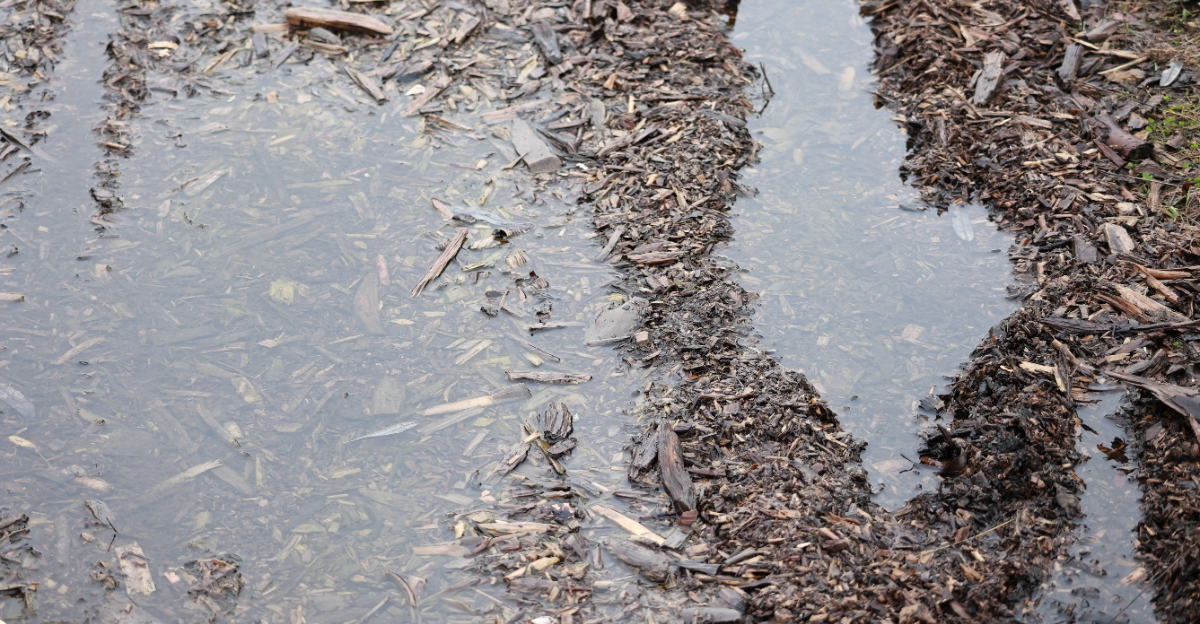
Most Florida homeowners pile mulch on thick and assume the job is done. It feels like a simple fix, cheap, easy, and low effort for a tidier yard. But there’s a common mulching habit that quietly turns garden beds into standing pools every time a storm rolls through.
The problem isn’t obvious at first glance. It hides in plain sight, right there in your landscaping, doing damage long before you notice the puddles forming. Most people never think to question it, because on the surface, it looks like they’re doing everything right.
If your flower beds resemble small ponds after every afternoon downpour, the answer might be closer than you think. One small adjustment during rainy season could save your plants from root rot and your yard from turning into a swamp.
One Common Mulching Habit Is Quietly Worsening Rainy Season Drainage
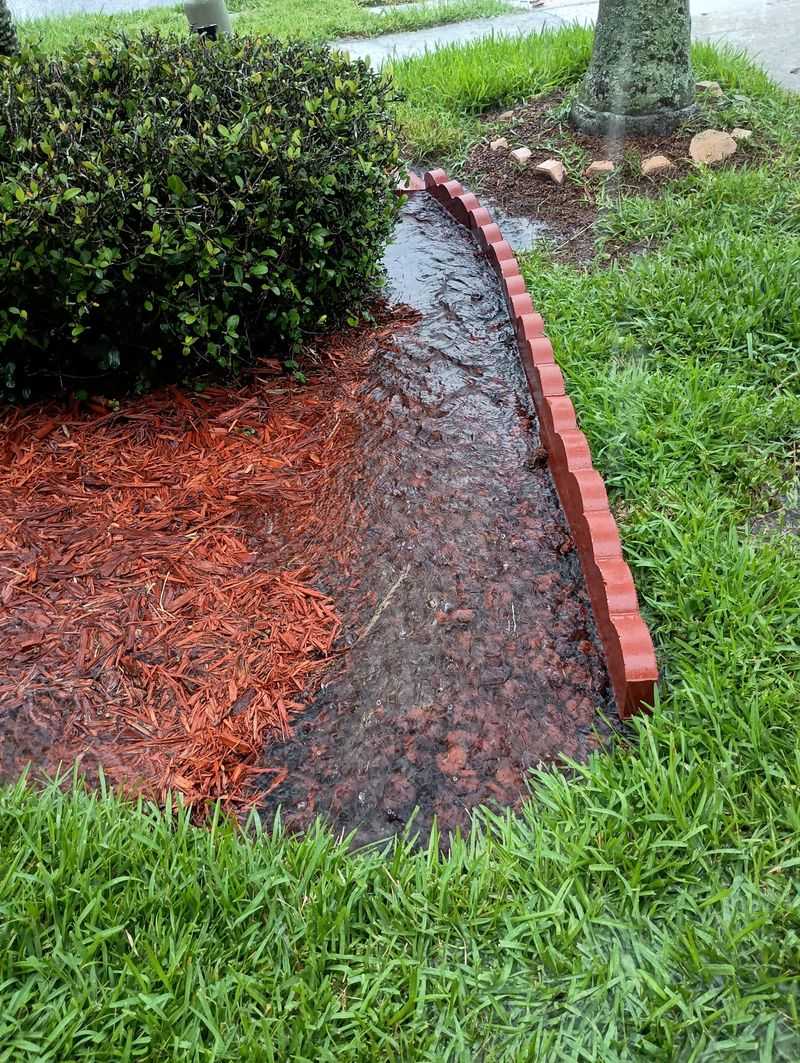
Walk outside after a Florida downpour and you might notice something odd. Water is sitting on top of your mulch like a shallow pond.
That soggy scene is not just an eyesore. It is a sign that your mulch is blocking drainage instead of helping it.
The Florida mulch mistake that makes rainy season flooding worse starts with one simple habit: piling on too much at once. Homeowners often add fresh layers every season without removing the old stuff beneath.
Those layers compact over time and form a dense mat. That mat acts more like a tarp than a sponge.
Water cannot push through a compressed mulch barrier fast enough during heavy rain. So it spreads sideways, pools around your foundation, and soaks into places you never intended.
This is especially risky in Florida, where afternoon storms can deliver heavy rainfall in a short window. Drainage has to happen fast, or flooding follows.
Most people do not realize their mulch has become part of the problem. They blame the soil, the slope, or the rain itself.
But the fix often starts right at the surface. Understanding how mulch behaves during a downpour reshapes how you manage your yard.
Rainy season in Florida is not forgiving of small landscaping mistakes. Knowing what to look for before the clouds roll in gives you a real advantage.
Piling Mulch Too High Blocks Water From Draining Properly
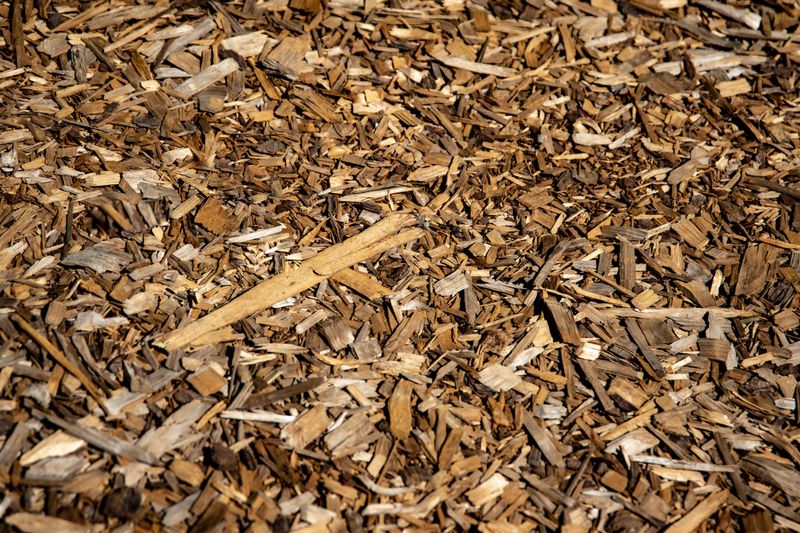
Picture a thick wool blanket soaked in water. That is essentially what over-mulched garden beds become after heavy Florida rain.
Many homeowners pile mulch four, six, even eight inches deep. Experts recommend keeping it between two and three inches maximum.
When mulch exceeds that depth, it creates serious drainage resistance. Rainwater hits the surface and cannot penetrate fast enough to reach the soil below.
The water then travels horizontally, moving toward your driveway, sidewalk, or home foundation. That redirected flow is a common cause of localized yard flooding in residential neighborhoods.
Thick mulch also traps heat and moisture at the surface. That warm, wet environment becomes a breeding ground for mold and pests.
Another problem with over-piling is something called hydrophobic mulch. Certain wood-based mulches, when packed too densely, actually repel water rather than absorbing it.
Your Florida Garden Changes Every Week. Your Plan Should Too.
Gardening in Florida changes quickly throughout the season. Every Friday you’ll receive a simple weekly plan showing exactly what to plant, prune, fertilize, harvest, and protect so you never miss the right timing.
Cypress mulch is a common offender in Florida landscapes. It looks great but sheds water like a duck’s back when compressed.
Spreading mulch too thick also cuts off oxygen to plant roots. Roots need steady oxygen exchange at the soil surface to stay healthy.
The fix is simple but requires discipline. Rake out the excess, measure your depth, and resist the urge to keep adding more each season.
Proper depth is not just about plant health. It is your first line of defense against rainy season drainage issues.
Compacted Mulch Beds Shed Water Instead Of Absorbing It
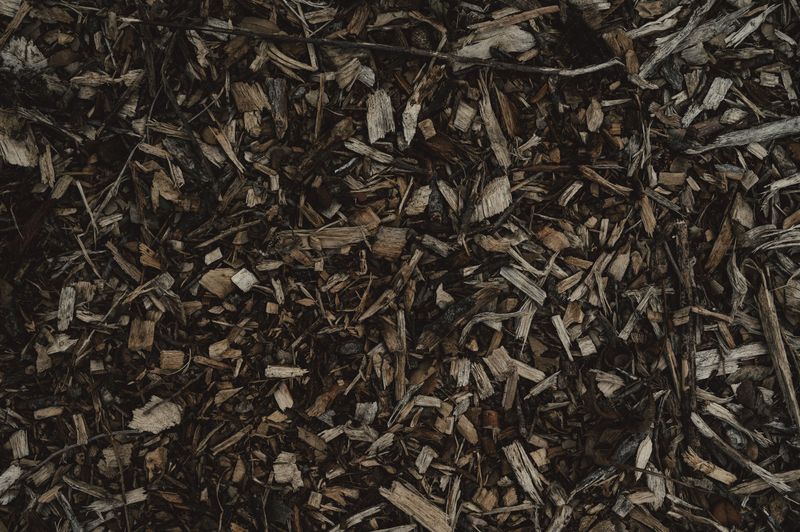
Old mulch gets dense. Step on it a few times, add some foot traffic, and it presses down into a solid layer.
Compacted mulch loses its porous texture entirely. Instead of welcoming rainfall, it pushes water away like a sidewalk would.
This is one of the sneakiest contributors to rainy season flooding. The mulch looks fine from above, but underneath it is basically a sealed surface.
When a storm hits, water cannot penetrate the compacted layer fast enough. It beads up and runs off in sheets, carrying soil and nutrients with it.
Erosion around plant beds becomes a visible sign of this problem. Soil washes out from under the mulch and collects in low spots across the yard.
Compaction also happens faster in Florida because of the intense sun and humidity cycles. Mulch dries out completely between storms, then gets hammered by heavy rain repeatedly.
That alternating dry-wet cycle breaks down the mulch structure quickly. Within one season, a fresh layer can become as hard as packed dirt.
Aerating your mulch beds is a simple and effective solution. Use a hand rake or garden fork to fluff the surface every few weeks during rainy season.
Loosening the top layer restores the porosity that allows water to move downward. Healthy mulch should feel springy and light, not flat and firm.
Soft mulch absorbs. Hard mulch sheds. That one difference determines whether your yard drains or floods after the next storm.
Poor Drainage Around Mulch Invites Root Rot And Fungus
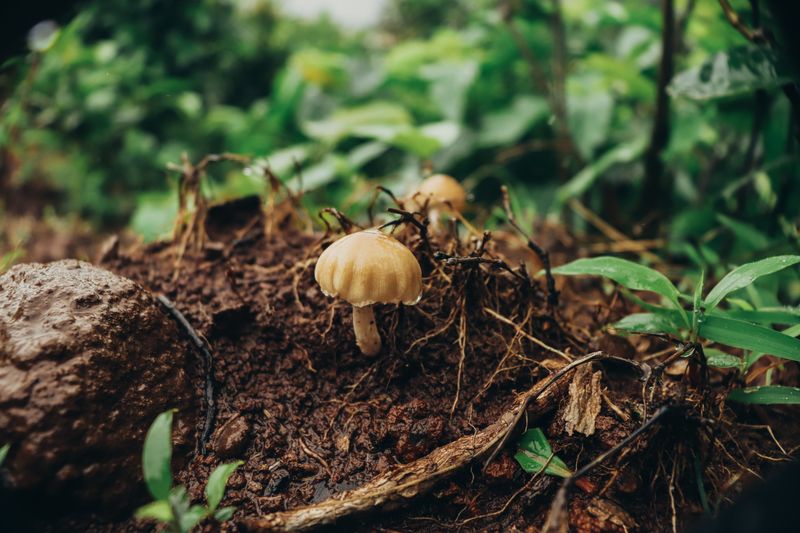
Standing water is not just a nuisance. It is an open invitation for root rot, fungal disease, and plant decline.
When mulch holds moisture against plant stems and roots for too long, the damage starts fast. Florida’s heat speeds up decay and other biological processes.
Root rot sets in when soil stays waterlogged for extended periods. The roots cannot access oxygen, and the plant slowly weakens from the ground up.
You might not notice it at first. The leaves yellow slightly, growth slows, and then the plant declines rapidly.
Fungal growth is often the first visible warning sign. White, gray, or orange patches on the mulch surface mean moisture is trapped and not escaping.
Some fungi are harmless, but others actively attack plant tissue. Artillery fungus shoots spores onto nearby surfaces and is notoriously hard to remove.
Mulch that is too deep, too compacted, or placed too close to stems holds moisture in the worst possible spots. The zone right around the base of a plant is the most vulnerable.
Keeping mulch at least two inches away from any stem or trunk helps reduce fungal risk. That small gap allows air circulation and prevents moisture buildup.
Good drainage around mulch is not optional in Florida. It is the difference between a thriving garden and a soggy, diseased mess that costs hundreds to replace.
Protect your plants now, before the next storm turns your beds into a petri dish.
Correct Depth And Placement Keep Water Moving Where It Should
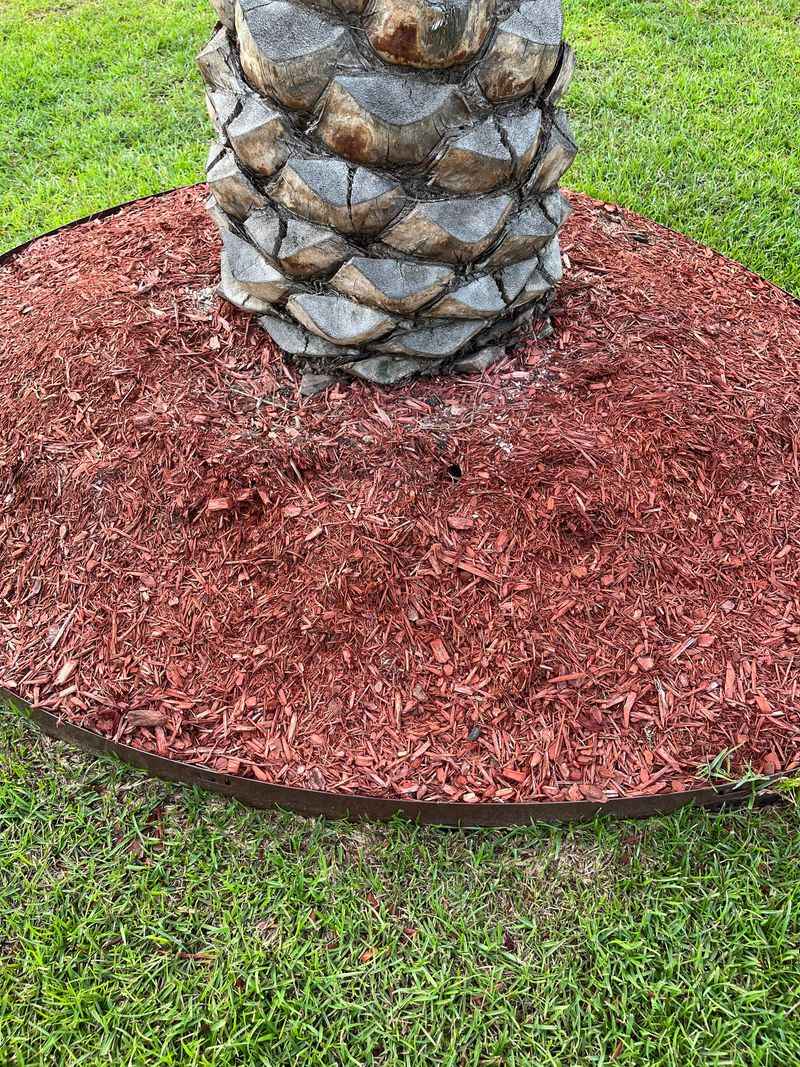
Getting mulch depth right is less about aesthetics and more about engineering. Two to three inches is the sweet spot for both moisture retention and drainage.
At that depth, mulch holds enough moisture to protect roots during dry spells. But it stays porous enough to let heavy rain pass through quickly.
Placement matters just as much as depth. Mulch should not be mounded against tree trunks or plant stems in a volcano shape.
That volcano style traps moisture against bark and creates the perfect environment for rot and pest infestation. Flat, even coverage with a small gap at the base is generally the better approach.
Sloping your mulch beds slightly toward a drainage path also makes a noticeable difference. Even a gentle slope of one inch per foot moves water away from your home’s foundation.
Grading the soil beneath the mulch before you lay it down sets the stage for proper flow. Flat or inverted beds hold water and cause the exact flooding problems you want to avoid.
Choosing the right mulch type for Florida’s rainy season also plays a role. Pine bark nuggets and shredded hardwood tend to hold their structure better than fine-ground mulches.
Finer mulches compact faster and lose their drainage benefits quickly. Coarser textures stay loose longer and allow water to move through more freely.
Correct depth and smart placement work together like a drainage system that runs quietly in the background. Set it up right once, and your yard handles the next downpour with ease.
Simple Fixes Before The Next Downpour
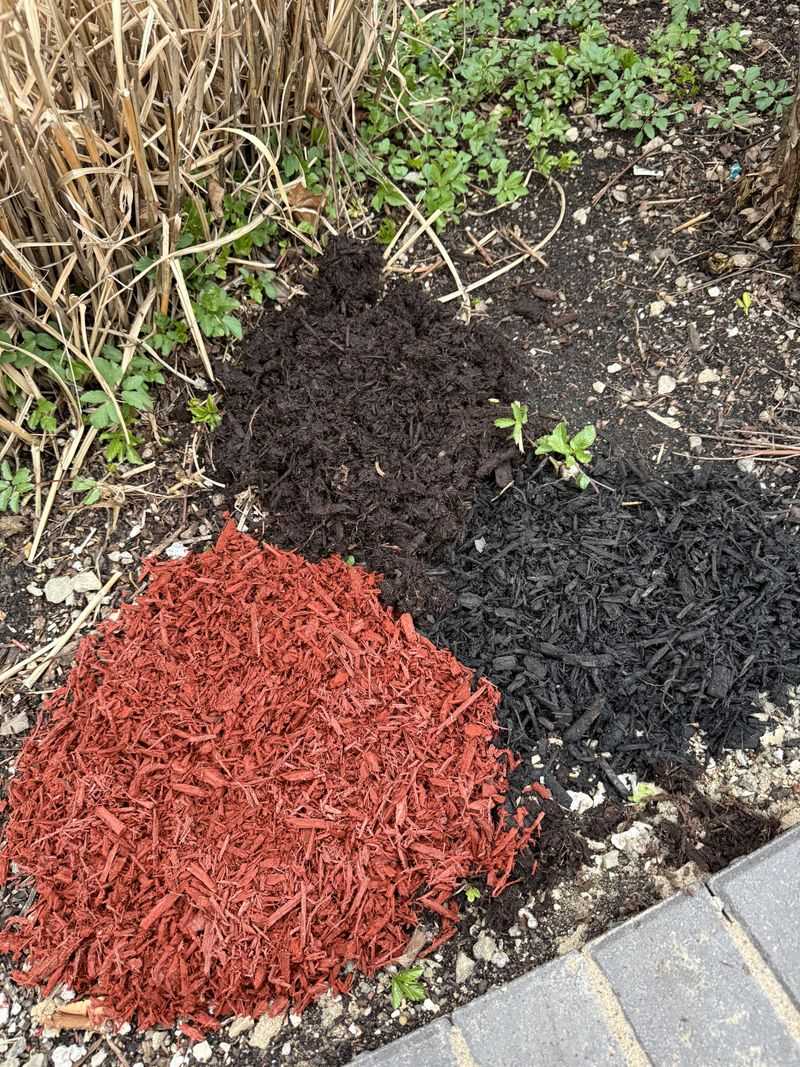
You do not need a landscaping crew or a big budget to fix a mulch drainage problem. A few hours and the right approach can make a noticeable difference before rainy season peaks.
Start by pulling back all existing mulch and checking what is underneath. If the bottom layer is matted, dark, and compressed, it needs to go.
Remove the old compacted material entirely instead of just covering it with fresh mulch. Adding new layers on top of a bad foundation only makes the drainage problem worse.
Once the beds are cleared, check the grade of the soil beneath. Add or remove soil as needed to create a gentle slope away from your home.
Choose a coarse, open-textured mulch for your replacement layer. Pine bark mini nuggets are a solid choice for Florida landscapes because they resist compaction well.
Spread your fresh mulch to a consistent two-inch depth across the entire bed. Use a ruler or your hand as a guide, keeping it even and flat.
Leave a two-inch gap around every plant stem and tree trunk. That breathing room prevents moisture buildup and reduces fungal risk significantly.
Check your beds after the first big storm to see how water moves across the surface. If it drains within a few minutes, you are in good shape.
Avoiding the Florida mulch mistake that makes rainy season flooding worse is mostly about staying ahead of the problem. A little prep work now saves you from soggy, damaged beds all season long.