When to Prune Arizona Fig Trees: Let the Second Harvest Guide You
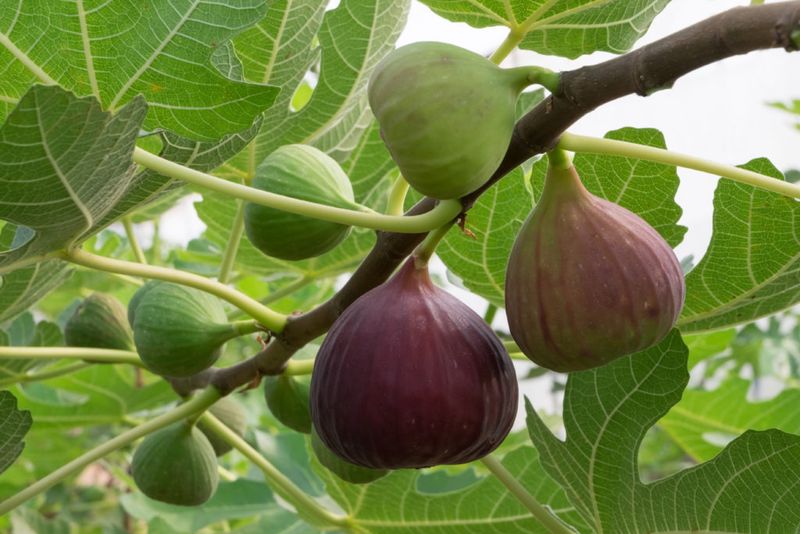
Your fig tree does not need a calendar reminder to tell you when to prune – it needs a finished harvest. In low-desert yards around Phoenix and Tucson, the right time to pick up the pruning shears depends on whether your second crop of figs is actually done ripening, not on the month showing on your phone.
Getting this timing right helps you avoid accidentally cutting away next year’s early fruit, and it keeps your tree healthy without a lot of unnecessary work.
October Is a Checkpoint, Not a Deadline
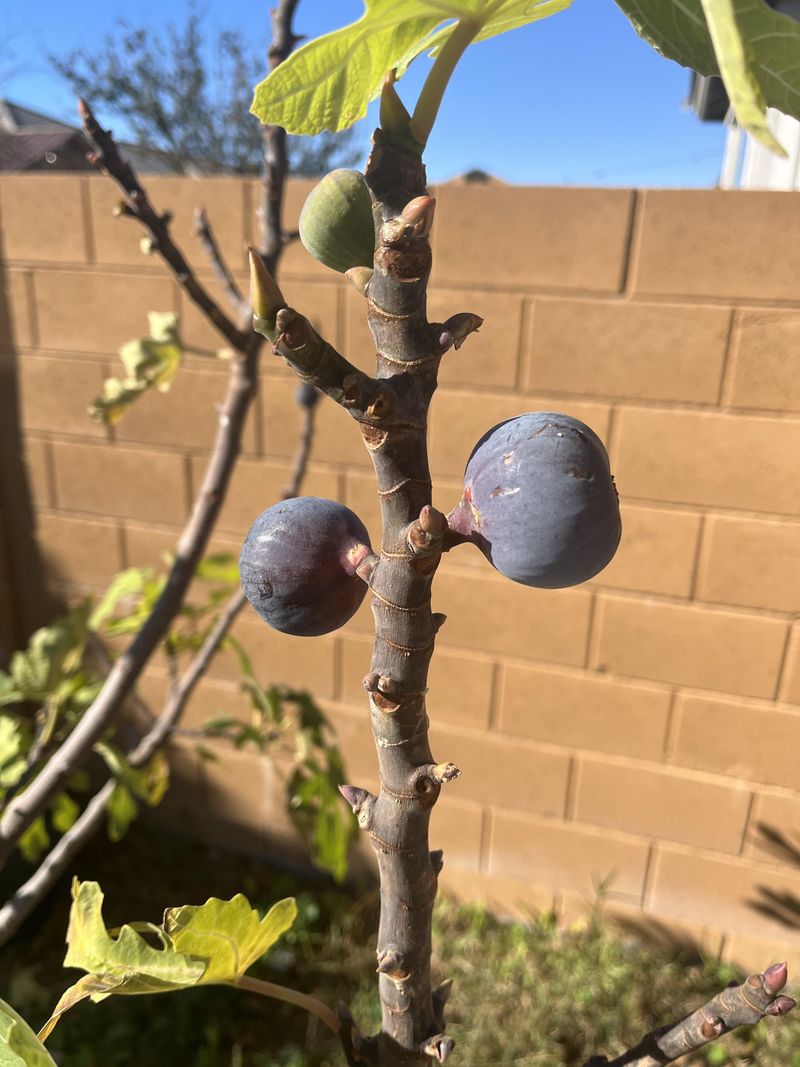
Plenty of low-desert fig growers hear “prune in fall” and immediately grab their loppers when October rolls around. The problem is that October is not a finish line – it is more of a status check.
Arizona guidance ties pruning to two things: the completion of the second crop and the post-harvest dormant period that follows. If your figs are still ripening on the branches, the right move is to wait.
The timing described in University of Arizona Cooperative Extension’s Southern Arizona fig guide points to fall after the second crop as the pruning window, while a companion low-desert publication describes winter dormancy after the second crop. Both sources share the same core rule: finish harvesting first, then prune.
Neither one sets October 1 as a universal deadline.
In practical terms, this means October might be the right month for your yard – or it might not. Second-crop timing can shift depending on the cultivar you grow, your microclimate, and how the summer monsoon season played out.
Walk out and look at the tree. If fruit is still coming in, keep harvesting.
When the crop is clearly finished and the tree is settling into dormancy, that is your actual signal to prune.
Know Which Crop Your Cuts Could Affect
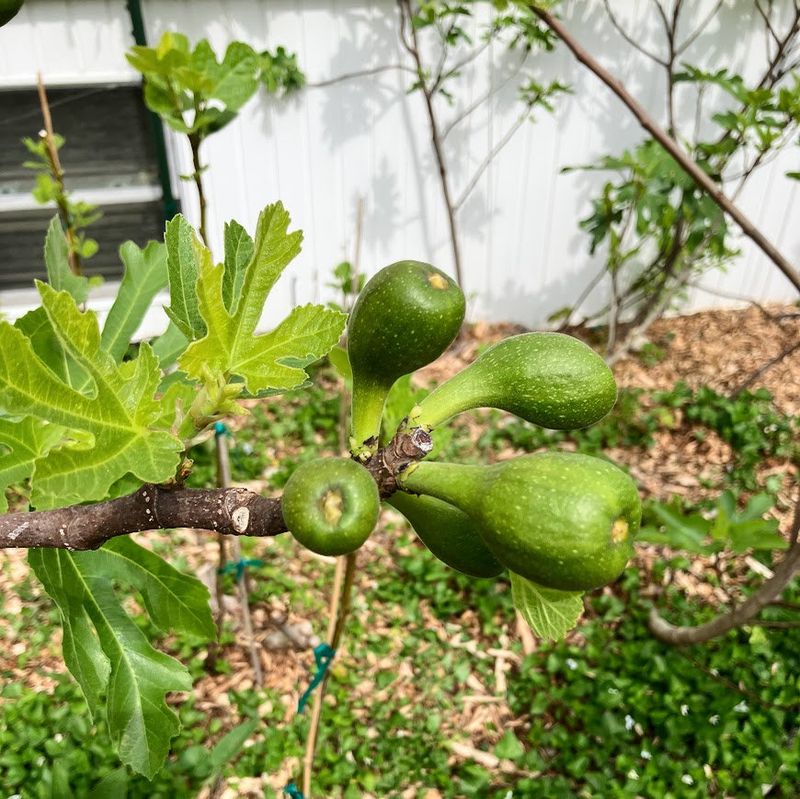
Fig trees can produce two rounds of fruit in a season, and they do it through two completely different sets of wood. The breba crop – the early flush of figs that appears in late spring or early summer – forms on branches that grew the previous year.
The main crop, which ripens later in the summer, grows on the current season’s new shoots. Cutting away older wood has different consequences depending on which harvest you value most.
According to integrated pest management guidance on fig pruning and thinning, removing last year’s branches can reduce or eliminate breba fruit because that early crop has nowhere left to form. The main crop is generally less affected by post-harvest pruning because it will develop on whatever new growth the tree puts out in spring.
Before you start cutting, think about which crop your household actually uses. If you rely on those early summer figs – the ones that arrive before the main-crop heat hits – be selective about removing older lateral branches.
If your main interest is the larger late-summer harvest, you have a little more flexibility. Either way, knowing which wood feeds which crop helps you make deliberate cuts rather than accidental ones.
Your Arizona Garden Changes Every Week. Your Plan Should Too.
Gardening in Arizona changes quickly throughout the season. Every Friday you’ll receive a simple weekly plan showing exactly what to plant, prune, fertilize, harvest, and protect so you never miss the right timing.
Prune for Maintenance, Not a Guaranteed Fig Count
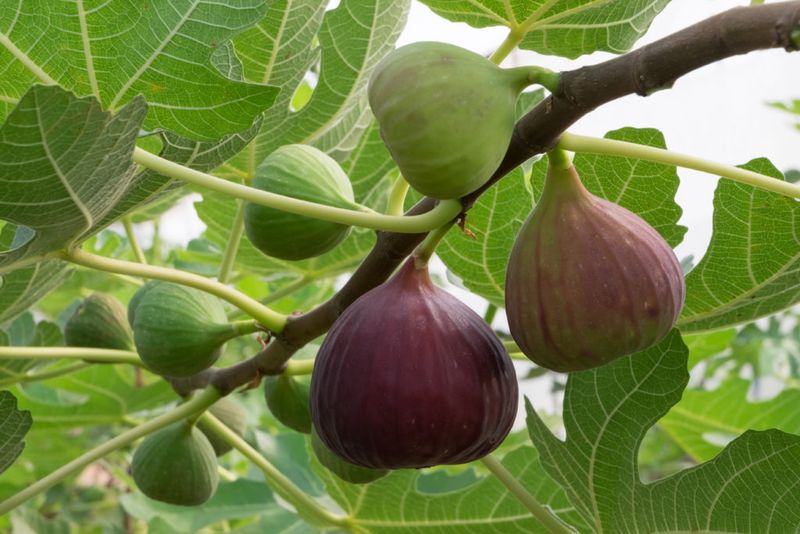
One of the most useful things to understand about fig trees is that they do not need pruning to produce fruit. A mature, healthy fig in a low-desert yard will set fruit on its own without anyone touching it with a saw or loppers.
Pruning is maintenance, not a production switch, and treating it that way keeps you from over-cutting a tree that was doing fine.
The University of Arizona’s fig guidance is clear that mature trees generally need little pruning. Useful cuts fall into a short list: removing branches that are clearly no longer living, taking out growth that is rubbing or crossing in ways that could cause damage, and opening up the canopy just enough to allow reasonable airflow and light penetration.
An adequately open canopy does not mean a thinned-out tree – it means one where air can move through without the interior being completely choked.
Resist the idea that heavier pruning leads to more fruit. Cutting away large portions of the tree can actually cost you breba production, and no Arizona home-garden source backs hard pruning as a yield strategy.
A few targeted cuts each year – focused on the branches that genuinely need to go – will do more for your tree’s long-term health than an aggressive annual session. When in doubt, cut less and observe how the tree responds before going further next season.
Put Summer Water in the Picture
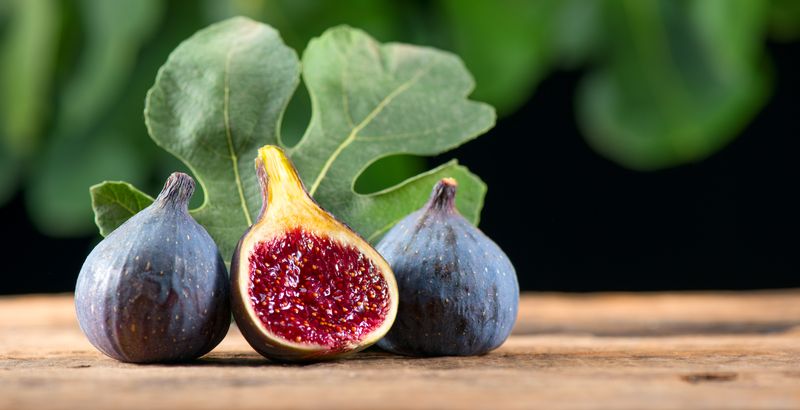
Pruning gets most of the attention in fall fig care discussions, but summer water plays a significant role in how the fruit develops. Fruit size and overall production can both be affected by how consistently and deeply your tree gets moisture during the growing season.
Treating pruning as the main lever while ignoring irrigation gives you an incomplete picture.
Arizona guidance recommends watering established fig trees deeply, reaching roughly three feet into the soil, but the right frequency and volume are not the same for every yard. Tree size, soil type, and whether you have caliche layers all affect how quickly water moves through and how often you need to apply it.
A tree growing in sandy soil in Phoenix will drain differently than one in heavier Tucson soil, so a fixed weekly schedule borrowed from a general source may not match your actual conditions.
Mulch is worth adding to the equation. A layer of organic mulch spread around the base of the tree can help the soil hold moisture longer, which reduces how often you need to water during the brutal stretch of July and August heat.
Keep the mulch a few inches away from the trunk itself to avoid trapping moisture against the bark. Consistent, deep summer irrigation – adjusted for your specific tree and soil – supports fruit development in ways that no amount of fall pruning can substitute for.
Protect Skin While Handling Fig Branches
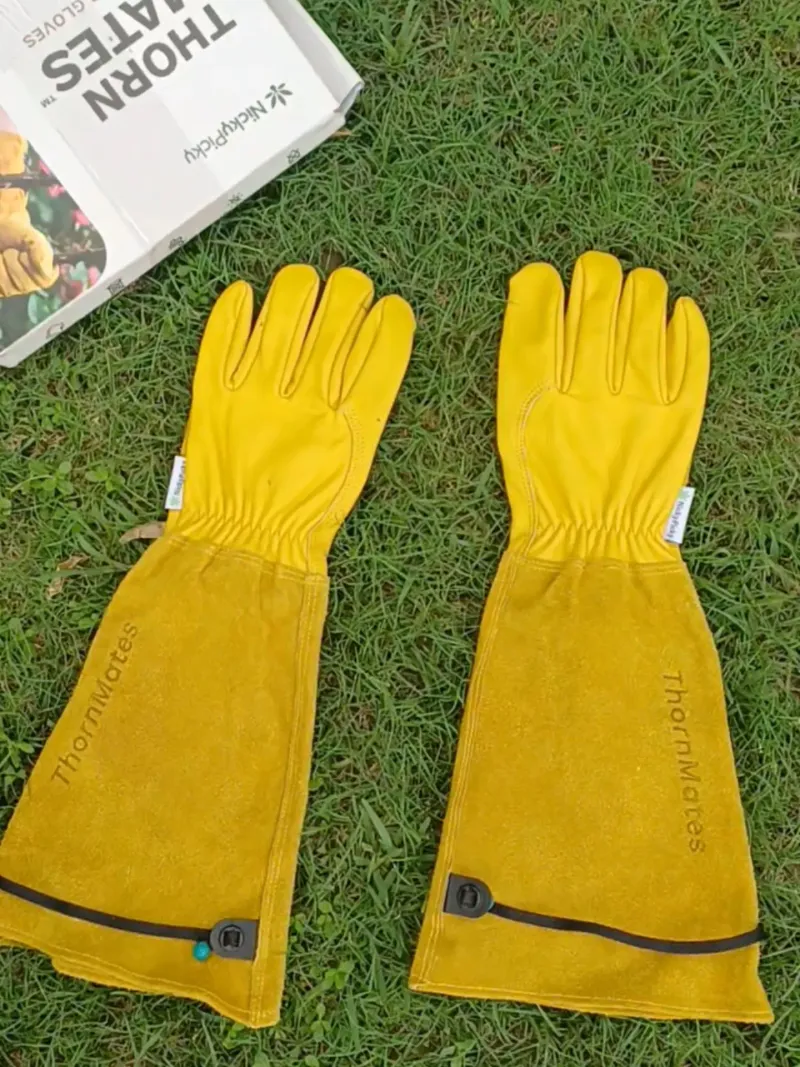
Fig sap is something worth taking seriously before you start cutting. When the milky white sap from fig branches or leaves contacts skin and that skin is then exposed to sunlight, it can trigger a reaction – redness, blistering, or darkened patches in the affected area.
A published case report on phytophotodermatitis from fig sap documents how this UV-triggered reaction can cause significant skin injury, though not every exposure leads to a visible response.
The practical takeaway for Arizona pruning sessions is straightforward. Wear gloves every time you handle fig branches, and cover your arms with long sleeves.
Arizona’s intense sun means that even brief skin exposure after sap contact carries more risk than it might in a shadier climate. Avoid wiping sap onto your face or any other uncovered skin while you are working outdoors.
Pruning in the early morning before the sun is fully up can also reduce UV exposure during the task. If sap does get on your skin, wash the area promptly and keep it covered or out of direct sun until it is clean.
These are simple precautions, and building them into your pruning routine makes the job safer without adding much time.
Use the Harvest as Your Pruning Cue
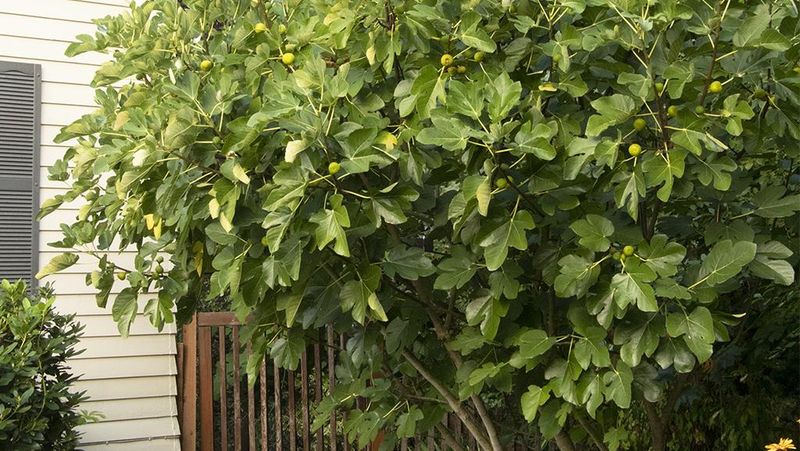
The simplest pruning rule for low-desert fig growers is also the most reliable one: let the harvest tell you when to start. Once the second crop is fully picked and the tree has begun to settle into its post-harvest dormant period, that is the window to make any maintenance cuts you have identified.
Waiting for that signal keeps you from cutting away wood that still has fruit on it or that the tree is still actively using.
When you do prune, keep the scope narrow. Focus on branches that are no longer living, growth that is causing structural problems, or areas where the canopy has become too dense for good airflow.
This is a maintenance task, not a renovation project, and the goal is a tree that is easier to manage – not a specific fruit count next summer.
A fig tree that gets consistent water, a little targeted pruning after harvest, and time to rest through the cooler months is well set up for the season ahead. The harvest is both the end of one season and the most honest guide to starting the next one.