What Heavy Rain After A Heat Wave Does To Ohio Gardens And How To Prepare
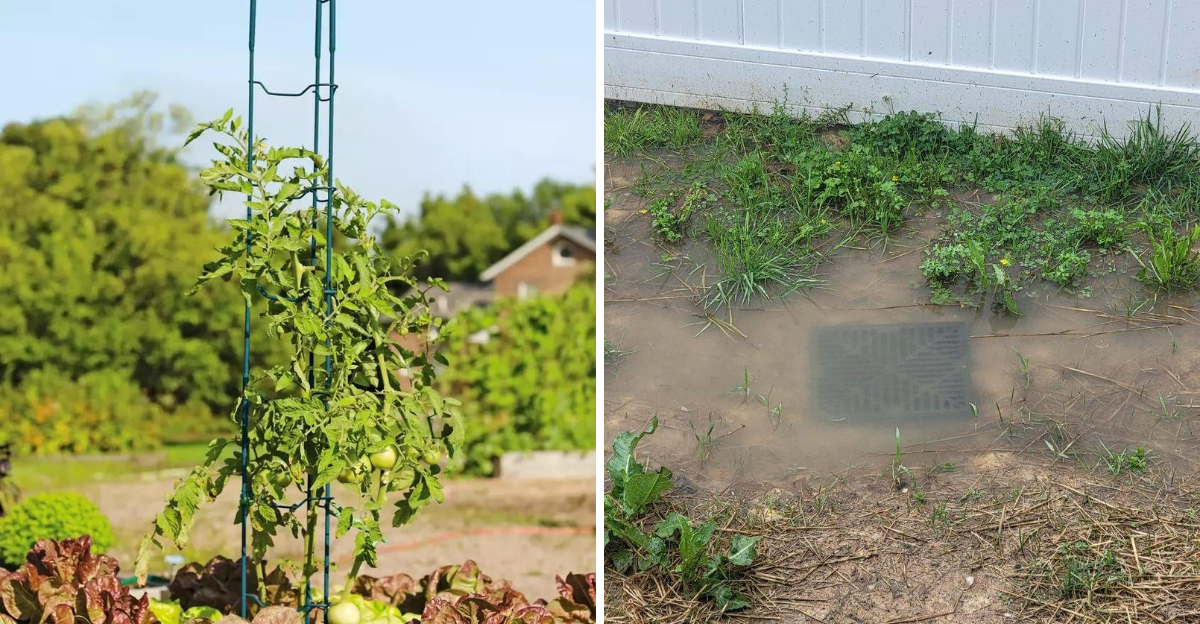
Ohio gardens can look relieved when rain finally breaks a heat wave.
The soil has been cracked for days. Leaves have drooped through one brutal afternoon after another.
Tomatoes look tired. Mulch feels dusty. Then dark clouds roll in, thunder starts, and that first heavy downpour sounds like mercy.
Not so fast.
A hard rain after extreme heat can create a whole new round of garden problems.
Dry soil may reject water at first. Mulch can float away. Tall plants can lean. Roots can lose air underground. Nutrients may wash out of reach before plants ever get a chance to use them.
That storm may help, but it can also hit a stressed garden like a bucket dumped on a dry sponge.
So what really happens when heavy rain follows an Ohio heat wave?
Start by preparing before the clouds arrive. A few small moves can help water soak in, keep soil in place, protect tall plants, and give roots a much better chance to recover after the weather swings from baked to soaked.
1. Heat Hardened The Soil First
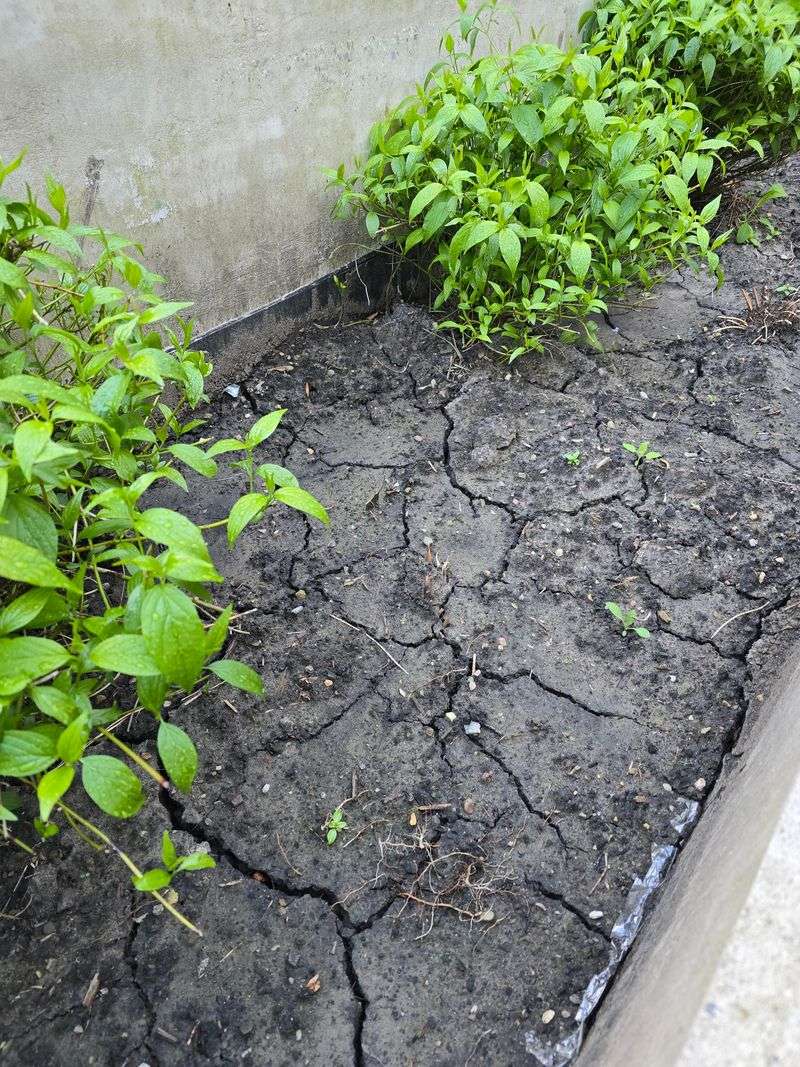
Cracked soil is more than a summer eyesore.
After several hot, dry days, the surface of Ohio garden soil can bake into a tight crust. That crust makes rainwater work harder to soak in, especially in clay-heavy beds that already compact easily.
Then the downpour arrives.
Instead of moving gently into the root zone, water hits the hard surface and stalls. It puddles, runs sideways, or slides across the bed. The garden may receive plenty of rain, but the roots may not get an even drink right away.
That is the heat-wave trap.
Dry soil can act almost water-resistant at first. The harder the surface becomes, the more likely water is to race away before it can soften the ground below.
Break the crust before the storm.
Use a hand cultivator, small rake, or garden fork to gently loosen the top inch of soil around plants. Work carefully and stay shallow so roots are not disturbed. The goal is not deep digging. It is simply giving rain more entry points.
A thin layer of compost can help too.
Spread it over bare areas before rain arrives so water has something softer to hit. Over time, compost improves soil structure and reduces that baked-brick effect.
Think of it as opening the door before the storm knocks.
Rain is useful only when the soil lets it in.
2. Rain Runs Off Too Fast
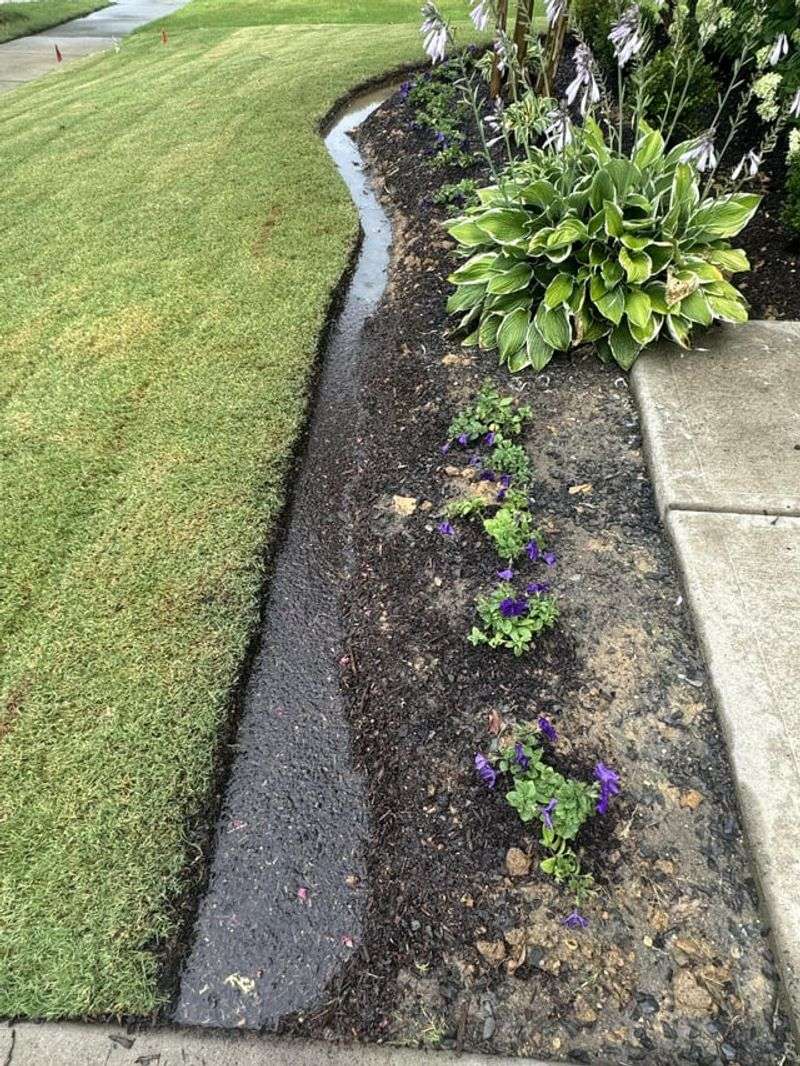
Mulch drifting into the path is a sign that runoff won.
After a heat wave, hardened soil may not absorb sudden rain fast enough. Water starts moving across the surface, picking up mulch, compost, loose soil, and anything else light enough to travel.
That can undo weeks of garden care in one storm.
Sloped beds are especially vulnerable, but flat yards can struggle too when soil is compacted. Water follows the easiest path, and a dry garden bed can turn into a shallow stream faster than expected.
Runoff steals more than water.
Your Ohio Garden Changes Every Week. Your Plan Should Too.
Gardening in Ohio changes quickly throughout the season. Every Friday you’ll receive a simple weekly plan showing exactly what to plant, prune, fertilize, harvest, and protect so you never miss the right timing.
It can move topsoil, expose roots, carry fertilizer away, and leave the bed uneven. The next sunny day then dries the exposed soil even faster, which sets up another round of stress.
Slow the water before it gathers speed.
Use small berms, stones, edging, or planted borders along the lower side of a bed. These simple barriers give rain a chance to pause and soak down instead of racing toward the lawn.
Keep bare soil covered.
Mulch, groundcovers, and dense plantings soften the impact of heavy drops and hold the surface in place. A two to three inch mulch layer can make a huge difference, especially before storms after dry weather.
Runoff is sneaky because it looks like the garden got plenty of rain.
Really, the water just visited and left with your mulch.
Make it stay awhile.
3. Roots Lose Air Underground
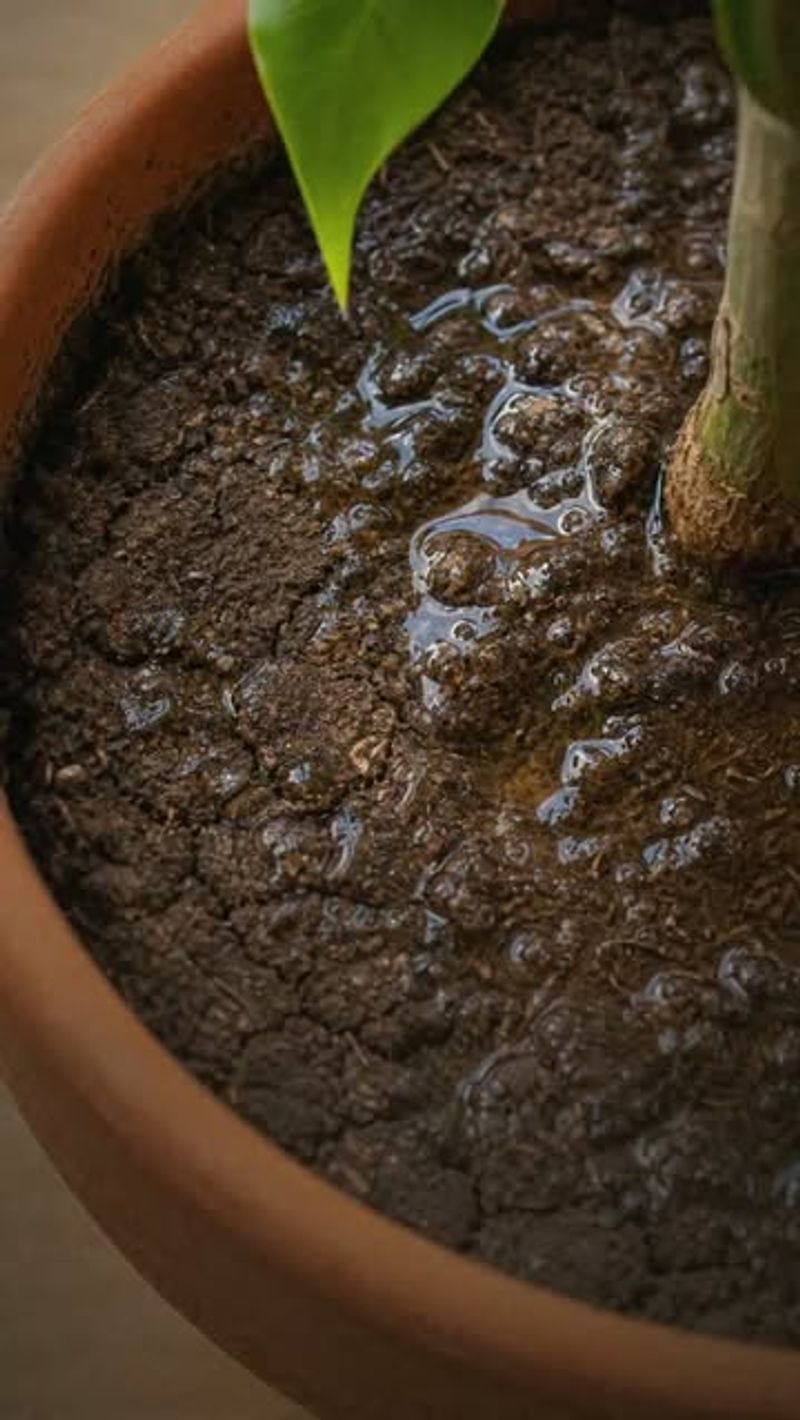
Too much water can leave roots short on air.
That sounds strange until the soil gets saturated. Healthy soil has tiny air spaces between particles. Roots need those spaces to breathe and function. Heavy rain can fill them with water, especially after a downpour that lands on already stressed soil.
Then plants start acting confused.
Leaves may yellow. Stems may wilt. Growth may stall. The soil looks wet, yet the plant looks thirsty. That happens because roots in waterlogged soil cannot take up moisture and nutrients normally.
Adding more water only makes things worse.
A soggy root zone needs time to drain and regain oxygen. Ohio gardens with heavy clay, low spots, or compacted paths can stay wet long after the storm passes.
Raised beds usually recover faster.
In-ground beds may need more help over time. Compost, better drainage paths, and less foot traffic all improve the soil’s ability to hold both water and air in a healthier balance.
Avoid walking in wet beds.
Footsteps press saturated soil tighter and squeeze out the air roots need. Wait until the soil firms up before working, weeding, or fixing plant supports inside the bed.
A plant can handle a drink.
It cannot handle sitting in a flooded basement.
After heavy rain, give the roots what they need most: drainage, oxygen, and a little patience before more garden heroics begin.
4. Nutrients Move Out Of Reach
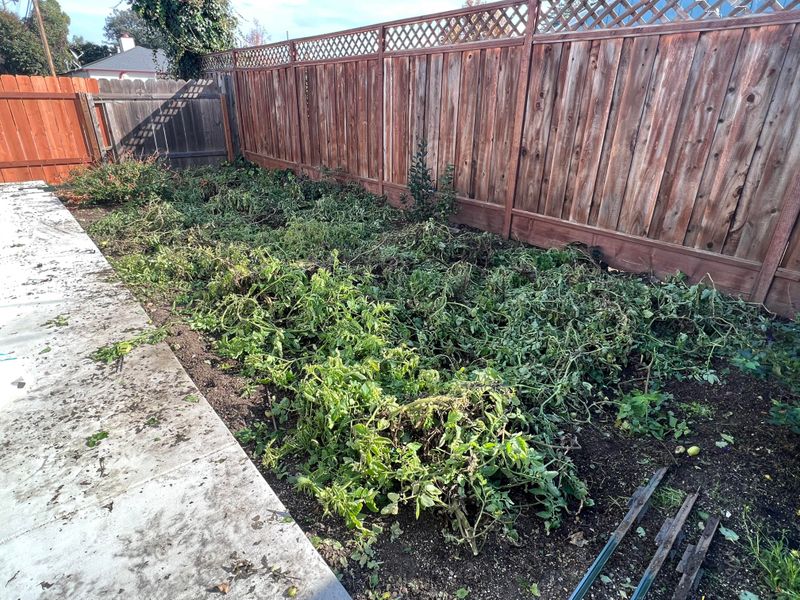
Heavy rain can carry plant food away.
Nitrogen is especially mobile. When water rushes through soil, nitrogen can move downward past the active root zone or sideways with runoff. After a heat wave, that loss can hit already stressed plants hard.
The result may show up as pale leaves.
Older lower leaves often yellow first because plants move available nitrogen toward newer growth. Growth may slow, fruiting may stall, and the whole plant can look like it ran out of energy.
Saturated soil can create another nitrogen problem too.
When soil stays wet and low in oxygen, natural soil processes can make nitrogen less available. The plant may look hungry even though feeding right away is not the best move.
Wait before fertilizing.
Adding fertilizer to soggy soil usually wastes product. Another storm can move it away before roots recover enough to use it. Wet soil also makes roots more sensitive to extra salt from some fertilizers.
Let the bed drain first.
Once the soil feels moist but workable, reassess the plants. Some may perk up once roots breathe again. Others may need a light, balanced feeding or compost after the immediate stress passes.
Do not panic-feed yellow leaves the morning after a storm.
That is garden impulse shopping, and the receipt is usually disappointment.
Rain may have moved nutrients, but the fix works best after the soil settles down.
5. Mulch Can Float Away
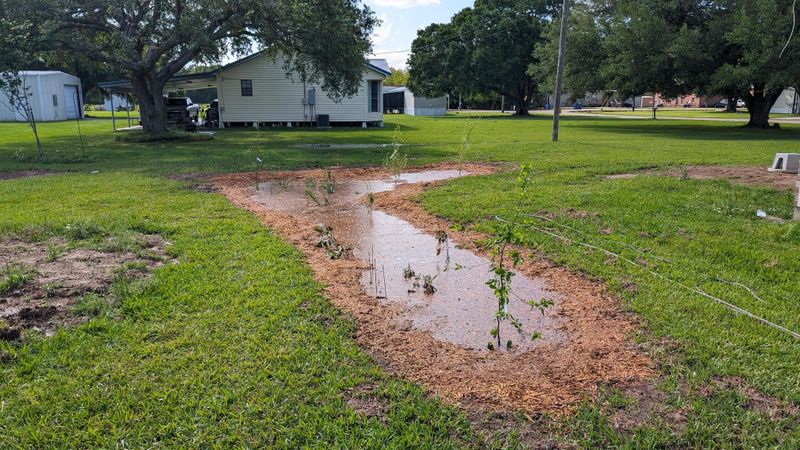
Mulch loves leaving during a downpour.
Straw, shredded leaves, fine wood chips, and lightweight bark can ride runoff like tiny garden boats. By morning, the bed may have bare patches while the mulch sits in a sad pile by the fence.
It is annoying, but it also matters.
Bare soil takes the next hit directly. Raindrops crust the surface. Sun bakes it faster. Moisture leaves sooner. Weeds spot the opening and act like they were personally invited.
Choose mulch that stays put better.
Shredded hardwood bark often knits together more than loose straw or very fine chips. Pine needles can also hold well on some slopes. Coarser textures usually resist movement better than fluffy, lightweight material.
Edges help too.
Stone, metal edging, logs, or low soil berms can keep mulch from drifting out of the bed during heavy rain. A thin compost layer underneath mulch can also give it more grip.
After the storm, reset the cover quickly.
Wait until the soil is firm enough to approach without sinking, then rake displaced mulch back over exposed areas. Keep it a few inches away from plant stems and crowns so wet material does not sit against tender tissue.
Mulch is not just decoration.
It is the garden’s storm jacket. After Ohio rain tries to steal it, put it back where it belongs.
6. Stake Tall Plants Early
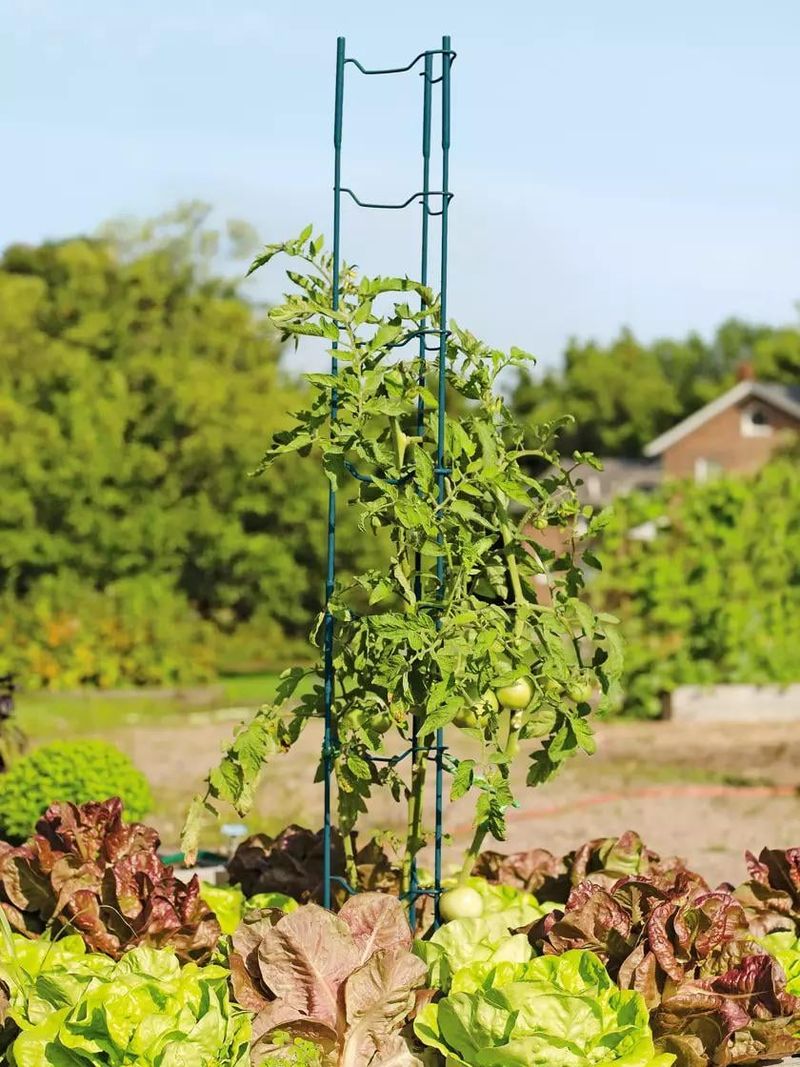
Tall plants need support before the storm, not after they lean.
Tomatoes, peppers, sunflowers, dahlias, zinnias, and tall perennials can all struggle when wind and heavy rain arrive after heat stress.
Dry spells can weaken stems, loosen soil around roots, and leave heavy plants more vulnerable to tipping.
Fruit-loaded tomatoes are especially at risk.
A cage that worked in June may not be strong enough by August. The plant is bigger, the stems are heavier, and the soil may shift fast once rain soaks it.
Check supports before storms roll in.
Push cages deeper. Add a sturdy stake beside weak frames. Tie main stems loosely with soft twine, cloth strips, or plant tape. The tie should support the plant without cutting into the stem.
Leave room for movement.
Plants need a little sway. Tying them too tightly can create pressure points and snap stems during gusts. Loose support is stronger than a rigid trap.
Group tall flowers when possible.
Several stems tied gently together can brace one another, especially in cutting gardens or borders exposed to wind. Keep ties soft and avoid squeezing the stems into a tight bundle.
Do not wait for a warning siren mood to begin.
A fifteen-minute support check before a storm can save weeks of recovery. Ohio downpours do not care how proud you are of those tomatoes.
Stake now, brag later.
7. Open Drainage Paths Beforehand
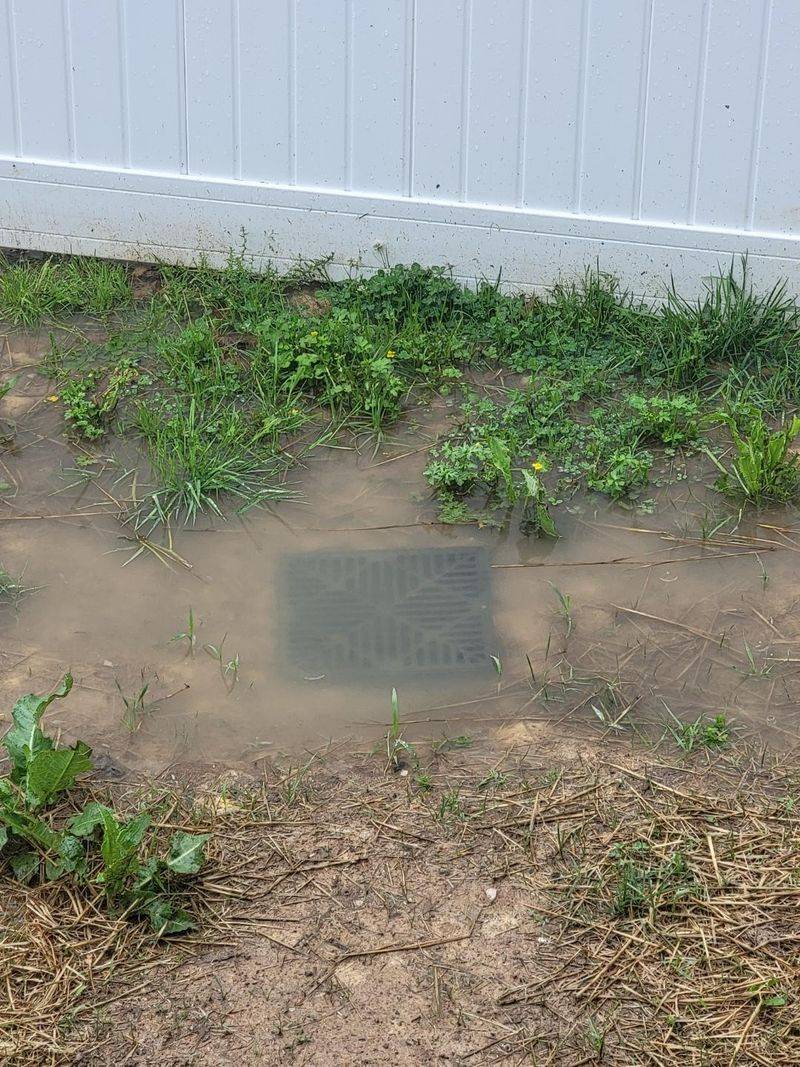
Standing water often starts with blocked paths.
Before a heavy rain, walk the yard and look for where water already wants to go. Low corners, clogged swales, downspout areas, sunken paths, and bed edges can all become trouble spots once a storm hits.
Clear the route early.
Remove leaves, mulch piles, weeds, and debris from drainage channels. Make sure downspouts send roof water away from garden beds, not straight into them.
A storm can dump a lot of water from a roof in a short time, and plants should not have to absorb the whole house’s runoff.
Small fixes can help quickly.
A shallow trench, low berm, extended downspout, or opened channel can redirect water away from vulnerable beds. Even a few minutes of prep can reduce how long roots sit in saturated soil.
Watch the yard during rain when safe.
That is the best time to learn the real drainage pattern. Water may move in ways that are not obvious on a dry day. Note where it pools, where it cuts across mulch, and where it dumps into planted areas.
Long-term problems need bigger solutions.
Raised beds, rain gardens, swales, regraded paths, and better soil structure can all help Ohio yards manage heavy summer rain more gracefully.
Drainage is not glamorous.
Neither is watching a vegetable bed become a temporary pond.
Open the exits before the storm, and your garden has a much easier recovery.
8. Wait Before Feeding Again
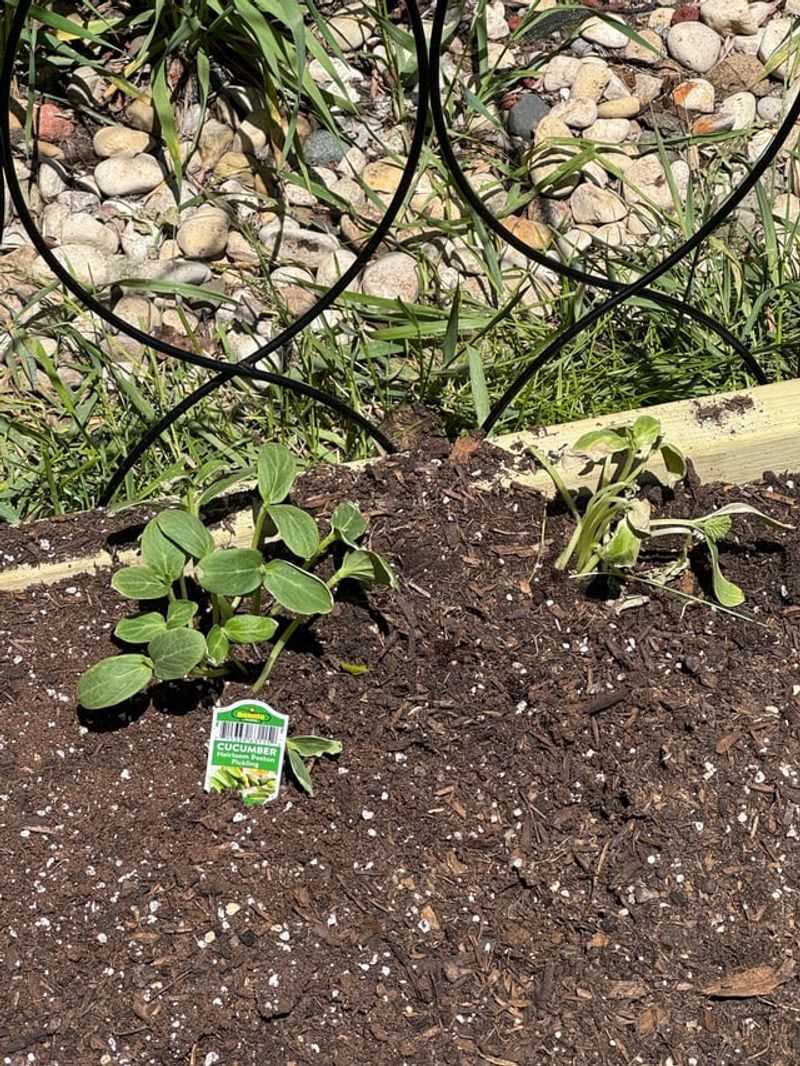
After a storm, patience can be the best garden tool.
Yellow leaves, battered stems, and washed-out beds make fertilizer tempting. The problem is that saturated soil is not ready. Roots need oxygen first, and nutrients added too soon may wash away before plants can use them.
Use the squeeze test.
Take a handful of soil from a few inches down. Water dripping from the handful means the bed is still too wet.
A sticky ball that smears easily is also not ready. Soil that holds together lightly but crumbles when poked is closer to workable.
That is the better window.
Once soil drains, amendments can stay where they belong. Compost is often a gentle first step because it improves structure and releases nutrients slowly.
A modest balanced fertilizer may help later when plants show clear signs of nutrient shortage.
Do not overload the bed. Plants coming out of heat and flooding stress do not need a giant push. They need steady recovery. Too much fertilizer can encourage soft growth that struggles in the next hot stretch.
Observe for a few days first.
Some plants look rough right after heavy rain, then improve once sun returns and roots breathe again. Those plants may not need feeding at all.
The storm already gave your garden plenty to process.
Do not add a fertilizer speech while the roots are still trying to dry their shoes. Wait, check, then feed only when the soil and plant both say yes.