What Ohio Gardeners Should Not Plant In May If They Want To Avoid Costly Mistakes
May in Ohio feels like the gardening green light everyone has been waiting for, and honestly, the excitement is completely justified.
The days are longer, the soil is finally cooperating, and the garden center is calling your name louder than ever.
But here’s where a lot of Ohio gardeners get tripped up: May is not as straightforward as it looks. Cool nights can linger well into the first half of the month, and then heat shows up almost overnight like it forgot to knock.
Plant the wrong thing at the wrong time and you’re looking at stunted growth, wasted money, and that deeply personal sting of watching a plant fail that you were genuinely rooting for.
The good news? These mistakes are almost entirely avoidable. You just need to know what to skip and when.
1. Sweet Potatoes Need Warmer Soil Than Early May Usually Offers
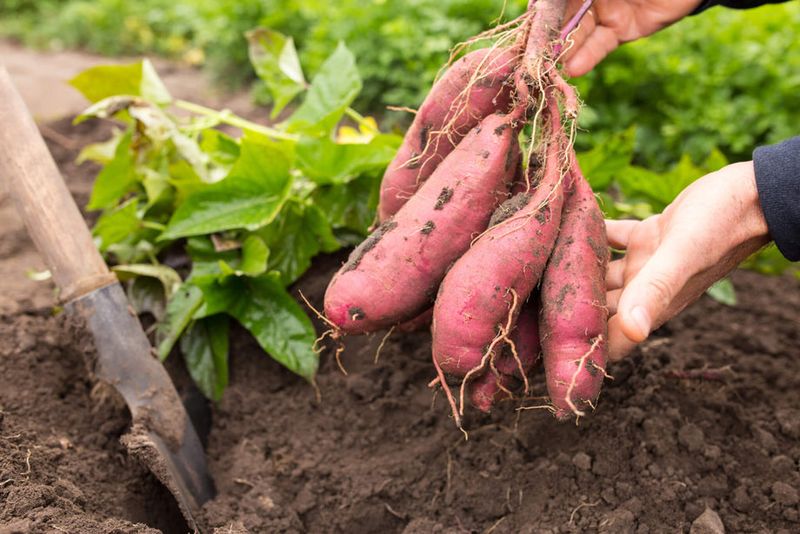
Cool soil is one of the biggest obstacles sweet potato growers run into when they get excited and plant too early. Sweet potatoes are a warm-season crop that genuinely needs soil temperatures of at least 60 to 65 degrees Fahrenheit before slips go in the ground.
In many parts of Ohio, early May soil simply has not reached that range yet, especially after a stretch of chilly nights.
When slips are placed into cold soil, they tend to sit there and sulk rather than take off. Growth stalls, roots struggle to establish, and the slips become more vulnerable to rot.
You might watch a planting look unchanged for two or three weeks while wondering what went wrong. The problem is not the plant itself but the timing.
Late May or even early June tends to be a far more reliable window for sweet potatoes across most of Ohio. Raised beds can warm up faster than in-ground plots, which sometimes gives gardeners a slight head start.
Checking soil temperature with an inexpensive thermometer before planting is one of the most practical moves a home gardener can make.
Patience here really does pay off, because sweet potatoes planted into warm soil tend to establish quickly and grow with much more enthusiasm than those rushed into cold ground.
2. Okra Waits For Real Heat Before It Gets Going
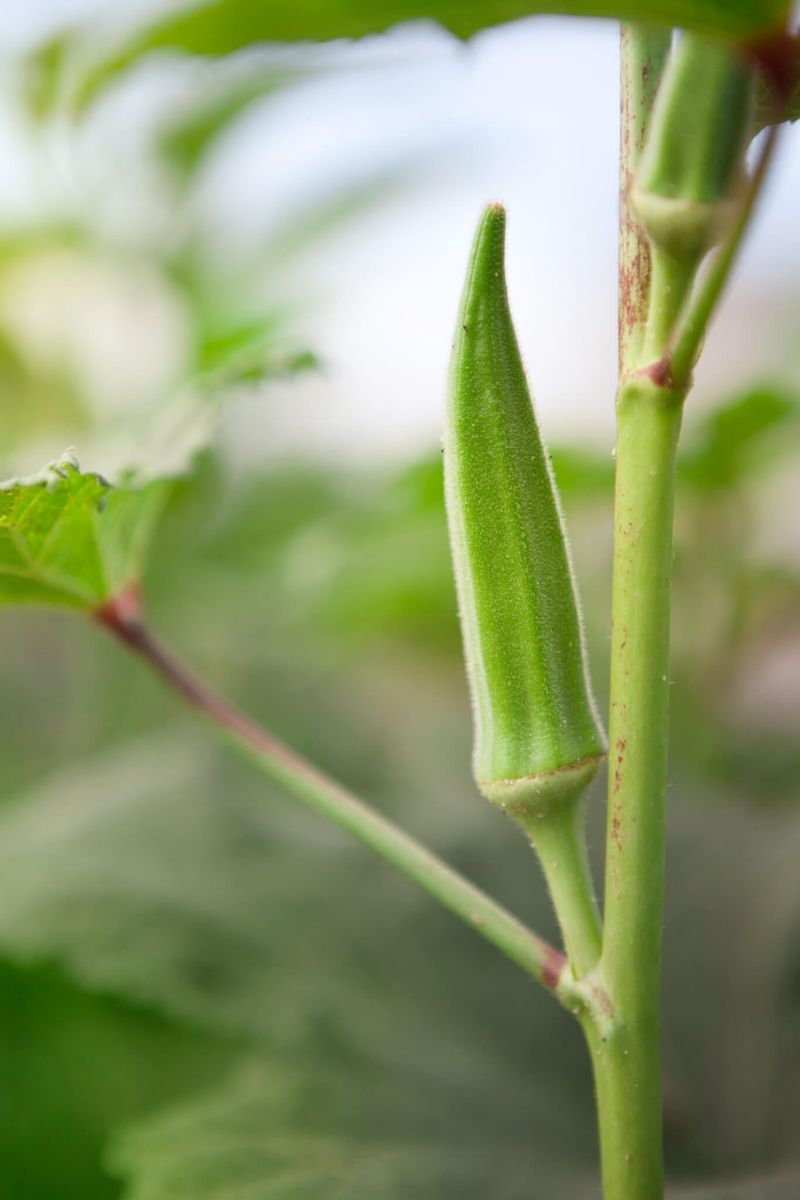
Few vegetables make their heat preference as obvious as okra does. Plant it too early and it will simply sit in the ground looking unimpressed until conditions finally suit it.
Okra wants soil temperatures closer to 65 to 70 degrees Fahrenheit, and it wants air temperatures to match. Early May rarely delivers that combination consistently enough to make planting worthwhile.
Gardeners who get impatient and put okra in the ground during the first or second week of May often end up with slow, weak seedlings that get overtaken by plants started later under better conditions.
The seeds themselves can rot in cool, damp soil before they even sprout. That means wasted seed, wasted effort, and the frustration of starting over.
Waiting until late May or the first week of June in most Ohio growing zones gives okra the warmth it needs to germinate quickly and grow with real energy.
Your Ohio Garden Changes Every Week. Your Plan Should Too.
Gardening in Ohio changes quickly throughout the season. Every Friday you’ll receive a simple weekly plan showing exactly what to plant, prune, fertilize, harvest, and protect so you never miss the right timing.
Southern Ohio gardeners may find they can push the window a bit earlier than those in the northern part of the state, where spring warmth tends to arrive later.
Okra is genuinely worth growing in Ohio, but it rewards the gardener who holds off rather than the one who rushes. A couple of extra weeks of waiting can make a significant difference in how well a planting performs all season long.
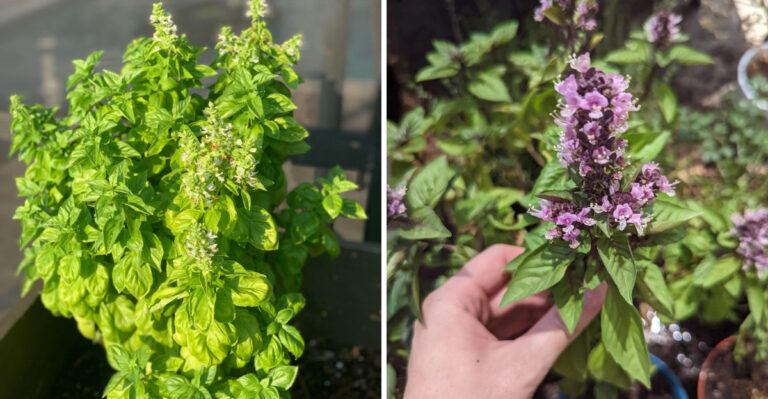
3. Basil Struggles When Cool May Nights Linger
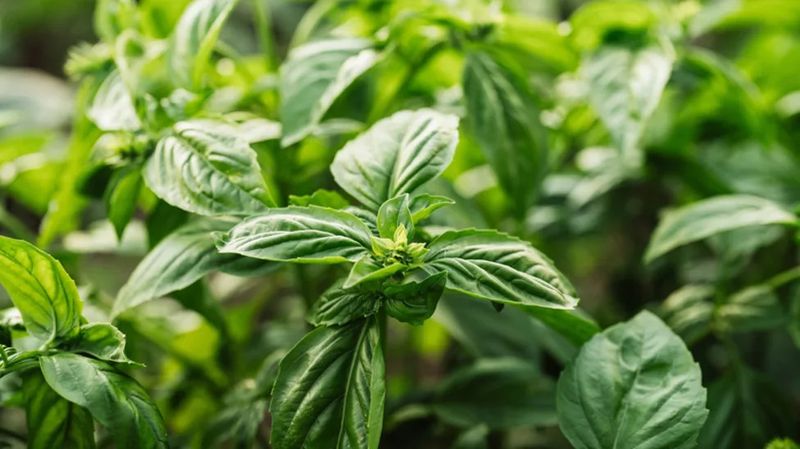
Basil has a reputation for being fussy, and Ohio’s early May nights are exactly the kind of condition that brings out its worst behavior.
Even when daytime temperatures feel warm and inviting, nighttime temps that dip into the low 50s or below can cause basil leaves to yellow, growth to stall, and the plant to take on a sad, wilted appearance that does not bounce back easily.
Many gardeners make the mistake of transplanting basil outside right after Mother’s Day, assuming the season is safe. But a run of cool nights in mid-May can set transplants back significantly.
Basil does not handle cold stress well, and once chilling injury sets in, the plant often underperforms for the rest of the season even after temperatures improve.
A safer approach is to wait until nighttime temperatures are consistently staying above 55 degrees Fahrenheit before moving basil outside for good. In central and northern Ohio, that window often does not arrive reliably until late May or even early June.
Starting seeds indoors and keeping transplants on a covered porch or bringing them in on cold nights buys some flexibility.
Basil grown in Ohio can be wonderfully productive, but giving it a warm, settled start rather than rushing it into chilly spring nights makes a real difference in how the plant performs through summer.
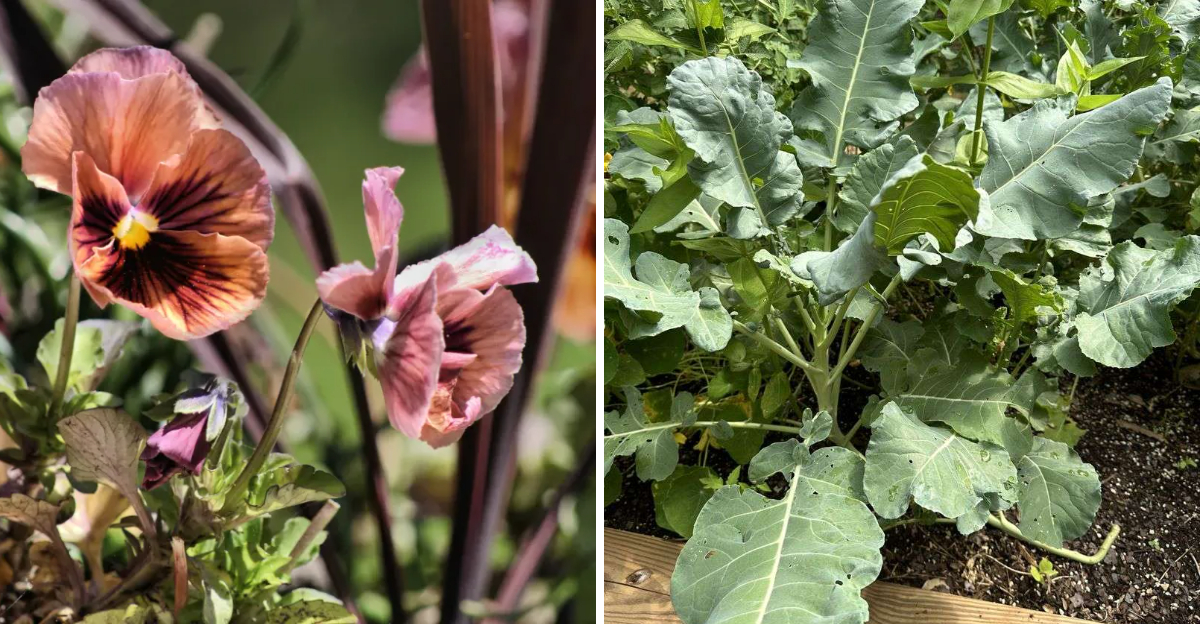
4. Pansies Fade Fast Once Ohio May Starts Warming Up

Pansies are one of Ohio’s most beloved cool-season flowers, and for good reason. They bring cheerful color to early spring beds when almost nothing else is blooming.
The problem is that their window of peak performance is shorter than many gardeners expect, and planting them in May means you are often working against the clock right from the start.
As temperatures climb through May, pansies begin to stretch out, flop over, and produce fewer blooms. The plants are not built for the kind of heat that can settle into Ohio by late May and early June.
Once daytime temperatures push consistently into the upper 70s and 80s, pansies tend to look tired and ragged rather than vibrant and full. Investing in a flat of pansies in mid to late May often results in just a few weeks of decent color before the plants decline.
For gardeners who love pansies, planting them in early April or even late March gives them a much longer season to shine before heat takes over.
If you are starting fresh in May, it may make more sense to put that energy and money toward warm-season annuals that will thrive as summer approaches.
Calibrachoa, zinnias, and marigolds tend to be far better investments for May planting in flower beds and containers than pansies at that point in the season.
5. Spinach Is Quick To Bolt By Late May
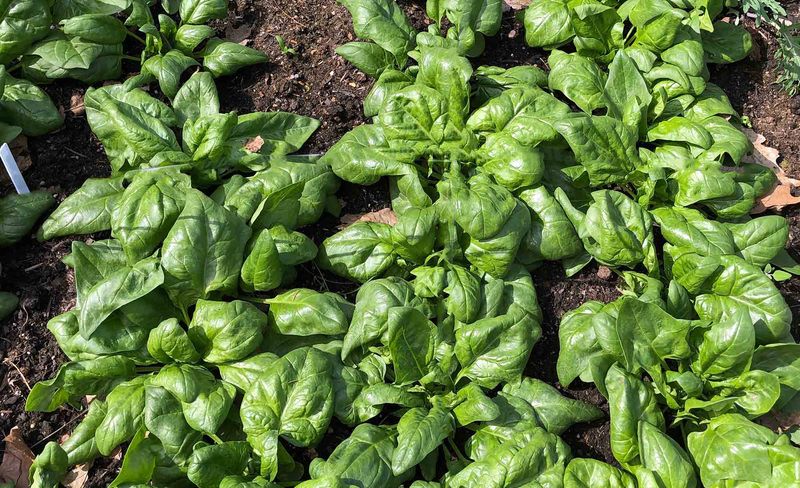
Spinach is a cool-season crop that thrives in Ohio’s early spring, but its relationship with May is complicated. Plant it too late in the month and you may find yourself watching it bolt before you ever get a decent harvest.
Bolting happens when spinach senses longer days and rising temperatures, causing it to shift energy from leaf production to flowering and seed making.
Late May in Ohio can be surprisingly warm, and spinach is sensitive to both heat and day length. Once the plant starts bolting, the leaves turn bitter and tough, making them far less enjoyable to eat.
Gardeners who put spinach in the ground during the third or fourth week of May often end up with plants that bolt within just a few weeks of getting established.
For a successful spinach harvest, earlier planting is almost always the better bet. Getting seeds in the ground in late March or early April gives spinach time to grow and produce before the heat and long days of late spring trigger bolting.
A fall planting in August or September is another excellent option that avoids the whole problem entirely.
If you find yourself in late May with bare garden space and a craving for leafy greens, heat-tolerant alternatives like Swiss chard or New Zealand spinach will serve gardeners much better through the warmer months ahead.
6. Broccoli Becomes Riskier As Late May Heat Moves In
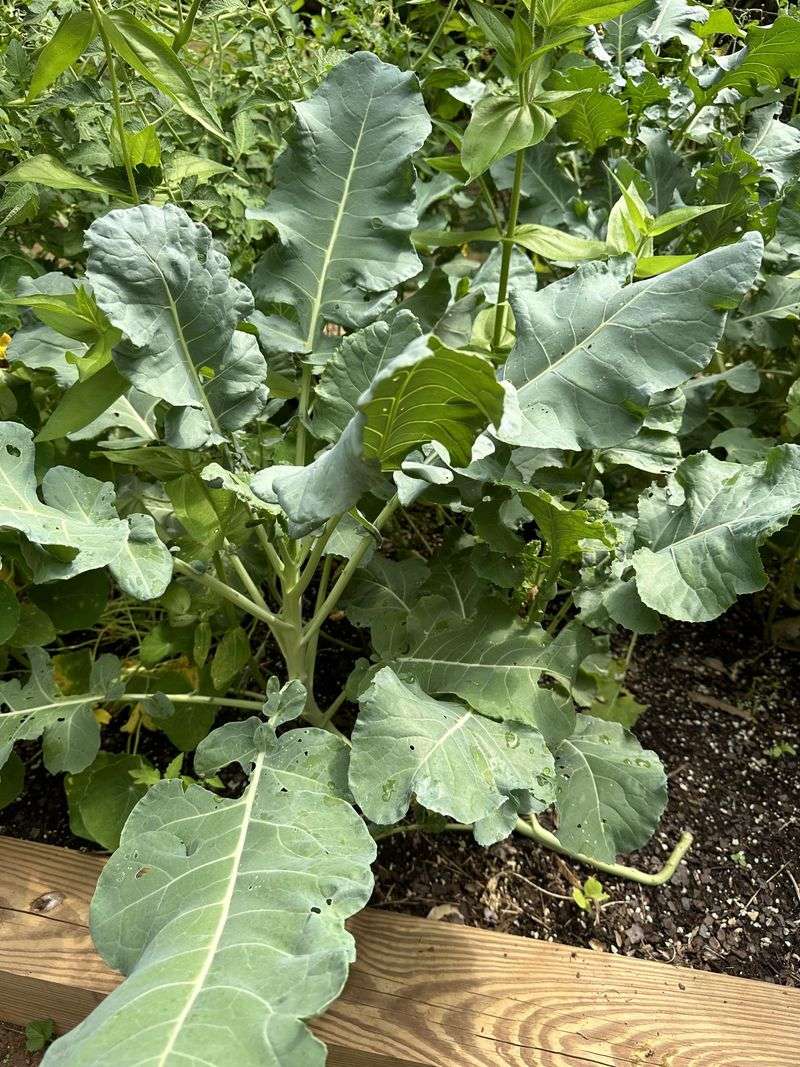
Broccoli is a cool-season vegetable that does beautifully in Ohio’s early spring, but the timing window for planting it starts closing as May progresses.
Transplanting broccoli in late May puts it on a collision course with the kind of heat that causes premature heading, loose heads, and bitter flavor.
Ohio summers arrive quickly, and broccoli simply does not perform well once consistent heat sets in.
When broccoli is exposed to warm temperatures during the period when heads are forming, the heads tend to open up fast and become loose and yellow rather than tight and green.
The harvest window shrinks dramatically, and some plants skip good head formation entirely and go straight to flowering.
For a vegetable that takes several weeks to mature, that kind of timing problem is genuinely discouraging.
Starting broccoli transplants in late March or very early April and getting them in the ground by late April gives gardeners the best chance at a spring harvest before summer heat arrives.
For those who miss that window, a fall crop started in late July or early August is often a better and more rewarding option.
Trying to squeeze broccoli into a late May planting is a gamble that often does not pay off, especially in the central and southern parts of Ohio where late spring temperatures tend to rise more quickly and stay elevated longer.
7. Cauliflower Handles Late May Heat Poorly In Ohio
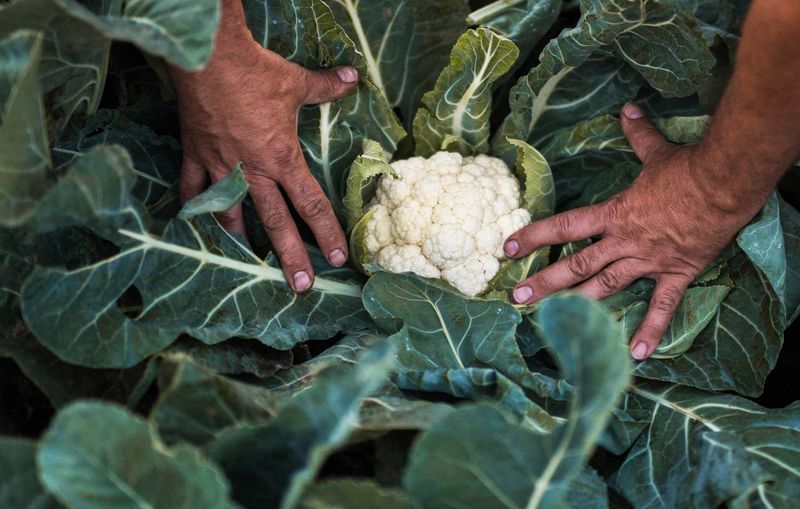
Of all the cool-season vegetables that struggle with Ohio’s late spring warmth, cauliflower may be the most sensitive. Even broccoli handles a bit of heat better than cauliflower does.
When temperatures climb, cauliflower curds can discolor, develop a grainy or ricey texture, and fail to form properly. For a vegetable that already takes patience to grow, getting hit with heat stress at the wrong moment is especially frustrating.
Planting cauliflower transplants in late May is a risky move because the plant needs a stretch of cool, settled weather to form a quality head. If temperatures push into the 80s during the weeks when the curd is developing, the result is often a disappointment.
Small, off-color, or poorly formed heads are common outcomes when cauliflower runs out of cool weather before it finishes maturing.
Spring cauliflower is best started early and transplanted by mid to late April at the latest, giving it the best chance to mature before summer heat arrives.
Like broccoli, cauliflower also responds well to fall planting in Ohio, where cooling August and September temperatures create ideal growing conditions.
Gardeners who try to plant cauliflower in late May are often setting themselves up for a crop that looks promising early on but delivers underwhelming results when summer warmth takes hold and the plant runs out of time to finish properly.
8. Brussels Sprouts Need More Careful Timing Than Many Gardeners Expect
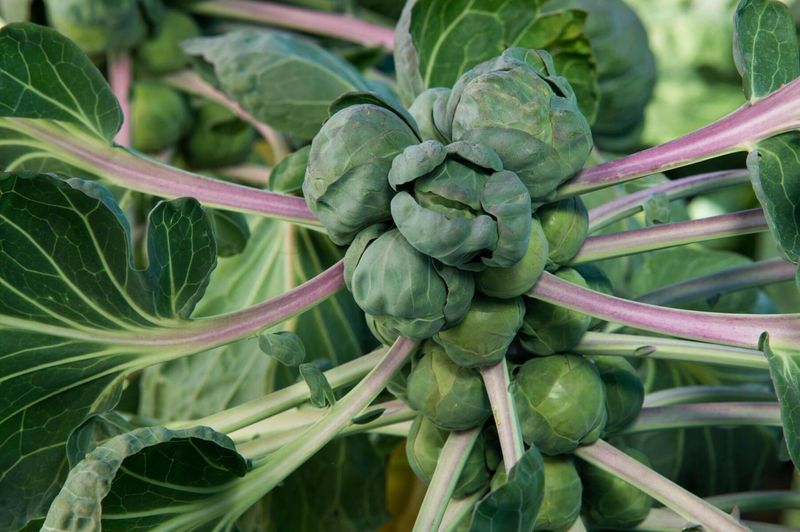
Brussels sprouts have a reputation for being challenging, and a lot of that difficulty comes down to timing. Many gardeners plant them in May without realizing just how long this vegetable takes to mature.
Brussels sprouts typically need 80 to 100 days or more from transplant to harvest, which means a late May planting puts the bulk of the growing season right in the middle of Ohio’s hottest months.
Heat is not a friend to Brussels sprouts. When plants are pushing through summer heat rather than developing in cooler conditions, sprout quality tends to suffer.
The small heads can become loose, bitter, or slow to form. Summers can be genuinely hard on this crop, and a May planting often means the plant is working against the season rather than with it.
Timing Brussels sprouts for a fall harvest tends to work much better in Ohio. Starting seeds indoors in late May or early June and transplanting in July gives the crop time to mature as fall temperatures drop, which actually improves flavor and sprout quality.
Frost does not harm Brussels sprouts and can even make them taste sweeter. For gardeners who love this vegetable, shifting the strategy toward a fall crop rather than a spring one is one of the most practical adjustments they can make.
It takes some planning ahead, but the results are usually far more satisfying than a heat-stressed summer planting.