Can A Banana Plant Survive An Ohio Winter? Here’s What Actually Happens
Ohio and bananas sound like a punchline, not a plan. Turns out the joke’s only half right.
The leaves and stalk never stand a chance. One hard freeze and that part’s done for the season, full stop.
But what’s happening below the soil tells a different story entirely, and that’s the part most people never bother to check before tossing the whole plant as a loss.
A little protection changes the outcome completely. Skip it and you’re starting from zero every spring.
Do it right and you’re working with something that’s already got a head start.
Look into what’s actually salvageable before you give up on it. Ohio winters don’t have to mean starting over every single year.
1. Most Bananas Can’t Handle An Ohio Winter Outdoors
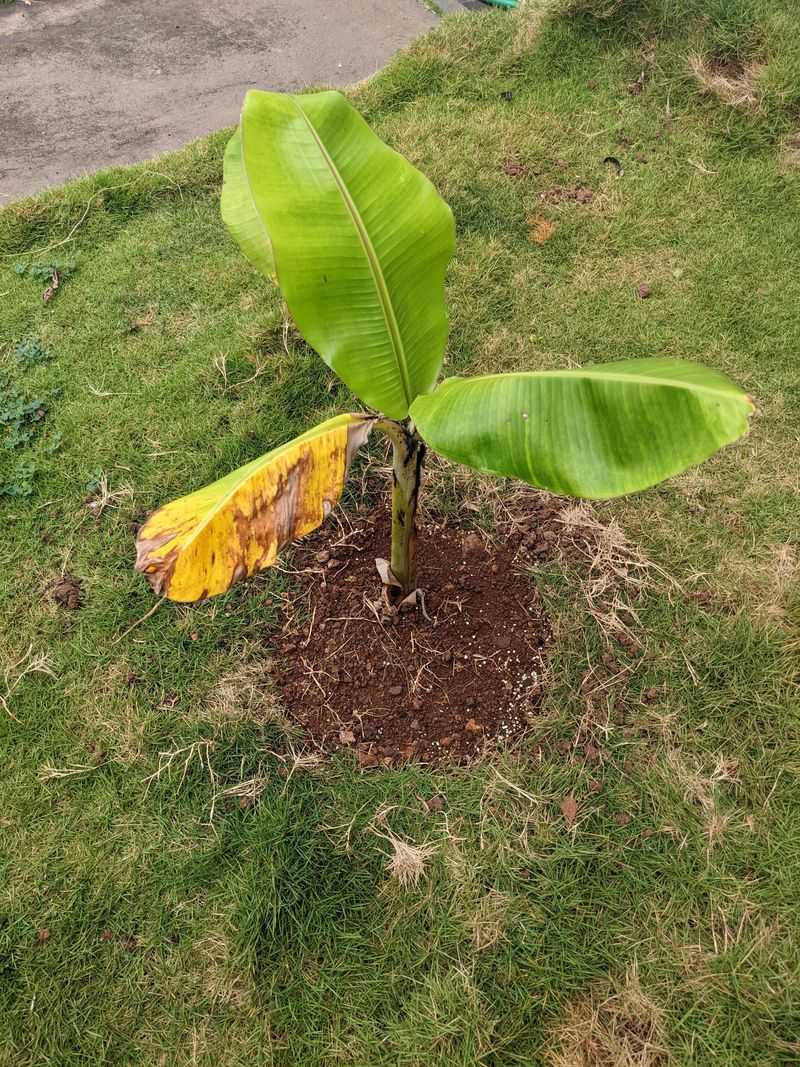
Bananas are sun lovers at heart. Most varieties feel happiest when temperatures stay between 65 and 85 degrees Fahrenheit, which sounds more like Florida than Columbus in January.
Tropical types usually need USDA Hardiness Zones 8 or 9 to grow well outdoors all year. Ohio sits mostly in Zones 5 and 6, so the gap is pretty big.
Our winters bring frosty nights, frozen soil, and the occasional surprise blizzard.
Leave a regular tropical banana in the ground without help, and the cold will likely win. The leaves turn mushy after the first frost.
The trunk-like stem softens soon after, and the roots often fail to bounce back once the soil freezes deep.
Here is a fun fact to share at dinner. The banana plant is not actually a tree at all.
It is a giant herb, and its trunk is made of tightly rolled leaf bases, which helps explain why cold hits it so hard.
So what can a gardener do? You have two smart paths.
You can pick a variety built for chilly weather, or you can give tropical types a cozy indoor winter break. Either way, a little planning keeps your green giant around for next summer.
The sections ahead show you how.
2. Hardy Banana Is The Exception
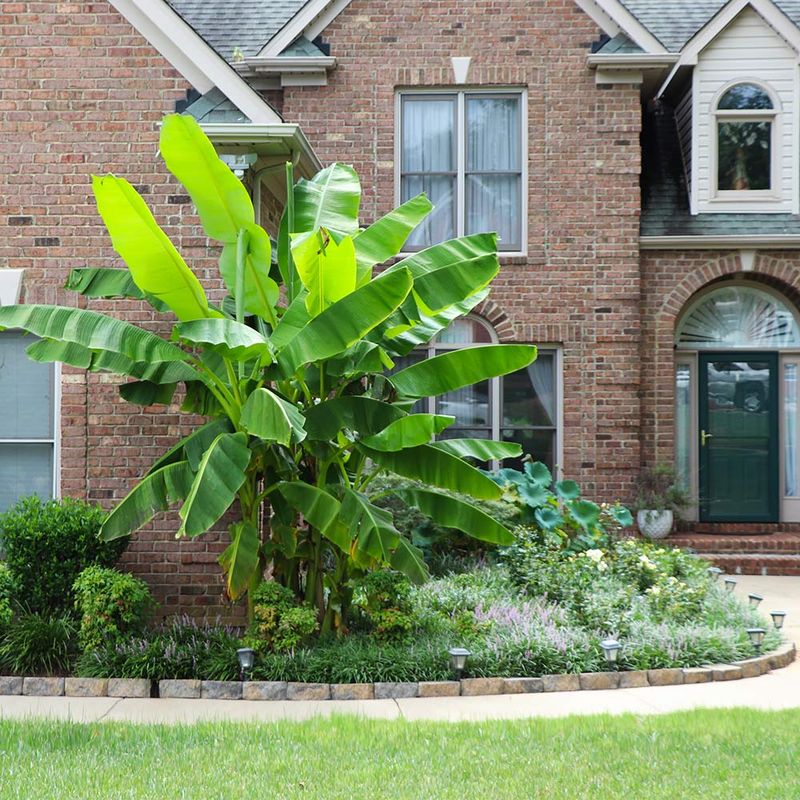
Meet the tough cousin of the banana family. Musa basjoo, also called the Japanese Fiber Banana, shrugs off cold that would flatten its tropical relatives.
With the right winter care, this plant can grow in all 50 U.S. states. Gardeners have success with it down to USDA Zone 5 and even colder when they add strong protection.
That makes it a great match for backyards from Cleveland to Cincinnati.
Now for the honest part. Hardy bananas usually will not give you edible fruit here, because our growing season is too short.
If you were hoping for homegrown banana bread, you may need to stick with the grocery store.
What you do get is pure drama. The leaves can stretch several feet long, and a happy clump can reach 10 to 14 feet tall by late summer.
Neighbors tend to slow down their cars just to stare.
Did you know the name fiber banana comes from history? In Japan, people once used fibers from its stems to weave cloth and make paper.
Your Ohio Garden Changes Every Week. Your Plan Should Too.
Gardening in Ohio changes quickly throughout the season. Every Friday you’ll receive a simple weekly plan showing exactly what to plant, prune, fertilize, harvest, and protect so you never miss the right timing.
That is a pretty cool resume for a garden plant.
If you want a tropical look with less stress, Musa basjoo is your best bet. Plant it in a sunny, sheltered spot with soil that drains well, and it will reward you for years.
3. The Top Collapses While The Roots Hang On
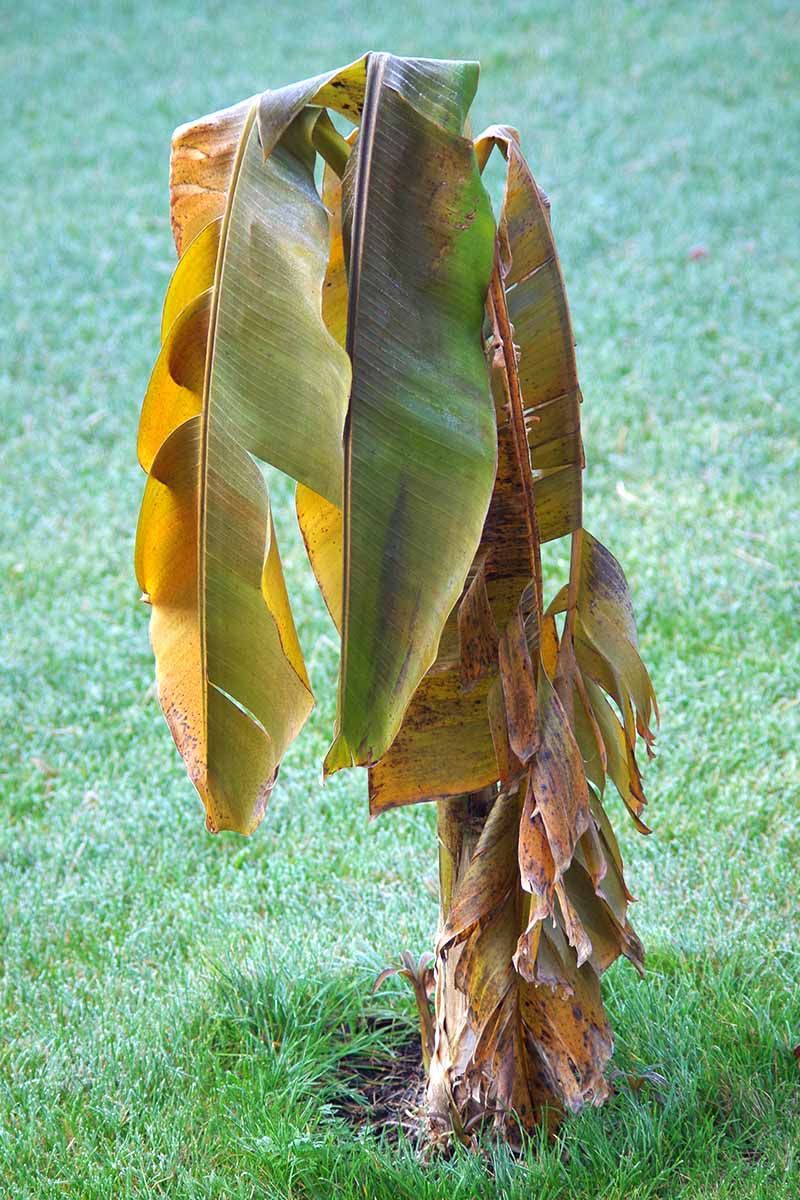
Think of it like a bear going into hibernation. When a big frost hits, the top of a hardy banana slumps to the ground and turns brown and floppy.
At first glance, it looks like a disaster. Many new growers panic and assume the plant is gone for good.
Take a deep breath, because the real action is happening underground.
Below the soil sits a thick root structure called a rhizome. It stores energy like a pantry full of snacks, and it stays alive through the cold months as long as it does not freeze solid or sit in soggy dirt.
Come spring, the magic starts. Fresh shoots called pups poke up from that rhizome, often in late April or May once the soil warms.
They grow shockingly fast, sometimes adding several inches in a single week during June heat.
Here is a helpful tip. Mark the spot where your banana grows before winter, using a stake or a garden flag.
That way, you will not accidentally dig into the rhizome while planting spring bulbs or raking beds.
Patience is the secret ingredient. Some years the pups show up later than you expect, so wait until early summer before deciding anything.
Most Ohio growers find their bananas come back bigger each year as the root system matures.
4. Wait For A Hard Freeze To Brown The Leaves
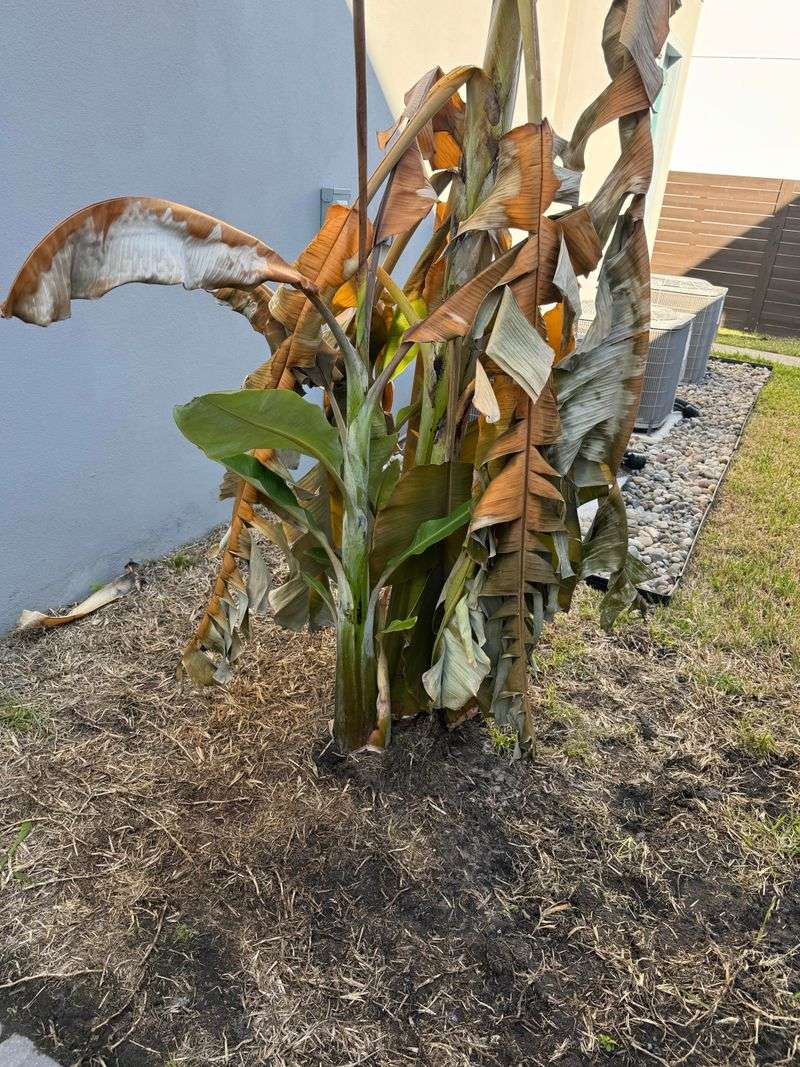
Timing matters more than you might think. Rushing your winter prep can actually cut short the plant’s chance to store up energy for the cold season ahead.
Most growers wait for a hard freeze before doing anything. That is the kind of night when temperatures dip well below 32 degrees and stay there for a few hours.
The next morning, the leaves will look brown, limp, and sad.
A light frost is different. It might nip the edges of the leaves or leave a few spots, but the plant often keeps going.
Wait for the full collapse so you know the growing season has truly ended.
When nights start sliding into the 40s, keep an eye on your weather app. In much of Ohio, the first hard freeze tends to arrive somewhere between late October and mid November.
Northern counties usually see it a bit sooner.
While you wait, gather your supplies. You will want pruning shears or a saw, plenty of mulch, and maybe some chicken wire.
Having everything ready means you can act quickly once the leaves drop.
Think of this step as letting the plant tuck itself into bed. The browning signals that it has pulled energy down into the roots.
Your job is simply to follow its lead and finish the job.
5. Cut Stems Back To About 6 Inches
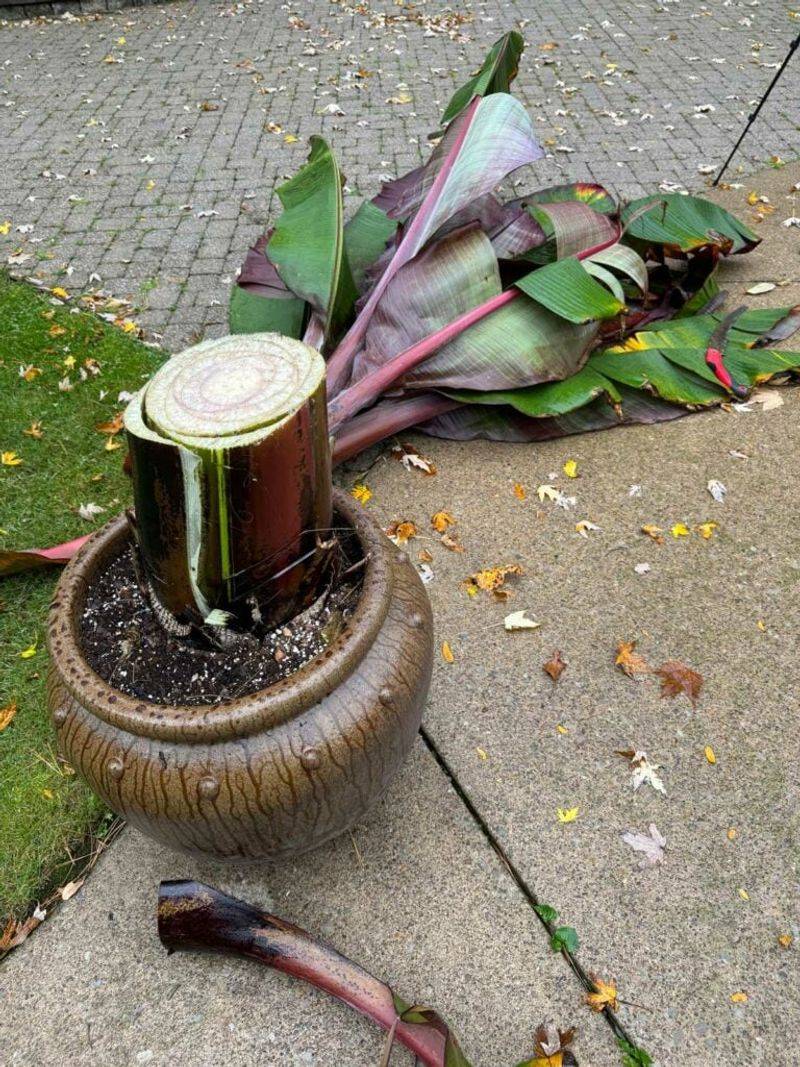
Grab your saw, because this part is oddly satisfying. Once the foliage has flopped over from the cold, it is time to trim things down.
A common approach is to cut the stems back to roughly 6 inches above the soil. Some gardeners leave 12 inches or even 2 feet, especially if they plan to wrap and cage the plant.
Taller stumps can give pups a head start in spring.
Banana stems are soft and full of water, so a serrated bread knife or pruning saw slices through them easily. Be ready for a little mess.
Juice can drip out and may stain clothes, so wear old gear.
Try making each cut at an angle. A slanted surface helps rain and melting snow slide off instead of pooling on top.
Standing water can lead to rot, which is the last thing you want heading into winter.
What should you do with the leftover leaves and stems? Chop them up and toss them in your compost pile.
They break down fast and add nutrients for next year’s garden beds.
Pruning also helps the plant save its energy during dormancy. If you plan to store the banana indoors, a shorter plant is much easier to carry and fits better in a basement corner.
6. Pile On Mulch Once The Ground Freezes
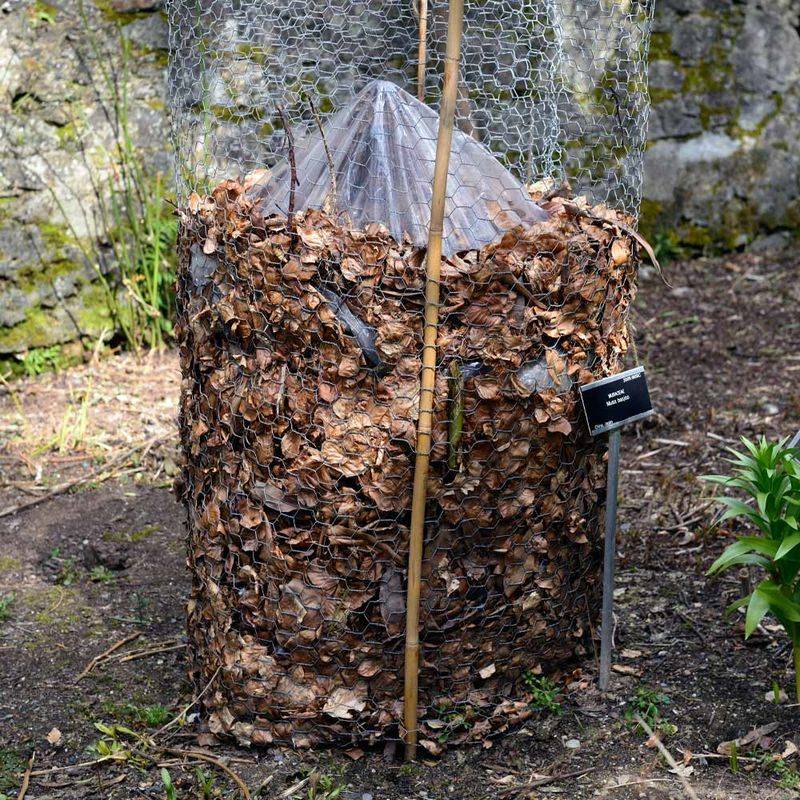
Imagine wrapping your plant in a thick, fluffy blanket. That is basically what mulch does for the rhizome hiding under the soil.
Wait until the ground starts to freeze, or until temperatures sit steadily in the 40s. Then pile a layer of shredded bark, straw, or leaves about 6 to 12 inches deep around the base.
In colder parts of Ohio, go closer to a foot.
The goal is simple. You want to keep the deep soil from freezing hard while also keeping the crown dry.
Bananas, including Musa basjoo, really dislike sitting in cold, wet dirt all winter.
Soggy soil is often a bigger threat than the cold itself. If your yard drains slowly, consider laying a sheet of plastic or a tarp over the mulch.
Weigh down the edges with bricks so winter winds do not carry it away.
Why wait for frozen ground? Mulching too early can trap warmth and invite mice to build cozy nests.
Nobody wants rodents snacking on their banana roots in February.
When spring arrives and frost danger passes, pull the mulch back slowly. Do it over a week or two so new shoots can adjust.
Then watch for those first green tips to appear.
7. Fill A Chicken Wire Cage With Leaves
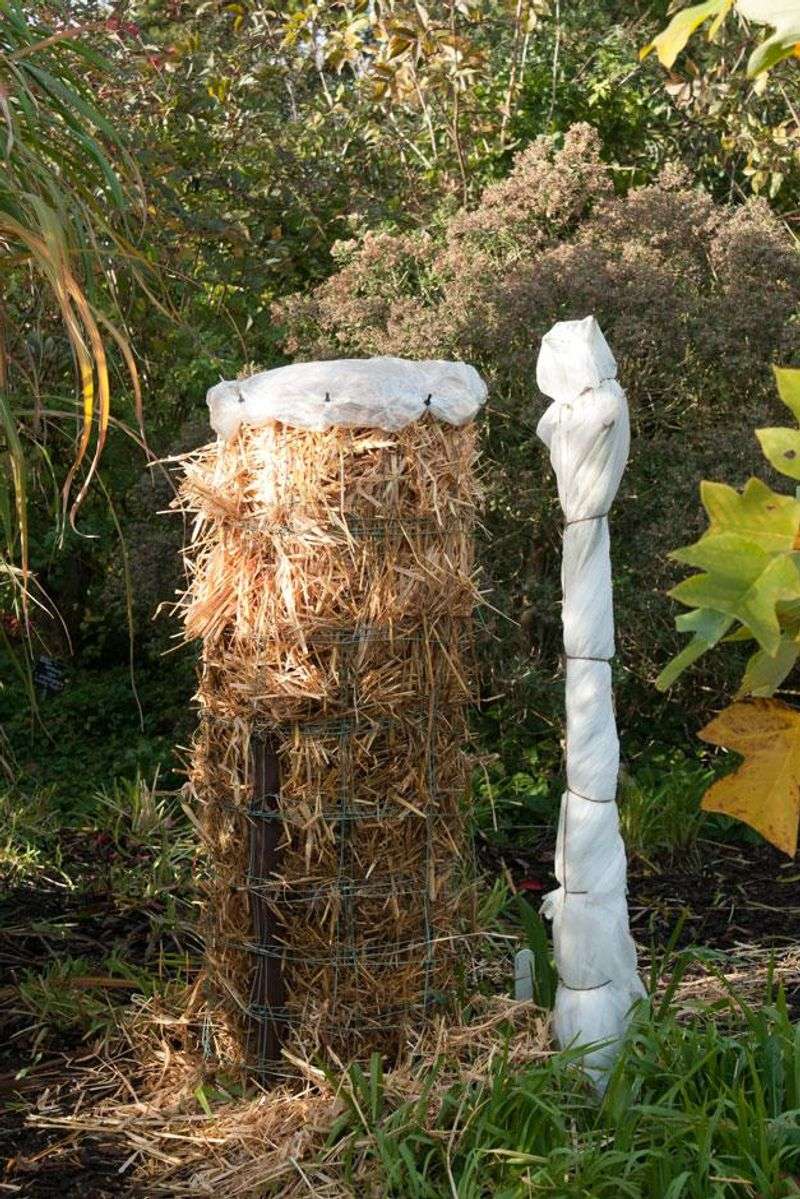
Here is a project that turns fall leaf raking into a superpower. All those leaves piling up on your lawn can become the perfect winter coat for your banana.
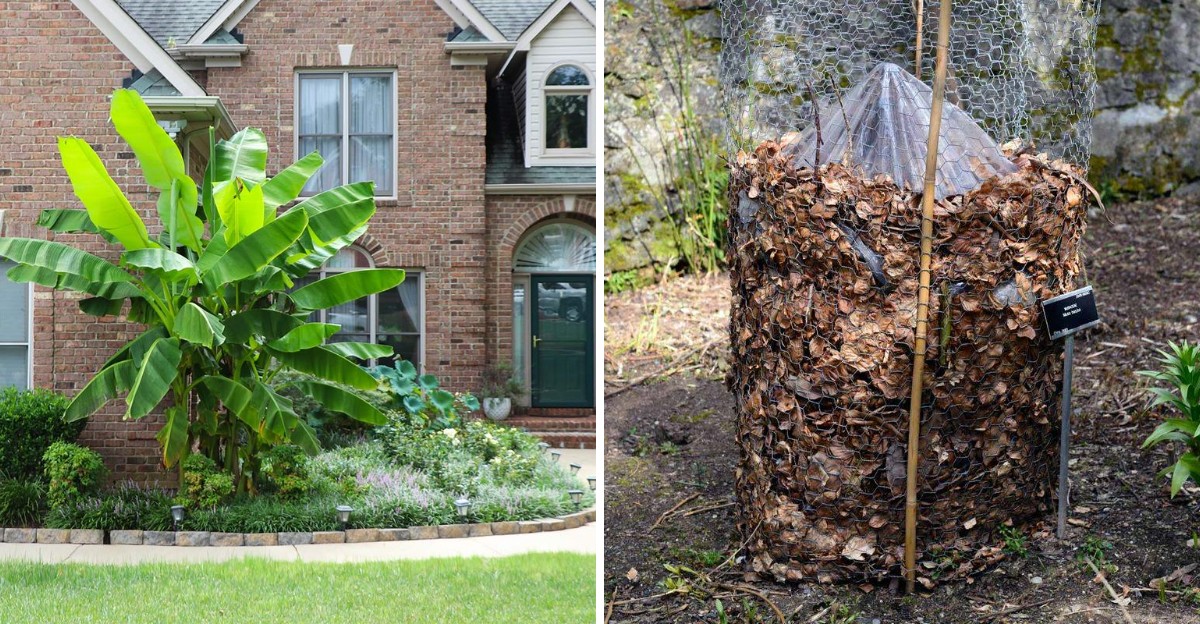
Start by forming a tube of chicken wire around the stems. Aim for a cage roughly 4 feet tall, with about 2 feet of space between the wire and the outer stems.
Secure it with garden stakes so it stays upright during storms.
Next, stuff the cage full of shredded leaves or straw. Shredded leaves work especially well because they pack tightly and may even give off a little warmth as they break down.
They also hold less water than whole leaves, which helps prevent rot.
A lawn mower makes shredding easy. Just run over the leaf piles a couple of times, then bag them up.
Kids often enjoy helping with this part, especially the stuffing.
Pack the leaves down firmly as you go. They will settle over the winter, so top off the cage if it starts looking a little empty in December or January.
Some growers cover the top with a tarp or upside-down bucket to shed rain. In spring, simply open the cage and spread the leaves into your garden beds as free mulch.
8. Store Tropical Bananas Dormant In A Basement Or Garage
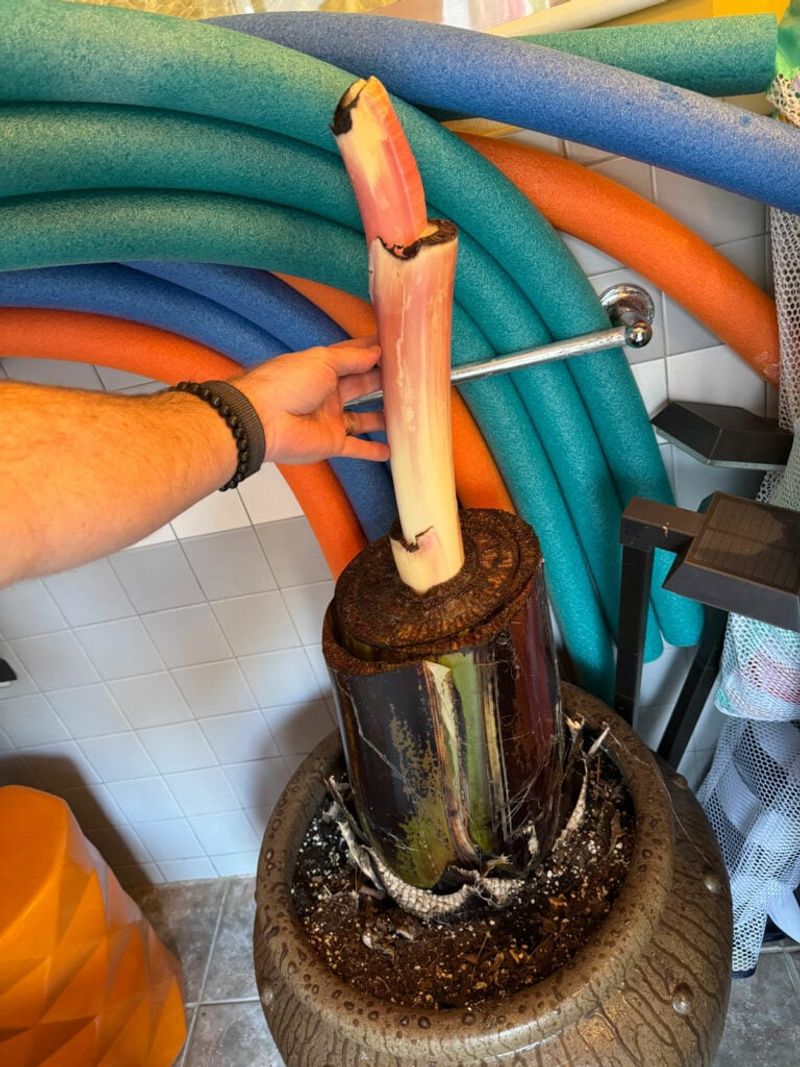
Tropical bananas cannot rough it outside, but they can take a long winter nap indoors. It is a bit like putting summer patio furniture into storage.
Begin by digging up the plant or sliding it out of its pot. Trim it down to about 12 inches, or even just the root ball if space is tight.
Shake off extra soil gently so you are not hauling half the garden inside.
If the plant came out of the ground, let the roots air dry for a few days. A covered porch or garage floor works fine for this.
Drying helps lower the chance of mold during storage.
Find a cool, dark spot that stays above freezing, ideally between 40 and 55 degrees Fahrenheit. An unfinished basement or an attached garage often hits that sweet spot.
Avoid places near furnaces or water heaters.
During dormancy, the plant needs little to no water. Check it once a month to make sure it is not shriveling or rotting.
A light misting is plenty if the roots look extra dry.
Here is a bonus idea. Small offshoots called pups can be separated, potted up, and grown on a sunny windowsill.
You end up with extra plants to share with friends next spring.
9. Potted Bananas Can Spend Winter As Houseplants
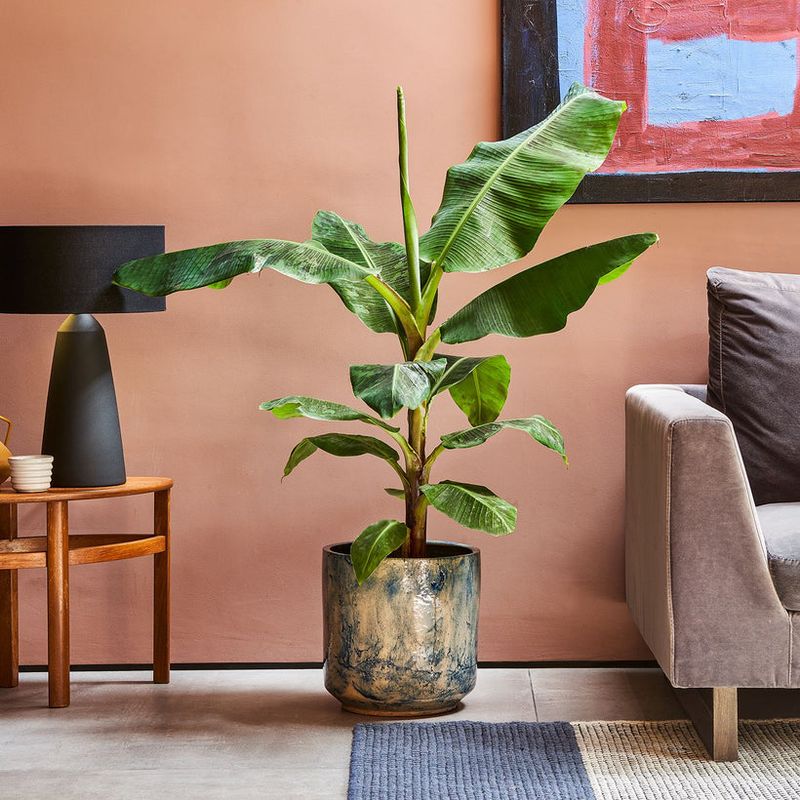
Few things brighten a snowy January like a big green banana leaf by the window. Potted bananas can move indoors and act like oversized houseplants until spring.
Before the big move, help the plant adjust. Bring it inside for a few hours each day over a week or so.
While you are at it, check under the leaves for spider mites, aphids, or other tiny hitchhikers.
After the first frost, trim back some foliage to make the plant easier to manage. Fewer leaves also means it saves energy.
Your living room will thank you for the extra elbow room.
Pick a cool, bright location, such as near a south-facing window. Keep it away from heat vents and radiators, since warm blasts of air can push the plant into early growth.
Dry heat can also brown the leaf edges.
Water sparingly through the winter. Let the top few inches of soil dry out before you give it another drink.
Overwatering is the most common mistake indoor banana keepers make.
Temperature changes the game. If your home stays above 50 degrees, the banana may keep growing and will need more steady light.
A simple grow light can fill in on cloudy Ohio days.