The Most Underrated Pennsylvania Native Wildflower That Blooms Through August Heat
August is the month Pennsylvania gardens tend to lose their nerve. Spring bloomers are long finished, the reliable summer performers are starting to fade, and the heat has a way of making everything look a little tired and washed out.
Most gardeners accept this as an unavoidable August reality and wait for September to bring some relief. But one native Pennsylvania wildflower did not get that memo.
While the rest of the garden eases into end of season mode, this underrated native is hitting one of its strongest flowering stretches of the entire year.
It pushes out blooms through the August heat with a reliability that makes it one of the most valuable plants in the late summer native garden, and yet most Pennsylvania gardeners have never grown it or even encountered it.
It’s not a difficult plant. It’s not hard to establish. It’s just genuinely overlooked, which is a situation worth correcting.
Here’s the Pennsylvania native wildflower that blooms beautifully through August heat and why your garden should have it.
Meet Clustered Mountain Mint
Walk past a patch of clustered mountain mint and you will notice something right away: the air around it smells fresh and sharp, almost like a handful of spearmint candy. That scent is one of the first things that sets this plant apart from everything else in a summer garden.
Officially known as Pycnanthemum muticum, it belongs to the mint family and is native to Pennsylvania and much of the eastern United States.
Gardeners sometimes call it short-toothed mountain mint or broad-leaved mountain mint. Both names hint at its wide, oval leaves, which are a little different from the narrow leaves you might picture on a typical mint plant.
The foliage is aromatic all season long, but the real showstopper arrives when the plant starts flowering.
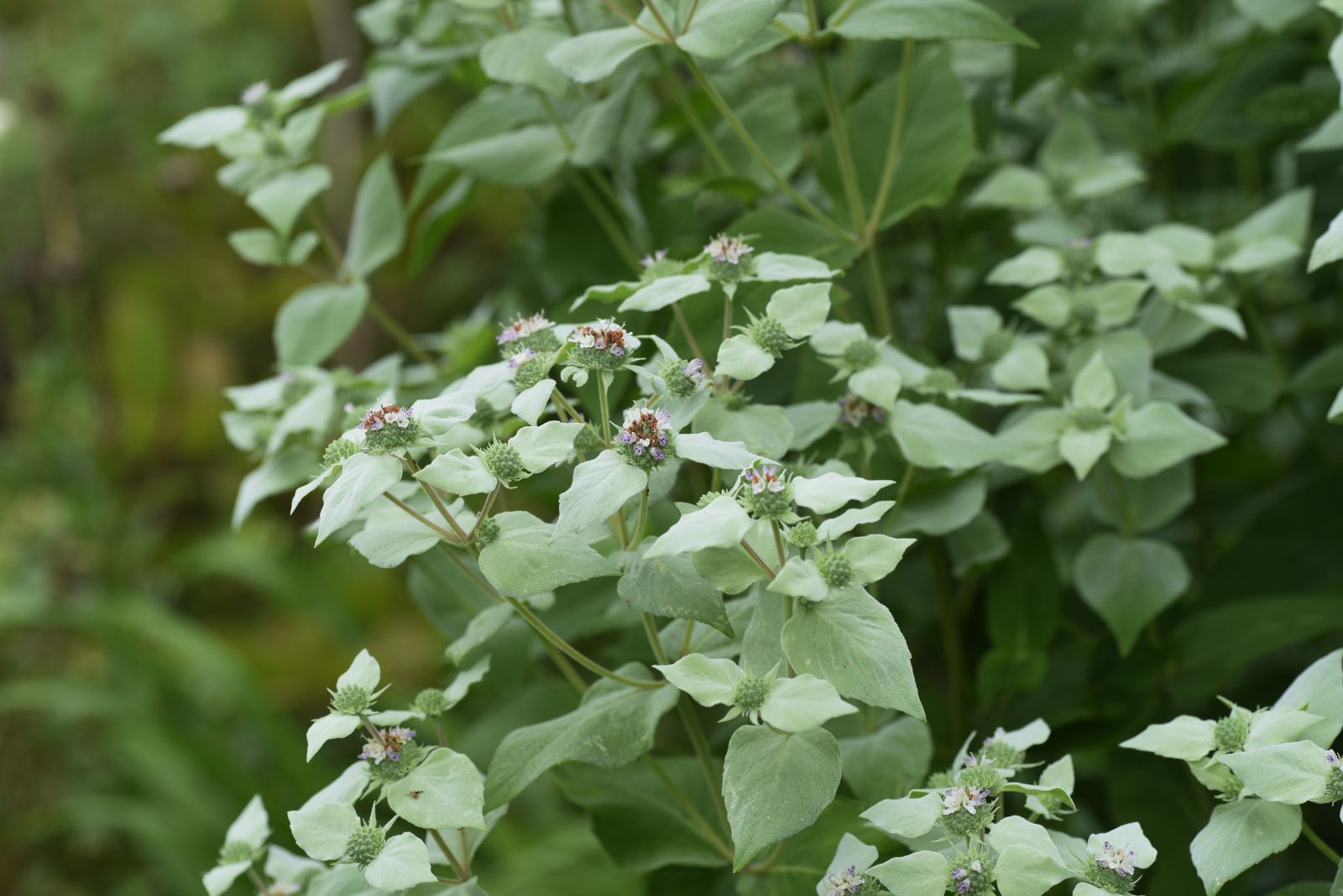
As blooms develop, the upper leaves surrounding the flower clusters turn a striking silvery-white color. That silver sheen makes the plant look almost frosted, which is eye-catching even from a distance.
The actual flowers are tiny and range from white to soft lavender, grouped into tight, flat clusters called cymes.
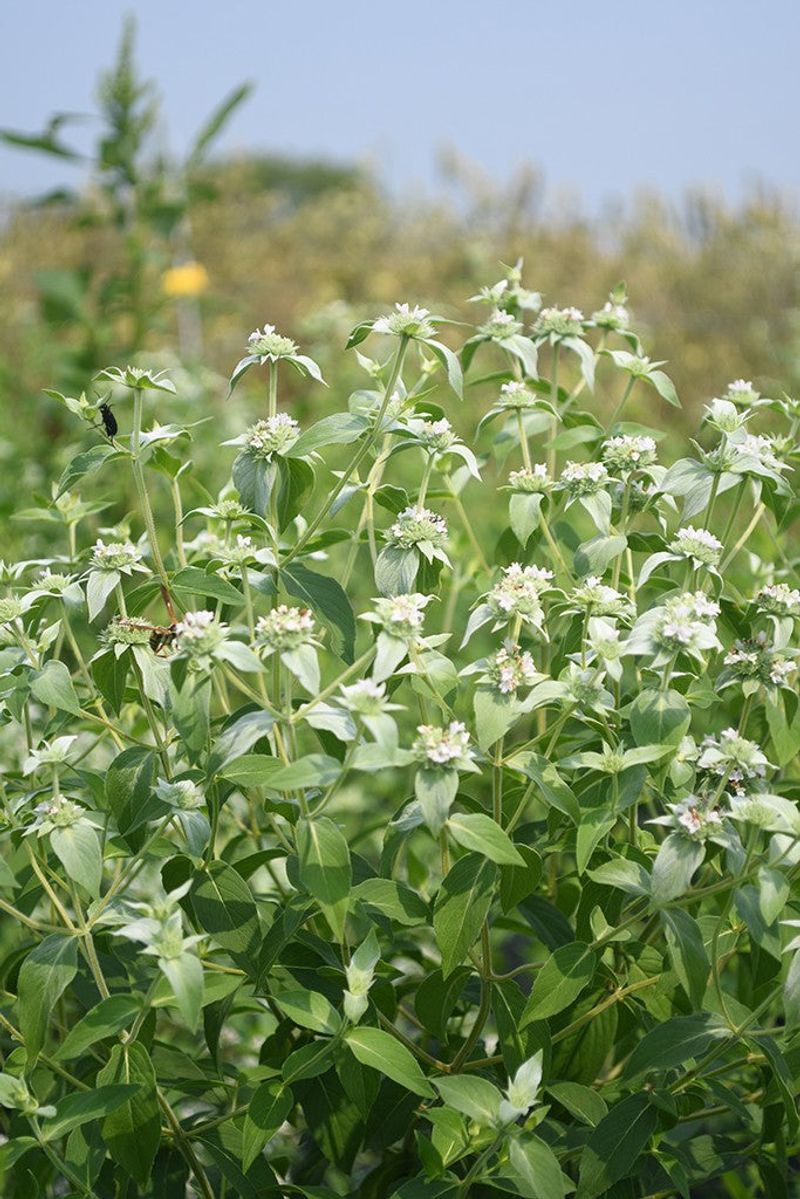
Growth is upright and bushy. Mature plants commonly reach about two to three feet tall, making them a solid mid-border choice.
They fill in nicely without flopping over, which means you probably will not need to stake them. Clustered mountain mint is an herbaceous perennial, so it comes back from its roots each spring after the cold season ends.
For Pennsylvania gardeners who want a native plant that looks great, smells wonderful, and requires very little fussing, this wildflower is a genuinely smart starting point worth adding to any planting plan.
Why It Keeps Blooming Through August
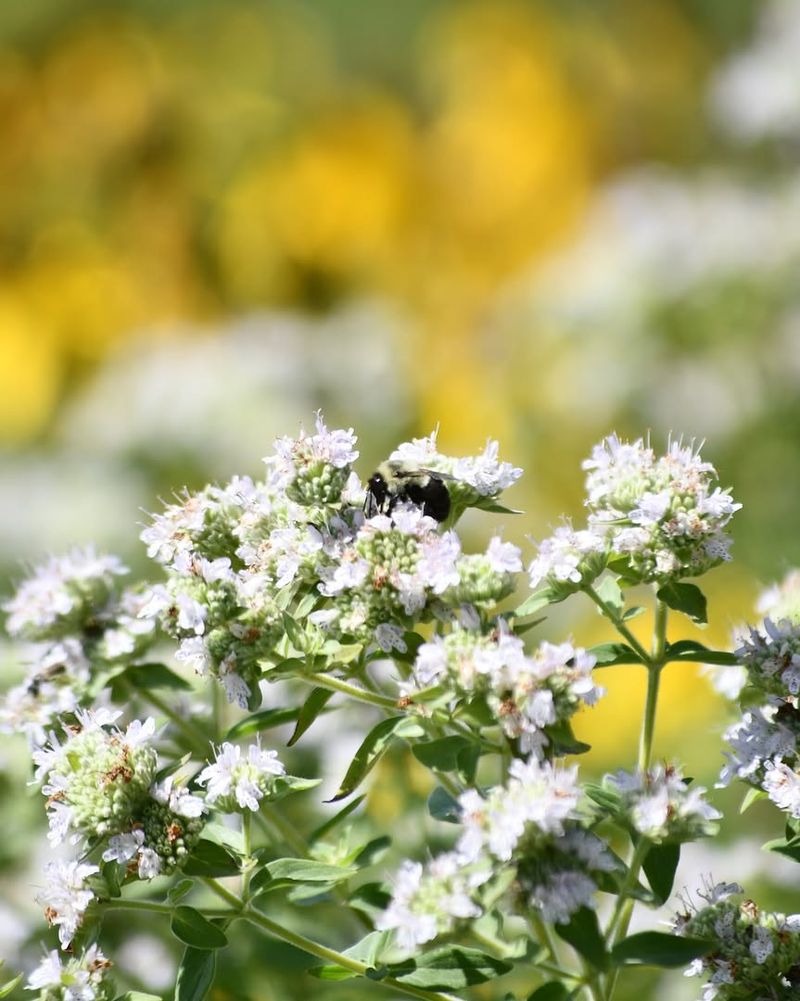
Most summer wildflowers put on a great show in June and then quietly fade before July is even finished. Clustered mountain mint plays by completely different rules.
Pennsylvania gardening sources consistently place its bloom period from June or early July all the way through August and sometimes into September. That is an impressively long run for any perennial.
Your Pennsylvania Garden Changes Every Week. Your Plan Should Too.
Gardening in Pennsylvania changes quickly throughout the season. Every Friday you’ll receive a simple weekly plan showing exactly what to plant, prune, fertilize, harvest, and protect so you never miss the right timing.
Individual plants can stay in flower for up to ten weeks. Think about what that means for your garden: while neighboring plants are already going to seed, mountain mint is still covered in fresh blooms.
That extended color and activity makes a real difference in how lively a garden feels during the hottest stretch of the year.
One reason it performs so well in summer heat is its tolerance for dry spells. Established plants can handle periods of drought without completely shutting down.
Flowering is strongest when the soil stays consistently moist, but the plant does not collapse the moment rainfall gets scarce. That resilience is a huge plus for Pennsylvania summers, which can swing between heavy rain and weeks of dry heat.
The long bloom period also means the garden stays productive for pollinators during a time when many native food sources are running low.
Late summer can be a lean period for bees and butterflies, so a plant that keeps offering nectar through August is genuinely valuable to the local ecosystem.
If you have ever felt frustrated watching your garden go dull in mid-July, clustered mountain mint is the kind of dependable bloomer that solves that problem season after season without requiring much effort on your part.
The Tiny Flowers Attract An Extraordinary Crowd
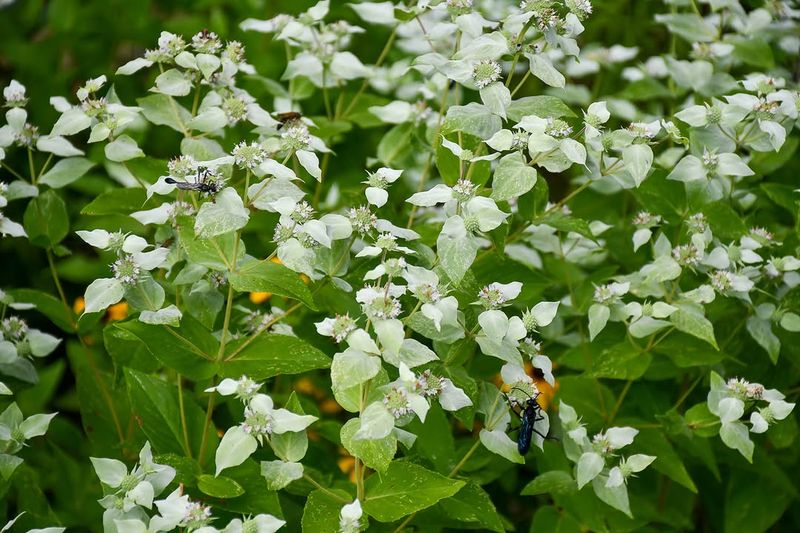
Forget flashy tropical plants with enormous blooms. Sometimes the smallest flowers draw the biggest crowds, and clustered mountain mint is proof of that.
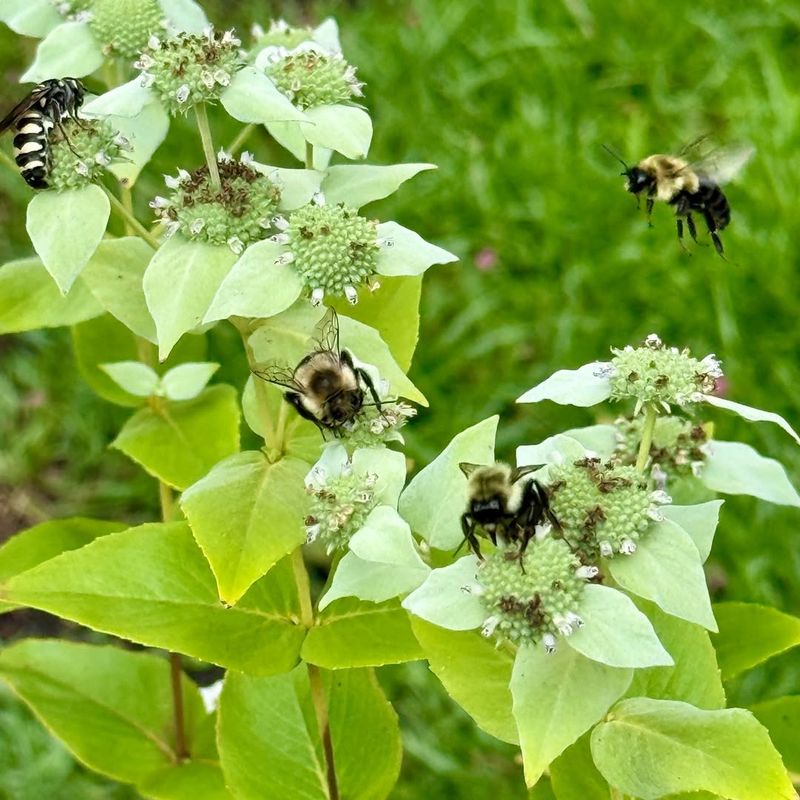
Its individual flowers are tiny, almost delicate-looking. But they grow in dense, flat clusters that act like a landing pad, making nectar and pollen easy for insects of all sizes to reach.
The variety of visitors is genuinely impressive. Bees of many species show up regularly, from large bumblebees to small native sweat bees.
Butterflies float in throughout the day. Beneficial wasps, flower flies, and tachinid flies also visit in large numbers.
Tachinid flies are parasitic to many garden pests, so attracting them is a bonus for anyone trying to manage their garden naturally.
The scientific backing here is hard to argue with. In a Penn State trial that evaluated 86 native plant species and cultivars for pollinator activity, clustered mountain mint came out on top.
It received the most pollinator visits of any plant tested and attracted the greatest diversity of pollinator species. That is a remarkable result from a plant that most people have never even heard of.
For anyone designing a pollinator garden or a landscape meant to support beneficial insects, this data makes mountain mint an obvious choice.
It pulls in far more activity than many well-known garden favorites. Placing it near vegetables or fruit plants could also help boost pollination in those areas.
Watching the action on a warm August afternoon is genuinely entertaining. The clusters buzz and flutter almost constantly, turning an ordinary garden corner into a lively, buzzing hub of natural activity that keeps visitors and homeowners alike stopping to watch.
Where It Grows Best In Pennsylvania Gardens
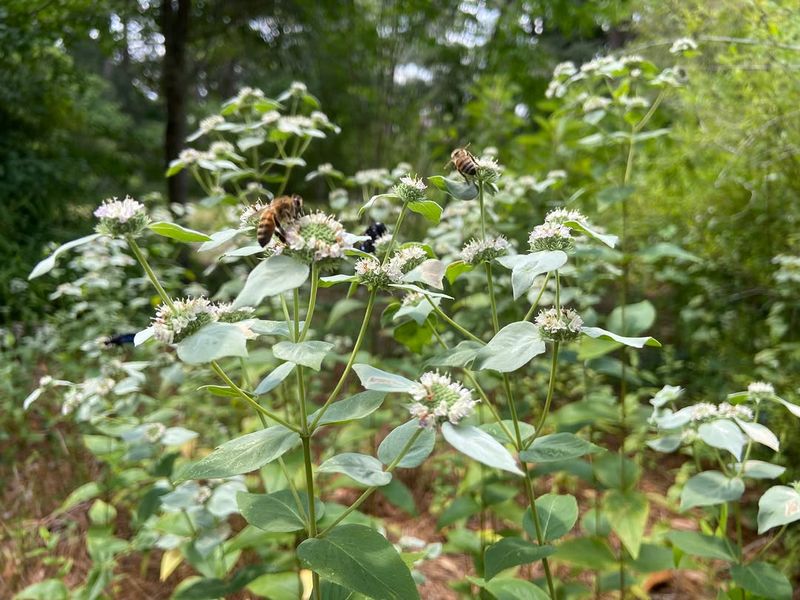
Picking the right spot for any plant makes a huge difference, and clustered mountain mint is no exception. Full sun is where it truly thrives.
Give it at least six hours of direct sunlight each day and you will get the most abundant flowering possible. That said, it handles partial shade reasonably well, which gives you a little flexibility if your yard is not perfectly sunny.
Soil preferences are fairly easy to meet. Mountain mint does best in fertile, well-drained soil that stays at medium to moderately high moisture levels.
It is not a plant that wants to sit in standing water, but it also appreciates consistent hydration during the growing season. The good news is that once it is established, it can adapt to less-than-ideal conditions, including clay soils and shallow rocky ground.
That adaptability makes it a strong candidate for spots where other plants struggle. Rain gardens are a particularly good fit because mountain mint can handle occasional wet periods followed by drier stretches.
Native plant borders, cottage gardens, and pollinator beds are all excellent placements as well. Naturalized areas where the plant is allowed to spread freely are another great option.
Spacing matters when you first plant it. Give each plant about two to three feet of room to fill in.
Young plants may look a little sparse in their first season, but by the second or third year, they typically form full, attractive clumps. Mulching around the base helps retain moisture and keeps weeds from competing during establishment.
Pennsylvania gardeners in USDA hardiness zones 4 through 8 can all grow this plant successfully, which covers essentially the entire state from the mountains to the coastal plain.
Why Deer Usually Leave It Alone
Anyone who gardens in Pennsylvania knows the frustration of planting something beautiful, only to find it chewed down to a stub by morning.
Deer pressure is a real challenge across much of the state, and it pushes many gardeners toward plants that offer some natural protection. Clustered mountain mint delivers exactly that.
Rub a leaf between your fingers and you will understand immediately why deer tend to pass it by. The foliage releases a powerful, sharp mint fragrance that browsing animals find unappealing.
Deer, rabbits, and several other common garden visitors generally avoid aromatic plants like this one. That resistance is rooted in instinct: strong-smelling plants often signal compounds that taste bitter or unpleasant to grazing animals.
For gardeners who have lost hostas, coneflowers, or black-eyed Susans to repeated deer browsing, mixing in clustered mountain mint can help protect the planting.
Its aromatic presence may discourage deer from lingering in the area long enough to sample neighboring plants. Some gardeners even use it strategically as a border around more vulnerable perennials.
A word of honest caution, though: no plant is completely deer-proof. When wildlife populations are high and natural food sources become scarce, deer will sometimes sample plants they normally avoid.
Drought years and harsh winters can push animals to eat things they would otherwise skip. Mountain mint holds up well under normal conditions, but it is not a magic shield.
Still, compared to many other flowering perennials, clustered mountain mint has a strong track record of coming through the growing season looking full and healthy.
For deer-challenged Pennsylvania yards, that kind of reliability is genuinely worth celebrating and building a garden plan around.
How To Control Its Enthusiastic Spread
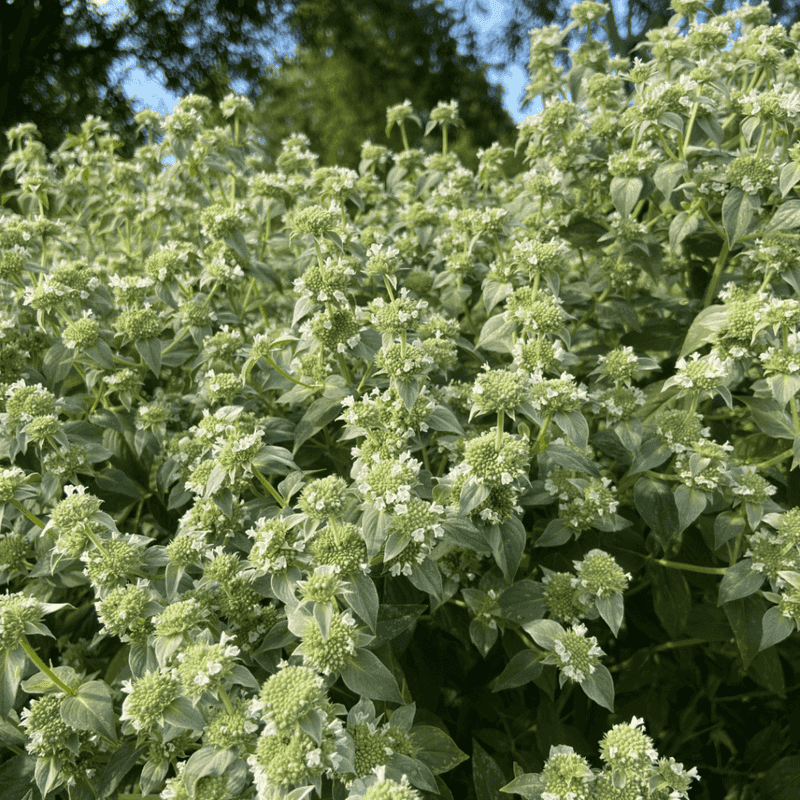
Clustered mountain mint has a lot going for it, but there is one thing new growers should know upfront: it likes to spread. The plant expands through shallow underground rhizomes, and over time a single clump can grow into a broad colony.
In the right spot, that spreading habit is actually a feature. In a tight border with delicate neighbors, it can become a problem worth managing.
Smart placement solves most issues before they start. Give mountain mint room to naturalize freely, such as along a fence line, at the edge of a meadow planting, or in a large pollinator bed where spreading is welcome.
Avoid tucking it right next to slow-growing or fragile plants that cannot compete for space. Controlling the spread is straightforward once you know the technique.
Each spring, before new growth gets too tall, take a sharp shovel and cut straight down around the perimeter of the clump.
That severs the spreading rhizomes and stops them from advancing further. Unwanted shoots that have already moved beyond the intended area can simply be dug out and removed or shared with other gardeners.
Dividing the main clump every few years also helps keep the plant vigorous and manageable.
Dig up a section in early spring, replant what you want to keep, and pass the extras along. Division actually encourages stronger flowering in the seasons that follow. One final tip: resist the urge to cut everything down in fall.
Leaving the finished flower heads standing through winter adds visual interest to the garden and provides potential food for birds searching for seeds during cold months. Come early spring, cut the old stems back to make room for fresh new growth.