The Most Underrated North Carolina Native Shrub That Absorbs Standing Water After Summer Storms
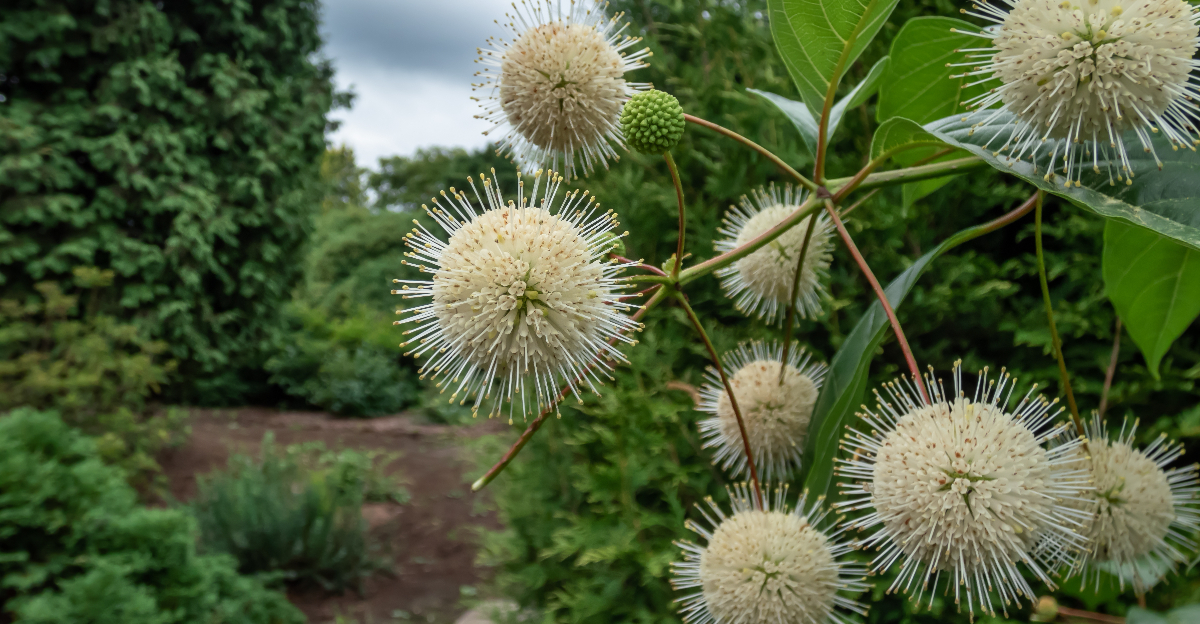
Buttonbush rarely gets the credit it deserves, despite being one of the most effective native shrubs for handling standing water after North Carolina storms.
This adaptable plant thrives in consistently moist or even temporarily flooded soil, making it perfect for low lying areas that struggle to drain.
Its extensive root system helps absorb excess water quickly, reducing the risk of prolonged pooling that can damage nearby plants.
Buttonbush also produces unique, round flower clusters that attract pollinators throughout the summer months.
Unlike many ornamental shrubs, it requires little maintenance once established in the right location.
Planting it near downspouts or low spots gives yards a natural, attractive solution to drainage problems.
Its tolerance for both wet and average soil conditions makes it especially versatile across different yard types.
Choosing buttonbush now can solve a longstanding drainage headache with surprisingly little effort.
1. Buttonbush
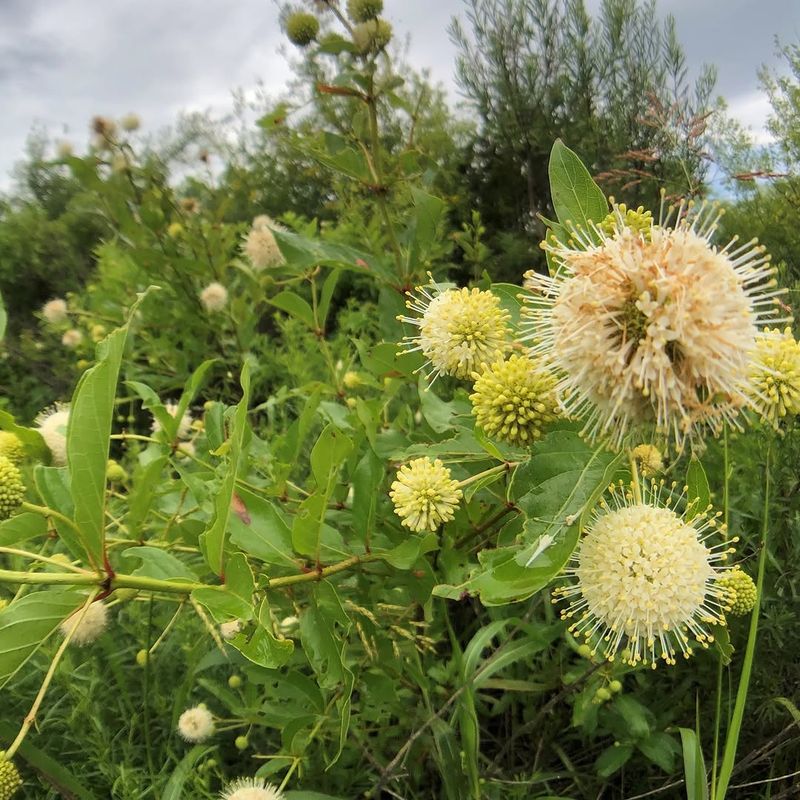
Most gardeners walk right past buttonbush at the nursery without a second glance, and that is honestly a shame.
Cephalanthus occidentalis has been quietly thriving in North Carolina wetlands, along streambanks, and at pond margins for centuries without anyone in the landscaping world giving it much credit.
While trendy ornamental shrubs dominate garden center shelves, buttonbush keeps doing its job in the wild, exactly where nature put it. What makes it so well suited to tough wet spots is simple biology.
Buttonbush evolved in consistently moist and seasonally flooded environments, so its roots, stems, and leaves are naturally built to handle the kind of soggy, oxygen-poor soil conditions that cause most common foundation shrubs to turn yellow and decline.
Clay soil, standing water after storms, and humid summer heat are not problems for this plant. They are basically its home turf.
One thing worth understanding right from the start is that buttonbush does not work like a sponge you drop into a flooded yard. It will not instantly drain a low area or fix a drainage problem on its own.
What it does is contribute meaningfully to a well-planned rain garden or a low landscape zone where water is directed, held, and given time to soak naturally into the soil.
Planted in the right spot with the right setup, buttonbush is genuinely one of the most practical and ecologically valuable native shrubs available to North Carolina gardeners today.
2. Its Roots Help Slow And Hold Stormwater
Underground, buttonbush is doing a lot more work than most people realize.
Once established, its root system spreads into the surrounding soil and creates a network of channels and pathways that help rainwater move downward rather than rushing across the surface.
Think of those roots like tiny corridors opening up the ground, giving water somewhere to go instead of pooling on top.
Roots also physically hold soil particles together, which matters a lot in low areas where moving water can erode and shift the ground over time.
A well-rooted buttonbush stabilizes the soil around it, reducing the kind of slow washout that often happens in repeatedly flooded spots.
As the plant grows and its root mass expands, that stabilizing effect gets stronger and more reliable season after season. Buttonbush also uses moisture actively as it grows.
Your North Carolina Garden Changes Every Week. Your Plan Should Too.
Gardening in North Carolina changes quickly throughout the season. Every Friday you’ll receive a simple weekly plan showing exactly what to plant, prune, fertilize, harvest, and protect so you never miss the right timing.
Water moves up through the plant, gets used in growth and metabolism, and is released back into the air through the leaves in a process called transpiration.
This means the shrub is genuinely pulling moisture out of the soil as part of its normal life cycle, not just sitting in the wet area passively.
How much water any single shrub manages depends on many factors including plant size, soil texture, local drainage patterns, and storm intensity.
Expecting one shrub to solve a serious flooding problem is unrealistic, but as part of a thoughtfully designed planted area, buttonbush contributes real, measurable stormwater management value every growing season.
3. It Tolerates Conditions That Trouble Many Shrubs
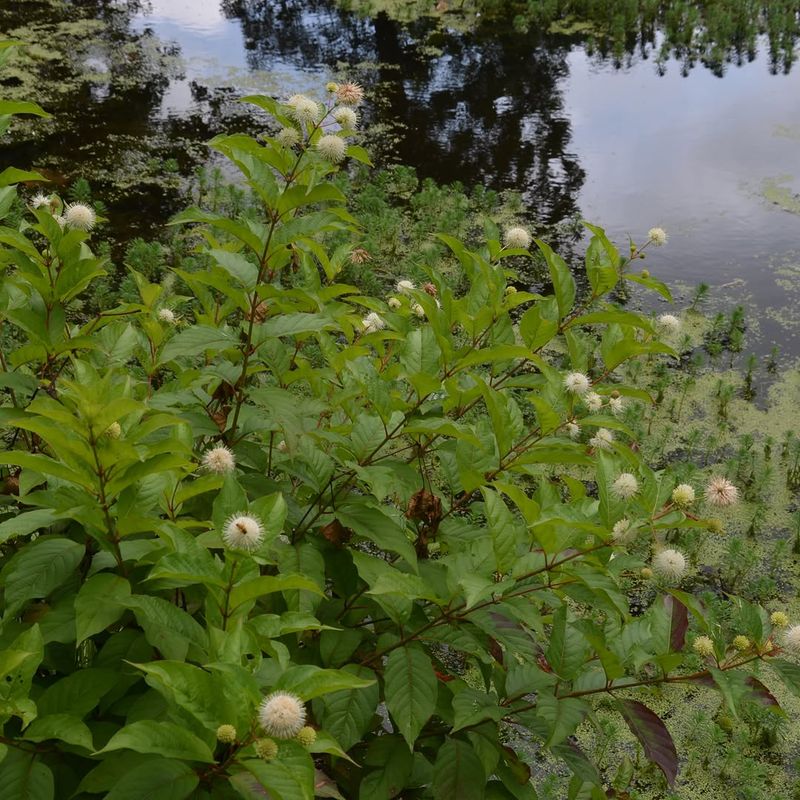
Picture the spot in your yard where nothing seems to grow well. The soil stays wet for days after rain, the ground feels compacted underfoot, and every shrub you have tried there eventually turns yellow and gives up.
That exact description is where buttonbush feels completely at home. It genuinely prefers consistently moist to wet soil, and it handles periodic standing water around its base without skipping a beat.
North Carolina summers bring intense heat alongside heavy rainfall, and buttonbush handles both at the same time.
Clay soil, which drains slowly and holds water longer than other soil types, does not stress this shrub the way it stresses azaleas, boxwoods, or other popular landscape plants.
Some degree of soil compaction is also tolerable, which makes it a practical option for yards that get regular foot traffic or have been graded and disturbed over time.
That said, buttonbush is not the right plant for every situation. A raised, sunny bank that stays dry through the summer is not a good fit.
A bed that only gets occasional moisture and drains quickly between rain events will likely leave this shrub underperforming and struggling.
Before purchasing any plants, spend a few weeks observing your target spot after multiple storms.
Notice how long water sits, how the soil feels a day or two later, and whether the area dries out completely between rain events.
Matching the plant to the actual moisture pattern of your specific site is the most important decision you will make for long-term success with buttonbush.
4. A Rain Garden Is Better Than A Random Wet Hole
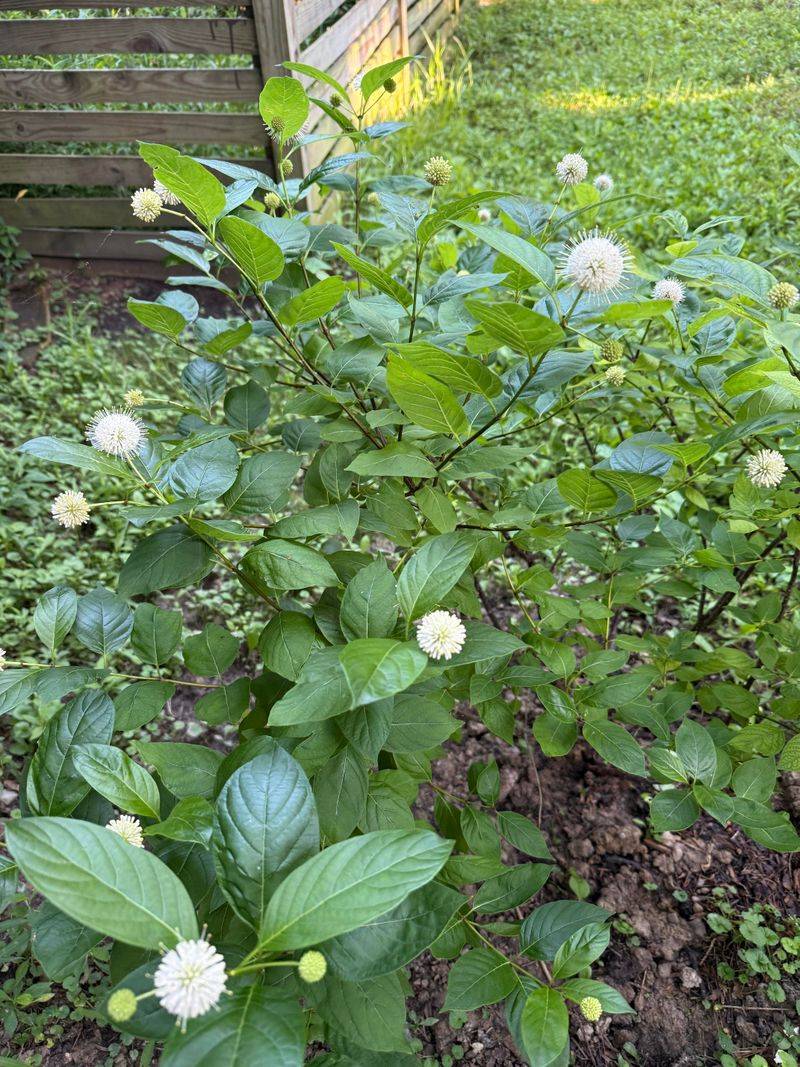
Dropping a plant into a random soggy spot and hoping for the best is one of the most common gardening mistakes out there.
Buttonbush performs far better when it is placed inside a properly planned rain garden, which is a shallow, bowl-shaped planted depression designed to collect runoff from roofs, driveways, or lawns and allow that water to soak gradually into the soil over a day or two.
The design matters as much as the plant selection. Location is everything when it comes to rain garden placement.
Keep it at least ten feet from your home’s foundation, and well away from any wellhead, septic system, underground utility lines, or property edges where collected water could flow onto a neighbor’s yard.
A poorly placed rain garden can create new problems faster than it solves old ones, so taking time to plan the layout before breaking ground is absolutely worth the effort.
Within the rain garden itself, buttonbush belongs in the lowest, wettest central zone where water collects and sits longest after a storm.
Plants with less water tolerance, like native sedges, swamp rose, or Virginia willow, work well along the higher outer edges where soil moisture is more moderate.
This layered planting approach creates a natural gradient that mirrors how wetland plant communities actually grow in the wild.
NC State Extension and local conservation districts often offer free rain garden design guidance, so take advantage of those resources before you plant.
A well-built rain garden with buttonbush at its center can handle stormwater beautifully for many years.
5. Full Sun Produces The Strongest Flowering
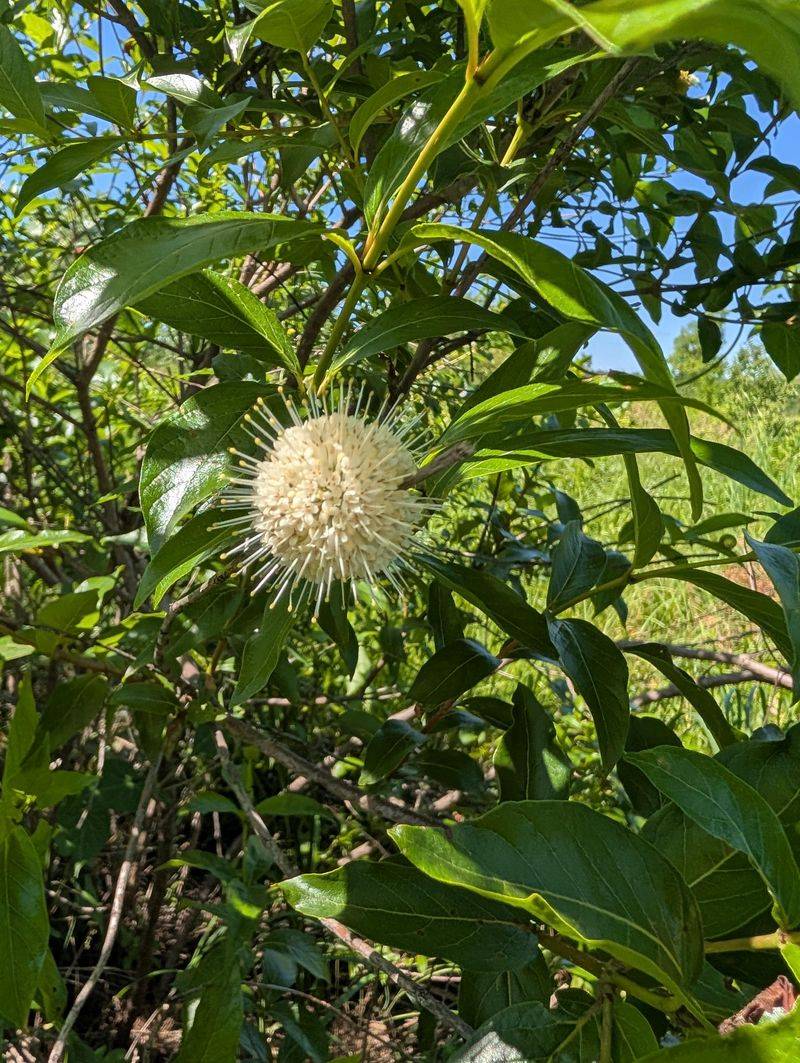
Buttonbush can grow in partial shade, but put it in full sun and the difference is striking.
Shrubs growing in open, sunny spots develop denser branching, fuller canopies, and far more of those distinctive round white flower clusters that make the plant so visually interesting during summer.
If you want the full show this shrub is capable of putting on, sunlight is the key ingredient. Full sun means at least six hours of direct sunlight per day, and ideally more during the long North Carolina summer days.
Partial sun, meaning four to six hours, still produces reasonable growth and some flowering, but deeply shaded locations under dense tree canopy will limit flowering noticeably and can lead to a looser, leggier plant form.
Before choosing a planting spot, track how many hours of direct sun the area receives on a clear summer day, and account for any nearby trees or structures that cast shade. Something else worth considering is afternoon sun intensity.
North Carolina summers get genuinely hot, and a buttonbush in a south or west-facing location with strong afternoon exposure will dry out faster at the soil surface even if the deeper soil stays moist.
Consistent soil moisture becomes especially important in those high-sun situations. Mulching the root zone and checking soil moisture regularly during the first season helps the plant get through summer heat without added stress.
Once fully established after two or three growing seasons, buttonbush handles sun and heat with much more independence and resilience than it shows as a newly planted shrub.
6. It Needs More Room Than Many Gardeners Expect
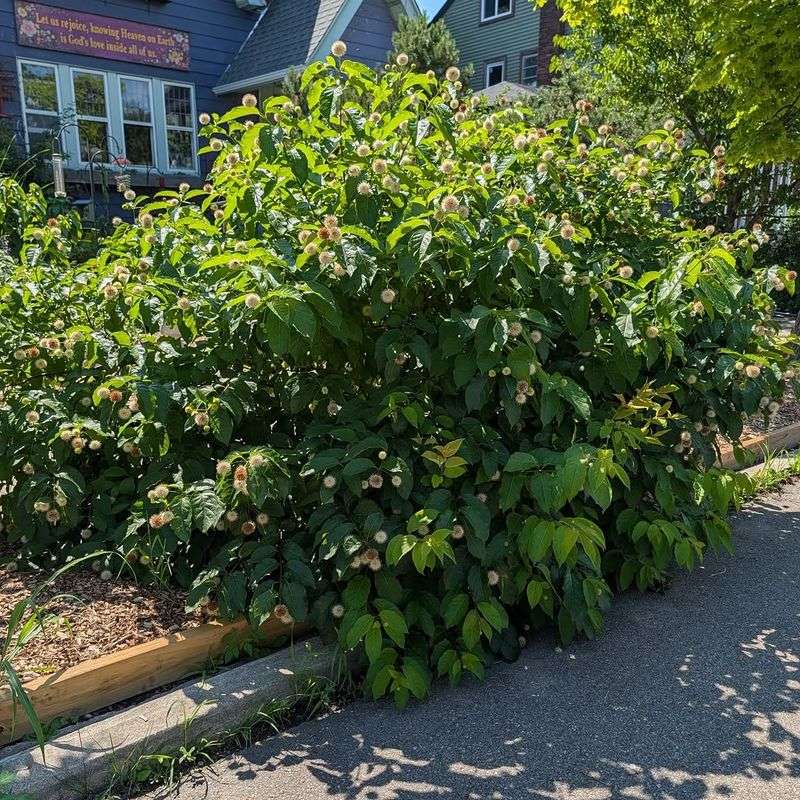
Buttonbush is not a compact, tidy little shrub you can tuck into a tight corner and forget about.
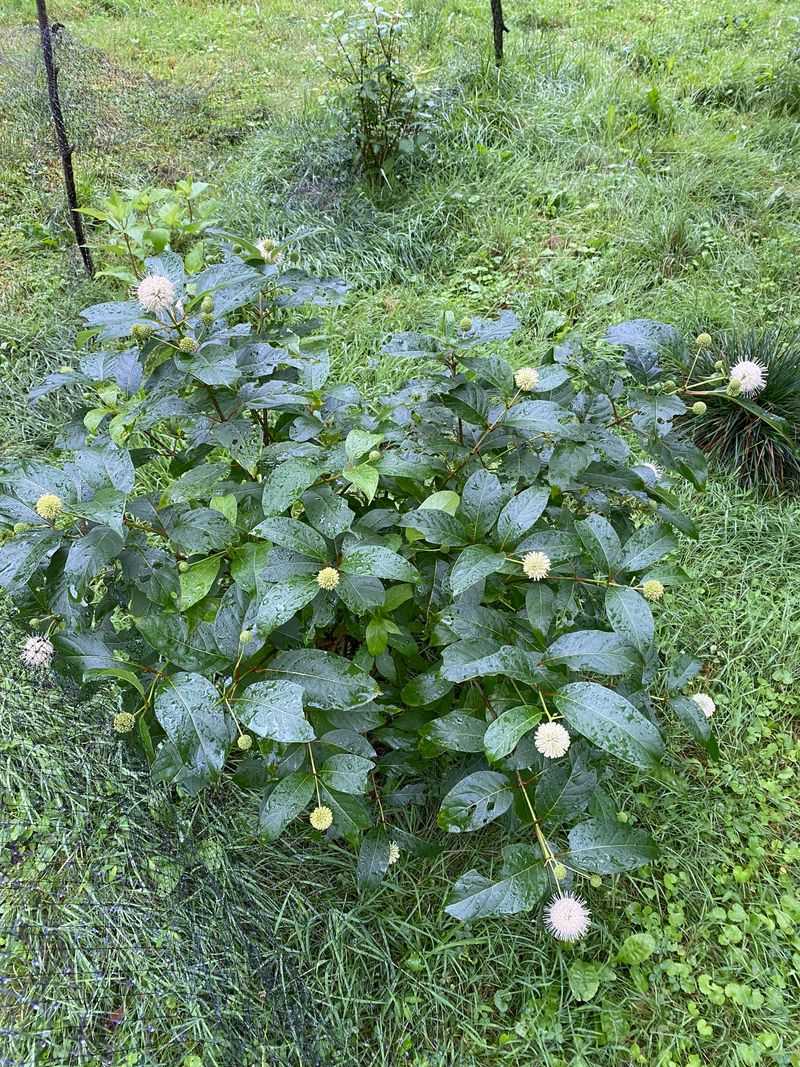
In the right conditions, a mature plant can reach six to twelve feet in both height and width, sometimes spreading even wider with an irregular, arching branch structure.
That natural, somewhat wild form is part of its charm, but it does require honest planning before you pick up a shovel.
Planting too close to a house, a fence, a pathway, or an air conditioning unit creates headaches down the road.
Branches that grow into windows or block walking paths need constant cutting back, which disrupts the natural shape and reduces flowering.
Buttonbush blooms on new growth, so aggressive annual pruning can significantly reduce how many flowers you get each season. Giving the plant the space it needs from day one avoids that cycle entirely.
For gardeners working with smaller yards or tighter planting areas, a few named cultivars offer more compact growth habits.
Sugar Shack is one well-known selection that stays smaller than the wild species while still producing flowers and supporting wildlife.
Before purchasing any cultivar, confirm with the nursery or through NC State Extension resources that the selected variety is appropriate for North Carolina growing conditions and the moisture levels at your specific site.
Buying a plant that fits your actual space rather than trying to force a large shrub into a small area is always the smarter, lower-maintenance approach for any garden project, and buttonbush is no exception to that rule.
7. Summer Flowers Support A Wide Range Of Wildlife
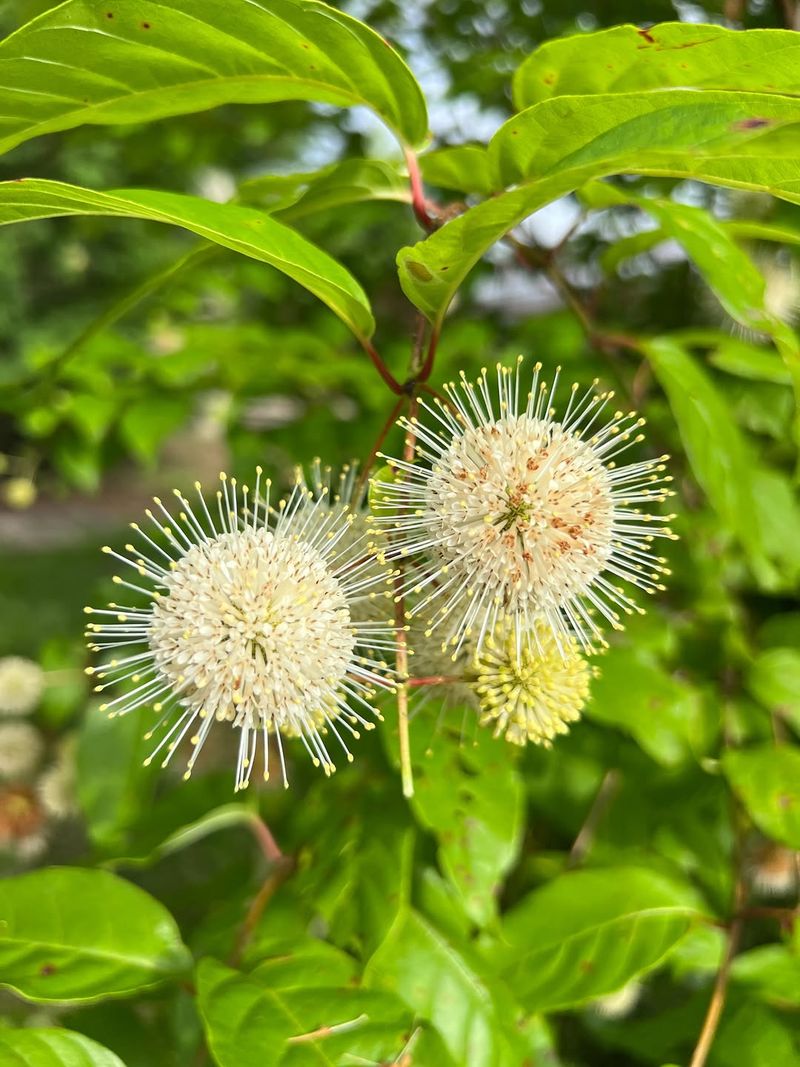
Few native shrubs put on a pollinator show quite like buttonbush in full bloom.
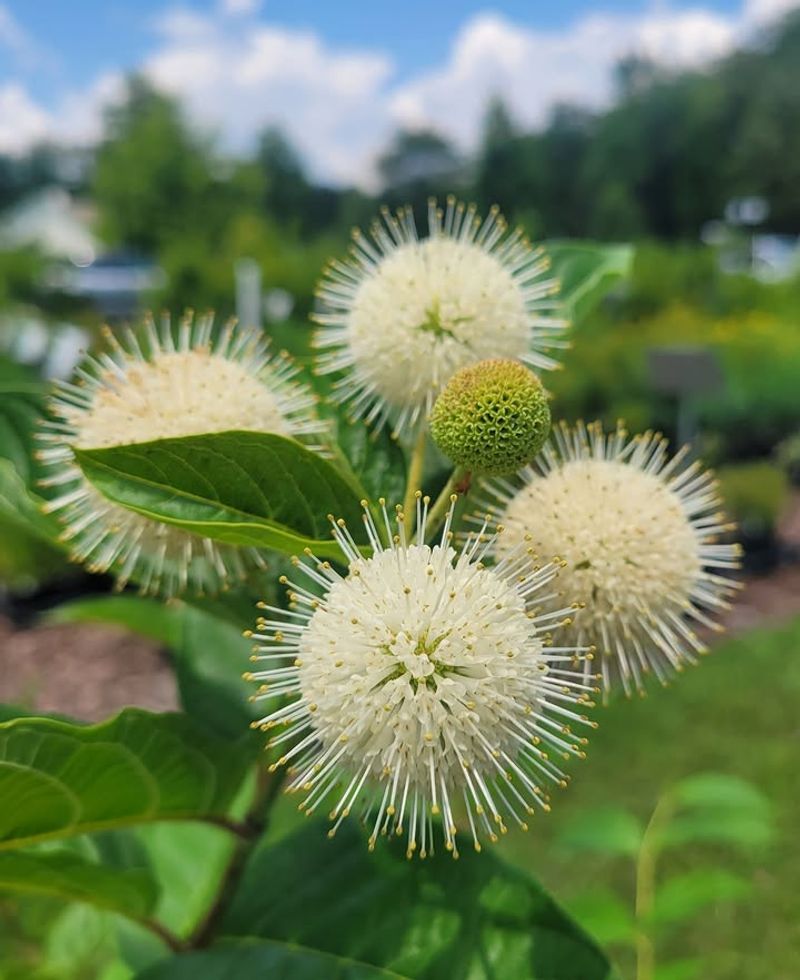
From midsummer into early fall, the plant produces spherical, one-inch flower clusters that look like little white pom-poms and carry a light, sweet fragrance that attracts visitors from surprising distances.
Bees of all kinds, including bumble bees and native solitary species, work the flowers constantly on warm days.
Butterflies, skippers, and even hummingbirds show up regularly when a buttonbush is blooming nearby.
After the flowers fade, small rounded fruits develop and persist on the plant well into fall and sometimes winter.
These fruits are an important food source for waterfowl and other birds, which is one reason buttonbush is commonly found in wildlife habitat plantings around ponds and wetland restoration areas across North Carolina.
The combination of summer nectar for pollinators and fall fruit for birds makes this shrub genuinely useful across multiple seasons of the year.
Getting the most wildlife activity out of your buttonbush means being thoughtful about pesticide use.
Avoid applying insecticides on or near open flowers, since many common products harm the very bees and butterflies you want to attract.
Pairing buttonbush with other native plants that bloom at different times, like swamp milkweed in early summer or native asters in fall, creates a more continuous food source that keeps pollinators returning to your yard throughout the season.
One shrub alone cannot guarantee wildlife visits, but combined with a broader native planting strategy, buttonbush plays a genuinely valuable role in supporting local ecosystems.
8. Establishment Care Determines How Well It Handles Storms
Planting buttonbush correctly from the beginning sets the stage for everything that follows. When placing the shrub in the ground, match the soil depth to how it was growing in the container.
Planting too deep buries the root crown and invites stem rot, while planting too shallow leaves roots exposed and vulnerable to drying out between storms.
Spread the roots gently into the surrounding soil rather than leaving them circling in a tight ball. Even though buttonbush loves wet conditions, a newly planted shrub still needs consistent watering during its first growing season.
Summer in North Carolina can bring long stretches of heat between storm events, and young roots have not yet spread far enough to find moisture on their own. Check the soil every few days and water deeply when the top few inches feel dry.
A two to three inch layer of organic mulch spread around the base, kept a few inches away from the main stem, helps hold soil moisture and moderate temperature swings at the root zone.
Weeding around the plant regularly during the first season prevents competing plants from stealing water and nutrients while the buttonbush is still getting established.
Watch for any soil erosion around the roots after heavy storms and add soil or mulch as needed to keep the root area protected. Finally, know the limits of what one shrub can realistically do.
Contaminated floodwater, a failing drainage system, or water collecting directly against a home foundation are serious issues that require professional assessment and engineered solutions.
Buttonbush is a powerful native plant ally, but it works best as part of a complete, thoughtfully designed landscape plan.