These Are The Native North Carolina Vines Replacing Fences In More Yards Every Year
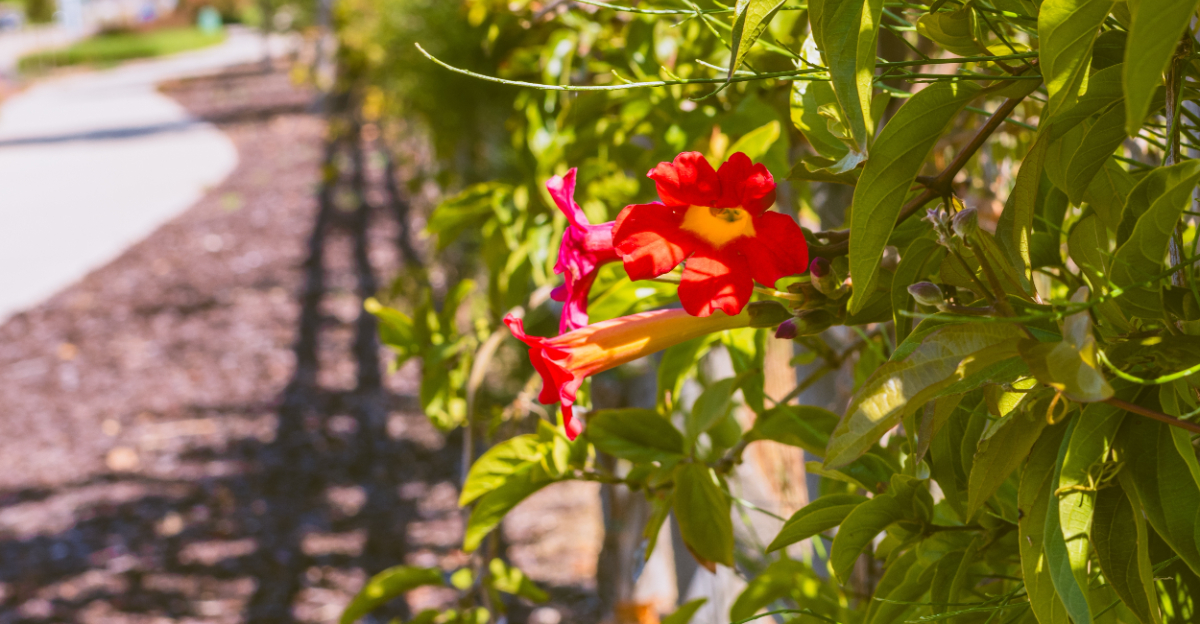
Fences define a yard but rarely add anything to it beyond function. Native vines do both.
Across North Carolina, more gardeners are training native vines along property lines, trellises, and existing fence structures and getting something far more interesting than painted wood or metal panels in return.
The right native vine creates a living boundary that changes through the seasons, supports pollinators, attracts birds, and fits naturally into the surrounding landscape in a way no fence ever could.
North Carolina has a strong selection of native vines suited to exactly this purpose, and the best ones are tough enough to handle the state’s heat and humidity without aggressive spreading that becomes its own problem.
These are the vines showing up in more North Carolina yards every season and why gardeners who make the switch rarely look back.
1. Coral Honeysuckle
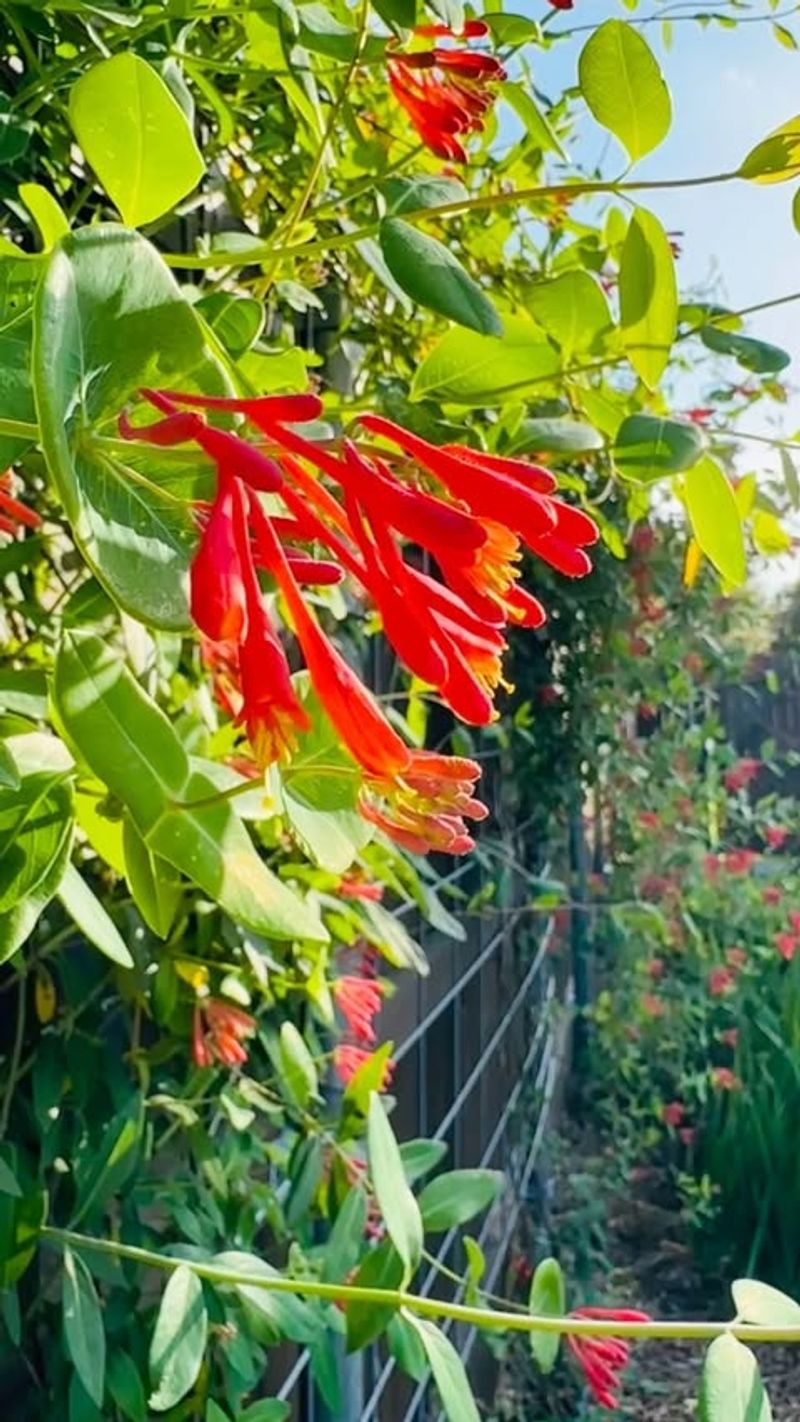
Few native vines earn as much love from both gardeners and hummingbirds as Coral Honeysuckle, known botanically as Lonicera sempervirens.
Its bright red tubular flowers are practically a neon sign for ruby-throated hummingbirds passing through North Carolina each season.
Unlike its invasive Japanese cousin, this vine plays nicely in the garden and stays where you put it.
Coral Honeysuckle thrives in full sun to part sun, making it flexible enough for most yard situations. It handles North Carolina’s heat and humidity better than many ornamental vines, especially when planted where air can circulate freely around the stems.
Good airflow keeps the foliage healthy and reduces the chance of powdery mildew during muggy summer months.
On trellises, fence panels, arbors, and privacy screens, it fills in steadily without becoming overwhelming. The vine climbs by twining, so give it something to grab onto early in the season.
Blooms appear from spring through fall, offering one of the longest flowering windows of any native vine in the state. Red berries follow the flowers and attract songbirds as a bonus.
Plant it once, and it rewards you generously for years with almost no fuss required.
2. Crossvine
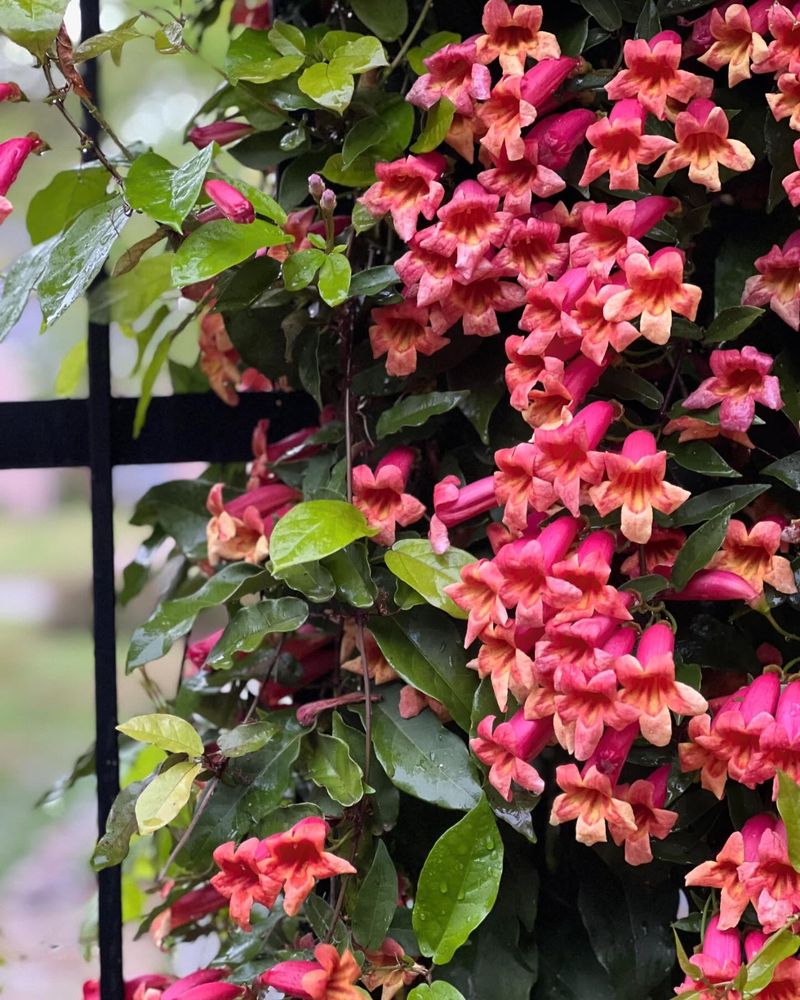
Crossvine earns its spot on any strong fence the moment those bold trumpet-shaped flowers open in spring.
Bignonia capreolata produces clusters of orange and yellow blooms that practically glow against a wooden or metal fence, making your yard a standout before most other plants even wake up.
The name comes from a cross-shaped pattern visible when you cut the stem, which is a fun detail that surprises most people.
This vine loves warm, humid conditions, which means North Carolina’s climate suits it almost perfectly. It climbs using tendrils tipped with adhesive discs, gripping surfaces firmly without needing much help from the gardener.
Full sun produces the best bloom show, though it tolerates part shade reasonably well along woodland edges and fence lines near taller trees.
Pruning right after the main spring bloom keeps the vine tidy and encourages fresh growth throughout the summer. Water regularly during the first growing season to help roots establish deeply, and after that, Crossvine handles dry spells with surprising resilience.
Your North Carolina Garden Changes Every Week. Your Plan Should Too.
Gardening in North Carolina changes quickly throughout the season. Every Friday you’ll receive a simple weekly plan showing exactly what to plant, prune, fertilize, harvest, and protect so you never miss the right timing.
It works beautifully on chain-link fences, wooden panels, and sturdy trellises where strong support is already in place.
For homeowners wanting fast, dramatic coverage with real seasonal interest, Crossvine delivers on every promise without requiring constant attention or complicated care routines.
3. Carolina Jessamine
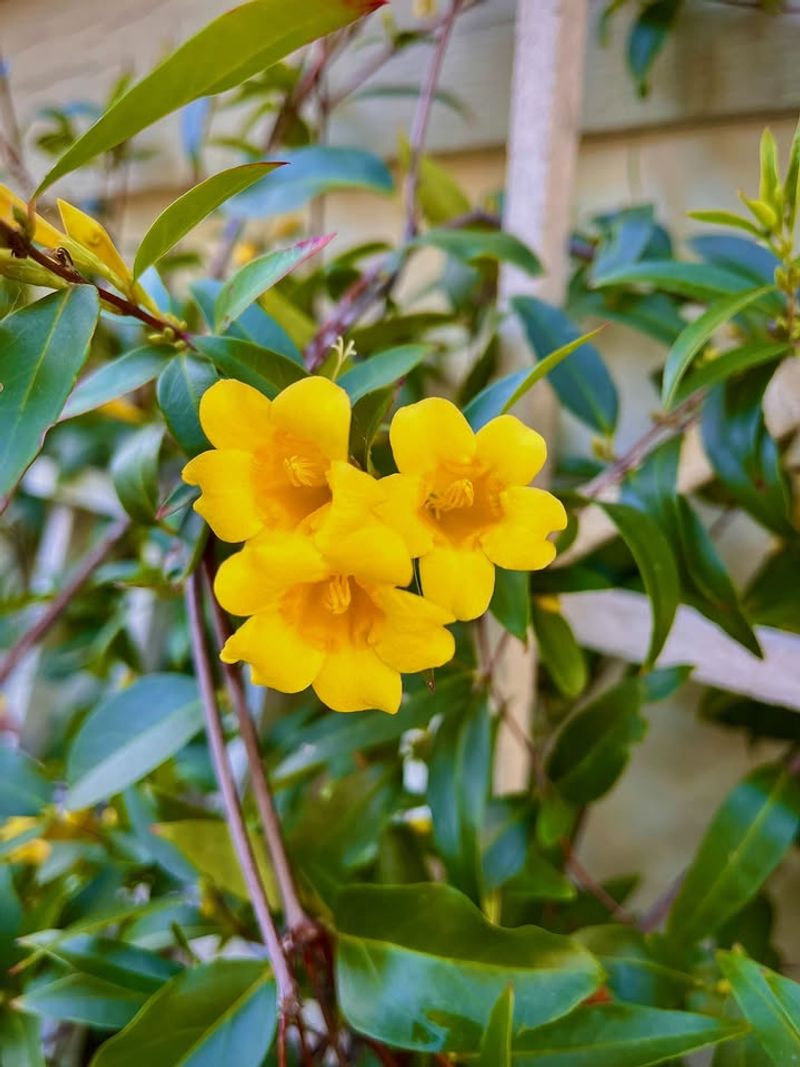
Carolina Jessamine is the official state flower of South Carolina, but North Carolina gardeners have claimed it just as enthusiastically for good reason.
Gelsemium sempervirens bursts into fragrant yellow blooms in late winter and early spring, often while everything else in the yard still looks bare and gray.
That early color alone makes it one of the most appreciated vines in the Southeast.
As an evergreen to semi-evergreen vine, it keeps fence lines looking full and green through most of the year. It performs best in sunny to partly sunny locations and handles the heat that builds up along south-facing fences without complaint.
The twining stems work well on wire fences, wooden arbors, and lattice panels, building a dense and attractive privacy screen over time with minimal effort.
One important note every gardener should know upfront: all parts of Carolina Jessamine are toxic if eaten. Keep children, pets, and livestock away from the plant, and wash hands after handling it.
This is not a reason to avoid planting it, but it does mean placing it thoughtfully away from play areas and animal pastures. Pruning lightly after the spring bloom keeps the shape neat and encourages strong regrowth.
For a tough, beautiful, low-maintenance evergreen screen with serious seasonal flower power, Carolina Jessamine is hard to beat in North Carolina gardens.
4. Purple Passionflower
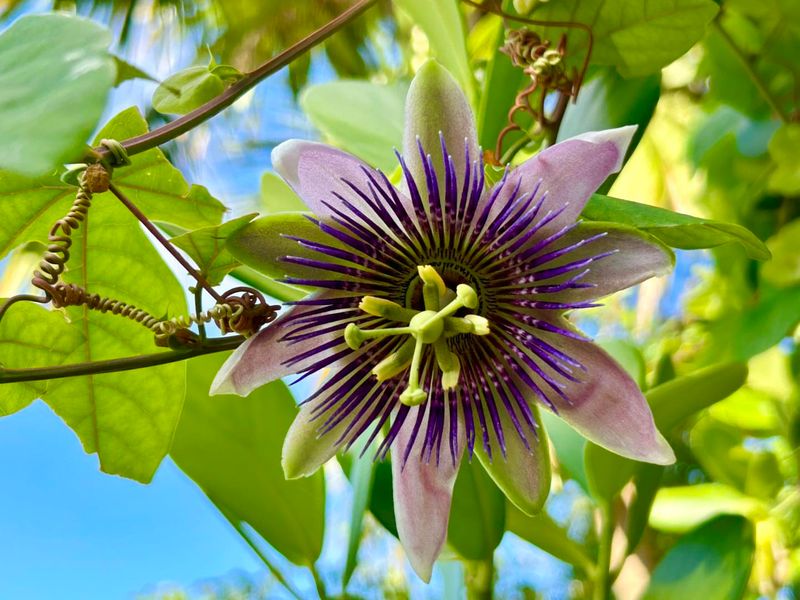
Nothing in the native plant world looks quite as exotic as Purple Passionflower.
Passiflora incarnata produces intricate purple and white blooms that look like something from a tropical greenhouse, yet this vine is completely native to North Carolina and thrives in average garden soil.
First-time visitors to a yard with passionflower inevitably stop and stare at the flowers, which is always a satisfying moment for the gardener who planted it.
Full sun brings out the best performance, with blooms appearing through the summer months and edible fruits following in late summer and early fall.
Gulf fritillary butterflies use it as a host plant, meaning planting passionflower invites a whole new layer of wildlife activity into your yard.
The combination of stunning flowers, butterfly activity, and edible fruit makes it one of the most rewarding native vines available.
Managing its spread takes a little planning. Passionflower spreads through underground runners, so it works best along fence lines where some lateral movement is acceptable.
Trellising the main stems helps direct the vine upward and keeps the display looking intentional rather than wild. Water consistently during the first season to help roots settle in, and after that, the plant handles dry periods with ease.
Place it where vigorous, spreading growth is genuinely welcome, and Purple Passionflower will reward you with years of spectacular summer color and wildlife action.
5. American Wisteria
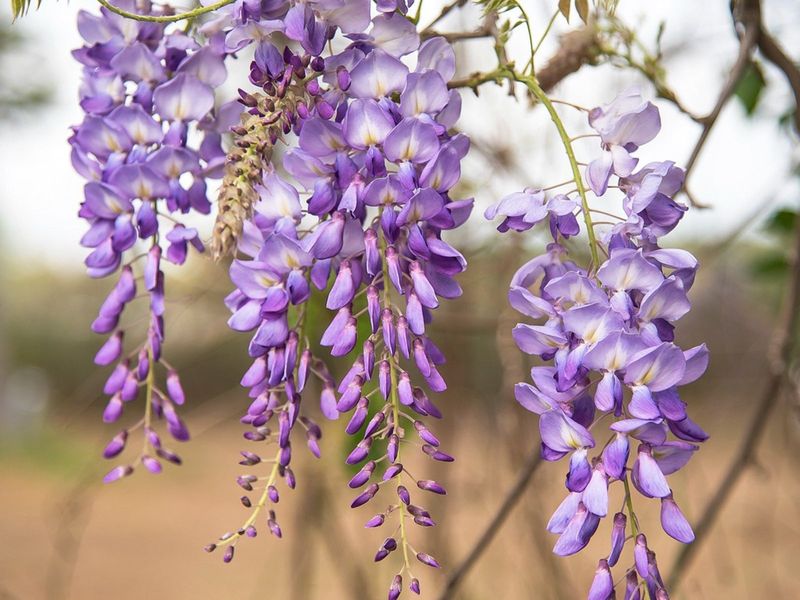
American Wisteria carries all the romance of its Asian relatives without the aggressive, fence-strangling behavior that makes Japanese and Chinese wisterias such a headache.
Wisteria frutescens produces beautiful clusters of lavender to purple blooms in spring, filling the air with a soft fragrance that makes sitting near a pergola or arbor a genuinely pleasant experience.
It is a vine that earns its place through beauty and good behavior at the same time.
Strong fences, pergolas, and arbors are the right homes for this vine. The stems grow vigorously enough to create full, lush coverage, but they do not wrench apart structures the way non-native wisterias can over many years.
Still, sturdy support matters from day one, so build or choose structures rated for climbing vines before planting. Full sun produces the most reliable bloom show, and consistent moisture during the growing season keeps the foliage looking full and healthy.
Pruning twice a year, once after the spring bloom and again in late summer, keeps American Wisteria in good shape and encourages the best flower production the following season. Patience plays a role here too.
Young plants focus energy on root development before delivering a full bloom show, so expect the most impressive flowering from the third year onward. The wait is absolutely worth it for a vine this beautiful and well-behaved.
6. Trumpet Vine
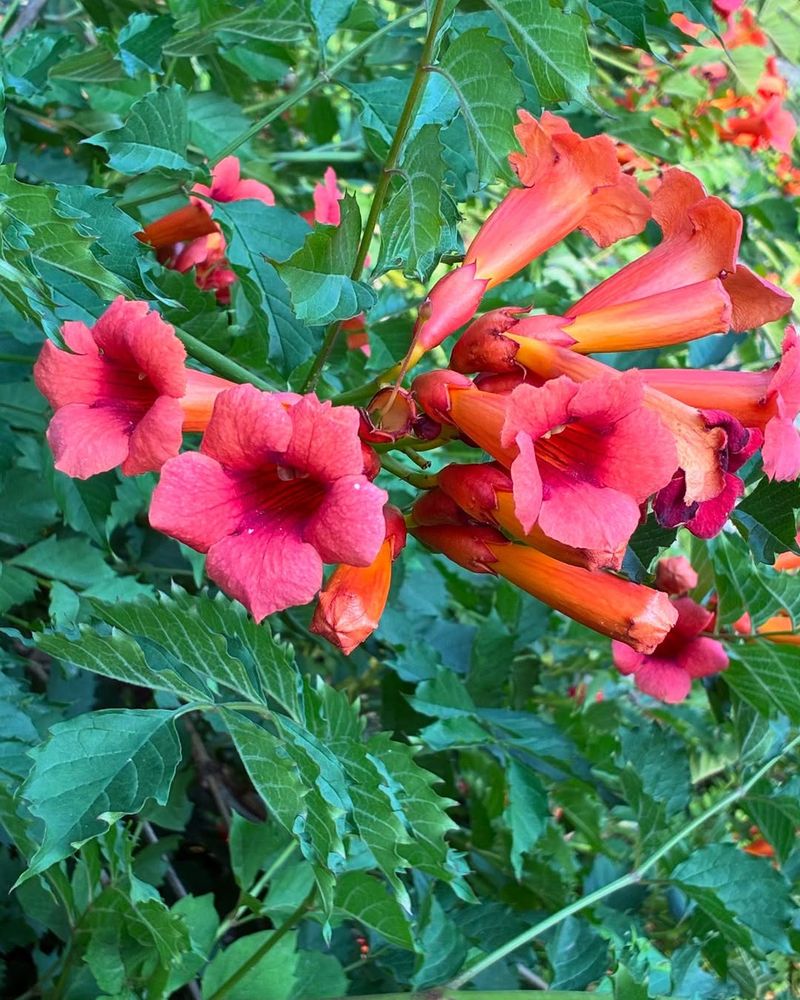
Trumpet Vine is the vine that hummingbirds write home about.
Campsis radicans produces large, bold orange-red trumpet flowers throughout summer, and ruby-throated hummingbirds visit them so reliably that planting this vine near a window or patio creates a natural hummingbird show all season long.
Few plants deliver that kind of wildlife entertainment with so little effort from the gardener.
That said, Trumpet Vine comes with a reputation for vigorous growth that every gardener should understand before planting.
It climbs using aerial rootlets that grip wood, brick, and metal firmly, and it sends up root suckers in the surrounding soil that need regular attention.
Mowing around the base helps manage suckers before they spread too far. This vine belongs on large, sturdy fences, not delicate trellises or near the foundation of a house.
Full sun is non-negotiable for strong blooming. Shady spots produce weaker growth and far fewer flowers, so place it along south or west-facing fence lines where sunlight is plentiful all day.
Pruning hard in late winter keeps the plant manageable and stimulates fresh flowering wood for the coming season. Avoid planting it near gutters, under roof eaves, or directly against wooden siding where the aerial rootlets can cause long-term damage.
Used in the right spot, Trumpet Vine is one of the most dramatic and wildlife-friendly native vines North Carolina has to offer.
7. Virginia Creeper
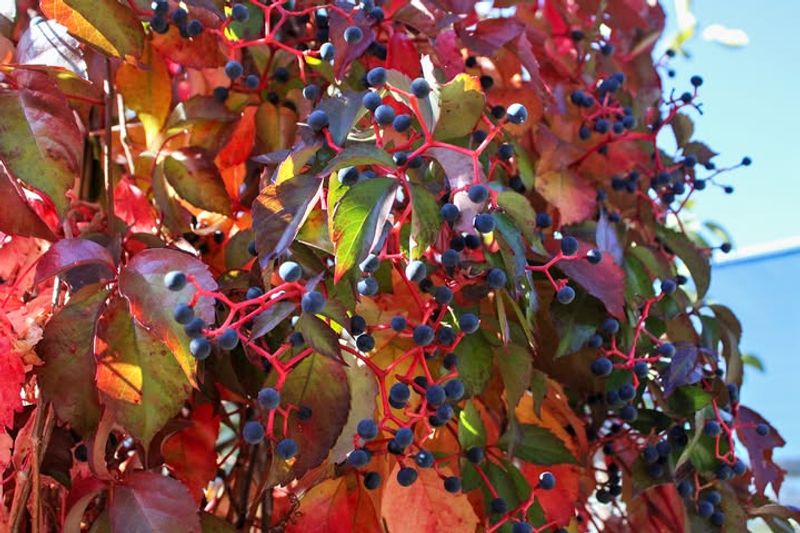
When fall arrives in North Carolina, Virginia Creeper puts on one of the most stunning color displays of any native plant in the landscape.
Parthenocissus quinquefolia turns a blazing crimson red in autumn, transforming an ordinary fence line into something that looks like a painting.
The rest of the year, its five-leaflet green foliage provides thick, consistent coverage that fills in gaps quickly and cleanly.
Speed is one of this vine’s most valuable qualities. Virginia Creeper covers large fences, slopes, and difficult areas faster than almost any other native vine, making it a practical choice when quick screening is the goal.
Small blue-black berries appear in fall and attract mockingbirds, bluebirds, and other songbirds, adding another layer of wildlife value to an already impressive plant.
Managing its growth takes some regular attention. Virginia Creeper climbs using adhesive-tipped tendrils that stick firmly to wood and masonry, so keep it away from house siding, painted surfaces, and wooden trim where removal later would be difficult.
It works best on chain-link fences, stone walls, and large wooden structures where vigorous coverage is the actual goal. Prune it back in late winter to keep the growth within bounds and direct the new stems where you want them.
For large properties and big fence runs, Virginia Creeper is a hardworking, beautiful, and completely reliable native option.
8. Virgin’s Bower
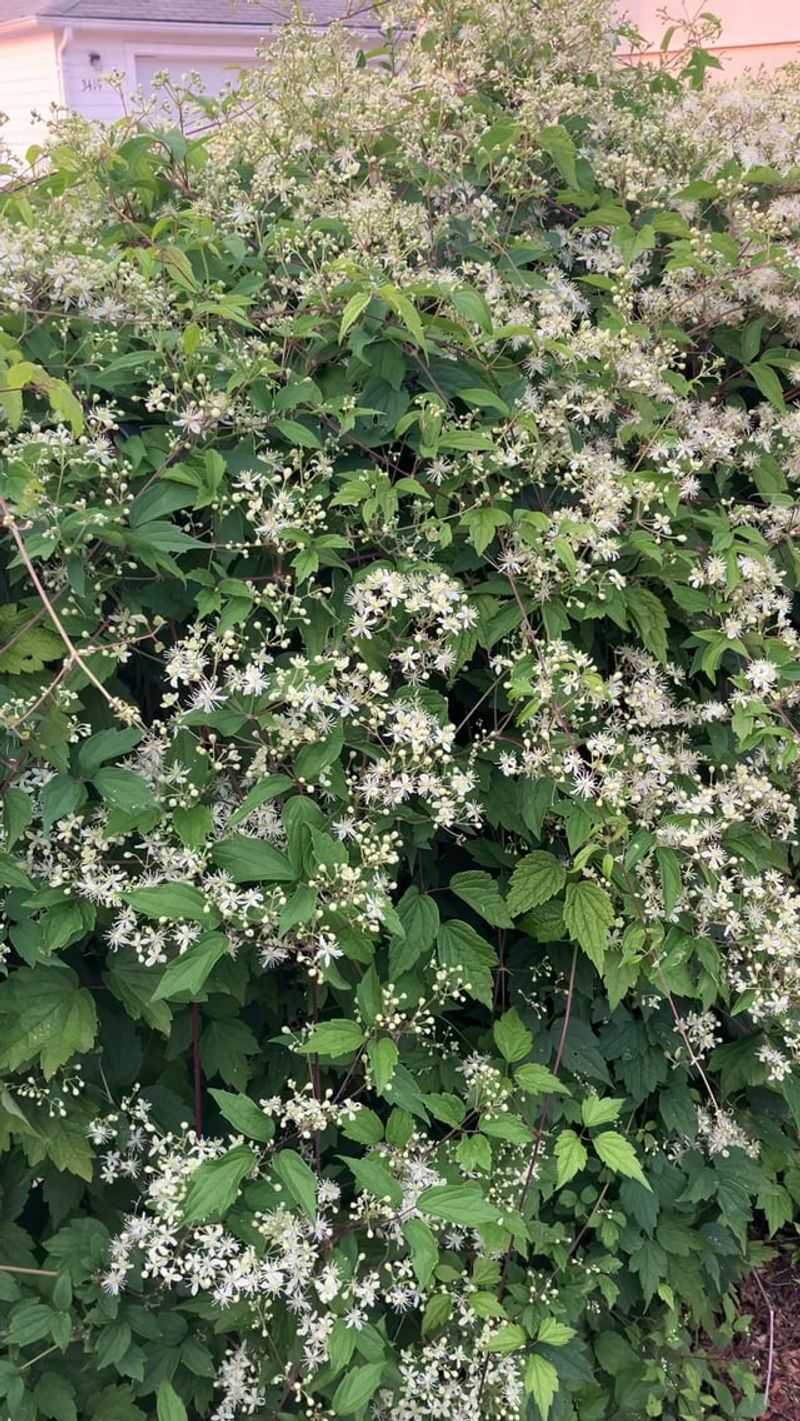
Virgin’s Bower brings a softer, more natural look to fence lines than most other native vines.
Clematis virginiana produces clouds of small white flowers in late summer, right when many other plants are winding down, making it a welcome burst of late-season interest.
After the blooms fade, the fluffy silver seed heads that follow are just as attractive and catch the light beautifully on autumn mornings.
Unlike showy hybrid clematis varieties that demand careful pruning and rich soil, Virgin’s Bower is remarkably easygoing. It grows well in sun to part shade, which makes it one of the more flexible native vines for fence lines that receive uneven light throughout the day.
Steady moisture encourages the best growth, particularly during the establishment season, but once rooted in, it handles average garden conditions without much intervention.
Pollinators absolutely love the flowers. Bees, butterflies, and beneficial wasps visit the blooms consistently throughout the flowering period, turning a fence line into a buzzing wildlife corridor in the best possible way.
Pruning in late winter or early spring before new growth emerges keeps the vine tidy and prevents it from becoming a tangled mass over time.
Virgin’s Bower suits naturalistic garden styles particularly well, blending beautifully with other native shrubs and perennials along woodland edges and informal property boundaries throughout North Carolina.
9. Muscadine Grape
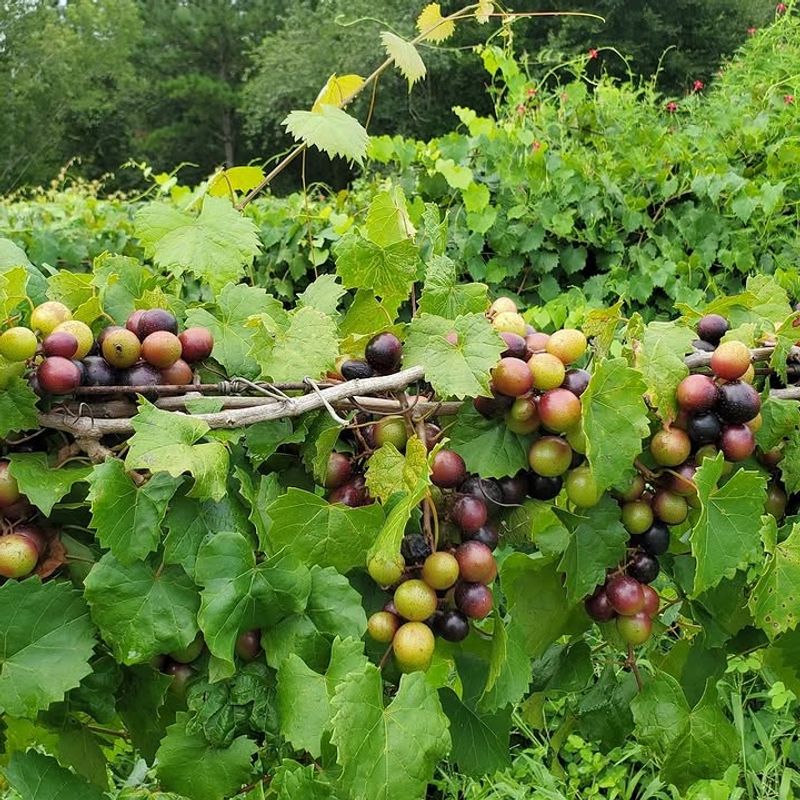
Muscadine Grape is the only vine on this list that pays you back in fruit. Vitis rotundifolia has grown wild across North Carolina for centuries, and for good reason: it thrives in the state’s heat and humidity better than almost any other grape variety.
Growing muscadine on a strong fence or trellis system turns a simple yard boundary into a productive edible garden feature that the whole family can enjoy at harvest time.
Sturdy support is essential from day one. Muscadine vines grow heavy with fruit and foliage, and a lightweight trellis or flimsy fence will not hold up over time.
Use strong wooden posts, metal T-posts, or a purpose-built grape trellis system with horizontal wires to give the vines proper structure. Full sun is required for good fruit production, so south or west-facing fence lines are the ideal placement.
Pruning in late winter while the vine is dormant keeps fruit production strong and prevents the plant from becoming a tangled overgrowth. Most muscadine varieties are self-fertile, but planting two different varieties nearby improves fruit set noticeably.
Space vines about ten to twenty feet apart along the fence for best results. Harvest typically happens in late summer through early fall, producing sweet, thick-skinned grapes perfect for fresh eating, juice, and jelly.
Few native plants combine practical food production with attractive fence coverage as well as Muscadine Grape.
10. Climbing Hydrangea Vine
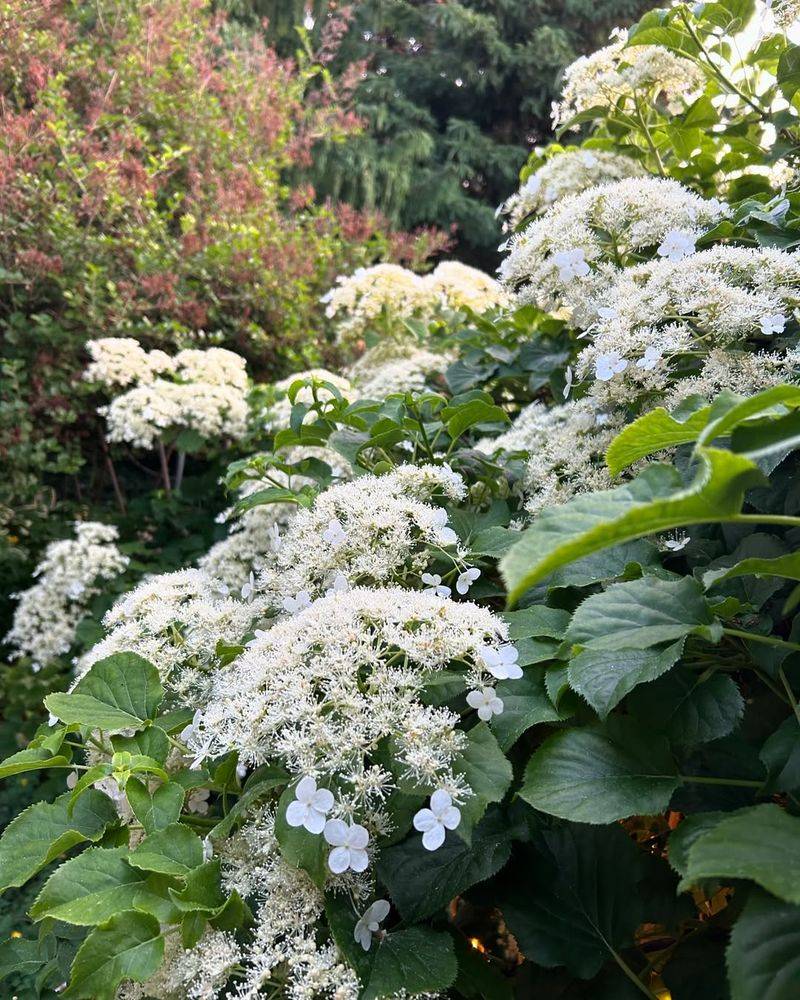
Shaded fence lines and woodland garden edges often feel like problem areas, but Climbing Hydrangea Vine turns them into some of the most beautiful spots in the yard.
Decumaria barbara is a true native of the Southeast, climbing naturally along creek banks and forest edges where light is filtered and soil stays consistently moist.
Its delicate white flower clusters appear in late spring to early summer, adding a soft elegance to spots where most flowering vines simply will not perform.
Establishment takes patience. Decumaria barbara grows slowly in its first couple of seasons while it focuses energy underground, building a strong root system before pushing vigorous top growth.
Rich, well-drained soil with consistent moisture gives it the best possible start. Once established, the vine climbs using aerial rootlets that attach firmly to wood, stone, and masonry without the aggressive spreading behavior of some other climbing plants.
North Carolina’s Piedmont and Coastal Plain regions, where moist woodland conditions are more common, suit this vine particularly well.
Mountain gardeners can also grow it successfully in sheltered spots with reliable moisture and protection from harsh winter wind. Pruning is rarely necessary beyond removing any stems that wander out of bounds.
For gardeners looking to bring genuine native character to a shaded structure or woodland fence line, Climbing Hydrangea Vine offers beauty, wildlife value, and a quietly refined presence that few other native vines can match.