Simple Tricks To Keep Your Raised Beds Looking Full All Season
Raised beds promise the dream setup: tidy edges, sharp drainage, and plants within easy reach, without any crawling through mud or guessing where the water pools after a storm.
Then midsummer hits, and the picture shifts fast. A plant finishes its cycle, a gap opens up, and that once-lush bed suddenly looks half-empty just when it should be peaking.
Closing that gap has less to do with luck or square footage than with timing. It just takes a planting rhythm that keeps pace with your bed, plus a few practical tricks this list lays out step by step.
1. Plant In Layers Instead Of Single Rows
Your raised beds deserve better than a single flat row of plants. Layering changes everything about how full and lush a bed looks all season.
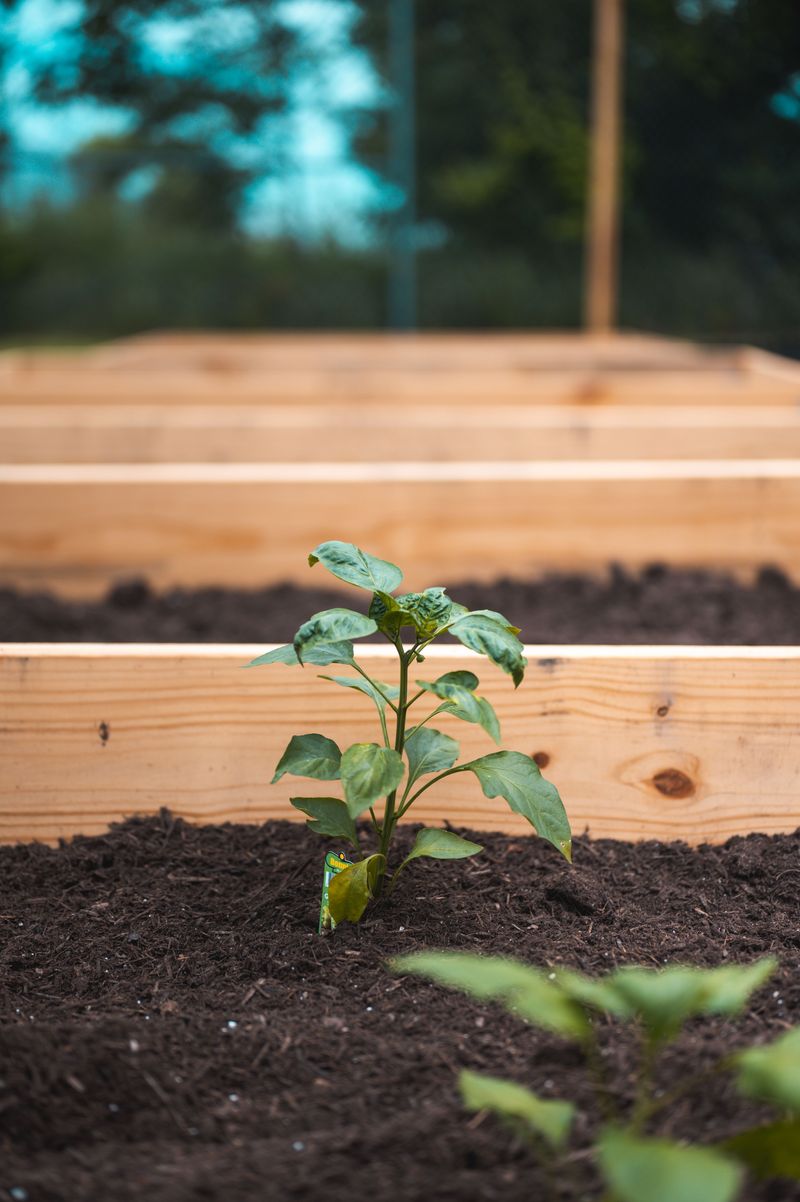
Think of it like stadium seating for plants. Tall growers like tomatoes or sunflowers go in the back, medium plants like basil or peppers fill the middle, and low spreaders hug the front edge.
This approach works because every vertical level gets its own slice of sunlight. Fewer plants end up shading out their neighbors, and more of the soil earns its keep.
Layering also creates visual fullness even when individual plants are still young. A bed that looks thick from multiple angles feels abundant, not sparse.
Keep the back row modest compared to the middle and front layers. That balance keeps the tallest plants from swallowing the light meant for everything in front.
Trailing plants like nasturtiums or sweet potato vine work well along the edges. They spill over the sides and soften the hard line where soil meets wood.
Start planning your layers before you even buy transplants. Sketch a quick diagram with tall, medium, and short zones marked out clearly.
Pick plants that mature at different rates so the bed stays active. When one layer slows down, another is just hitting its stride.
Layering consistently tends to mean fewer gaps and less mid-season scrambling. The structure itself does much of the work for you as the season goes on.
Keeping your raised beds looking full starts with this foundational step. Get the layers right and everything else falls into place naturally.
2. Use Fillers Between Slower-Growing Plants
Slow plants are patient, but bare soil is not a good look. Fillers are the secret weapon most gardeners forget to use.
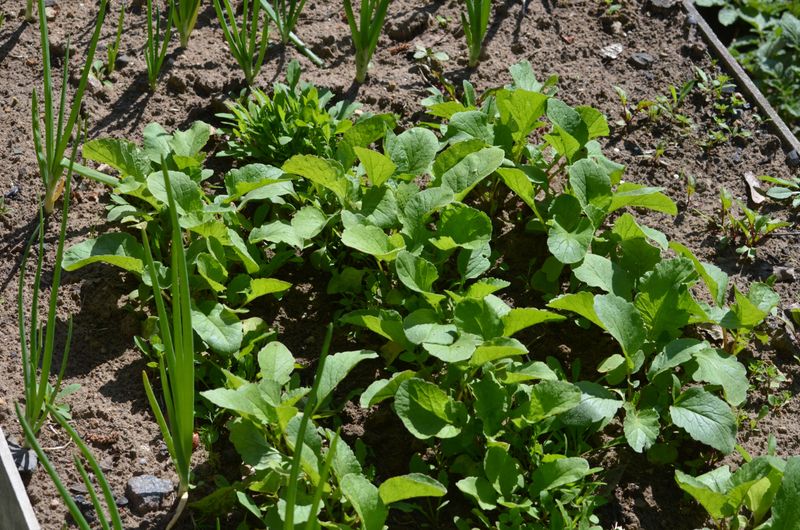
Radishes, lettuce, and spinach grow fast enough to fill space within two weeks. Tuck them between your slower crops and watch the bed fill in within a couple of weeks.
The concept is called intercropping, and farmers have used it for centuries. You grow two crops in the same space at the same time without crowding either one.
Fast fillers are usually harvested before the main crop needs that space anyway. By the time your pepper plants bush out, the radishes are long gone and eaten.
Arugula is another fantastic filler because it germinates in just a few days. Its feathery leaves make even a sparse bed look intentional and full.
Herbs like cilantro and dill also double as quick fillers between slower vegetables. They mature fast, smell great, and leave the soil ready for the next round of seeding.
Microgreens also work surprisingly well as short-term fillers. Scatter seeds between transplants and snip them as baby greens within ten days.
The trick is timing your fillers so they do not compete with the main plants. Give your primary crops a two-week head start before seeding the gaps.
Using fillers is one of the easiest ways to keep your raised beds looking full without spending extra money. A single seed packet can cover an entire bed of open space beautifully.
3. Stagger Your Planting Dates For Continuous Growth
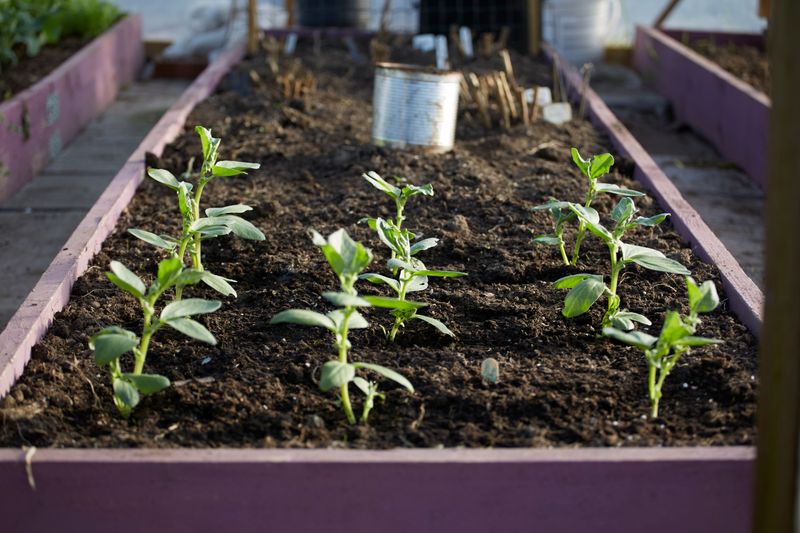
Planting everything at once feels satisfying, but it creates a boom-and-bust cycle. One big harvest is followed by a wide-open, empty bed with nothing to show.
Succession planting largely solves this problem. You plant small batches of the same crop every two to three weeks instead of all at once.
In many climates, this means fresh lettuce from spring well into fall. That kind of consistent harvest only happens when you stagger your planting dates intentionally.
Start your first round of seeds or transplants in early spring. Then mark your calendar to plant the next round two weeks later.
Beans respond beautifully to this method. Plant a short row, wait two weeks, plant another, and you’ll harvest continuously for months with far fewer gaps.
Keeping a simple planting journal makes this strategy easy to manage. Just jot down what went in and when, then plan your next round accordingly.
Staggering also protects against unexpected weather setbacks. If a late frost hits your first planting, your second round is still safely indoors waiting.
This approach keeps your raised beds looking full because something is typically at a different growth stage at any given time. Young seedlings, mid-size plants, and mature producers coexist in the same space beautifully.
Consistent growth is the goal, and staggered planting dates make it happen. Your bed rarely looks abandoned, since something new is usually emerging.
4. Choose Varieties That Naturally Spread Or Trail
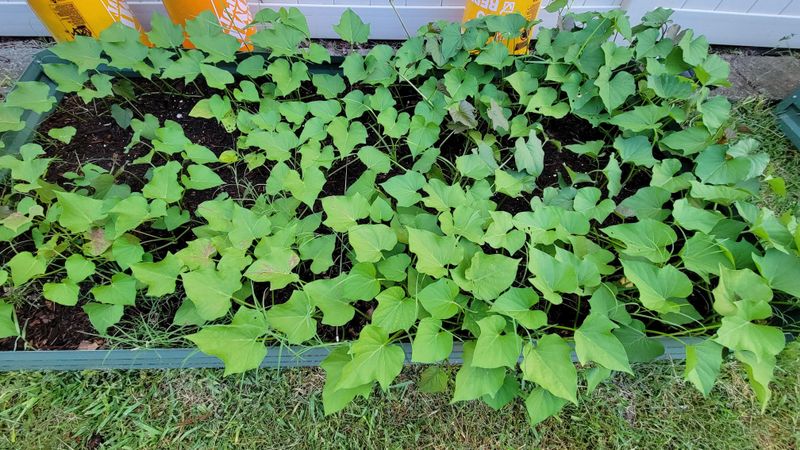
Some plants are natural overachievers when it comes to filling space. Choosing varieties that spread or trail means the plants do the gap-filling work for you.
Sweet potato vines are especially good at this. Within weeks of planting, those vines cascade over the edges of a raised bed in a way that fills the space fast.
Nasturtiums are another crowd favorite among gardeners who love a full, abundant look. Their round leaves and bright blooms sprawl outward and cover bare soil fast.
Trailing herbs like thyme and oregano creep between other plants without crowding them. They hug the soil, suppress weeds, and look intentional even when they are just doing their thing.
Squash and cucumber are aggressive spreaders if you have the room. One well-placed plant can fill an entire four-by-eight bed on its own by midsummer.
Even certain flower varieties spread beautifully in raised beds. Creeping zinnias and low-growing marigolds branch out and fill gaps without needing much attention.
When shopping for transplants or seeds, look for words like trailing, spreading, or low-growing on the label. These descriptors tell you the plant has natural gap-filling instincts built right in.
Trailing and spreading plants bring texture, color, and life to every corner of your raised bed. They make the whole setup look designed by someone who really knows what they are doing.
5. Replace Spent Plants The Same Day You Pull Them
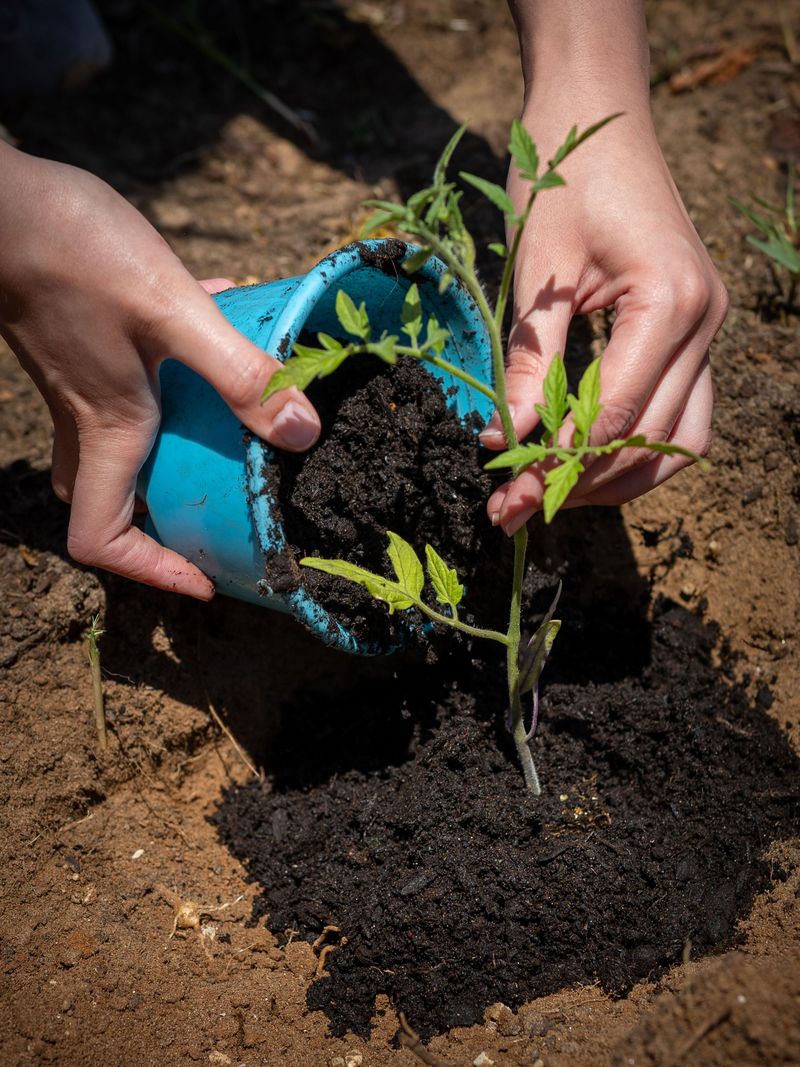
A gap in your raised bed is basically an open invitation for weeds. The longer bare soil sits uncovered, the harder your garden fights back.
Make a rule for yourself: the same day a plant comes out, something new goes in. No waiting, and no pushing it off until the weekend.
Keep a small stash of backup transplants nearby for exactly this moment. Garden centers often sell inexpensive six-packs of herbs and flowers that are perfect replacements.
If you do not have a transplant ready, direct-seed something fast. Radishes, cilantro, and arugula can be scattered directly into the gap and sprouting within days.
This habit is one of the most powerful ways to keep your raised beds looking full all season. It treats the bed as a living system that keeps producing.
Experienced gardeners think of their raised beds like rental properties. The moment one tenant leaves, a new one moves in before the space goes cold.
Having a running list of quick-turnaround crops makes this easier. Tape it inside your garden shed door so you can check your options at a glance.
Pulling a spent plant and immediately replacing it keeps momentum going. Your bed stays full, your soil stays covered, and you rarely have to look at an empty patch for long.
6. Add Vertical Elements To Fill Empty Air Space
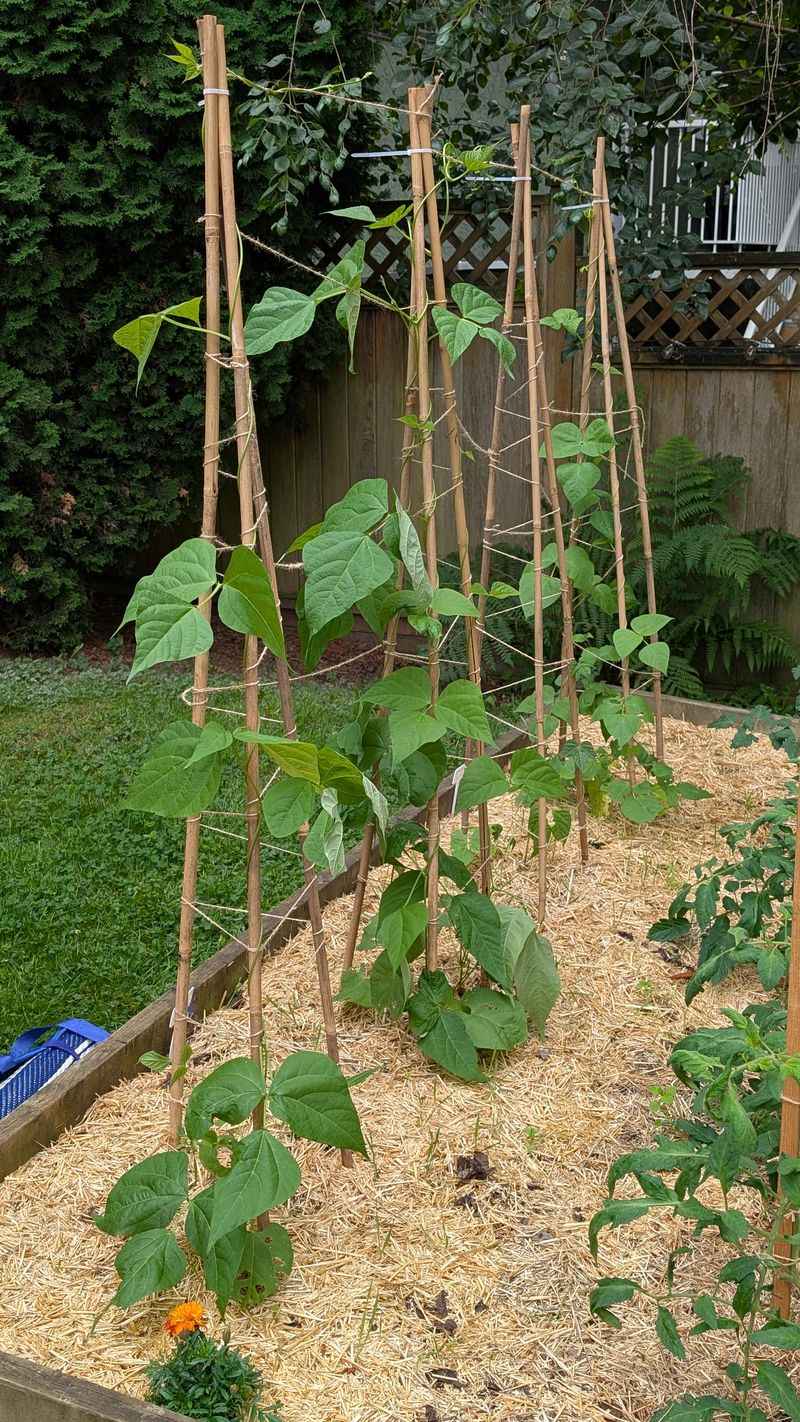
Fullness is not just about the ground level. Empty air above your raised bed is wasted potential just waiting to be claimed.
Adding a trellis, obelisk, or simple bamboo teepee quickly makes a bed look complete. Suddenly that flat, sparse space has height, structure, and visual drama.
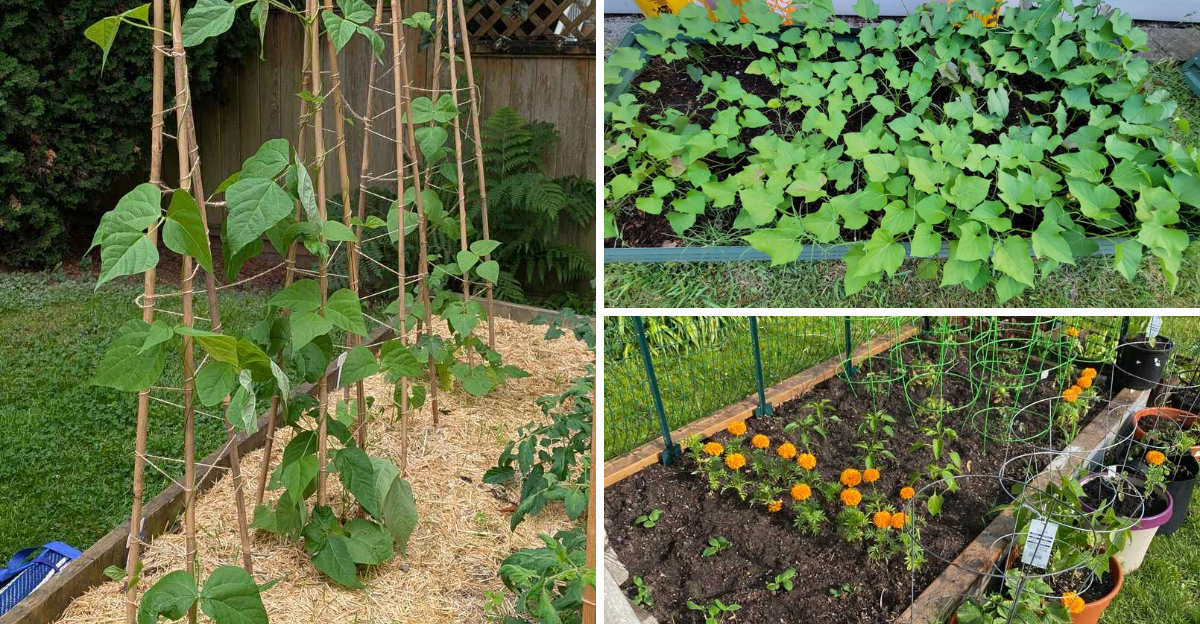
Pole beans are perfect vertical climbers for beginners. They grow fast, produce abundantly, and look spectacular twisting up a simple string trellis.
Cucumbers love going vertical too, and growing them upward actually improves air circulation around the fruit. Better airflow means fewer disease problems and a healthier plant overall.
A tomato cage counts as a vertical element, even if you have been using them for years without thinking of them that way. They lift the plant and give it shape that fills the eye upward.
Morning glories and climbing nasturtiums can go vertical along a fence or wire panel behind the bed. They add color and movement that ground-level plants alone can’t provide.
Peas are another easy option early in the season, before the summer climbers take over the same trellis. A single support structure can host two completely different crops across one growing year.
Vertical elements also create shade zones underneath them. Use that shaded ground space for heat-sensitive crops like lettuce that would otherwise bolt in summer sun.
Thinking in three dimensions transforms how your raised bed looks and performs. A bed with layers on the ground and climbers reaching upward looks genuinely lush from any angle.
7. Keep Soil Healthy So Plants Stay Lush Longer
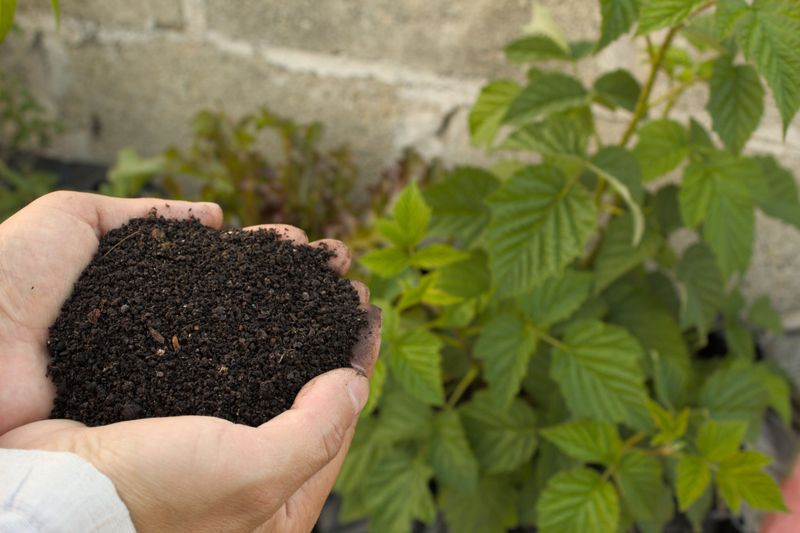
Healthy soil is often the reason some gardens look full while others look tired. The plants are only as good as what they are growing in.
Raised bed soil compacts over time and loses nutrients faster than you might expect. Adding compost at the start of each season is the single best fix for this problem.
A two-inch layer of compost worked into the top six inches of soil makes a noticeable difference. Plants root deeper, grow faster, and stay productive much longer into the season.
Worm castings are another effective amendment many gardeners rely on. Just a small handful around each plant gives roots access to a slow-release nutrient boost that lasts for weeks.
Mulching the soil surface between plants is often overlooked but genuinely effective. A thin layer of straw or shredded leaves holds moisture in, keeps roots cool, and makes the whole bed look polished.
Watering consistently also plays a bigger role in plant fullness than most people realize. Stressed, underwatered plants shrink back and look scraggly even when everything else is right.
Test your soil pH every spring if you can. Most vegetables prefer a slightly acidic range, and a simple kit from a garden center tells you exactly where you stand.
Lush, full plants come from thriving soil. Invest in what is underground and the results above ground will speak for themselves all season long.
8. Tuck In Flowers To Cover Any Remaining Gaps
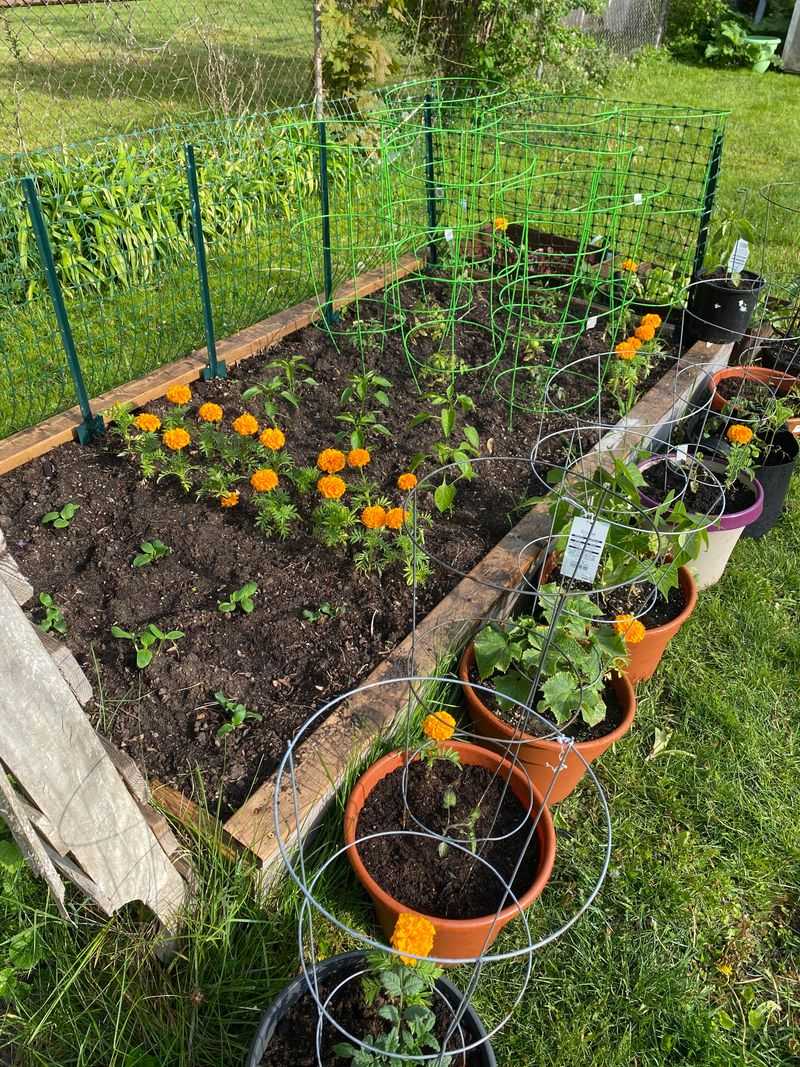
Flowers are the finishing touch that pulls a raised bed together. When gaps appear, flowers are one of the fastest and most attractive solutions available.
Marigolds are the go-to choice for good reason. They grow quickly, bloom for weeks on end, and their bright orange and yellow faces make any gap look intentional and cheerful.
Zinnias are another strong option for filling space fast. Direct-seed them into bare spots in early summer and they bloom within six weeks with almost no effort.
Tucking flowers between vegetables also attracts pollinators that improve your harvest. More bees visiting your bed means better fruit set on tomatoes, squash, and cucumbers.
Borage is a quirky but brilliant gap-filler with star-shaped blue blooms. It self-seeds freely, so once you plant it once, it tends to reappear in helpful spots on its own.
Calendula works double duty as both a gap-filler and an edible flower. Sprinkle the petals on salads for a pop of color that started just a few feet away from your plate.
Low-growing alyssum is perfect for tucking along the edges of a raised bed. Its tiny white or purple flowers cascade gently and give the whole border a soft, finished look.
Keeping your raised beds looking full all season is as simple as never leaving a gap unfilled. Tuck in a flower, step back, and enjoy the result you worked so hard to create.