How To Make California Raised Beds Safer Around Wildfire Season
Raised beds are one of the best things to happen to California gardening. Flexible, productive, and genuinely satisfying to build and plant, they work in almost any yard.
But during wildfire season, a raised bed sitting right against the side of your house filled with dry plant material is worth thinking about a little more carefully than most homeowners do.
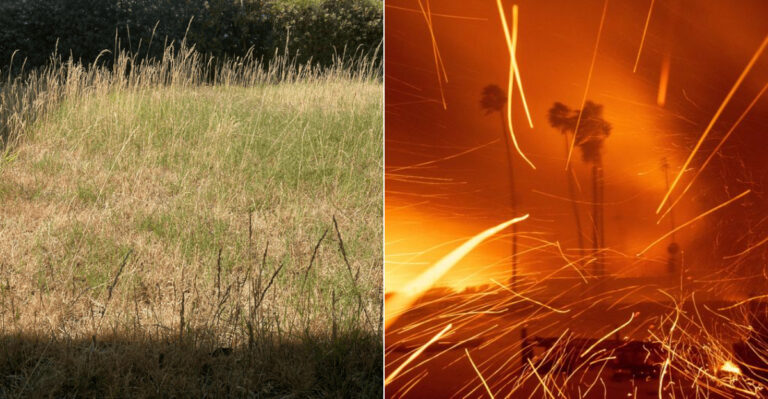
Windblown embers can travel surprising distances during California’s dry season, and what lands in or near a wooden planter box positioned close to a wall can become a problem faster than you might expect.
The good news is that thoughtful choices about location, construction materials, and a little regular upkeep can make a real difference in how much combustible material sits near your home.
No garden design makes a property fireproof, but smarter raised bed planning absolutely supports a stronger defensible-space strategy.
1. Keep Raised Beds Outside The First Five Feet Around Structures
Embers carried by wind during a California wildfire can travel far from the fire front and land in gardens, on decks, and against the walls of homes.
The area within about five feet of a structure, sometimes called Zone 0 in California defensible-space discussions, has received increasing attention from fire agencies because combustible materials in that zone may be ignited by embers before flames ever reach a property.
Wooden planter boxes, dry vegetation, and stored garden supplies sitting directly against a building can give embers something to catch on.
Moving raised beds outside that immediate zone, when practical, removes some of that combustible material from the most vulnerable area around a structure.
Sheds, attached decks, garages, and fences connected to a home deserve the same consideration as the main building itself.
Shifting a bed even a few feet can make a meaningful difference in how much combustible material sits right against a wall or foundation. Keep in mind that relocating a bed beyond five feet does not eliminate risk on its own.
The materials the bed is made from, what grows in it, and what surrounds it all continue to matter.
California properties vary widely in slope, wind exposure, and vegetation density, so local fire agency guidance can help homeowners make decisions that reflect their specific conditions rather than a one-size-fits-all rule.
2. Use Noncombustible Bed Materials Near Buildings
Wood has been the go-to material for raised beds for generations, and it works beautifully in many garden settings.
Near a building during California’s fire season, though, a wooden planter box adds combustible material to an area that fire agencies already encourage homeowners to keep as lean on fuel as possible.
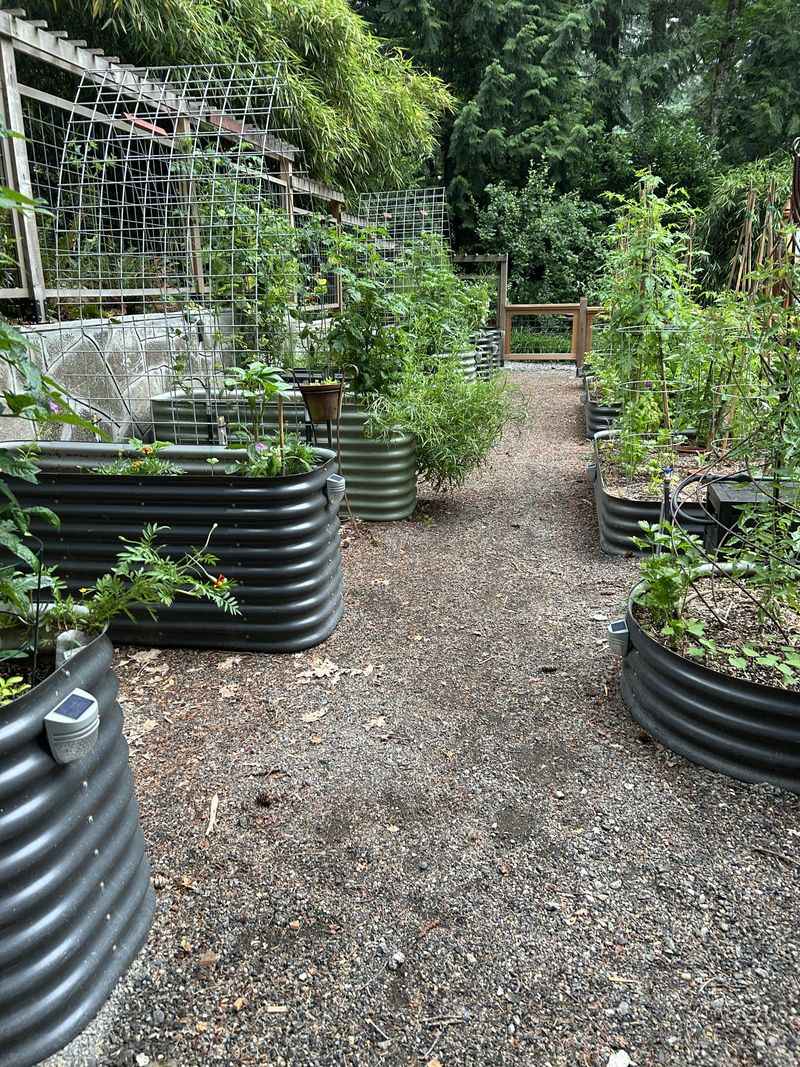
Metal beds, including galvanized steel and cor-ten options, do not contribute combustible material the way untreated or even painted wood does. Brick, natural stone, concrete blocks, and concrete masonry units offer similar advantages.
Choosing one of these materials for beds placed near a structure can reduce the amount of fuel in that area without requiring a gardener to give up raised-bed growing entirely.
No raised-bed material is fireproof. The soil inside a bed, the plants growing in it, the mulch on the surface, any wooden stakes or trellises used for support, and nearby debris all affect the overall picture.
Your California Garden Changes Every Week. Your Plan Should Too.
Gardening in California changes quickly throughout the season. Every Friday you’ll receive a simple weekly plan showing exactly what to plant, prune, fertilize, harvest, and protect so you never miss the right timing.
Swapping a wooden frame for a metal one while leaving dry vines, wooden supports, and accumulated plant debris around the bed only addresses part of the concern. Think of the material choice as one layer of a broader effort rather than a complete solution.
California gardeners who grow near structures may find that combining noncombustible bed frames with careful plant maintenance and fuel reduction around the bed makes the biggest practical difference during elevated fire-risk periods.
3. Remove Combustible Mulch From The Area Closest To Structures
Organic mulch is genuinely useful in a raised-bed garden. It holds soil moisture, moderates temperature, suppresses weeds, and breaks down over time to feed soil biology.
The concern around wildfire season is not the organic matter mixed into the soil inside a bed but rather loose, dry mulch sitting on the surface of the ground, especially in the area immediately next to a structure.
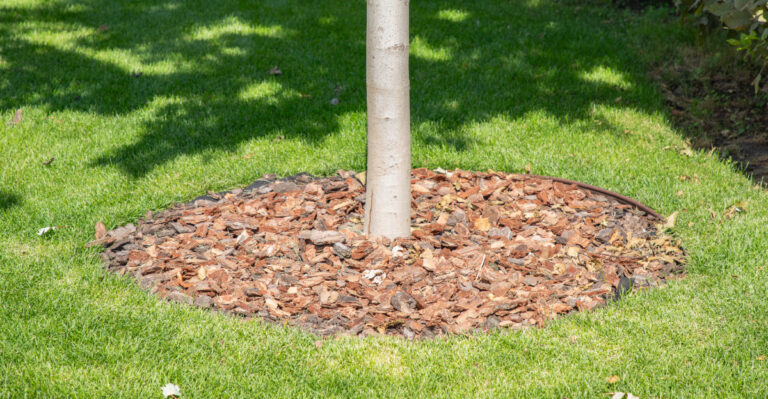
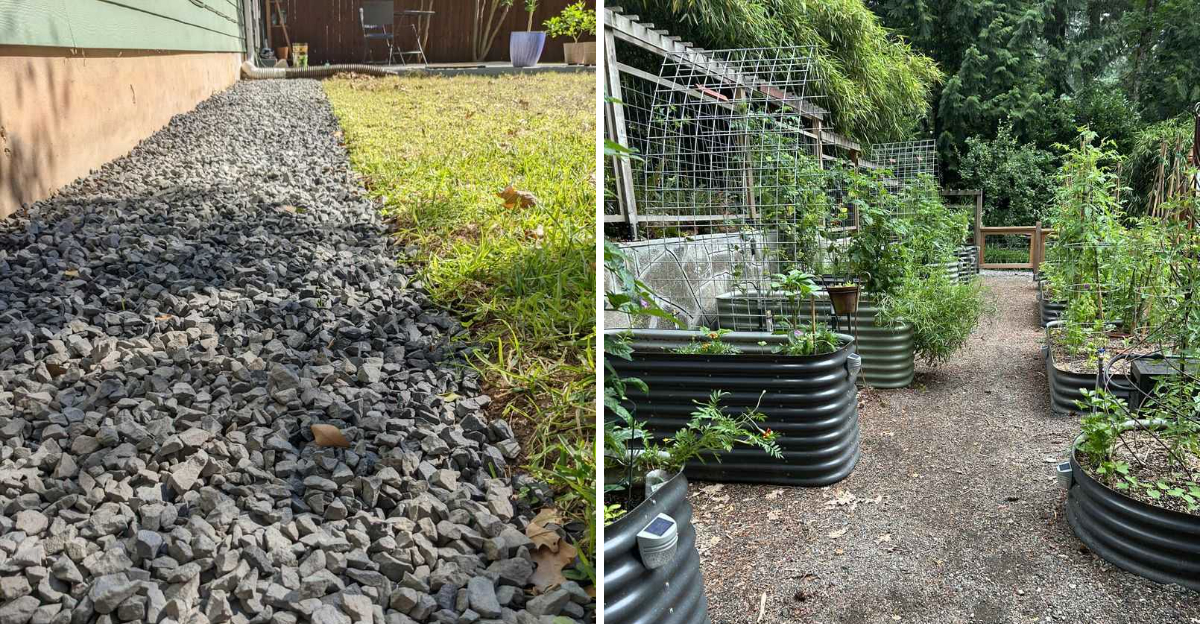
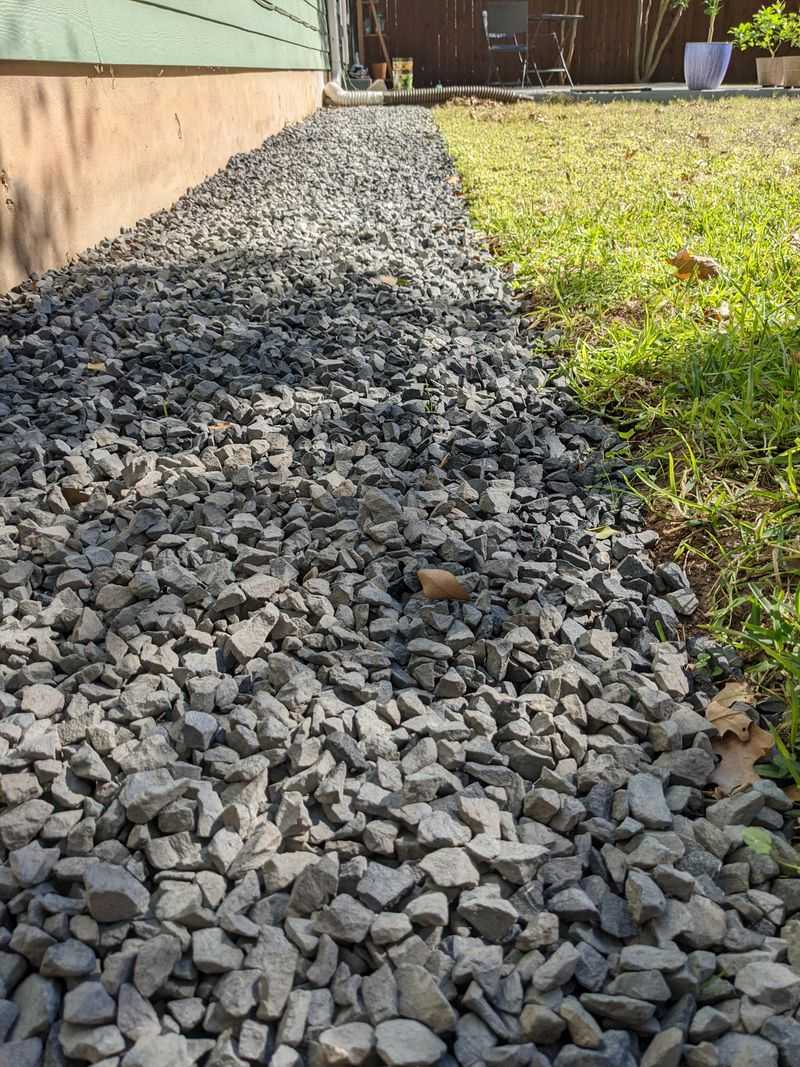
California fire guidance has long encouraged noncombustible ground surfaces in the zone closest to buildings. Gravel, decomposed granite, rock, concrete, and pavers do not provide the kind of dry, loose organic material that embers can easily ignite.
Replacing wood chip or bark mulch with one of these surfaces in the area right against a wall or foundation addresses a real fuel source without disrupting the growing conditions inside the beds themselves.
Gardeners sometimes worry that removing surface mulch will harm their plants, but the distinction here is between mulch on the ground surface near a structure and the organic matter inside the raised bed’s soil mix.
Soil amendments, compost, and organic matter blended into the growing medium are not the same as a thick layer of dry wood chips spread across a pathway or around a planter base.
Keeping the bed’s soil healthy while switching nearby ground cover to a noncombustible option is a practical middle ground that many California gardeners can achieve without major disruption to their growing routine.
4. Separate Mulched Beds With Noncombustible Paths
A stretch of organic mulch running continuously from one raised bed to another, and then onward toward a structure, creates a connected band of combustible material.
When conditions are dry and winds are strong, embers landing anywhere along that stretch have more material to work with.
Breaking up that continuity is one of the practical ideas that comes up regularly in California defensible-space guidance.
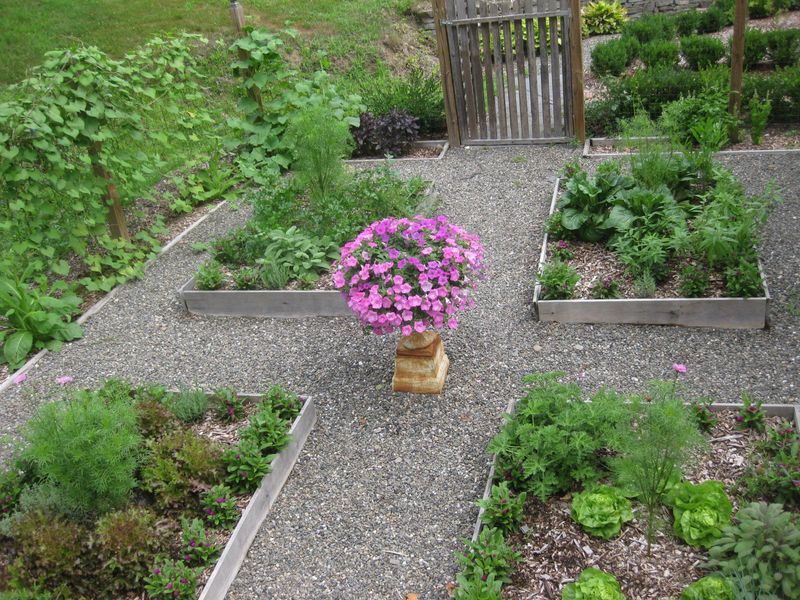
Gravel paths, flagstone walkways, pavers, concrete stepping stones, and crushed rock borders can all interrupt broad areas of combustible mulch and vegetation.
A noncombustible path running between beds or around the perimeter of a garden area reduces how far a surface fire can travel through the mulch without encountering a break.
That separation is not a guaranteed barrier, but it can limit fuel continuity in ways that matter during periods of elevated fire risk.
Mulch outside the first five feet from a structure is handled differently than mulch right against a building.
Current guidance from California fire agencies generally focuses the strictest recommendations on the area immediately surrounding structures, with broader landscape guidance applying further out.
The specific mulch depths, types, and spacing recommendations that apply to your property may depend on your fire hazard severity zone and local rules.
Checking with your local fire department or CAL FIRE unit before making major changes helps ensure the steps you take reflect current and locally relevant guidance rather than general advice that may not fit your specific situation.
5. Remove Dry Plant Material And Garden Debris
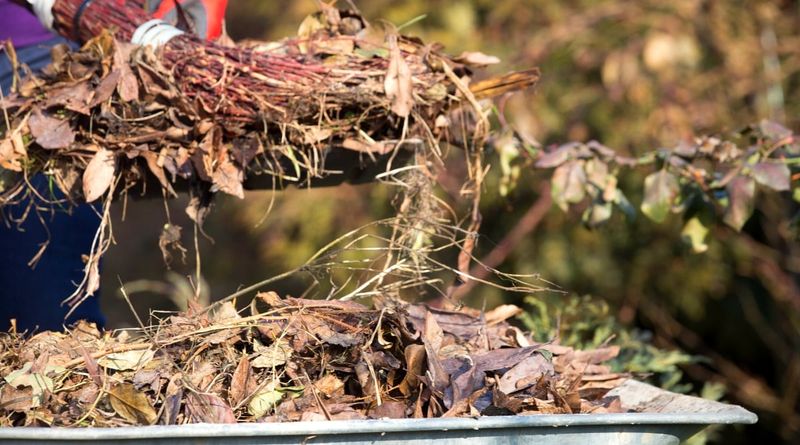
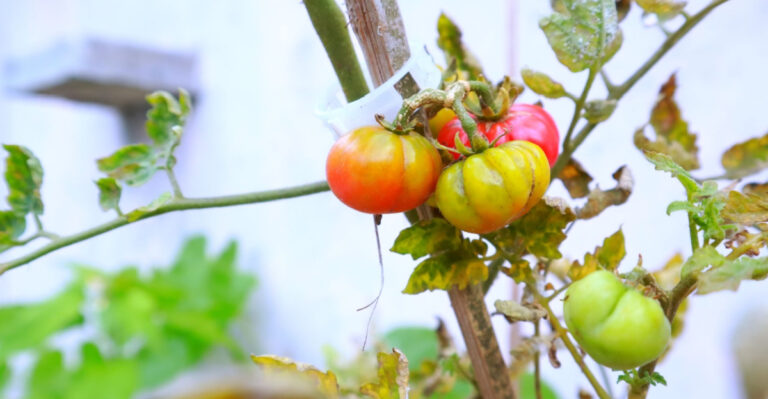
Spent tomato plants left standing through autumn, brittle squash vines draped over a bed frame, and a season’s worth of fallen leaves tucked against a wooden planter can add up to a significant amount of dry, loosely arranged organic material.
During California’s dry months, that kind of accumulated debris becomes particularly combustible and can catch embers that might otherwise not find much to ignite.
Regular garden cleanup throughout the growing season matters more than a single end-of-season purge.
Pulling weeds before they dry out, removing spent crops promptly after harvest, cutting back brittle stems, and clearing fallen leaves from paths and bed surfaces all help keep the amount of dry material around raised beds at a manageable level.
Debris tucked under beds or along fences deserves the same attention as debris on top of the soil.
Living plants can also become more combustible when they are stressed, drought-damaged, or have not been maintained well. A plant labeled as fire-resistant in a nursery catalog is not exempt from this reality.
Moisture content, structure, and surrounding conditions all affect how vegetation responds to embers or heat.
Keeping plants healthy through appropriate watering and regular removal of spent and dry growth is a more reliable approach than relying on a plant’s general reputation alone.
Consistent maintenance is one of the most accessible and cost-effective things California gardeners can do to reduce fuel in their raised-bed areas before and during fire season.
6. Avoid Continuous Vegetation Leading Toward The Home
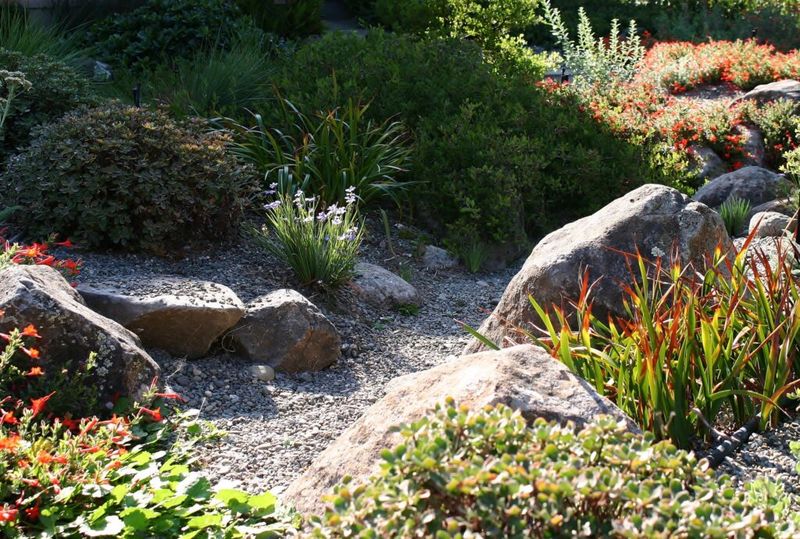
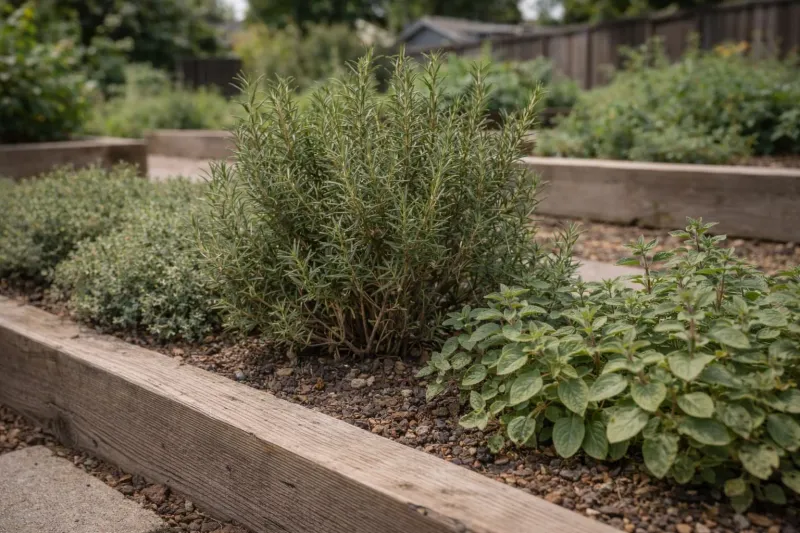
Vines climbing a wooden trellis attached to a fence, a row of tall shrubs connecting a raised bed to a porch, or a dense herb garden growing right up against a wall can all create connected pathways of combustible material between a garden and a structure.
Fire behavior researchers describe this kind of connected fuel as a pathway that can allow fire or embers to travel from one area to another more easily than they could across bare ground or noncombustible surfaces.
Reducing fuel continuity does not mean removing every plant between a raised bed and a building.
The goal is to look at the garden layout and identify places where combustible vegetation, wooden structures, and stored materials form an unbroken chain leading toward the home.
Wooden trellises, bamboo stakes, fabric row covers, and dense plantings all contribute to that chain in different ways.
Spacing adjustments, pruning, and the removal of wooden structures that connect garden areas to buildings can all help interrupt those pathways.
How much separation is appropriate depends on the size of the plants involved, the slope of the land, surrounding vegetation, and local fire agency guidance.
A flat suburban lot in a low-risk area may call for different decisions than a hillside property in a designated Fire Hazard Severity Zone.
California’s diversity of landscapes and conditions means that no single spacing formula works everywhere, and local guidance is worth consulting before making significant changes to an established garden layout.
7. Relocate Combustible Garden Accessories Before High-Risk Weather
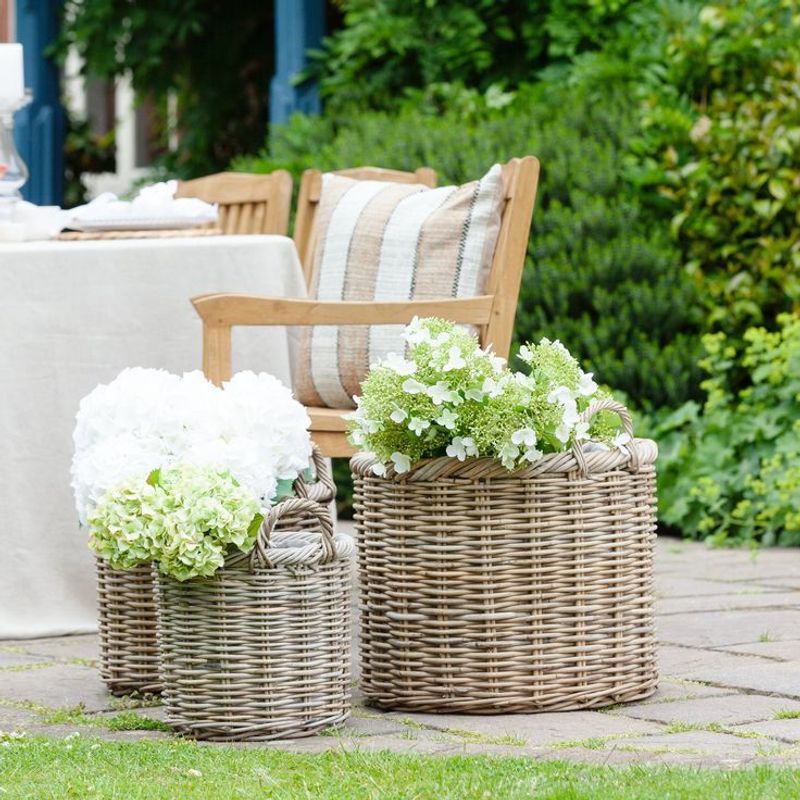
Spare lumber stacked beside a raised bed, a pile of wooden stakes leaning against a fence, fabric row covers draped over hoops near a wall, plastic nursery pots clustered on a patio, and wicker baskets used for harvest storage are all common sights in a working California garden.
During calm weather, these items rarely attract much attention.
When Red Flag Warnings are issued and fire conditions become dangerous, they represent combustible material sitting close to structures.
The advantage these items have over a permanent raised bed is that they can be moved.
Relocating portable combustible accessories away from structures before periods of elevated fire risk is a practical step that does not require any construction or permanent changes to the garden.
Moving items to a garage, shed, or an area well away from the home before high-risk weather arrives is more manageable than trying to act quickly once conditions have deteriorated.
Making a habit of scanning the area around raised beds for accumulated combustible accessories before fire season peaks, and again before any forecasted Red Flag event, builds a routine that is easier to maintain than a last-minute scramble.
Planning ahead with this kind of regular check makes the whole process feel manageable rather than reactive when conditions deteriorate quickly.
Emergency situations can develop quickly in California, and evacuation instructions from public agencies should always take priority over any garden task.
Preparing the garden before conditions become urgent means the work is already done when it matters most, and residents can focus on personal safety rather than sorting through garden supplies.
8. Check Local Defensible-Space Guidance Before Making Changes
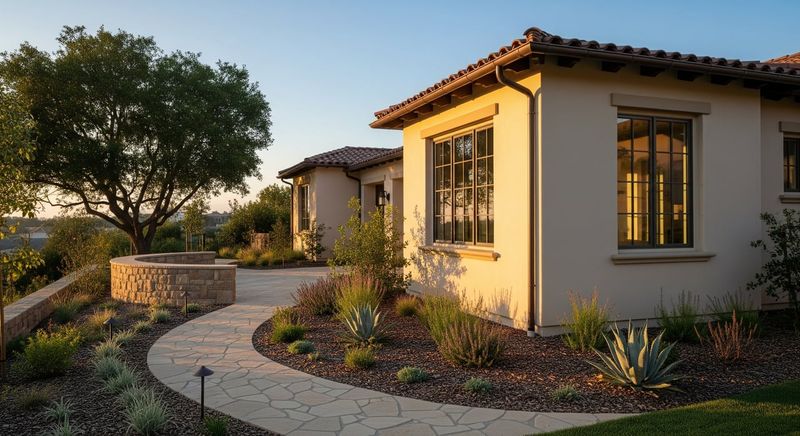
General wildfire-preparedness advice can point a gardener in a useful direction, but the rules and recommendations that actually apply to a specific California property depend on where that property is located, how it is classified, and which agencies have jurisdiction over it.
Local fire departments, fire protection districts, county ordinances, and homeowners association rules can all include requirements that are more specific than broad statewide guidance.
California uses a Fire Hazard Severity Zone system to classify properties based on fire risk. Properties in High, Very High, and State Responsibility Area zones may face different requirements than properties in lower-risk areas.
Knowing which zone a property falls into is a useful starting point for understanding which rules apply. CAL FIRE and local fire agencies can provide that information, and many counties maintain publicly accessible maps.
Zone 0, the ember-resistant area immediately surrounding structures, has been a subject of ongoing regulatory discussion in California.
The status of related rules can change, so checking current guidance from CAL FIRE, the California Board of Forestry and Fire Protection, and local authorities reflects what is actually in effect rather than what may have been proposed or discussed at an earlier point.
UC Cooperative Extension and UC Master Gardener Program resources also offer California-specific guidance on landscape management and fire preparedness that is grounded in current research.
Combining that knowledge with local fire agency input gives California gardeners the most accurate and actionable foundation for making changes around their raised beds and broader residential landscapes.