Never Water Oregon Gardens In The Evening Before A Summer Thunderstorm
Oregon summer storms love dramatic timing.
The day starts dry and bright. By evening, clouds pile over the hills, thunder grumbles, and the garden suddenly looks like it could use one last drink before the sky opens.
That hose can feel responsible in your hand. It can also cause trouble.
Watering at dusk before a thunderstorm stacks moisture on moisture.
Leaves stay wet longer. Soil gets overloaded. Slugs get a midnight invitation. Nutrients move where roots cannot use them.
By morning, the garden may be soggier, stickier, and more stressed than it was before you tried to help.
So why should Oregon gardeners leave the hose alone before a stormy summer night?
Start with timing. Morning water helps plants use moisture while leaves dry fast. Evening water before thunder turns a simple habit into an overnight problem, and the forecast may already be bringing all the water your garden needs.
1. Wet Leaves Stay Wet Longer
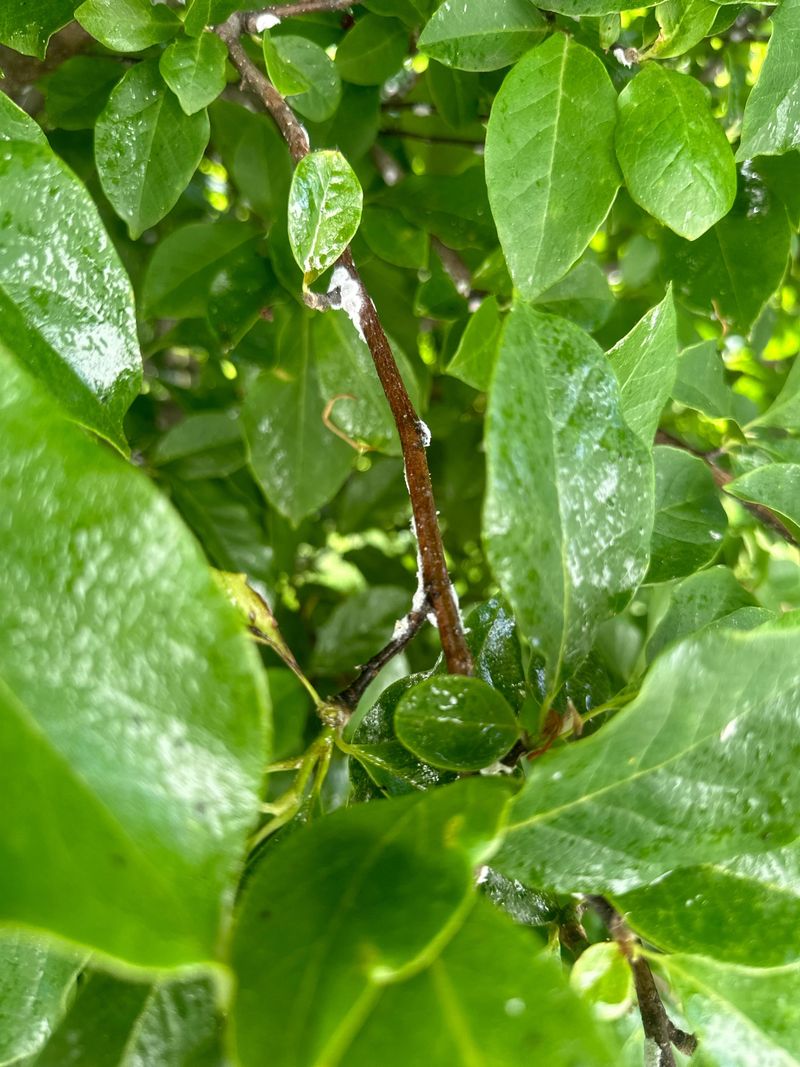
A hose at dusk can turn healthy foliage into an overnight moisture trap.
That matters in Oregon, where summer evenings can cool quickly and air movement often slows after sunset.
Water that lands on tomato leaves, squash vines, beans, lettuce, or kale does not dry the same way it would during the morning.
The sun is already low. The breeze starts to fade.
Then a thunderstorm arrives and adds another layer of moisture before the first one ever has a chance to leave. By sunrise, the leaves may still feel damp, and the garden has spent the whole night wearing a wet blanket.
Plants do not enjoy that kind of bedtime routine.
Long leaf wetness creates a comfortable surface for disease problems to develop. Even strong plants can struggle when leaves stay damp for hours, especially in dense beds where airflow is already poor.
Morning watering works much better.
Water reaches the soil, roots get what they need, and any splash on leaves dries once the sun rises. That quick drying window is one of the easiest ways to reduce trouble without buying anything or changing the whole garden setup.
Use a soaker hose or drip line when possible, and aim water at the soil instead of the leaves.
Your plants want a drink at the roots, not a soggy sleepover on the foliage.
2. Fungal Trouble Gets A Window
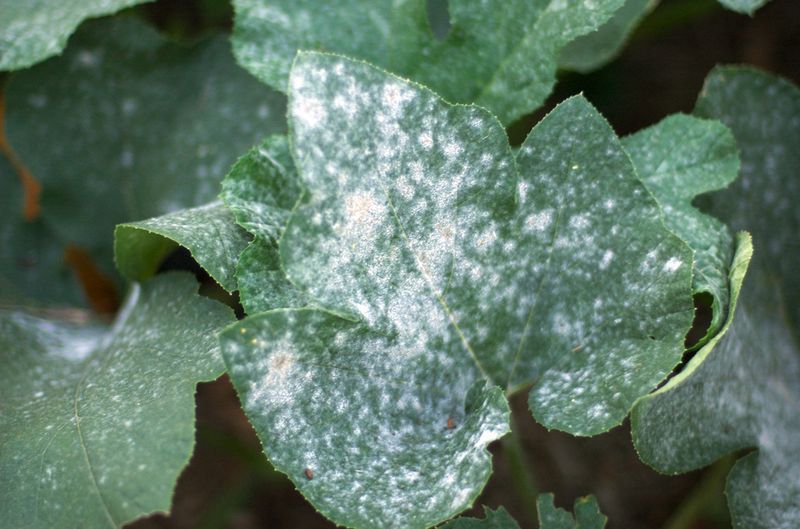
Fungal problems do not need a formal invitation.
Wet leaves overnight are enough.
Oregon gardeners already deal with plenty of moisture-driven headaches during the growing season. Tomatoes can show leaf spots.
Squash and cucumbers can look dusty. Strawberries and beans can develop gray, fuzzy trouble when airflow stays poor and humidity lingers.
Evening watering before a storm gives those problems extra time.
Spores need moisture to settle in and spread. A thunderstorm after dusk can keep the whole garden damp for hours, especially in crowded beds where leaves overlap and block air.
That means the plants sit through a long, humid night with no chance to dry out.
Rain splash can make the situation worse.
Your Oregon Garden Changes Every Week. Your Plan Should Too.
Gardening in Oregon changes quickly throughout the season. Every Friday you’ll receive a simple weekly plan showing exactly what to plant, prune, fertilize, harvest, and protect so you never miss the right timing.
Droplets hit soil, bounce onto leaves, and move spores from one plant to another. Watering right before that splashy storm only makes the bed wetter from the start.
The smarter move is simple.
Water early in the morning, water low, and give leaves a dry evening whenever possible. Prune crowded growth enough for air to move, and avoid soaking the canopy unless the weather gives you no choice.
A dry leaf at sunset is not boring.
It is a tiny shield against the garden drama that loves damp nights. Fungus may enjoy the evening mist, but your tomatoes would rather skip the after-hours party.
3. Storm Rain May Be Enough
Before watering at dusk, let the forecast speak.
Oregon summer weather can change quickly, especially when warm days meet incoming marine air, mountain clouds, or a fast-moving thunderstorm pattern. A garden that looks thirsty at 6 p.m. may get a solid soaking before bedtime.
That makes extra watering wasteful at best and harmful at worst.
Most vegetables need steady moisture, not panic watering. A storm forecasted to bring a useful amount of rain may cover the garden’s needs without help from the hose. Adding a full watering session first can push the soil past what it can hold.
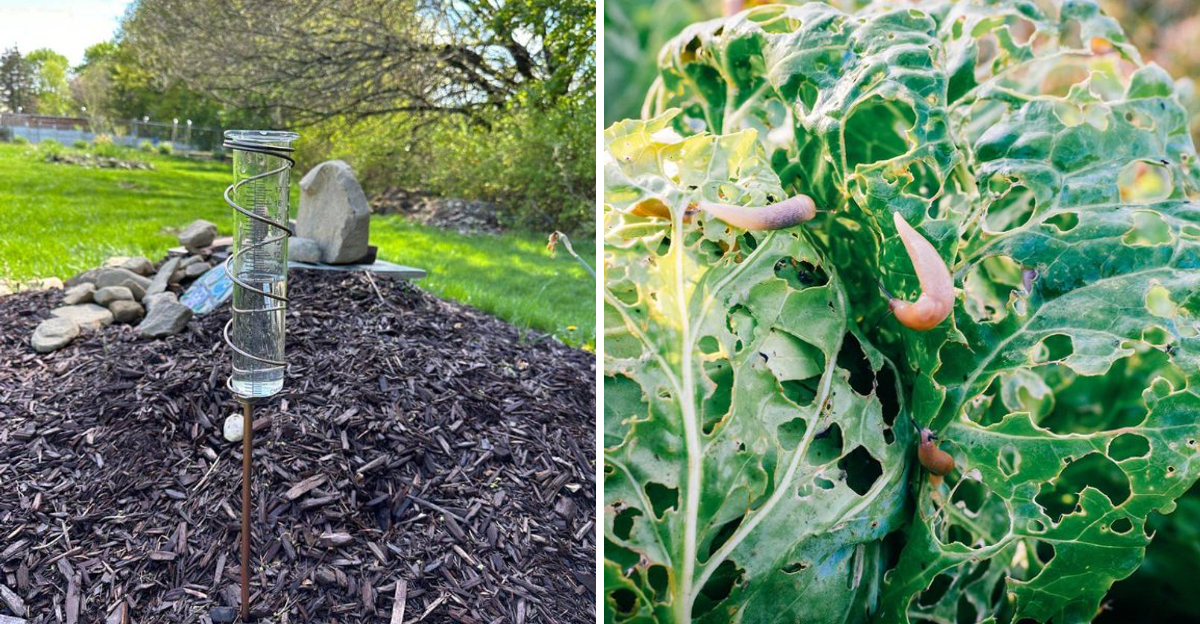
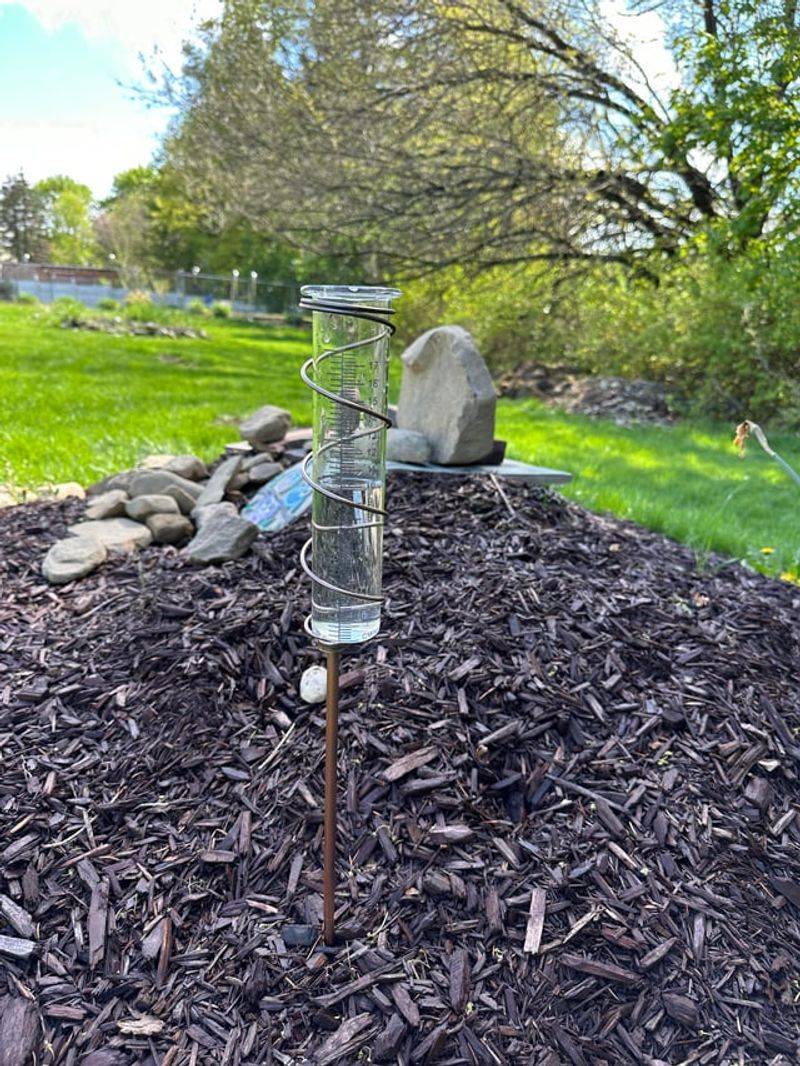
A rain gauge makes this much easier.
Place one near the garden, check it after storms, and learn what your yard actually received. One neighborhood can get a quick sprinkle while another gets a serious downpour, so backyard measurement beats guessing from a weather app alone.
Forecast apps still help.
Look at the hourly rain chance and expected amount before watering in the evening. A short check can save water, protect roots, and keep the bed from turning into a muddy soup bowl.
Oregon gardeners do not need to be storm chasers.
They just need to pause before uncoiling the hose.
Let the sky handle the job when it is already on the schedule. Free water is lovely. Free water plus extra hose water can become a root-zone traffic jam.
4. Roots Can Sit Too Wet
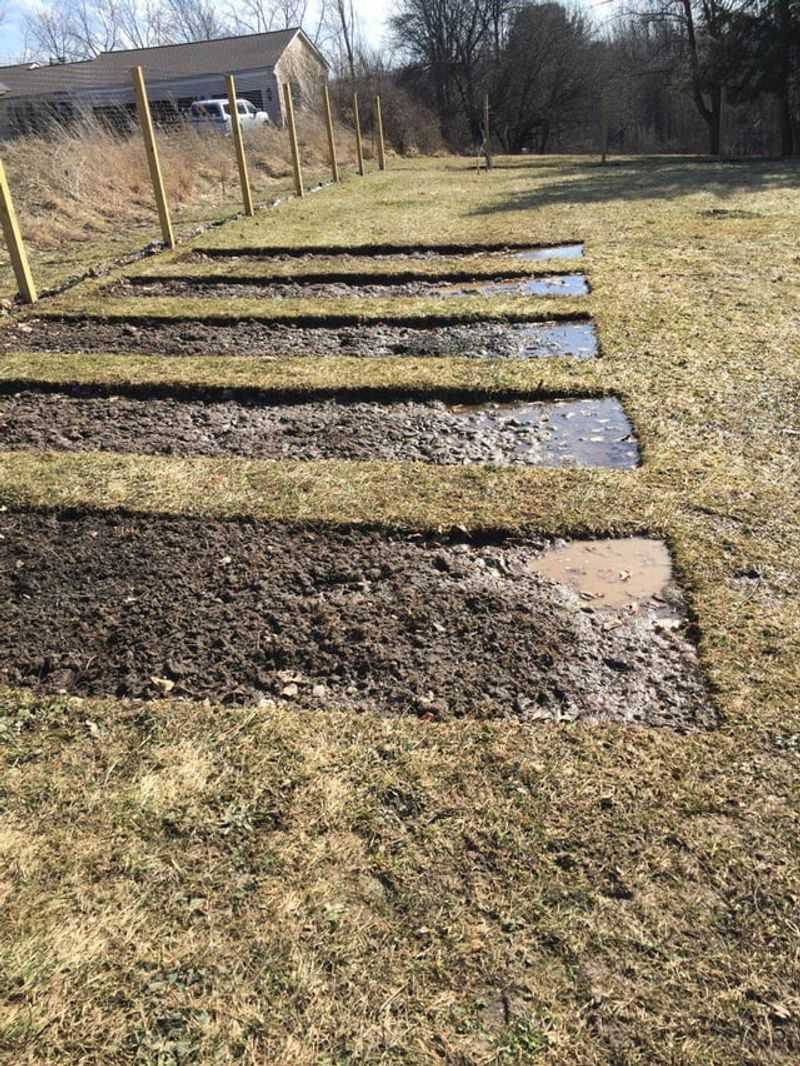
Roots need air as much as they need water.
That fact gets overlooked fast during summer heat. A wilted plant looks thirsty, so the instinct is to water. Then a thunderstorm hits, and the soil goes from moist to saturated before the night is over.
That is where roots get uncomfortable.
Healthy soil contains tiny air spaces that let roots breathe. When too much water fills those spaces, oxygen drops. Roots can struggle, slow down, and stop taking up nutrients properly, even while surrounded by moisture.
The symptoms can fool gardeners.
Overwatered plants may yellow, wilt, stall, or look oddly weak. That can look like drought stress, which leads to more watering and an even soggier mess. The hose tries to help, then accidentally joins the wrong team.
Heavy or compacted soil makes this worse.
Some Oregon garden beds drain slowly after rain, especially where soil has been walked on, worked too wet, or left low and dense.
Raised beds and compost-amended soil usually drain better, but even those can hold too much water after a full evening soak followed by a storm.
Check soil before watering.
Push a finger a couple of inches down near the root zone. Moist soil does not need another drink just because the surface looks dry.
Roots like steady moisture, not a bathtub.
Give them water in the morning, then let them breathe through the night. Happy roots make calmer plants.
5. Runoff Can Carry Nutrients Away
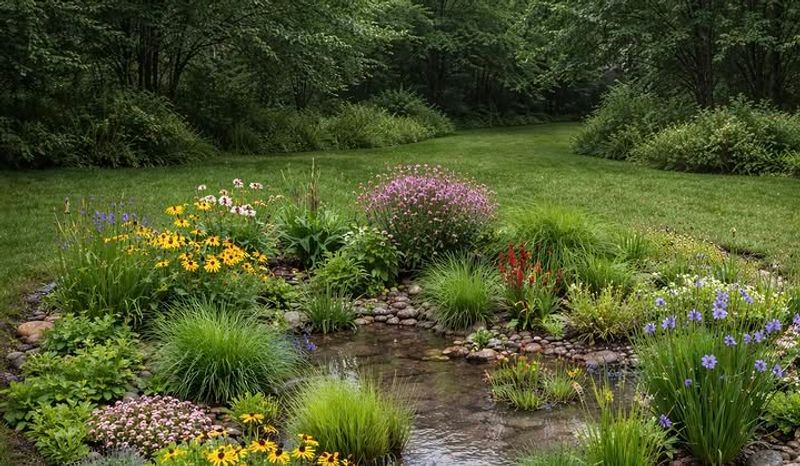
A storm after watering can turn good soil care into a disappearing act.
Compost, fertilizer, and fine organic matter all belong in the root zone. Heavy evening watering followed by thunderstorm rain can move them out of place before plants get much benefit.
That is especially true on slopes, raised-bed edges, compacted paths, and beds with bare soil.
Once the soil is full, extra water has to go somewhere. It runs across the surface, carrying soluble nutrients and loose particles with it.
That water may head into the lawn, the driveway, the street, or a low corner where the vegetables cannot use any of it.
Very rude behavior from water that was supposed to help.
Nitrogen and potassium can move with runoff. Fresh liquid fertilizer can wash away even faster. Fine compost can float out of a bed during a hard downpour, leaving the soil thinner and the gardener annoyed.
Morning watering gives the garden a better chance.
Moisture moves downward before the heat of the day, and nutrients stay closer to the roots. Mulch also helps by softening raindrop impact and slowing surface flow during storms.
Avoid feeding right before stormy weather too.
A plant cannot use fertilizer that leaves the bed before breakfast.
Water with the forecast in mind, and your soil amendments stay where they were invited. That saves effort, money, and a lot of muttering after the next thunderclap.
6. Slugs Enjoy Damp Nights

Oregon slugs do not need encouragement.
Evening watering before a thunderstorm gives them plenty anyway.
Slugs move best on damp soil and wet plant surfaces. Moisture helps them glide, feed, and roam the garden after dark. Add a pre-storm soaking at dusk, then let rain follow, and the bed becomes a slick little slug highway.
Tender plants pay the toll.
Lettuce, basil, strawberries, beans, seedlings, and young greens can show fresh holes by morning. The damage often appears suddenly because slugs work while the gardener sleeps and then hide before the coffee is ready.
Dryer evenings slow them down.
Morning watering gives the soil surface more time to dry before night. That does not remove every slug, because Oregon would never make it that easy, but it makes the garden less welcoming during their busiest hours.
Keep mulch pulled back slightly from delicate seedlings.
Remove boards, pots, and debris where slugs hide during the day. Hand-picking at dusk, iron phosphate bait, and barriers can help, but watering time is one of the simplest tools in the whole plan.
The hose can either help your plants or roll out the green carpet for pests.
Before a stormy night, leave the carpet rolled up.
Slugs may still make an appearance, but they do not deserve a damp dance floor and a salad bar at the same time.
7. Morning Water Works Smarter
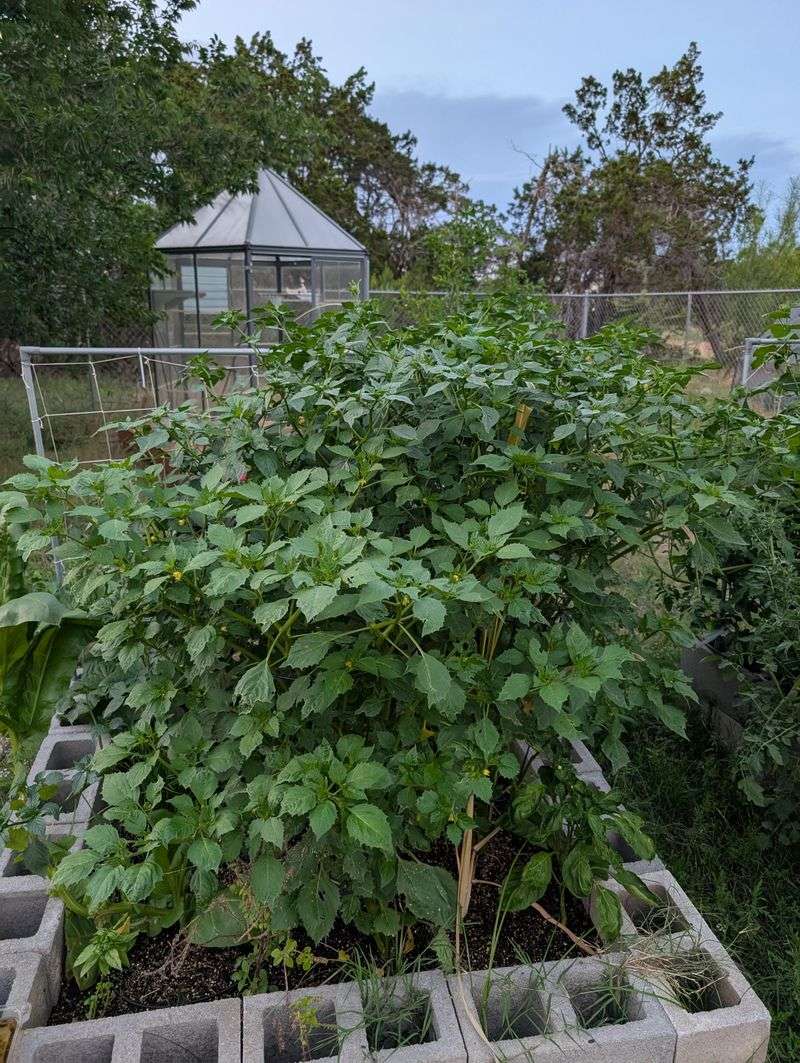
Morning water gives Oregon gardens a cleaner advantage.
The soil is cooler. Evaporation is lower. Plants have the whole day to pull moisture into their roots before afternoon heat arrives. Any water that lands on leaves has sunlight and air movement to help it dry.
That timing solves several problems at once.
Leaves spend less time wet. Roots get moisture before stress builds. Gardeners can see which plants actually need help instead of guessing in the fading light.
A morning routine also leaves room to skip watering when the forecast calls for evening rain.
Drip irrigation and soaker hoses make morning watering even better. They send moisture straight to the soil with little splash, which protects leaves and keeps water where roots can use it.
Sprinklers can work too, but they are much better early in the day than right before a humid night.
Deep watering beats quick sprinkling. A good soak encourages roots to grow downward, where moisture lasts longer. Shallow daily watering keeps roots near the surface, where heat dries the soil faster and plants complain more often.
Check beds by feel, not habit.
Some containers dry quickly. Mulched beds may stay moist longer. New transplants need more attention than established plants. Morning gives you enough light and calm to notice those differences.
It is not fancy.
It is just smarter timing. Your garden gets water, the leaves dry, and the night arrives without extra soggy baggage.
8. Forecast Checks Save Water
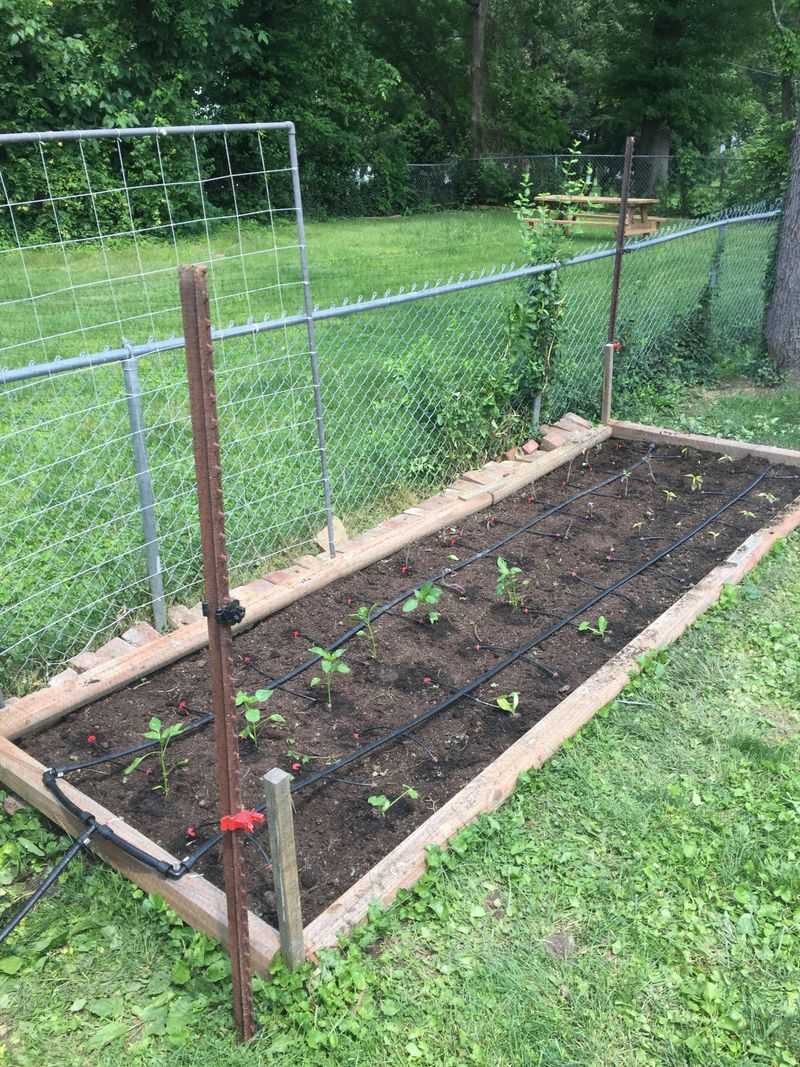
A two-minute forecast check can save a whole evening of garden regret.
Before watering, look at the hourly outlook. Pay attention to rain amount, storm timing, and overnight humidity. A small chance of drizzle is one thing. A strong thunderstorm rolling in after sunset is another.
That quick pause changes the decision.
The garden may need nothing. It may need only containers watered under cover. It may need a light morning soak the next day after the storm misses your yard.
Forecast checks help you respond to the weather you actually have, not the routine you planned yesterday.
Pair the forecast with a rain gauge.
Apps estimate. A gauge tells the truth in your yard. After a storm, check the amount before watering again. Soil may still be moist several inches down even when the surface looks dry.
This habit also protects water resources.
Many parts of Oregon face dry summer pressure, and outdoor watering adds up quickly. Skipping unnecessary irrigation before a storm saves water without sacrificing plant health.
Set a reminder during stormy stretches.
Check the forecast before the hose comes out, especially in July and August when heat and sudden storm chances can share the same week.
Good watering is not only about how much.
It is about when, where, and why.
Before a summer thunderstorm, the best watering move may be no watering at all. That is not neglect. That is garden restraint with a weather app.