Reduce Slug Damage With These Washington Garden Flowers
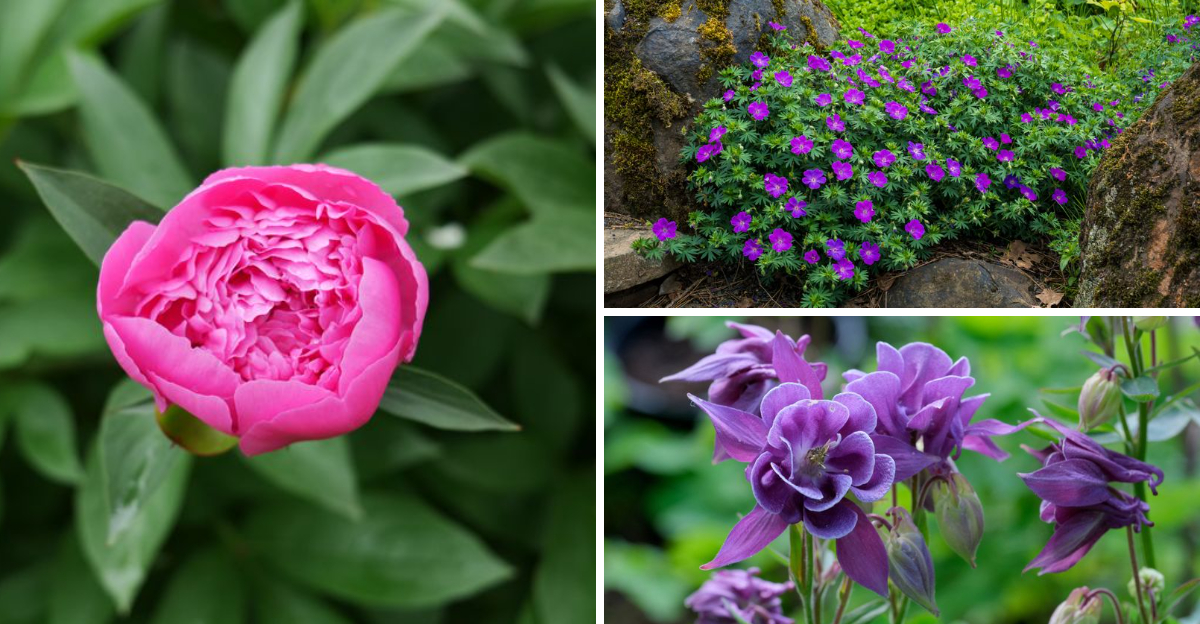
Slugs are drawn to your softest leaves first. Damp evening conditions in Washington often favor these persistent pests. Your garden becomes vulnerable the moment moisture quietly settles overnight.
Certain plants resist slugs through texture, scent, and sheer toughness. Fuzzy foliage discourages slugs instantly, long before flowers even open. Sharp fragrances confuse their senses and send them wandering elsewhere.
Leathery leaves outlast their constant nibbling no matter how persistent they seem. Local Washington yards thrive when you choose blooms slugs avoid entirely.
Color and protection can easily exist together without compromise. Some choices increase slug risk, others reduce it. Smart swaps turn fragile beds into resilient, thriving gardens within days.
Momentum builds the moment you replace bait plants with barriers. These flowers carry your garden forward, and small changes now can make a real difference.
1. Lavender
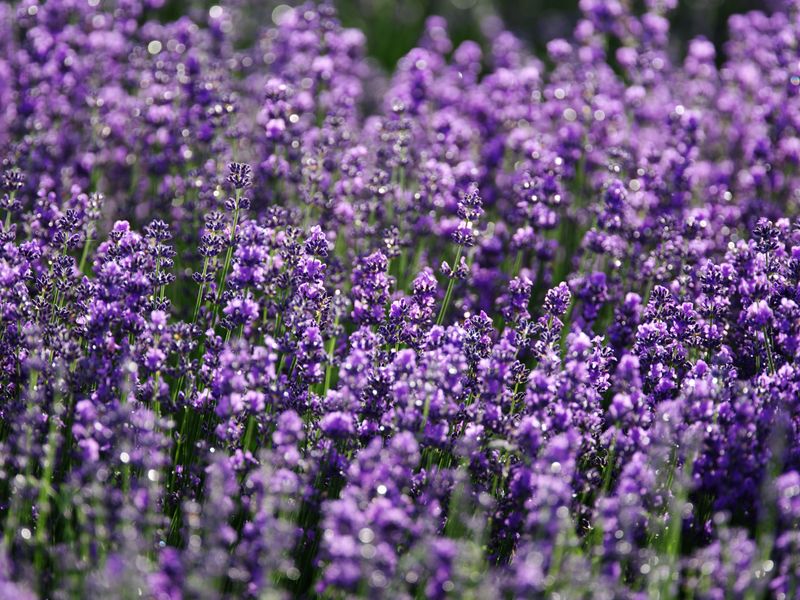
Lavender brings you fragrance and structure while discouraging slug visits with dry foliage and strong scent. Its narrow, gray-green leaves do not appeal to soft-bodied mollusks, and the aromatic oils add an extra barrier.
This plant loves full sun and well-drained soil, which further reduces slug-friendly damp spots near crowns. In Washington climates, English and lavandin types perform reliably when air moves through the beds.
Plant lavender on raised edges or gravelly patches to improve drainage and keep lower moisture away from stems. Space your crowns widely and prune annually to keep air circulation high and humidity low where slugs are less active.
Lavender also draws pollinators, so you get color, scent, and beneficial insects that help your garden overall. Try pairing lavender with rosemary or ornamental grasses for a textured, low-slug planting scheme that looks effortless.
Flowers dry well for arrangements and add seasonal interest even as they discourage pests around tender nearby plants.
You can also harvest stems just before full bloom for the strongest fragrance and longest-lasting dried arrangements.
Trimming spent flower heads promptly keeps plants compact and prevents excess moisture from collecting near the base. Watch for silvery new growth each spring as confirmation that drainage and airflow are working in your favor.
Structure, color, and slug resistance rarely align this cleanly in one perennial. Your lavender will stand as a dependable, fragrant anchor in any thoughtfully planned Washington garden bed.
2. Foxglove
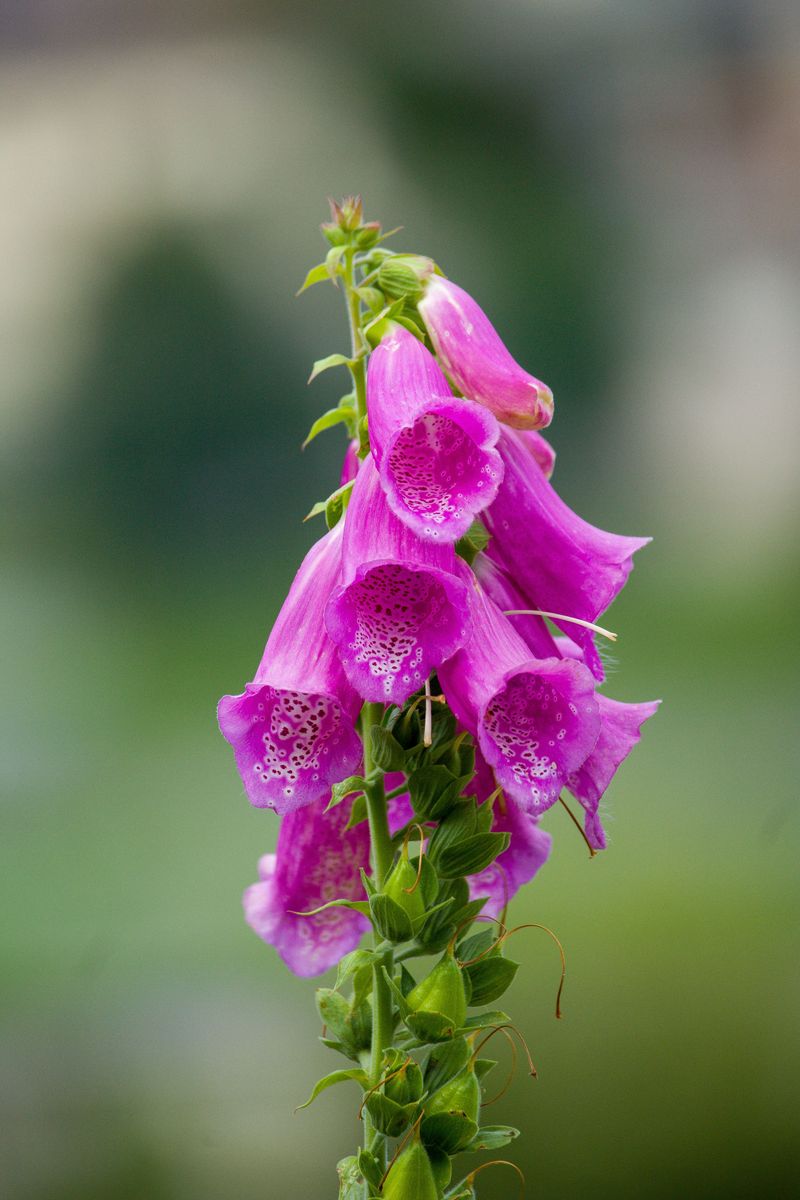
Foxglove gives you tall, dramatic flower spikes that draw attention away from lower plants slugs prefer. Their hairy stems and tall habit make the plant far less accessible to ground-level pests.
Favor digitalis varieties that self-seed lightly, which helps you maintain clusters without constant replanting. In shadier spots, foxglove thrives and keeps foliage higher off the soil, reducing slug contact.
While foxglove’s toxicity mainly deters mammals rather than slugs, its tall habit and hairy stems still give you extra peace of mind for mixed borders. Place foxglove behind lower perennials so the flowers create a visual screen and a physical barrier.
Where moist pockets exist near foundations, use gravel or stones at the base to break slug pathways toward crowns. Staggering bloom times with other perennials keeps interest alive and helps you avoid prolonged slug pressure on any single plant.
Your Washington Garden Changes Every Week. Your Plan Should Too.
Gardening in Washington changes quickly throughout the season. Every Friday you’ll receive a simple weekly plan showing exactly what to plant, prune, fertilize, harvest, and protect so you never miss the right timing.
Foxglove supports pollinators and adds vertical drama while acting as a practical deterrent to ground pests. You can also thin seedlings each spring to prevent overcrowding and keep airflow strong around the base.
Pairing foxglove with gravel-mulched neighbors reinforces your garden’s layered defense against persistent slug activity. Watch for tall spires each early summer as proof your siting and spacing choices are working well.
Height, drama, and practical slug resistance rarely come together this well in a single biennial. Your foxglove will stand as a dependable, dramatic anchor in any thoughtfully planned Washington garden bed.
3. Cranesbill Geranium
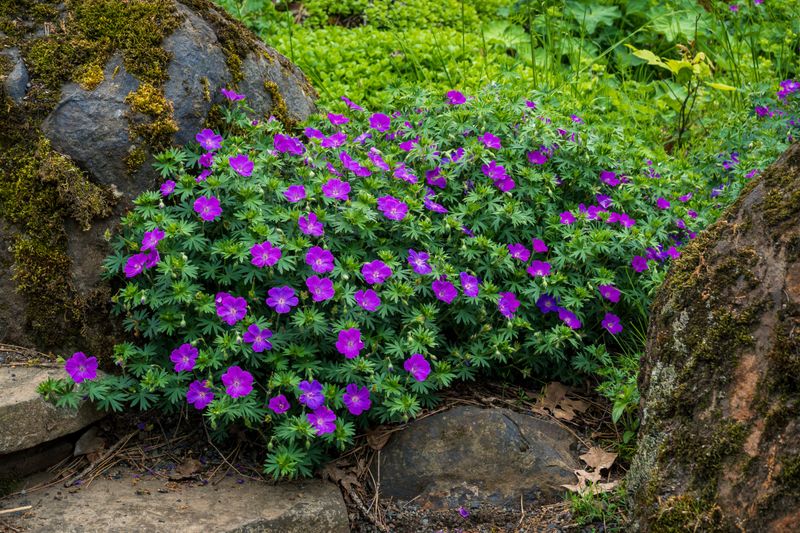
Cranesbill geraniums give you excellent low borders that slugs often ignore because of their tough leaves and compact habit. These hardy geraniums spread to fill gaps and keep soil covered without creating the damp hideaways slugs love.
Choose varieties with more textured foliage, which further discourages slimy visitors from settling in nearby. Planting geraniums among bulbs and taller perennials protects crowns and adds continuous cover through the seasons.
Their fibrous root systems reduce soil splash and keep crowns drier during wet Pacific Northwest springs. Regular trimming keeps plants neat and encourages denser growth that leaves less bare ground for slugs to travel.
Pairing geraniums with aromatic herbs along paths creates a dual deterrent of scent and structure that slugs dislike.
When pests appear, a quick inspection often reveals your geraniums remain largely untouched compared with tender neighbors. They offer you long bloom windows and a reliable, low-maintenance choice for slug-prone gardens overall.
You can also trim spreading mats in midsummer to refresh growth and maintain tidy, defined edges. Combining several cranesbill varieties extends color across seasons while reinforcing your garden’s natural slug defenses.
Watch for dense, mounding growth as confirmation that your soil and spacing choices are paying off. Resilience, color, and slug resistance come together unusually well in this adaptable groundcover.
Your cranesbill geraniums will stand as a dependable, low-slug anchor in any thoughtfully planned Washington garden bed.
4. Peony
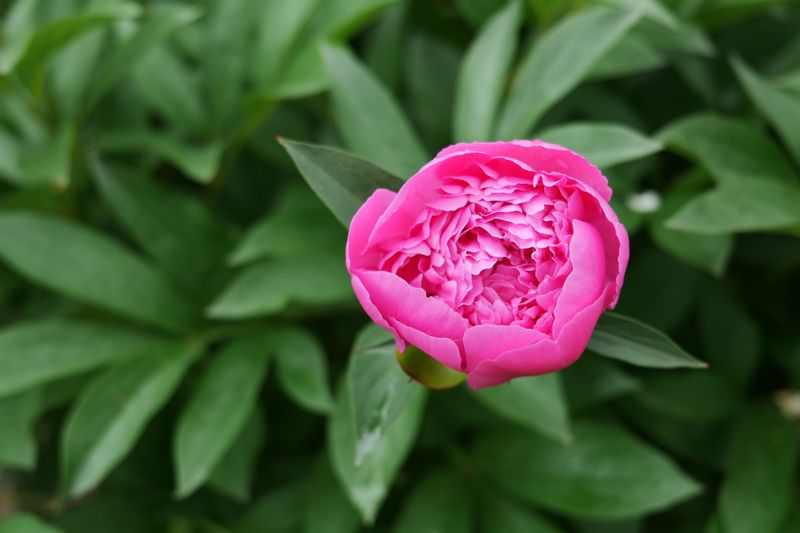
Peonies give you stout crowns and stiff stems that keep blooms well above ground-level slug traffic. Their thick, waxy leaves also present less attractive surfaces for slugs looking to feed.
Site your peonies where drainage is reliable to avoid the persistent dampness that slugs favor near crowns. Planting on slight mounds or raised beds gives crowns a height advantage against ground-level pests.
After bloom season, cut back foliage to reduce hiding spots and keep the area tidy and less inviting. Mulch sparingly around peonies with coarse materials that do not retain moisture close to the stems.
The showy flowers provide strong visual payoff while acting as a physical deterrent for slugs below. Combined with companion plants that repel mollusks, peonies can anchor a low-slug perennial border effectively.
These long-lived plants reward your patience and planning with big seasonal blooms and fewer slug headaches. You can also stake taller varieties to keep heavy blooms from drooping into damp, vulnerable soil.
Dividing crowded clumps every few years helps maintain airflow and keeps slug habitat to a minimum. Watch for strong bud formation each spring as a sign your drainage and siting choices are working.
This perennial offers notable fragrance, structure, and slug resistance in one hardy plant. Your peonies will stand as a dependable, showstopping anchor in any thoughtfully planned Washington garden bed.
5. Salvia
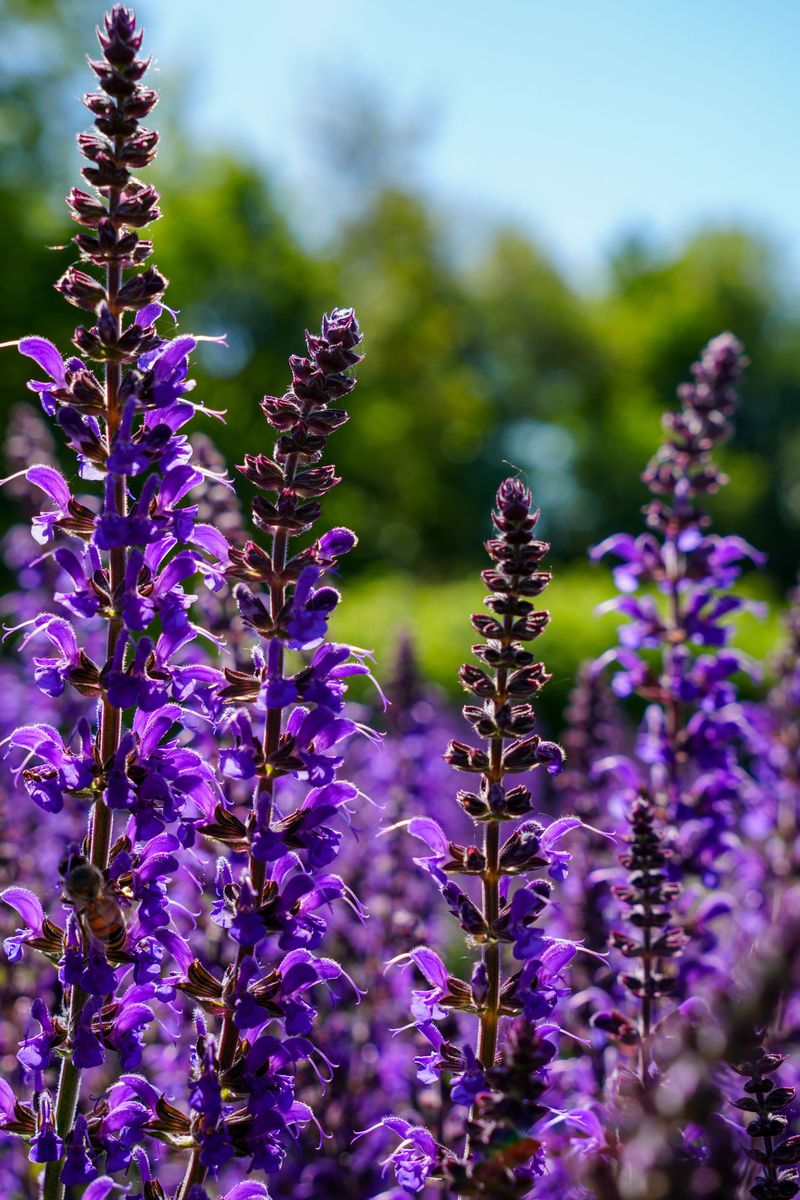
Salvia gives you aromatic foliage and erect flower spikes that slugs rarely bother with in open beds. Its coarse texture and fragrant oils help mask tender plants nearby from unwanted slug attention.
Plant your salvia in sunlit spots with good air movement to keep leaves dry and less appealing to slugs. Mixing salvias with low, mounded plants creates a layered bed that breaks slug paths and improves visibility.
The blooms attract bees and hummingbirds, adding color and life while slugs steer clear entirely. Prune carefully after bloom to maintain airflow and prevent damp recesses from forming near the soil line.
Use gravel or grit at the base to further discourage slug travel toward low, vulnerable crowns. Salvias come in many sizes, so choose varieties that contrast with softer neighbors for both deterrence and design.
The combination of scent, structure, and low maintenance makes salvia a reliable ally against slugs. You can also stagger bloom times by planting several salvia varieties for extended seasonal color and coverage.
Pairing salvia with other aromatic, slug-resistant plants strengthens your garden’s natural defense system even further. Trim spent spikes regularly to encourage fresh growth and keep the surrounding soil noticeably drier.
Salvia earns its keep through fragrance, pollinator appeal, and dependable slug resistance. Your salvia stands as a dependable, fragrant anchor in any thoughtfully planned Washington garden bed.
6. Bearded Iris
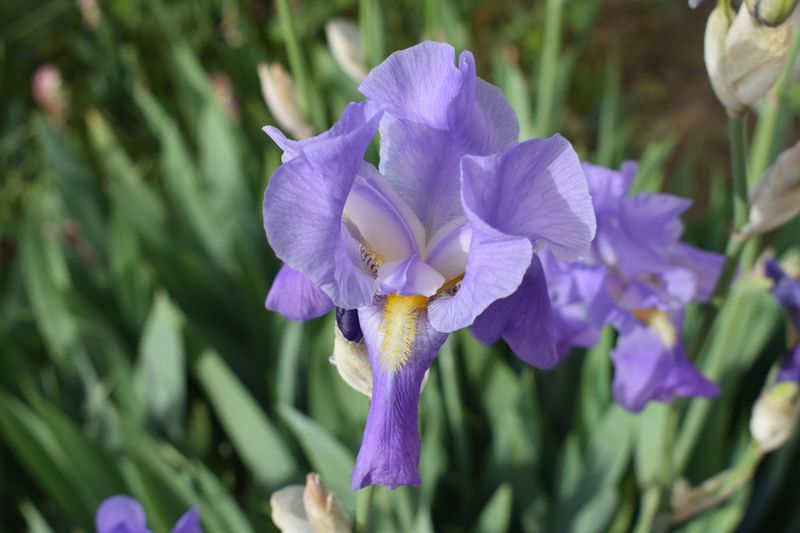
Bearded iris gives you stiff, vertical leaves and rhizomes that sit above the soil where slugs find little comfort.
You’ll notice the tough leaf texture and sun-loving placement reduce nocturnal slug visits compared with softer perennials nearby.
Plant your irises in sunny, well-drained spots and lift rhizomes occasionally to prevent rot and limit slug habitat. Arrange irises with gravel shoulders around the crowns to discourage mollusks that prefer continuous moist ground.
The bright spring blooms also draw your eye away from lower plants that slugs typically target first. Maintain clean beds and remove decayed foliage to lower shelter options for slugs near your irises.
Choose resilient cultivars adapted to your local conditions for the best long-term performance and resistance. These architectural plants give you bold seasonal impact while helping keep slug numbers down throughout your borders.
With the right siting and routine care, your bearded iris earns its place in a low-slug garden plan. You can also divide crowded clumps every few years to keep airflow strong and moisture low around rhizomes.
Pairing irises with other sun-loving, slug-resistant plants strengthens your overall garden defense strategy naturally. Watch for early blooms as a signal that your soil conditions and drainage are working well together.
Structure, color, and practical slug resistance come together rarely this well in one perennial. Your bearded iris truly stands as a dependable anchor in any thoughtfully planned Washington garden bed.
7. Poppy
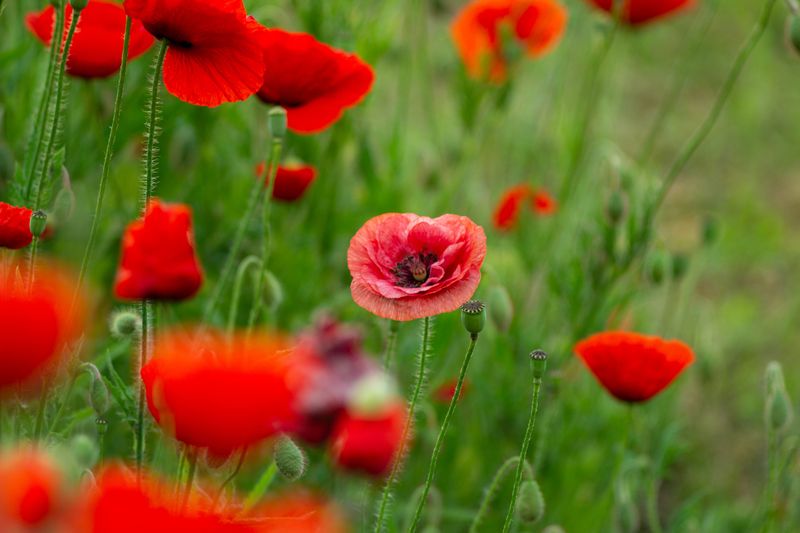
Poppies have delicate, papery petals but coarse basal leaves that slugs generally avoid in favor of juicier foliage nearby. They prefer sunny, open sites where soil dries quickly and slug activity noticeably drops after rain events.
Scatter annual poppies and plant perennial types in free-draining mixes to keep crowns dry and far less attractive to pests.
Naturalizing poppies in gravelly patches or raised areas significantly reduces slug movement through carefully planned display beds.
The ephemeral blooms add vivid color bursts while the plants’ upright habit keeps slugs from settling comfortably in massed plantings.
Combining poppies with low, aromatic herbs forms a natural scent barrier that slugs consistently tend to bypass. Trimming spent flowers tidies the bed and prevents unwanted moisture buildup around basal foliage during wet periods.
These easy-to-grow flowers suit meadow gardens and cottage schemes where slug pressure stays controlled through smart design.
Poppies offer bright, carefree color and genuine practical benefits within a slug-aware garden layout overall. Their deep taproots also help them tolerate drier soil, further discouraging slug activity near the base.
Gardeners can stagger bloom times by mixing annual and perennial varieties for extended seasonal color. Placing poppies along sunny borders creates a natural first line of defense for shadier plants behind them.
Poppies pair visual drama with low-maintenance, slug-resistant reliability few annuals can match. Poppies remain a dependable, cheerful choice for any thoughtfully planned Washington garden bed.
8. Columbine
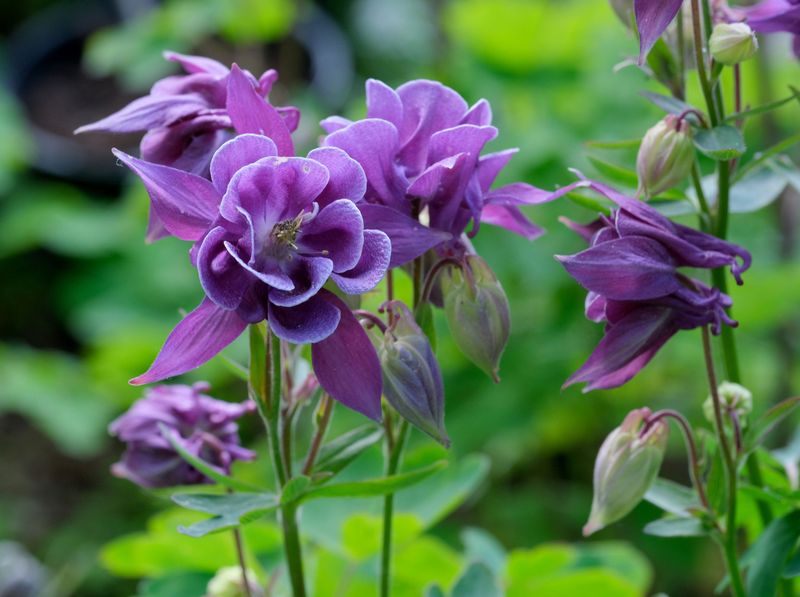
Columbine has airy, delicate foliage and nodding blooms that keep sensitive centers well above ground-level slug reach.
The finely divided leaves dry quickly after rain and never offer the smooth, moist surfaces slugs actively prefer for feeding.
Use columbine in partial shade areas where it thrives without ever creating dense, damp groundcover that shelters pests overnight.
Mixing columbine with rock accents and coarse mulch reduces slug pathways toward tender crowns and vulnerable young seedlings nearby.
Self-seeding varieties offer tidy, naturalized spread without the lush, slug-friendly mats that many other shade plants tend to create.
Regular thinning prevents overcrowded patches that could trap moisture and invite mollusks after heavy seasonal rains.
Pollinators genuinely appreciate the abundant nectar, while the plant’s open, airy form helps shield more vulnerable neighboring plants from exposure.
Columbine supports layered planting strategies that both charm the eye and actively protect against slugs throughout mixed borders.
Their remarkable combination of grace, resilience, and practicality makes columbine a smart, reliable choice for mindful gardeners everywhere.
Beyond its ornamental value, columbine adapts easily to varied soil conditions, making it a flexible anchor plant.
Gardeners can pair it confidently with other slug-resistant species to build a cohesive, low-maintenance shade garden.
Columbine looks delicate but performs real protective work in the landscape, a rare combination. It truly earns its place in any thoughtfully designed Washington garden bed
9. Astilbe
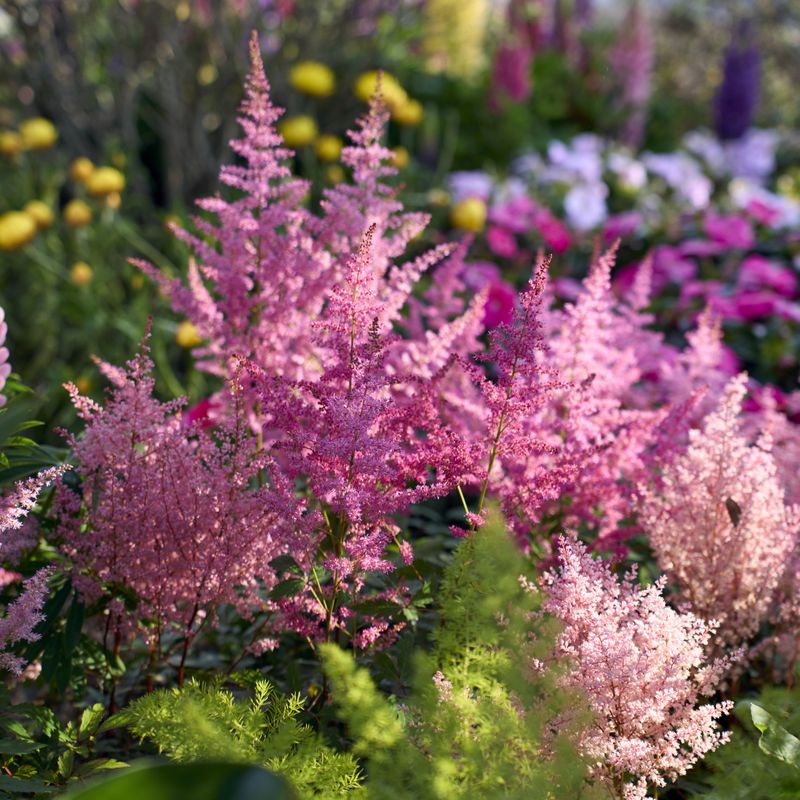
Astilbe thrives in moist shade, yet its serrated, fern-like foliage often deters slugs compared with tender-leaf plants that offer easy access.
The plume-shaped flowers rise well above the leaves, keeping reproductive parts safely away from ground-level pests searching for an easy meal.
Plant astilbe in grouped clumps to create strong visual impact while still leaving enough room for airflow around each crown.
This spacing matters because stagnant, humid pockets are exactly what slugs seek out after dark. Using coarse mulch and strategic stone placement reduces continuous moist contact and limits slug travel near tender stems.
Choosing varieties with firmer, more textured leaves gives gardeners another layer of natural defense in damper, shadier garden spots.
Regular grooming after bloom minimizes decaying plant material that might otherwise attract slugs looking for shelter at night.
Astilbe works especially well near garden paths, where visibility and ambient light help deter nocturnal mollusks from approaching too closely.
Its impressive shade tolerance makes it particularly useful where sun-loving deterrent plants simply cannot survive in typical Washington beds.
With planned placement, thoughtful spacing, and consistent seasonal care, astilbe adds lasting texture, color, and structure to shaded gardens.
It also noticeably reduces slug pressure in moist, shaded landscapes throughout the entire growing season. Astilbe balances beauty and defense more effectively than most shade plants manage.