Washington Gardeners With Impressive Cucumber Harvests All Know These 12 Hacks
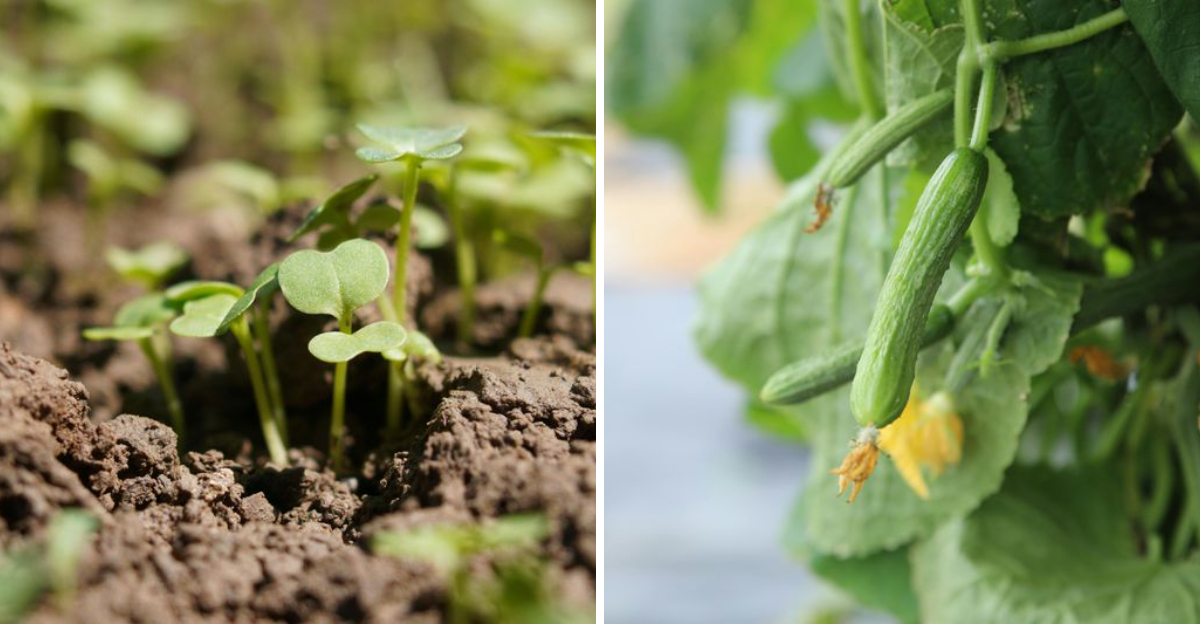
Washington state broke my gardening heart the first summer I tried growing cucumbers. I planted them too early, crossed my fingers, and watched them sulk through a cold, rainy spring.
Total disaster. But I kept at it.
And slowly, I cracked the code. Here is the truth: Washington’s quirky climate, with its cool springs and short warm windows, does not have to work against you.
The gardeners stacking cucumbers into baskets all summer long are not out there hustling harder than everyone else. They just know a few smart tricks that change everything.
The difference between a vine that barely survives and one that produces more cucumbers than you can give away comes down to timing, technique, and a little insider knowledge. Washington state rewards the clever gardener, not just the hardworking one.
Ready to be clever this season?
1. Grow Vertically On A Trellis
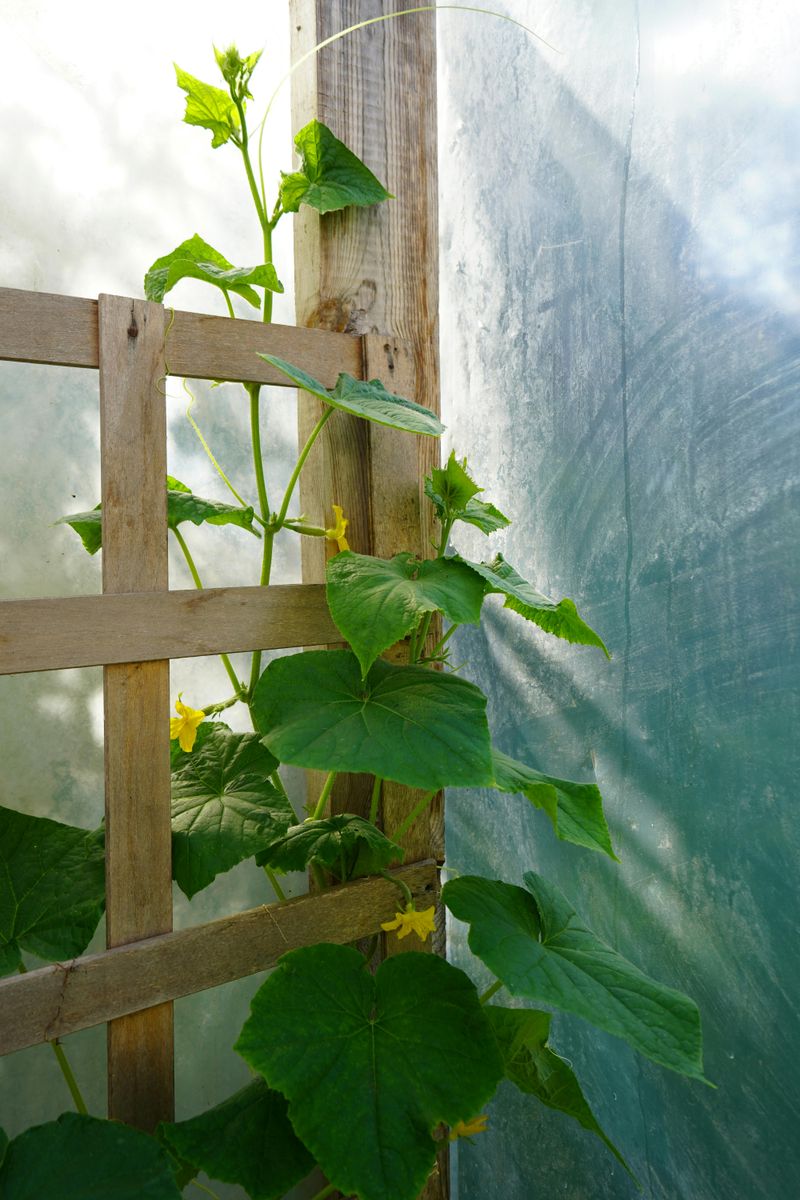
Cucumbers grown flat on the ground are basically an open invitation for trouble. Wet soil breeds rot, slugs move in fast, and airflow drops to almost nothing.
A trellis changes everything in one simple move.
When vines climb upward, sunlight hits every leaf evenly. Air circulates freely, which slashes the risk of powdery mildew, a fungal problem that haunts Pacific Northwest gardens every season.
Vertical growing also makes harvesting laughably easy. No more crawling through tangled vines on your knees searching for hidden cucumbers.
You spot them instantly, hanging right at eye level.
The fruits themselves grow straighter when hanging freely. That matters if you want picture-perfect slicers for the table.
A simple cattle panel, wood frame, or even a repurposed ladder works beautifully as a trellis.
Anchor it firmly before planting so you are not fighting a wobbly structure mid-season. Train the first few tendrils by hand to get them started in the right direction.
Once the vine grabs on, it does the rest on its own. Vertical growing is one of the most impactful cucumber harvest upgrades you can make.
2. Plant In Full Sun At Least 6 To 8 Hours Daily
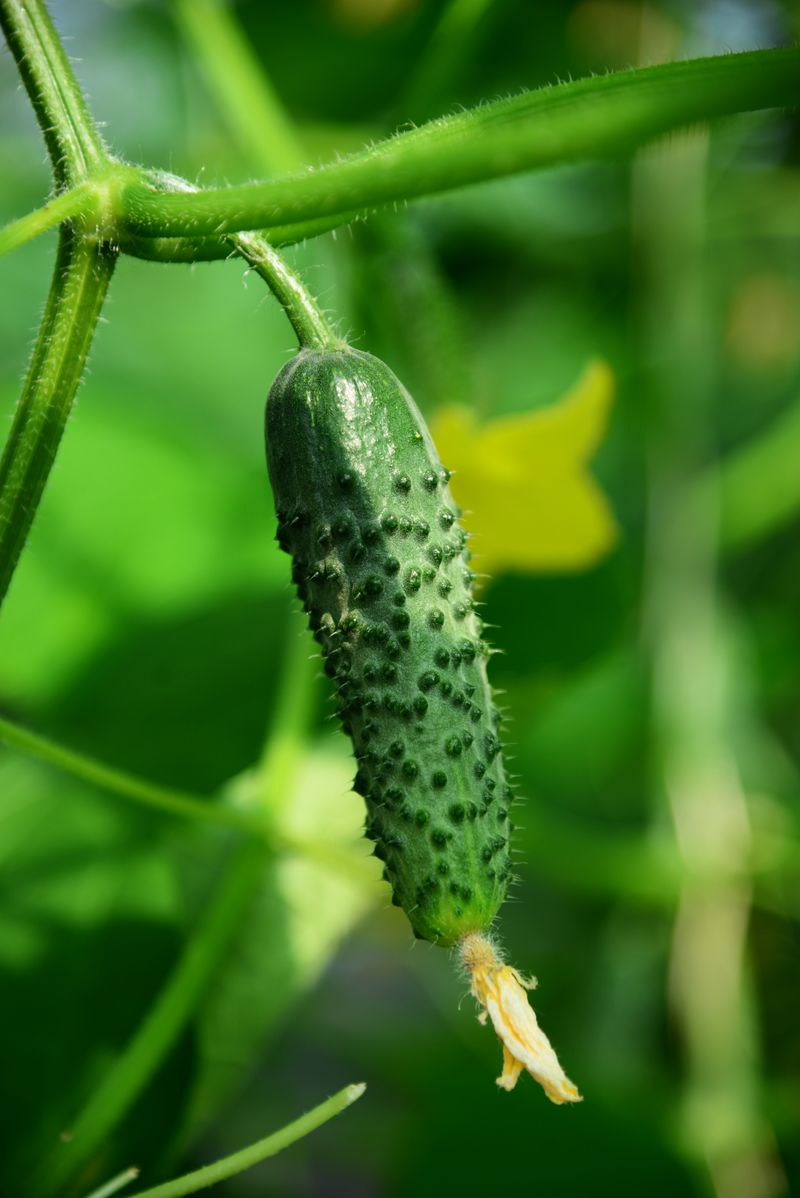
Cucumbers are sun-hungry plants, and there is no shortcut around that fact. Six hours of direct light is the bare minimum.
Eight hours is where the magic really starts to happen.
Washington gardens often battle cloudy spring mornings, so choosing the right planting spot is critical. South-facing beds or areas that open up to unobstructed sky will outperform shady corners every single time.
Insufficient sunlight leads to slow growth, fewer female flowers, and a cucumber harvest that never quite delivers. Plants sitting in partial shade stretch thin and leggy, spending energy reaching for light instead of producing fruit.
Take a full day to observe your yard before committing to a location. Watch where shadows fall at 10 a.m., noon, and 3 p.m.
That observation alone can save an entire season.
Raised beds near a south-facing fence or wall are often the sweet spot in cooler climates. The wall absorbs heat during the day and radiates it back at night, extending your effective growing window.
Your Washington Garden Changes Every Week. Your Plan Should Too.
Gardening in Washington changes quickly throughout the season. Every Friday you’ll receive a simple weekly plan showing exactly what to plant, prune, fertilize, harvest, and protect so you never miss the right timing.
More warmth means faster germination, stronger vines, and a more generous harvest from start to finish.
3. Water Deeply At The Base Never On The Leaves
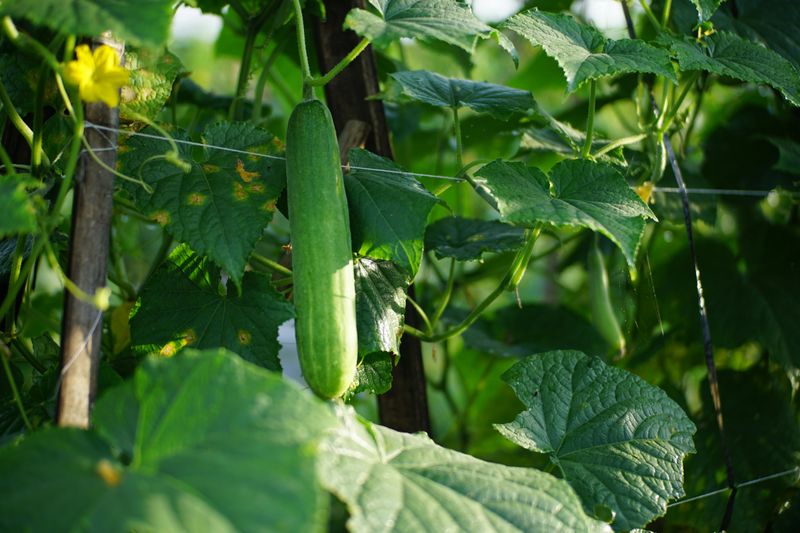
Wet leaves are a reliable way to invite fungal disease. Overhead watering is one of the fastest ways to invite powdery mildew, downy mildew, and other moisture-loving diseases into your garden.
Watering at the base keeps foliage dry while delivering moisture exactly where roots need it most. A soaker hose or drip irrigation system makes this effortless and incredibly consistent.
Deep watering encourages roots to stretch downward rather than staying shallow near the surface. Deeper roots access more nutrients and handle dry stretches far better.
Shallow roots panic at the first sign of a warm week.
Cucumbers need about one inch of water per week. During hot Washington summers, that number climbs.
Stick your finger two inches into the soil before watering. If it feels dry, it is time.
If it feels moist, wait another day.
Watering in the morning gives the soil time to absorb moisture before afternoon heat arrives. Evening watering leaves surfaces damp overnight, which is exactly the environment fungal spores love.
Consistent, deep, base-level watering is one of the quietest secrets behind any impressive cucumber harvest worth bragging about.
4. Mulch Heavily To Hold Moisture
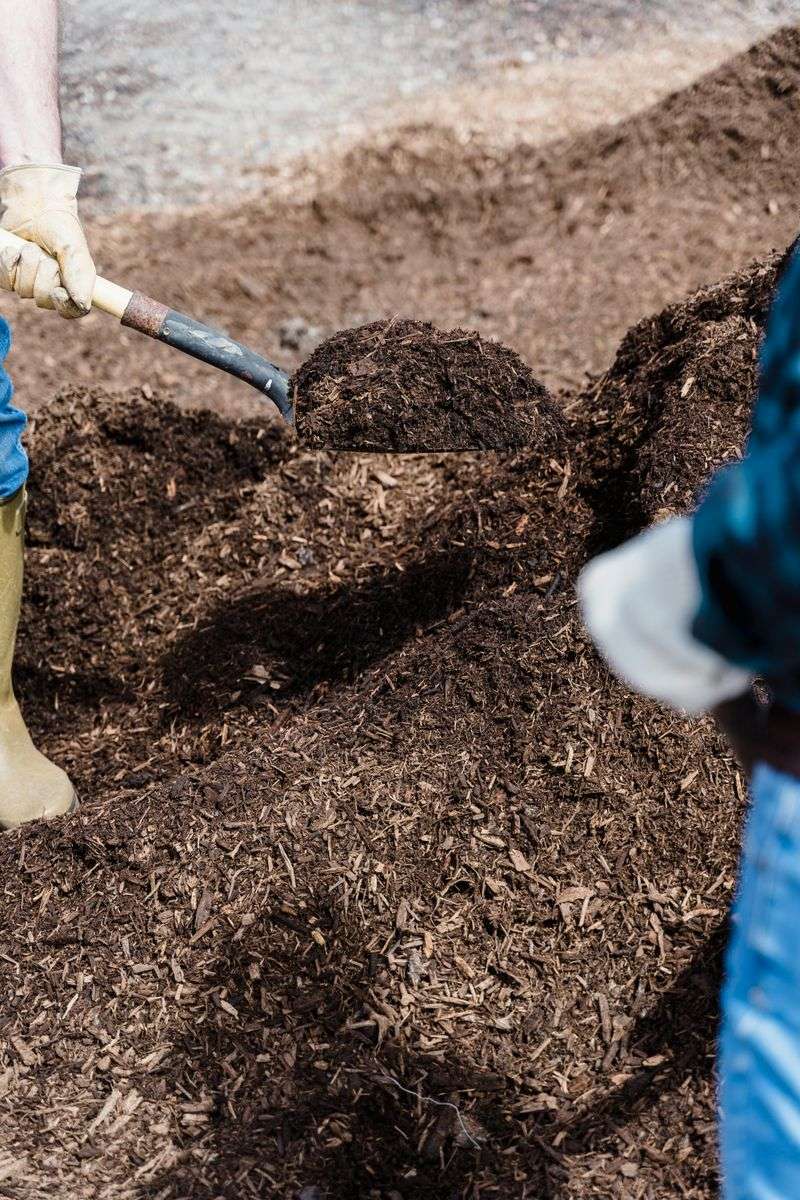
Bare soil in a cucumber bed is a missed opportunity. Without mulch, water evaporates fast, soil temperature swings wildly, and weeds compete aggressively for nutrients.
A three-to-four-inch layer of straw, wood chips, or shredded leaves acts like a blanket over the soil. It traps moisture after watering, which means you water less often and plants stay consistently hydrated between sessions.
Mulch also moderates soil temperature, which matters enormously in Washington where spring nights can still drop unexpectedly. Cooler soil slows root activity.
Mulch buffers those temperature swings and keeps roots in their productive comfort zone.
Weed suppression is another big bonus. Fewer weeds mean less competition for water and nutrients, and less time spent pulling them on your hands and knees.
That time can go back into enjoying your garden instead.
Apply mulch after the soil has warmed in late spring. Putting it down too early can actually trap cold temperatures and slow plant establishment.
Pull mulch slightly away from the main stem to prevent rot at the base.
Mulching is one of the simplest upgrades that consistently improves your cucumber harvest season after season
5. Pick Early And Often To Keep Plants Producing
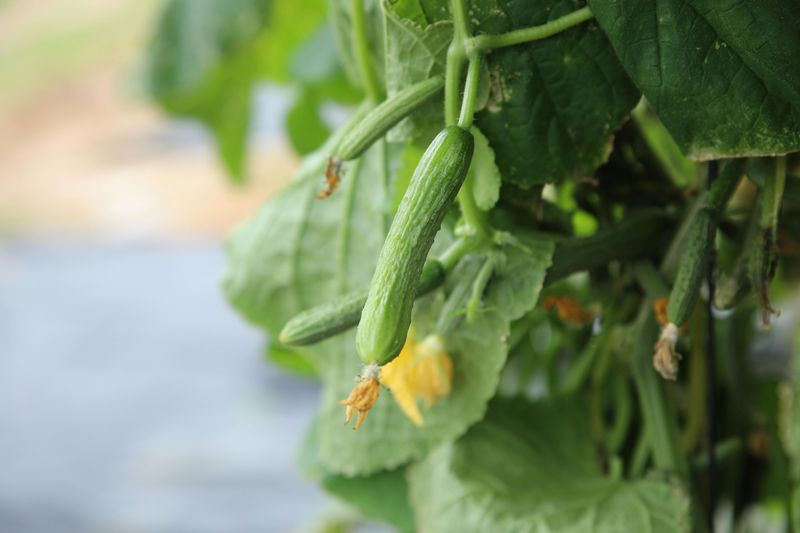
Image Credit: © dp singh Bhullar / Pexels
Here is something most new gardeners get completely backwards: leaving cucumbers on the vine too long actually shuts down production. The plant thinks its job is done once seeds mature inside a fruit.
Picking cucumbers young and frequently sends a clear signal to the plant. It tells the vine that more fruit is needed, triggering a second and third wave of production that can stretch your harvest for weeks longer than expected.
Slicing cucumbers are best harvested at six to eight inches long. Pickling types shine at two to four inches.
At those sizes, the skin is tender, seeds are small, and flavor is at its peak.
Check your vines every single day during peak season. Cucumbers grow with shocking speed in warm weather.
A small fruit on Monday can be oversized by Wednesday. Oversized cucumbers turn yellow, go bitter, and signal the plant to slow down.
Use scissors or pruning snips rather than yanking fruit off by hand. Pulling can damage the vine and stress the plant unnecessarily.
A clean cut keeps everything healthy and productive. Frequent picking is genuinely one of the simplest ways to multiply your cucumber harvest without any extra effort.
6. Add Compost To Soil Before Planting
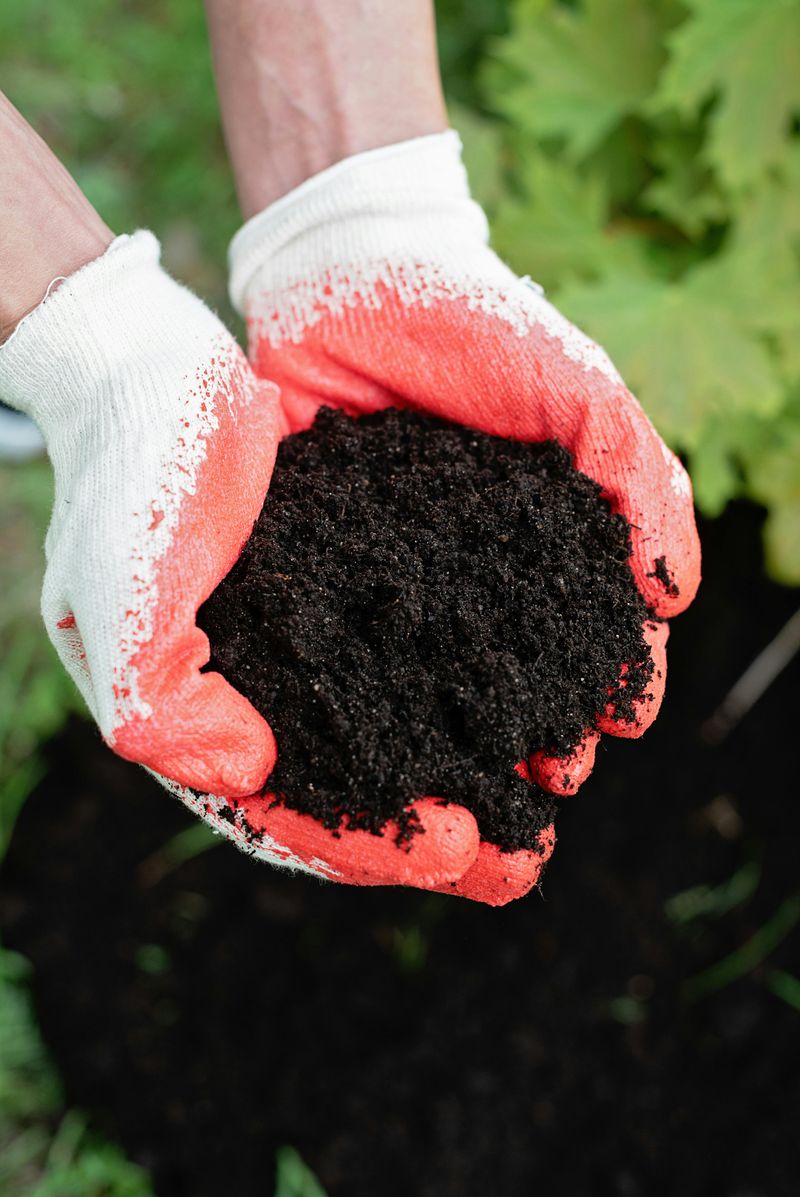
Soil quality is the foundation of everything, and cucumbers are heavy feeders that notice the difference immediately. Starting with nutrient-poor soil puts plants at a disadvantage before they even sprout.
Working two to three inches of finished compost into your bed before planting transforms the growing environment completely. Compost adds slow-release nutrients, improves drainage in clay-heavy soils, and boosts moisture retention in sandy ground.
Healthy soil biology is equally important. Compost introduces beneficial microorganisms that break down organic matter and make nutrients available to plant roots in a form they can actually absorb and use.
Many Washington gardens sit on heavy clay or rocky glacial soil. Compost loosens that structure, allowing roots to spread easily and access oxygen.
Roots in compacted soil grow slowly and weakly, no matter how much water or fertilizer you add on top.
Make your own compost from kitchen scraps and yard waste, or purchase bagged compost from a local nursery. Either option works well.
Mix it thoroughly into the top eight to ten inches of soil for maximum benefit. This single prep step consistently separates gardeners who struggle from those who pull in a truly stunning cucumber harvest every season.
7. Plant Nasturtiums Nearby To Repel Pests
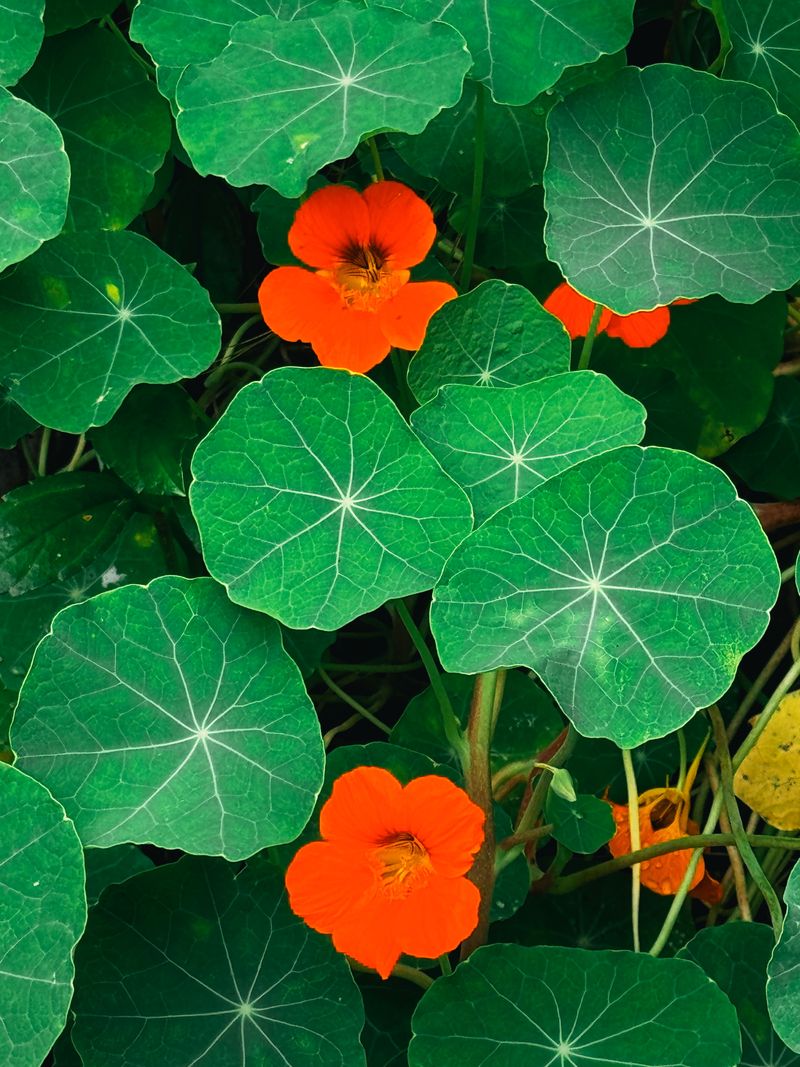
Nasturtiums are one of the hardest-working flowers in any vegetable garden. They pull double duty as a beautiful ground cover and a surprisingly effective pest deterrent planted near cucumbers.
These cheerful, easy-growing flowers emit a scent that confuses and repels aphids, whiteflies, and squash bugs. Those insects cause serious damage to cucumber vines if left unchecked through a growing season.
Nasturtiums also act as a trap crop. Aphids sometimes prefer nasturtiums over cucumbers, clustering on the flowers instead of your prized vines.
You can then remove the affected nasturtium leaves without harming your main crop at all.
Growing nasturtiums from seed is incredibly simple. They prefer poor soil, actually performing better without heavy fertilizing.
Sow seeds directly into the ground after the last frost and they establish quickly with minimal fuss.
Plant them in a border around your cucumber bed or tuck them between plants as a living mulch. They spread low and wide, shading the soil and reducing moisture loss simultaneously.
Pollinators love nasturtium blooms, which also helps boost cucumber flower pollination rates. More pollination means more fruit, which means a more satisfying cucumber harvest to show off at the end of the season.
8. Succession Plant Every Two To Three Weeks
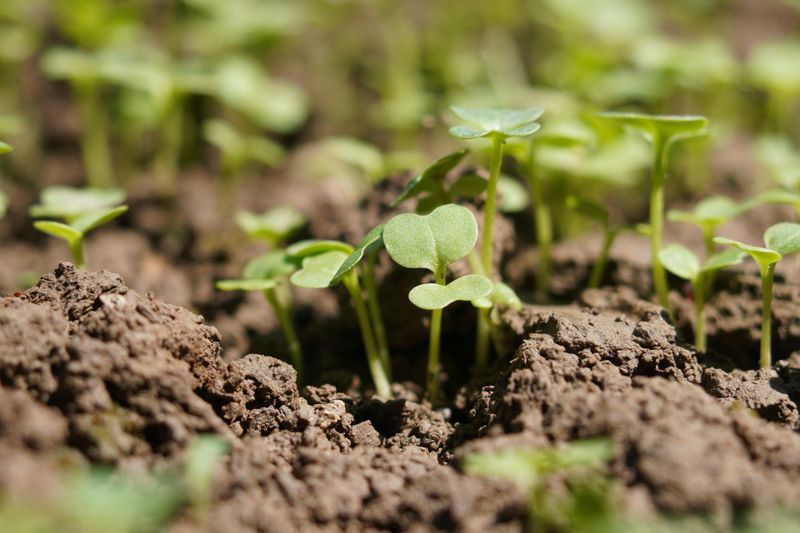
Image Credit: © 分 参 / Pexels
Planting all your cucumbers on the same day is a recipe for a feast-or-famine situation. Everything ripens at once, you scramble to use it all, and then the harvest is suddenly over.
Succession planting staggers your crop across the season, giving you a steady, manageable stream of cucumbers instead of one overwhelming surge. Start your first round of seeds two weeks after your last frost date, then plant again every two to three weeks after that.
In most Washington growing zones, you can fit two to three succession plantings into the season comfortably. That means fresh cucumbers arriving continuously from midsummer through early fall, rather than one brief window of abundance.
Use small seed trays to start successive rounds indoors while earlier plants are already growing outside. This keeps your timeline tight and maximizes every week of the warm growing season.
Label each planting with the date so you can track which round is producing and which needs more time. Rotate planting locations within your bed if space allows, which also helps prevent soil-borne diseases from building up in one area.
Succession planting is the strategy that keeps experienced gardeners swimming in cucumbers long after their neighbors have given up for the season.
9. Pinch Off First Few Flowers To Strengthen The Plant
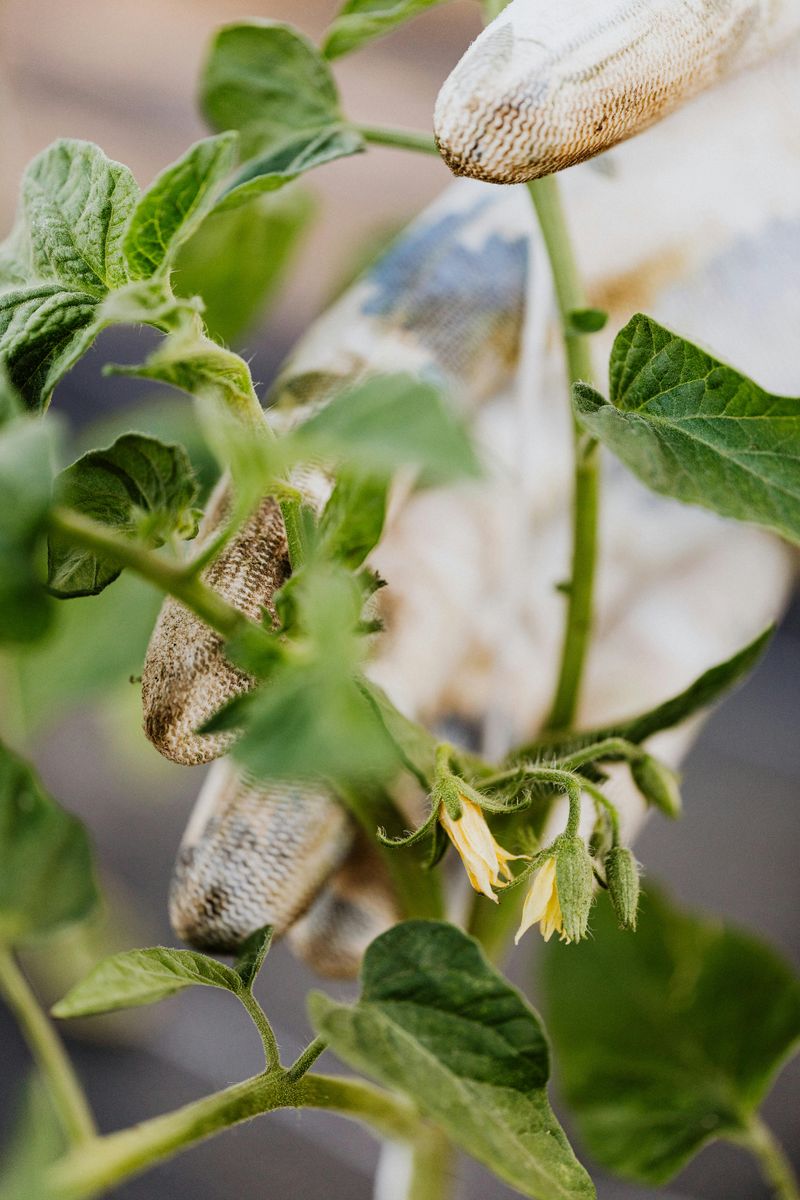
This tip sounds counterintuitive, and most gardeners resist it the first time they hear it. Why would you remove flowers from a plant you want to produce fruit?
Pinching off the first four to six flowers forces the plant to redirect its energy away from early reproduction and into root development and vine growth. A bigger, stronger root system supports far more fruit later in the season than a weak one stressed by early fruiting.
Young plants that set fruit too early often struggle. The vine stays small, production slows quickly, and the overall yield ends up lower than it would have been with a little patience applied early on.
Wait until the plant has at least five to six sets of leaves before allowing flowers to develop into fruit. By that point, the root system is established enough to support vigorous production without strain.
This practice is especially valuable in Washington where the growing season starts cool and slow. Getting root development right during those early weeks pays off enormously when summer heat finally arrives and the plant explodes into production mode.
One small act of restraint early in the season can dramatically increase the size and duration of your cucumber harvest all summer long.
10. Keep Soil pH Between 6.0 And 7.0
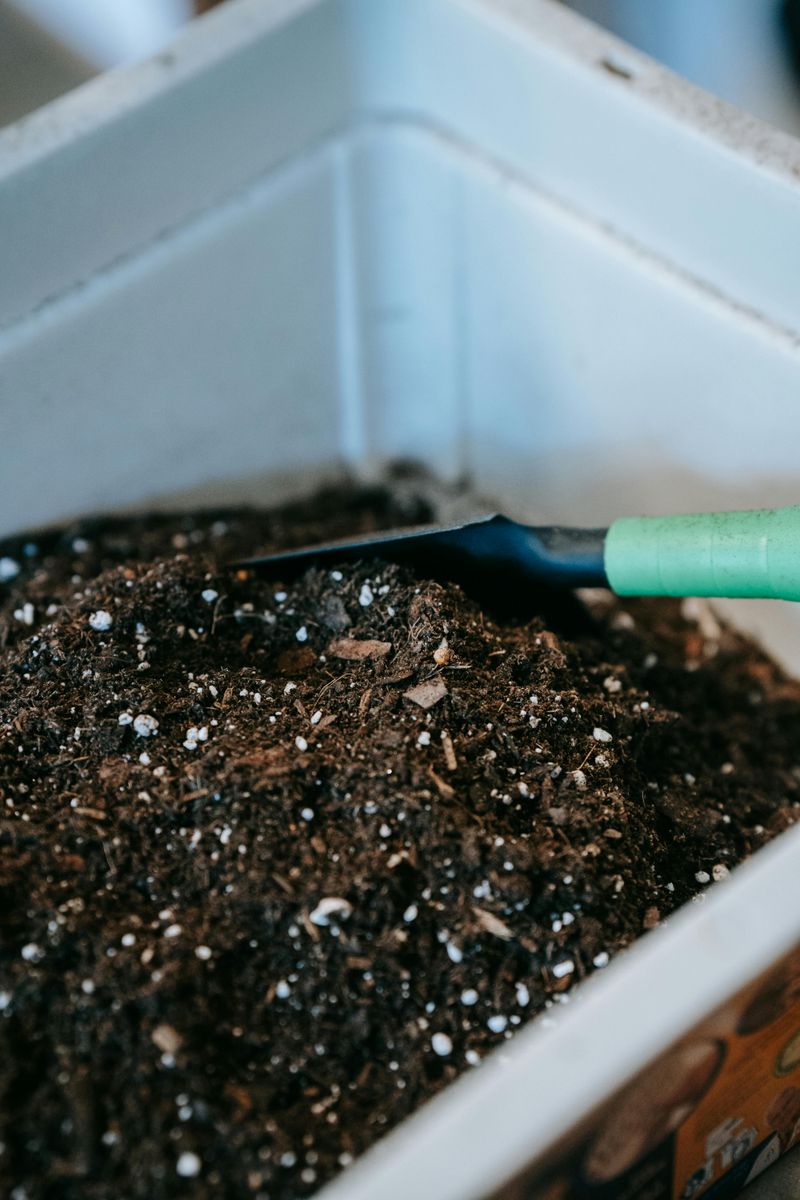
Soil pH is one of those invisible factors that quietly controls everything happening underground. Most gardeners never check it, which explains a lot of mysterious plant struggles that seem to have no obvious cause.
Cucumbers thrive in slightly acidic to neutral soil, specifically in the 6.0 to 7.0 range. Outside that window, nutrients lock up in the soil and become unavailable to roots, even when fertilizer has been added generously.
Washington soils vary widely depending on location. Western areas tend toward acidic conditions due to heavy rainfall leaching minerals.
Eastern regions can swing more alkaline. Testing your soil takes about five minutes and costs very little at any garden center.
If your pH reads too low, add garden lime to raise it gradually. If it reads too high, sulfur or acidic compost brings it back down.
Retest after amendments to confirm before planting.
A simple inexpensive test kit from a hardware store gives you reliable readings without needing a lab. Do this every spring before the season begins.
Balanced soil pH unlocks every nutrient you add and allows your plants to perform at their full potential. Getting this right is one of the least glamorous but most impactful steps toward a truly impressive cucumber harvest.
11. Use Row Covers Early In The Season
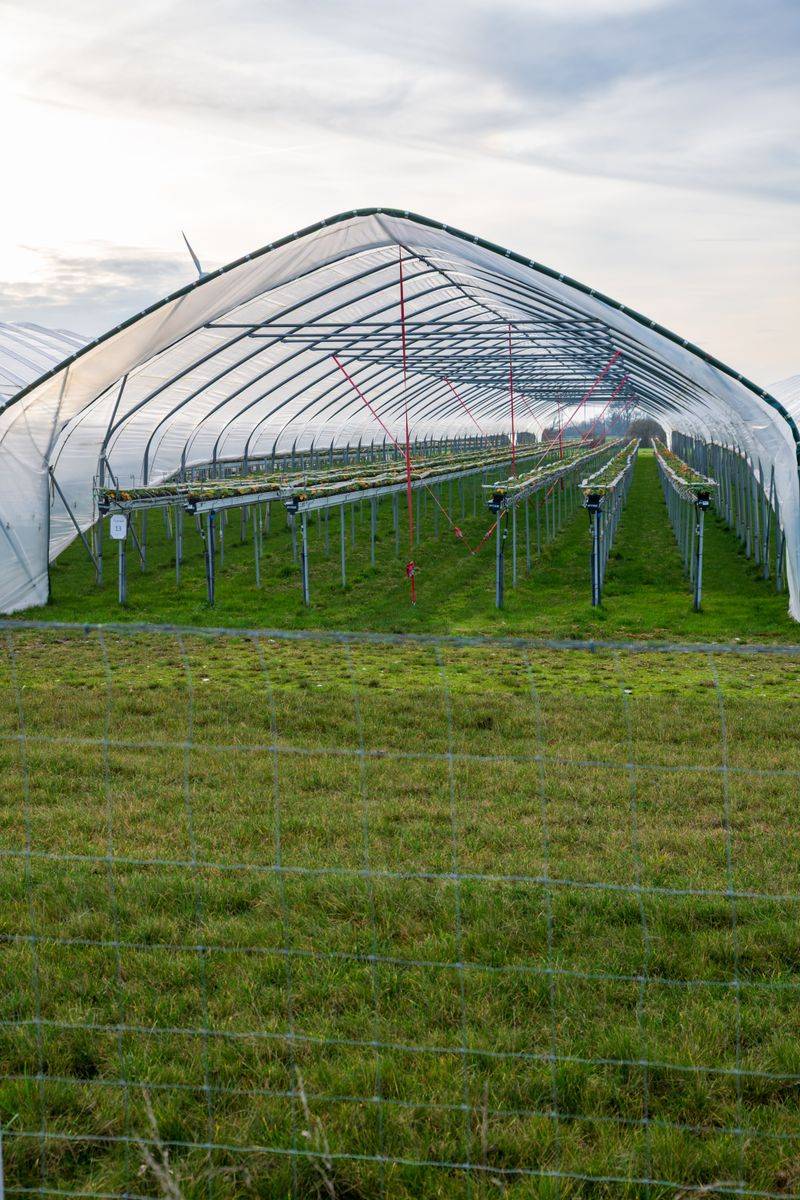
Washington springs are sneaky. A warm week in May can be followed by a cold snap that drops temperatures low enough to stress heat-loving crops like cucumbers.
Floating row covers are lightweight fabric sheets that trap warmth around young plants while still allowing light and moisture to pass through. They create a miniature greenhouse effect that can raise soil and air temperature by several degrees overnight.
That temperature buffer is often the difference between seedlings that thrive and seedlings that stall out or suffer cold damage during a surprise late frost. Getting plants established earlier means a longer productive season overall.
Row covers also block early-season pests like cucumber beetles, which emerge in spring looking for exactly the kind of tender young plants you are trying to protect. Physical barriers require no chemicals and leave no residue on your food.
Remove covers once plants begin flowering so pollinators can access the blooms freely. Leaving them on too long blocks the bees that cucumbers depend on for fruit set.
Time the removal on a mild day when temperatures are stable and settled.
Used strategically, row covers give your cucumber harvest a meaningful head start. That early boost compounds into noticeably better production from the first warm week all the way through the end of the season.
12. Check Plants Daily And Remove Pests By Hand
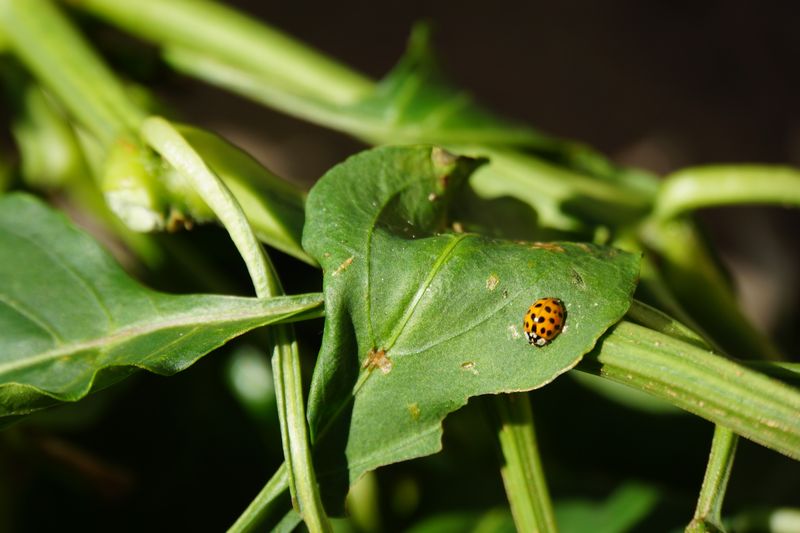
Daily garden walks are not just pleasant. They are one of the most powerful pest management strategies available to any home gardener willing to be consistent about it.
Cucumber beetles, aphids, and spider mites can move from minor nuisance to serious infestation within just a few days if left unaddressed. Catching problems early keeps damage minimal and eliminates the need for harsh interventions later.
Flip leaves over during your checks. Many pests lay eggs and cluster on the undersides of foliage where they are shielded from light and casual observation.
What looks fine from above can be a very different story underneath.
Wear gloves and drop pests directly into a container of soapy water. This method is surprisingly effective for cucumber beetles, squash bugs, and caterpillars.
It requires no sprays, no chemicals, and costs absolutely nothing beyond a few minutes of attention each morning.
Keep a simple garden journal to track what you find and when. Patterns emerge quickly.
You will start to notice which weeks certain pests appear and can be ready with targeted responses before populations spike.
Consistent daily monitoring is the low-tech habit that keeps experienced gardeners ahead of problems all summer long. A few minutes of attention each morning is all it takes to protect everything you have worked so hard to grow.