Why Michigan Deer Suddenly Target Newly Planted Shrubs At The End Of Summer
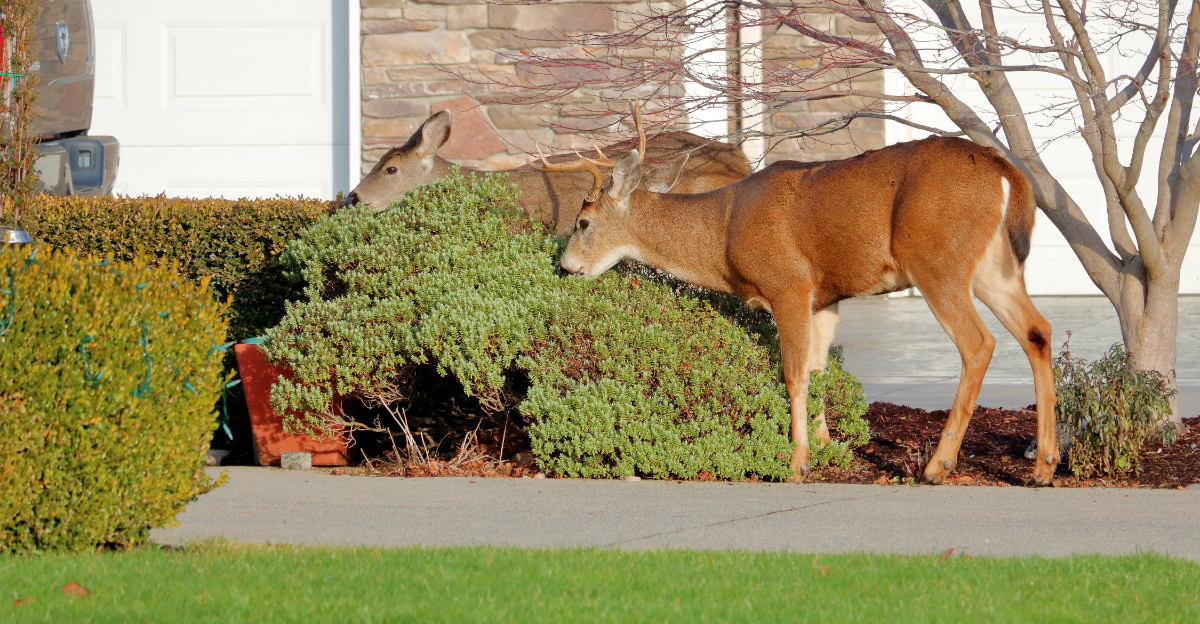
Newly planted shrubs often become an easy target for Michigan deer as natural food sources start thinning out toward the end of summer.
Fresh transplants tend to have softer, more tender growth compared to established plants that have had time to toughen up.
Deer are also drawn to the disturbed soil and unfamiliar scent surrounding recently planted shrubs, which can attract curious browsing.
Hunger increases during this seasonal shift, making deer less selective about what they’re willing to sample.
Applying repellents immediately after planting helps protect vulnerable shrubs during this especially risky adjustment period.
Physical barriers like temporary fencing offer even more reliable protection for high value plantings.
Choosing deer resistant shrub varieties for late summer planting can reduce this risk significantly from the start.
Understanding this seasonal shift helps Michigan gardeners better time and protect new plantings.
1. Nursery Growth Is Still Soft And Tender
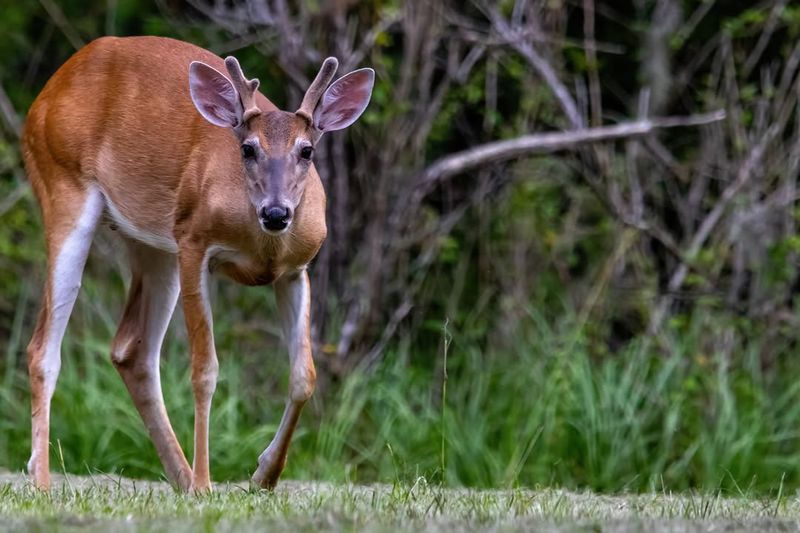
Fresh from the nursery, young shrubs carry something deer find almost impossible to resist: soft, tender new growth.
Unlike the woody, fibrous stems of a fully established shrub that has spent years hardening in your yard, nursery-grown plants often still produce lush, flexible shoots filled with moisture and nutrients.
Deer can browse these shoots with very little effort, making them a convenient and appealing snack during evening or early morning visits.
Young leaves, emerging buds, and fresh growing tips contain far less tough fiber than older, mature growth.
The cell walls in new shoots are thinner and easier to chew, which means deer can move quickly through a young plant without much resistance.
Established shrubs in the same yard may have branches that are simply too woody and firm to be worth the effort, while your new planting practically rolls out the welcome mat.
Shrubs that arrived from a nursery with regular irrigation and careful care often continue producing lush foliage even after transplanting, especially if you are keeping up with consistent watering during establishment.
That ongoing softness and greenness makes them stand out compared to surrounding vegetation that has toughened through the season.
Plant preference does vary by species, and some shrubs are naturally less attractive to deer than others, but no plant is completely safe when deer pressure in your neighborhood is high.
The safest move is to install protection immediately after planting rather than waiting to see torn shoots appear first.
2. Regular Watering Keeps The Foliage Succulent
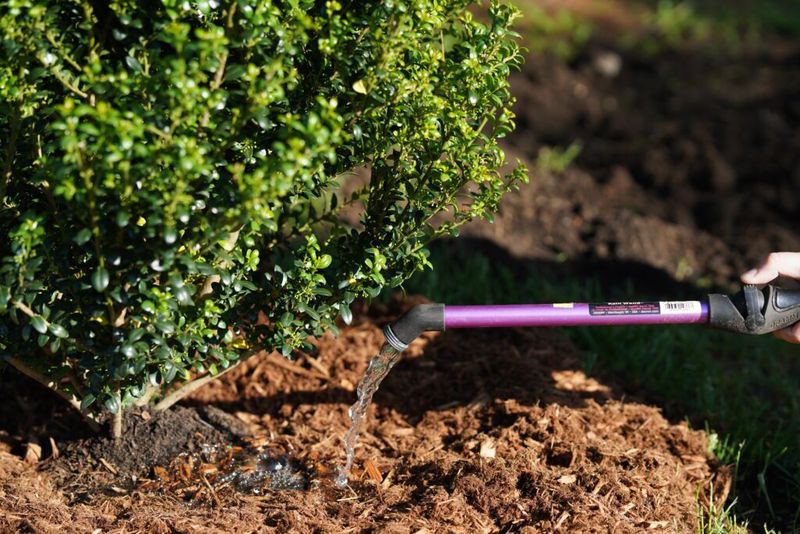
Picture a neighborhood block at the end of a dry Michigan August. Most of the wild vegetation along the tree line has tightened up, stiffened, and lost some of its appeal.
Your newly planted shrub, sitting in a freshly mulched bed with regular irrigation keeping it hydrated, looks like a completely different world. That contrast is exactly what draws deer straight to your yard.
Establishment watering is absolutely necessary for new shrubs to develop healthy root systems, and skipping it is not an option if you want your plants to survive.
But that same watering routine keeps leaves and shoots green, plump, and full of moisture well into late summer when nearby unmanaged plants have naturally become firmer and less appealing.
Your Michigan Garden Changes Every Week. Your Plan Should Too.
Gardening in Michigan changes quickly throughout the season. Every Friday you’ll receive a simple weekly plan showing exactly what to plant, prune, fertilize, harvest, and protect so you never miss the right timing.
Deer often choose the most convenient tender growth available, and a well-watered new shrub fits that description perfectly during a dry stretch.
Cutting back on water to make your shrub less attractive is not a good trade-off. A stressed, underwatered plant is far more vulnerable to long-term problems than one that gets browsed a little.
Keep your watering consistent for proper root development, but pair that routine with smart protection.
A wire cage placed around the shrub, a physical barrier along the bed edge, or a properly labeled deer repellent spray applied to the foliage can all help reduce visits without putting your plant at risk.
Combining good plant care with a protective layer gives your new shrub the best possible start while keeping deer at a reasonable distance.
3. Every Branch Sits Within Easy Browsing Reach
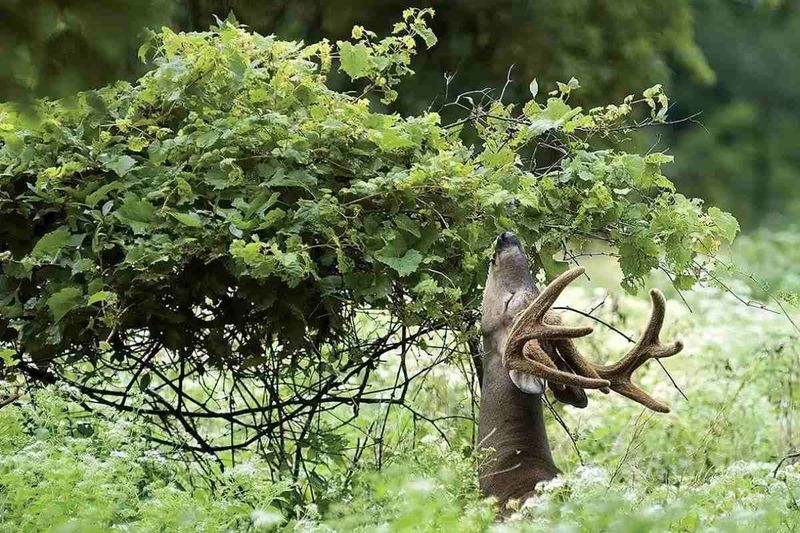
One of the most overlooked reasons deer target new plantings is simply a matter of geometry. A shrub fresh from the nursery is small, compact, and low to the ground.
Nearly every leaf, bud, and growing tip sits right at the comfortable browsing height deer prefer, which typically ranges from ground level up to about five or six feet.
Nothing is out of reach, and the whole plant is essentially presented like a buffet at the perfect height.
Compare that to a mature, established shrub that has spent several seasons growing. Older shrubs often have their lower branches naturally thinned out over time, and their upper canopy may sit above easy browsing height.
A deer passing through may grab a few low shoots but cannot access the majority of the plant.
With a young shrub, removing even a handful of shoots can represent a significant portion of its total leaf area, which slows growth and puts real stress on the plant during a critical establishment period.
Protecting a small shrub requires thinking about coverage from every angle. A simple stake with a single strand of wire is rarely enough because deer can easily reach over or press against it to access the foliage.
A proper cage made from sturdy wire fencing needs to be tall enough, ideally at least five feet, and wide enough that deer cannot lean over the edge and still reach the branches inside.
Giving the cage a few extra inches of clearance around the shrub also prevents deer from pressing against the outside and pulling shoots through the mesh.
4. New Shrubs Are Often Placed Along Deer Routes
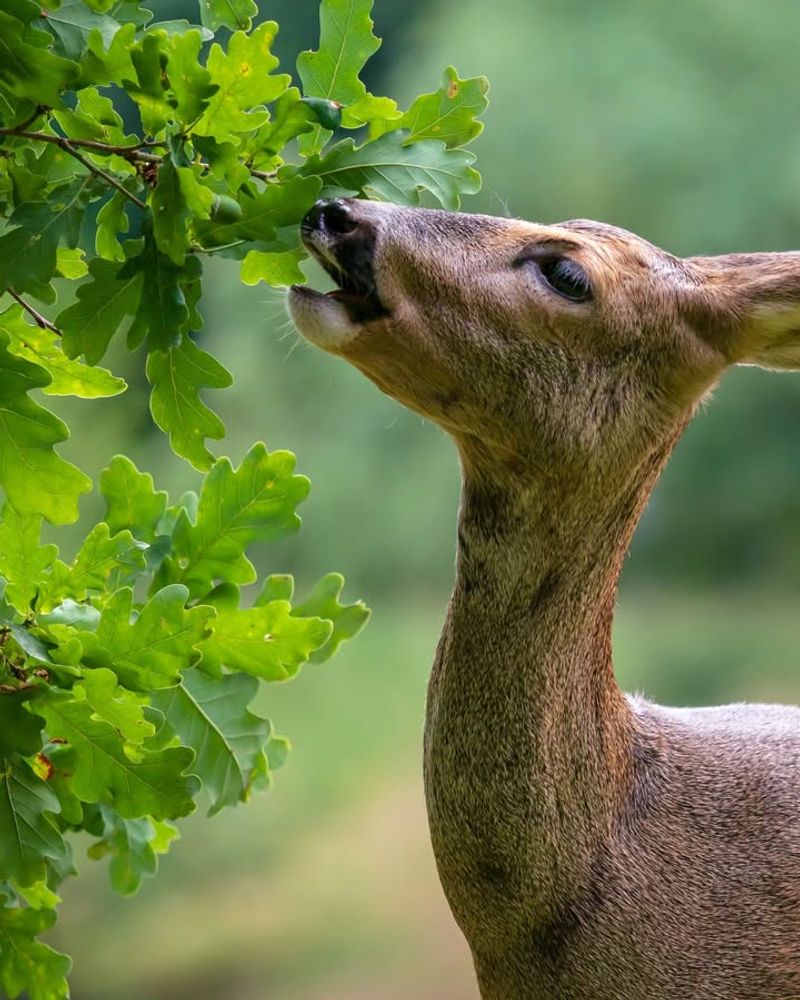
Location matters more than most gardeners realize. When planning a new planting, most people think about sunlight, soil drainage, and curb appeal.
What rarely gets considered is whether that spot already sits along a path deer use regularly.
Driveways, side yards, fence lines, woodland edges, and property borders are all popular choices for new shrub beds, and they happen to be exactly the corridors deer travel through most often during their daily routines.
Deer are creatures of habit. They follow the same routes night after night, especially during late summer when they are building up energy reserves and learning their local landscape.
A freshly planted shrub placed beside a familiar path becomes the first convenient food source encountered during an evening visit.
The deer does not have to go looking for it. The plant is simply there, right along the way, easy to grab without any detour.
Before choosing a planting spot, spend a little time checking the area for signs of regular deer activity.
Hoof prints pressed into soft soil, small dark droppings scattered nearby, narrow worn trails through grass or groundcover, and older browsing damage on existing plants are all reliable clues that deer move through regularly.
If those signs are present, the location needs protection from day one, no matter what species you plant. Protecting the side of the bed that faces the deer route first is a smart starting point.
Even a simple barrier on the approach side can reduce the chance of a casual visit turning into a serious browsing problem.
5. Sparse New Beds Offer Little Protective Buffer
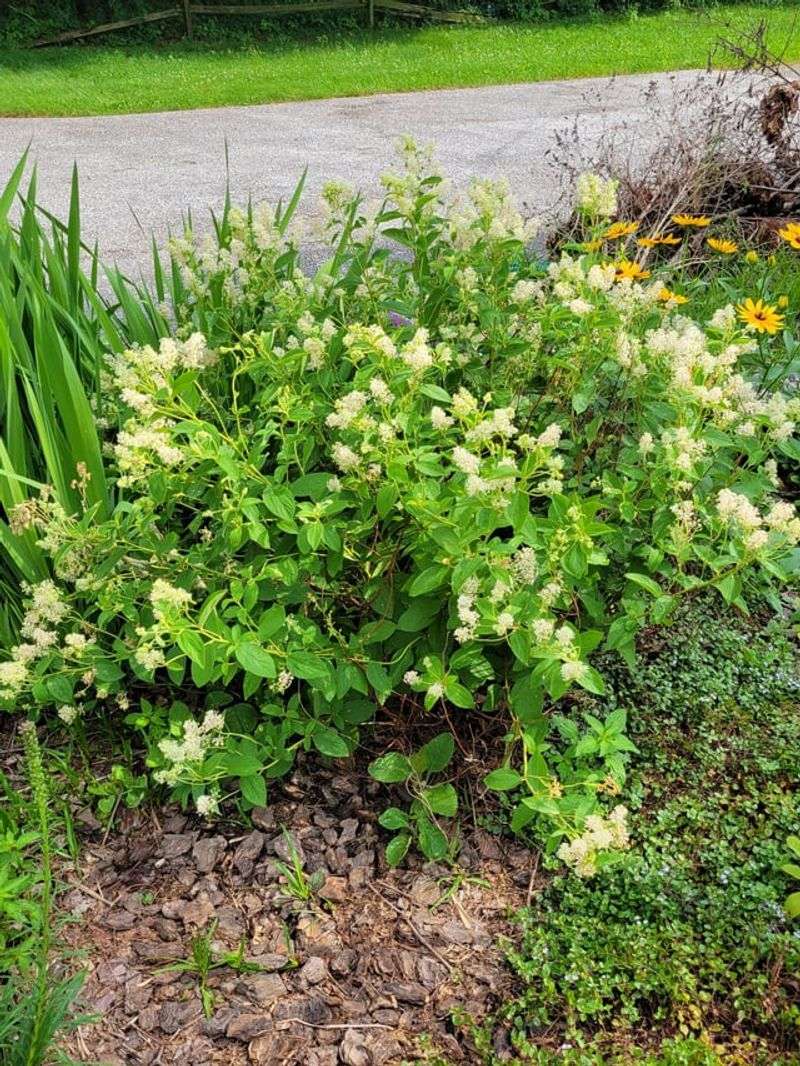
There is a big difference between a shrub tucked into a full, layered garden bed and one sitting alone in an open patch of fresh mulch.
When a new planting sits by itself with clear lawn on all sides and bare ground around it, deer can approach from any direction without hesitation.
Nothing slows them down, nothing makes them reconsider, and nothing makes the visit feel like it is not worth the effort.
Gardeners sometimes hear that planting aromatic herbs, fuzzy-leaved perennials, or other less-preferred plants nearby will help protect more vulnerable shrubs.
There is a small grain of truth to that idea, since dense, varied plantings with strong scents or coarse textures can make an area feel slightly less rewarding to browse.
But those plants do not create a true physical barrier, and a hungry deer moving through familiar territory is unlikely to turn around just because some lavender or lamb’s ear is growing nearby.
The most reliable protection for a shrub in a sparse, open bed is a physical barrier that actually prevents access.
Wire cages, sturdy fencing, or temporary deer netting placed directly around the plant work far better than companion planting alone when deer pressure is real and consistent.
As the bed fills in over future seasons and surrounding plants mature, the overall planting becomes denser and slightly less approachable.
Until that point, keeping your most favored shrubs behind solid physical protection in areas where regular browsing happens is the most straightforward and effective strategy available to Michigan gardeners.
6. One Successful Visit Can Become A Feeding Habit
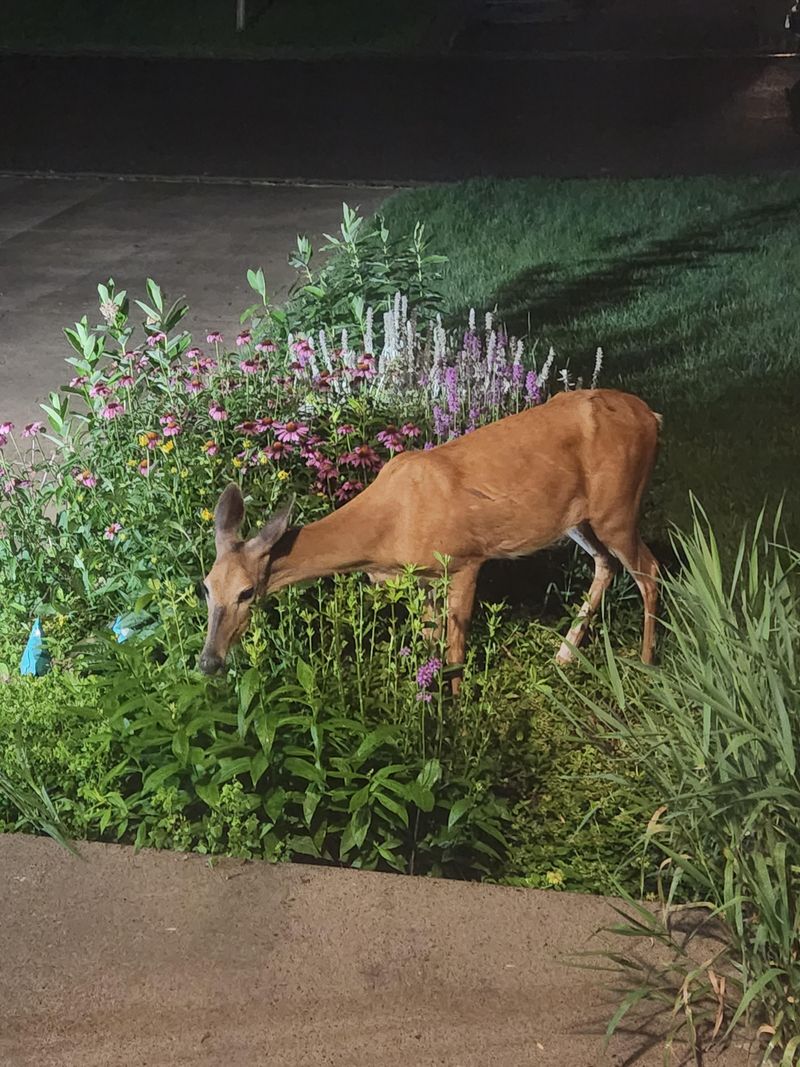
Deer are smart, and they have excellent memories for locations where they have found food before.
The first time a deer discovers your new shrub and gets an easy meal, it files that location away and comes back. Repeatedly.
This is one of the most frustrating patterns Michigan gardeners deal with, because what starts as a single incident can quickly turn into a reliable nightly stop on the local deer circuit.
After that first visit, the damage compounds fast. Remaining shoots on the original shrub get targeted during return trips.
Nearby shrubs of the same species become obvious next stops since deer recognize familiar foliage.
Fresh regrowth that pushes out after the initial browsing is often even softer and more appealing than the original growth was, which encourages the cycle to continue.
A few torn leaves in week one can turn into a seriously set-back plant by week three. Knowing the signs of a return visit helps you act quickly before the habit becomes deeply established.
Ragged stem ends with a rough, torn appearance rather than a clean cut, missing buds, stripped shoot tips, hoof prints pressed into the mulch around the base, and scattered droppings nearby are all strong indicators that deer have visited more than once.
Waiting to see if they lose interest on their own is rarely a winning strategy.
Installing a proper cage, applying a repellent spray to the remaining foliage immediately after spotting the first damage, and checking the area regularly gives you the best chance of interrupting the pattern before it becomes permanent.
7. Slender New Stems Can Attract Buck Rubbing
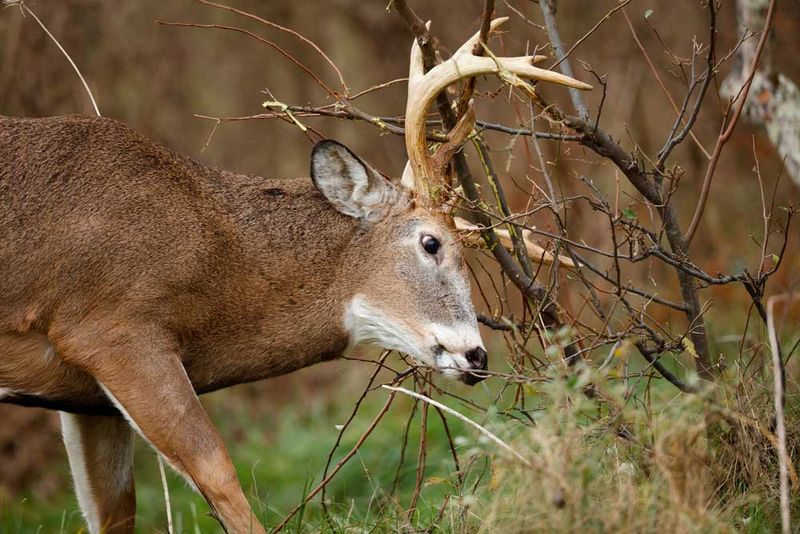
Not all late summer damage on newly planted shrubs comes from feeding. As summer winds down and early fall approaches, male deer begin removing the velvet from their antlers by rubbing them against woody plants.
Young shrubs and small trees with slender trunks, roughly two inches wide or less, are prime targets for this behavior.
The damage it causes looks completely different from browsing, but it can be just as serious for a plant that is still working hard to get established.
Rubbing strips bark from the stem in long vertical patches, shreds the outer layer down to bare wood, and can bend or break smaller stems entirely.
If you step outside and find your new shrub looking battered with scraped bark and bent branches but no torn leaf tips or missing buds, buck rubbing is likely the cause rather than feeding.
Recognizing the difference matters because the protective strategies are slightly different for each type of damage.
A wire cage works well for both problems, but for rubbing specifically, the cage needs to stand firmly and sit far enough away from the plant that antlers cannot reach the stems through the openings.
A loose or flimsy cage pushed right against the shrub offers very little real protection against a determined buck.
Sturdy individual trunk guards made from spiral plastic wrap or rigid tubing also help protect the main stem of small trees and larger-stemmed shrubs.
Putting protection in place before the velvet removal season begins, rather than after you spot the first scraped bark, saves your plants from the worst of it.