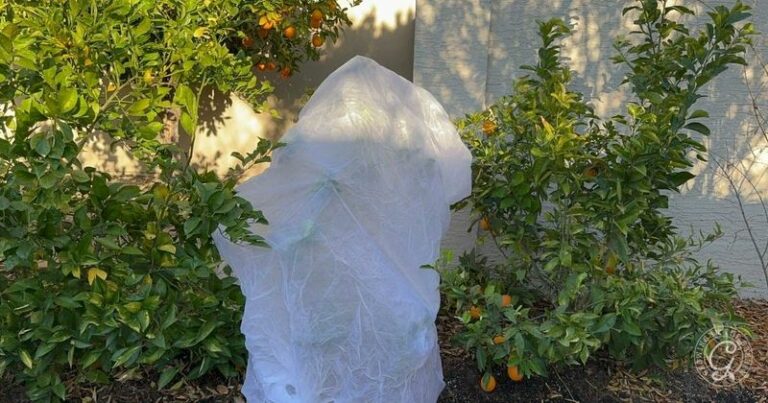
Stop Trimming Your Arizona Citrus Trees Until Heat Breaks
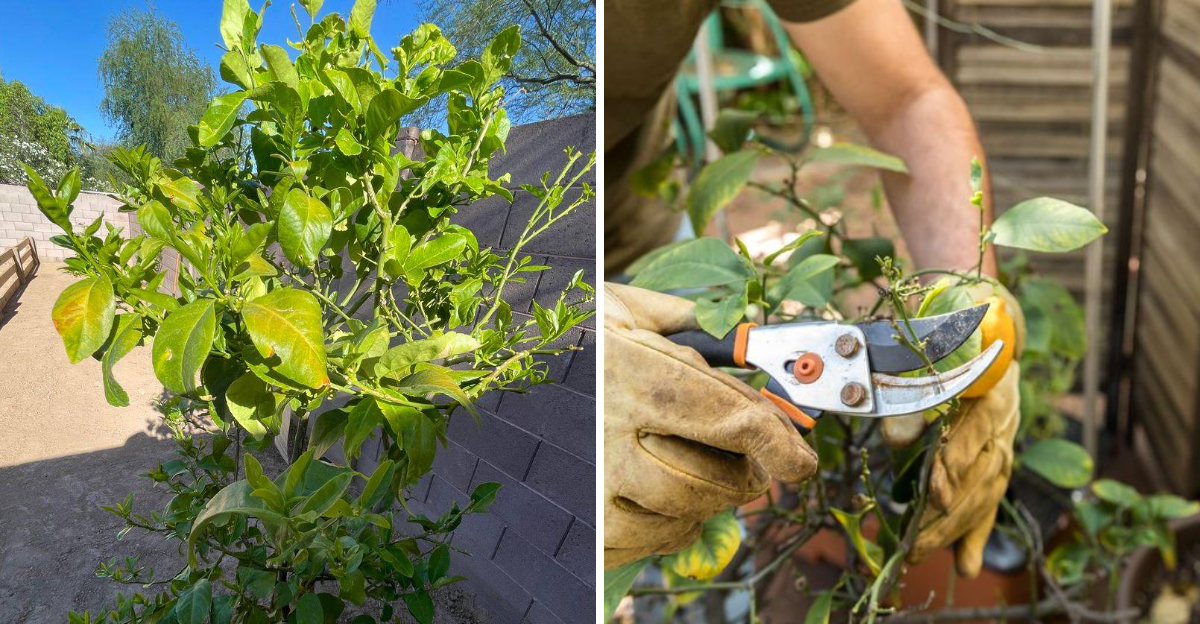
Your citrus tree may look ready for a trim, but don’t grab the pruners yet. Extreme heat can turn a simple cut into a much bigger problem.
Freshly exposed branches burn more easily under intense sun. That extra stress can slow recovery and affect the tree for weeks.
Many Arizona gardeners discover this after trying to tidy healthy trees during the hottest part of summer. Waiting a little longer often leads to healthier growth and fewer problems later.
Before you make the first cut, take a moment to think about what your citrus is already dealing with. Giving it time now can protect the bark, reduce unnecessary stress, and help it come through the season in much better shape.
Your patience today can make next season’s growth much more rewarding.
1. Extreme Heat Slows Wound Healing
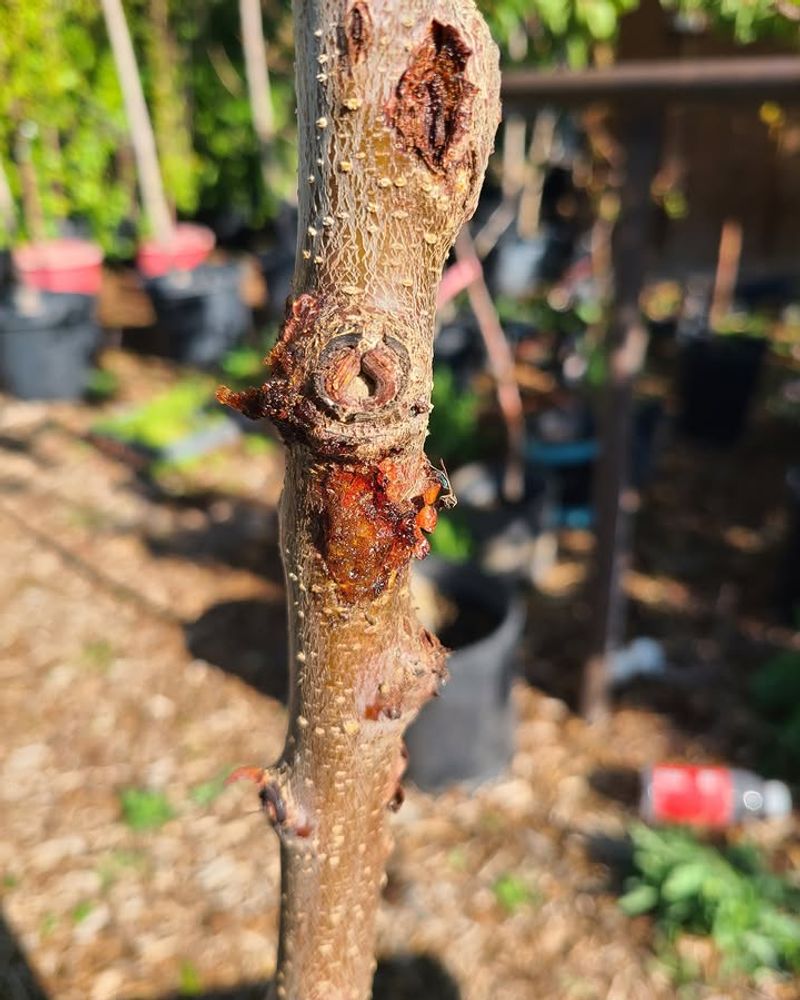
Pruning a citrus tree opens up wounds, and those wounds need time and energy to seal over. When temperatures climb past 100 degrees, the tree shifts most of its energy toward basic survival, not repair.
A tree under heat stress has less moisture moving through its tissues. That reduced flow means healing slows down significantly.
Cuts that would seal in a few weeks during cooler months can stay open much longer in summer heat.
Open wounds become entry points for pests and fungal problems. Bark beetles and other insects are drawn to freshly cut wood, especially when the tree is already stressed and less able to defend itself.
Waiting for cooler temperatures gives your tree a real advantage. Once the heat breaks, usually in late September or October in warmer desert regions, the tree has more resources available to close wounds efficiently.
Patience pays off here. Skipping a summer pruning session is not neglect.
It is actually the smarter move for long-term tree health. Most citrus trees bounce back faster from pruning done in the right season than from cuts made during peak heat stress.
2. Fresh Cuts Expose Bark To Sunburn
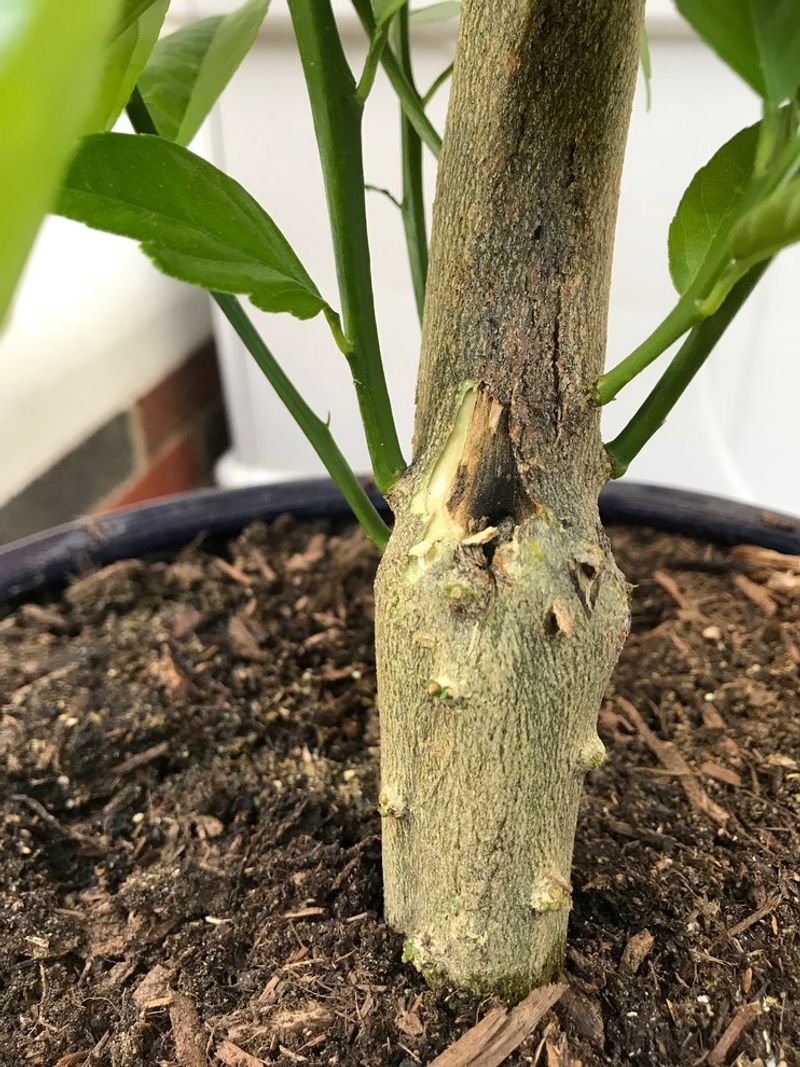
Sunburn on citrus bark is a real problem, and fresh pruning makes it much worse. When you remove branches, the bark underneath suddenly gets hit with direct sunlight it was never exposed to before.
Citrus bark is not built to handle sudden, intense sun exposure. In Arizona summers, UV intensity combined with triple-digit heat can scorch bark quickly.
Sunburned bark turns white or gray, cracks, and can lead to long-term structural damage to the tree.
Interior branches and the trunk are especially vulnerable. Once leafy canopy is removed, those previously shaded sections face full sun without any adjustment period.
It is a shock the tree struggles to manage during peak heat.
Sunburned sections do not recover quickly. Damaged bark can take a full season or longer to stabilize, and in some cases the damage becomes a weak point where other problems develop over time.
Keeping your canopy intact through summer acts as built-in shade protection. Leaves shield the trunk and inner branches from the harshest rays.
Holding off on pruning until fall preserves that natural protection right when the tree needs it most. If you must remove something, use diluted white latex paint on exposed bark to reduce sun damage risk.
Your Arizona Garden Changes Every Week. Your Plan Should Too.
Gardening in Arizona changes quickly throughout the season. Every Friday you’ll receive a simple weekly plan showing exactly what to plant, prune, fertilize, harvest, and protect so you never miss the right timing.
3. Heavy Pruning Leaves Fruit More Exposed
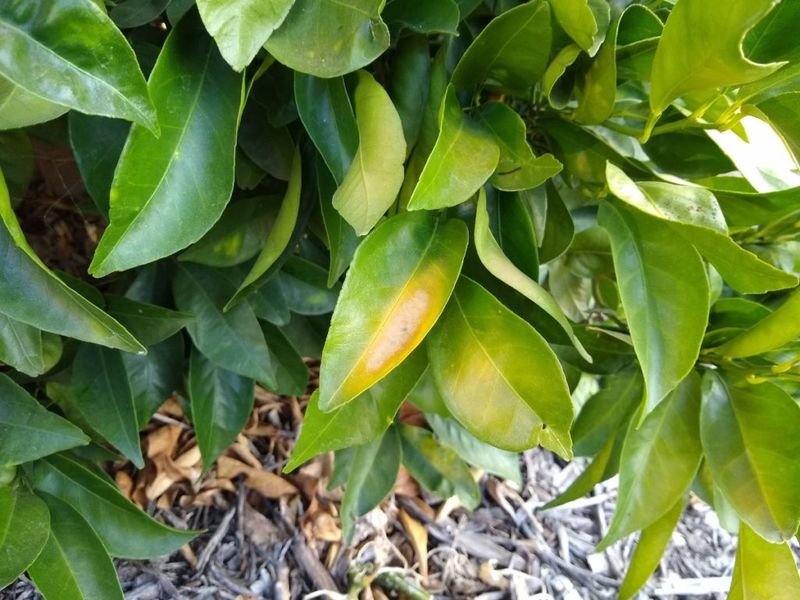
Fruit hanging on the tree needs shade too. Leaves do more than feed the tree through photosynthesis.
They also shield developing fruit from direct sun exposure during the hottest parts of the day.
When heavy pruning removes a large portion of the canopy, fruit that was previously shaded suddenly gets blasted by full afternoon sun. In desert summers, that kind of exposure can cause sunscald on the fruit itself.
Affected fruit develops bleached, soft patches that reduce quality and shelf life.
Citrus fruit takes months to ripen properly. Damaging it midway through that process wastes all the energy the tree already invested in producing it.
A sunscalded orange or lemon is not going to improve as the season goes on.
Keeping the canopy full through summer protects both the tree and the crop you are working toward. Leaves act as a natural umbrella for the fruit clusters below them.
Light, selective trimming is sometimes unavoidable, but pulling off large sections of canopy during summer is a decision that often leads to regret come harvest time.
If your goal is quality fruit, protecting it through the hottest months matters just as much as watering and fertilizing.
Wait for fall before tackling any significant reshaping of the tree.
4. Damaged Branches Are The Main Exception
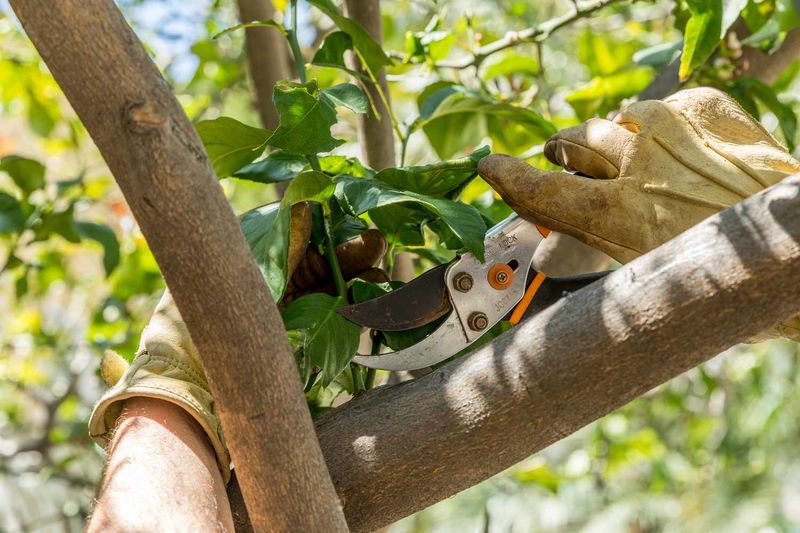
Broken branches do not wait for the right season. If a branch snaps from wind, storm damage, or heavy fruit load, leaving it hanging creates more problems than removing it carefully would.
Torn or hanging wood is a stress point for the tree. It can strip bark further down the branch as it shifts in the wind.
Leaving broken wood in place also invites pests and can introduce fungal issues at the point of damage.
Removing damaged branches promptly is the right call even in peak summer heat. The key is to make clean cuts, minimize the size of the wound, and avoid removing more wood than necessary.
Focus only on what is clearly broken or compromised.
Keep your pruning shears clean and sharp before making any cuts. Ragged cuts take longer to seal and create a larger entry point for problems.
A clean, smooth cut just outside the branch collar gives the tree the best chance to recover.
After removing damaged wood, consider applying a thin layer of diluted white latex paint to the exposed cut surface if it is in a sun-exposed area.
This is not a cure, but it can reduce sun stress on the fresh wound. Outside of actual damage, hold off on any other pruning until temperatures drop.
5. Young Citrus Trees Need Extra Protection
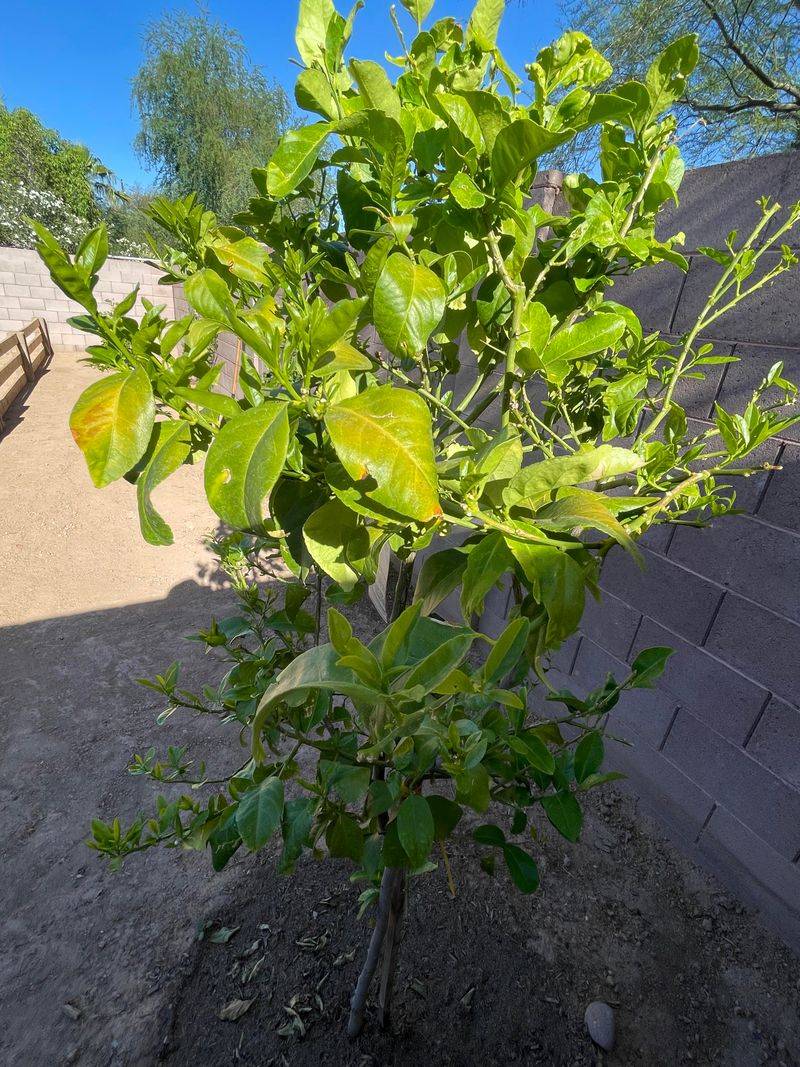
Young citrus trees have much less stored energy than mature ones. Their root systems are smaller, their canopies are thinner, and their ability to handle stress is genuinely limited compared to established trees.
Pruning a young tree during summer heat is especially risky. Removing even a few branches can take away a significant portion of the leaf coverage the tree depends on for energy production.
Less canopy means less photosynthesis, and that slows growth at a time when young trees need every advantage.
Thin bark on young trees is also more vulnerable to sunburn. Without a dense canopy, the trunk and main branches can get scorched quickly in direct sun.
Sunburned bark on a young tree can cause setbacks that take more than one season to overcome.
If your young citrus was recently planted or is still in its first few years, focus on keeping it hydrated and shaded rather than shaped.
Deep watering every few days during peak heat periods helps roots stay active and reduces overall stress on the plant.
Shade cloth can make a real difference for young trees during the hottest weeks. Even partial afternoon shade reduces heat load significantly.
6. Citrus Trees Stay Under Stress During Extreme Heat
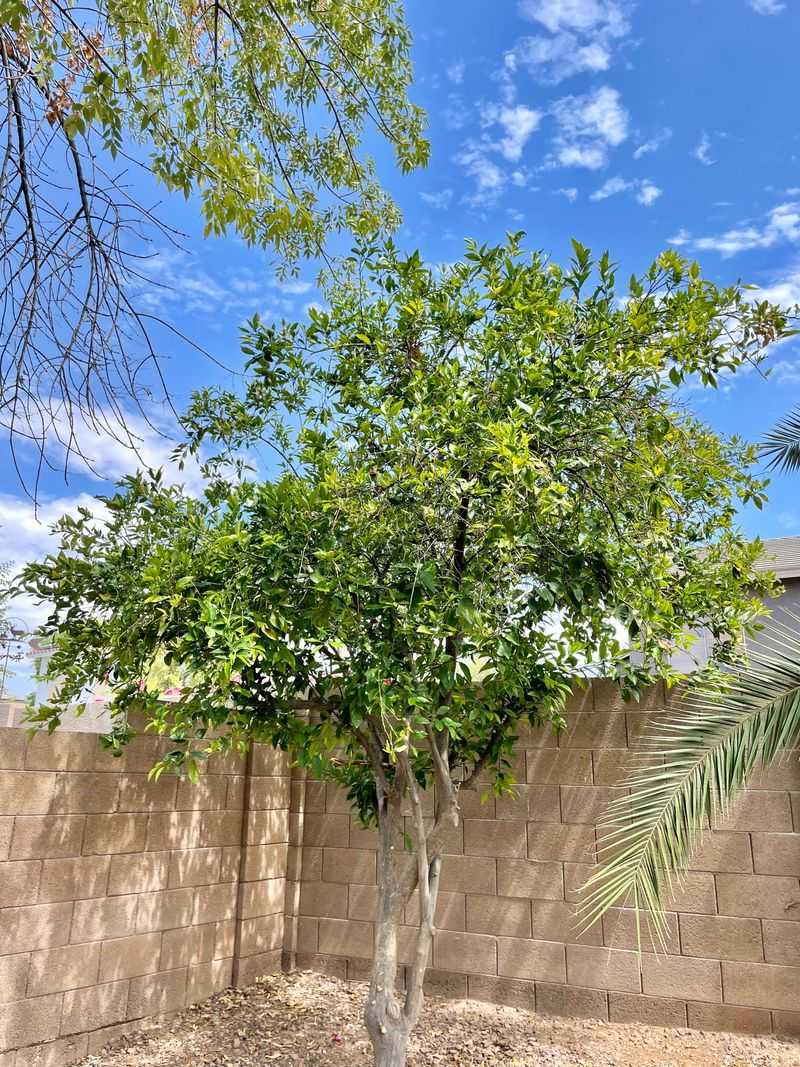
Heat stress in citrus trees is not always obvious at first glance. Leaves may look fine in the morning but show drooping or curling by afternoon.
That is the tree trying to reduce moisture loss during the hottest hours.
When a citrus tree is already working hard just to stay stable, adding a pruning session on top of that creates compounding stress. The tree has to manage wound healing, sun exposure, and temperature regulation all at once.
That is a heavy load during summer months in the desert Southwest.
Water uptake slows down when soil temperatures are very high. Even with regular irrigation, roots absorb less efficiently in extreme heat.
Less water moving through the tree means slower response to any additional stress, including fresh pruning wounds.
Stressed trees are also more attractive to certain pests. Citrus leafminers and other insects tend to move toward weakened trees.
Fresh pruning during peak stress periods can draw additional pest pressure at exactly the wrong time.
Giving the tree a break from any major intervention during summer is a straightforward way to reduce compounding stress.
Stick to consistent watering, watch for signs of nutrient deficiency, and avoid anything that forces the tree to redirect energy.
7. Late Winter And Early Spring Are Best For Pruning
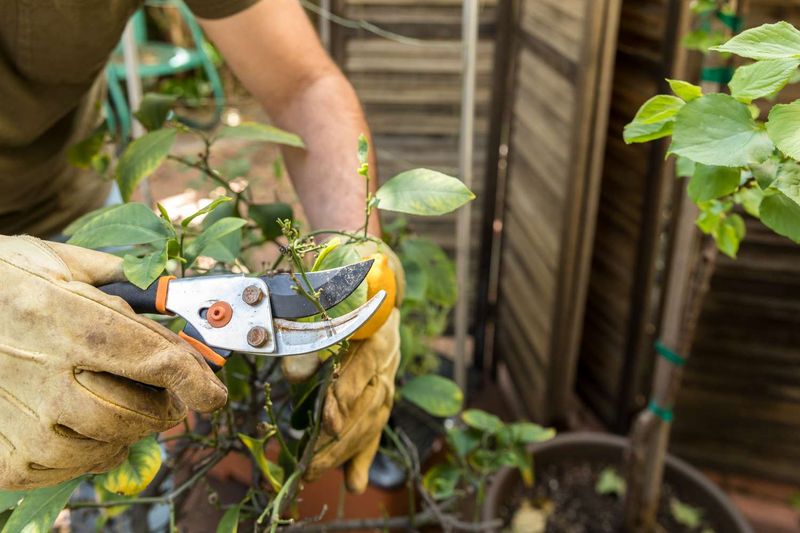
Late winter is the sweet spot for citrus pruning in desert climates. Temperatures are mild, frost risk is mostly behind you, and the tree is just starting to gear up for new growth.
Pruning just before the spring growth flush gives the tree a chance to heal wounds while it is actively pushing out new shoots and leaves. That burst of energy supports faster callusing over cut surfaces.
Timing it right means the tree spends less time with open wounds exposed to the elements.
February through early March tends to work well in warmer desert areas. By that window, the coldest nights have usually passed and daytime temperatures are comfortable for both the tree and the person doing the work.
It is also easier to see the tree’s structure clearly before new growth fills in.
Focus on removing crossing branches, inward-growing wood, and anything that blocks airflow through the center of the canopy. Avoid removing more than about a quarter of the canopy in a single session.
Gradual reshaping over a couple of seasons is gentler on the tree than one aggressive cutback.
Fertilizing shortly after pruning in late winter can support the flush of new growth that follows. A balanced citrus fertilizer applied according to label directions gives the tree nutrients right when it needs them most.